Selene / Artemis 43
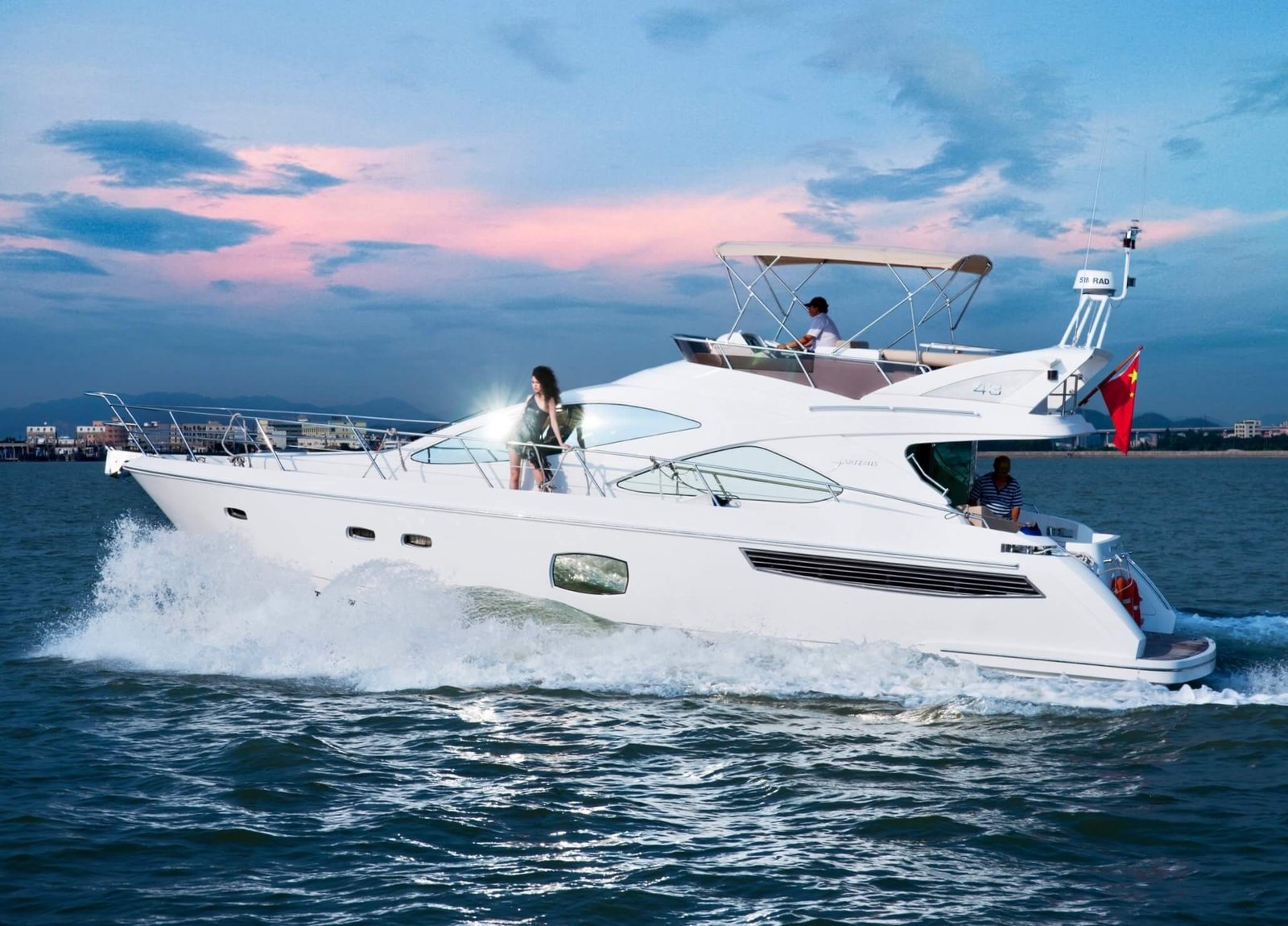
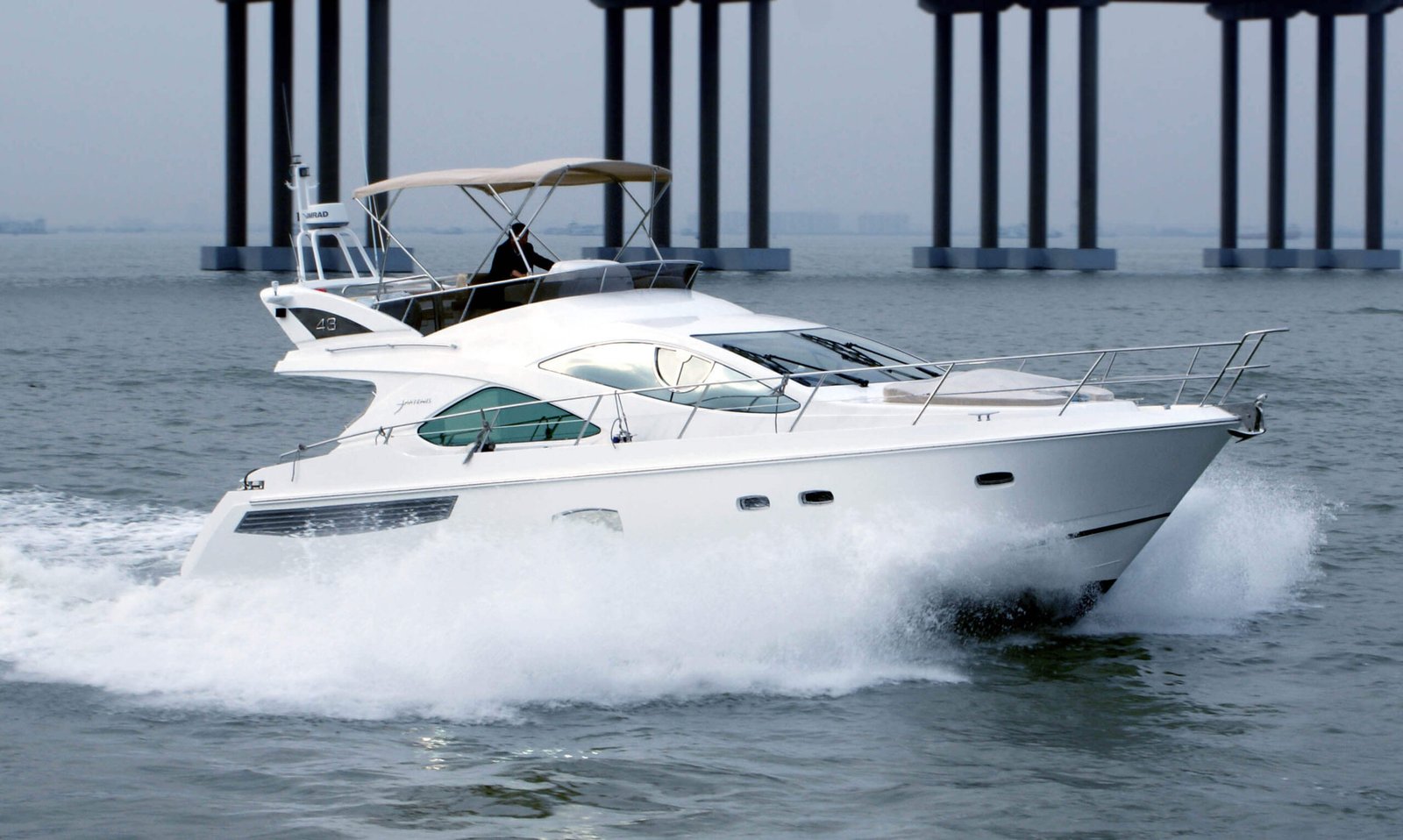
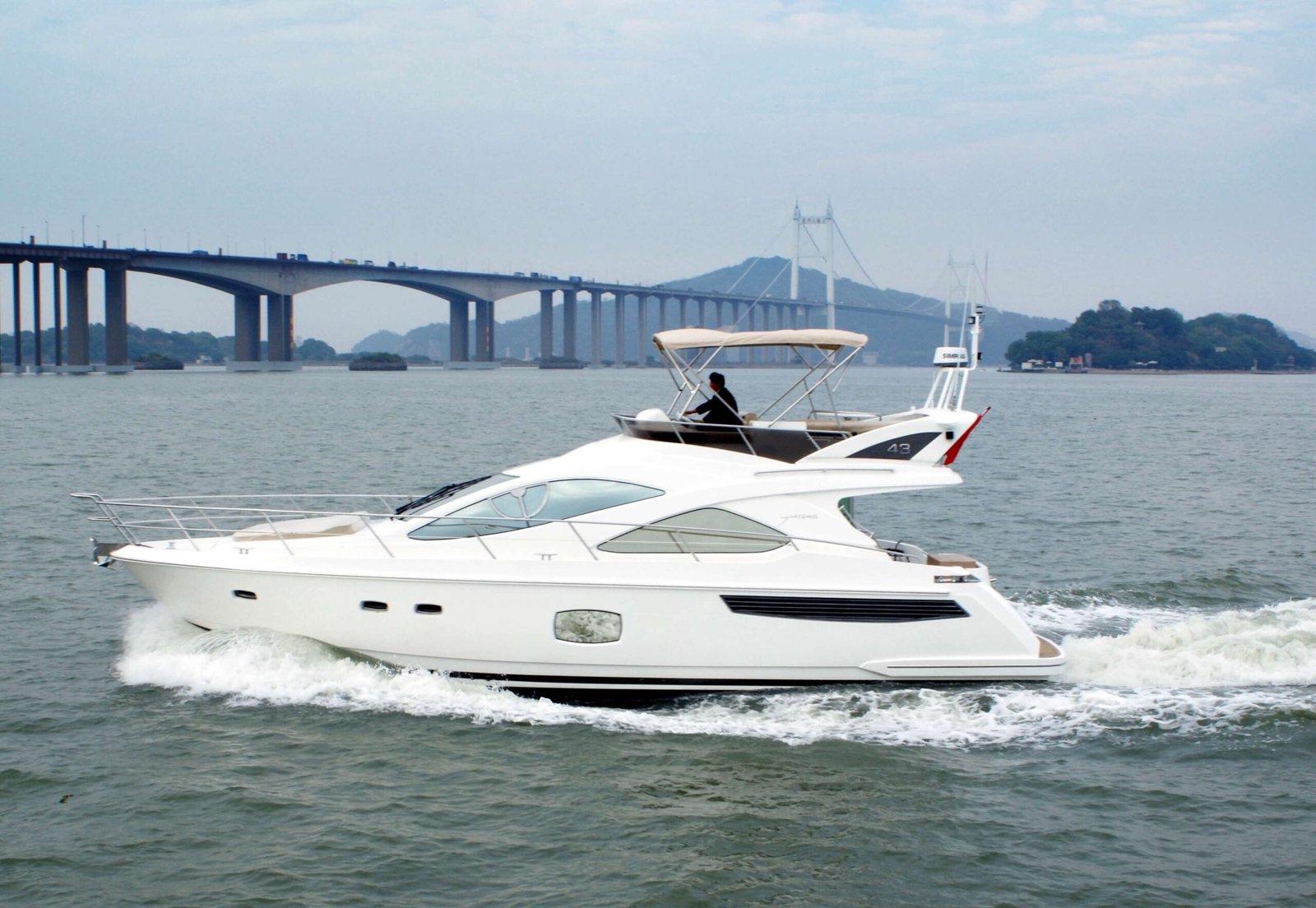
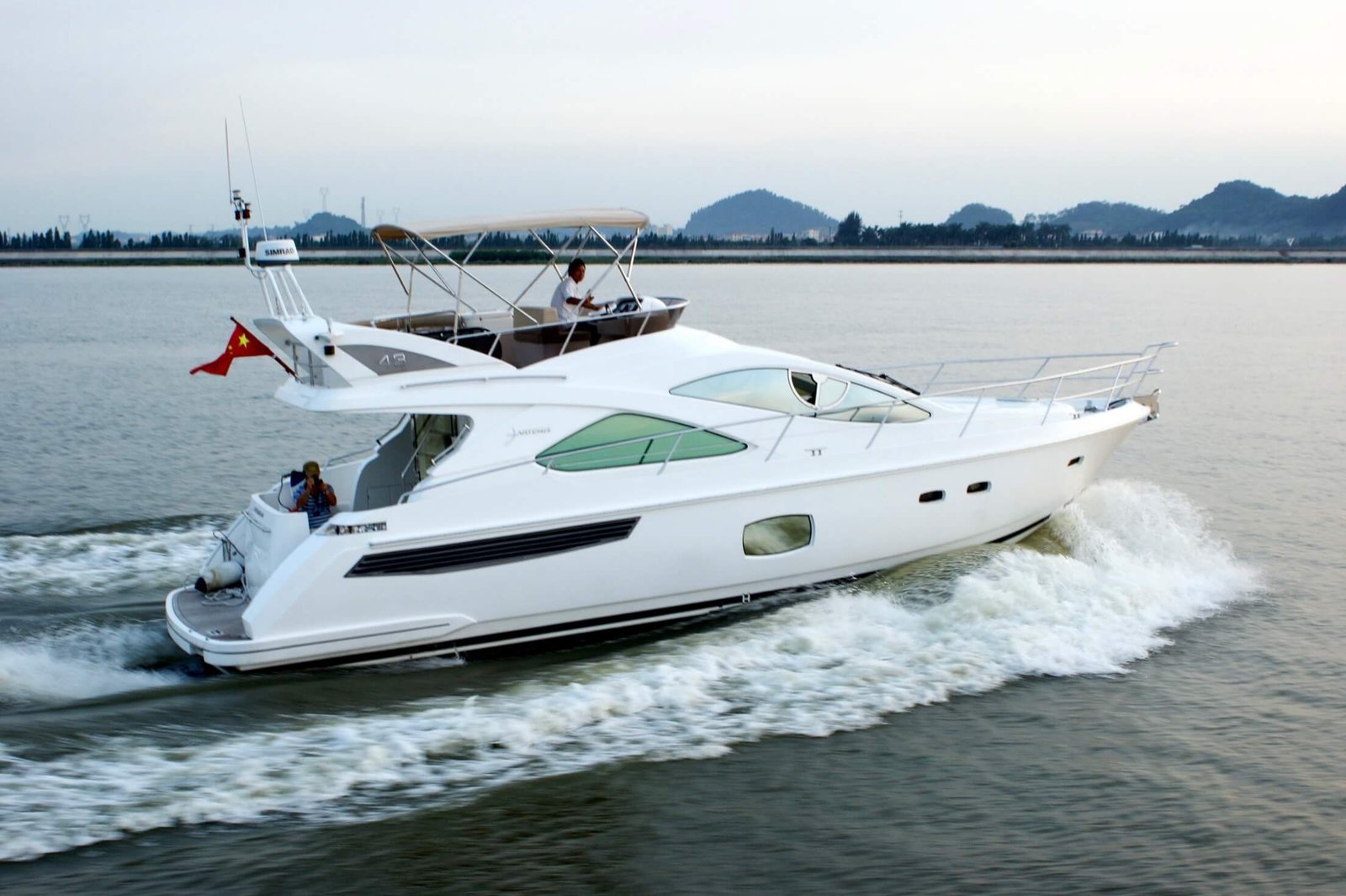
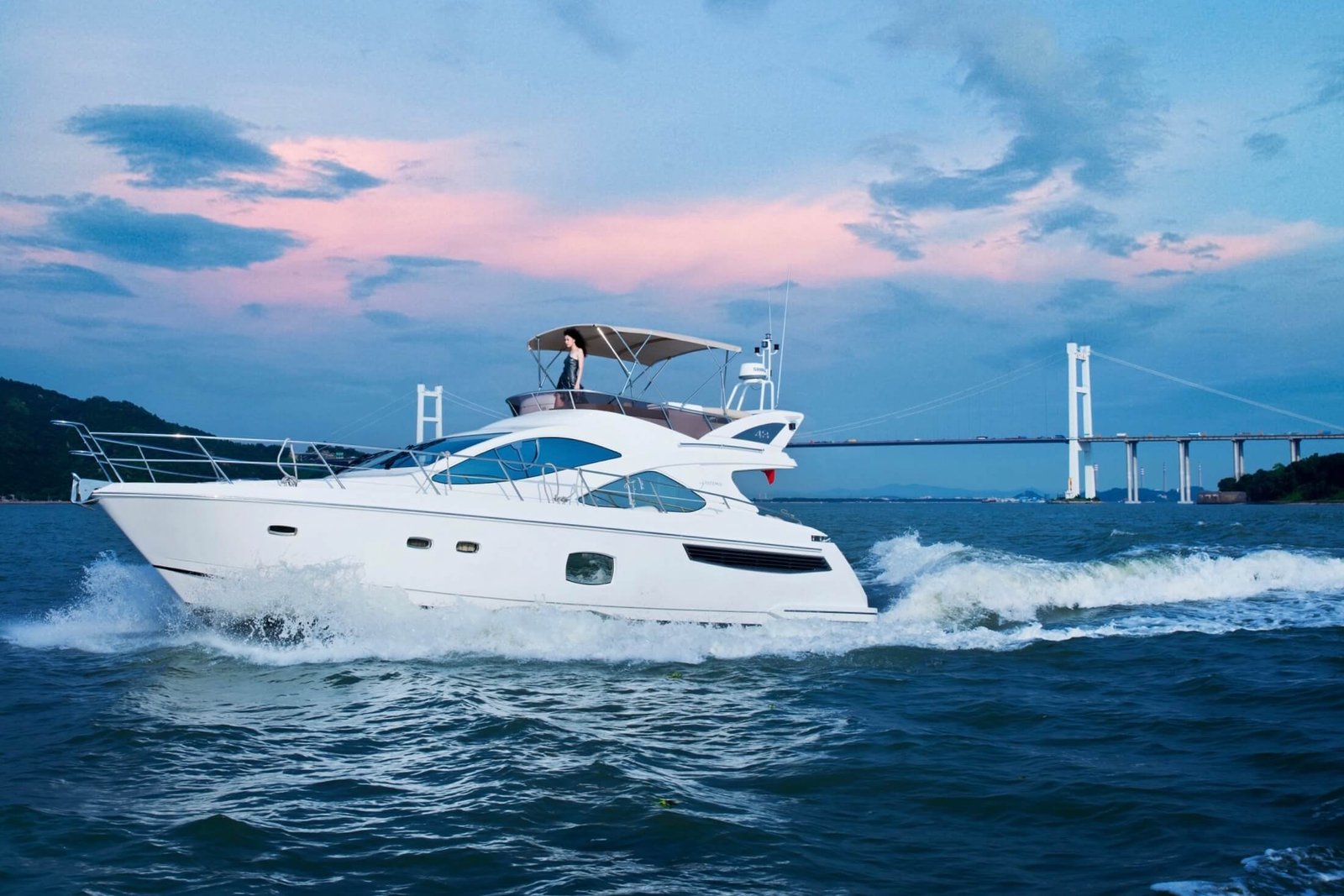
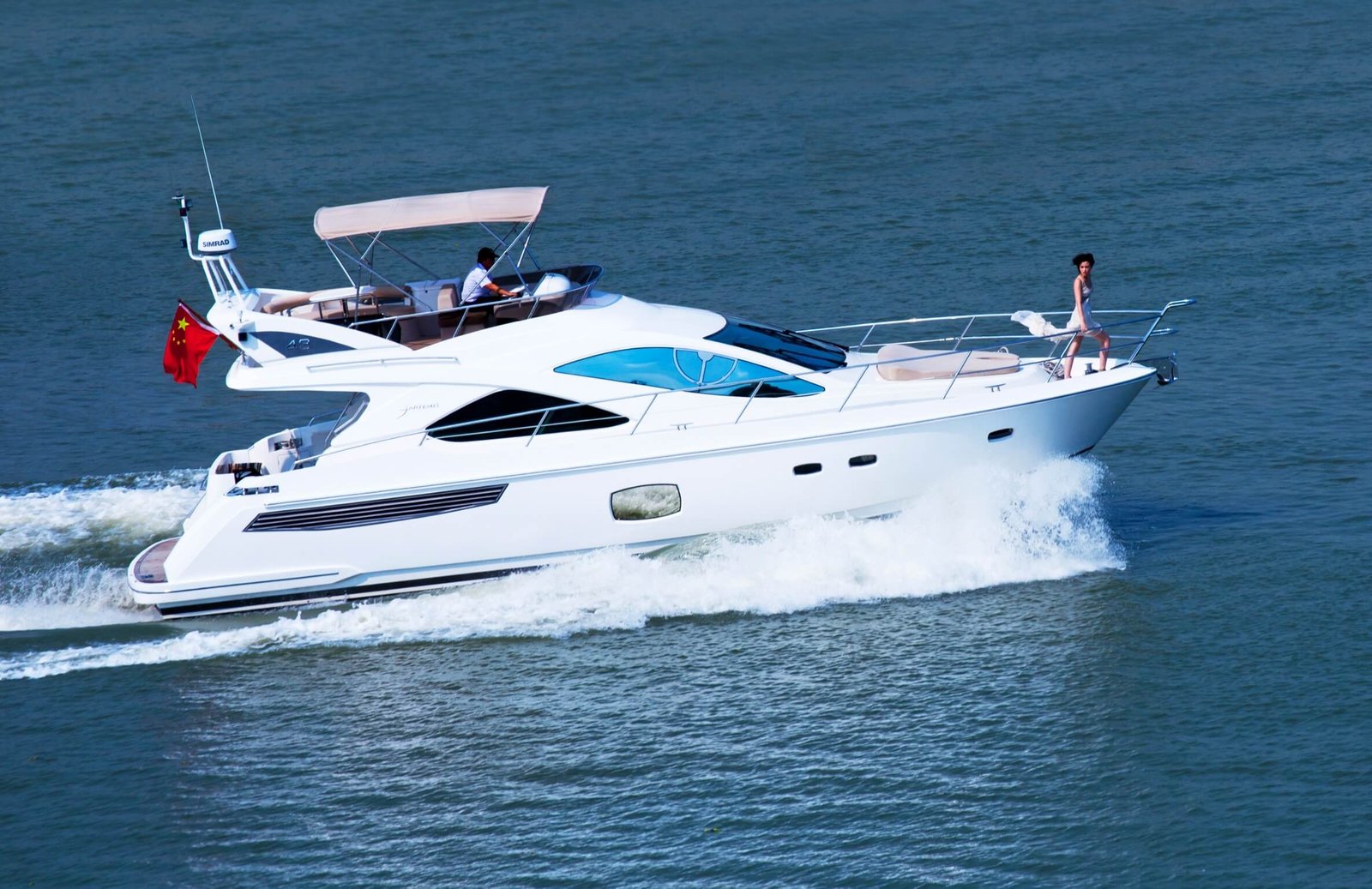
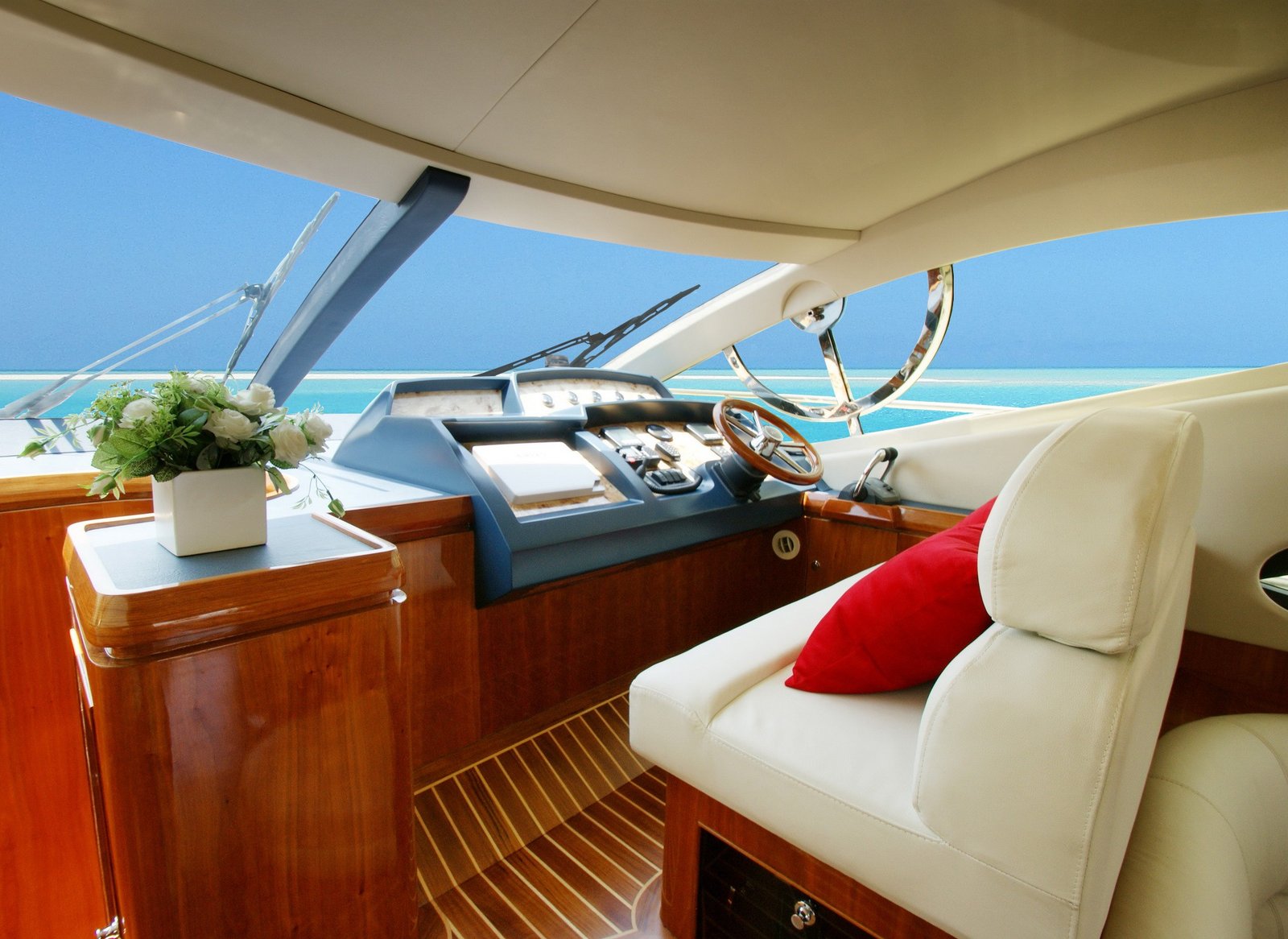
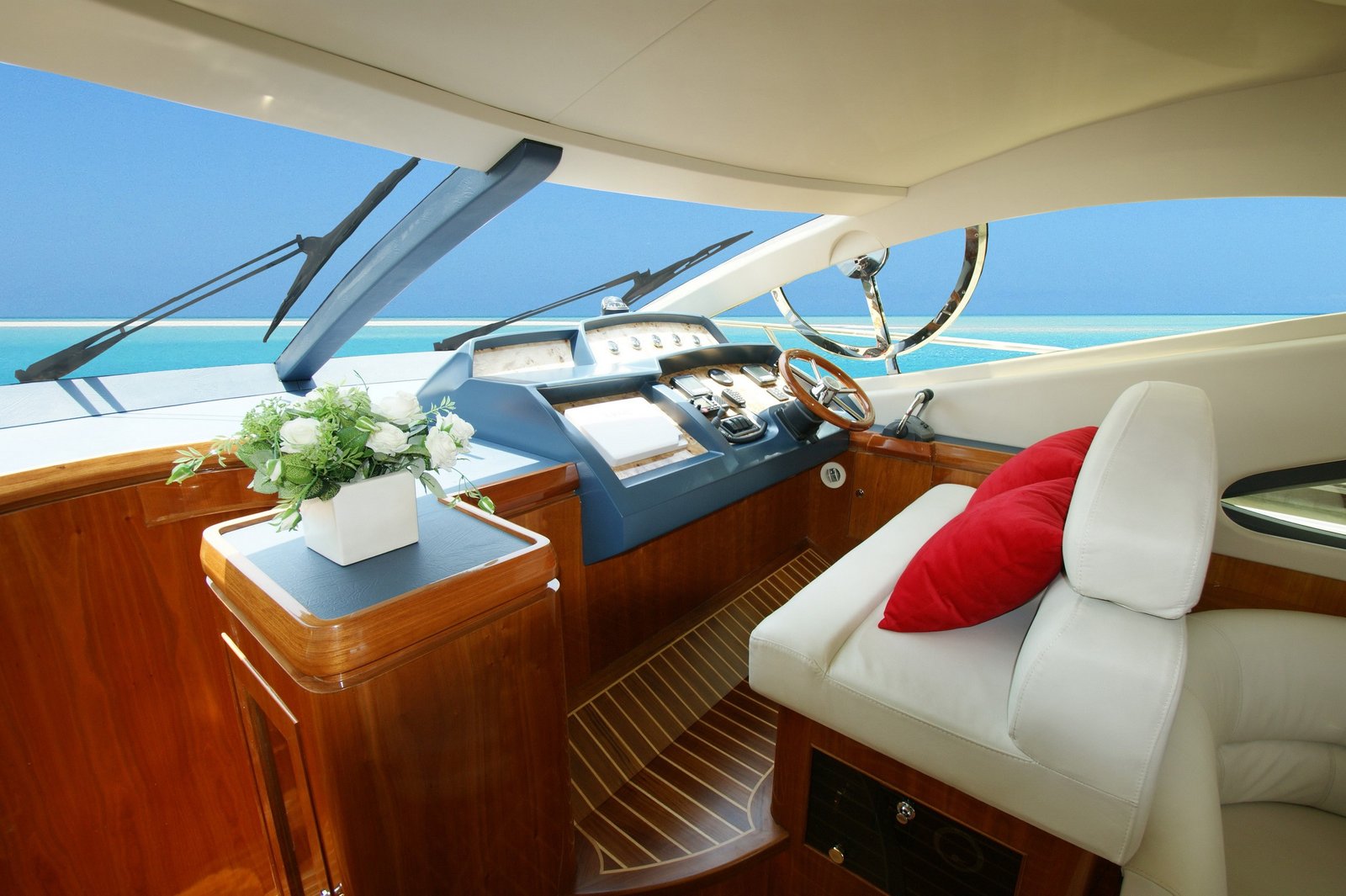
Guido de Groot drew the Artemis 43, and it shows in the profile: a long, low superstructure, a curved screen and hull glazing that runs most of the length of the accommodation. This was the first boat in the Selene fast range, and it was a deliberate break from the trawlers the yard is known for.
Twin Yanmar 6LY3-STP diesels of 440 horsepower each drive her to 27 knots, on 13.85 metres of hull and a 4.04 metre beam. Draft is 1.07 metres, which keeps most Mediterranean and Caribbean anchorages open to her.
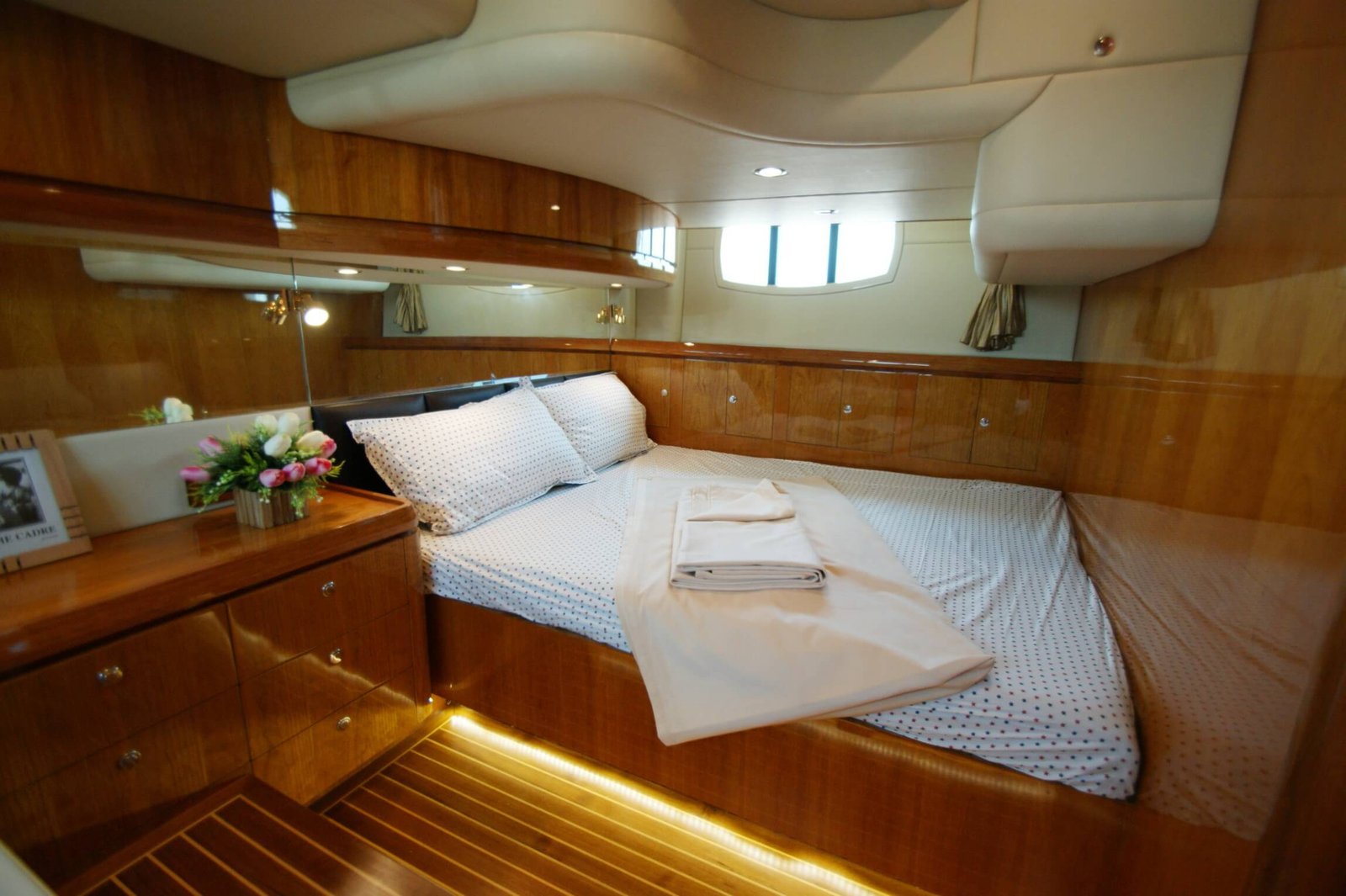
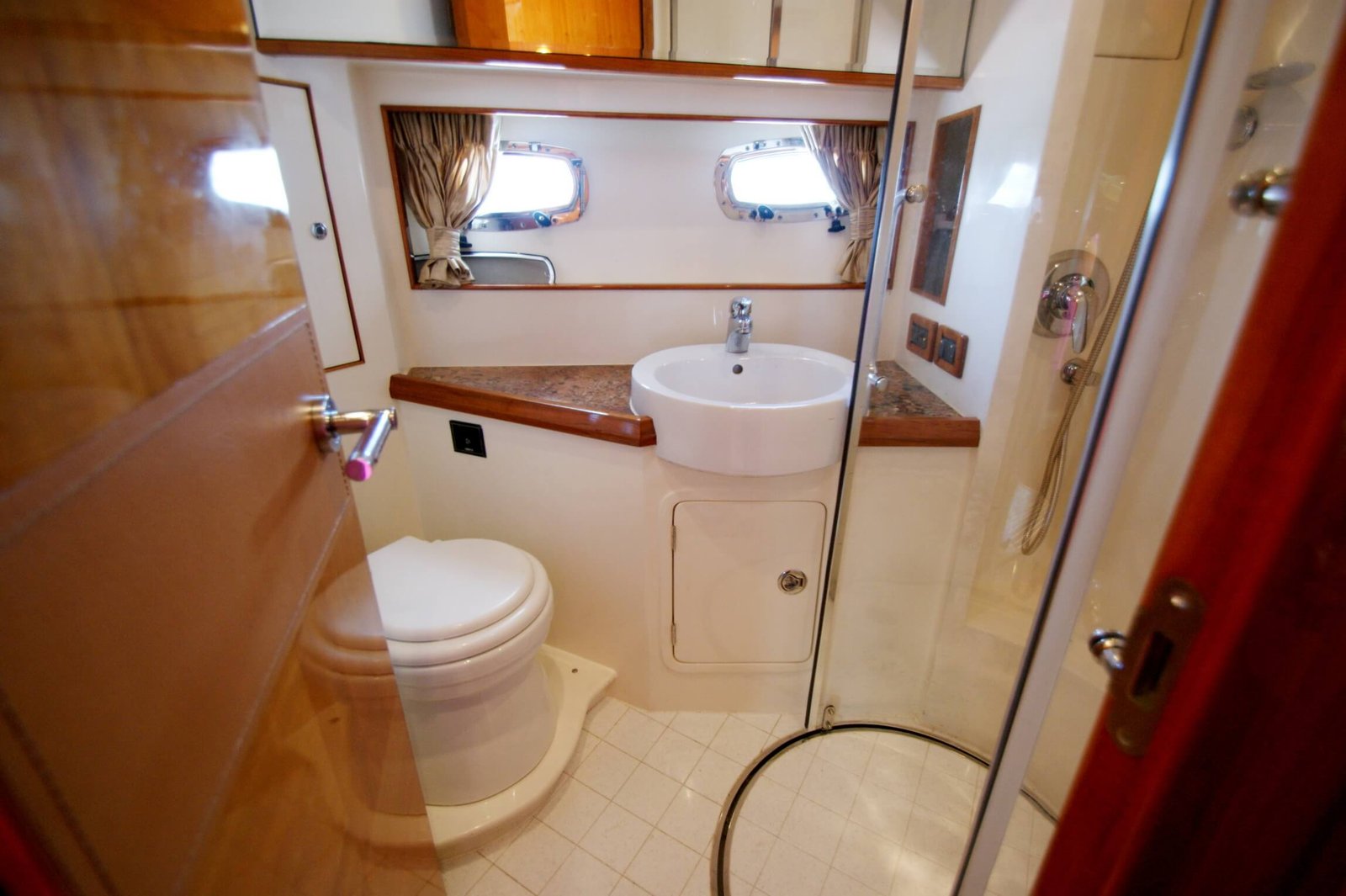
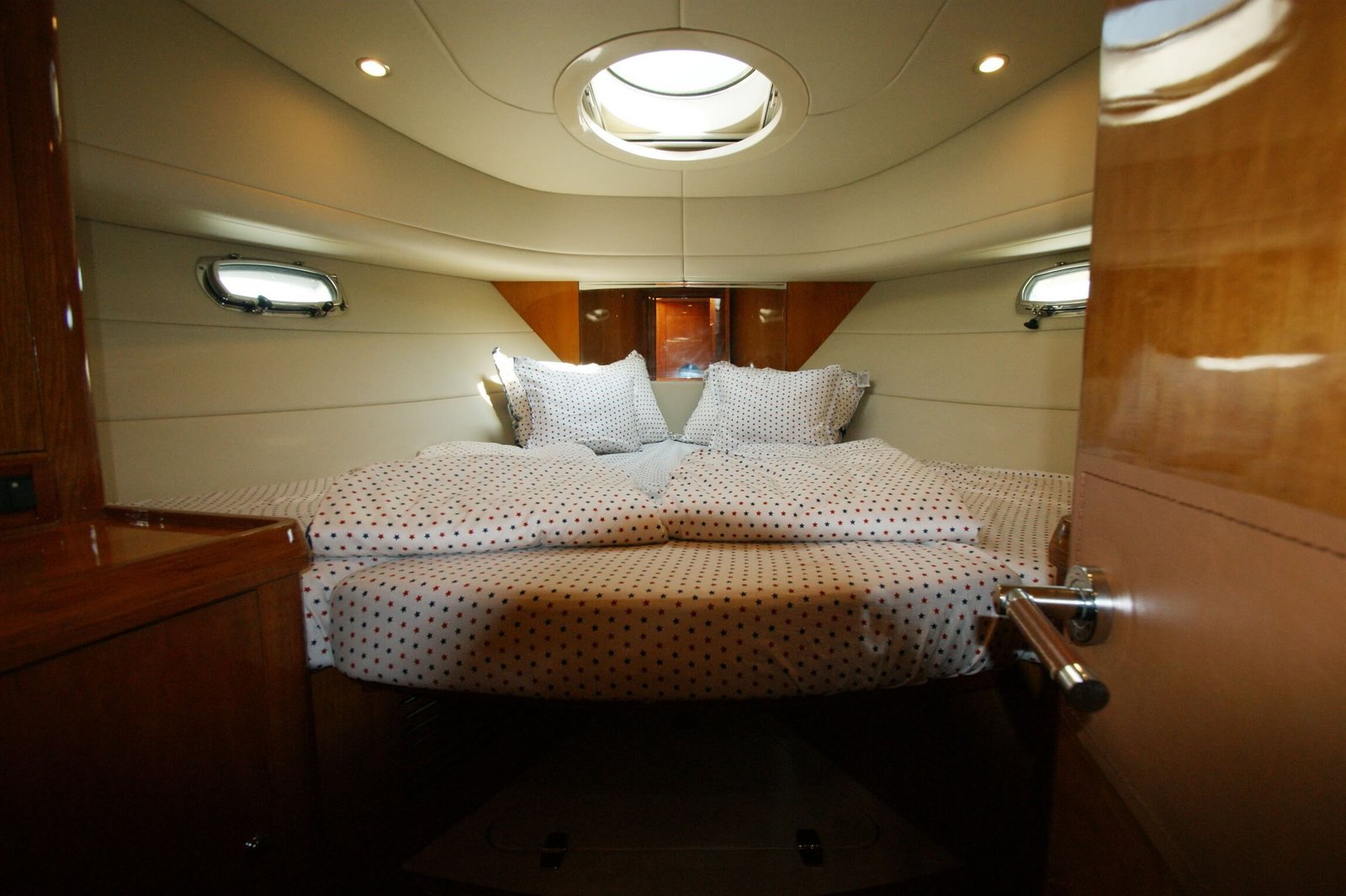
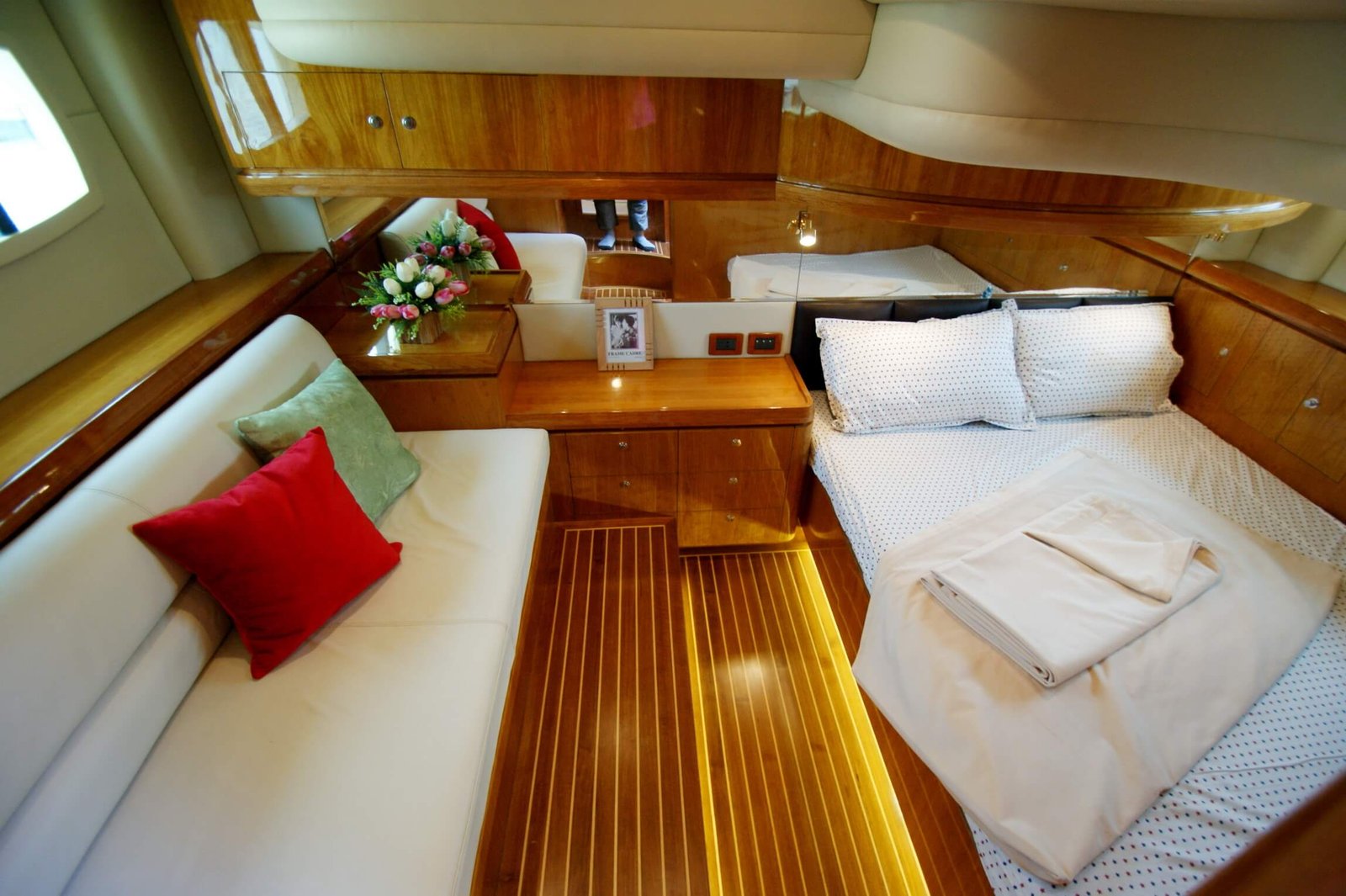
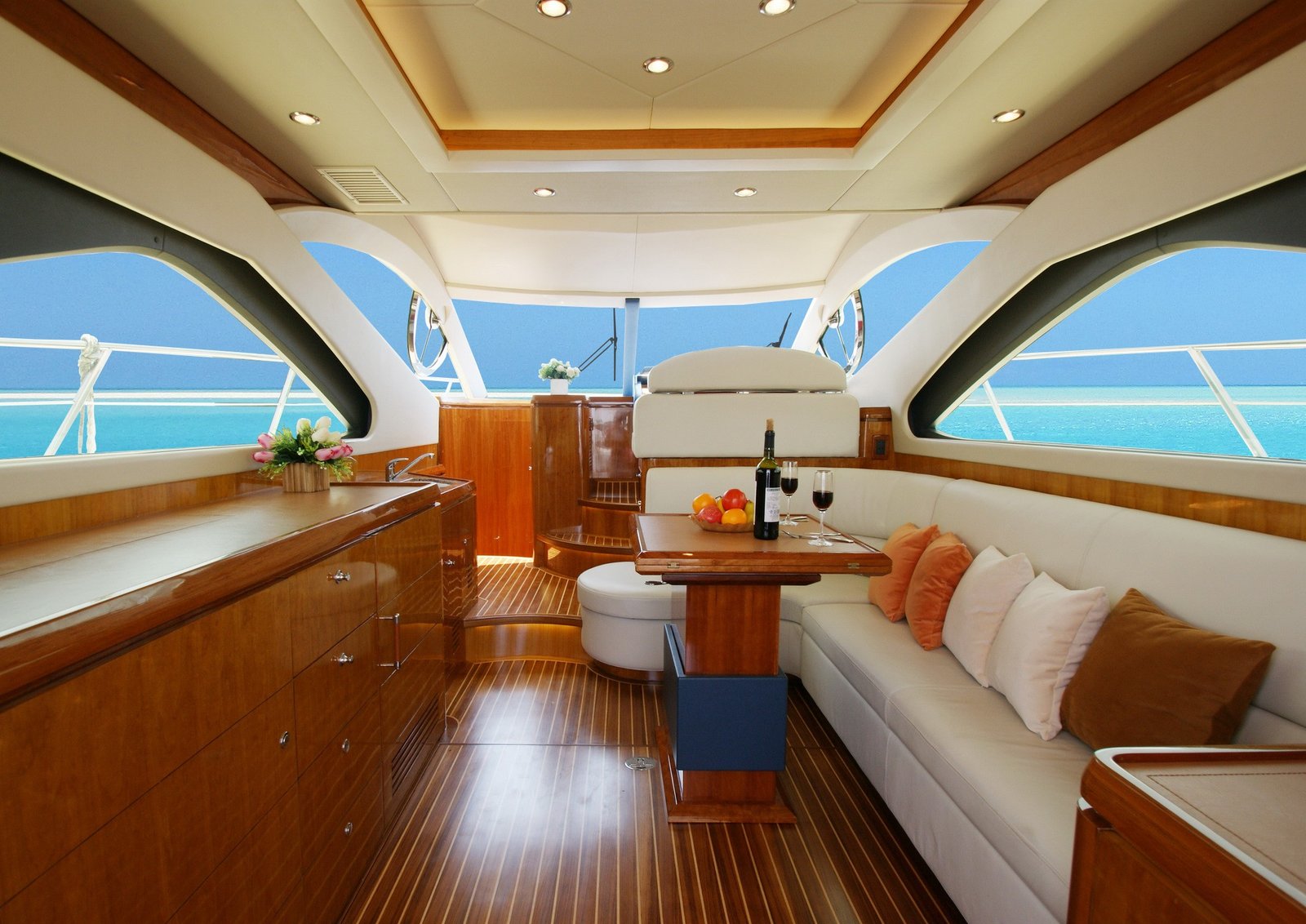
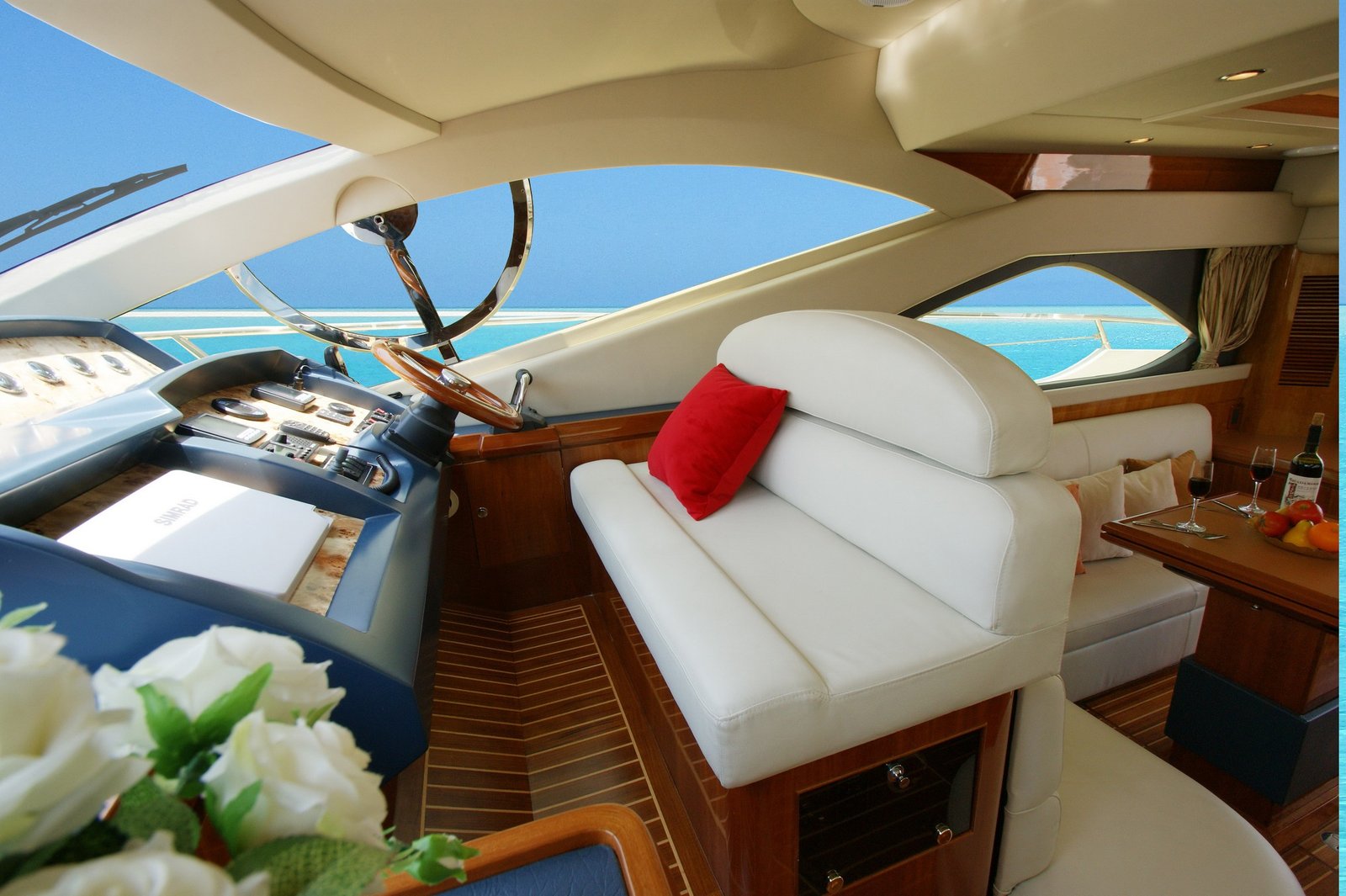
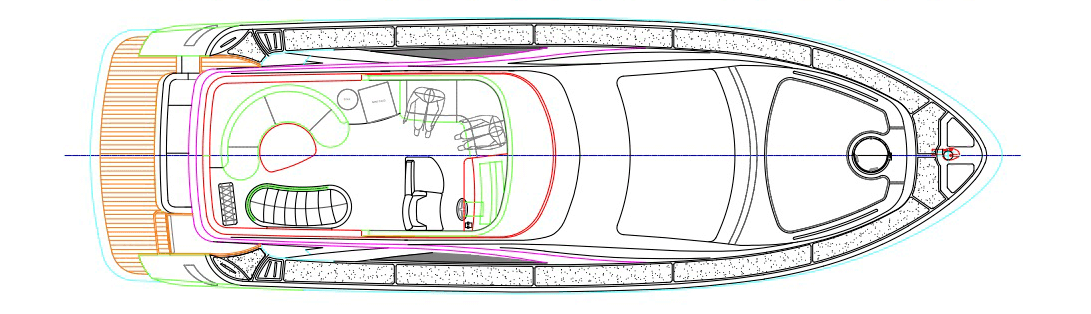
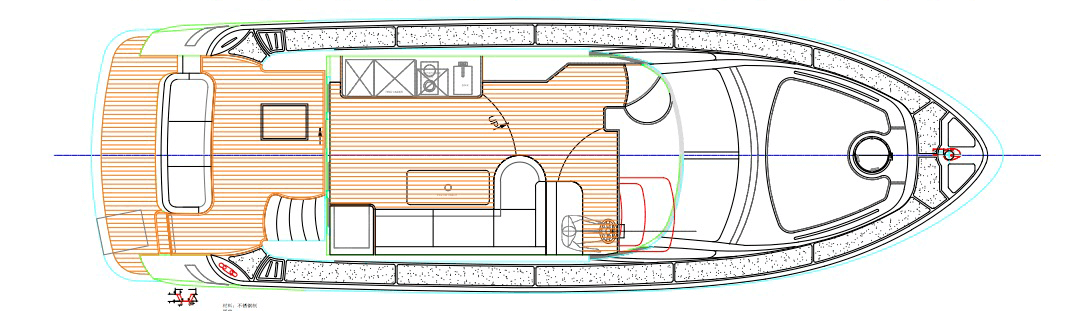
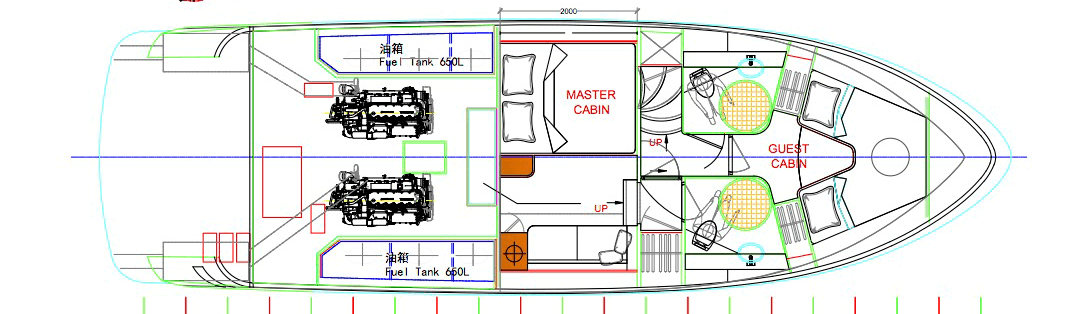
Below, the arrangement is open rather than corridor-led. The saloon runs into the galley and is entered from the cockpit through a sliding glass door. Two staterooms sit forward and amidships, a queen and a double, each with its own access to a head with an enclosed shower stall.
Selene fits this boat out rather than optioning it. Air conditioning, a 9 kW Kohler generator with sound shield and helm start panel, Corian counters, Cantalupi lighting, Manship hatches, Oceanair shades, Bennett trim tabs, a Maxwell windlass and a fuel polishing system are all standard, and the yard makes a point of the short options list.
For a buyer this is a flybridge cruiser with a Dutch designer lines, Japanese engines and the cabinetry discipline of a passagemaker yard. Fuel capacity is 1,600 litres, fresh water 500 litres, displacement 16 tonnes.
Length
13.9M
Beam
4M
Draft
1.1M
Day Guests
Sleeping
4
Cabin
2
Cruise Speed
Max Speed
27KT
Fuel
1600L
Engine
2 x Yanmar 6LY3-STP, 440 hp each
Exterior
Guido de Groot
No yachts found matching your criteria.
Twin Yanmar diesels turn a passagemaker hull into a boat that can run at speed when the owner wants to.
Two Yanmar 6LY3-STP diesels, 440 horsepower each, drive the Artemis 43 to 27 knots on 13.85 metres of hull and a 4.04 metre beam. Draught is 1.07 metres, shallow enough to keep most Mediterranean and Caribbean anchorages open to her rather than out of reach. Fuel capacity runs to 1,600 litres and fresh water to 500 litres, a real cruising range rather than a weekend allowance. For a flybridge yacht of this length, the combination of speed and shallow draught is unusual. Most builders choose one or the other. Selene has kept both.
Guido de Groot’s hand is visible the moment you see her profile.
A long, low superstructure sits over a curved windscreen, and hull glazing runs for most of the length of the accommodation, pulling natural light into spaces that older Selene designs kept dim. It is a deliberate departure from the trawler silhouette the yard built its name on, flatter and more horizontal, built to look fast at rest as well as underway. The Artemis 43 was the first hull in Selene’s planing range to carry this language, and it set the proportions the rest of the Artemis line would follow.
Below deck, the plan is open rather than divided into corridors.
The saloon runs into the galley with no bulkhead between them, and a sliding glass door connects both to the cockpit, so the boat reads as one continuous space rather than a sequence of rooms. Two staterooms sit forward and amidships, a queen berth and a double, each with its own access to a head fitted with an enclosed shower stall. Sleeping four across two proper cabins, rather than squeezing in a third, keeps every space usable in a sea, which matters more on a boat built to run at 27 knots than on one that idles along all day.
Selene fits this boat out rather than optioning it, and the standard list is long.
Air conditioning, a 9 kilowatt Kohler generator with a sound shield and helm start panel, Corian counters, Cantalupi lighting, Manship hatches, Oceanair shades, Bennett trim tabs, a Maxwell windlass and a fuel polishing system all come with the boat rather than sitting on an options sheet. The yard makes a point of how short that sheet is compared with most builders in this size range. For an owner, it means fewer decisions before delivery and fewer surprises once she is in the water, the kind of detail that only shows up after a season of ownership rather than on a showroom visit.
The Artemis 43 is the boat that opened Selene’s fast range, and the rest of the line still follows her lead.
Displacement runs to 16 tonnes, modest for a 43 foot flybridge yacht built to run at speed, and the equipment list above is standard across every hull rather than reserved for a flagship. For a buyer, she represents a specific position in the market: a Dutch designer’s lines and genuine passagemaker pedigree, without the long lead times or bespoke pricing that usually come with that combination. She is as much a statement about what Selene could become as she is a yacht in her own right.

Tell us what you would like to know, and our team will respond with clear details on availability, specification, pricing and next steps.