Sunseeker / Sunseeker Predator 55 EVO
Sunseeker built the Predator 55 EVO as a lighter, sharper reading of the Predator formula. At 21,000 kg it undercuts the current Predator 55 by nearly eight tonnes on a near-identical 17.05 metre length, and that difference shapes how the boat is set up: twin Volvo Penta D11-725 engines on straight shafts rather than pods, 725PS a side, 32 knots at the top end and 235 nautical miles at a 21 knot cruise.
Carbon fibre cowlings and stainless steel detailing frame a superstructure redrawn for this model rather than carried over. Inside, the treatment is deliberately restrained: a tighter palette of fabrics and textures, clean lines, curves used sparingly.
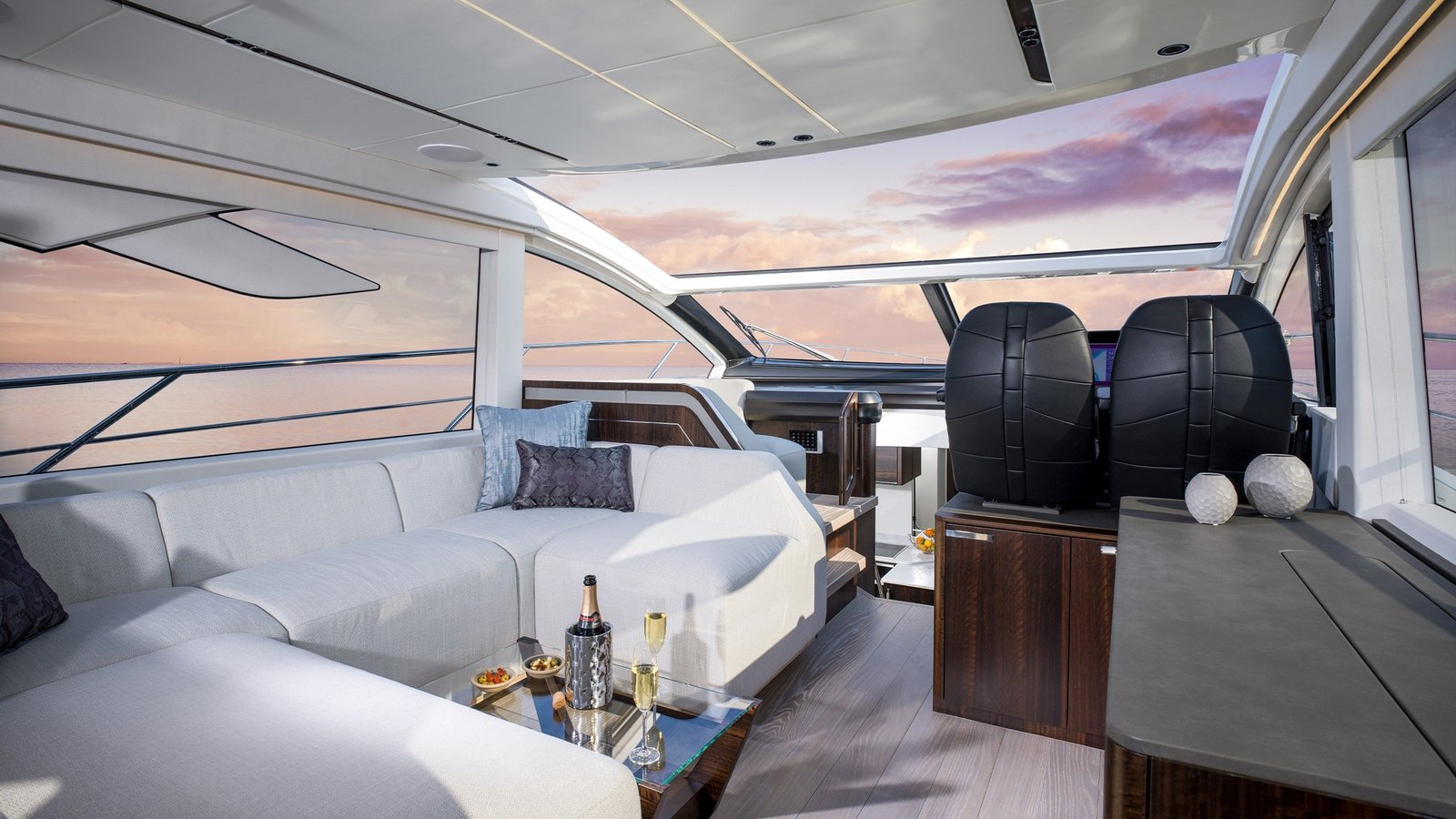
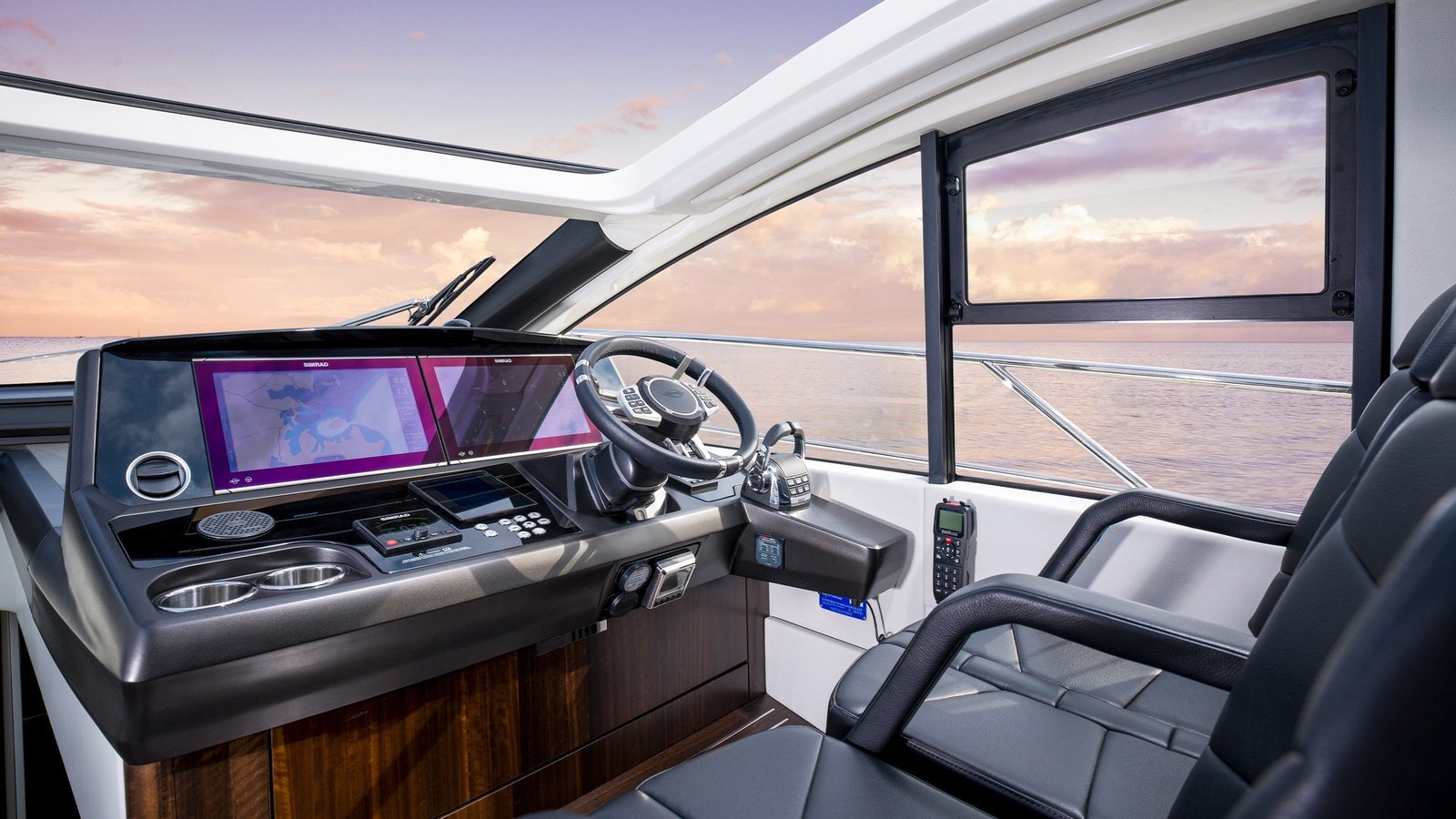
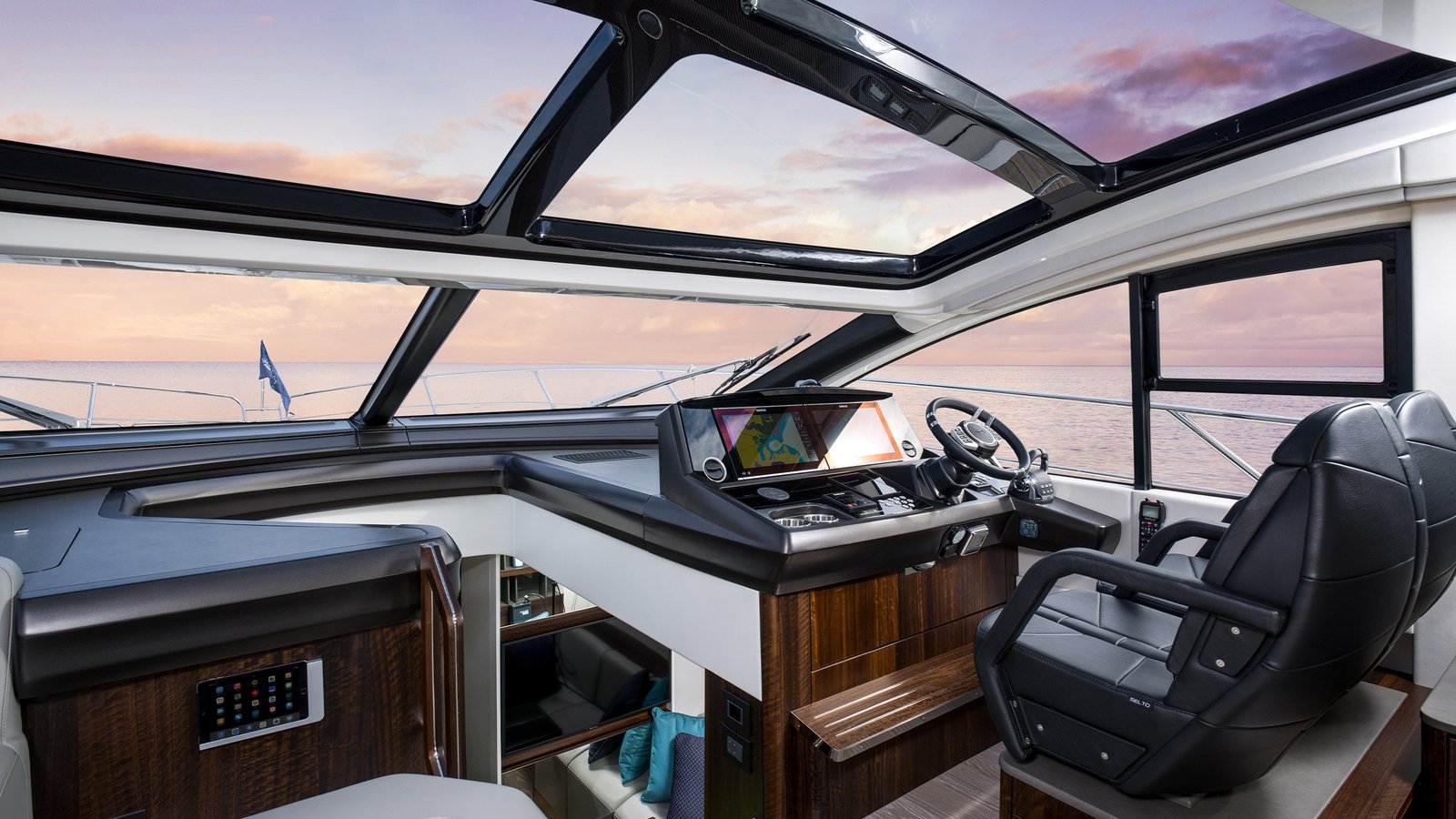
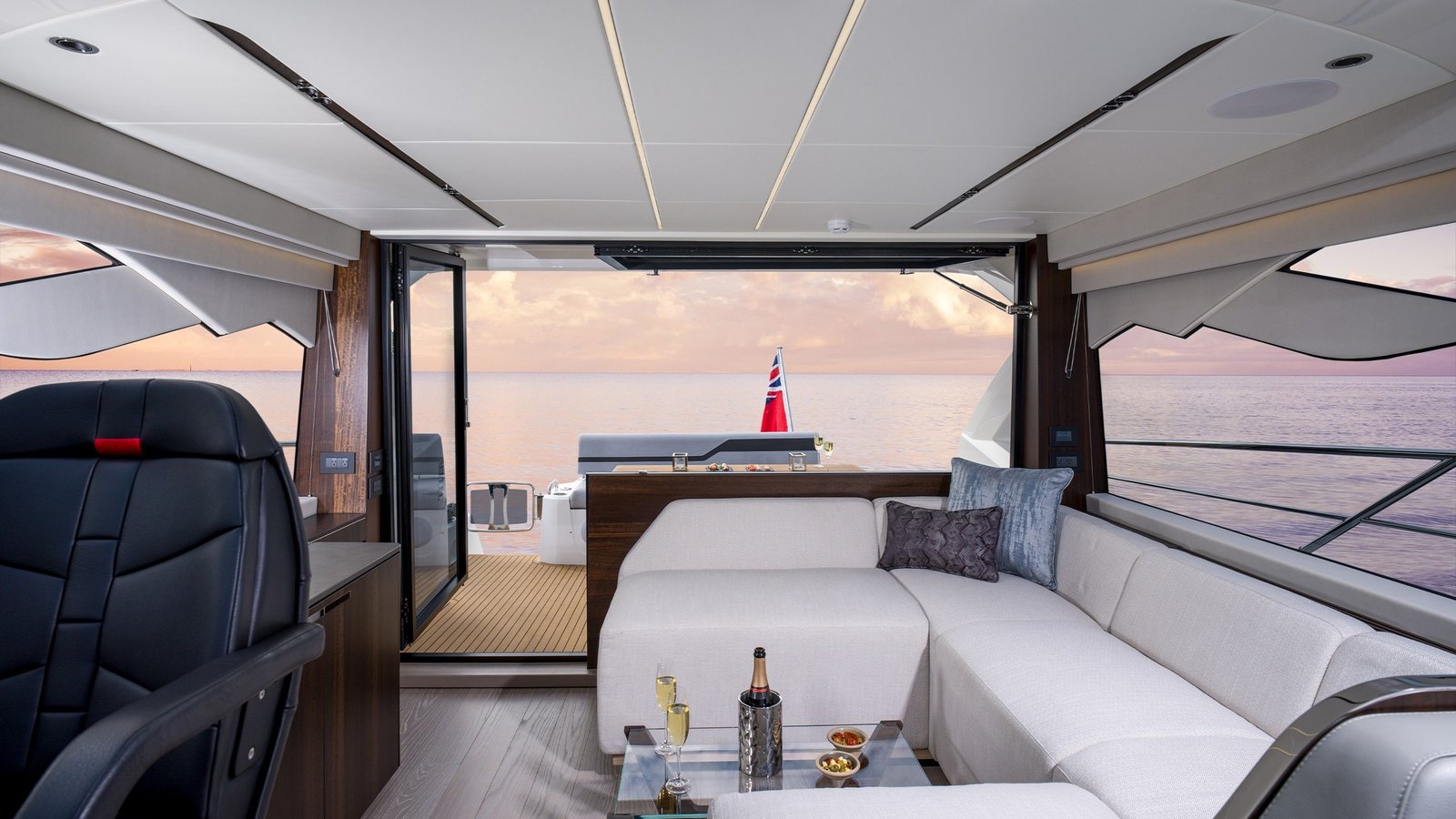
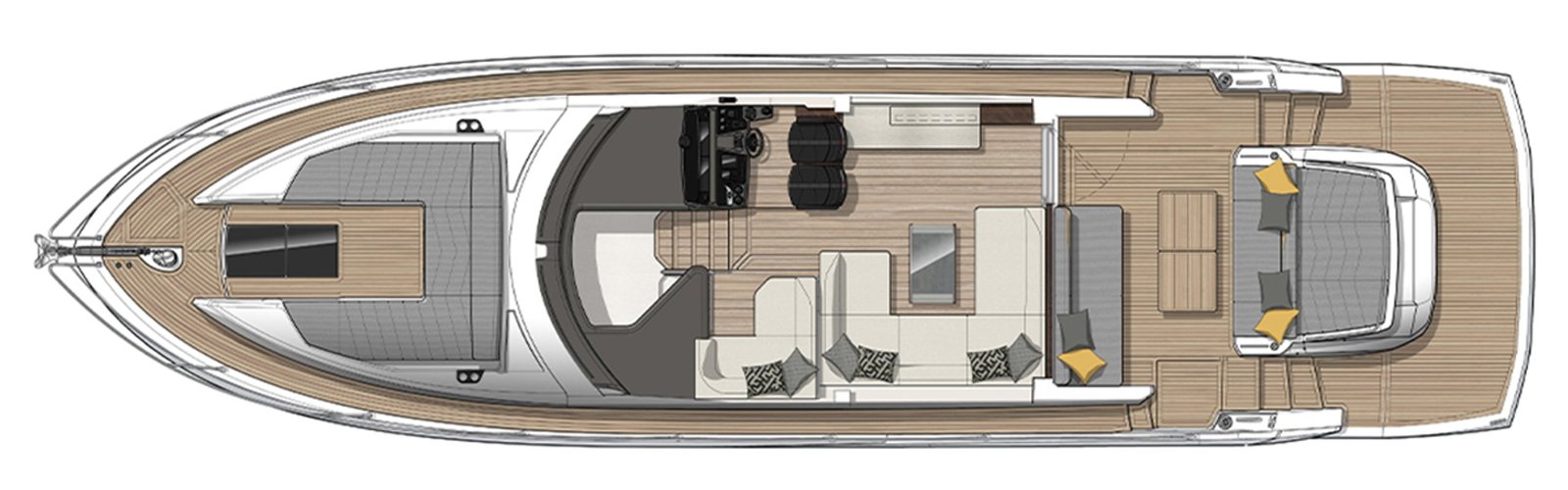
The helm is where the boat makes its case. Independent seats hold the driver and one companion properly through a turn, and aft of them upholstered seating takes six around a fixed coffee table, with push-to-touch cabinets in place of visible handles.
Below, buyers could specify two or three cabins with two heads, so the same hull served couples wanting space and families needing berths. Fuel capacity is 1,800 litres.
Production ran from 2020 to 2023, which puts well-kept examples on the market with recent history and the original specification still traceable. Check which cabin arrangement a given boat carries, since it changes the lower deck materially.
Length
17.1M
Beam
4.5M
Draft
1.3M
Day Guests
Sleeping
Cabin
3
Cruise Speed
21KT
Max Speed
32KT
Fuel
1800L
Range
235NM
Engine
Twin Volvo Penta D11-725 (2 x 725PS)
High Price Brokerage
€1,169,942
Low Price Brokerage
€1,080,000
No yachts found matching your criteria.
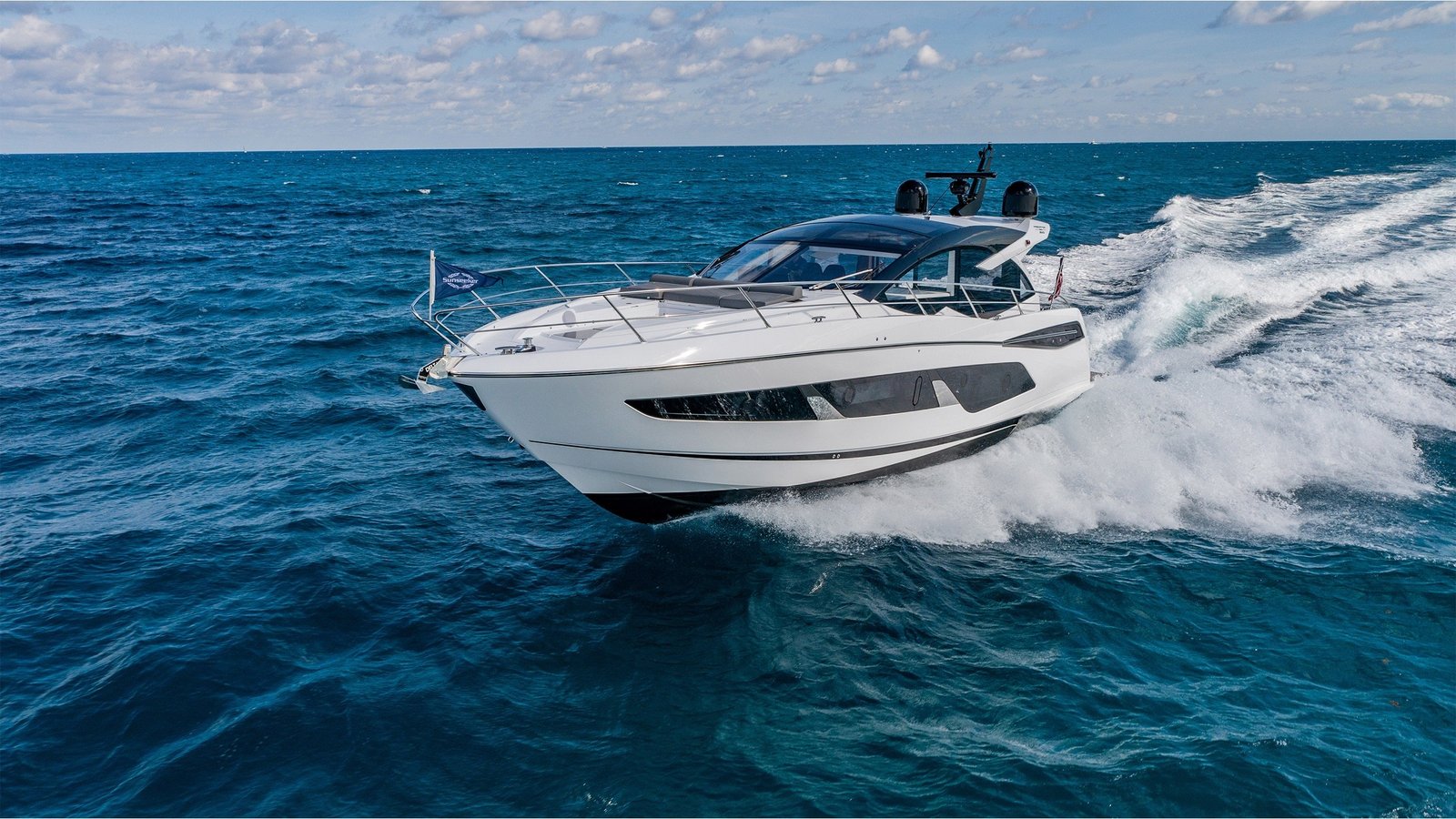
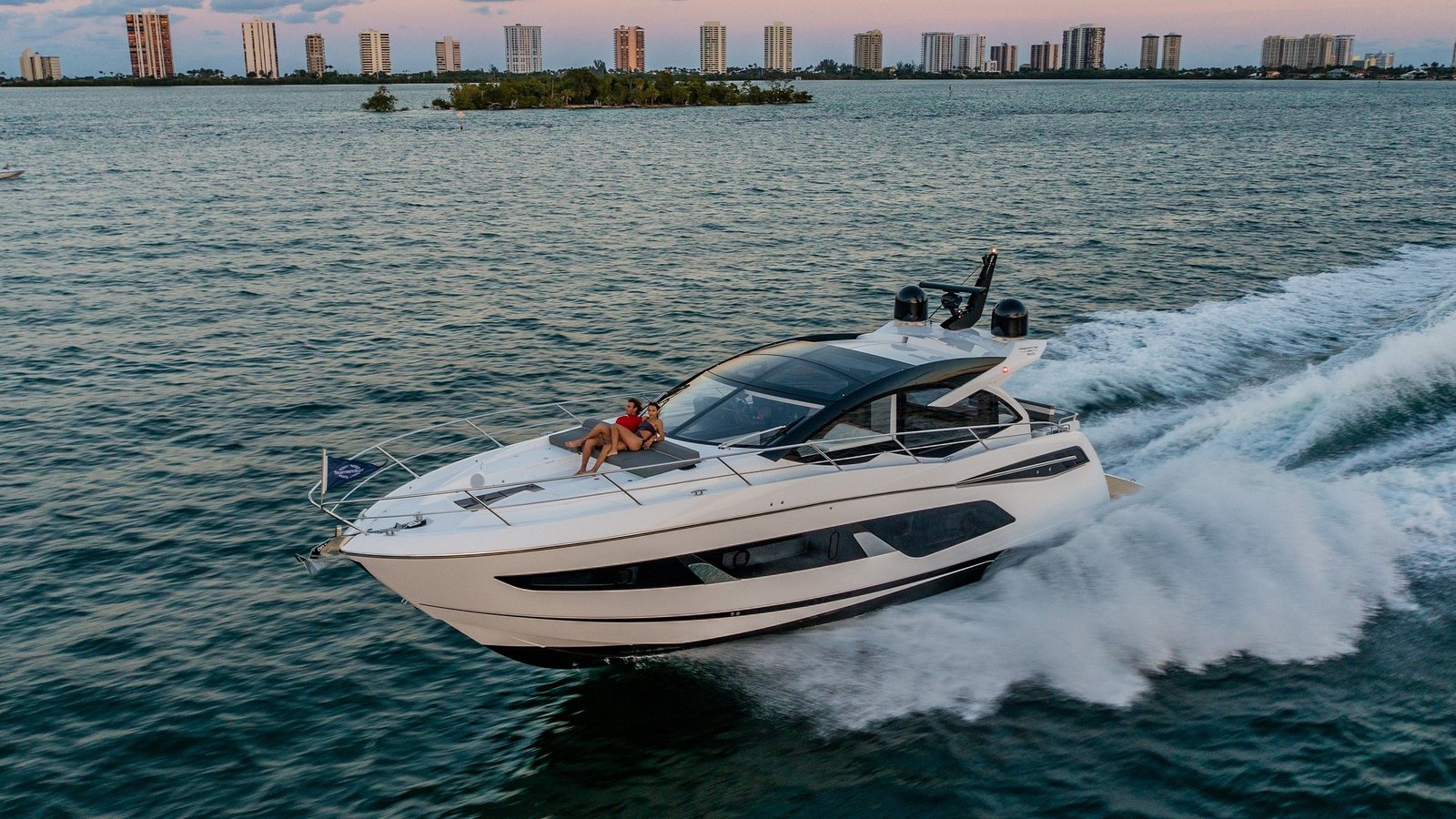
Eight tonnes lighter than the current Predator 55, and it shows the moment she comes onto the plane.
Twin Volvo Penta D11 725 engines drive straight shafts rather than pods, 725 horsepower a side, for a top speed of 32 knots and 235 nautical miles of range at a 21 knot cruise from 1,800 litres of fuel. The engine room was built with proper access to systems in mind, which matters once a boat of this age starts needing regular servicing. On sea trials in short, sharp chop, the EVO tracked straight through hard over turns and stayed quiet at speed, a result of a lighter displacement working in her favour rather than against her. At 21 tonnes, she carries far less weight than her successor, and the difference is felt in how readily she accelerates.
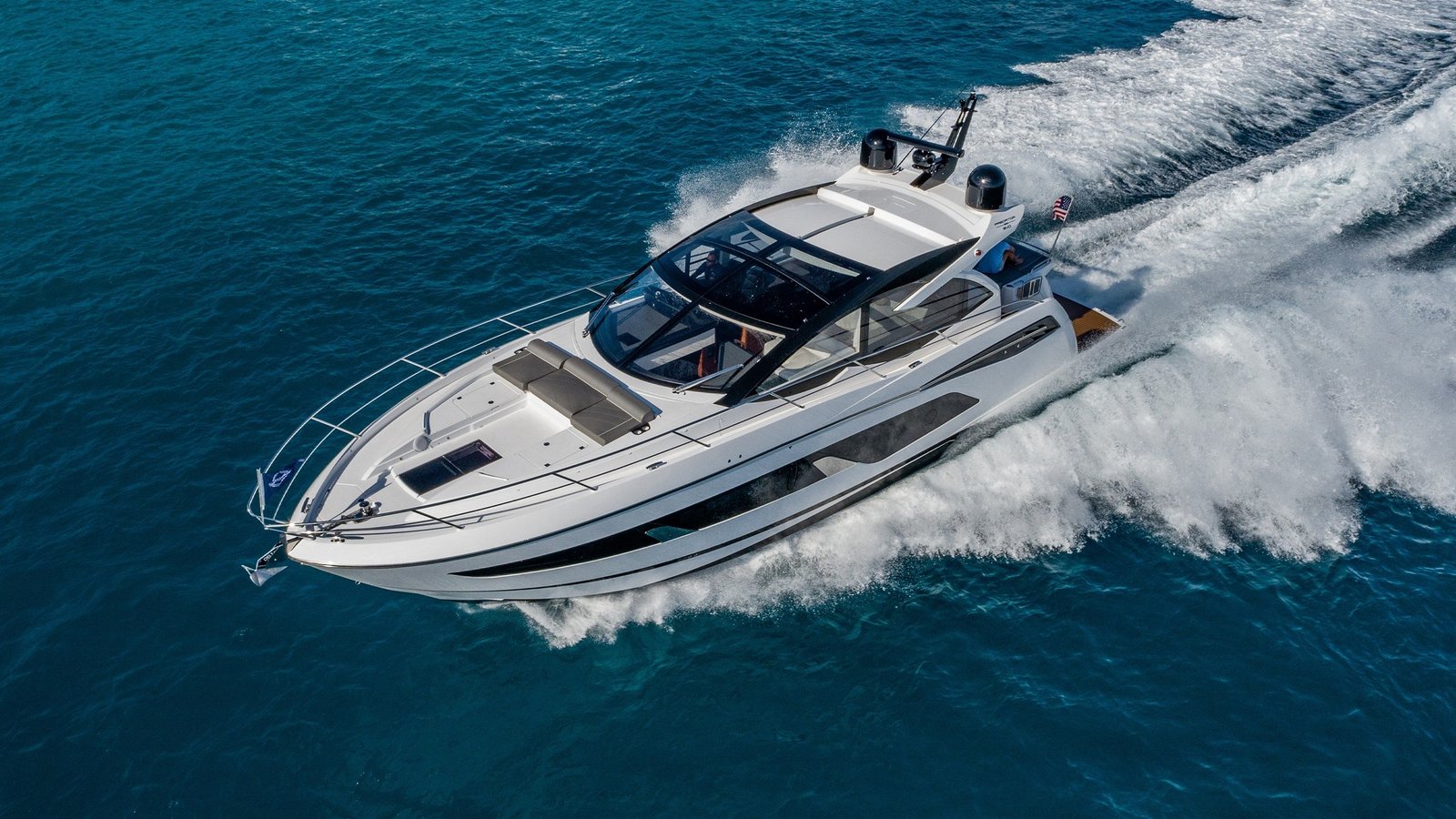
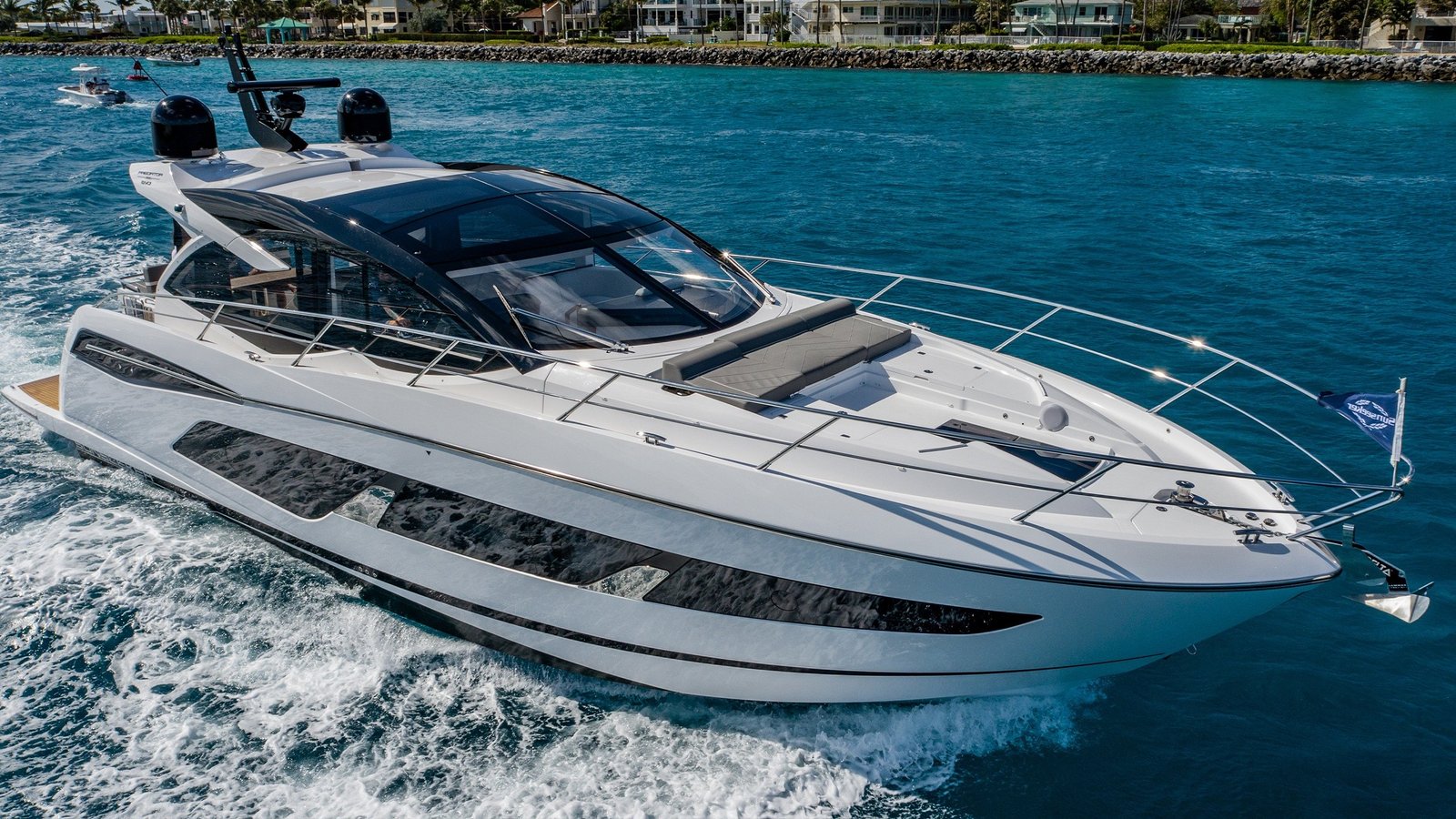
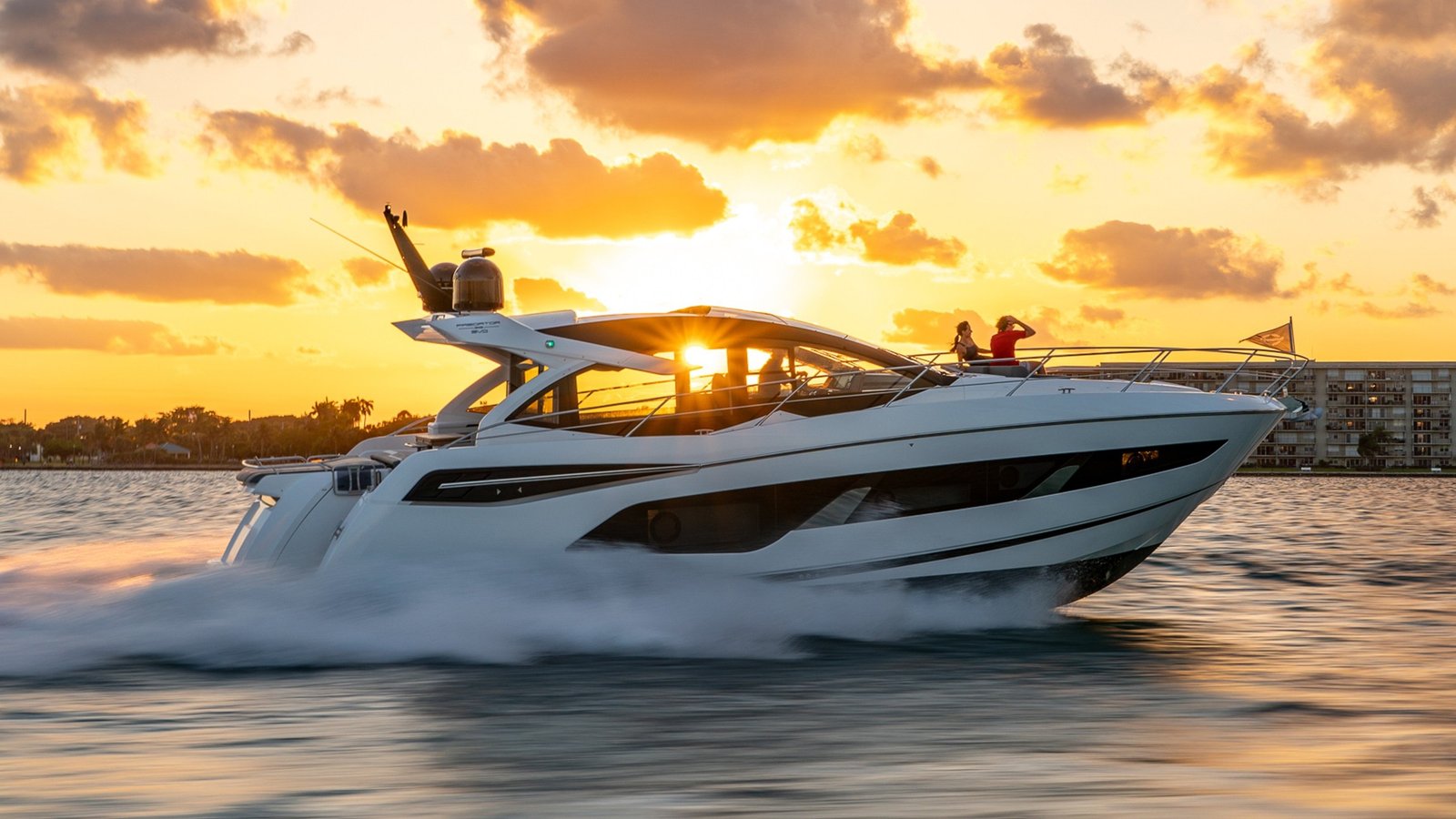
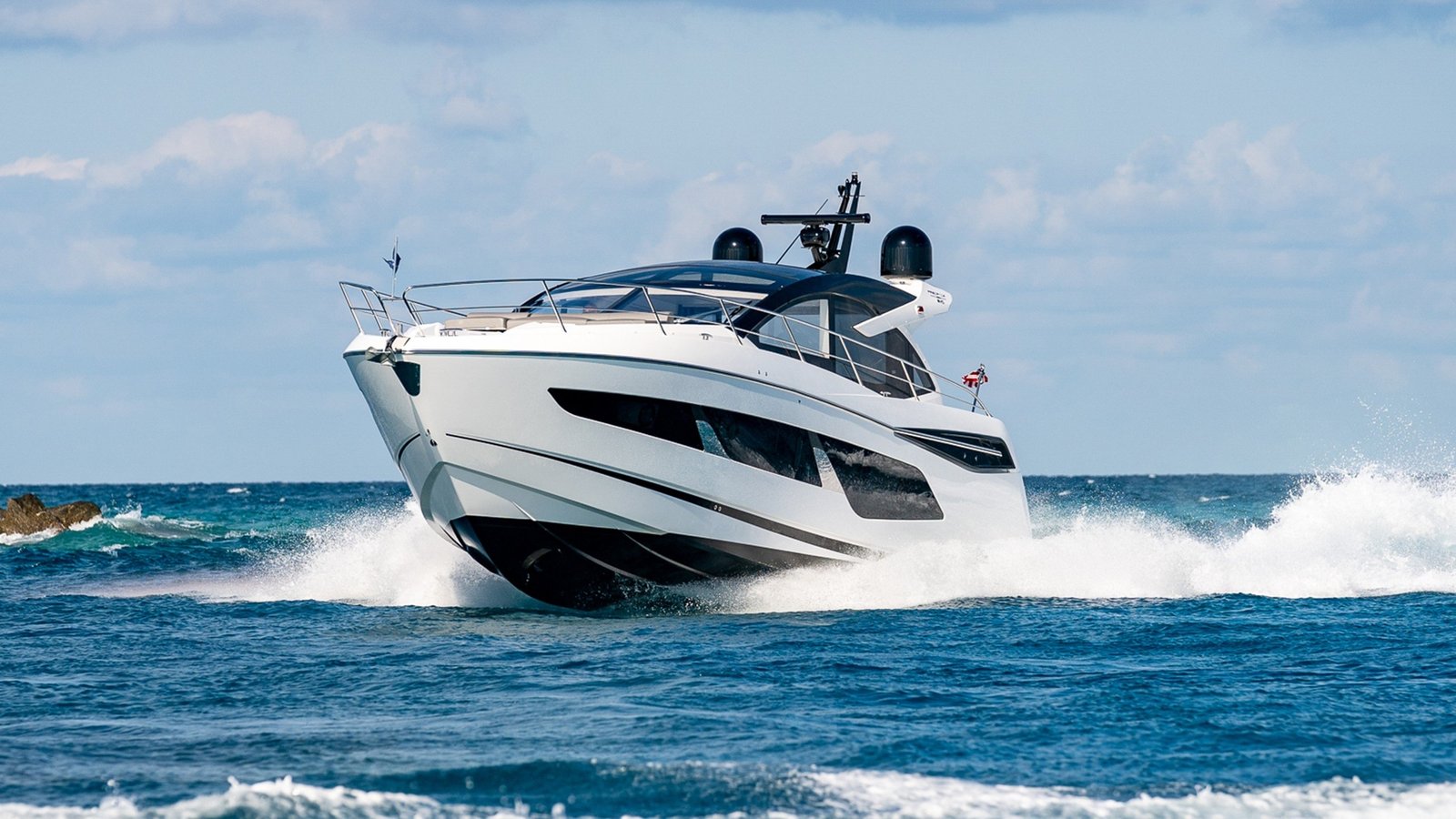
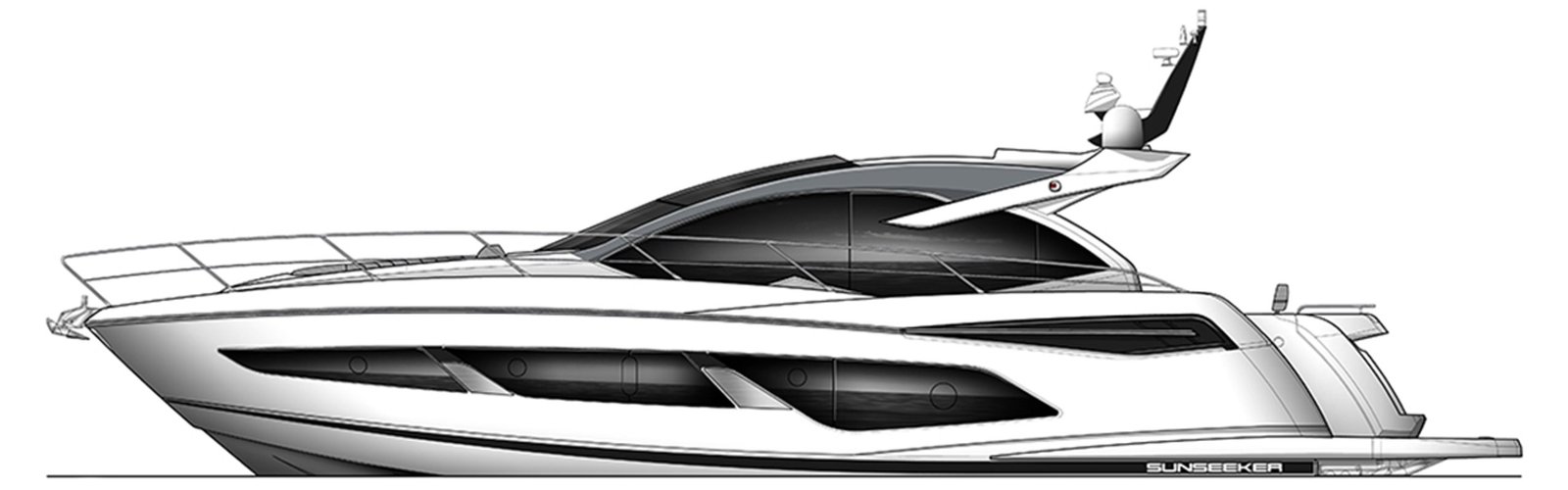
A low, dark superstructure over a white hull, with hullside windows cut sharp enough to earn comparisons to steak knives.
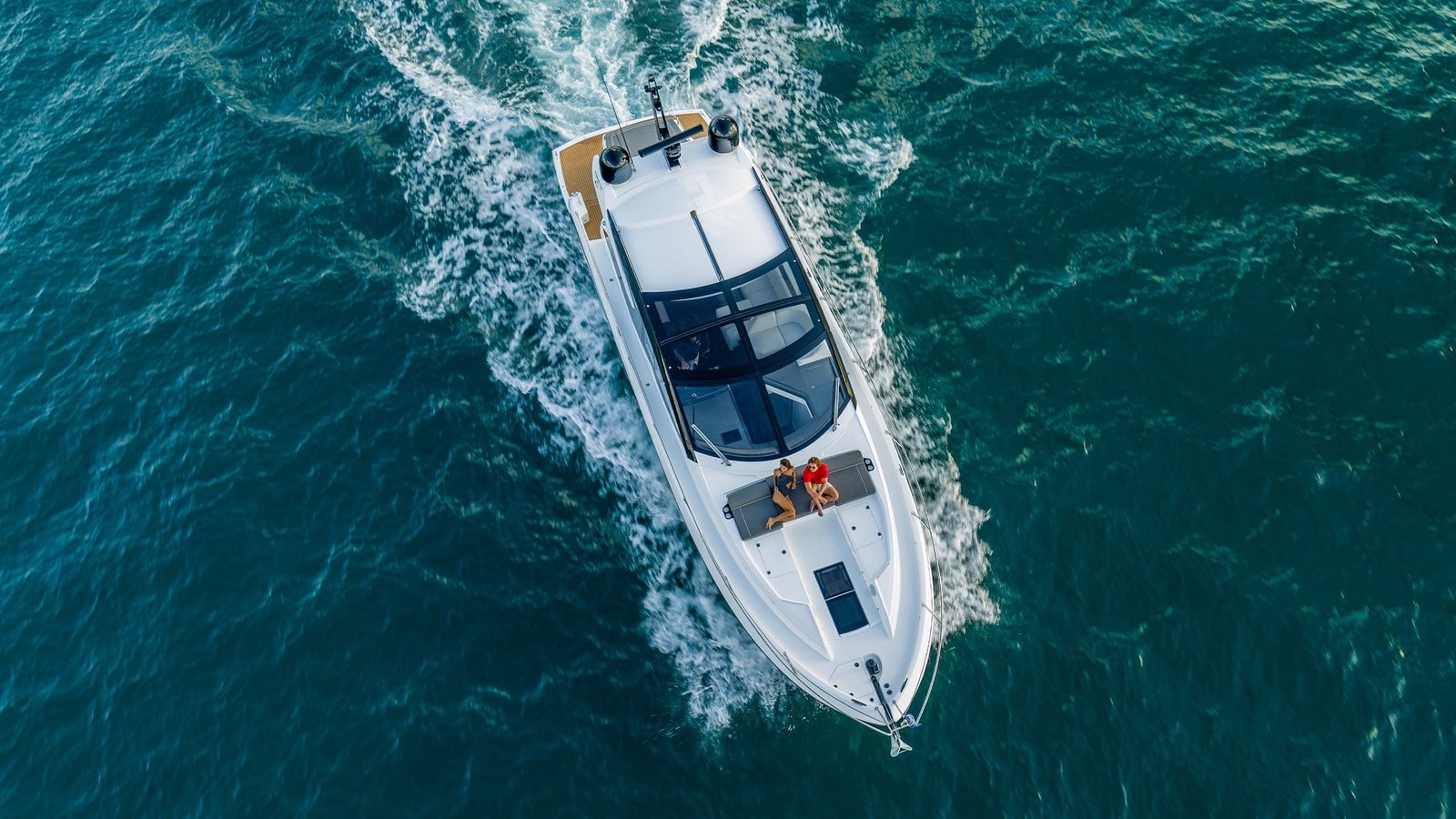
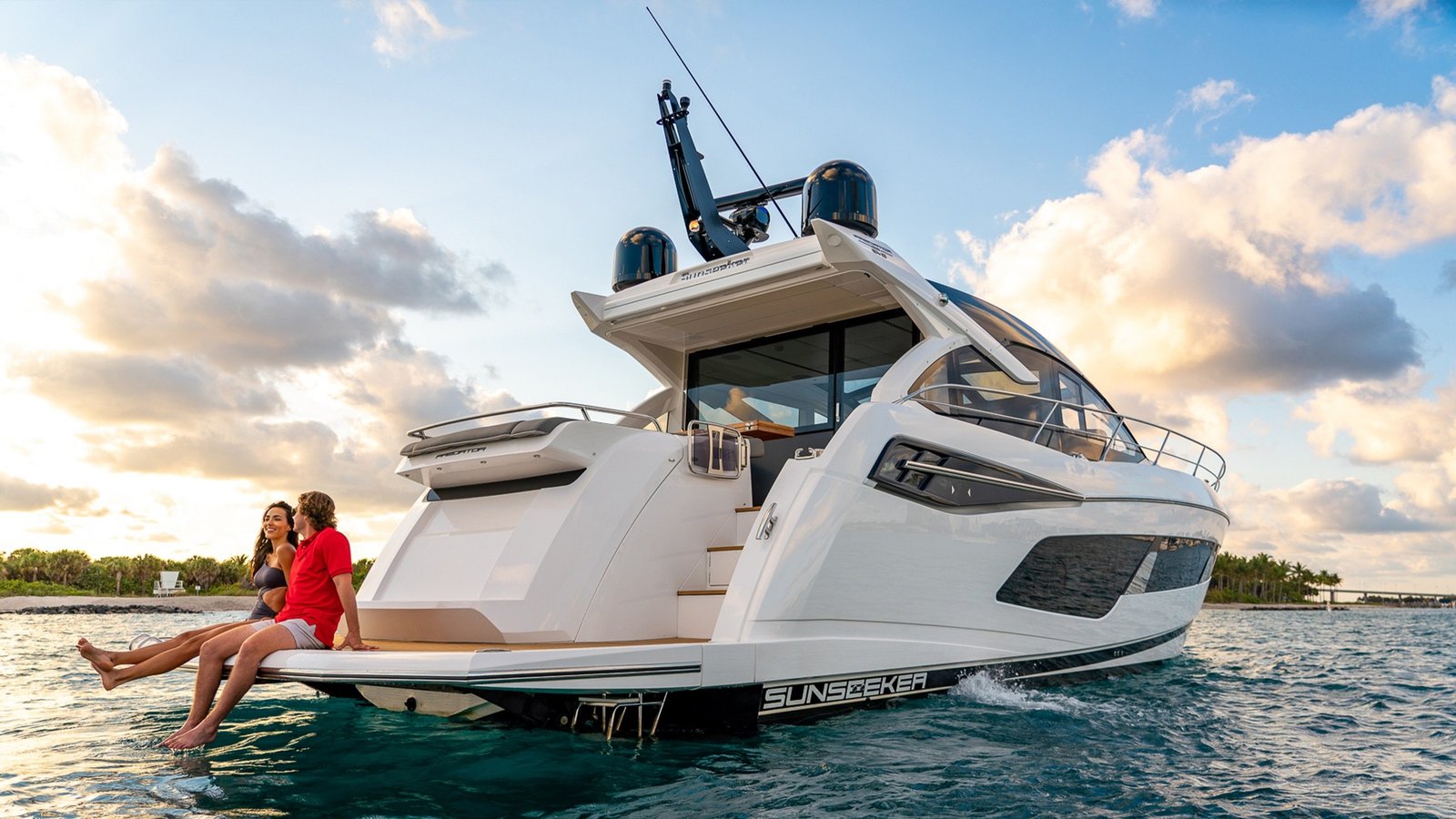
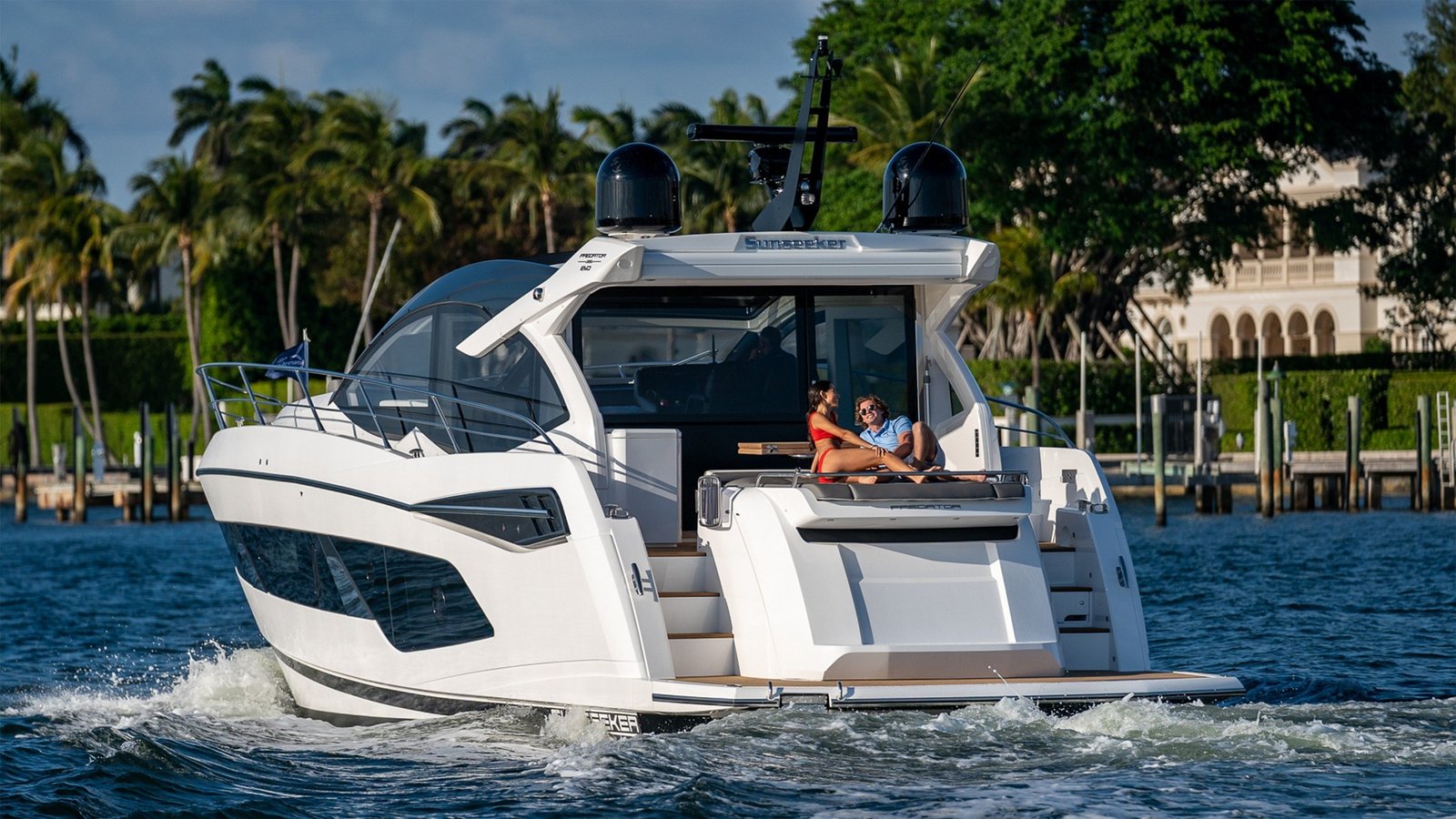
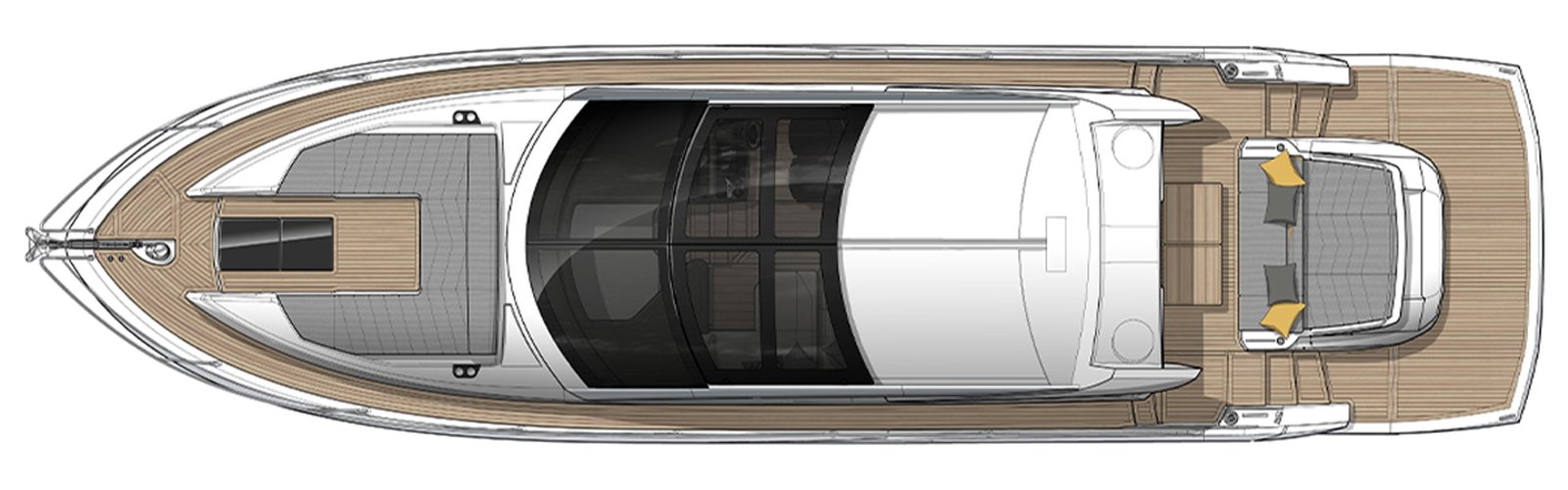
Carbon fibre cowlings and stainless steel detailing frame a superstructure that was redrawn specifically for this model rather than carried over from an older Predator. Twin stairways rise from the hydraulic swim platform on both port and starboard, and the aft sunpad converts to transom seating around a teak table when it is time to eat rather than sunbathe. A portside cockpit console holds a grill, sink, refrigerator and icemaker, enough to run a full afternoon of entertaining without going below. The geometric window lines set the tone for the rest of the design, carried through into the interior’s own shapes and surfaces.
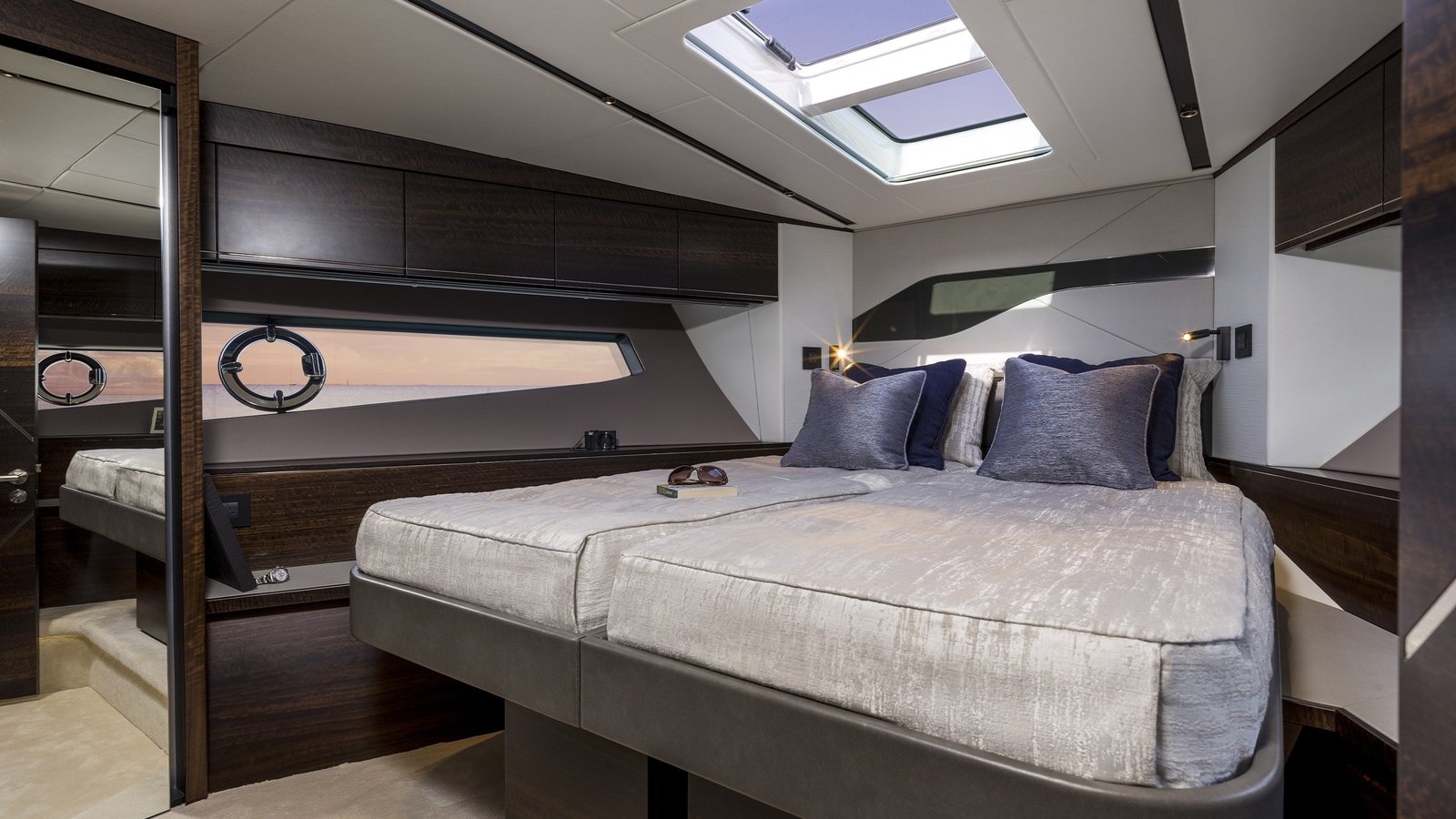
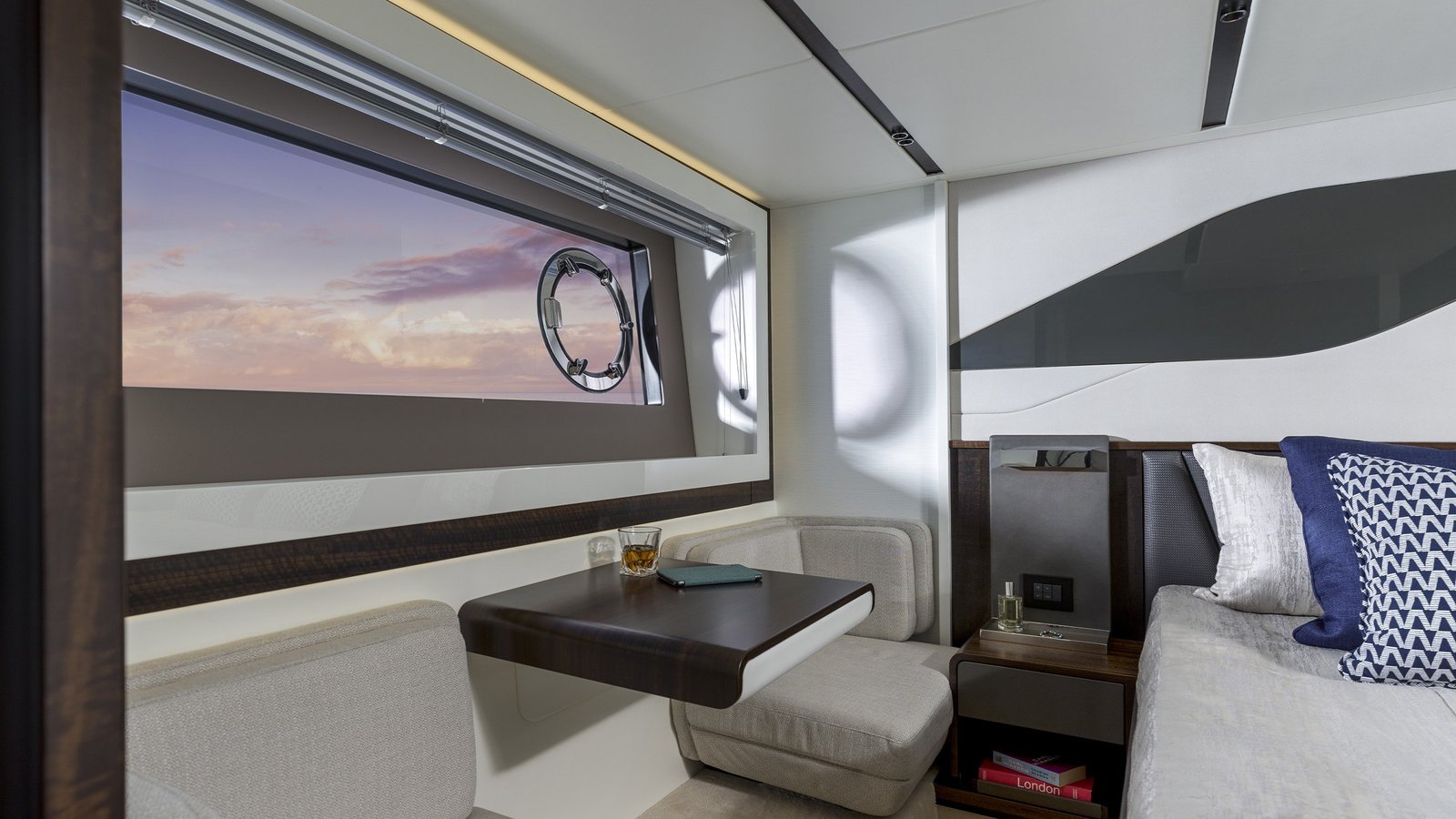
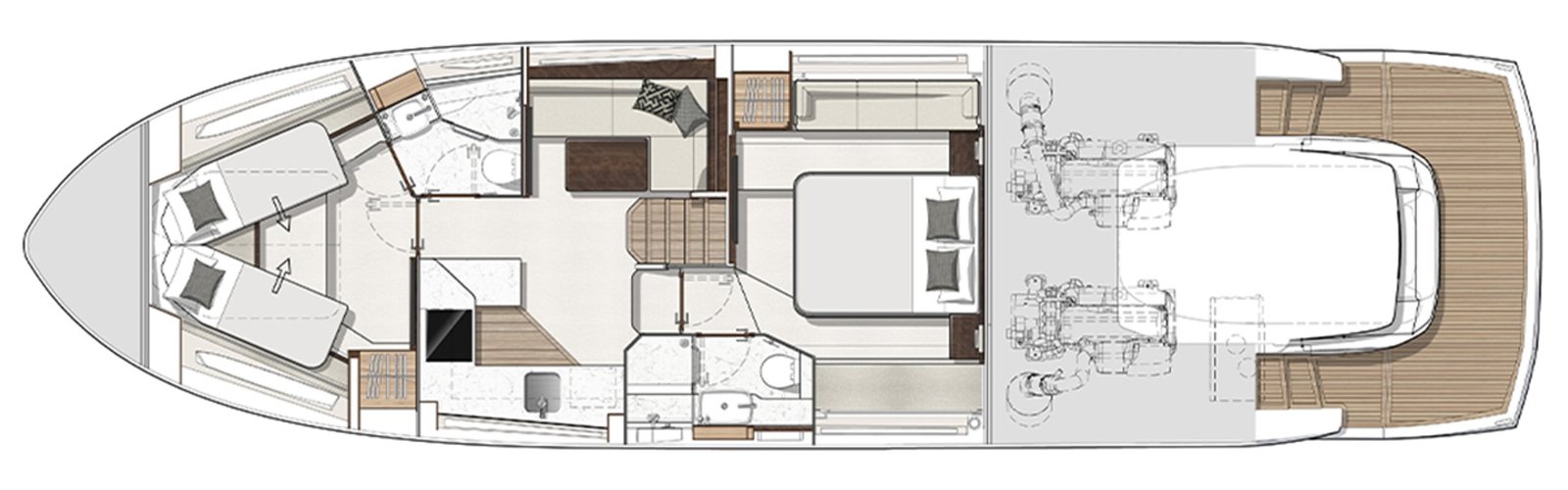
Buyers could specify two cabins for space or three for capacity, and both versions share the same full beam master amidships.
The three cabin layout, the version most commonly found on the brokerage market, pairs the amidships master with a forepeak VIP fitted with scissor berths that fold away when not needed. Fit and finish stood out in period reviews, particularly the joinery, and stowage throughout is generous for a boat built around sporting performance rather than volume. A teak railing leads down to a lower saloon lit by a steeply raked windscreen, with a portside galley serving both the lower and main decks. For a boat under 20 metres with a genuine sporting brief, the roominess below is one of her strongest arguments.
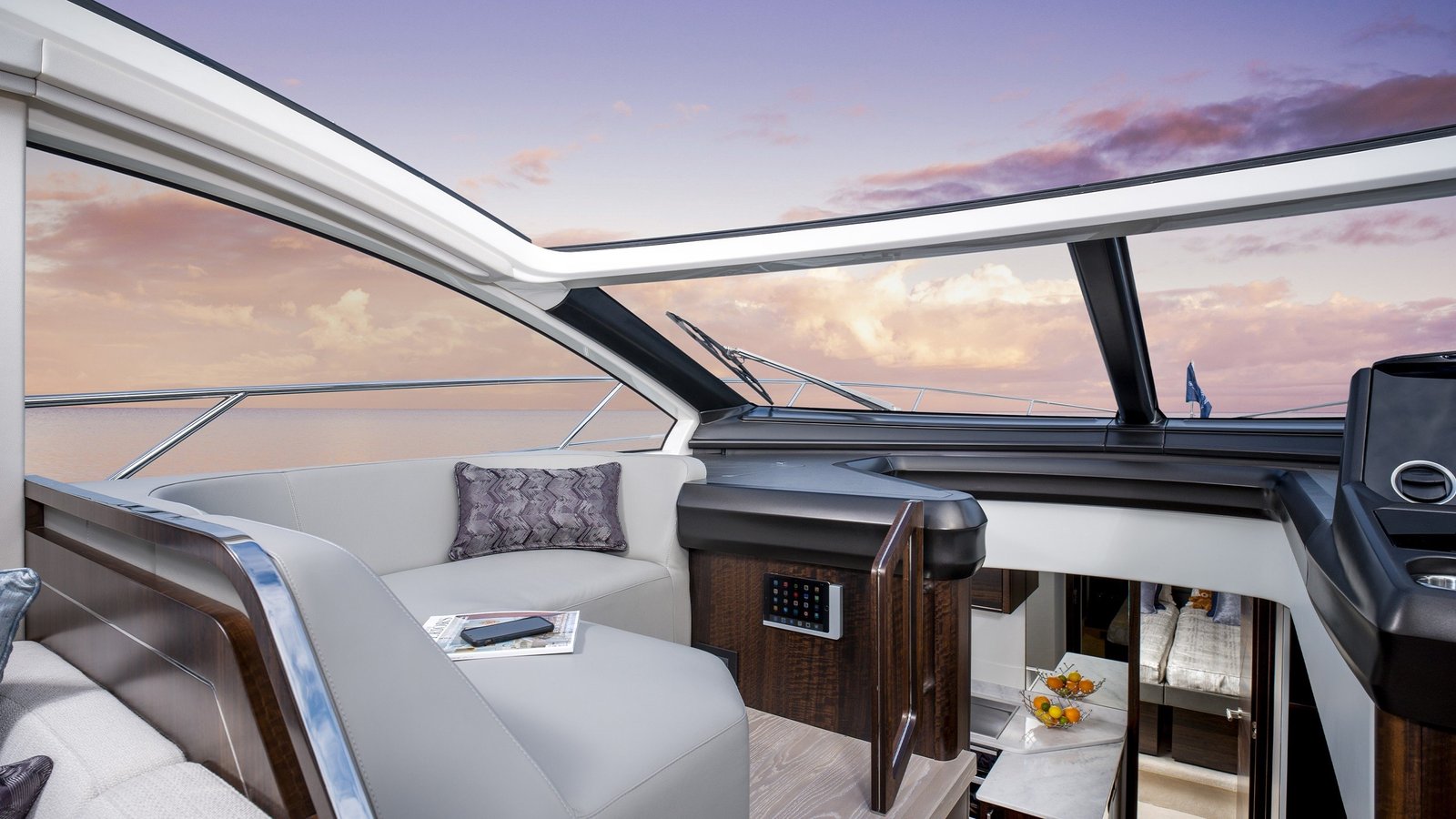
The saloon wraps windows almost all the way round, so the sense of being at sea never really leaves the room.
An L shaped settee for two faces the helm across the space, with a U shaped settee completing the social seating, and the same geometric shapes that define the exterior windows repeat through the interior surfaces. At the helm itself, twin seats finished in black leather with red accents sit ahead of twin chartplotter screens and joystick controls, putting full command of the straight shaft drives under one hand. Aft, the cockpit’s sunpad and transom seating trade places depending on the moment, and the portside entertaining console keeps food and drink moving without anyone leaving the deck. It is a boat built to be used hard and enjoyed easily, in roughly equal measure.
A proven, lighter edition of the Predator formula, built between 2020 and 2023 and now available with a traceable history.
At 17.1 metres with a 4.5 metre beam and a 1.3 metre draught, she displaces 21 tonnes, considerably less than the current Predator 55, and carries 1,800 litres of fuel for a range of 235 nautical miles at cruise. Twin Volvo Penta D11 725 engines on straight shafts replace the pod drives of her successor, trading some manoeuvrability for simplicity and lower running costs. Because production spanned only three years, the specification of any individual boat, cabin count among them, is worth checking carefully before an offer goes in. For a buyer who wants Predator performance at a lighter displacement and a more accessible price point than the current range, the EVO still makes a strong case.
Length
17.1M
Beam
4.5M
Draft
1.3M
Guests
Cabins
3
Cruise Speed
21Kt
Max Speed
32Kt
Length
17.1M
Beam
4.9M
Draft
1.5M
Guests
–
Cabins
2
Cruise Speed
–
Max Speed
36Kt

Tell us what you would like to know, and our team will respond with clear details on availability, specification, pricing and next steps.