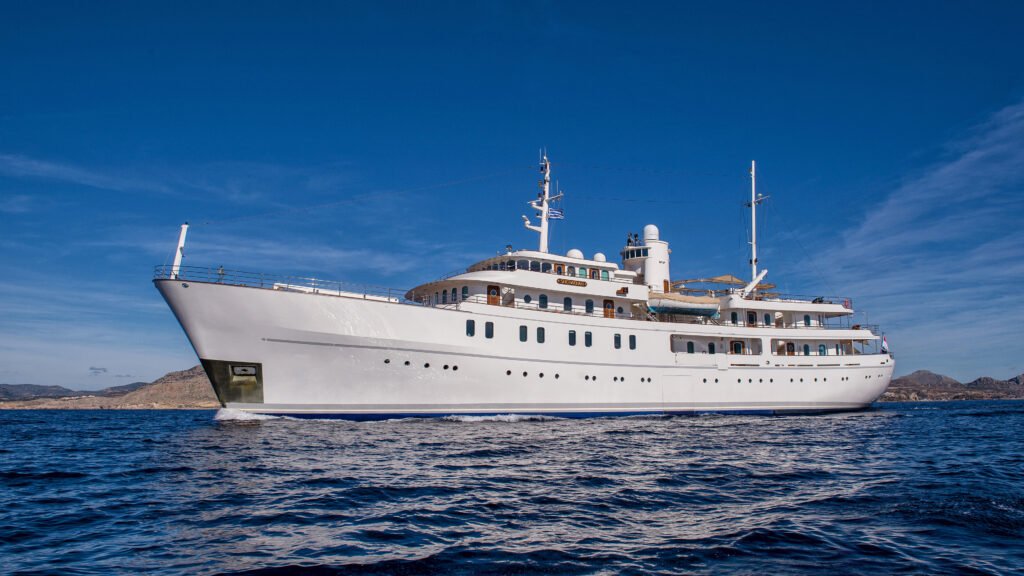
Once a niche choice, the cruising catamaran has become one of the most popular ways to spend time on the water. Luxury cruising catamarans offer space, stability and shallow draft that a monohull of the same length cannot match, and the best of them feel more like a floating villa than a boat.
Why catamarans win for cruising
Two hulls mean a level platform at anchor and under way, far less heel, and enormous living space spread across a wide beam. For families and less experienced crews, that comfort and steadiness is often the deciding factor.
The leading builders
French builder Lagoon dominates the volume market, while Leopard is known for seakindly, well-built cruisers. At the luxury end, custom yards blend performance with genuine superyacht finish.
Space, stability and shallow draft
A shallow draft opens up anchorages and beaches a deep-keeled monohull must skip. Combined with wide-open saloons and generous cabins, it makes the catamaran a natural fit for warm-water cruising in the Caribbean and the Mediterranean.
Sail or power
Power catamarans bring the same stability and volume with easier handling and more predictable passage times, at the cost of fuel. Sailing cats reward those who want to switch the engines off. Neither is better, they simply suit different owners.
How a catamaran differs from a monohull
The defining difference is stability. A monohull relies on a heavy keel and heels to the wind, while a catamaran stays broadly level, supported by two widely spaced hulls. That level platform transforms life aboard: meals stay on the table, movement below deck is easy, and guests who might feel queasy on a heeling yacht often feel completely at home.
The wide beam also creates enormous social space. A bridgedeck saloon flows out to a shaded cockpit at the same level, so the whole living area becomes one continuous space for entertaining. For families and groups who value comfort and togetherness over the pure sensation of sailing, this is the catamaran’s great advantage among luxury cruising catamarans.
The leading builders in depth
French yard Lagoon is the best-known name, producing volume cruisers with generous accommodation and a huge owner community. Leopard, built in South Africa, has a strong reputation for seakindly, well-engineered boats with clever forward cockpits.
Fountaine Pajot offers a refined blend of performance and comfort, while Bali has shaken up the market with open-plan layouts and a distinctive tilting garage door between saloon and cockpit. At the luxury end, Sunreef builds semi-custom catamarans that compete with superyachts for finish and bespoke detail.
Sailing or power catamarans
Sailing catamarans reward those who want to harness the wind, offering quiet, efficient passages once the sails are set and the engines are off. Their light displacement and long waterline can make for genuinely fast, fun cruising in the right conditions.
Power catamarans keep the space and stability but swap sails for a pair of efficient diesels, delivering predictable passage times and simple handling. They burn fuel, but for owners who prioritise the destination and the on-board experience over the act of sailing, they make a compelling case.
Layout: owner version or charter version
Most builders offer two broad layouts. The owner version dedicates an entire hull to a private master suite with a generous cabin, desk and bathroom, ideal for a couple who cruise with occasional guests. The charter or maestro layout instead fills both hulls with equal double cabins, maximising the number of people the yacht can sleep in comfort.
Choosing between them comes down to how you will really use the boat. If you plan to charter it out to help cover costs, the four-cabin layout has broader appeal, whereas a private owner will usually prefer the space and privacy of the owner version.
Performance, draft and safety
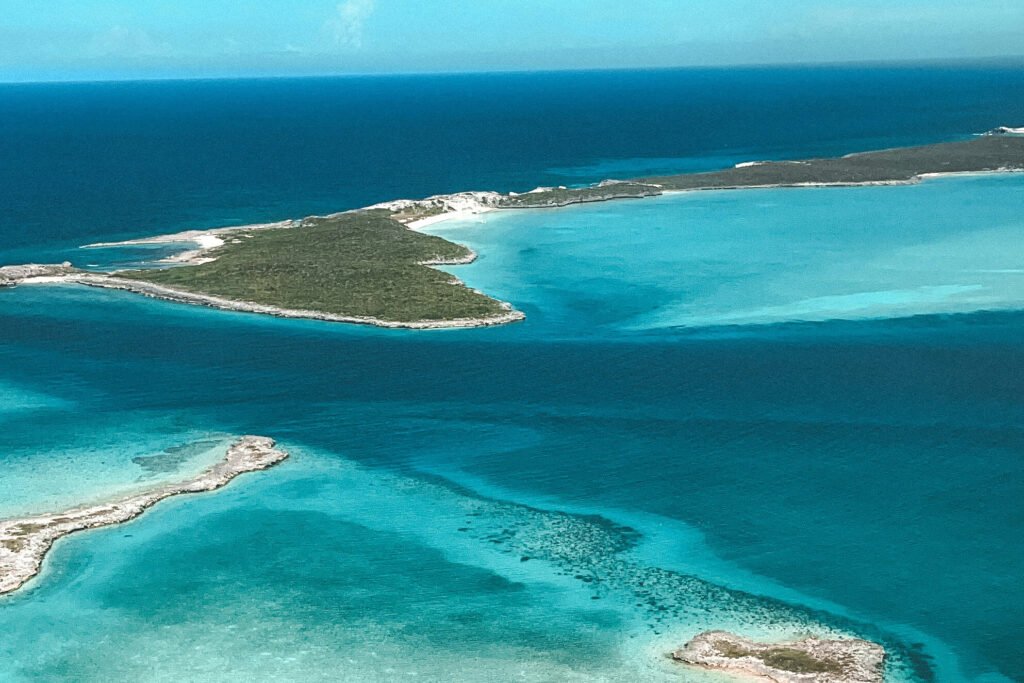
A shallow draft is one of the catamaran’s quiet superpowers, opening up beaches, sandbars and shallow anchorages that deep-keeled monohulls must avoid. Combined with the ability to dry out level on the tide, it makes remote, gin-clear bays genuinely accessible.
On safety, the multihull’s buoyancy means a well-sailed cruising catamaran is very hard to sink, though owners should understand and respect the different handling in strong winds. Reefing early and keeping weight sensible are simply part of sailing a cat well.
The costs of ownership
A catamaran’s width affects some running costs. Marina berths are often charged at a premium for multihulls, and haul-out facilities need to accommodate the beam, so it is worth checking your home waters before buying. Against that, twin engines and simple systems can make routine maintenance straightforward.
Resale is generally strong, particularly for the popular production models, thanks to steady demand from both private owners and the charter market. A well-kept catamaran from a respected yard tends to hold its value comfortably.
Where catamarans shine
Warm-water cruising grounds are the catamaran’s natural home. The Caribbean, the Bahamas, the Mediterranean and the islands of the Indian Ocean all reward the shallow draft, the shade and the deck space, whether at anchor for a lazy afternoon or hosting friends for dinner under the stars.
For extended tropical cruising with family aboard, few yachts match the all-round comfort a good catamaran provides across a long season.
What to check before you buy
Inspect the condition of the engines, saildrives and rigging, look for any signs of bridgedeck slamming damage, and confirm the yacht has been serviced on schedule. As with any purchase, a professional survey and a proper sea trial in a decent breeze are essential before you commit.
Family life aboard a catamaran
For families, the catamaran often wins on the details that matter day to day. Children can move around safely on a level deck, parents can keep an eye on everyone from the single open living space, and the sheer volume means nobody feels on top of anybody else after a week aboard. The trampolines slung between the bows become the most popular spot on the boat, a place to lie in the sun or watch the water rush past on passage.
Storage is another quiet advantage. Bikes, paddleboards, diving kit and the endless bags a family brings all disappear into the generous lockers, leaving the living areas clear. It is these practical qualities, as much as the sailing, that turn first-time catamaran families into lifelong converts.
The rise of the power catamaran
One of the biggest shifts in recent years has been the growth of the power catamaran. By keeping the twin-hull layout but replacing sails with efficient engines, these yachts offer the space and stability owners love with the simplicity and predictability of a motor yacht. For long-range cruising they can be remarkably economical, using far less fuel than a comparable monohull motor yacht to cover the same distance.
The result is a category that appeals both to former sailors who want an easier life and to motor yacht owners drawn to the space and shallow draft. As the range of models widens, the power catamaran is quickly becoming a mainstream choice rather than a niche one.
Chartering before you buy
Because a catamaran is such a distinctive experience, the smartest first step is often to charter one for a week before committing. A charter reveals how the space suits your family, how you feel about the motion under way, and which layout and size genuinely fit the way you cruise. It is the most enjoyable research you will ever do.
Many owners come to the decision this way, arriving at a purchase with a clear idea of the builder, the layout and the size that will serve them best. That clarity makes for a far better buying experience and a boat you will keep and love for years.
Browse cruising catamarans
Explore our yachts for sale for sailing and power catamarans from the leading builders, and we will help you weigh the trade-offs for the way you plan to cruise.