Chartering Indonesia in the Dry Season
Few cruising grounds are as hard to reach, or as rewarding once you arrive, as Raja Ampat. The archipelago off the north-western tip of West Papua holds some of the richest marine life on the planet, scattered across hundreds of uninhabited islands with no marinas and few roads. The practical way to see it is by boat, living aboard for the week, and the vessel most suited to these waters is the traditional Indonesian phinisi. A Raja Ampat charter is planned around two things: the dry season, and the right crewed phinisi.

When the dry season runs
Raja Ampat’s calmest, clearest window runs roughly from October to April, when the seas flatten and underwater visibility is at its best. This is the heart of the charter season and the reason the phinisi fleet repositions here for the winter months. Outside that window the weather turns less predictable and many yachts move on to other parts of Indonesia, which is why the good boats are reserved well ahead for the peak December to March period. Planning early also matters because the fleet that works these waters is small, and the most characterful vessels book out first.
Why a phinisi, not a motor yacht
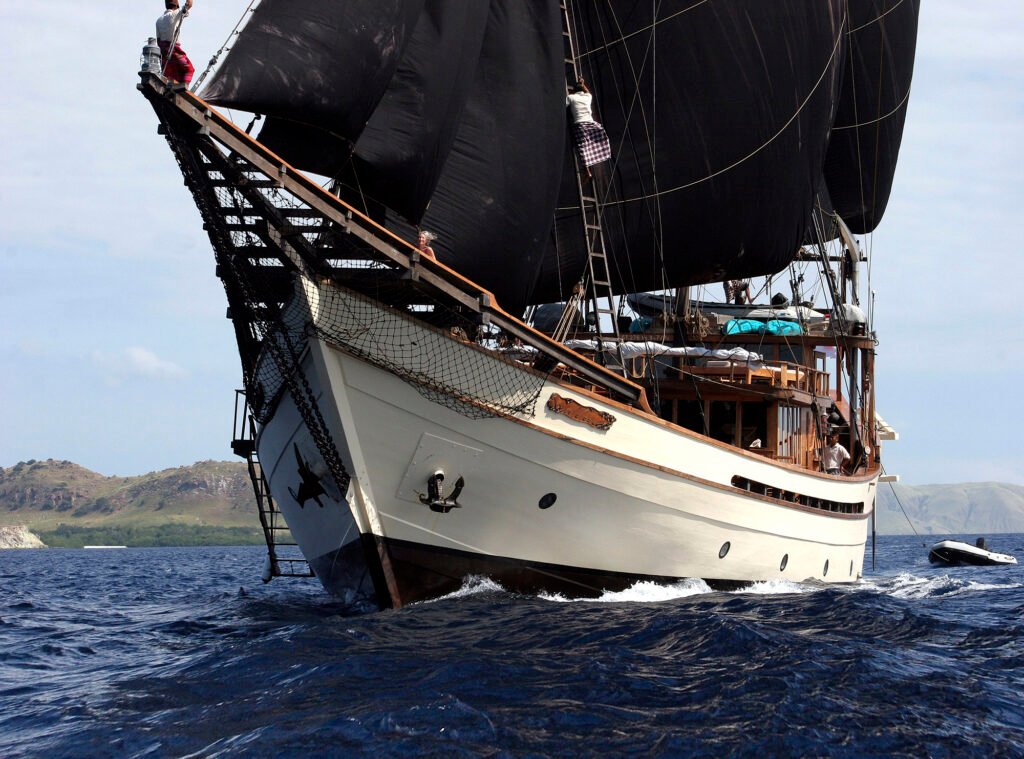
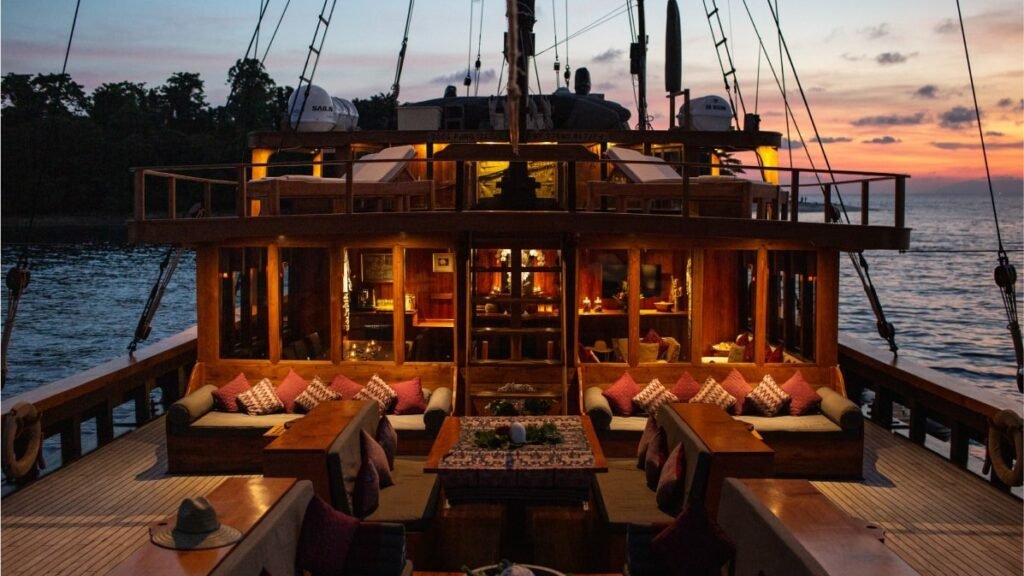
The phinisi is a wooden sailing vessel built in the Sulawesi boatbuilding tradition, and the modern charter versions pair that heritage with proper cabins, air conditioning and dive facilities. They suit Raja Ampat for reasons beyond looks. A phinisi is self-sufficient for long stretches between supply points, carries tenders and dive compressors for daily excursions, and moves slowly enough to let the scenery unfold. The crewed yachts in the fleet, among them Silolona, Dunia Baru, Vela and Amandira, are run by teams who know the reefs, the tides and the villages, which counts for a great deal in waters this remote.
The diving
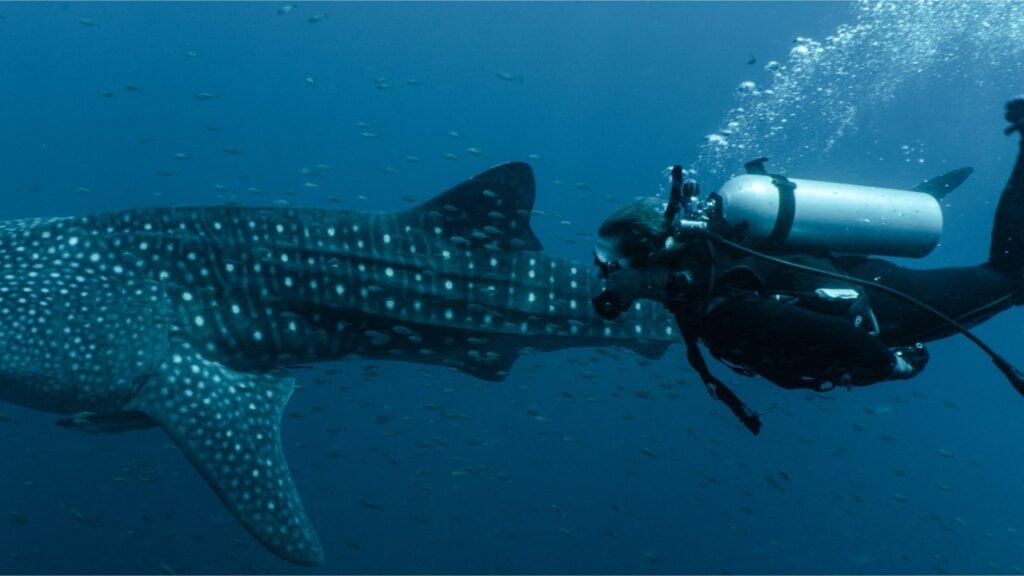
Raja Ampat sits at the centre of the Coral Triangle and records some of the highest counts of reef fish and coral species anywhere surveyed. For a diving charter, that translates into walls, drifts and shallow reefs within a short tender ride of the anchorage, with manta cleaning stations, schooling fish and healthy hard coral across much of the area. A liveaboard phinisi puts guests on the best sites early, before day boats arrive from the land-based resorts, and lets the itinerary follow the conditions rather than a fixed schedule. Snorkellers are well served too, since much of the life sits in clear, shallow water.

Beyond the reef
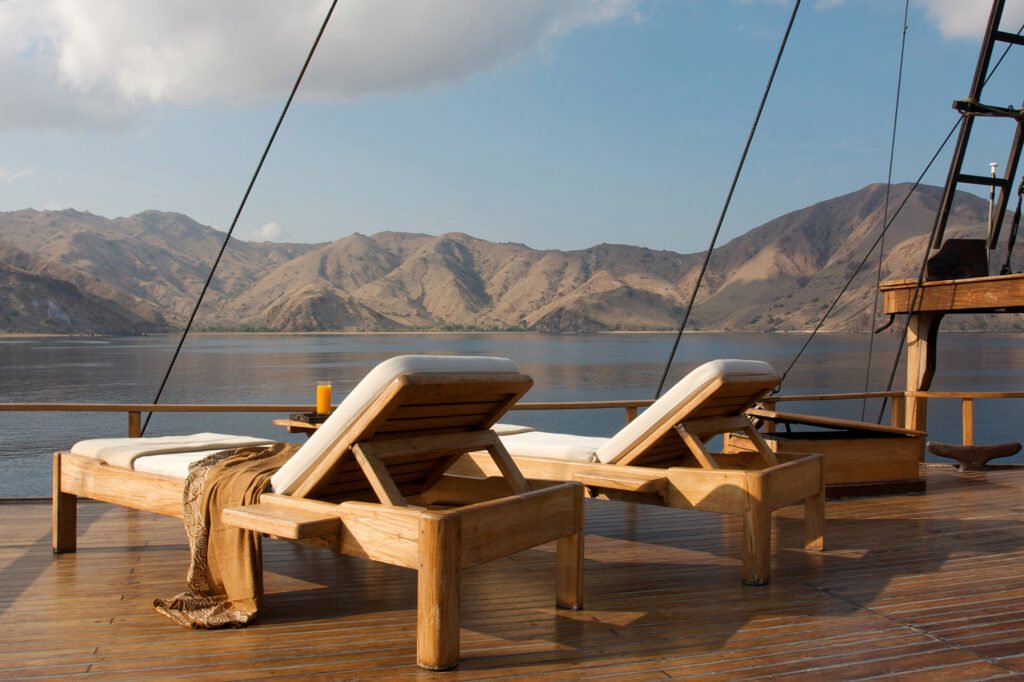
The water is only half of Raja Ampat. The limestone islands rise straight out of the sea in the lagoons around Wayag and Piaynemo, best seen from a viewpoint climb at first light. Ashore, there are small Papuan villages, birding walks for the red bird of paradise, and empty beaches a tender ride from the anchorage. A week aboard mixes two or three dives a day with these excursions, and the slow pace of a sailing vessel suits the remoteness. This is a cruising ground to explore across South East Asia for travellers who want distance from the crowds.
Planning the charter
Most Raja Ampat charters start and end at Sorong, reached by a connecting flight through Jakarta or Makassar, with a short transfer to the yacht. The phinisi fleet is generally priced per night rather than per week, which makes it straightforward to match the length of the trip to the itinerary, from a focused week on the central reefs to a longer passage taking in the southern islands. Because the season, the fleet size and the travel logistics all point the same way, the single most useful piece of advice is to book early and let the crew shape the route around the conditions once you arrive.