Cook Islands
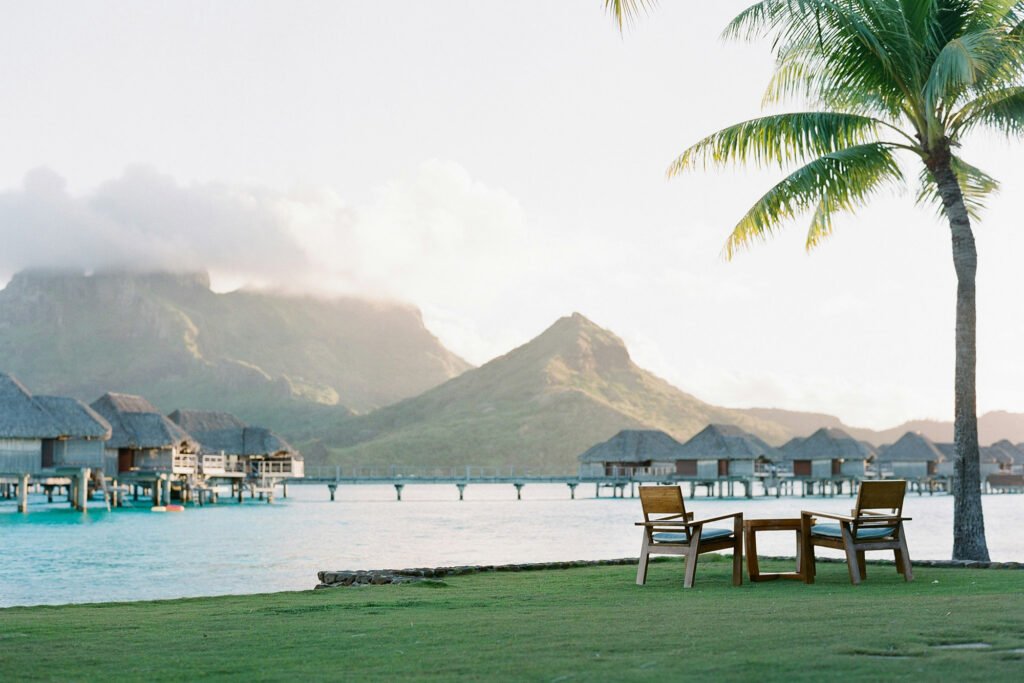
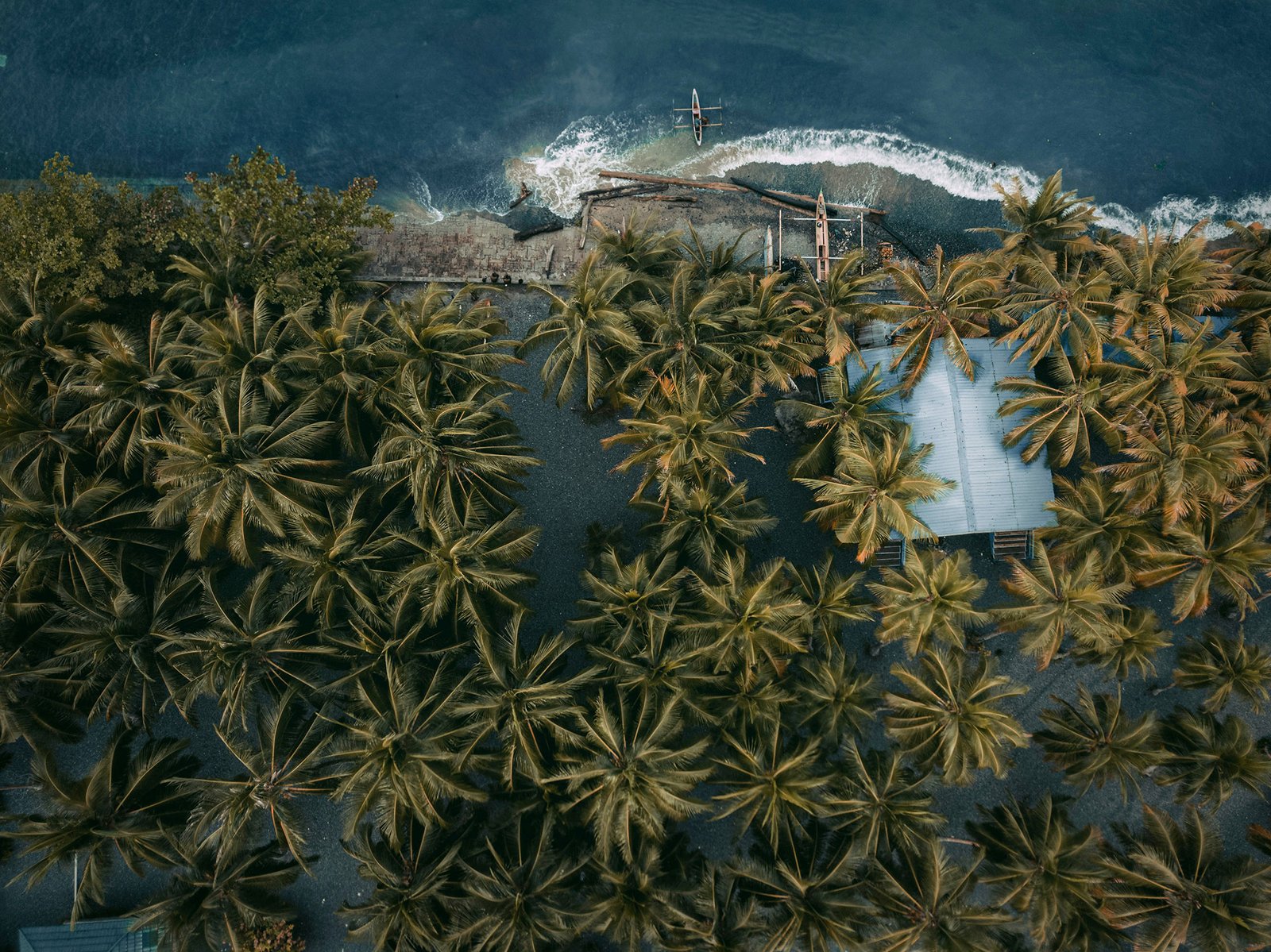
Avatiu Harbour, Rarotonga
Avana Harbour, Rarotonga
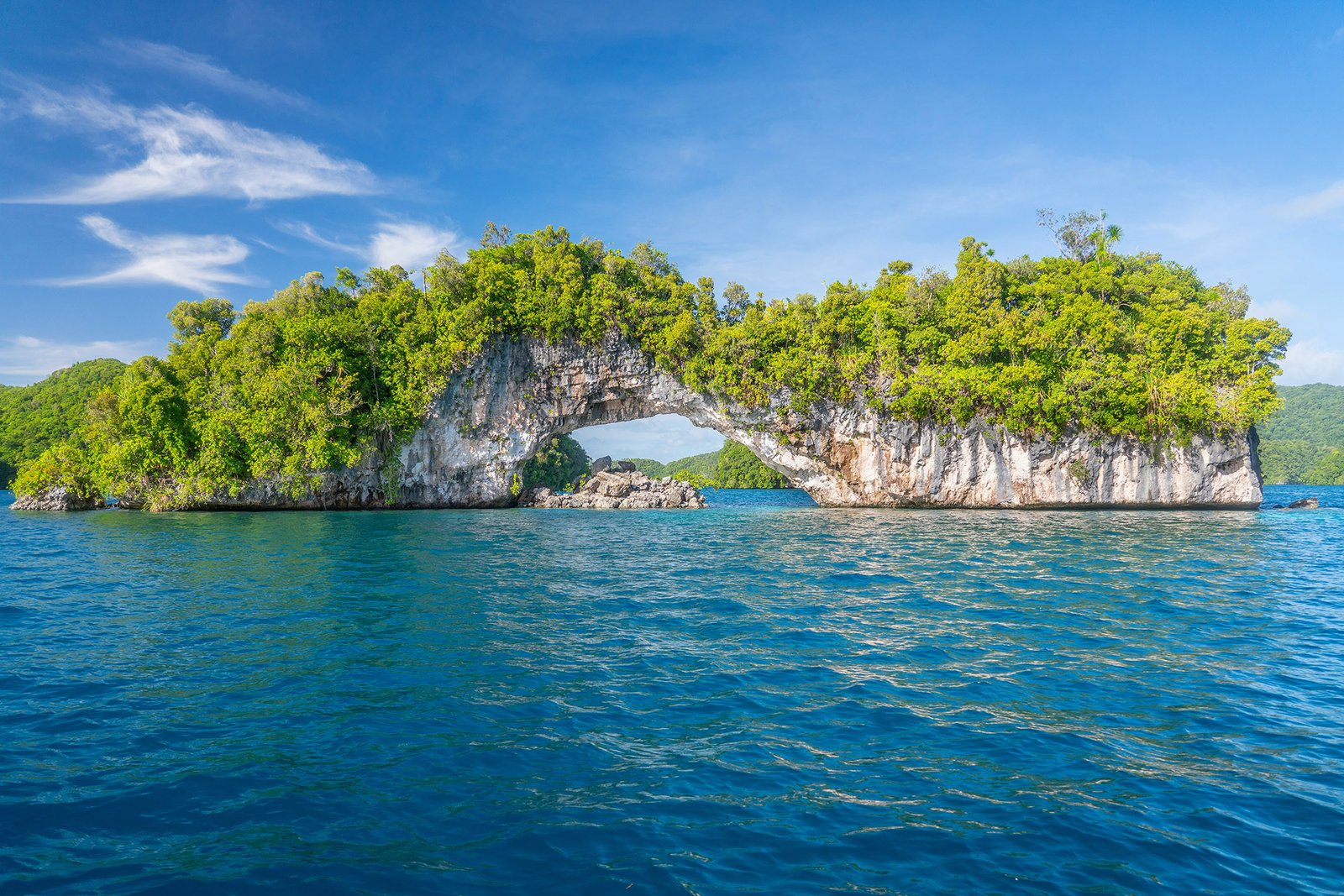
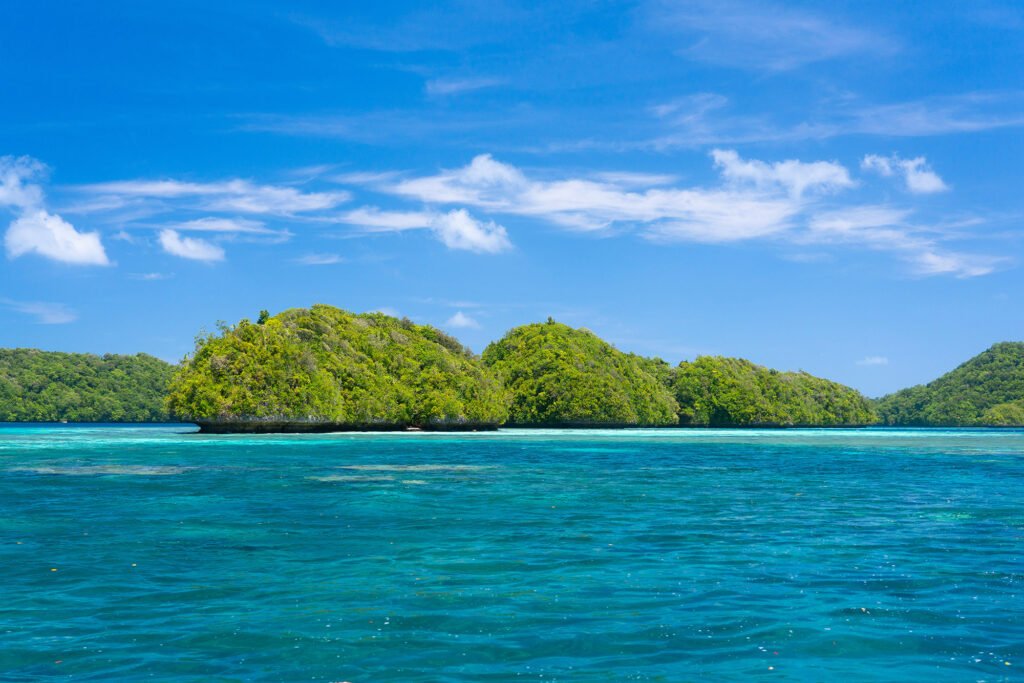
Aitutaki Lagoon
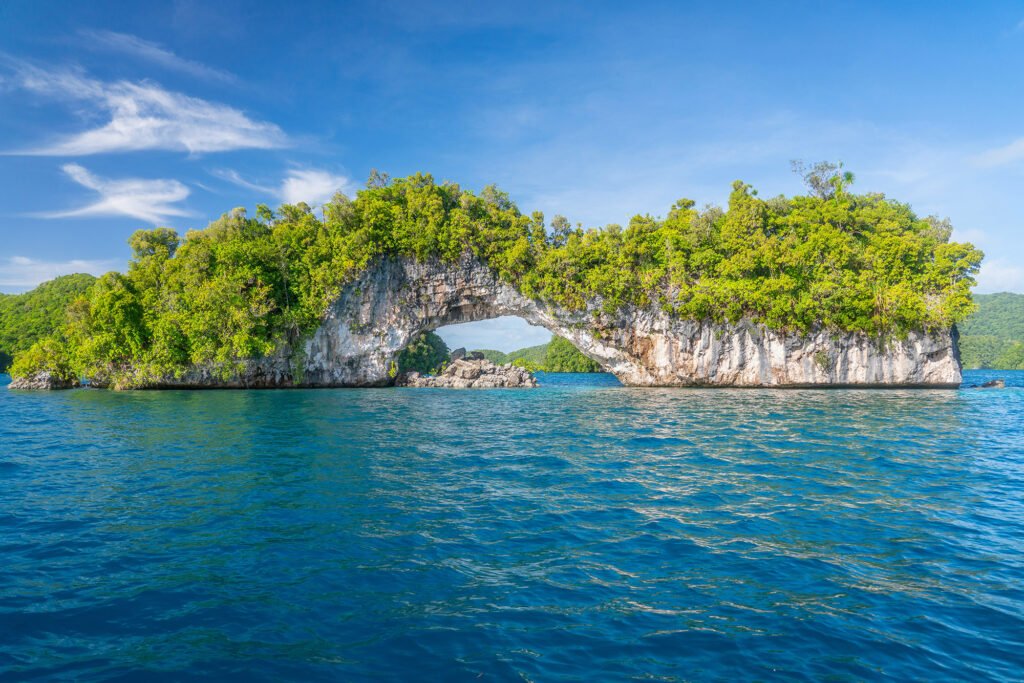
Muri Lagoon, Rarotonga
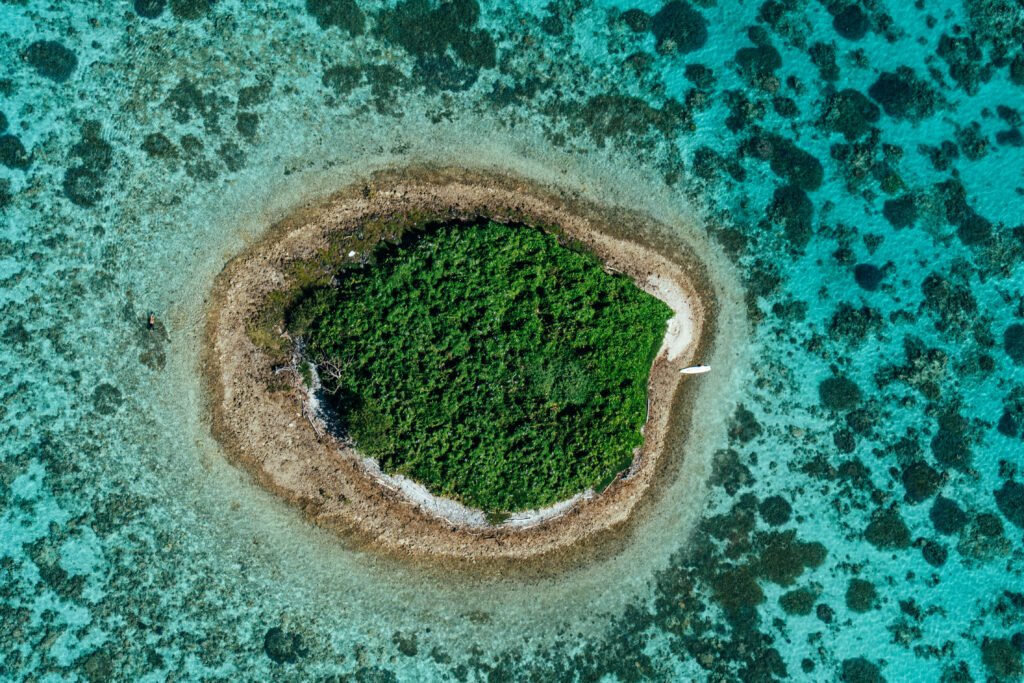
Palmerston Atoll
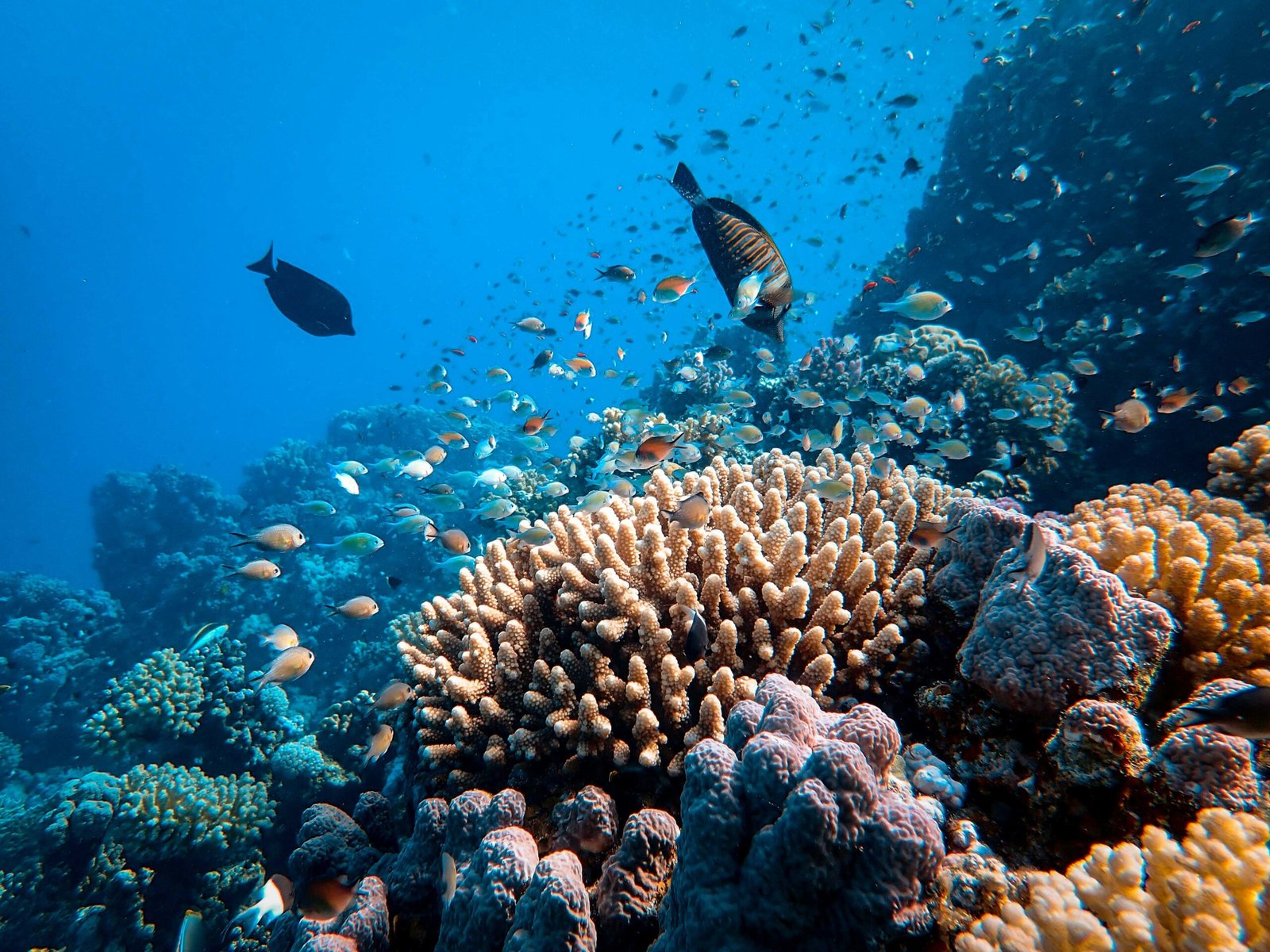
Snorkel Aitutaki Lagoon’s coral gardens
Hike the Cross-Island Track on Rarotonga
Visit One Foot Island (Tapuaetai)
Browse Punanga Nui Market in Avarua
Watch for migrating humpback whales
Avarua, Rarotonga
Aitutaki
Te Manga
Muri Beach
Arai-Te-Tonga
01
April through November brings the driest, most settled weather, with the cooler months of June to August the most comfortable for exploring ashore. July through October overlaps with the humpback whale migration, when whales pass close to both Rarotonga and Aitutaki on their way to warmer breeding waters. December to March is cyclone season, and most charter operators avoid scheduling trips during those months.
02
Rarotonga International Airport (RAR) is the main gateway, with direct flights from Auckland, Los Angeles and several other Pacific hubs. Aitutaki has its own airstrip (AIT), connected to Rarotonga by a short domestic flight of around 45 minutes, useful for guests joining or leaving a yacht already cruising the northern lagoon rather than starting from Rarotonga itself.
03
Avatiu Harbour, on Rarotonga’s north coast, is the only real overnight option there, with Mediterranean-style mooring against the harbour wall and fees payable to the port authority. At Aitutaki, the lagoon is entered through a narrow, current-swept pass best timed near high tide, with anchoring available inside near the southern wharf rather than out among the motus themselves.
04
Five to seven days lets guests properly experience both islands: two or three exploring Rarotonga’s reef and interior, and a similar stretch anchored at Aitutaki’s lagoon, with a day either side for the channel crossing between them. Longer itineraries can extend north to the more remote outer islands, though these add several days of open-ocean passage each way.
05
Palmerston Atoll, roughly 500 kilometres north of Rarotonga, is home to around sixty people, nearly all descended from a single Englishman, William Marsters, who settled there in the 1860s with three Polynesian wives. Visiting yachts are a rare event and are typically welcomed ashore by the islanders themselves. It’s a full day’s sail beyond most Cook Islands itineraries, but a genuine outlier even by South Pacific standards.

Tell us what you would like to know, and our team will respond with clear details on availability, specification, pricing and next steps.