Norway / Stavanger
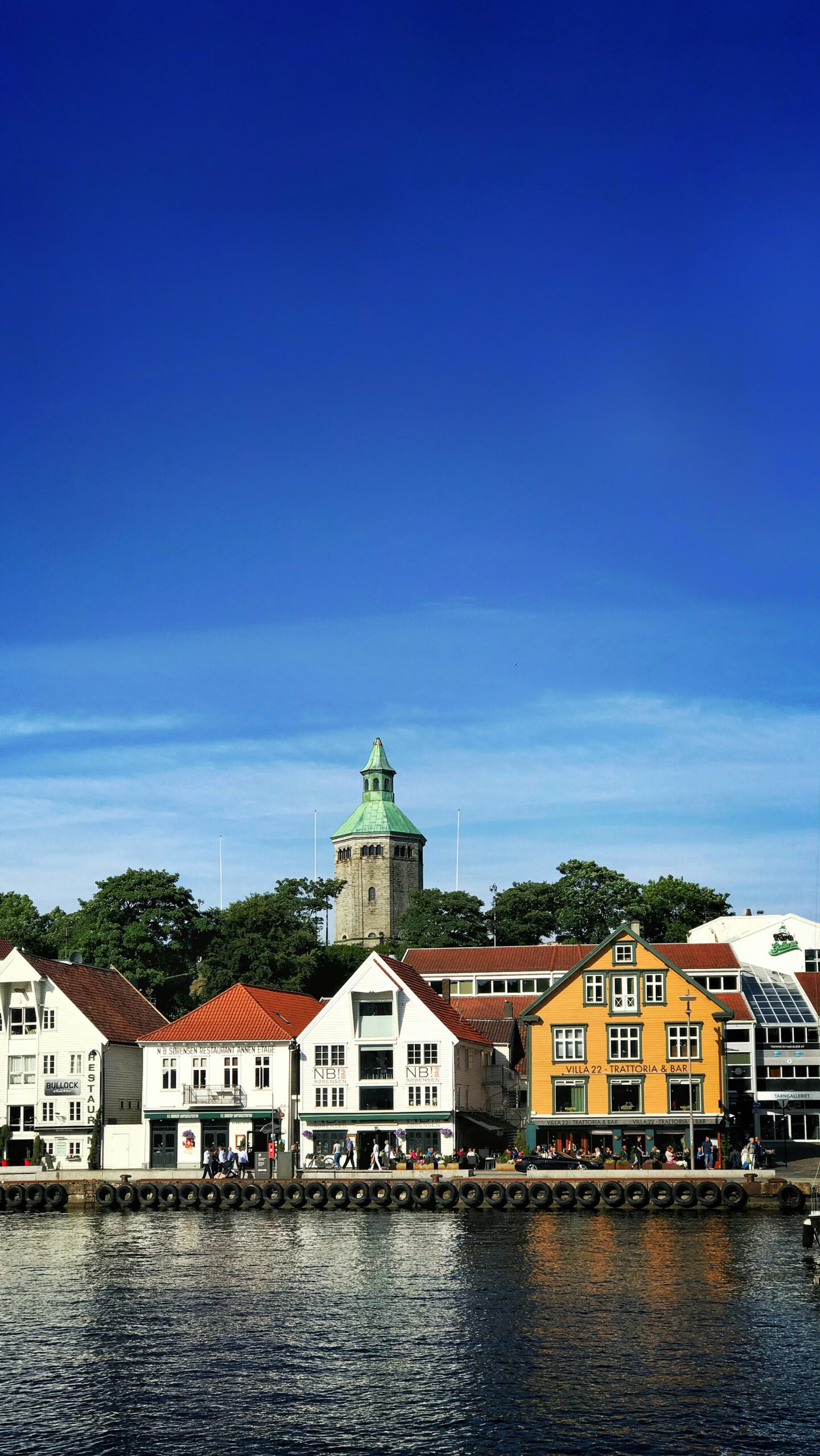
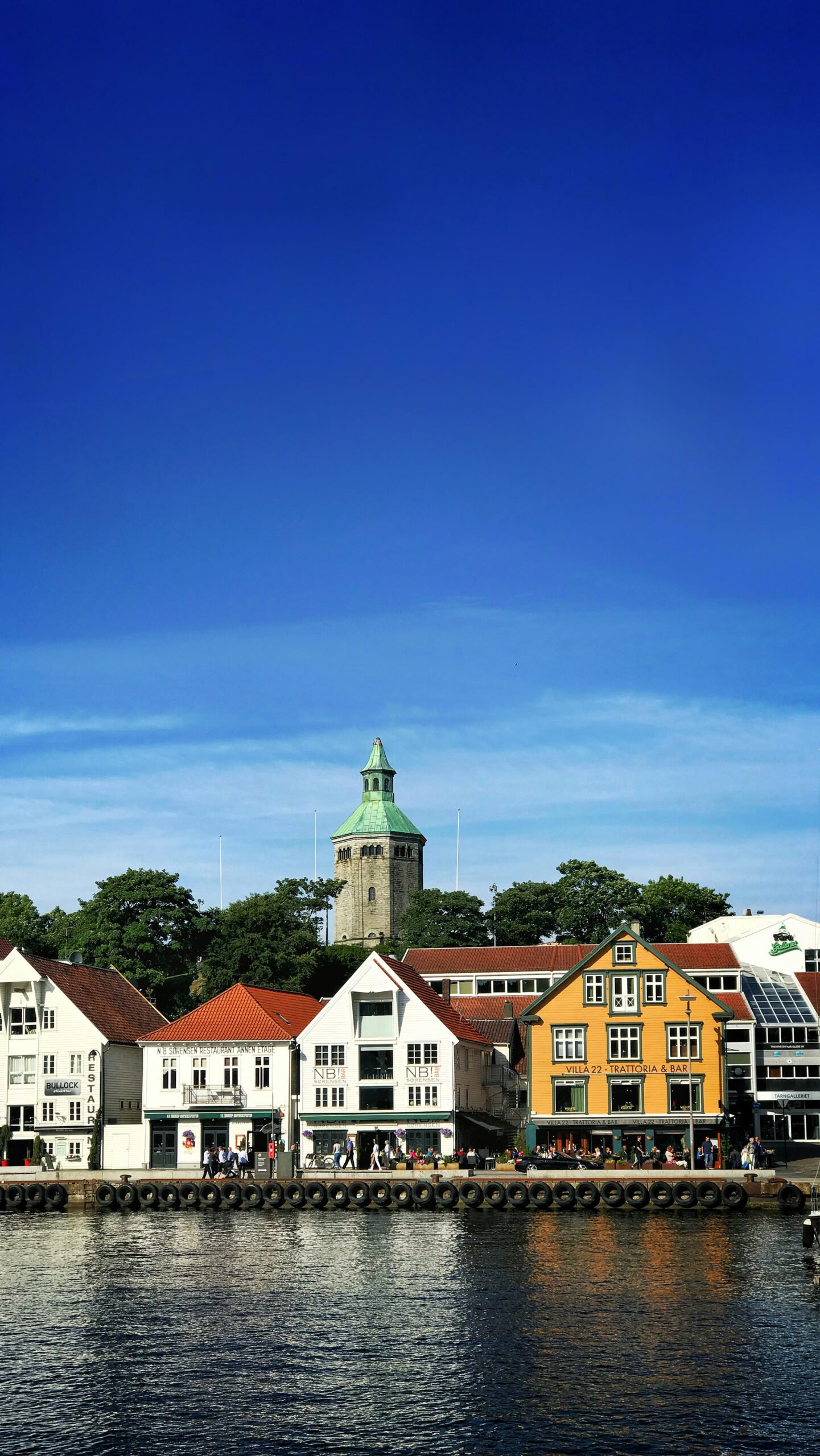
Vagen Guest Marina
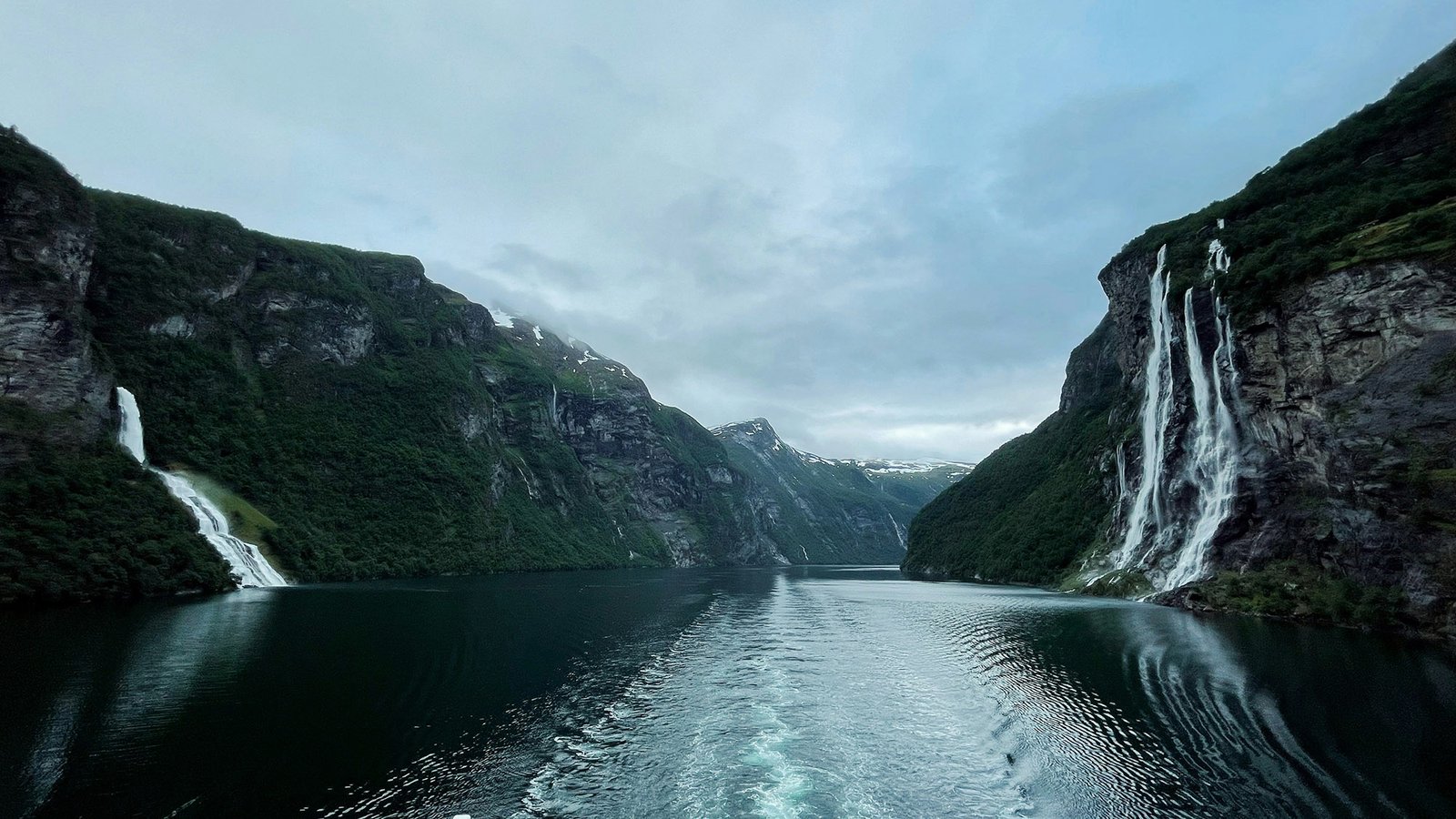
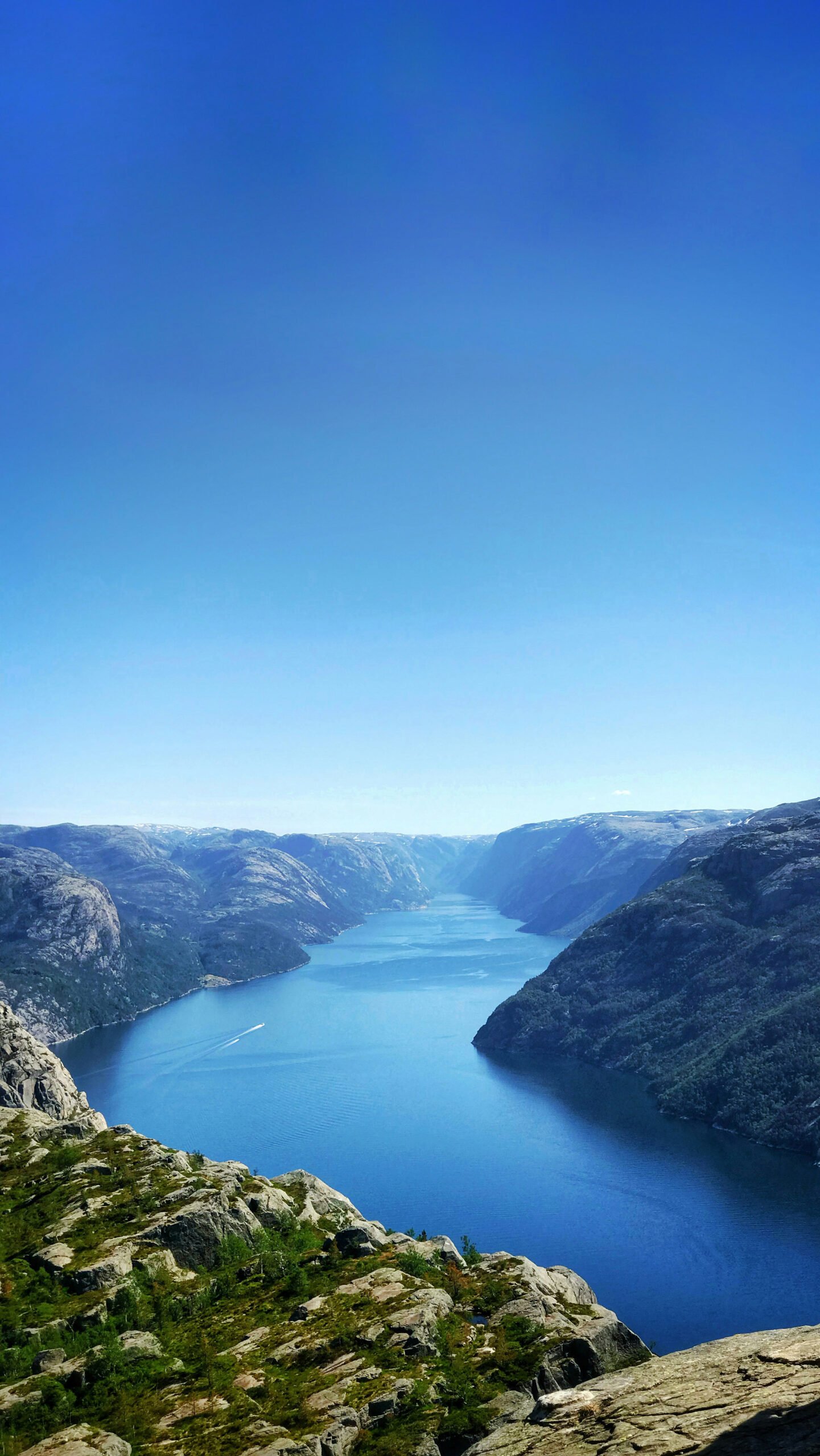
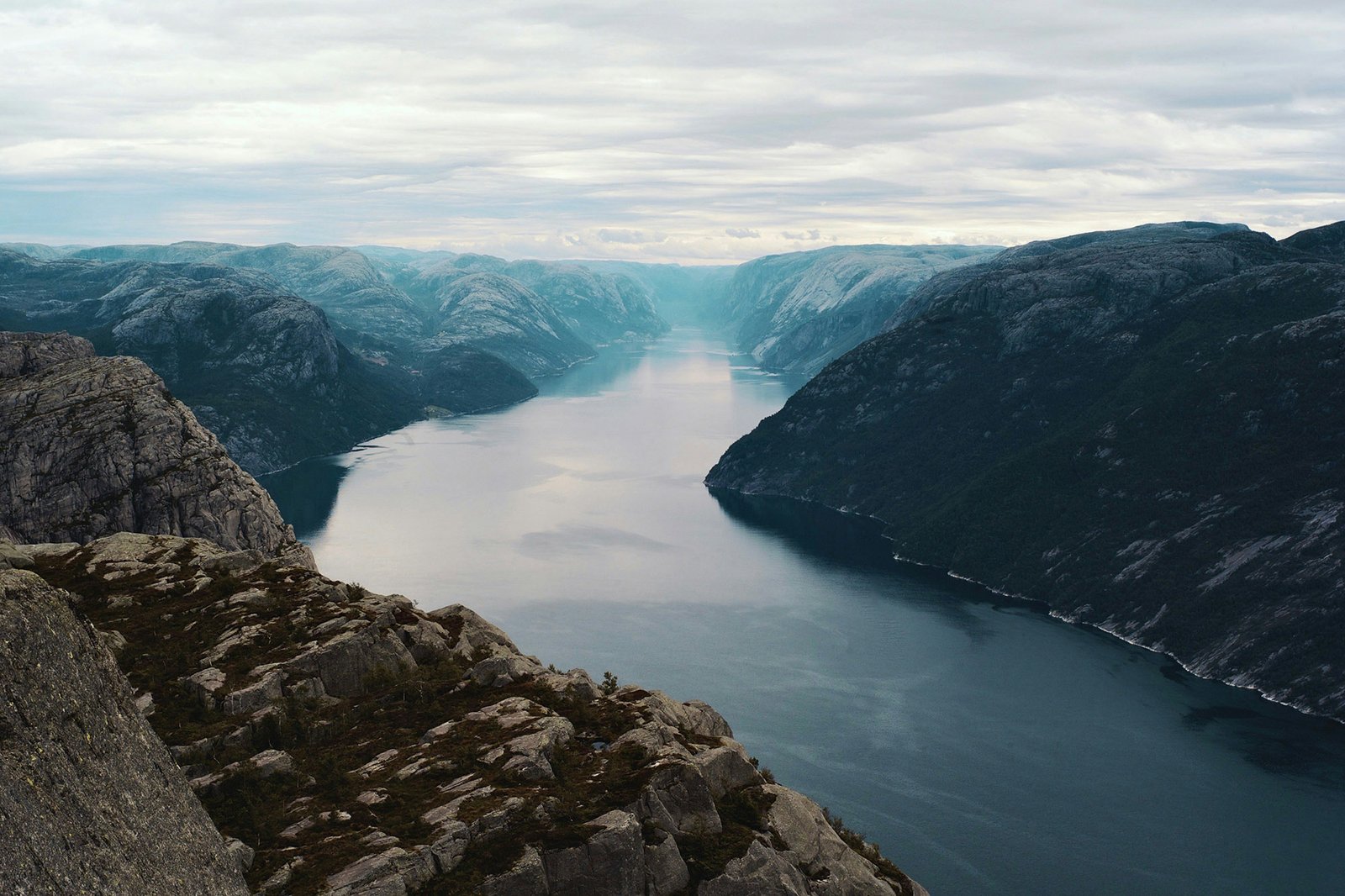
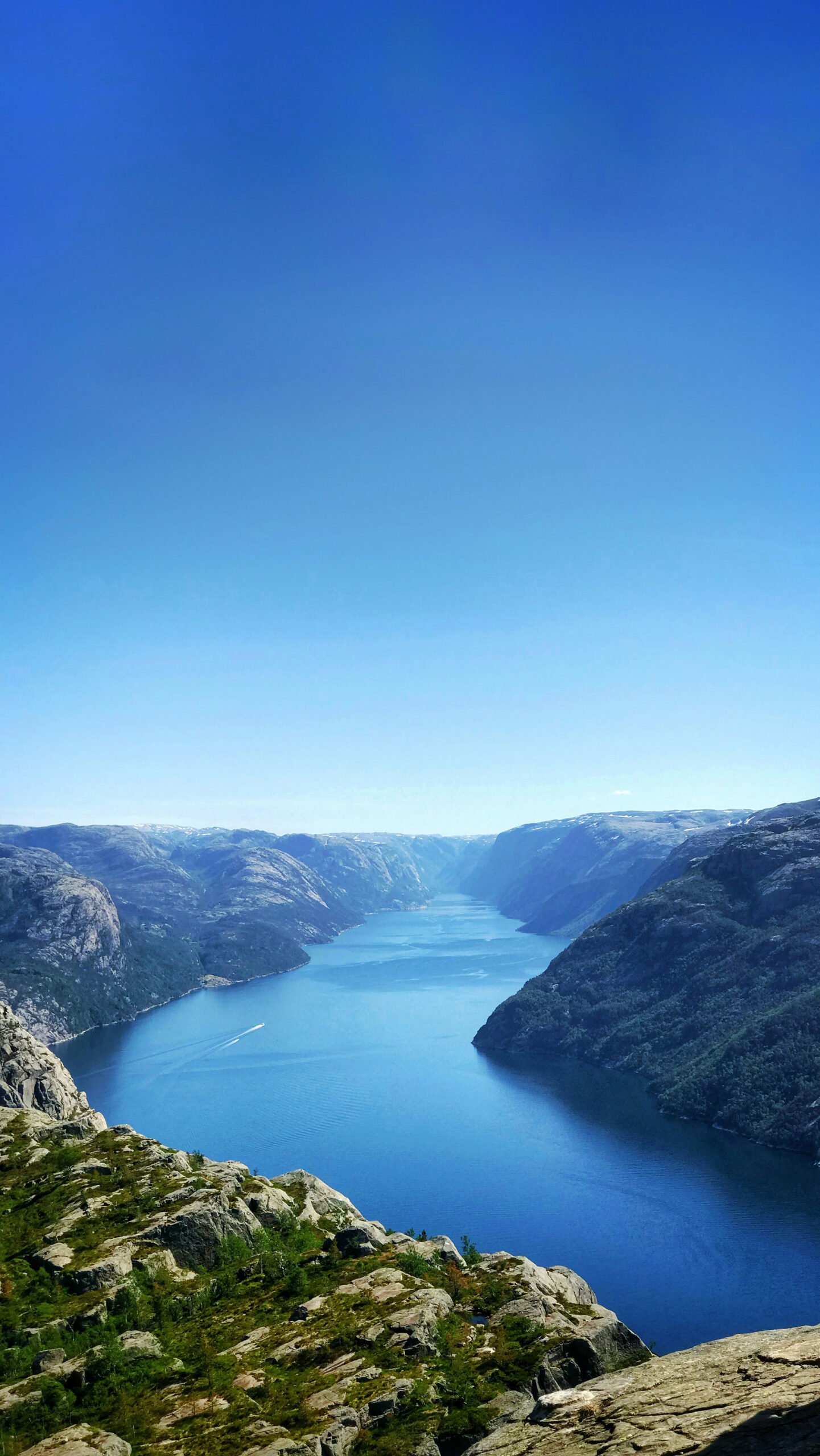
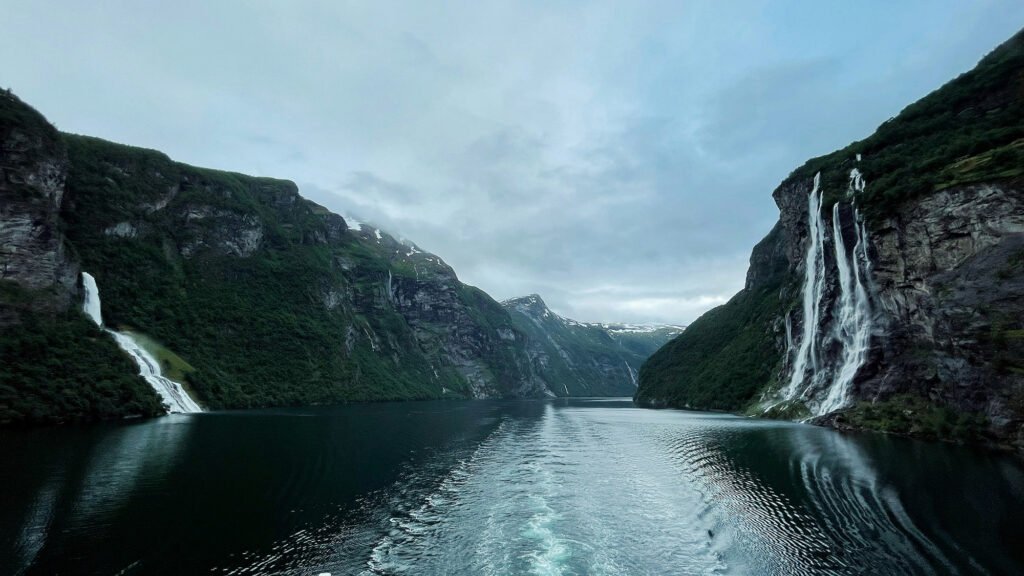
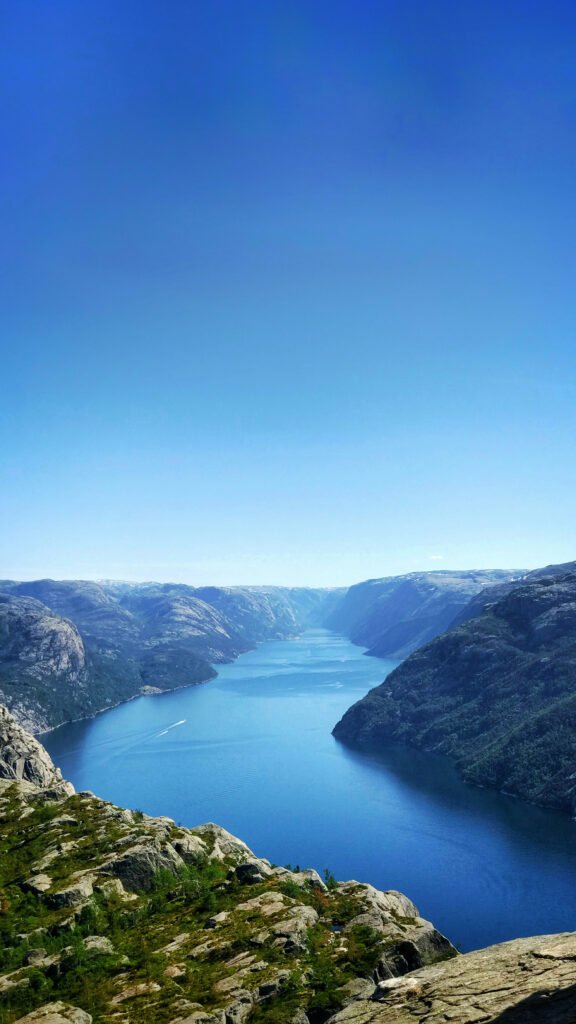
Lysefjord at Songesand
Florli
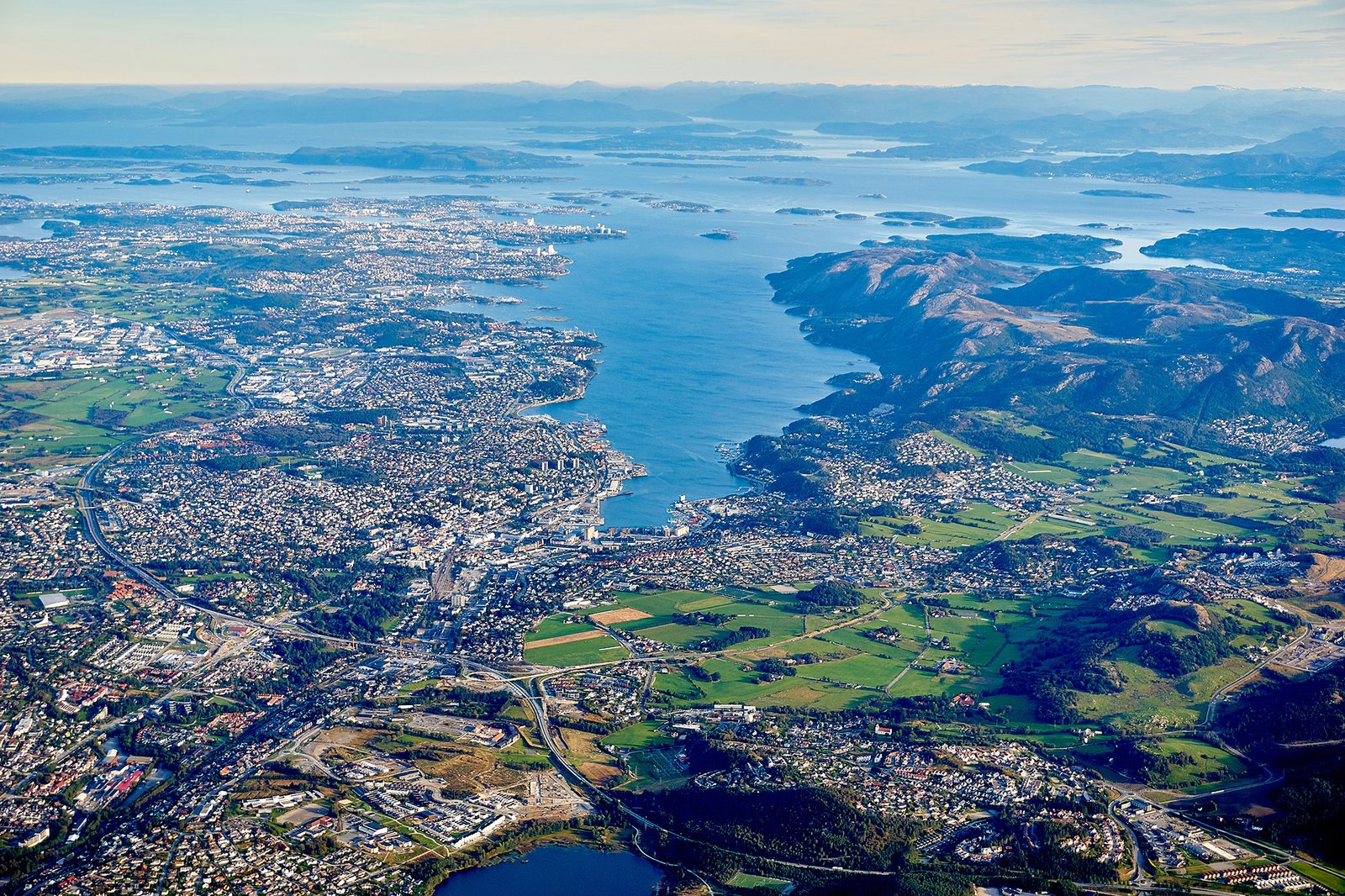
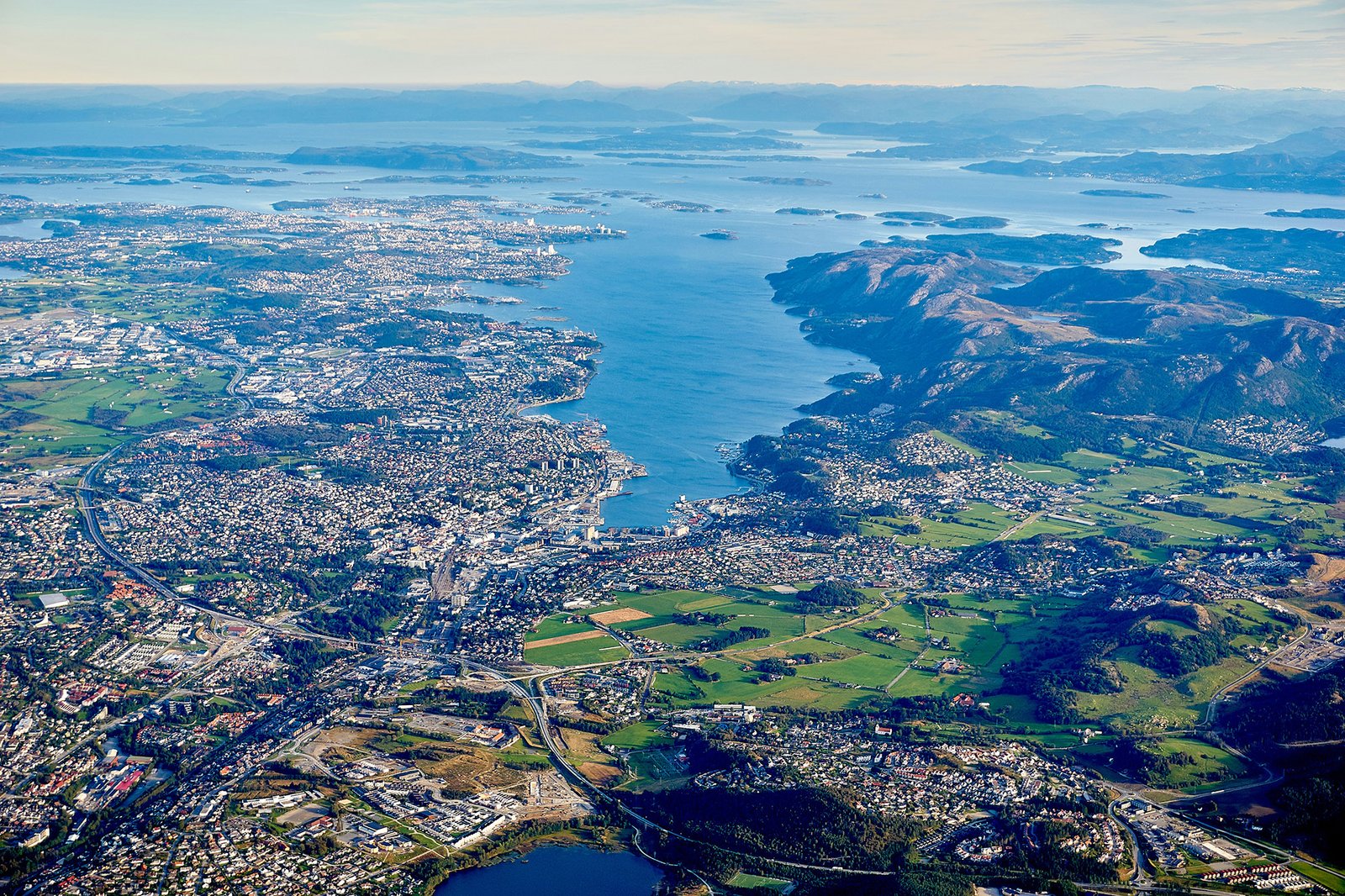
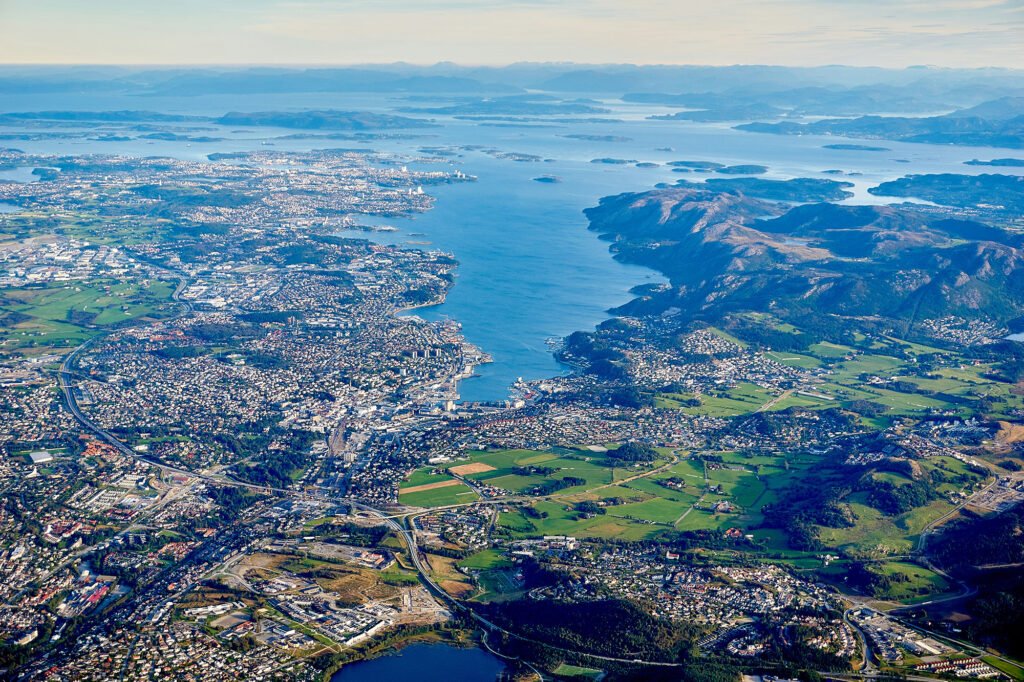
Byfjorden
Hundvag Sound
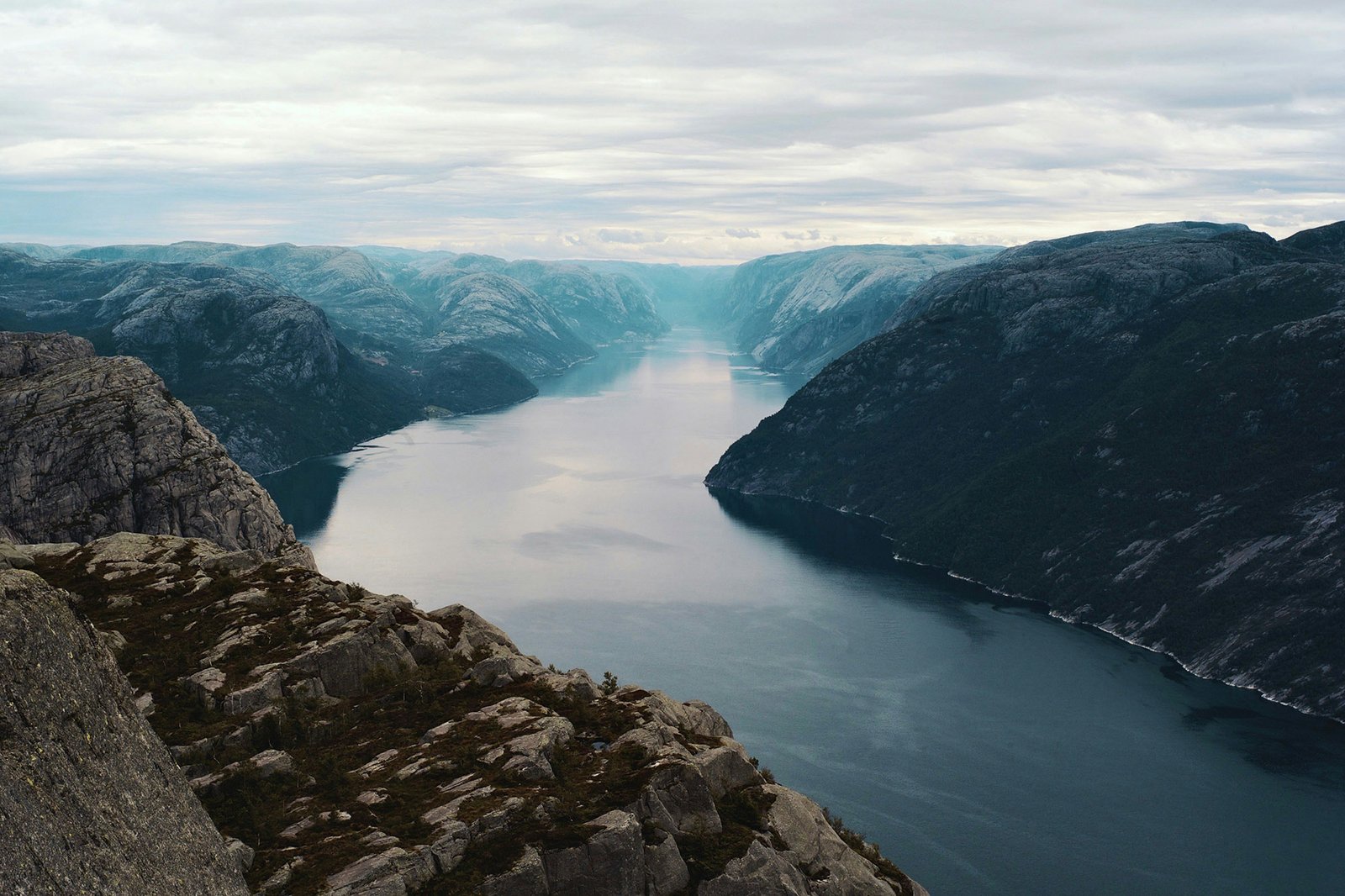
Hike to Preikestolen, Pulpit Rock
Climb the 4,444 steps of the Florli stairs
Visit the Norwegian Petroleum Museum
Wander Gamle Stavanger’s cobbled lanes
Browse the stalls of Stavanger’s harbourside market
Stavanger Cathedral
Gamle Stavanger
Utstein Monastery
Sola Beach
Florli
01
May through September brings the most settled weather for cruising the Lysefjord and the open coast beyond it, with July and August the warmest months for swimming off the surrounding islands. The Preikestolen trail is at its busiest in July, so an early morning departure helps avoid the crowds at the top. Winter charters are possible in the sheltered Boknafjord but short daylight hours limit how far a yacht can comfortably range.
02
Stavanger Airport, Sola (SVG), sits around ten kilometres southwest of the city centre, with direct flights from several major European hubs as well as Oslo and Bergen. It’s one of the more convenient starting points on the Norwegian coast for a charter, since the airport, the Vagen guest marina and the old town are all within a short taxi ride of one another.
03
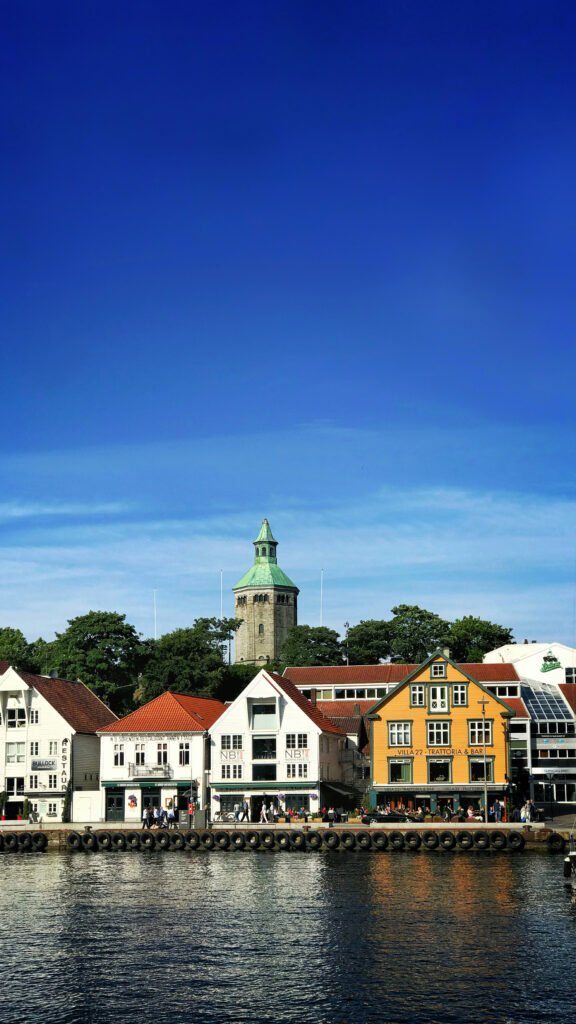
Vagen, the guest marina beneath Gamle Stavanger, puts guests within walking distance of the cathedral and the old town’s restaurants, though space can be tight in peak summer weeks. Inside the Lysefjord, Songesand offers a quieter overnight stop with a small beach and not much else, a useful contrast after a busy day sightseeing. Byfjorden, just north of the city, gives more room to swing at anchor away from harbour traffic.
04
Two to three nights allow time for a full-day cruise into the Lysefjord, a walk in Gamle Stavanger and, for energetic guests, the hike out to Preikestolen or the Florli stairs. Stavanger also works well as the start or end point of a longer Norwegian coastal charter, given its airport connections and its position roughly midway between Kristiansand in the south and Bergen to the north.
05
Norway’s first major offshore oil discovery, the Ekofisk field, was made in the North Sea on 23 December 1969, and Stavanger became the onshore base for the industry that followed, transforming a modest fishing and canning town into one of Europe’s wealthiest cities within a generation. The Norwegian Petroleum Museum, built to resemble an offshore platform on the harbourside, traces that history in detail and remains a popular stop.

Tell us what you would like to know, and our team will respond with clear details on availability, specification, pricing and next steps.