Oman
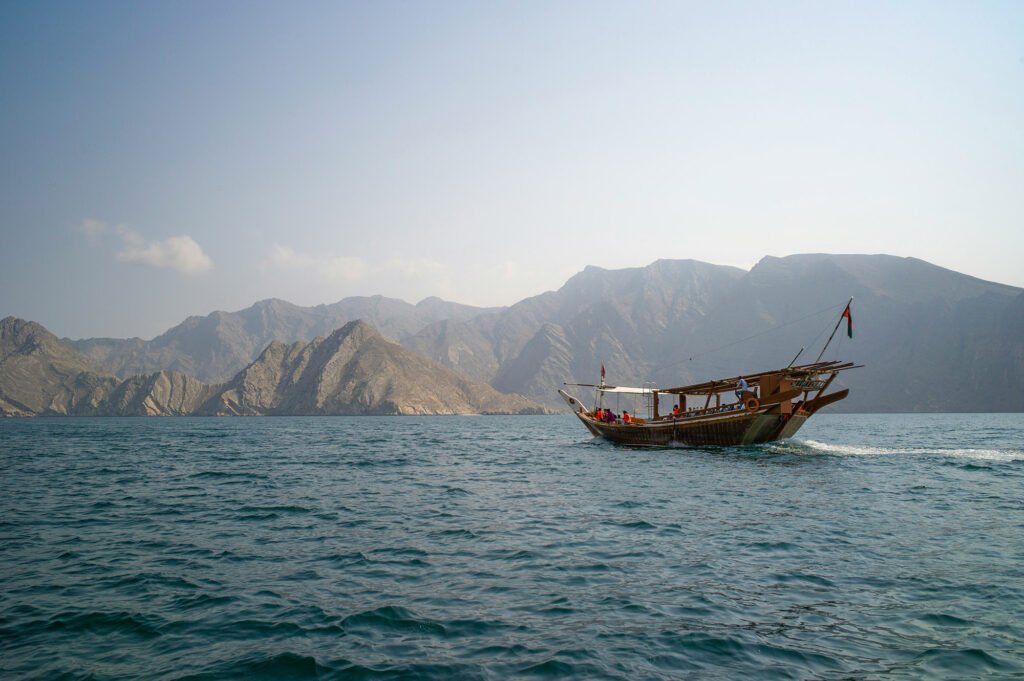
Khor Ash Sham, Musandam’s largest fjord
Khor Najd, with its high viewpoint over the fjords
Telegraph Island, site of a 19th-century relay station
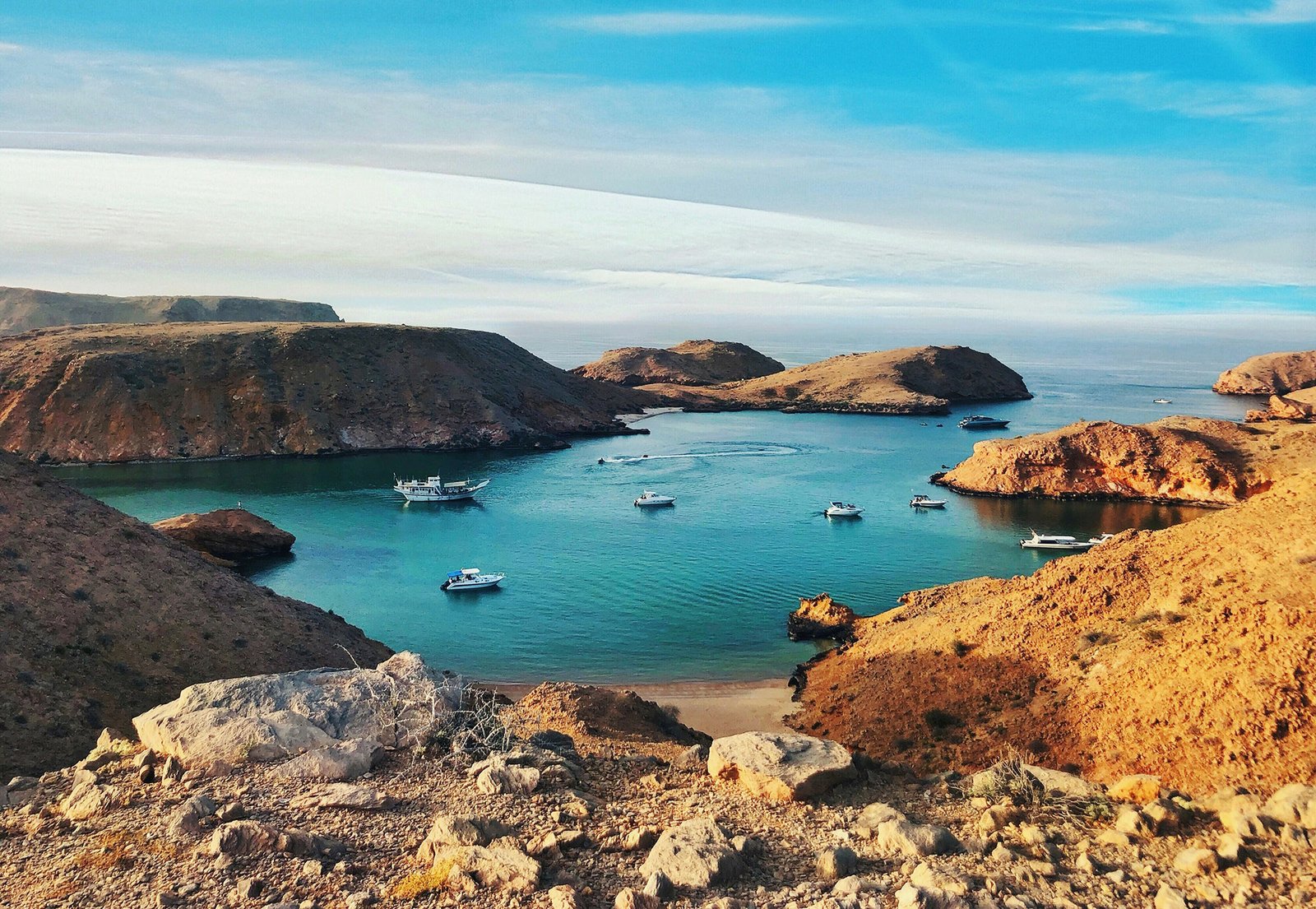
Bandar Khayran, a sheltered bay near Muscat
Ras Al Jinz, Oman’s turtle nesting reserve
Cruise the Musandam fjords in search of dolphins
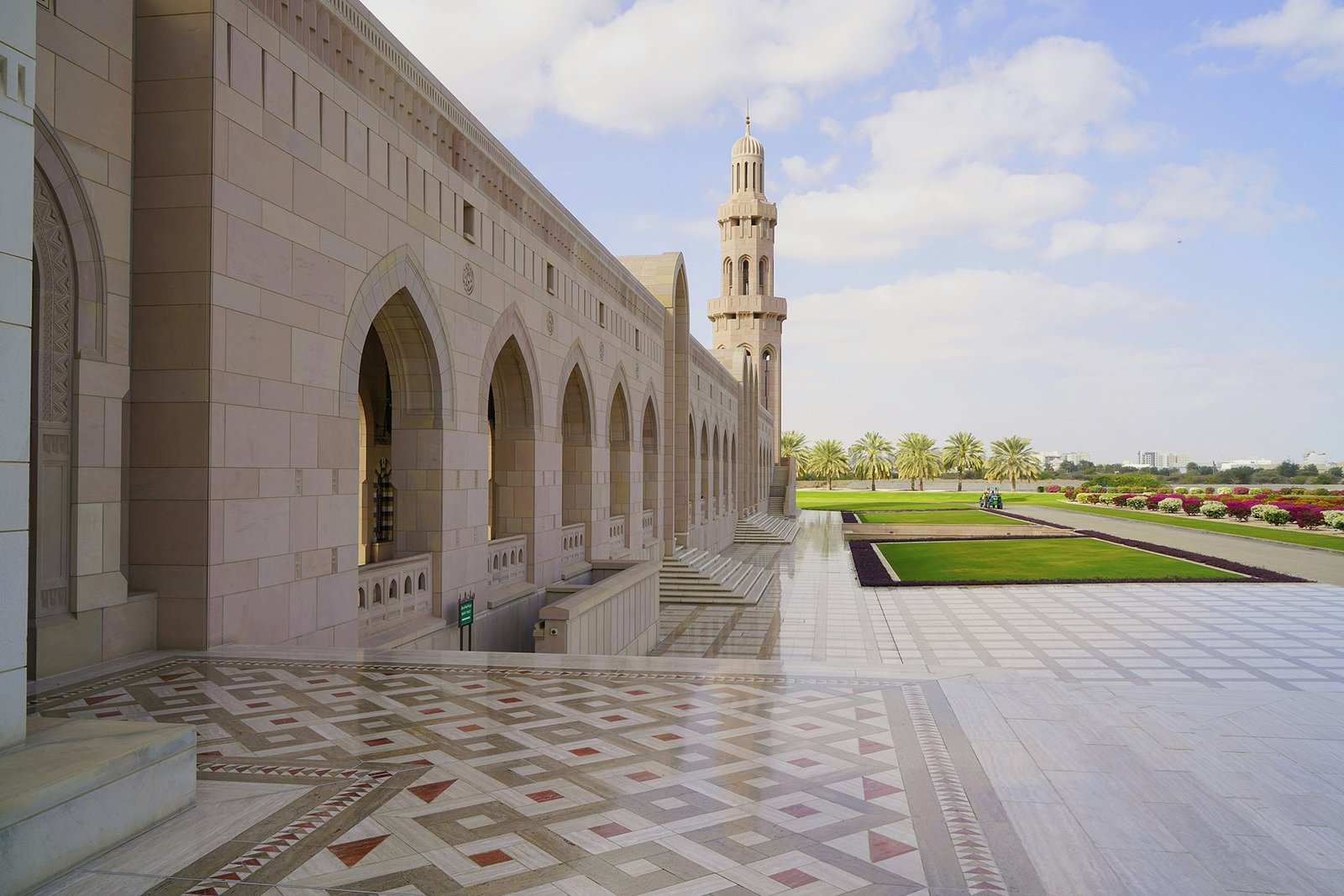
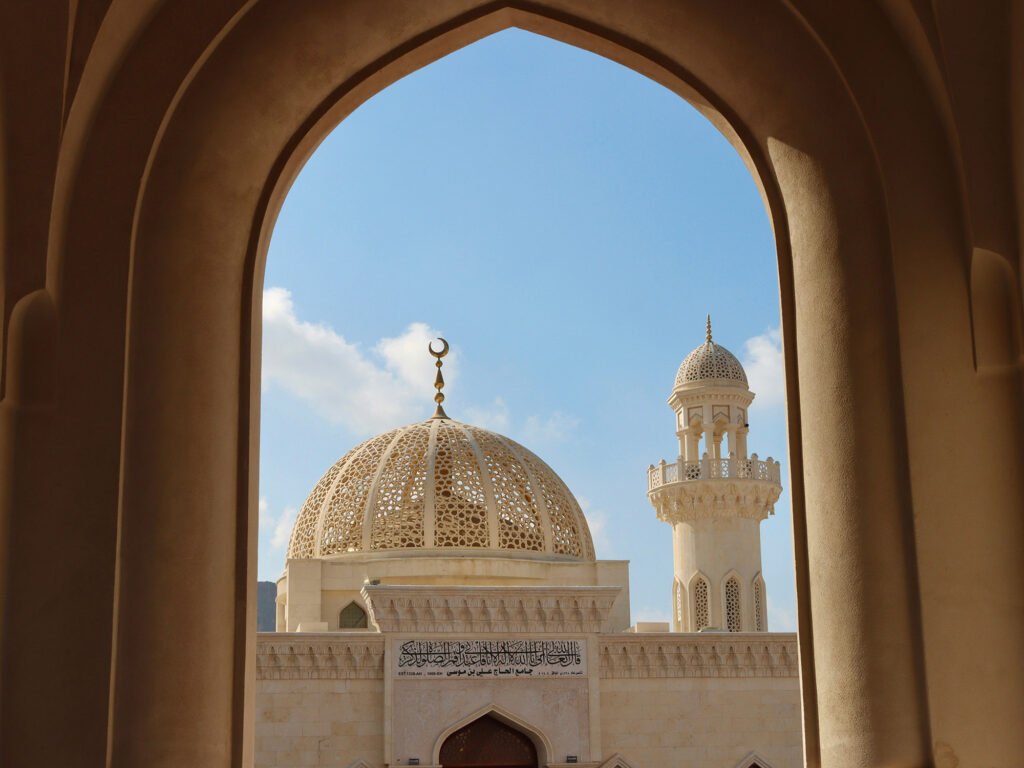
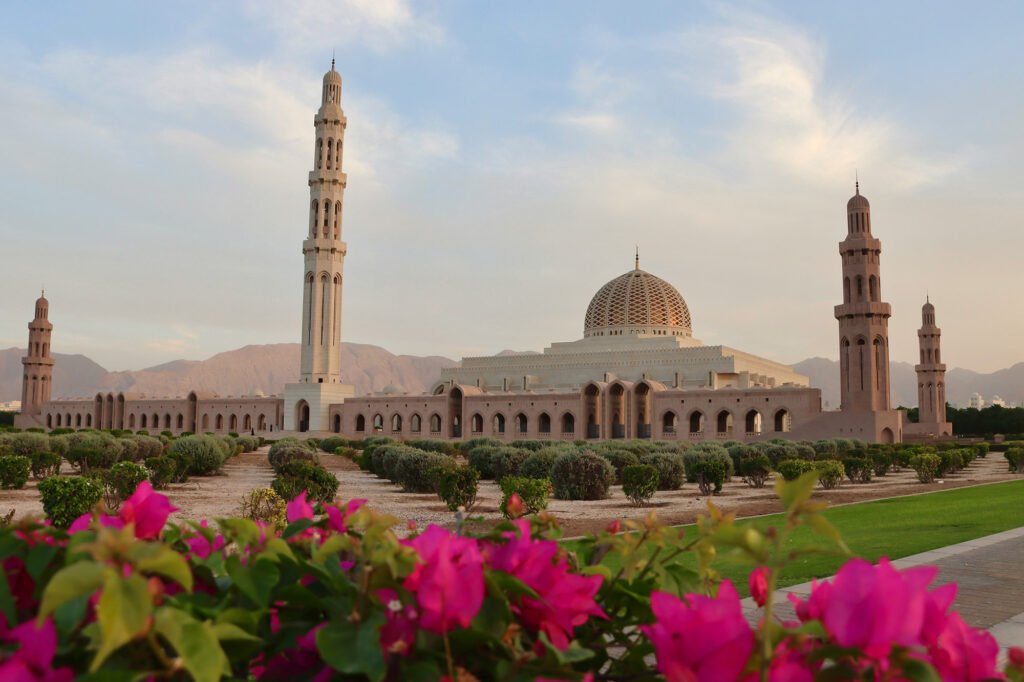
Tour the Sultan Qaboos Grand Mosque
Explore Muttrah Souq and its waterfront corniche
Watch green turtles nest at Ras Al Jinz
Snorkel the coral patches of Bandar Khayran
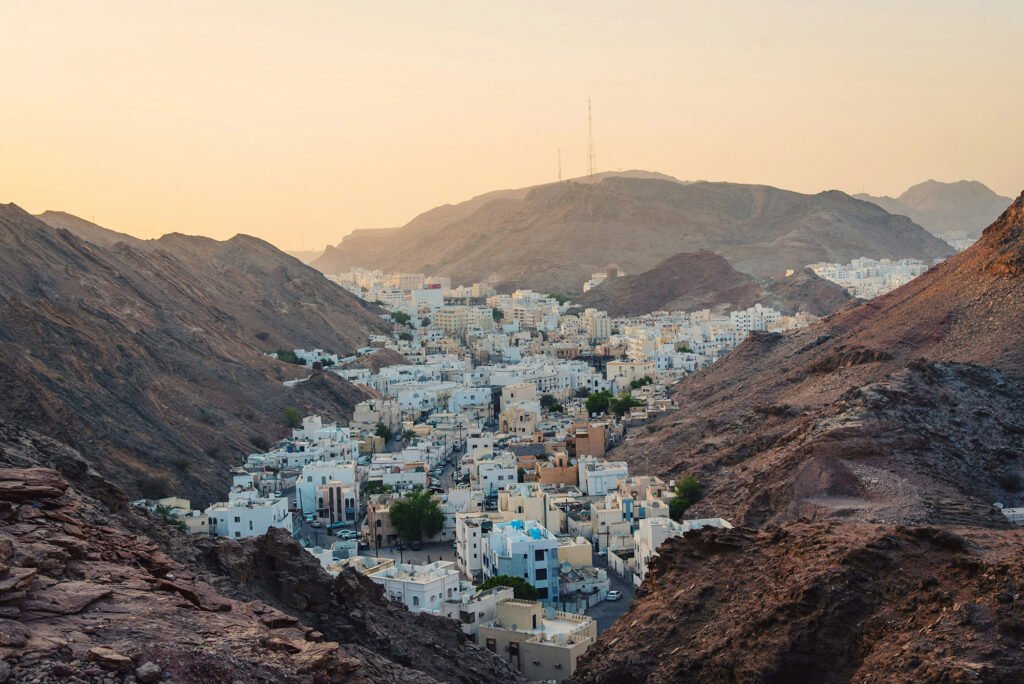
Muscat, Oman’s low-rise capital
Khasab, gateway to the Musandam fjords
Muttrah, home to the old harbour and souk
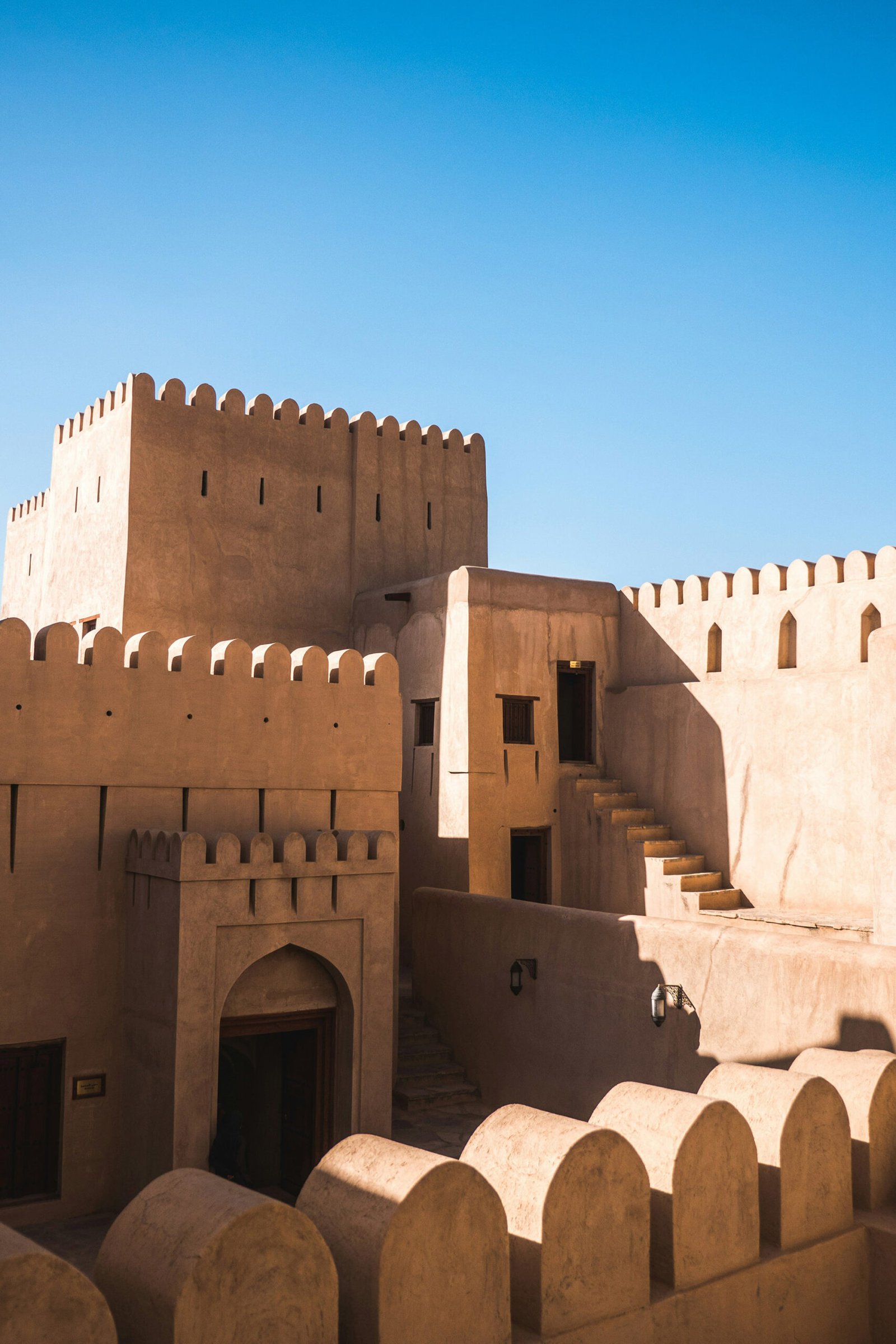
Nizwa, Oman’s historic interior capital
Sur, a traditional dhow-building town
October to April brings Oman’s most comfortable cruising conditions, with cooler air, calmer seas and the summer monsoon swell that affects the southern Dhofar coast well out of season. Summer months, particularly June through August, bring intense heat inland and, in the far south, the seasonal khareef monsoon, which is prized on land for its cooling mist but reduces visibility and sea conditions for cruising further along the coast.
Most charters begin in Muscat, served by Muscat International Airport (MCT) with direct flights from Europe, Asia and across the Gulf. For itineraries focused on the Musandam fjords, Khasab has its own small airport with limited domestic connections via Muscat, though many guests find it simpler to fly into Dubai and transfer overland, since the border crossing into the Musandam exclave is well used by tour operators.
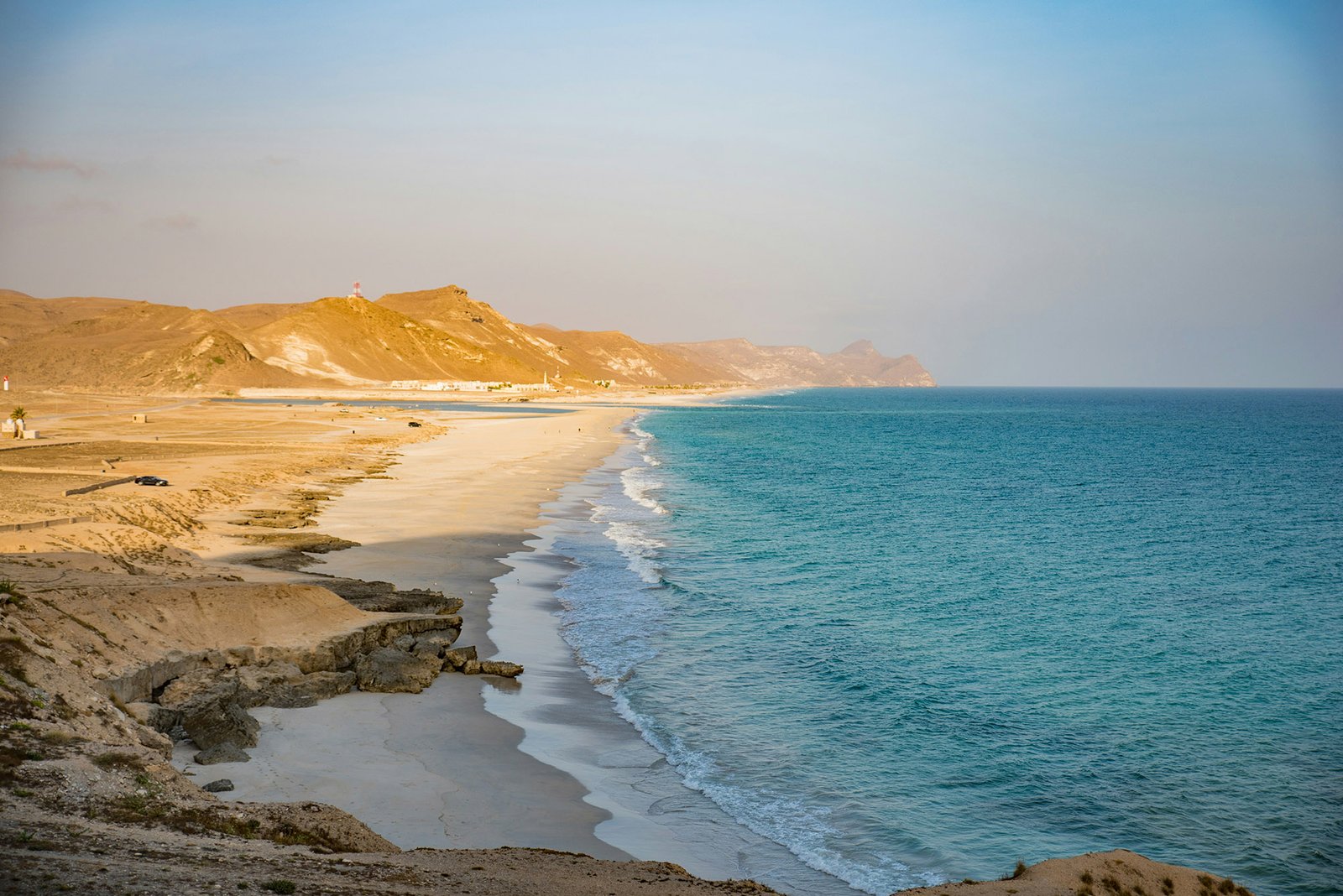
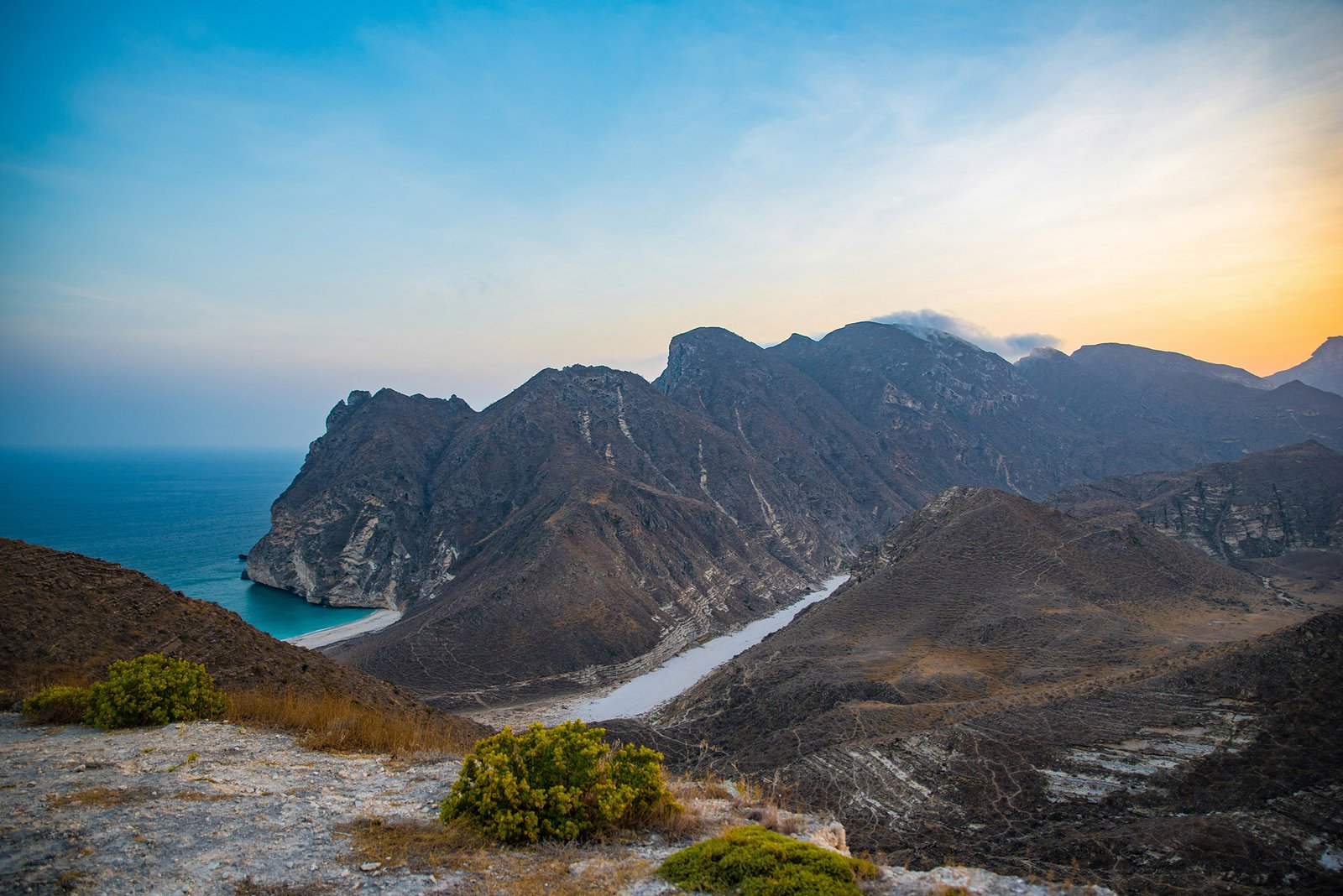
The Musandam fjords hold Oman’s most dramatic anchorages, among them Khor Ash Sham and Khor Najd, where cliffs drop straight into calm, deep water. Near Muscat, Bandar Khayran offers a sheltered, reef-lined bay well suited to swimming and snorkelling within easy reach of the city. Further south, Ras Al Jinz combines a quieter anchorage with access to one of the region’s most important turtle nesting beaches.
Four to five days is enough to explore the Musandam fjords thoroughly, cruising between Khor Ash Sham, Khor Najd and Telegraph Island. Combining the fjords with Muscat and the coastline south towards Ras Al Jinz suits a ten-day itinerary, giving time for the mosque, the souk and a night anchored near the turtle nesting grounds, with sailing days built in for the distance between the two regions.
Oman’s southern waters are home to one of the world’s only non-migratory humpback whale populations, an isolated group found year-round off the Dhofar coast rather than following the usual seasonal migration routes. Sightings are more consistent further south than on a typical Musandam or Muscat itinerary, so guests wanting a strong chance of an encounter should build in time along the southern coast, ideally with a marine-focused stop near Salalah.