Sunseeker / Sunseeker Predator 84
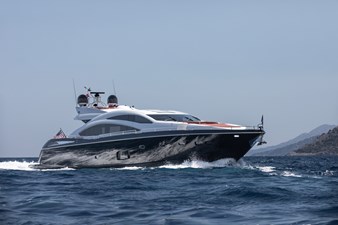
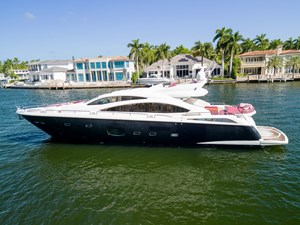
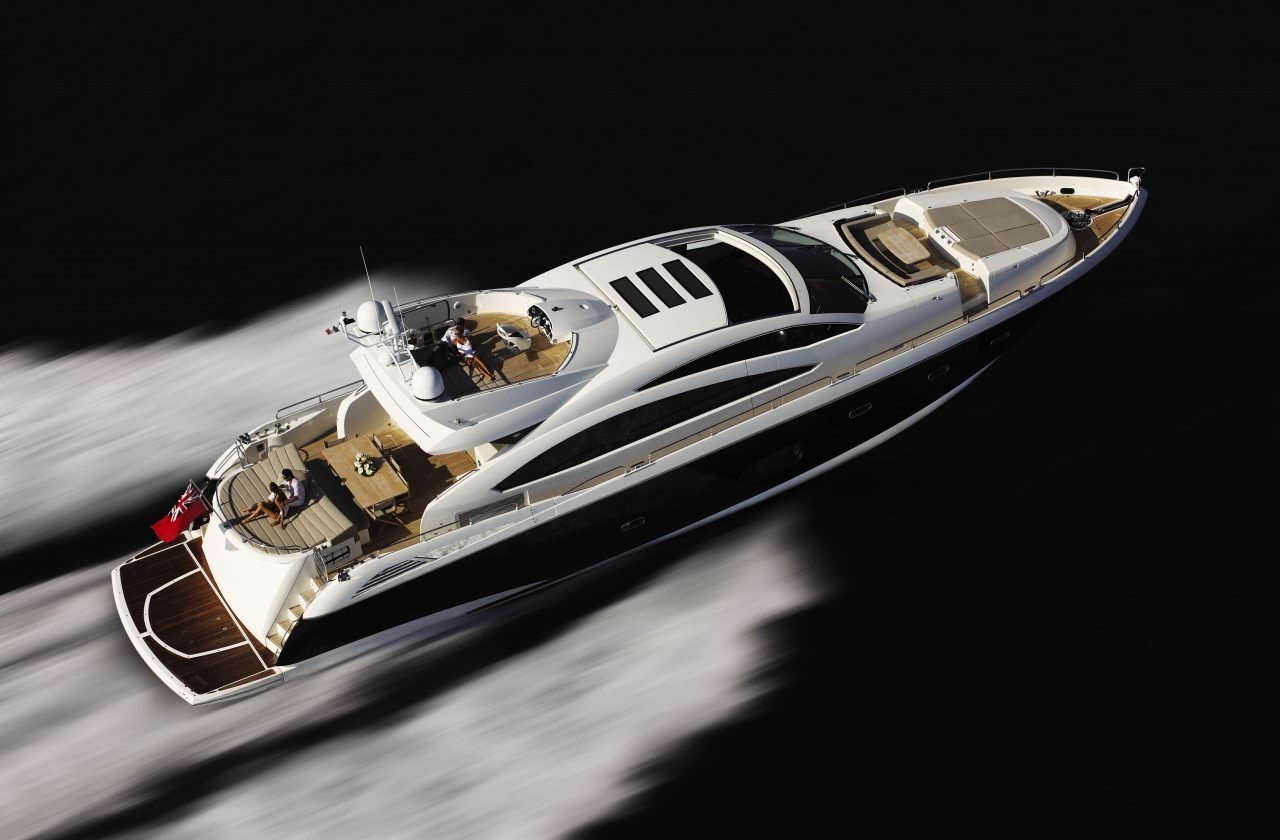
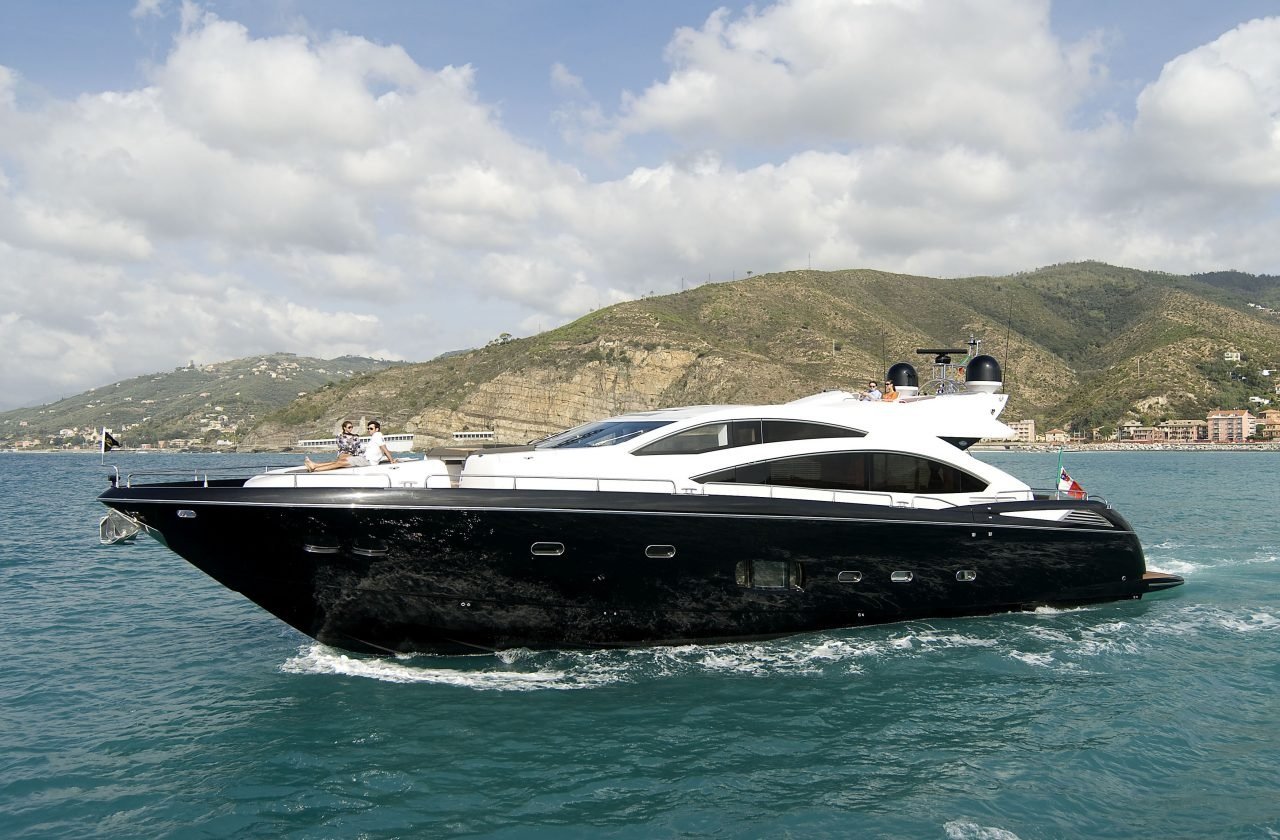
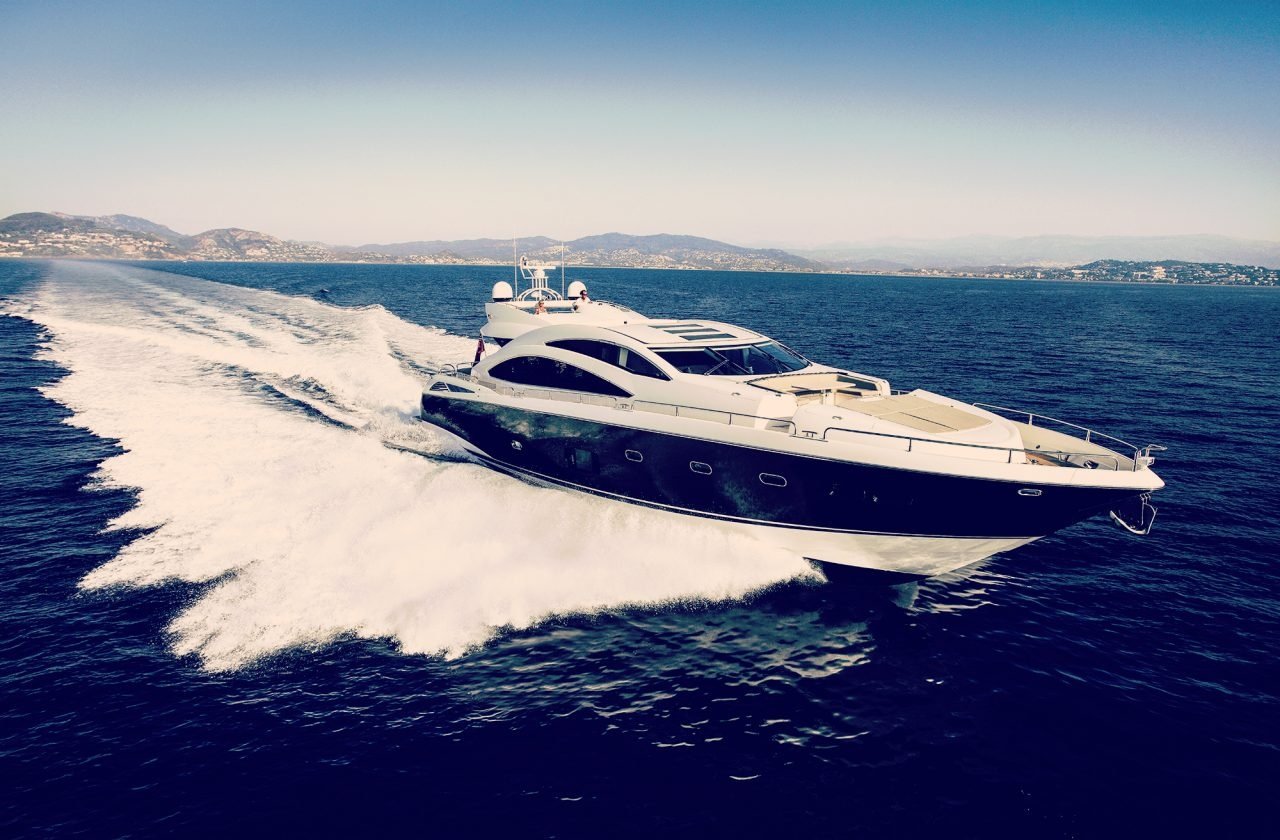
The Predator 84 sat at the top of the range Sunseeker built between 2008 and 2014, and it solves a problem most sportsyachts of the era ducked: how to carry a flybridge without losing the low, fast profile the Predator name depends on. At 26.48 metres on a 6.34 metre beam it takes eight guests and three crew, and a sliding hardtop opens the main saloon and cockpit to the sky when the weather allows.
Power goes through conventional shafts rather than pods, which is why the boat still makes 37 knots at 64.7 tonnes. Sunseeker offered a wide choice of engines across the production run, and boats on the market today carry anything from twin 1,800hp units to a pair of 2,640hp MTUs, so the performance of any individual hull depends heavily on how its first owner specified it. Checking the engine package matters more here than on most models.
Berths for three crew are part of what separates the 84 from the smaller Predators: this is a boat set up to run with permanent crew aboard rather than be driven by its owner on a weekend.
Fuel capacity is 4,000 litres, rated for 350 nautical miles held at 10 knots, and the tender garage keeps the bathing platform clear for swimming.
Fifteen years on, the 84 has settled into a broad price band. That spread tracks engine choice, hours and refit history rather than model year alone, so a buyer with a good surveyor has room to find value.
Length
26.5M
Beam
6.3M
Draft
2.1M
Volume
83GT
Day Guests
Sleeping
8
Cabin
Crew
3
Cruise Speed
Max Speed
37KT
Fuel
4000L
Range
350NM
Engine
High Price Brokerage
€2,200,000
Low Price Brokerage
€1,490,000
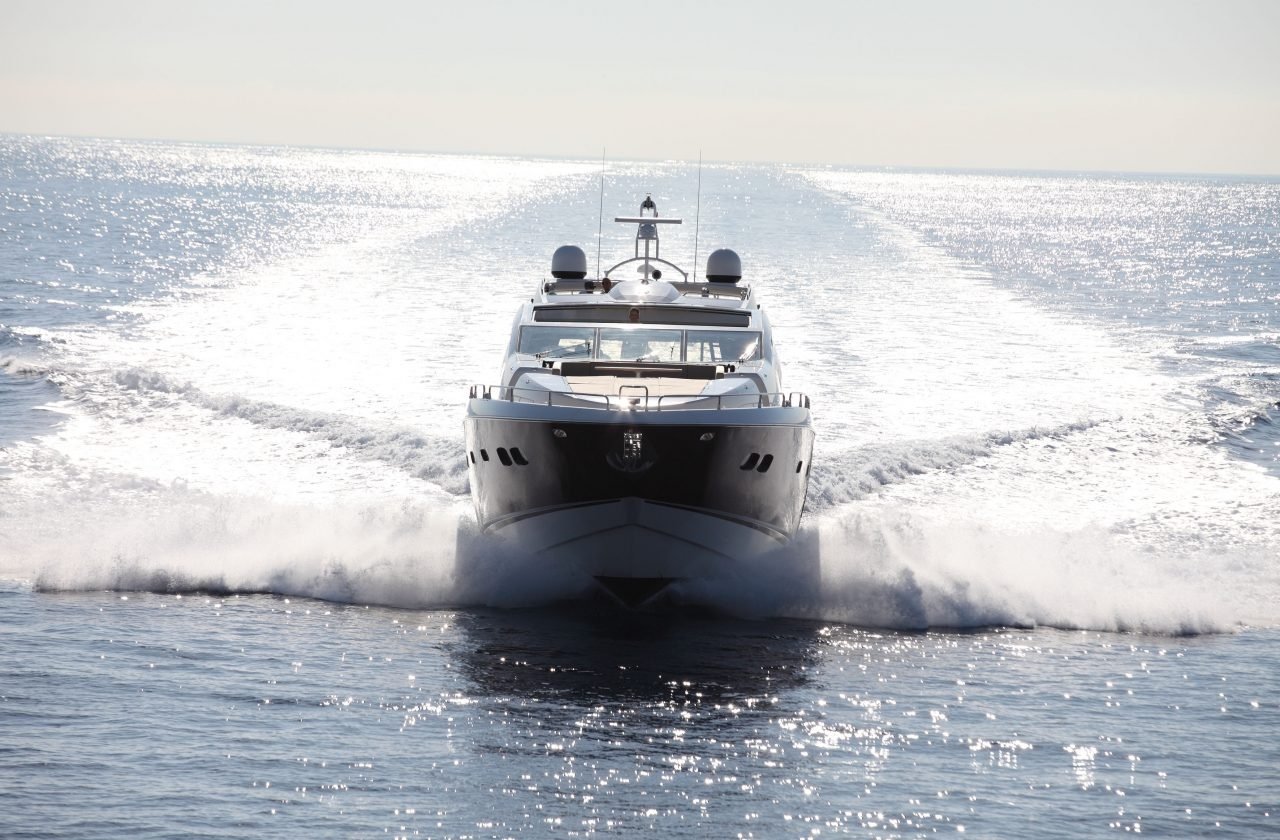
She still finds 37 knots at 64.7 tonnes, numbers that newer rivals rarely beat.
Power runs through conventional shafts rather than pods, the choice that keeps a hull this size quick and planing cleanly. Sunseeker offered a wide spread of engines across the production run, and today’s boats carry anything from 1,800hp units to a pair of 2,640hp MTUs, so no two hulls perform alike. A buyer has to treat the engine room as part of the specification, not an afterthought, and a careful survey of hours and maintenance history matters more here than the model year on the paperwork. Fuel capacity runs to 4,000 litres, giving 350 nautical miles at displacement speed, enough for a genuine cruising range between anchorages rather than a day boat’s reach.
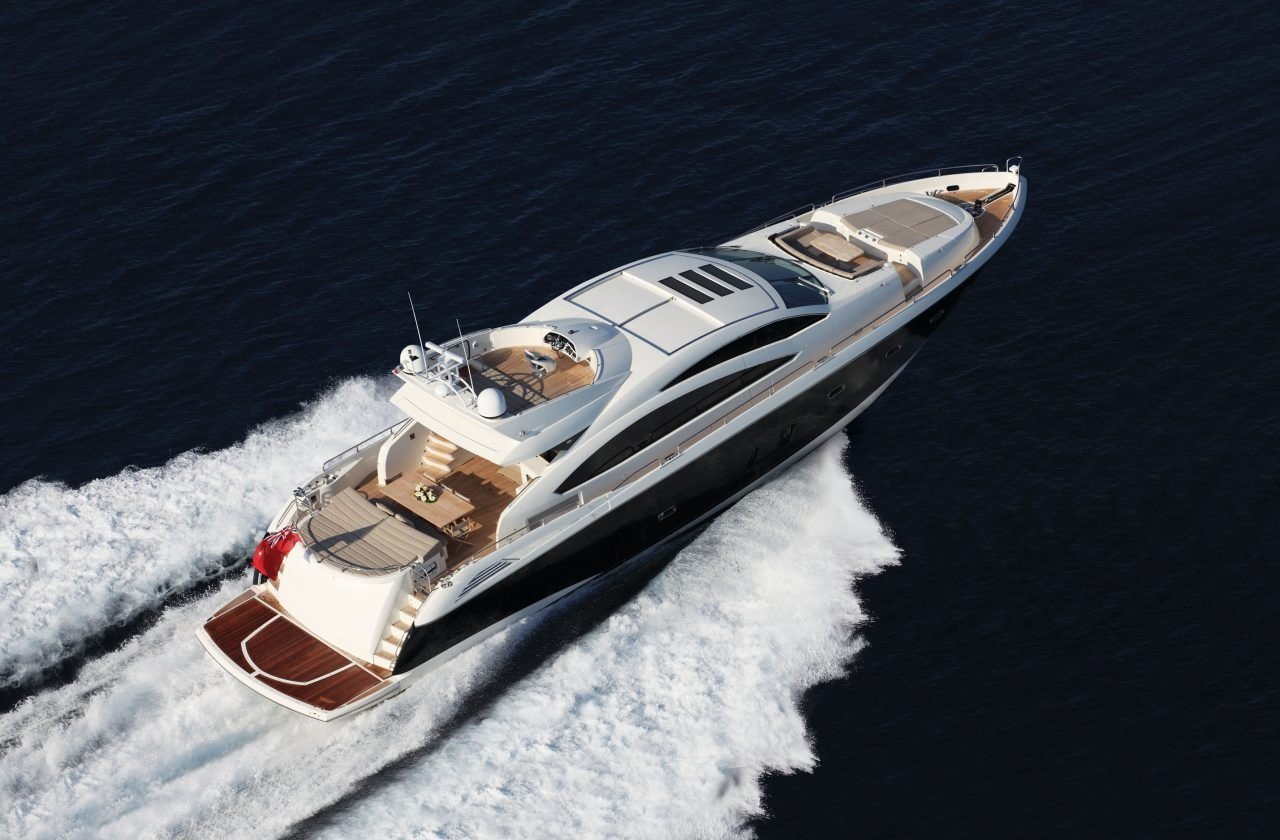
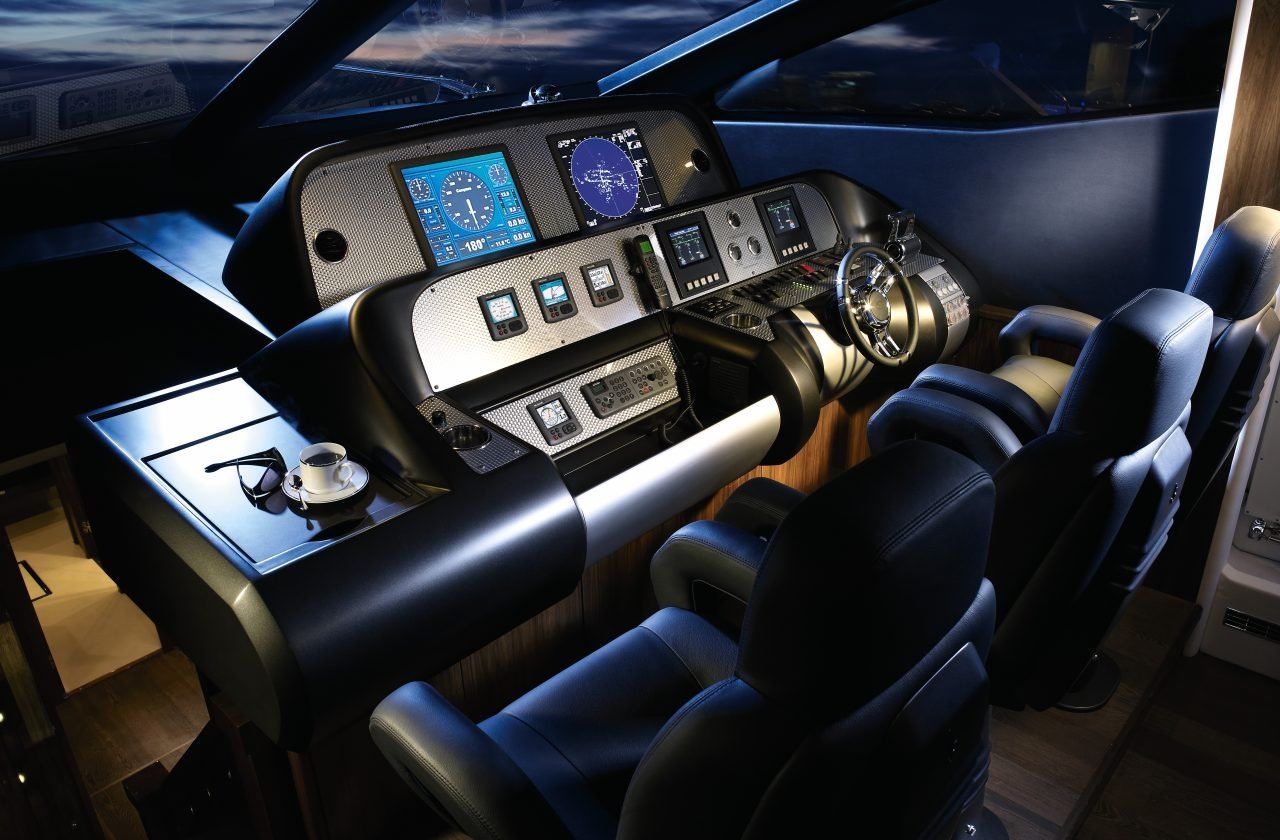
A sliding hardtop and a flybridge above it let an owner choose how much sky they want.
Sunseeker’s challenge with the 84 was fitting a flybridge and a second helm onto a hull drawn for speed without losing the low, purposeful line the Predator name promises. The result reads smaller than she is. At 26.5 metres on a 6.3 metre beam, she carries considerably more volume than her profile suggests, a trick of proportion rather than bulk. The sliding hardtop opens the main saloon and cockpit together, turning the deck into one continuous space when the weather allows, and closes again for cooler running or fast passages. The dual helm position, one below under cover and one above in the open air, gives the owner a genuine choice rather than a token upper station.
Eight guests and three crew, a split that says this is a yacht meant to be run rather than driven alone.
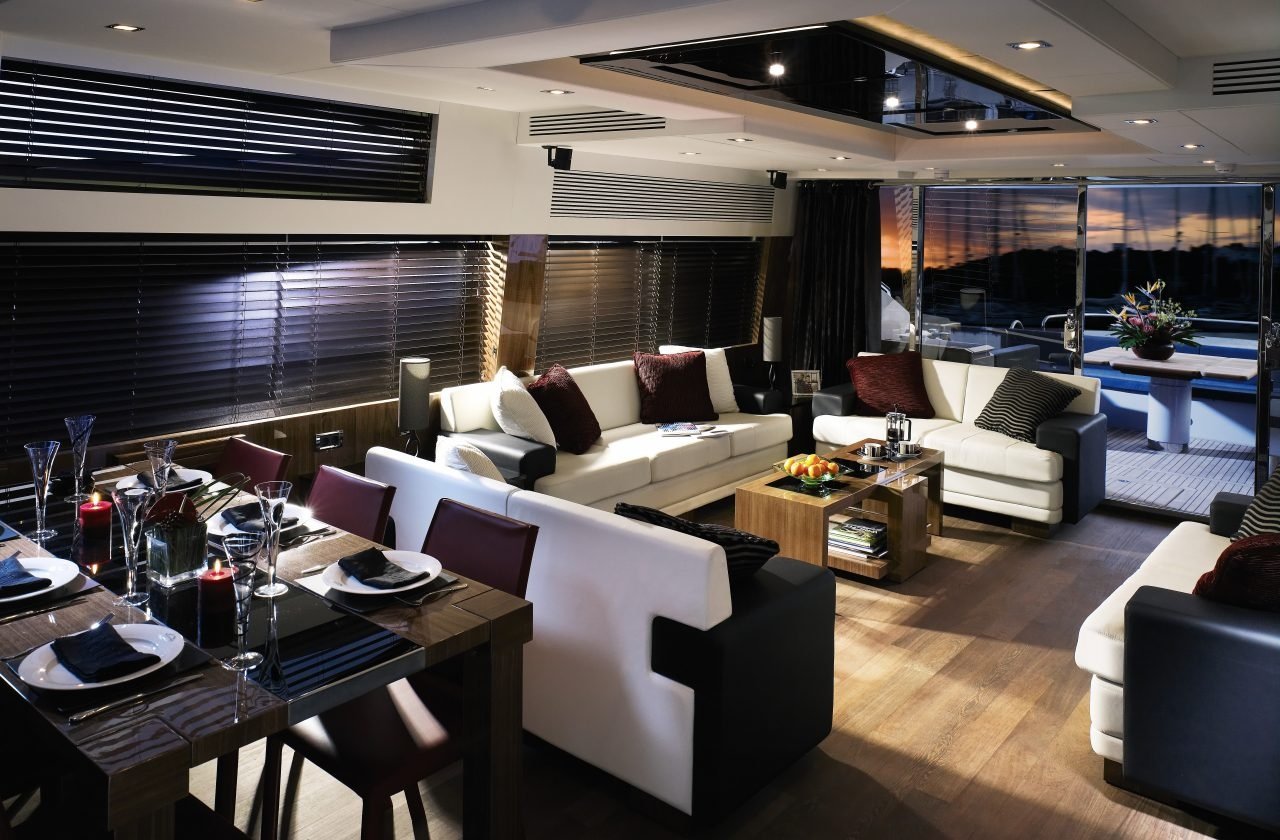
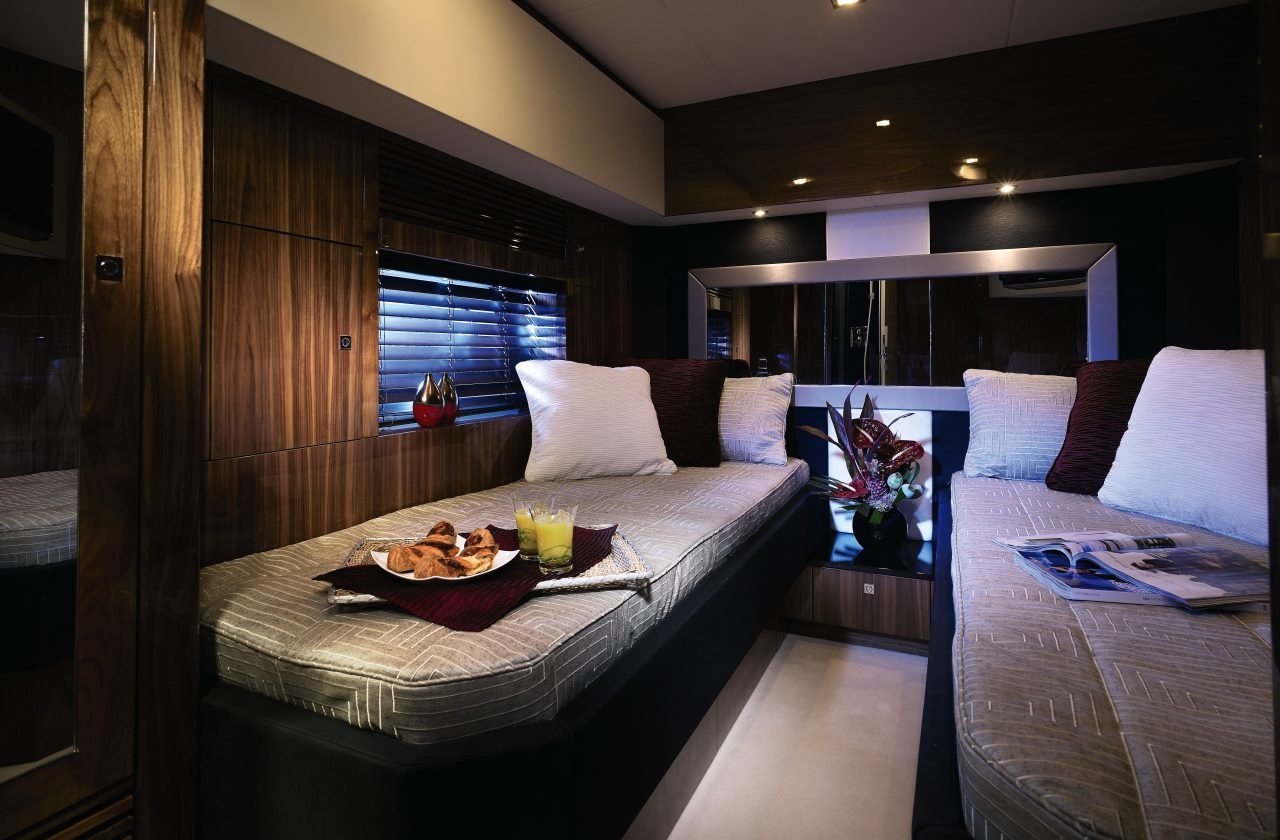
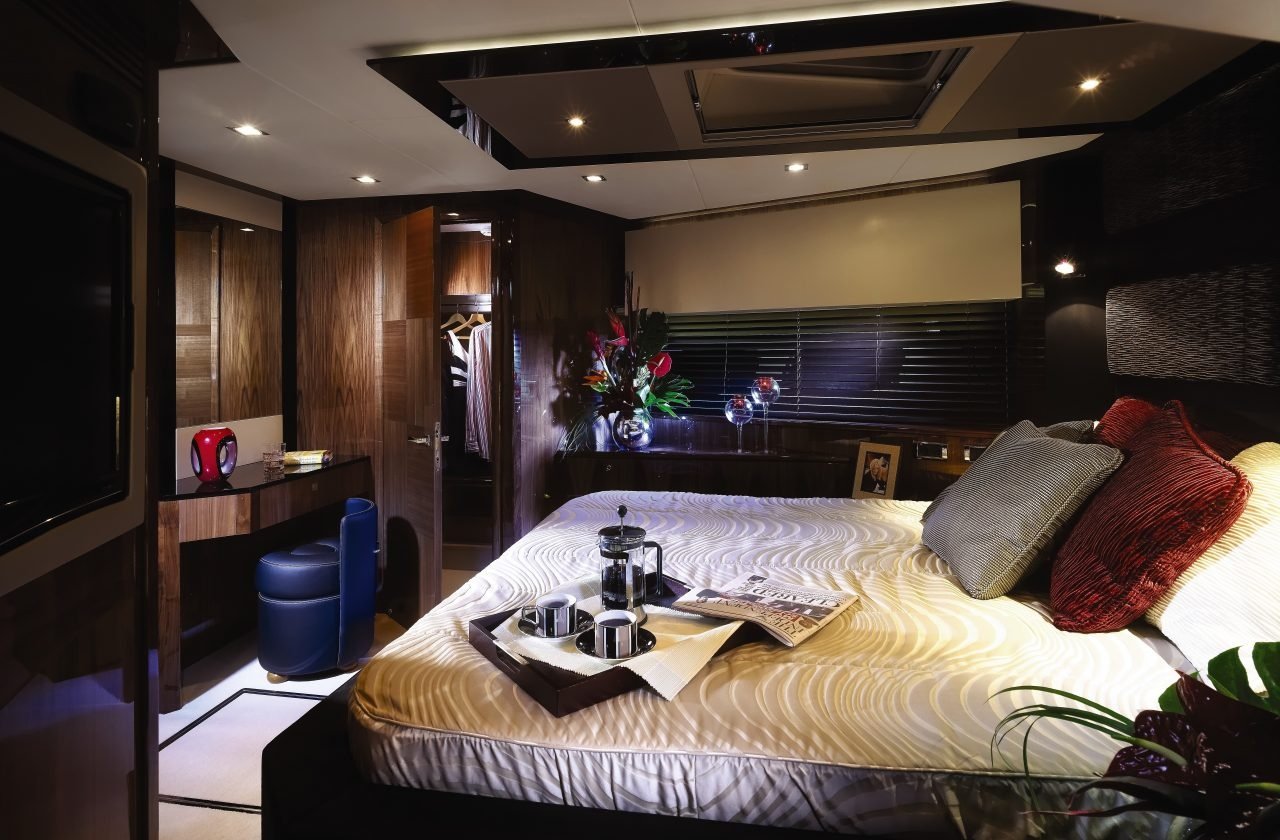
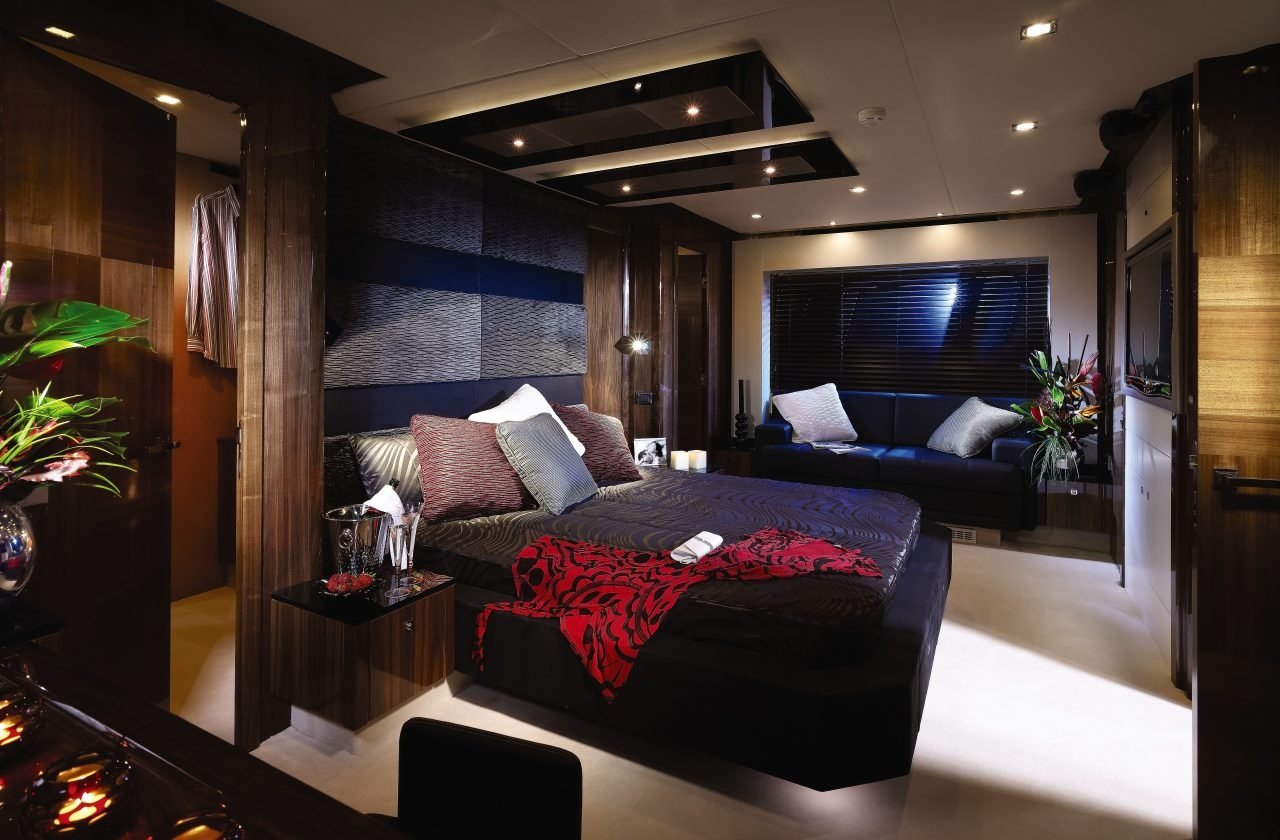
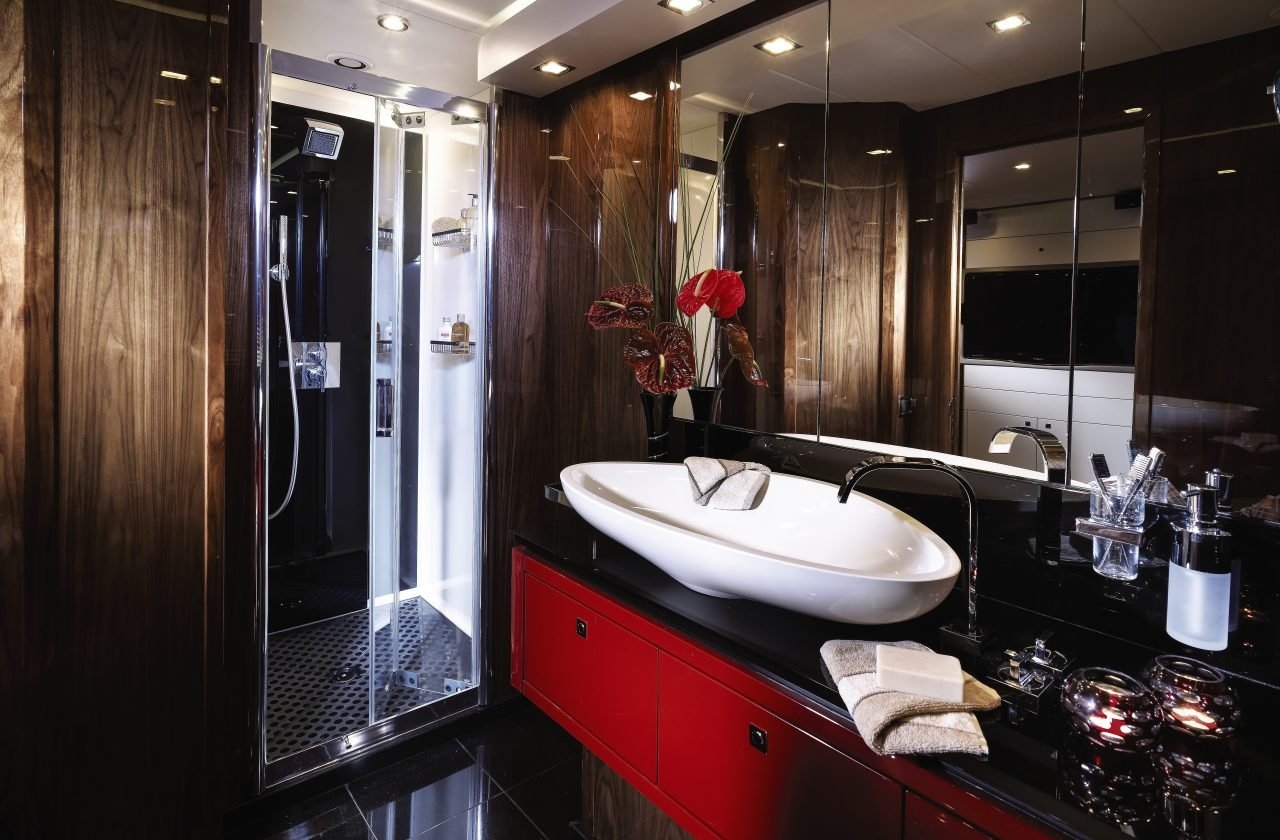
Berths for three crew are part of what separates the 84 from the smaller boats in the Predator range. This is a yacht set up for permanent crew aboard, not a weekend owner at the wheel. The tender garage sits beneath the cockpit, which keeps the bathing platform clear for swimming and boarding rather than cluttered with launching gear. Below decks, the accommodation follows Sunseeker’s usual format for the era: a full width owner’s cabin, guest cabins arranged for family or charter groups, and finishes that lean on timber veneers and leather rather than the brighter palettes the yard adopted later. Fifteen years on, the layout still reads as generous for a yacht of this length.
No two Predator 84s are quite the same yacht underneath.
Sunseeker gave buyers a genuinely wide engine menu across the production run, and the market today reflects it: some hulls carry modest 1,800hp units built for economy and easy running, others the 2,640hp MTUs that push performance toward the design maximum. Both drive through conventional shafts, the simpler and more serviceable choice for a yacht of this size, though it demands more hull depth than a pod system would. For a prospective owner, this means the engineering story is written hull by hull rather than model by model. A surveyor who knows the range, and a clear service history for the specific engines fitted, matter more on the 84 than on almost any other Sunseeker of her generation.
Fifteen years on, the Predator 84 has settled into a wide price band, and that is good news for a careful buyer.
She was the largest Predator Sunseeker built during her production run, from 2008 to 2014, and that flagship status still shows in her proportions and her three crew berths. Asking prices today spread widely, and that range tracks engine choice, hours and refit history rather than age alone, which means there is real room to find value against an equivalent new flybridge yacht. A buyer who does the engine homework, checks the hardtop mechanism and reviews the maintenance file gets a fast, crewed yacht with genuine presence for a fraction of what a current-generation equivalent costs. For an owner who wants speed and scale without the newest badge, the 84 remains a credible case.
Length
24.9M
Beam
6.1M
Draft
2M
Guests
8
Cabins
–
Cruise Speed
–
Max Speed
45Kt
Tell us what you would like to know, and our team will respond with clear details on availability, specification, pricing and next steps.