Two of the Mediterranean’s most loved charter grounds sit at opposite ends of the sea, and holidaymakers often debate Greece vs Croatia yacht charter. Both offer beautiful islands and clear water, but the sailing and the atmosphere are quite different.
Two very different coastlines
Croatia’s islands cluster close to a dramatic mainland, so passages are short and sheltered. Greece spreads its islands across open water, rewarding those who enjoy a proper sail between them.
Sailing conditions
Croatia offers gentle, predictable breezes ideal for relaxed cruising and less experienced crews. The Greek Cyclades can serve up the brisk summer meltemi, which sailors love and others plan around.
The islands and anchorages
Croatia pairs walled towns like Dubrovnik and Hvar with quiet coves a short hop apart. Greece delivers iconic scenery, from the caldera of Santorini to the quiet Ionian, with more distance in between.
Food, culture and nightlife
Both eat superbly. Greece leans into tavernas and island tradition, while Croatia mixes old-town history with a polished modern scene. For nightlife, Mykonos and Hvar are the respective headliners.
Which to choose
For short, sheltered hops and easy first charters, Croatia is hard to beat. For open-water sailing and bucket-list islands, Greece calls. Many guests eventually do both.
The Greek islands in more detail
Greece offers not one cruising ground but several, each with its own character. The Cyclades, home to Mykonos and Santorini, deliver the classic image of whitewashed villages above deep blue water, along with the brisk summer meltemi that makes for exhilarating sailing. The Ionian, on the western side of the country, is altogether gentler, with green islands, calmer breezes and short hops that suit families and less experienced crews. The Saronic islands near Athens and the Dodecanese towards Turkey add yet more variety, so a Greek charter can be tailored from lively and challenging to serene and relaxed.
This range is a large part of Greece’s appeal. A charterer who wants proper open-water sailing and iconic scenery can find it in the Cyclades, while a family seeking calm anchorages and easy days can have an idyllic week in the Ionian. The distances between islands are greater than in Croatia, which rewards those who genuinely enjoy being under way, and the sense of space and history is unmatched.
The Croatian coast in more detail
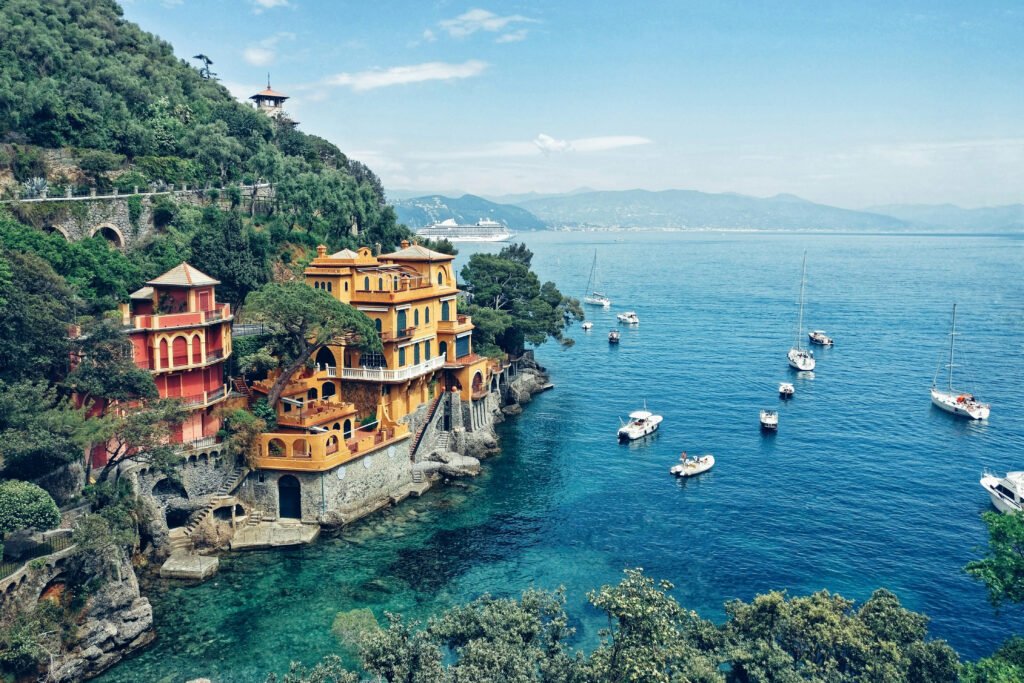
Croatia’s great advantage is its geography. More than a thousand islands lie strung along a dramatic mainland coast, so passages are short, sheltered and forgiving, and a new anchorage is never far away. The walled cities of Dubrovnik and the Venetian-flavoured towns of Hvar, Korcula and Trogir give the cruising a rich historical backdrop, while the water is famously clear and the pine-clad islands endlessly inviting.
This combination of short hops, sheltered water and constant variety makes Croatia one of the easiest and most rewarding places to charter, particularly for those newer to yachting or travelling with children. You are rarely more than an hour or two from your next stop, and the density of beautiful towns and quiet coves means every day brings something new without any long or demanding passages.
Ashore: history, food and atmosphere
Both countries reward time spent ashore, though the flavour differs. In Greece the pleasure lies in the tavernas, the ancient sites and the timeless island rhythm, where a long lunch of fresh fish and local wine can drift happily into the afternoon. Croatia blends its old-town history with a more polished, contemporary scene, its restaurants and bars increasingly sophisticated while the medieval streets and fortresses provide an atmospheric backdrop.
For nightlife, each has its headline act, with Mykonos famous the world over and Hvar the liveliest spot on the Dalmatian coast. Yet both countries also offer plenty of quiet, and it is entirely possible to plan a week in either that barely touches the crowds, seeking out the smaller islands and hidden anchorages where the only sound is the water against the hull.
Cost, logistics and season
In practical terms the two are broadly comparable, though the details differ. Both enjoy long, reliable summer seasons stretching from late spring into early autumn, and both are well served by international airports and established charter bases. Croatia’s shorter passages can mean slightly lower fuel use on a motor yacht, while Greece’s greater distances suit sailing yachts that can make the most of the wind.
As with any Mediterranean charter, the peak weeks of high summer are the busiest and priciest, and the shoulder months either side often offer the best balance of weather, value and space. A good broker will help you weigh these factors and, crucially, match the right yacht to whichever coast you choose.
So which should you choose
If you want short, sheltered passages, a wealth of historic towns close together and an easy week ideal for families or first-time charterers, Croatia is very hard to beat. If you are drawn to open-water sailing, bucket-list islands and a deep sense of history and space, Greece will call to you. Many charterers, having tried one, return to sample the other, and it is easy to see why the debate between them never truly ends.
Sailing conditions and seamanship
The sailing itself is one of the clearest points of difference between the two countries, and it is worth weighing honestly against the experience of your crew. In the Greek Cyclades the summer meltemi can blow hard and steadily for days, delivering thrilling, fast sailing that experienced crews relish but that demands respect and good planning around exposed passages. The Ionian is far gentler, and much of Greece can be enjoyed by any competent crew who keep an eye on the forecast, but the potential for stronger winds is part of the character of an Aegean charter.
Croatia, by contrast, is generally forgiving. The prevailing summer breezes are lighter and more predictable, the passages between islands are short, and shelter is almost always close at hand. For a crew stepping up to a larger yacht, or for a family who want relaxed days rather than spirited ones, that gentleness is a genuine advantage, and it is a big reason Croatia has become such a popular first charter destination.
Anchorages, marinas and mooring
Both countries offer a mix of marinas, town quays and natural anchorages, but the balance differs. Croatia has an extensive and well-developed network of marinas and organised moorings, along with the famous konoba restaurants that maintain their own buoys for visiting yachts, which makes each evening easy to plan. Greece leans a little more towards anchoring off and stern-to mooring on town quays, which many charterers love for its authenticity and sense of adventure.
Neither approach is better, but they shape the rhythm of the trip. In Croatia you can move between comfortable marinas and lively towns with ease, while in Greece you are more likely to drop anchor in a quiet bay for the night, dinghy ashore to a taverna, and wake to an empty horizon. Knowing which of these appeals most to you is a useful way to settle the choice.
Planning your route
Whichever country wins you over, the best routes are built around the prevailing winds, the position of the finest anchorages and a realistic sense of how far you want to travel each day. A well-planned week feels unhurried, with time to swim, explore ashore and simply enjoy being aboard, rather than a race between highlights. This is exactly the kind of local knowledge a good broker and an experienced crew bring to the table, turning a list of famous names into a coherent and memorable voyage.
Enquire
Tell us your dates and your crew, and we will match you to the right coast and the right yacht from our charter fleet.