A Yacht Charter Built on Trade Winds
Antigua is where Caribbean yacht charter grew up. Its deep natural harbours sheltered the Royal Navy three centuries ago, and English Harbour still fills each winter with the masts of the yachts that make the island their base. From that Antigua anchorage the rest of the Leeward Islands sit a day’s sail or less away, which is what turns a week here into a tour rather than a stay.
Why Antigua anchors a Leewards charter
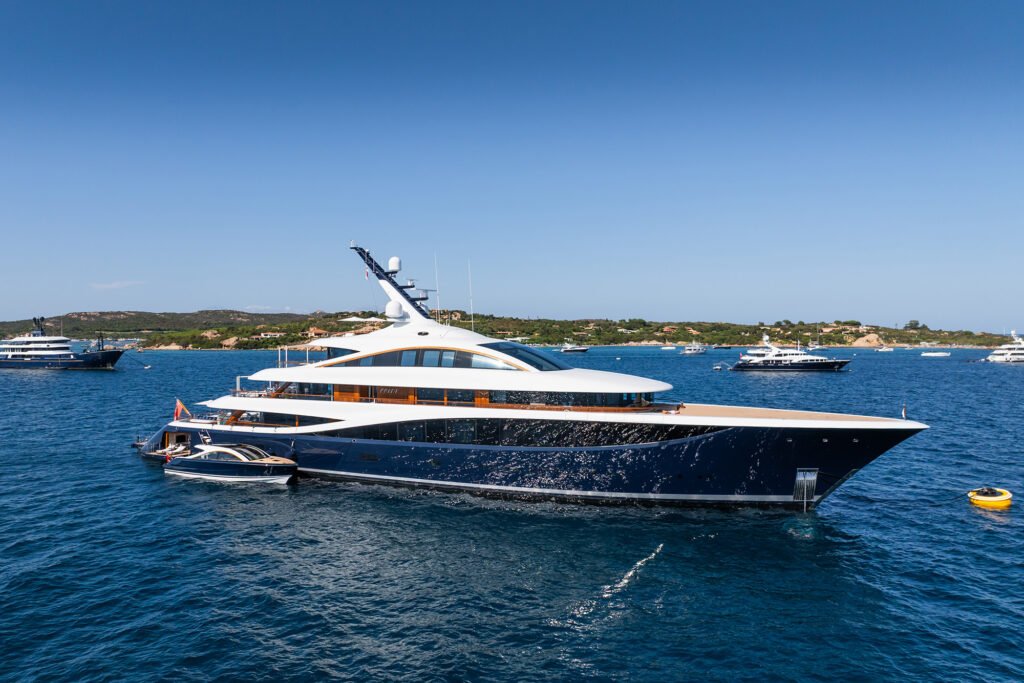
The island’s draw is its harbours. English Harbour and Falmouth cut deep into the south coast, giving yachts shelter that few Caribbean islands can match, and Nelson’s Dockyard, the restored Georgian naval yard above English Harbour, remains the social and practical heart of the sailing scene. Just as useful is Antigua’s position: it sits near the centre of the Leewards, so a crew can reach Barbuda, St Barts, Anguilla or St Kitts without a long passage. That central footing is why so many charters start and finish here rather than treating the island as a single stop.
When the season runs
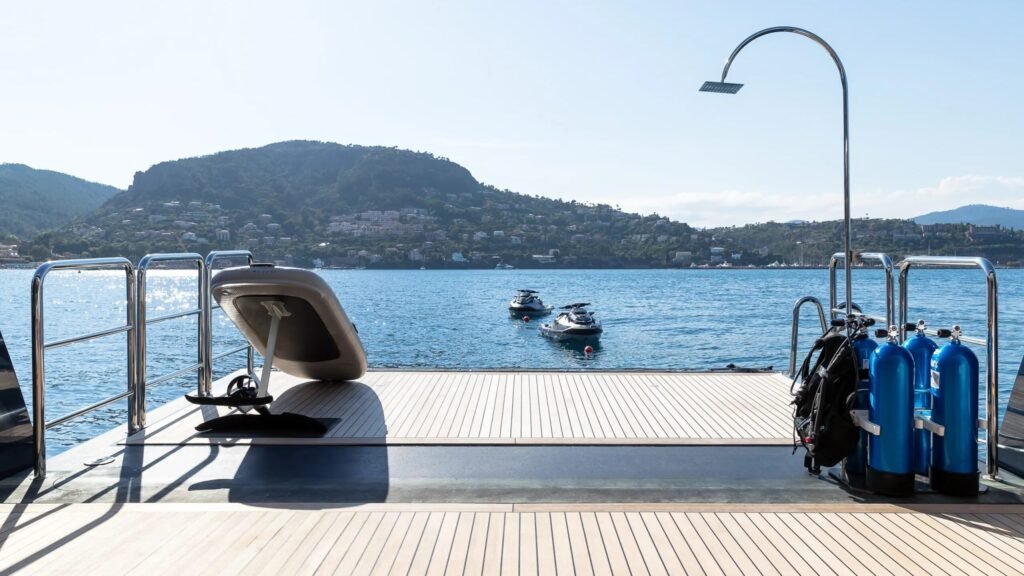
The charter season opens in December and holds through April, carried by the northeast trades that give Antigua its reputation for reliable wind. The festive weeks over Christmas and New Year book earliest, as they do across the Caribbean, while January to March offers the same steady sailing with more choice of yacht. The season has a natural crescendo: Antigua Sailing Week in late April and the classics regatta that precedes it draw crowds and racing yachts, so a charter timed to the edge of the season can watch the fleet without being part of it. Through the summer the islands sit in hurricane season, and the charter fleet moves elsewhere.
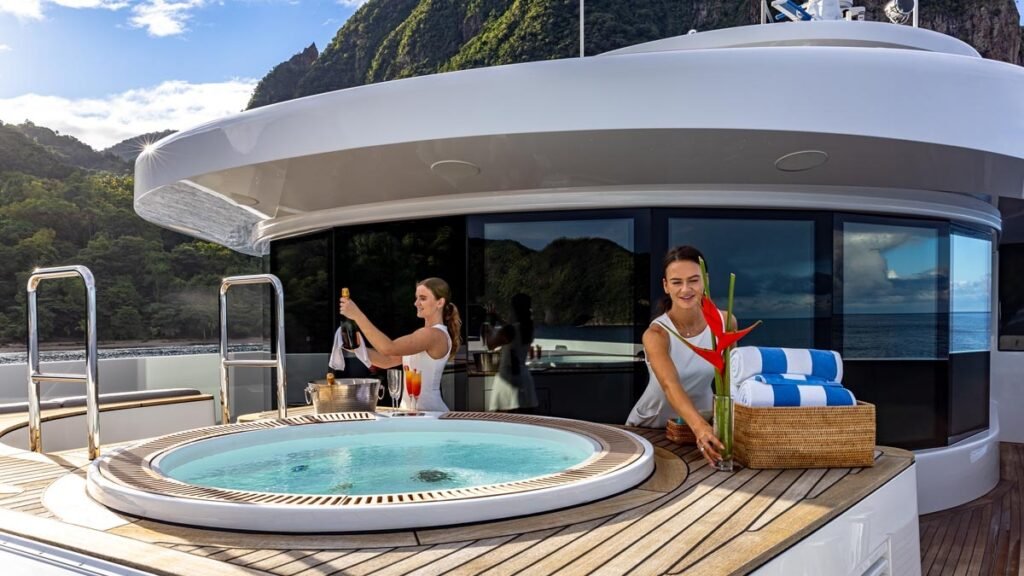
The islands within a day’s sail
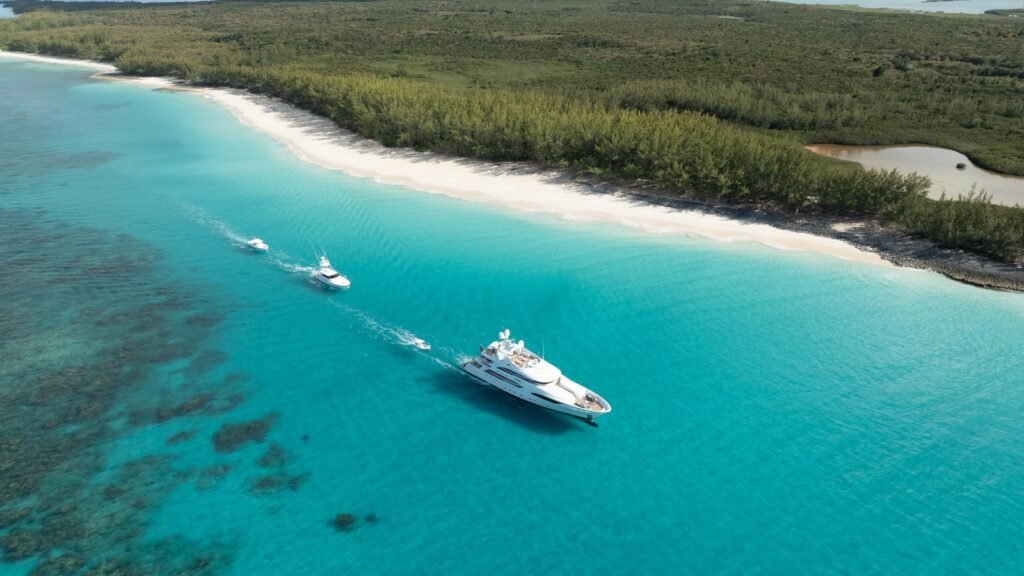
Barbuda lies about 30 miles north, a low coral island fringed by a long reach of pink-tinged sand and home to one of the region’s largest frigate bird colonies, reached across its lagoon by tender. St Barts, a few hours northwest, brings its harbour scene and restaurants for a change of pace. Anguilla adds some of the flattest, whitest beaches in the Caribbean, while St Kitts and Nevis, to the west, give green volcanic slopes and quieter anchorages. Each is close enough to fold into a week without the days becoming passages, which is the point of basing in Antigua in the first place.

A sailor’s cruising ground
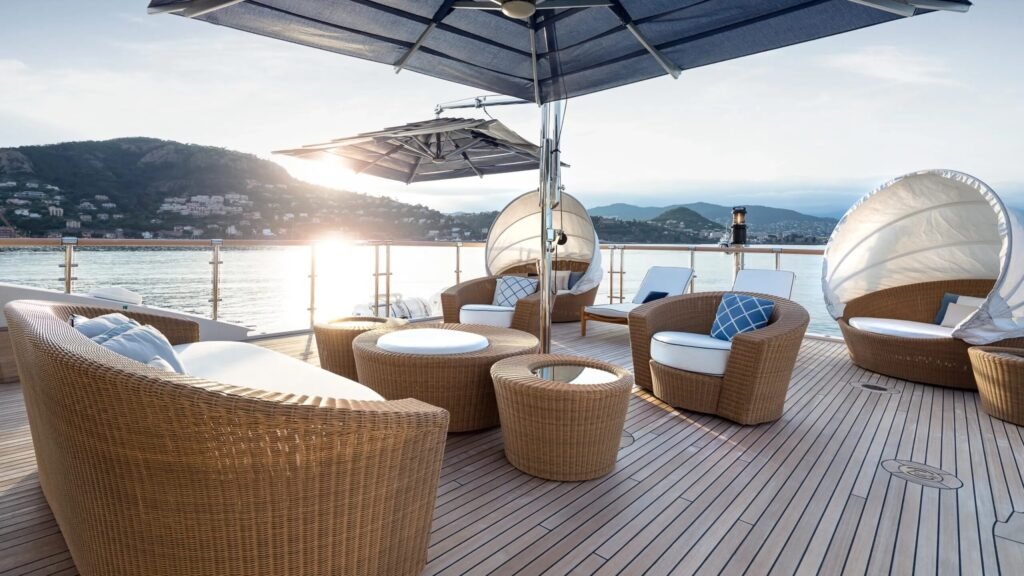
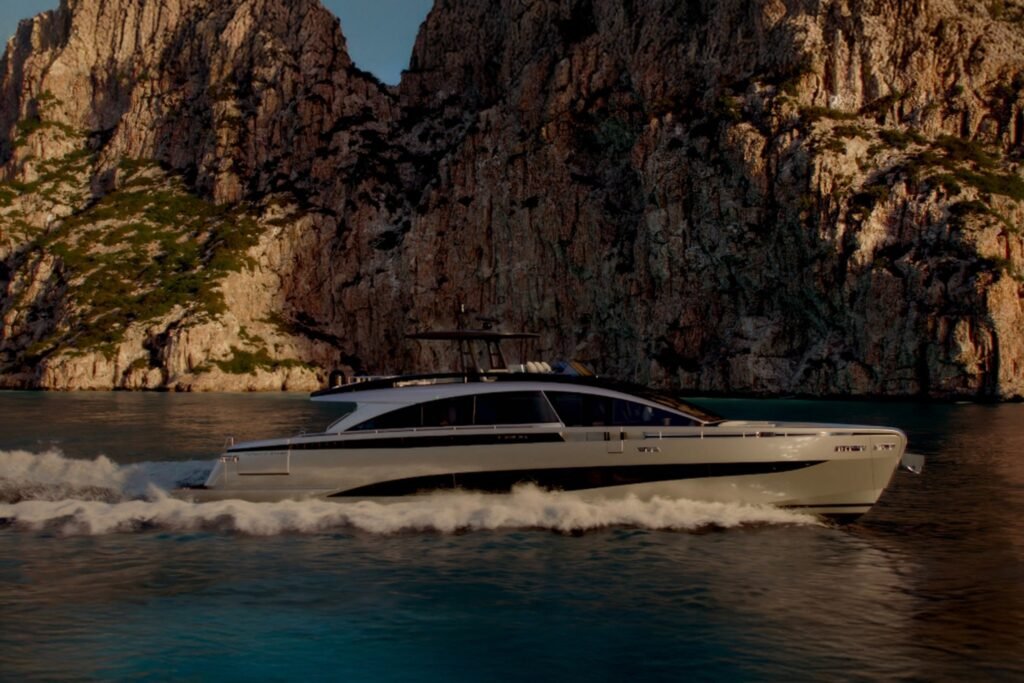
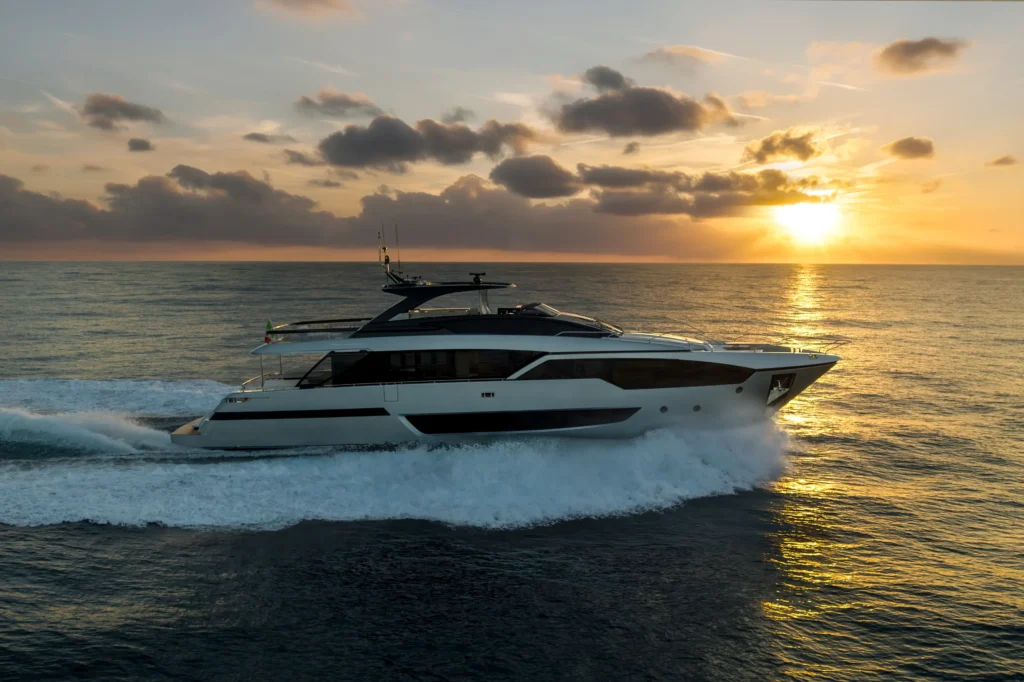
Antigua is said to have a beach for every day of the year, and the number matters less than what it points to: a coast cut into countless bays, most of them reachable only by water. The trade winds that fill in across the open Atlantic approaches make this a sailing island above all, which is why the heritage yachts and modern performance boats keep coming back. A crew that races here in April knows the wind and the reefs as well as anyone, and that local reading of conditions is part of what a charter buys. For guests who would rather not sail hard, a motor yacht covers the same ground and trades the heel for deck space.
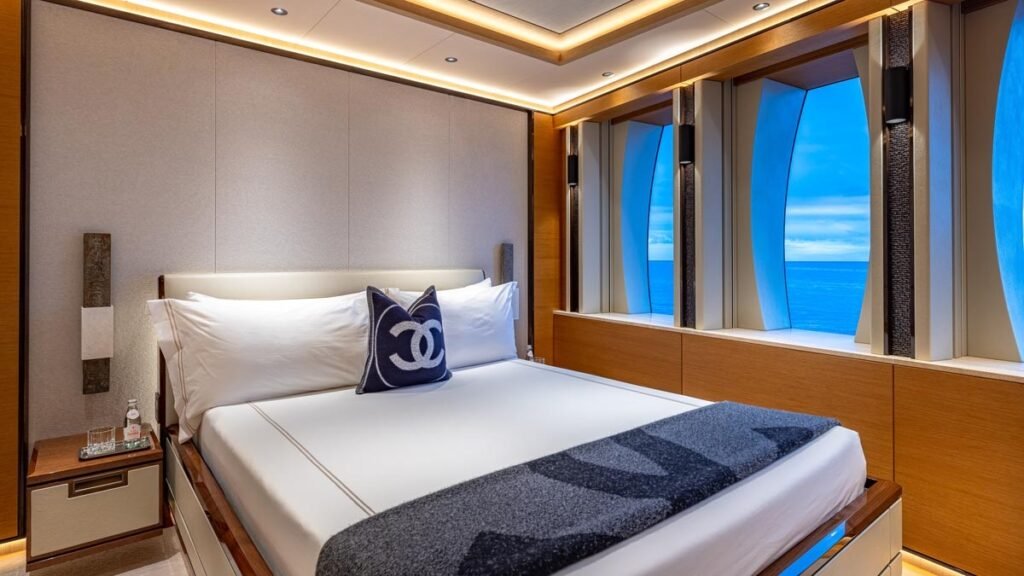
Planning the week
Base the charter on Antigua, fly in through its international airport, and let the crew shape the route north and west around the forecast. Book the festive weeks six to nine months out and the quieter winter months three to six ahead. The charter is crewed, with a captain and chef aboard and an advance provisioning allowance covering food, fuel and dockage on top of the weekly rate. From Antigua the natural extensions are the same islands the crew can reach in a morning, whether that is St Barts, Anguilla or the wider Caribbean beyond.