The Caribbean’s Easiest Island Hopping
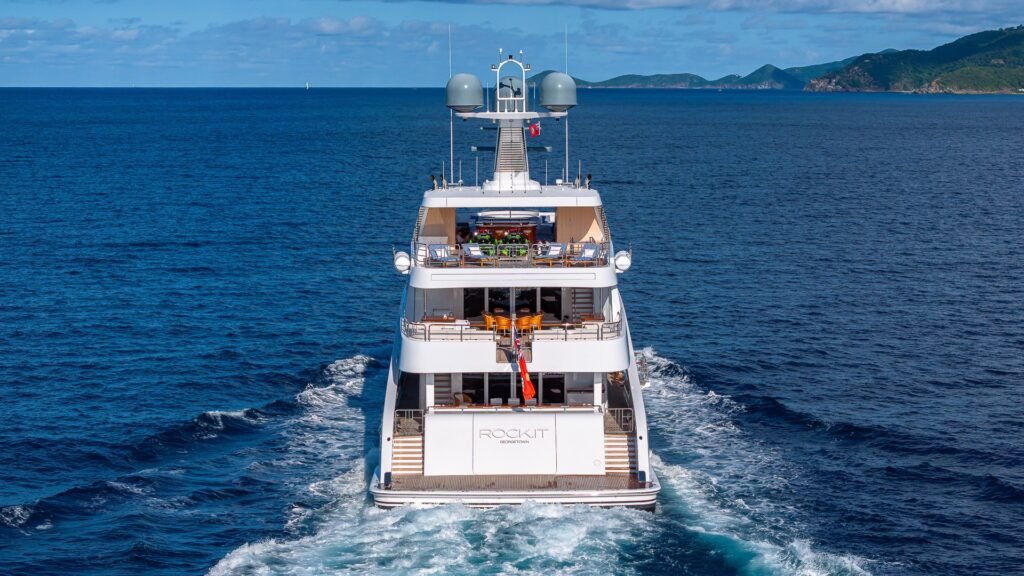
The British Virgin Islands are the cruising ground that teaches people to love a yacht charter. Fifty-odd islands and cays sit within sight of one another across the Sir Francis Drake Channel, the water between them stays protected on nearly every side, and the hops are short enough that a week never turns into a delivery trip. For a first charter, or a family one, nowhere in the Caribbean makes it easier.
Why the islands suit a yacht
Most of the sailing here happens inside the Drake Channel, a long stretch screened by the main chain of islands, so the sea stays flat even when the trade winds are up. Navigation is largely line of sight: the next anchorage is usually the one you can already see on the horizon. That combination, short legs across calm water, is what makes the group so forgiving to cruise. Mooring fields and national park buoys sit off most of the popular bays, so dropping the hook for lunch or the night rarely takes more than a few minutes, and the crew can turn a morning swim into an afternoon on a different island without a long passage in between.
When to go
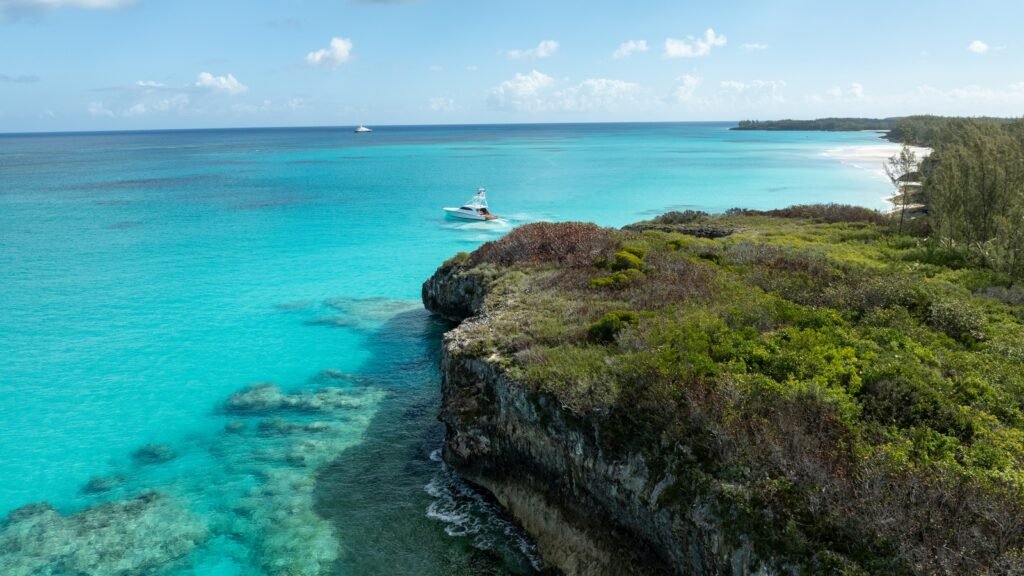
The season runs from December to around April, when the northeast trades settle into a steady rhythm, the humidity drops and the rain thins out. The festive fortnight over Christmas and New Year is the busiest window and the first to sell, so the best yachts are often gone months ahead. January through March brings the same reliable sailing weather with a little more room to choose, and it tends to be the sweet spot for anyone who wants the conditions without the holiday premium. Hurricane season, roughly June to November, is when the fleet moves on, so a winter charter is really the only way to see the islands at their best.
The islands to build a week around
Virgin Gorda holds The Baths, where granite boulders the size of houses form grottoes and tidal pools you wade and swim through at the south end of the island. Anegada, the only coral island in the group, sits low on the horizon an hour or two north, ringed by reef and known for the lobster grilled on its beaches. Jost Van Dyke is the social stop, with White Bay and its beach bars a short hop from the busier anchorages. Norman Island and the Bight draw snorkellers to the caves, while Cooper, Peter and Salt give a crew quieter nights when the main bays fill up. A week rarely runs short of options, and most itineraries leave something for the next visit.
Sailing yacht or motor yacht
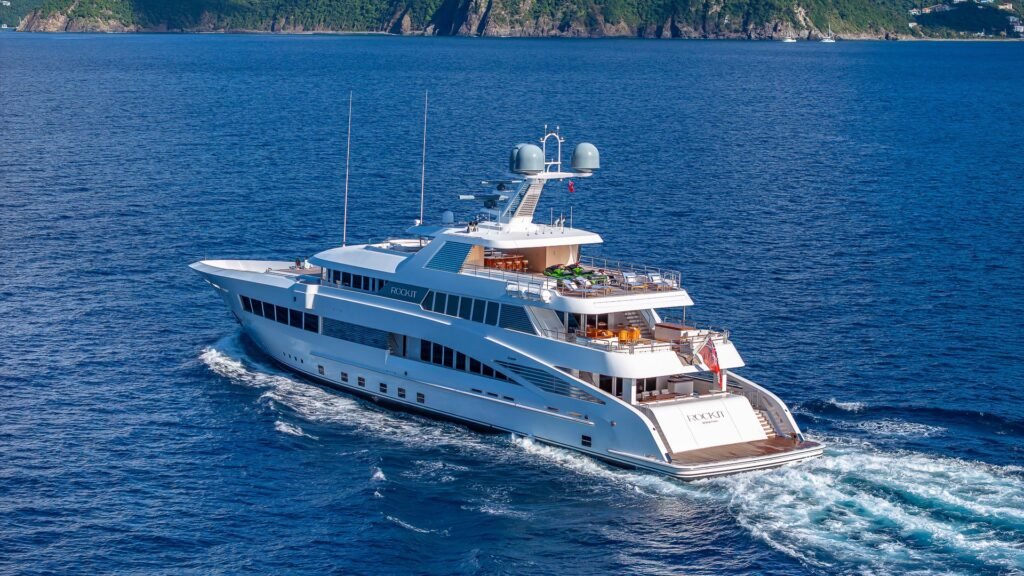
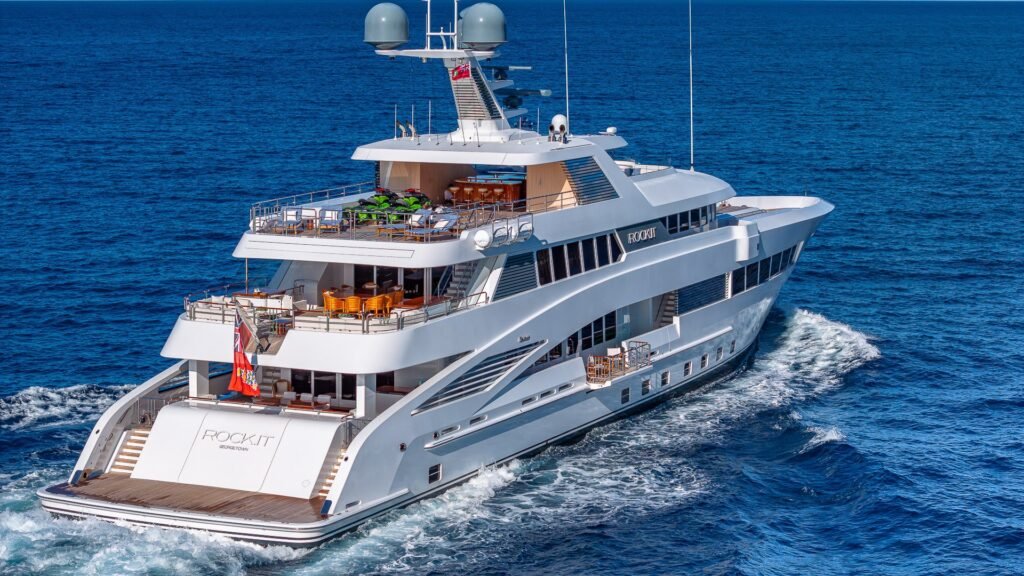
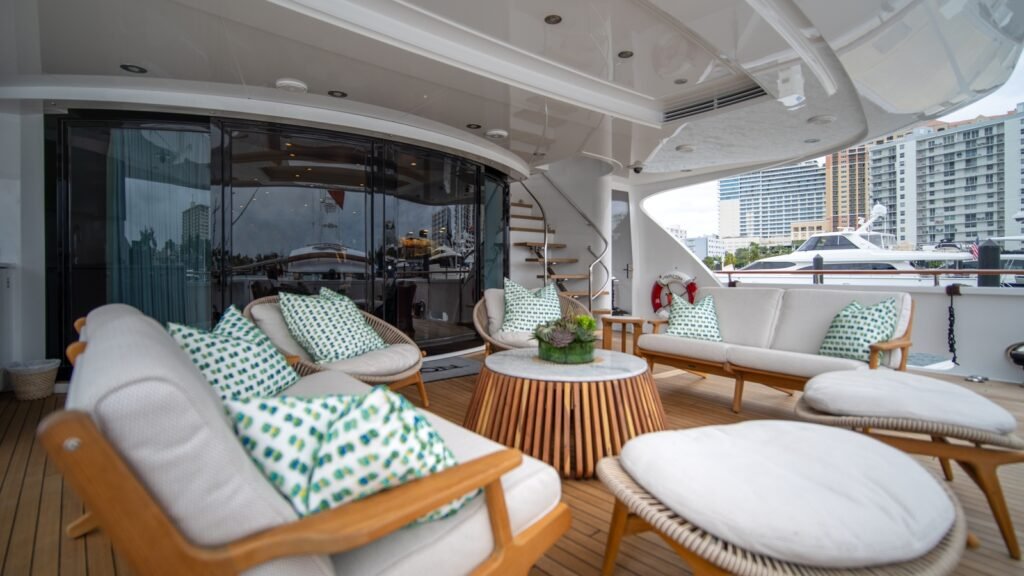
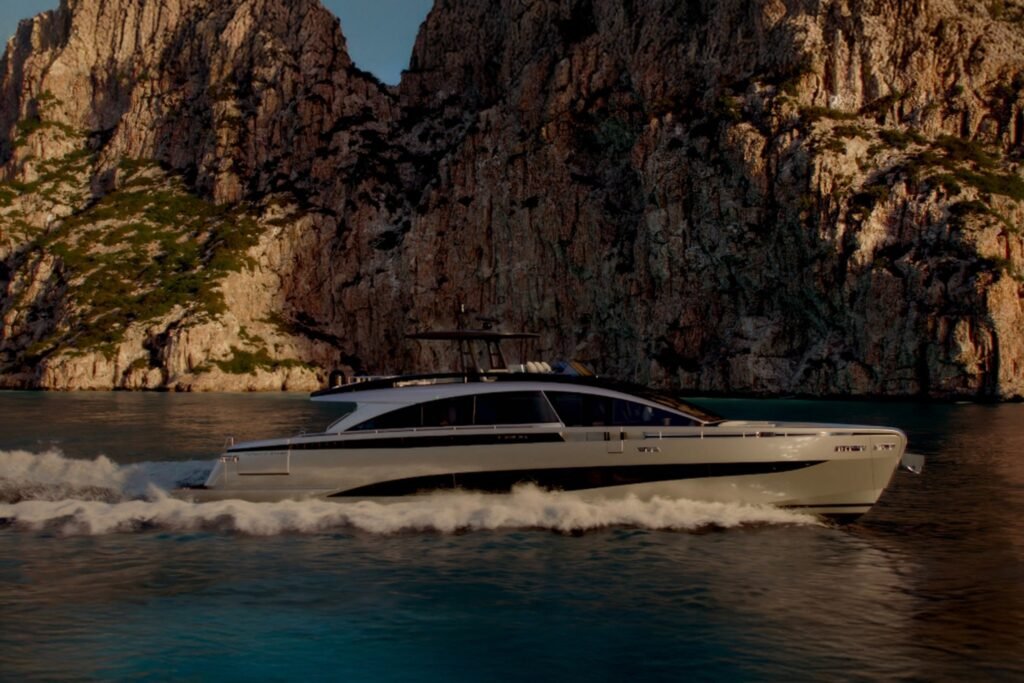
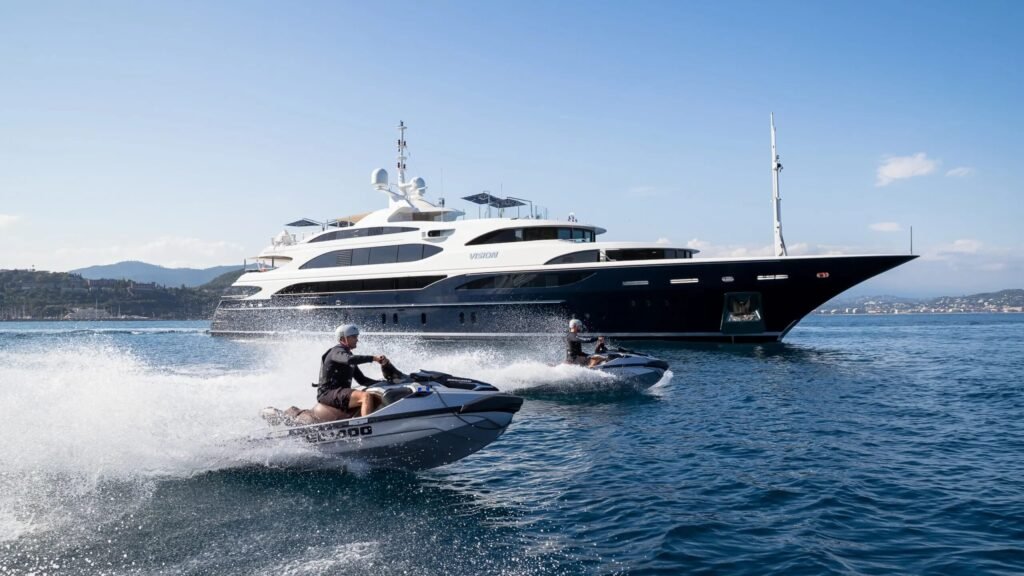
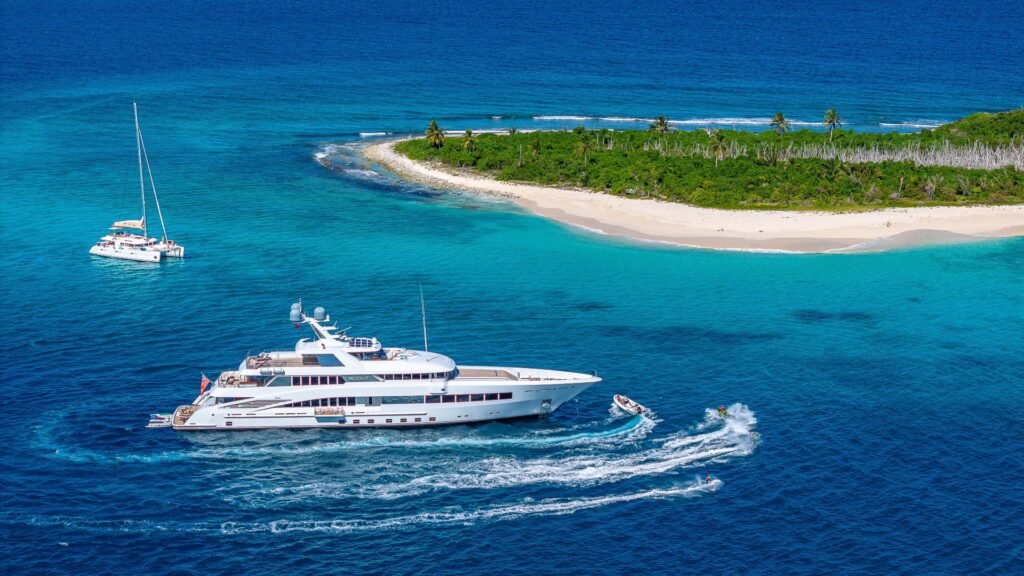
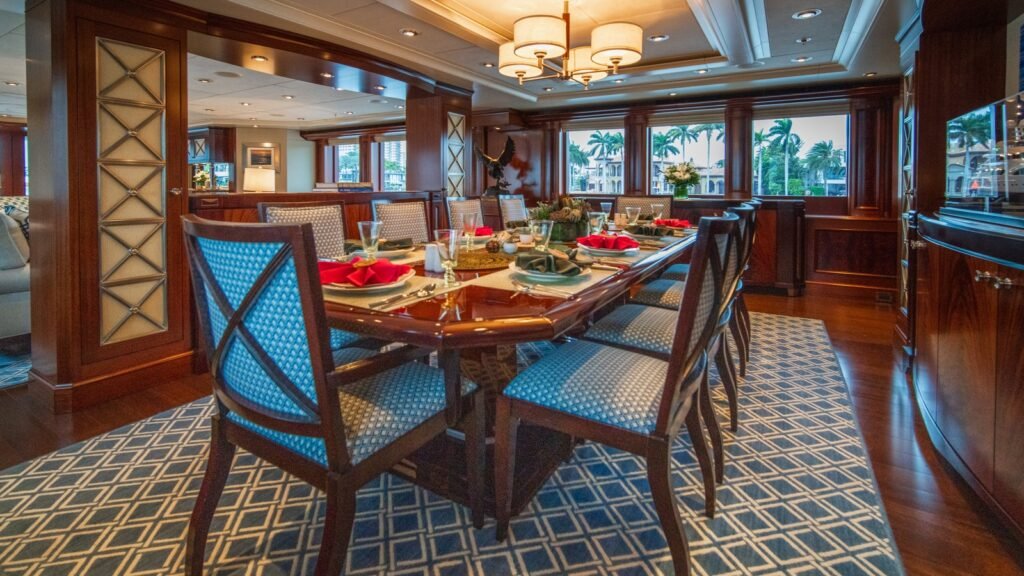
The BVI are a sailor’s ground first, and a catamaran or sailing yacht suits the steady trades and the shallow draught the anchorages reward. A multihull adds deck space and a stable platform for families, which is why so many charters here are catamarans. A motor yacht works just as well, though, since the legs are short enough that speed matters less than the time it frees for the water: the gain is a bigger beach club, more toys and quicker repositioning when the crew wants to chase the best light. Either way the draw is the same, a professional crew who know the channel and can read a week ahead of you.
Planning and the booking window
For the festive weeks, plan six to nine months ahead; for January and March, three to six is usually enough. The trade is a crewed charter: a captain and chef handle the navigation, the provisioning and the cooking, and an advance provisioning allowance covers food, fuel and dockage on top of the base rate. Because the Virgin Islands sit at the top of the Leewards, they pair naturally with a few days further south or east, whether that is St Barts for New Year or Anguilla for its beaches. Start with the week you want on the water and let the crew shape the route around the weather.