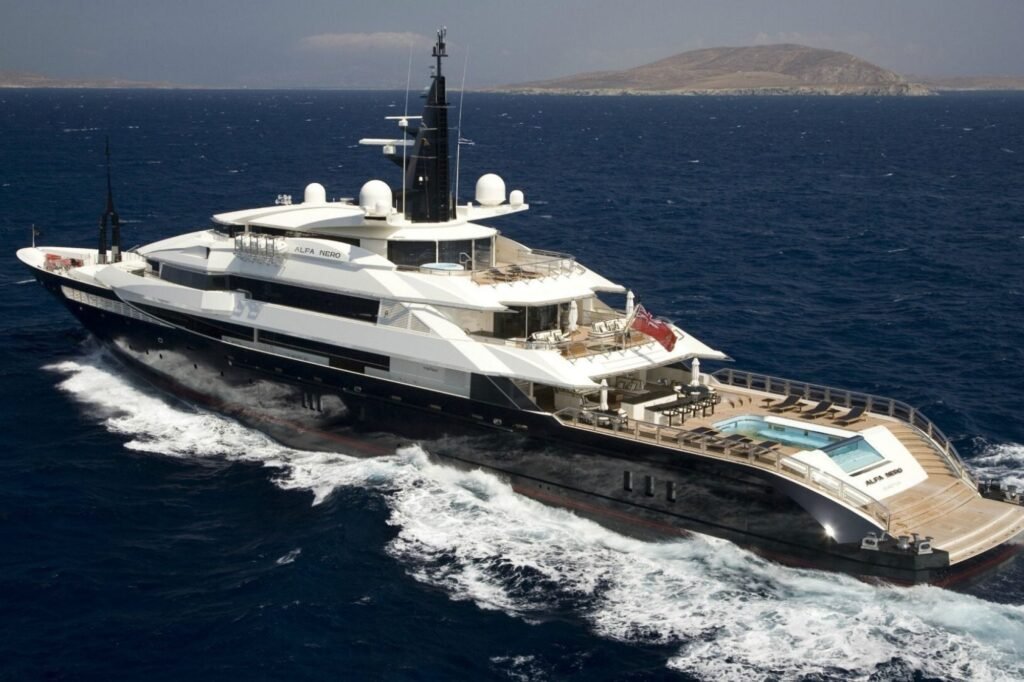
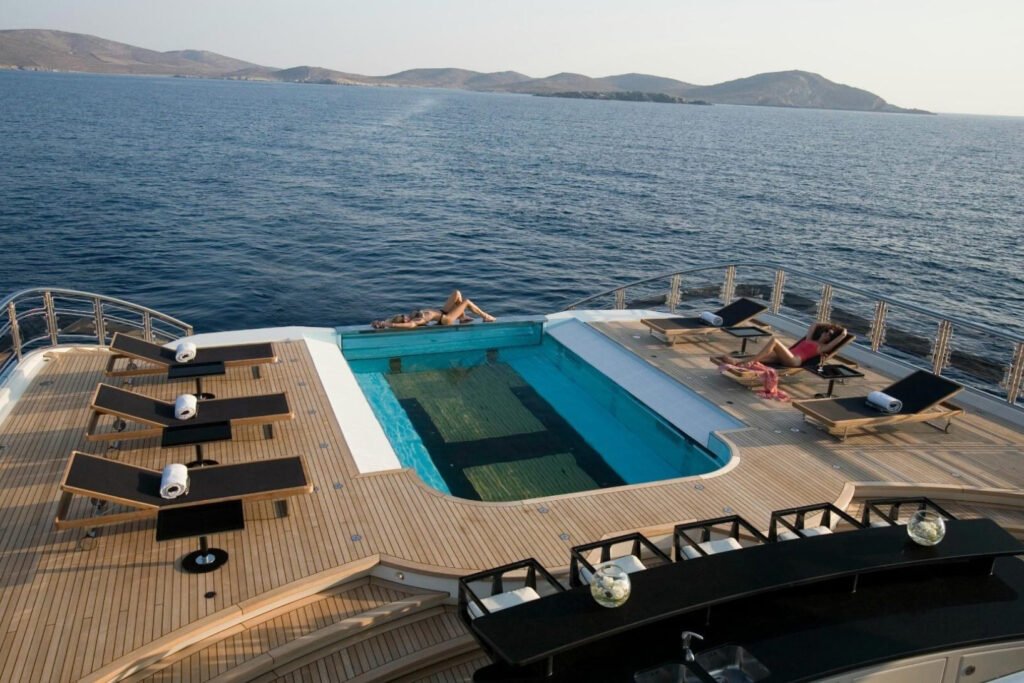
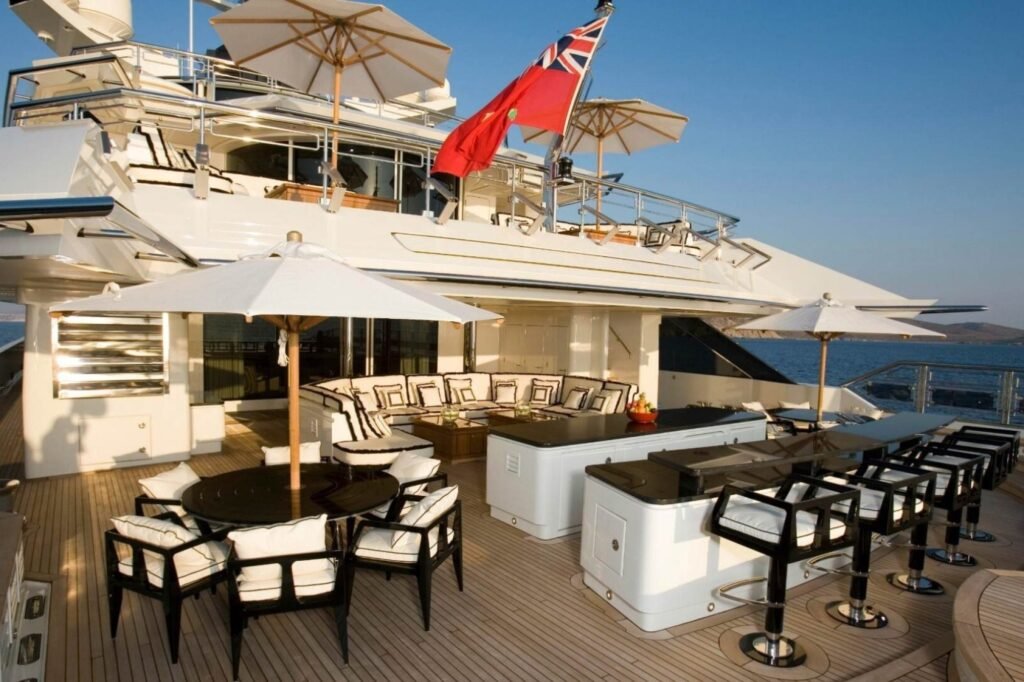
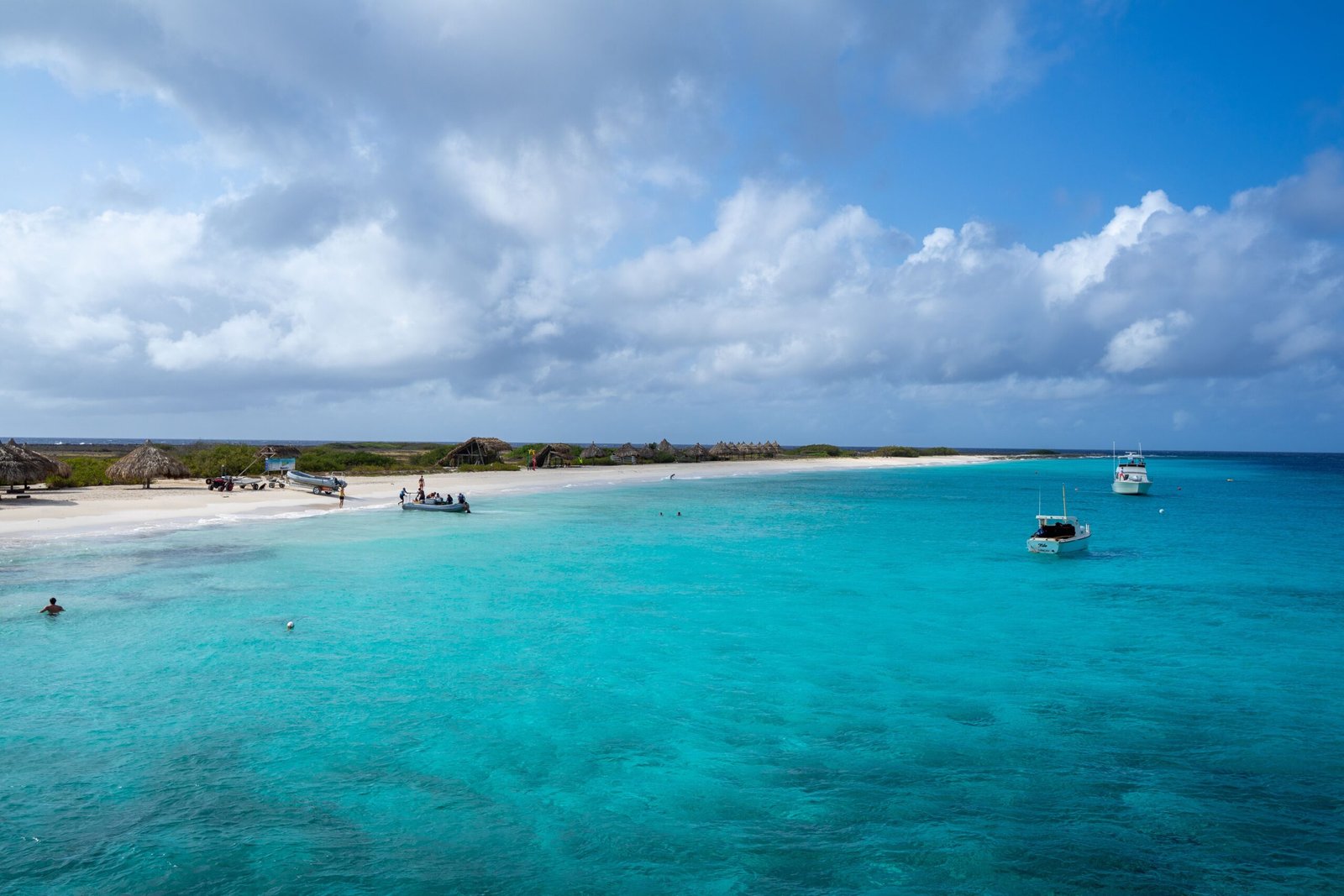
Four yachts operate in the 800,000-euro weekly bracket in Bonaire, all above 90 metres with crews of twenty-eight or more and the operational complexity of a small private ship applied to one of the world’s most protected marine environments. The APA of approximately 240,000 euros reflects fuel demands across multiple engine shafts, specialist provisioning, helicopter operations running in parallel with dive and tender programmes, and crew gratuities for a large team. Bonaire’s Marine Park, a UNESCO Biosphere Reserve, provides the counterpoint to this scale: quiet, pristine, and governed by mooring buoys that bring the reef within reach without the environmental cost of anchoring. The western reef wall extends 20 miles along the leeward coast in conditions permanently sheltered from the northeast trade wind. Visibility at most sites exceeds 30 metres, and the coral condition on the outer wall is among the best in the Atlantic. Vessels in this bracket deploy a dedicated dive centre with rebreather capability and multiple tenders operating the reef programme and beach club simultaneously. Kralendijk Roads, the island’s main anchorage, accommodates vessels above 90 metres in protected flat water throughout the year. Klein Bonaire, immediately west, provides uninhabited beach and reef accessible by the vessel’s large tender in five minutes. The Hilma Hooker wreck in the central park section provides a structured two-tank dive day for advanced guests. Curacao’s Spanish Water lagoon, 35 miles northwest, serves as the ABC group’s best large-vessel anchorage, with Willemstad’s UNESCO waterfront accessible by tender.