Galapagos


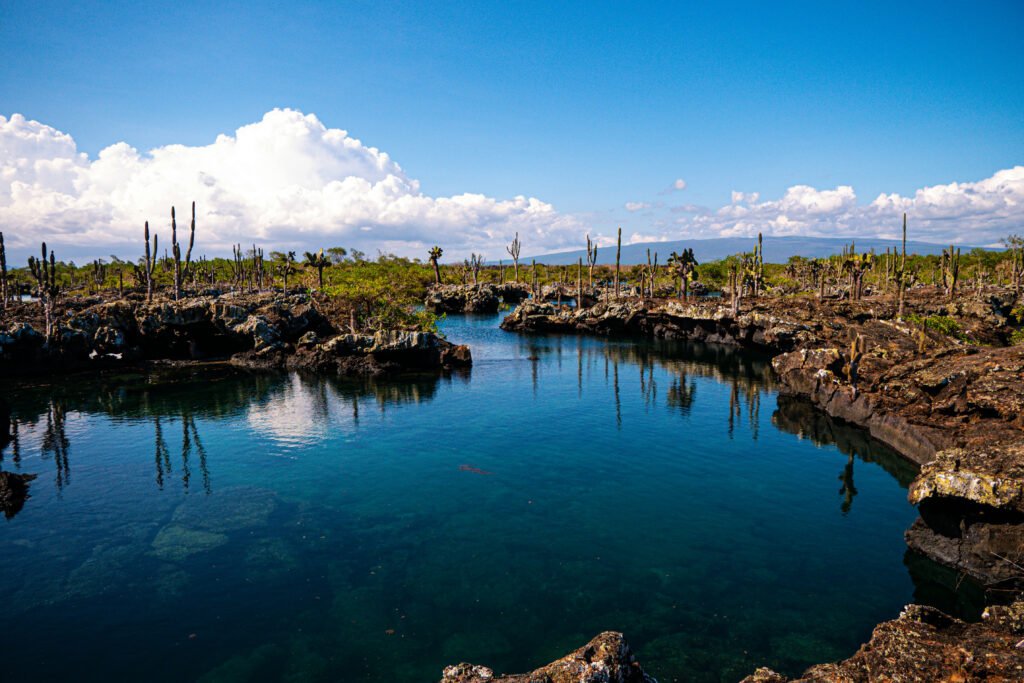
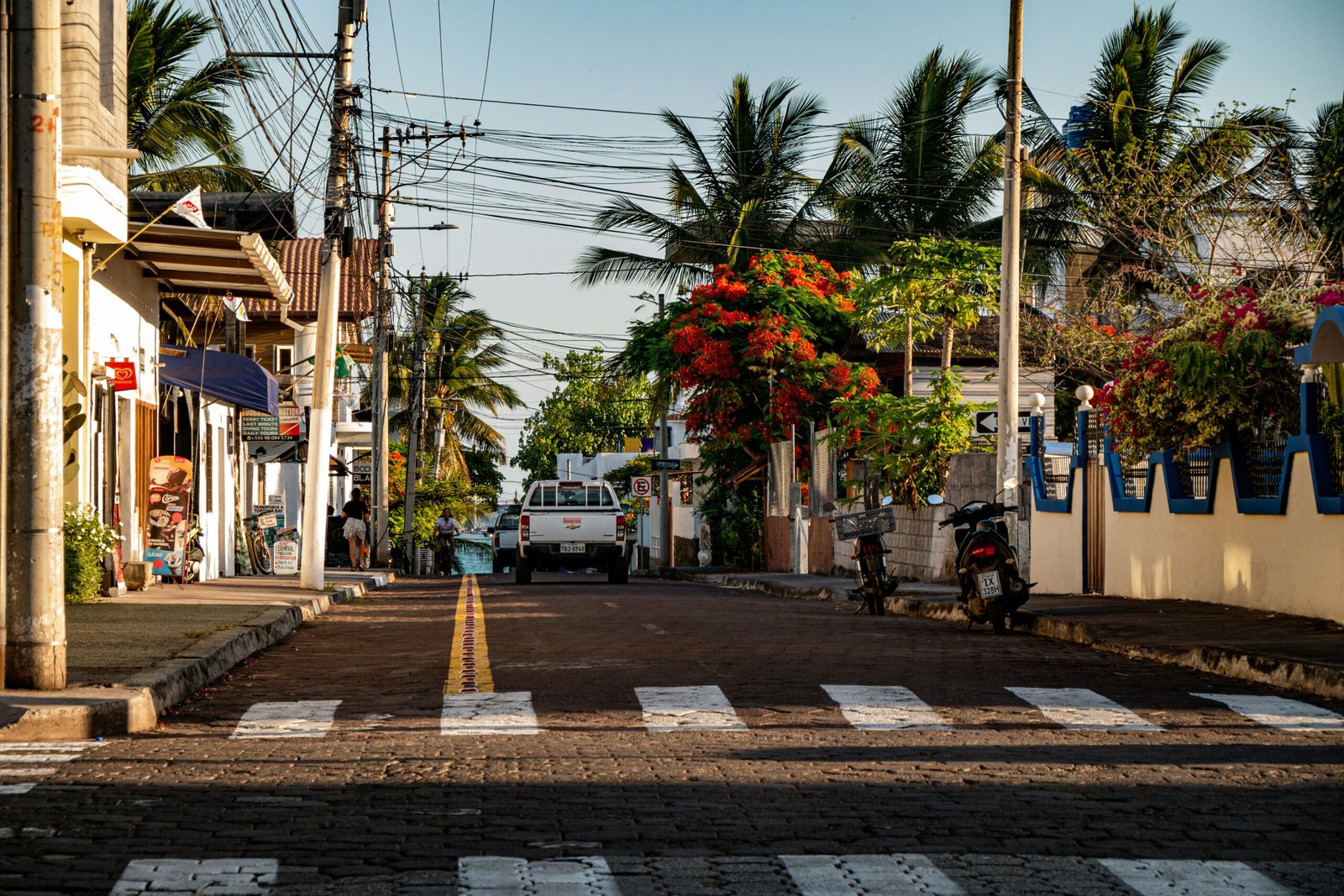
Puerto Ayora
Puerto Baquerizo Moreno
Post Office Bay
Tagus Cove
Gardner Bay
Snorkel with sea lions at Gardner Bay
Hike the rim of the Sierra Negra caldera
Dive with hammerhead sharks off Wolf and Darwin Islands
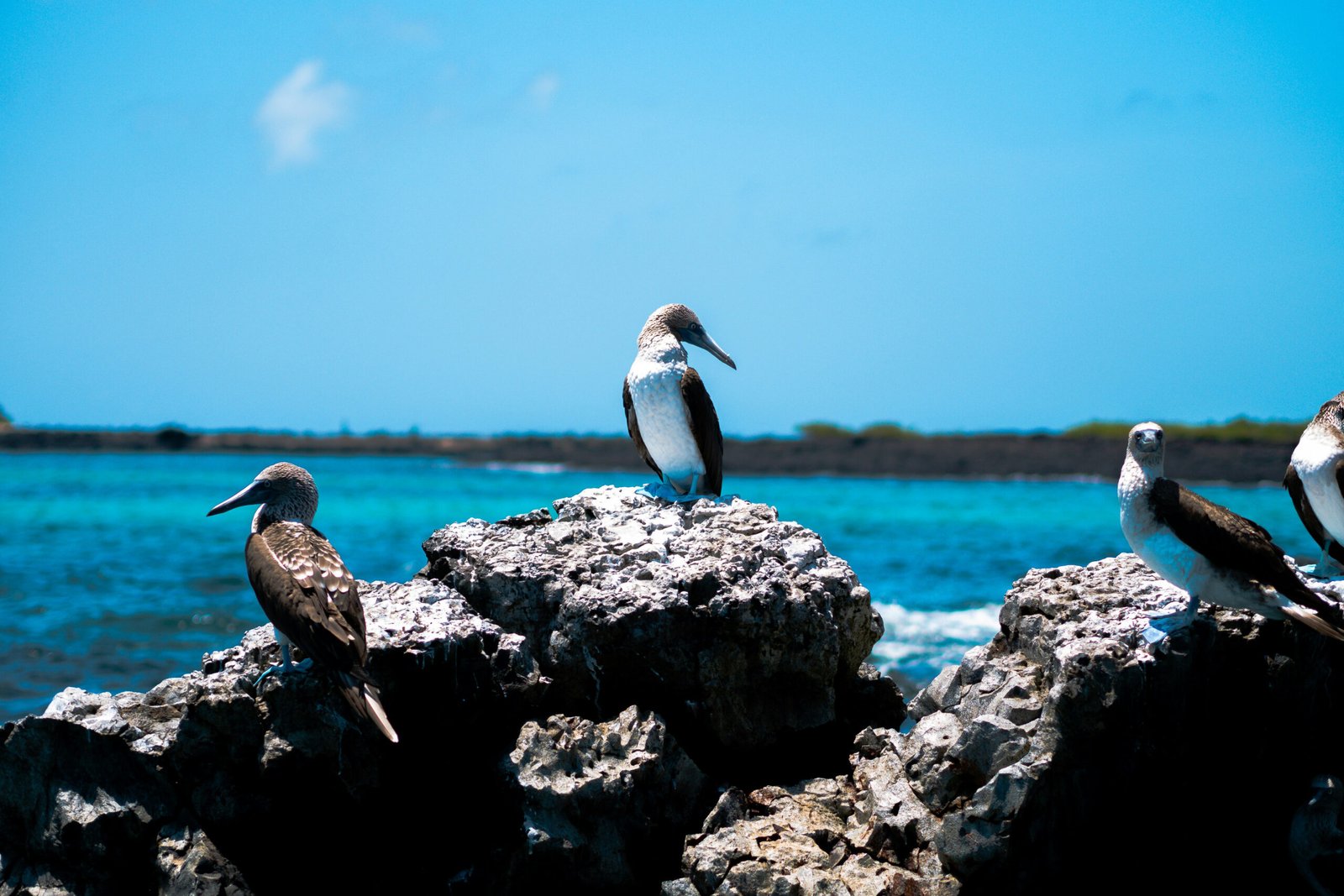
Watch blue-footed boobies display on North Seymour
Visit the giant tortoise reserves in the Santa Cruz highlands
Charles Darwin Research Station
Post Office Bay
Tagus Cove
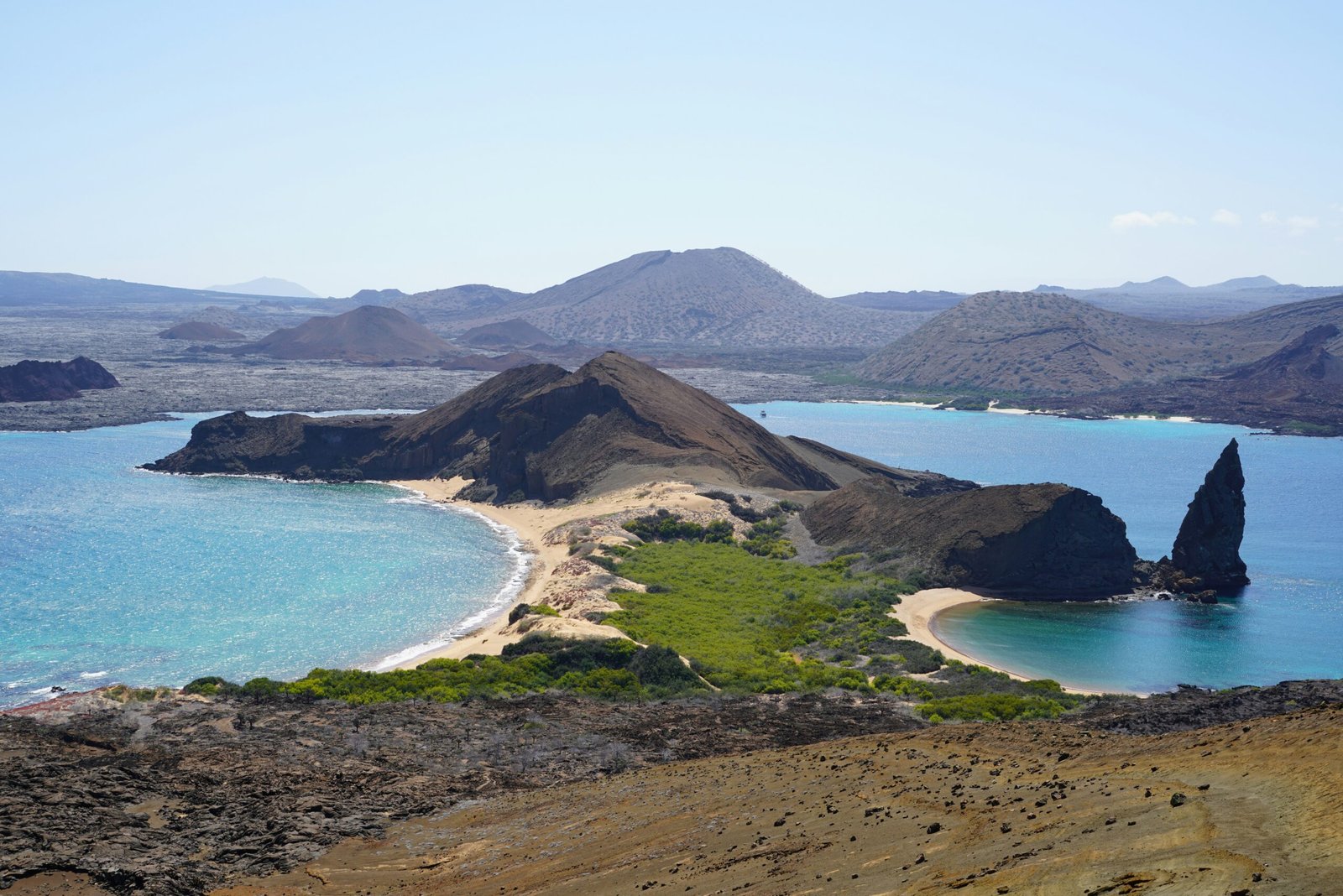
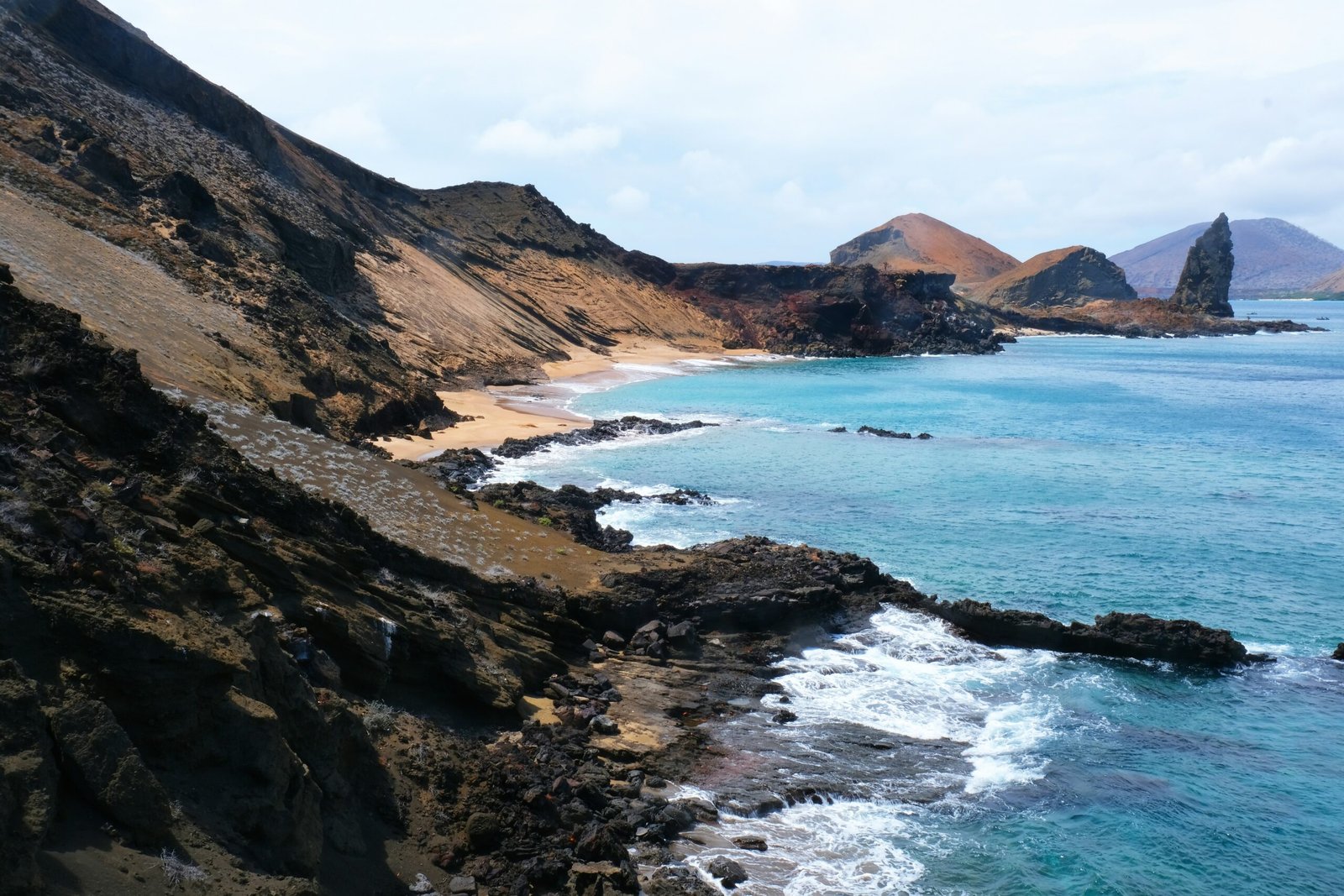
Bartolome Island
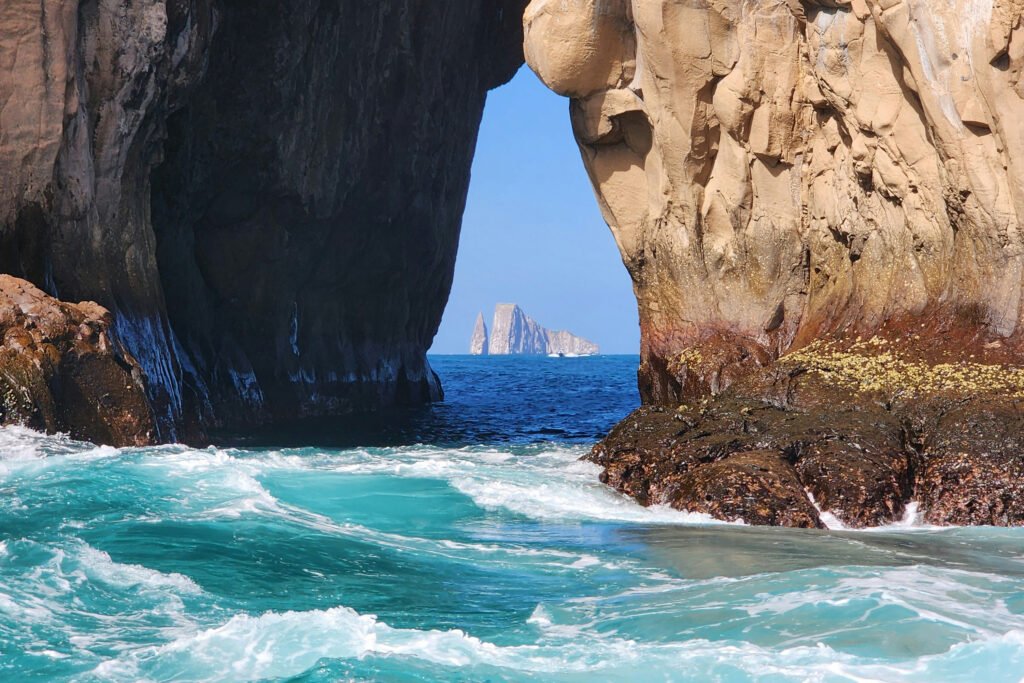
Kicker Rock
The Galapagos has two broad seasons: a warmer, wetter period from December through May with calmer seas and better underwater visibility, and a cooler, drier period from June through November when the Humboldt Current brings nutrient-rich water that draws in hammerhead sharks and whale sharks. Both seasons offer strong wildlife viewing, so the choice often comes down to whether guests prioritize calm water or bigger pelagic encounters.
Almost all visitors fly from mainland Ecuador, usually Guayaquil or Quito, into either Seymour Airport on Baltra Island (GPS) or San Cristobal Airport (SCY), both served only by flights originating in Ecuador since there are no direct international routes. Which one to use typically depends on where the charter itinerary starts, since Baltra sits closer to Santa Cruz and San Cristobal has its own separate town and harbor.
Post Office Bay on Floreana, home to a wooden barrel that has served as an informal mailbox for passing sailors since the 1790s, is one of the more unusual stops. Tagus Cove on Isabela, with cliffs carved by decades of ships’ graffiti, and Gardner Bay off Espanola, known for its sea lion colony and white sand, round out a typical route between Santa Cruz and the outer islands.
Most itineraries run 7 to 10 days, the time needed to cover a meaningful spread of the central, southern, and western islands without excessive nighttime motoring between anchorages, since national park rules restrict where and when vessels can navigate. Guests focused specifically on diving with hammerhead sharks and whale sharks at Wolf and Darwin Islands in the far north typically add a few extra days given how remote those sites are.
Itineraries are not fully open: the Galapagos National Park assigns each vessel a specific, pre-approved route and schedule of visitor sites to prevent overcrowding and protect fragile habitats, so a charter here is planned months in advance rather than adjusted day to day. A licensed naturalist guide must be aboard for every landing, and some of the more sought-after routes, particularly those including Wolf and Darwin Islands, require booking well over a year ahead.