Fiji
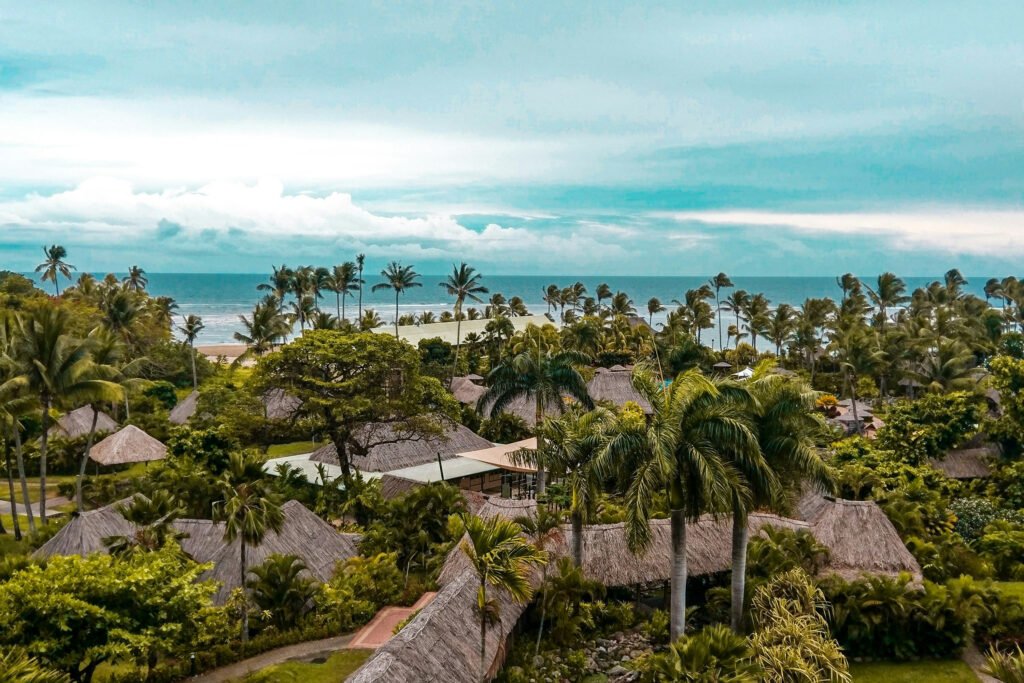
Musket Cove, Malolo Lailai
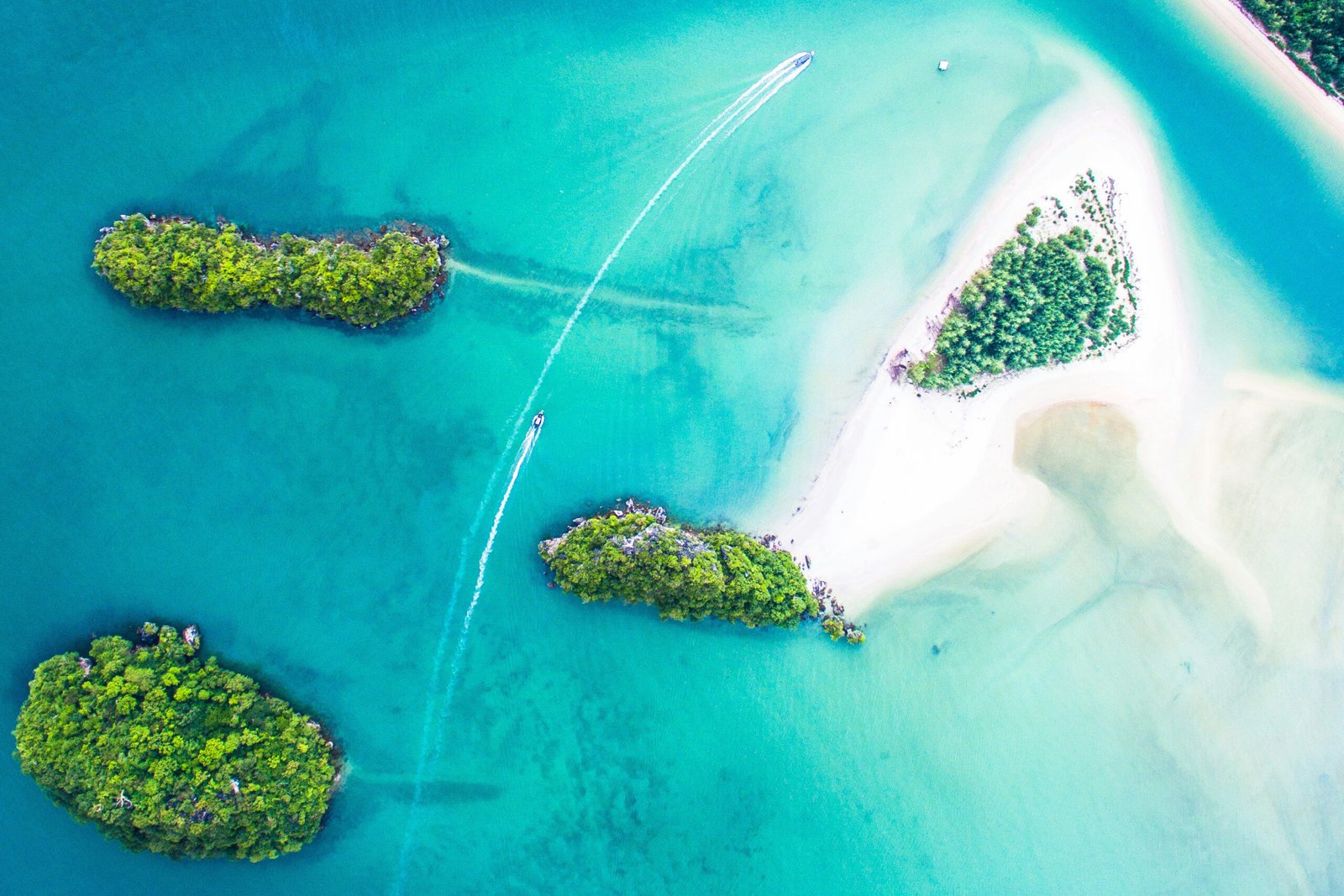
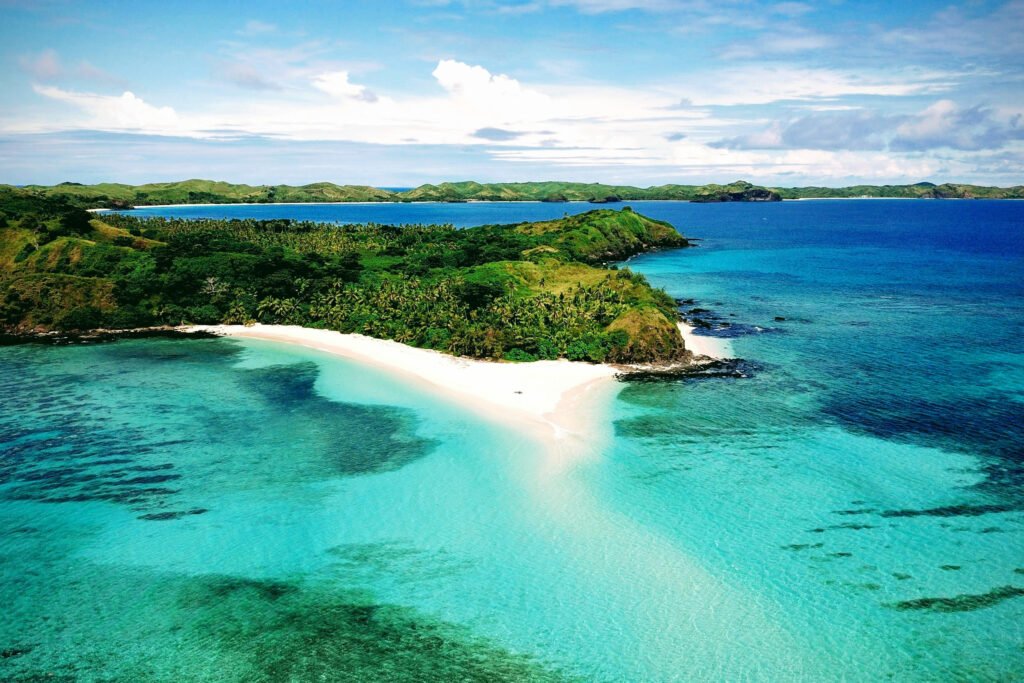
Blue Lagoon, Nanuya Levu
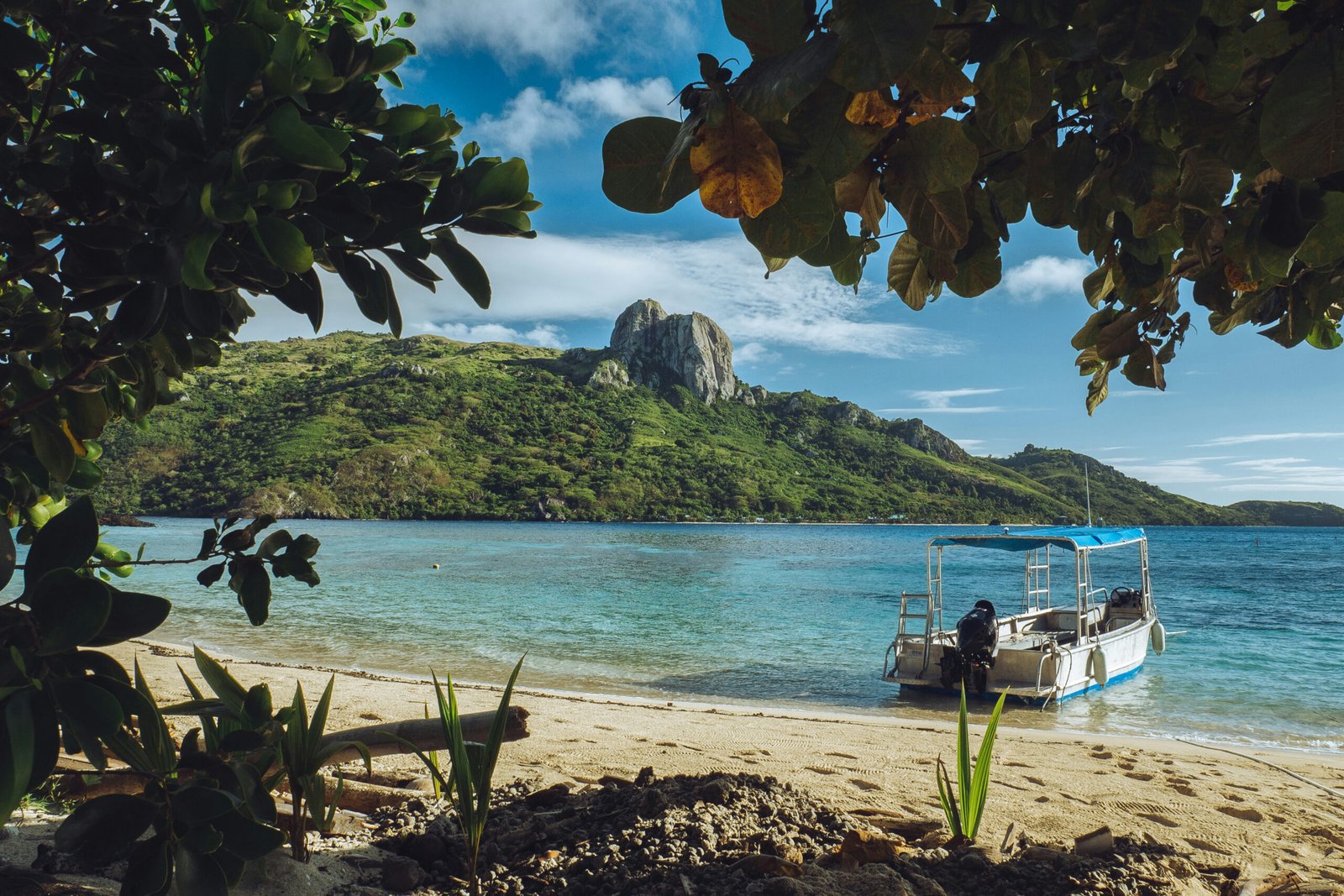
Savusavu Bay, Vanua Levu
Beqa Lagoon
Port Denarau, Viti Levu
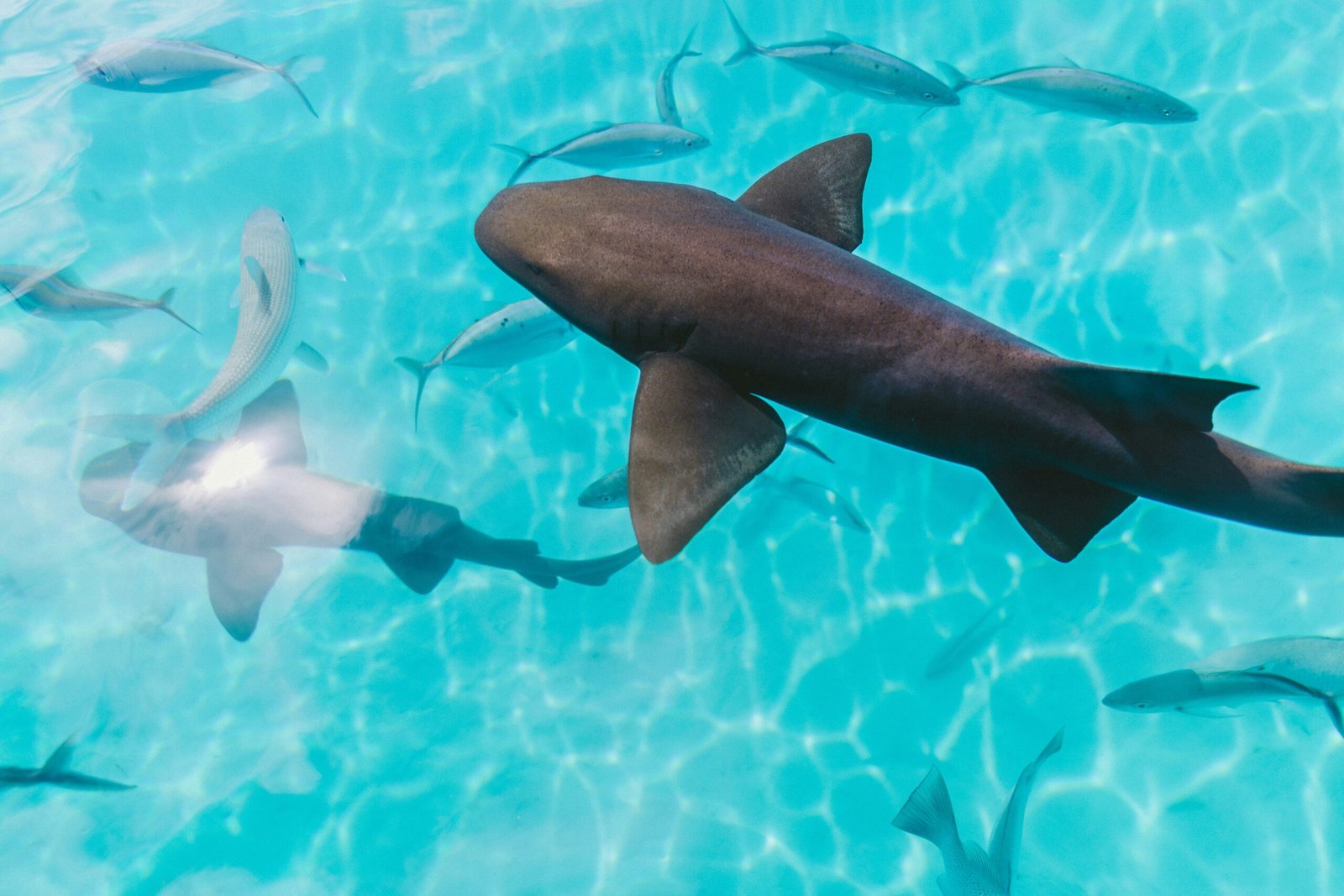
Dive with bull sharks, Shark Reef Marine Reserve
Surf Cloudbreak, Namotu
Snorkel the Blue Lagoon
Hike Bouma National Heritage Park, Taveuni
Slide the Waitavala natural water slide
Mamanuca Islands
Yasawa Islands
Taveuni
Savusavu
Sigatoka Sand Dunes
The dry season from May to October brings the calmest seas, lower humidity and the most reliable trade winds for sailing between islands. Cyclone season runs November to April, with the greatest risk concentrated in December, January and February, so most charters avoid booking through those three months. June, with its steady southerly swells, also happens to be one of the better months for the surf breaks off Namotu and Tavarua.
Nearly all charters start at Nadi International Airport (NAN), on the western side of Viti Levu, with direct flights from Australia, New Zealand, the United States and several Asian hubs. From there it’s roughly 20 to 30 minutes by road to Port Denarau, Fiji’s main charter marina and the usual departure point for both the Mamanuca and Yasawa Islands. Charters based around Savusavu instead fly into Nadi and connect via a short domestic flight.
Musket Cove, on Malolo Lailai, is the classic first stop, sheltered inside the Malolo reef with good provisioning and a lively cruiser scene. The Blue Lagoon, around Nanuya Levu in the Yasawas, is worth the longer sail north for genuinely shallow, pale water. Beqa Lagoon, south of Viti Levu, is less about the anchorage itself and more the shark dive it protects, best combined with a stop along Fiji’s Coral Coast.
A week comfortably covers the Mamanuca and Yasawa Islands from Denarau, with enough time to also reach Beqa Lagoon for a shark dive. Ten to fourteen days allows a longer route north to Savusavu or Taveuni on Vanua Levu, though that leg crosses open water between the main islands, so it suits a more experienced crew or a longer weather window rather than a short holiday charter.
Yes, within the managed conditions of the Shark Reef Marine Reserve. Dives are run by trained operators who feed at a fixed, controlled site, and guests stay close to the reef wall rather than in open water. Up to eight shark species pass through on a typical dive, including bull sharks and occasionally tiger sharks, and a share of every dive fee goes toward funding the reserve’s ranger patrols and ongoing research.