Seychelles
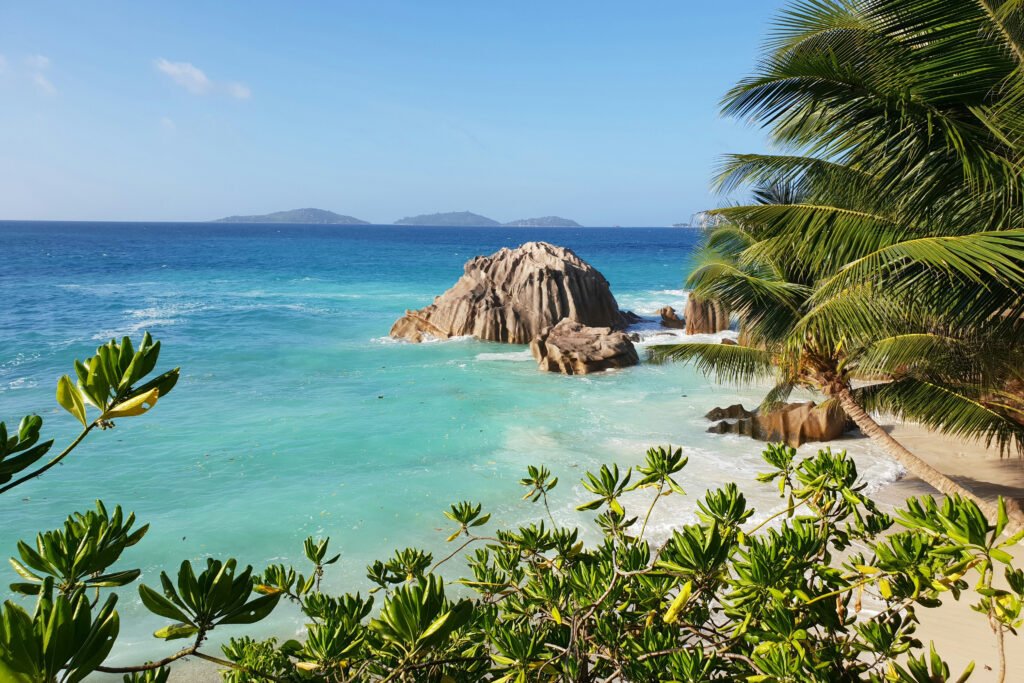
Sainte Anne Marine National Park
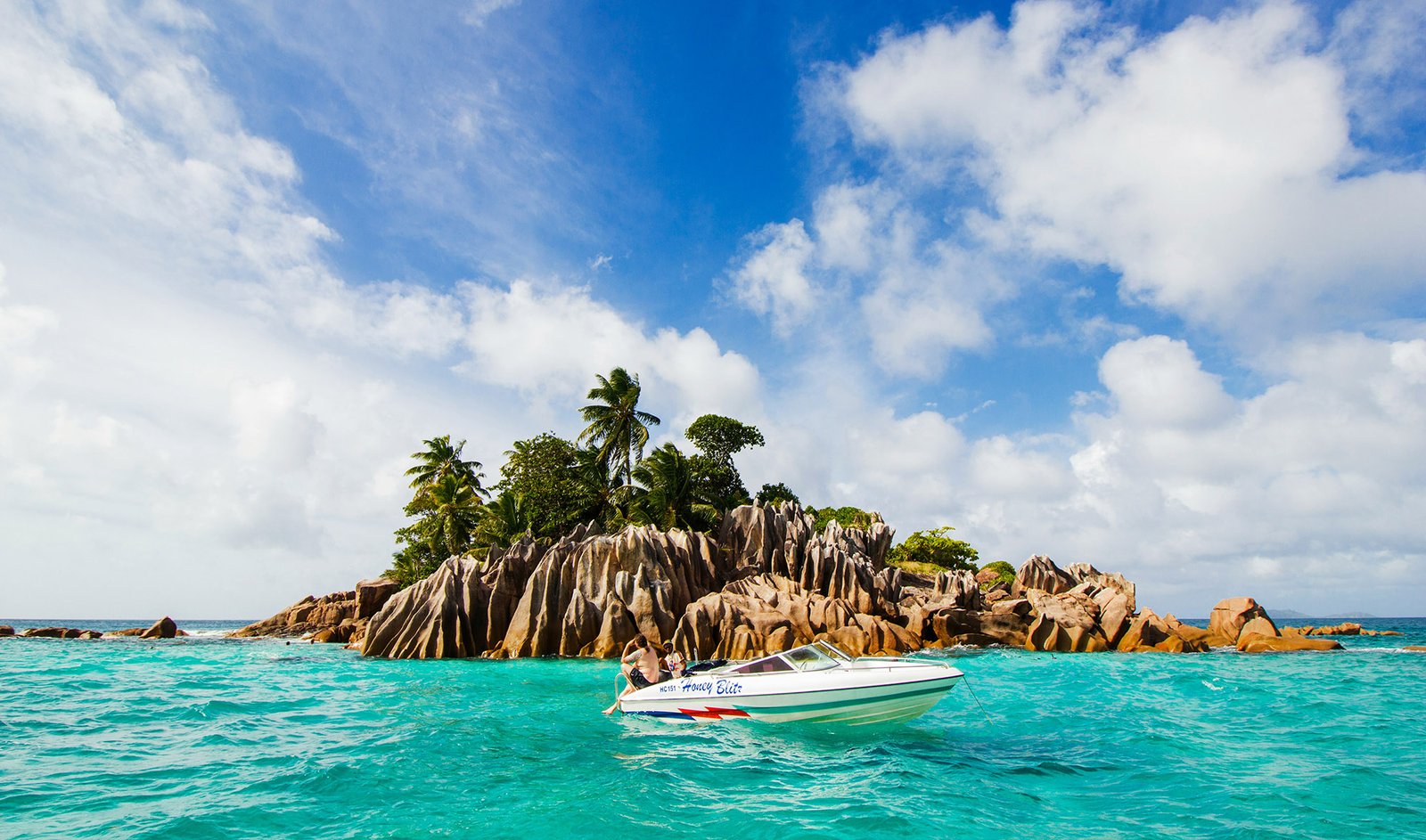
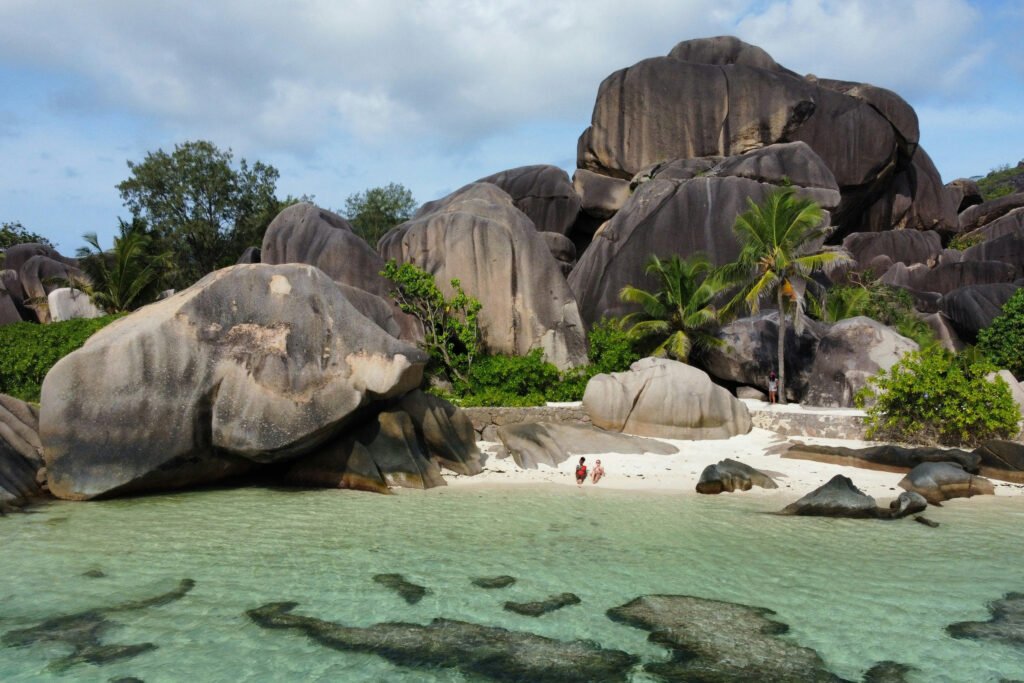
Curieuse Marine National Park
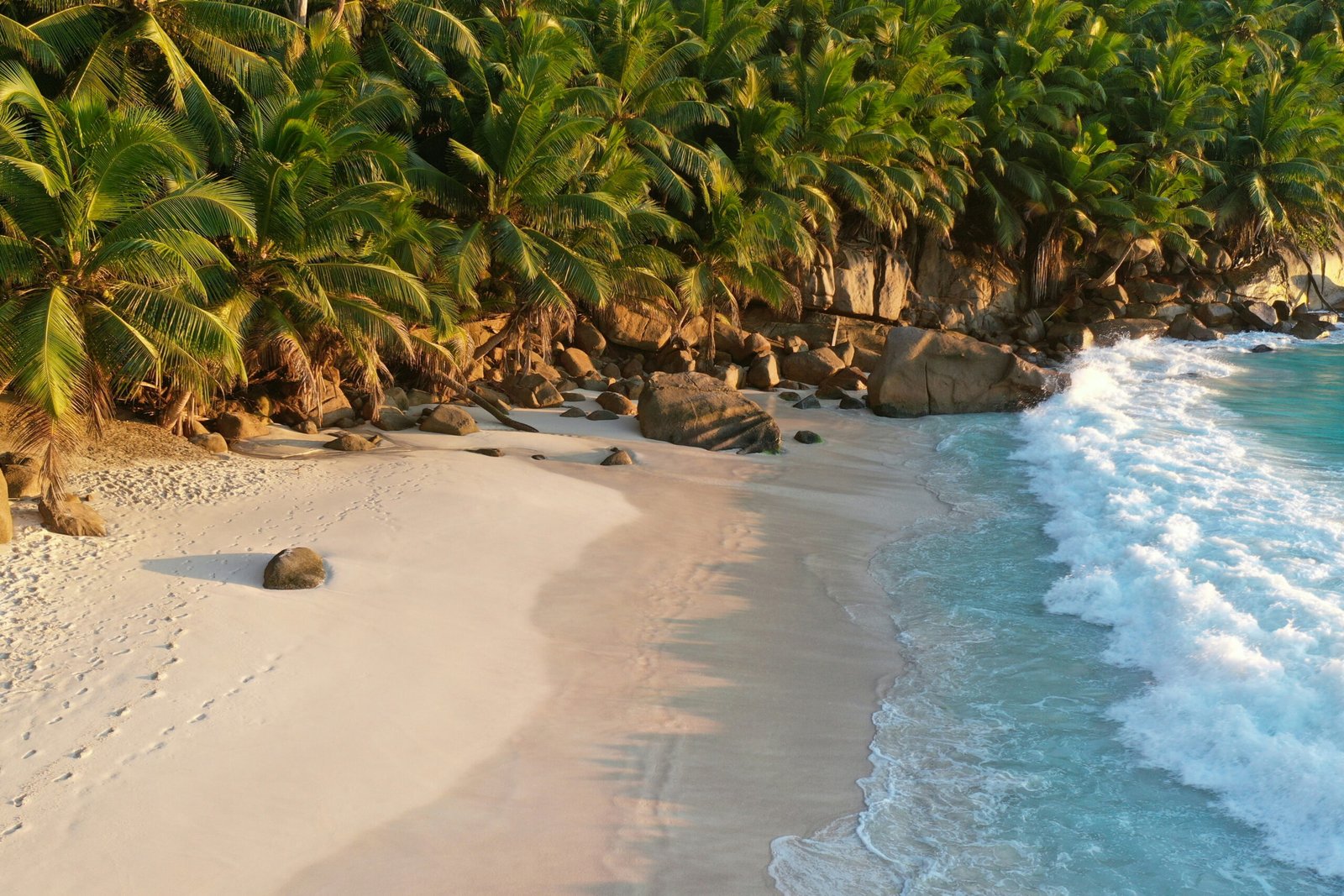
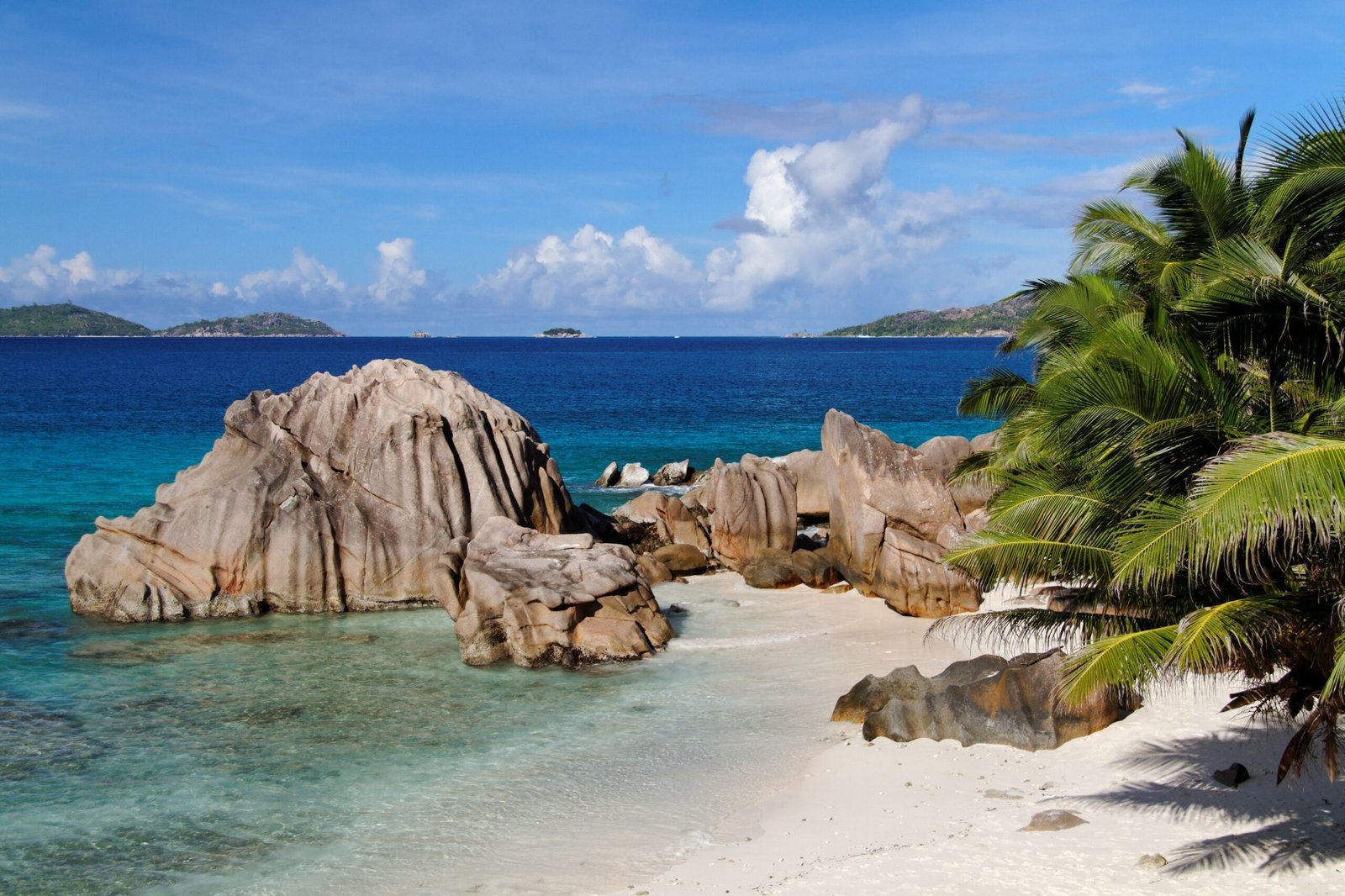
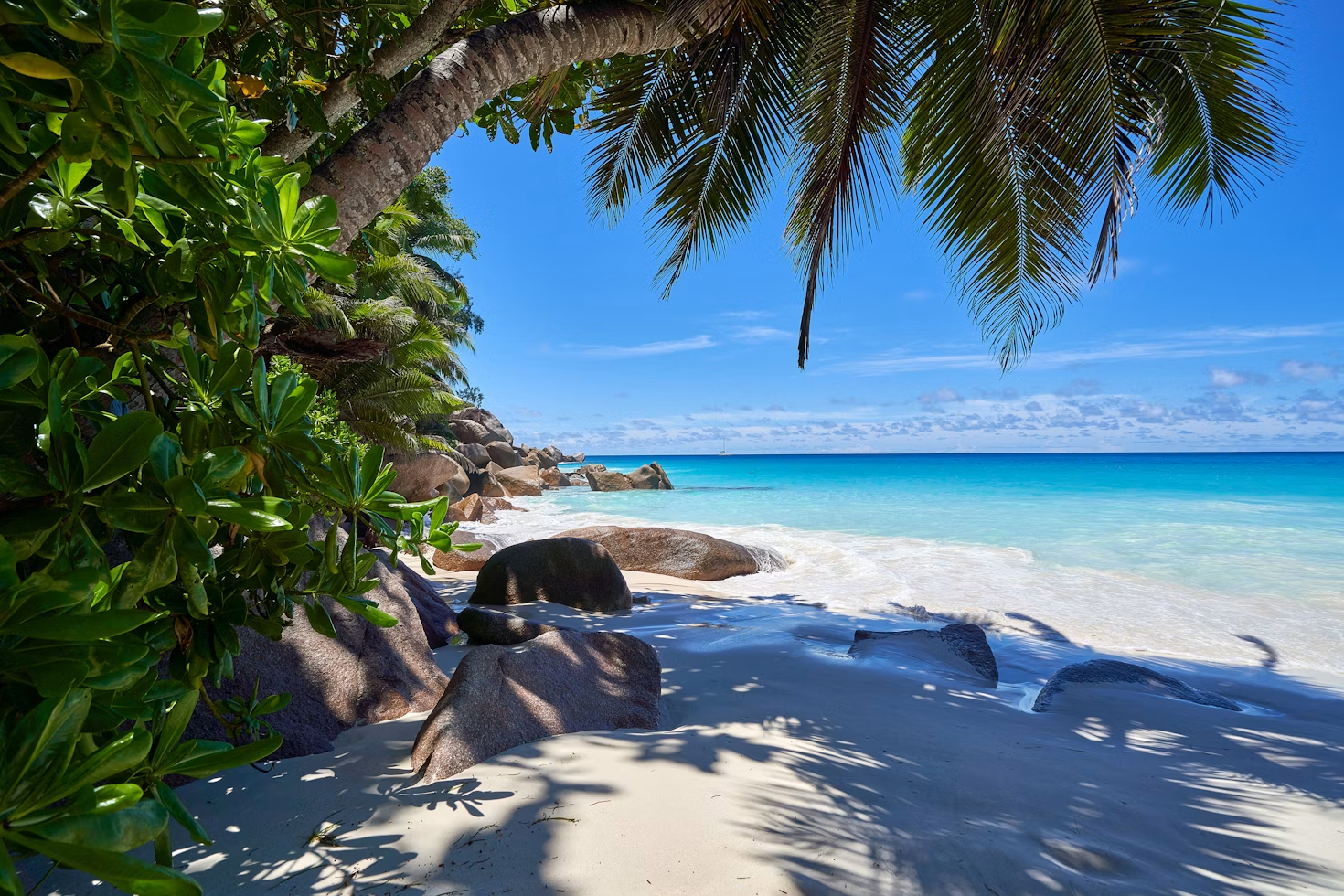
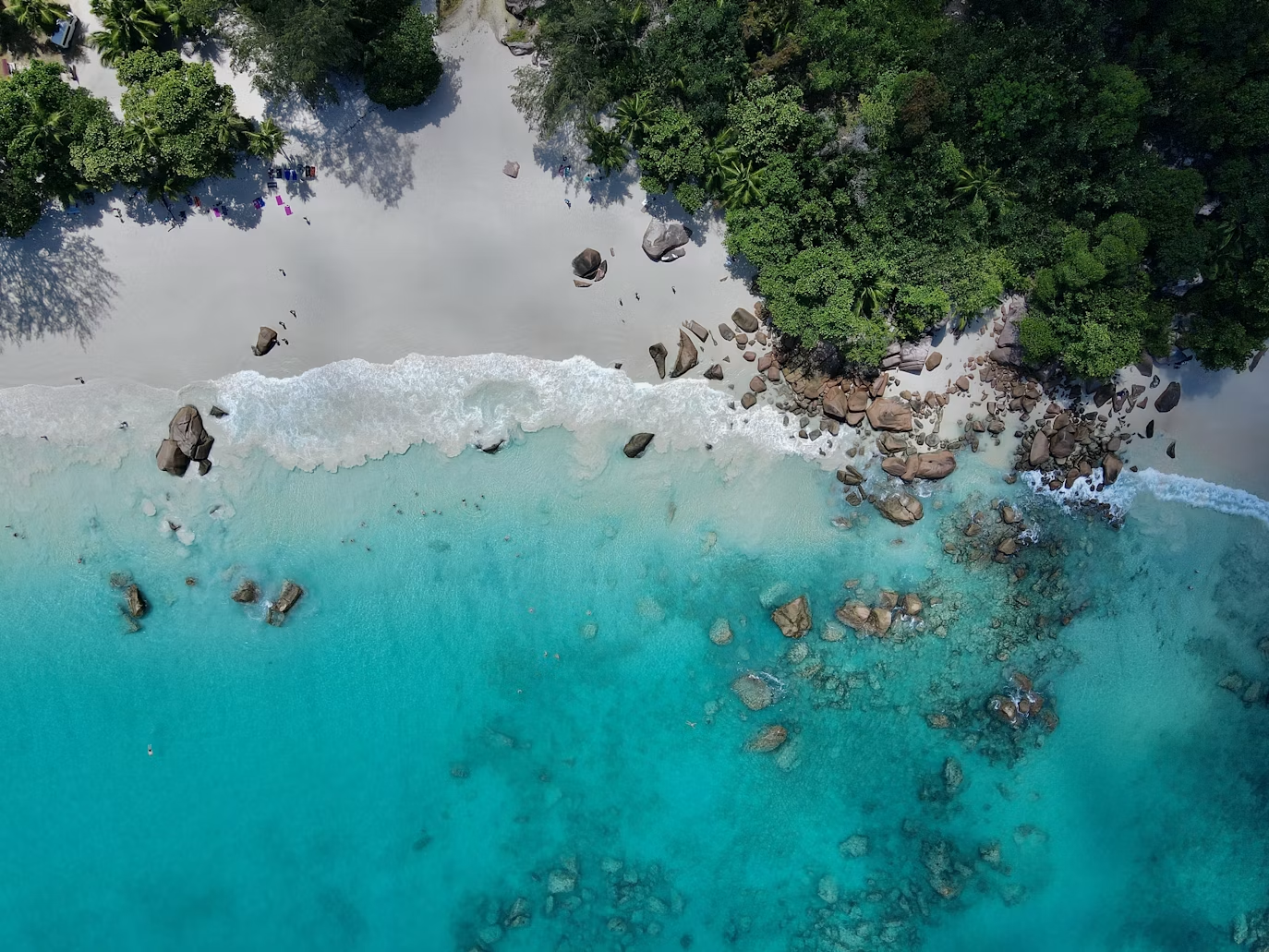
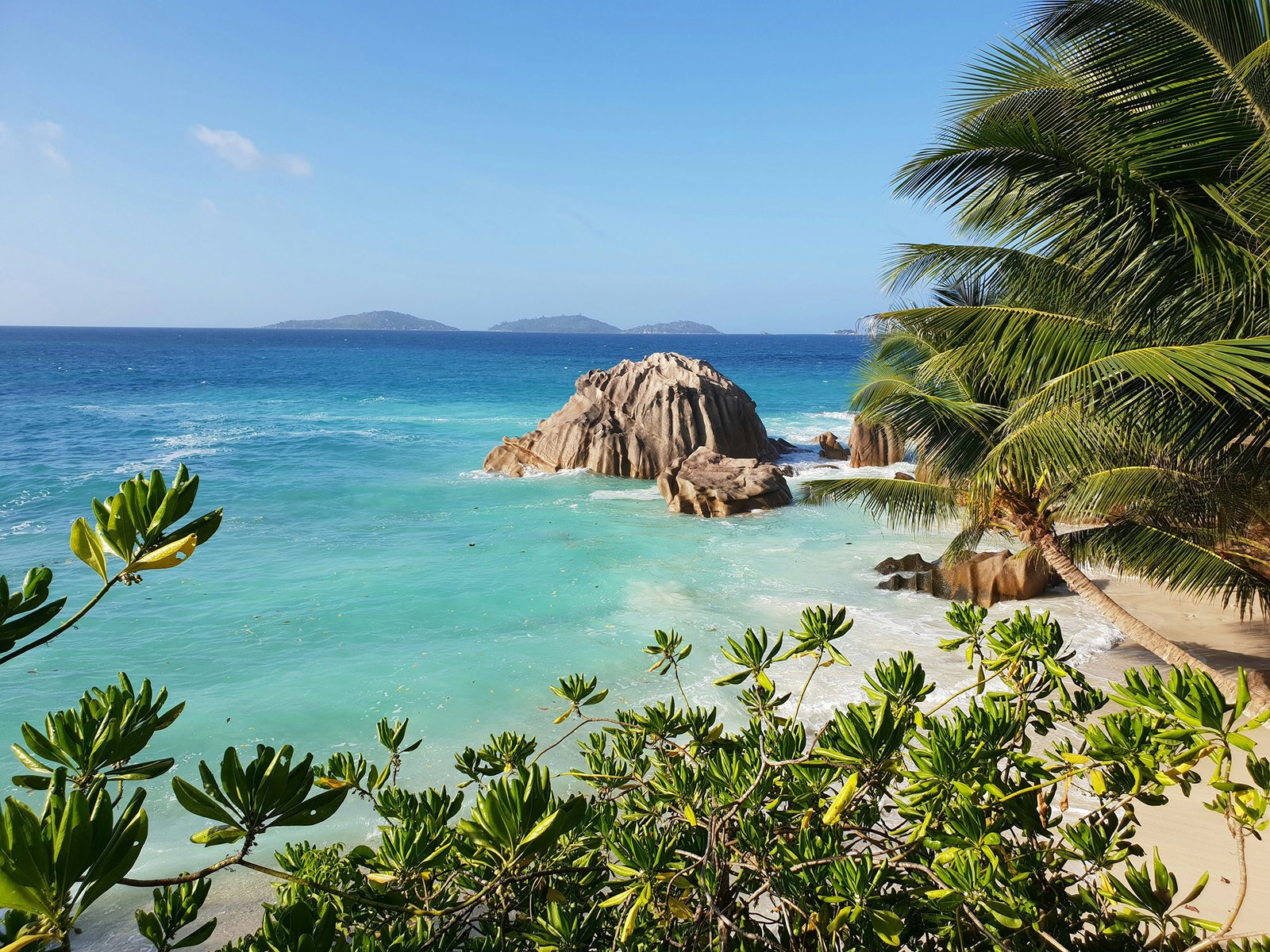
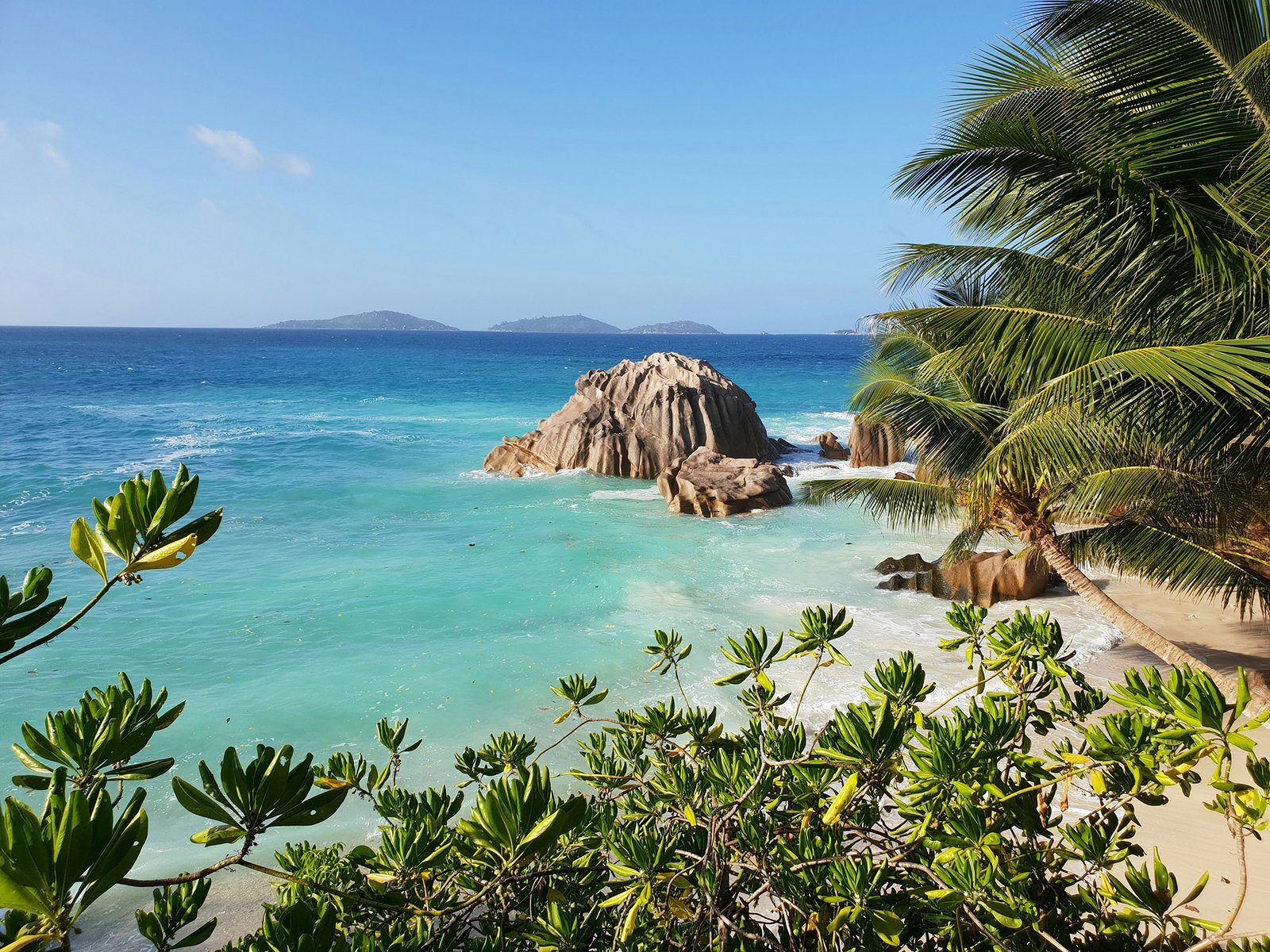
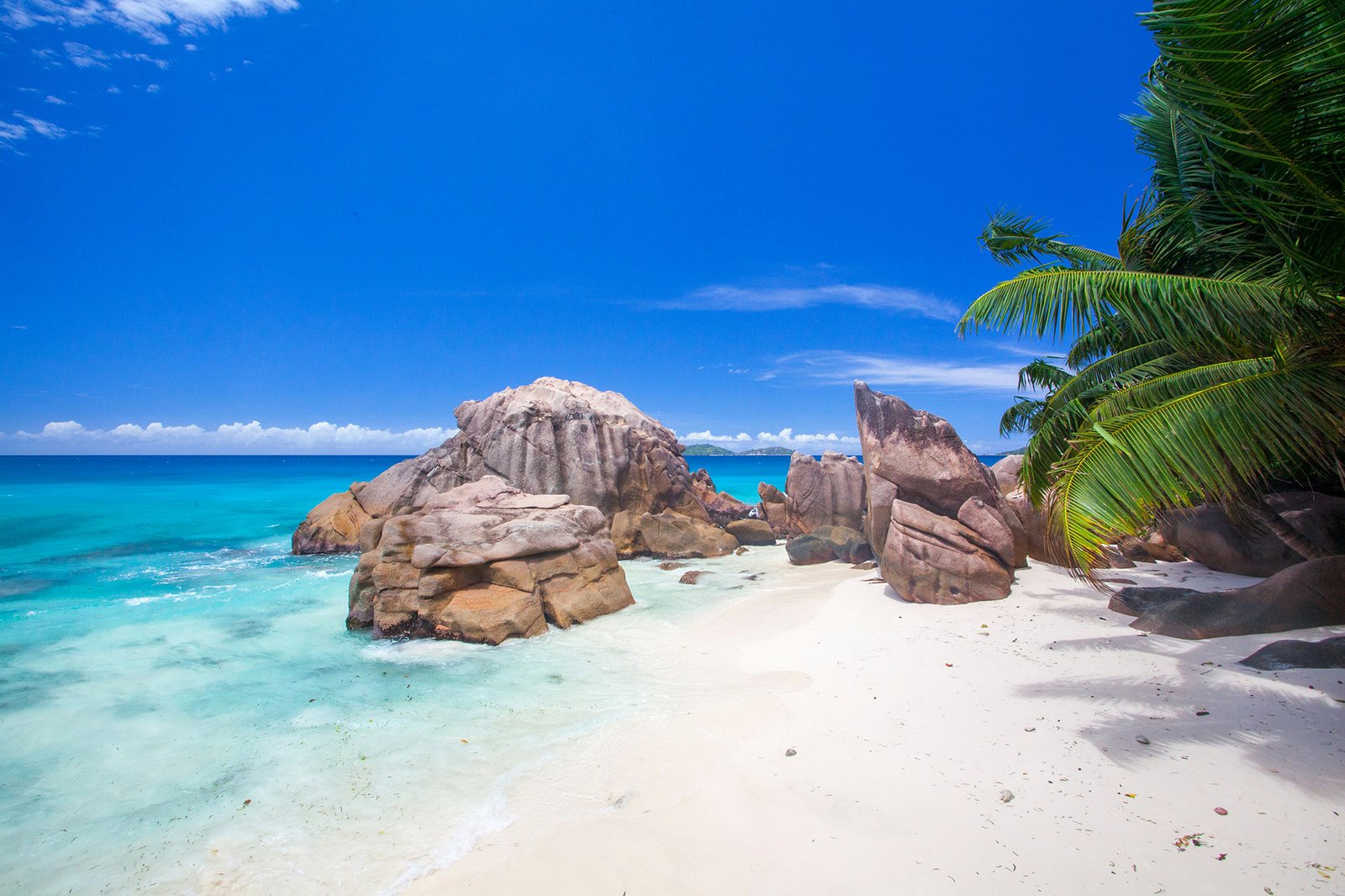
Anse Lazio, Praslin
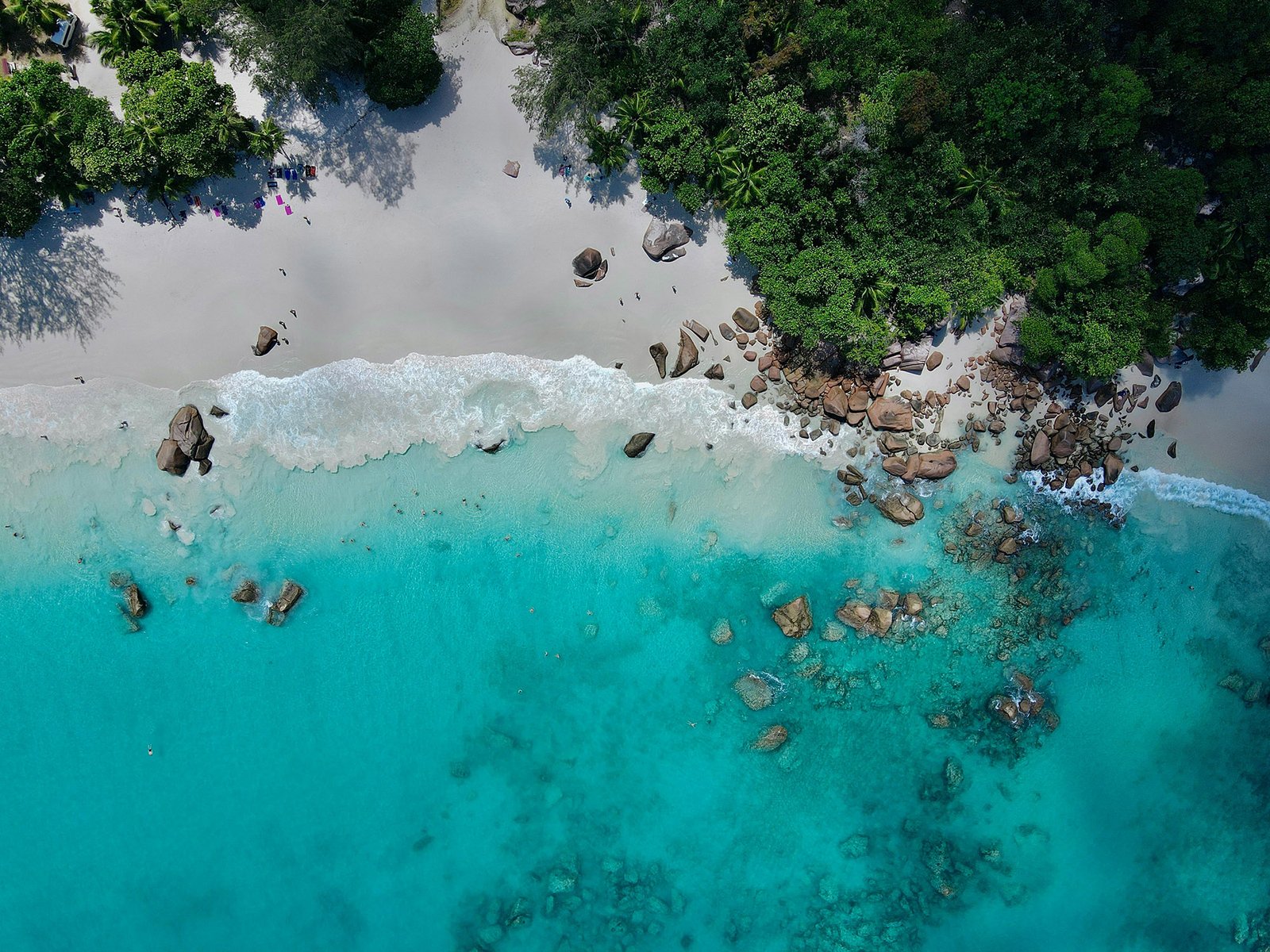
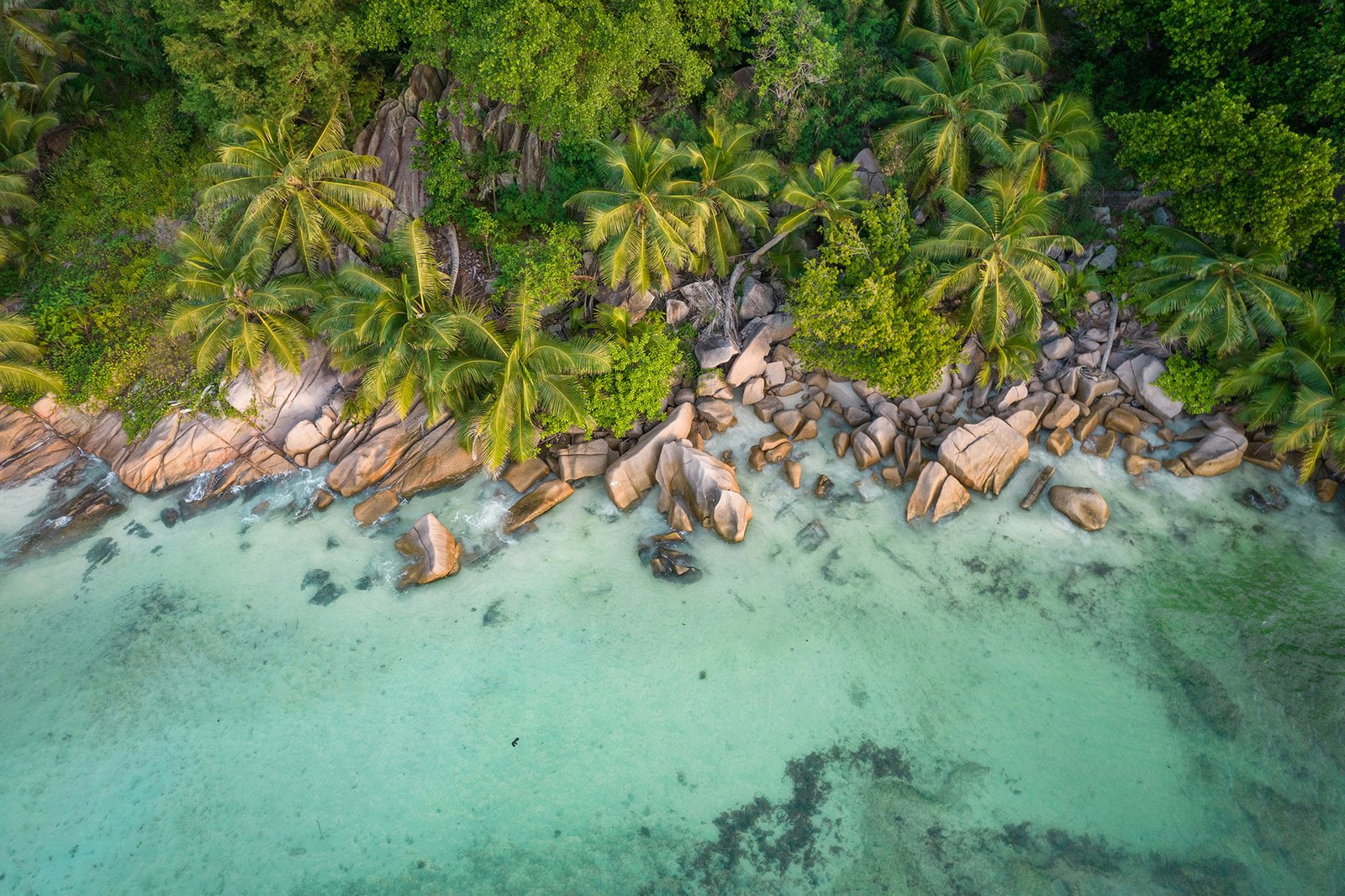
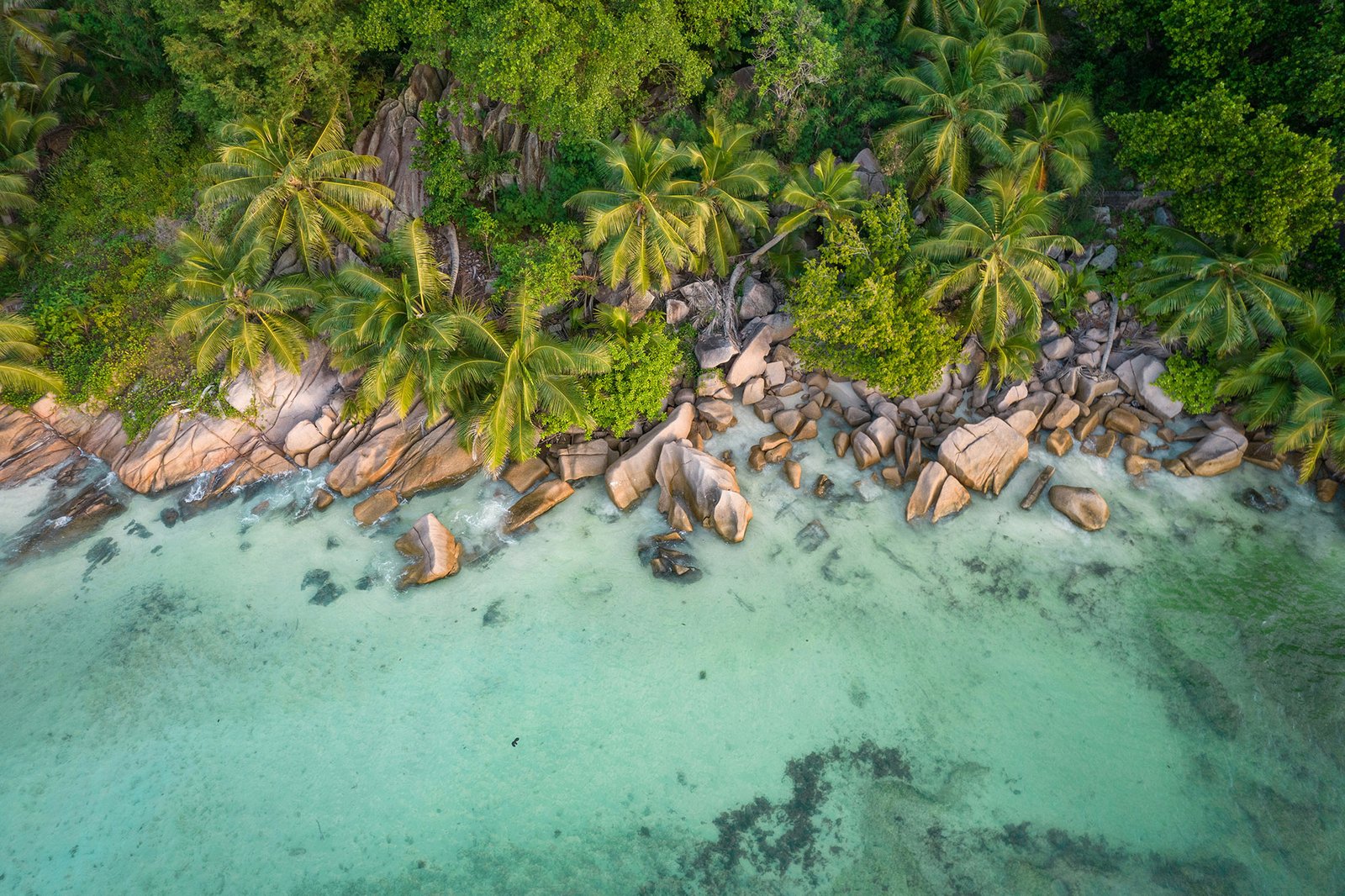
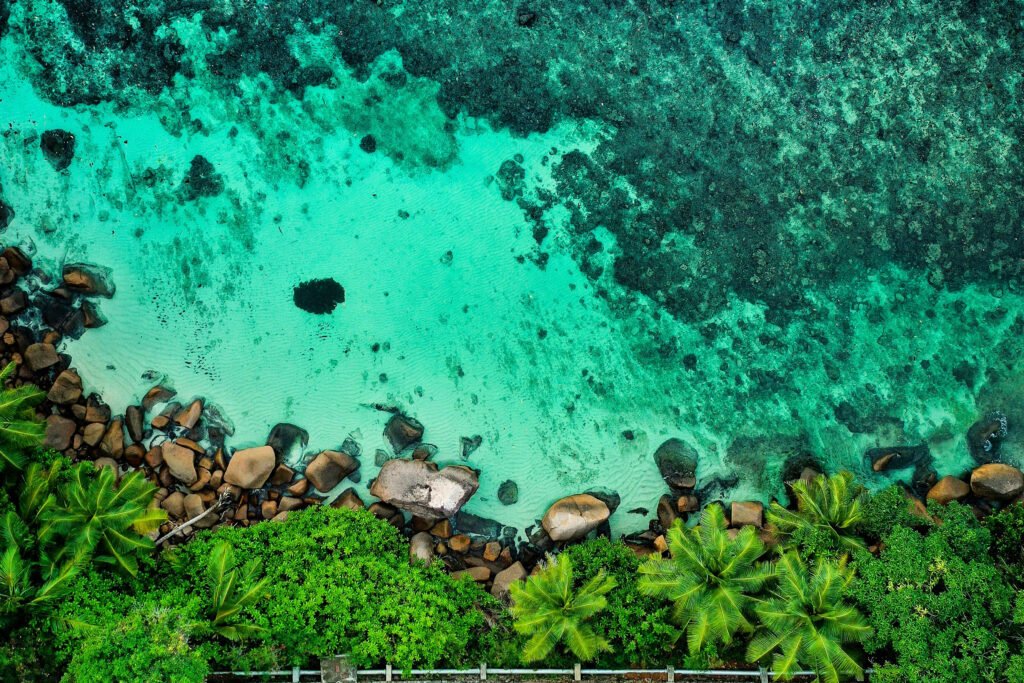
Port Launay Marine National Park, Mahe
Aldabra Atoll lagoon
Snorkel with whale sharks off Mahe
Visit the Vallee de Mai to see coco de mer palms
Meet giant Aldabra tortoises on Curieuse Island
Hike the Morne Seychellois National Park trails
Dive the granite pinnacles off Silhouette Island
Victoria
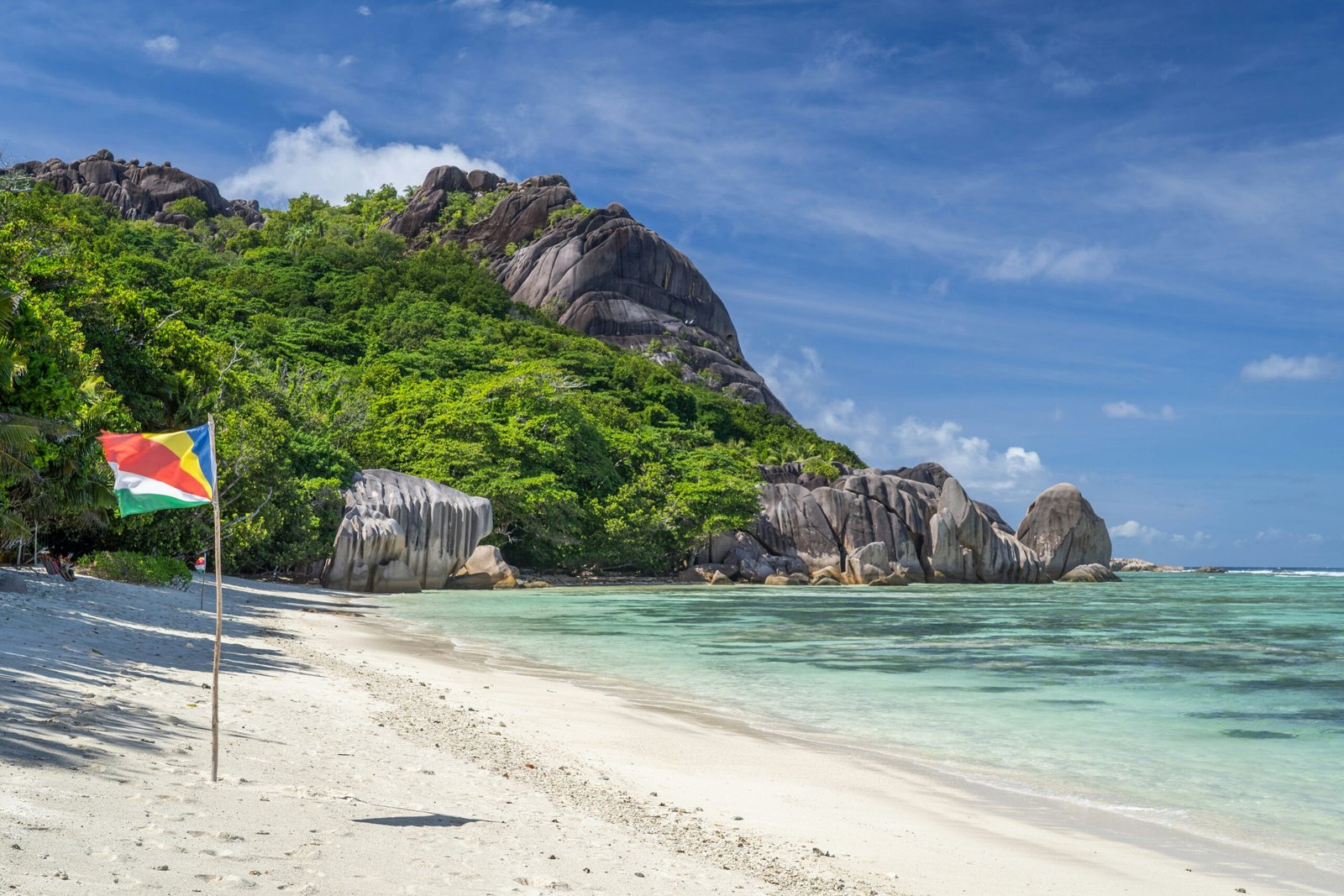
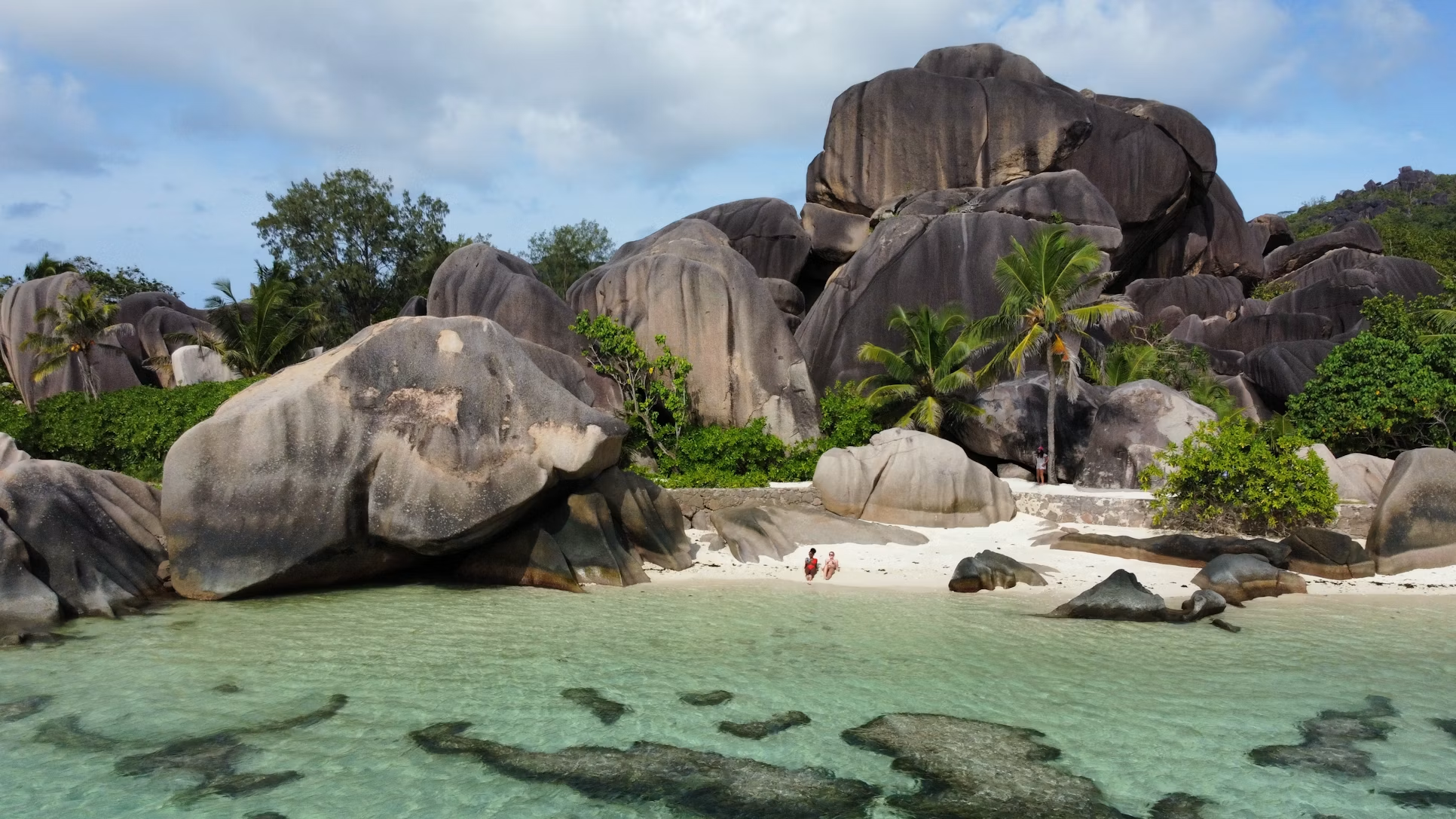
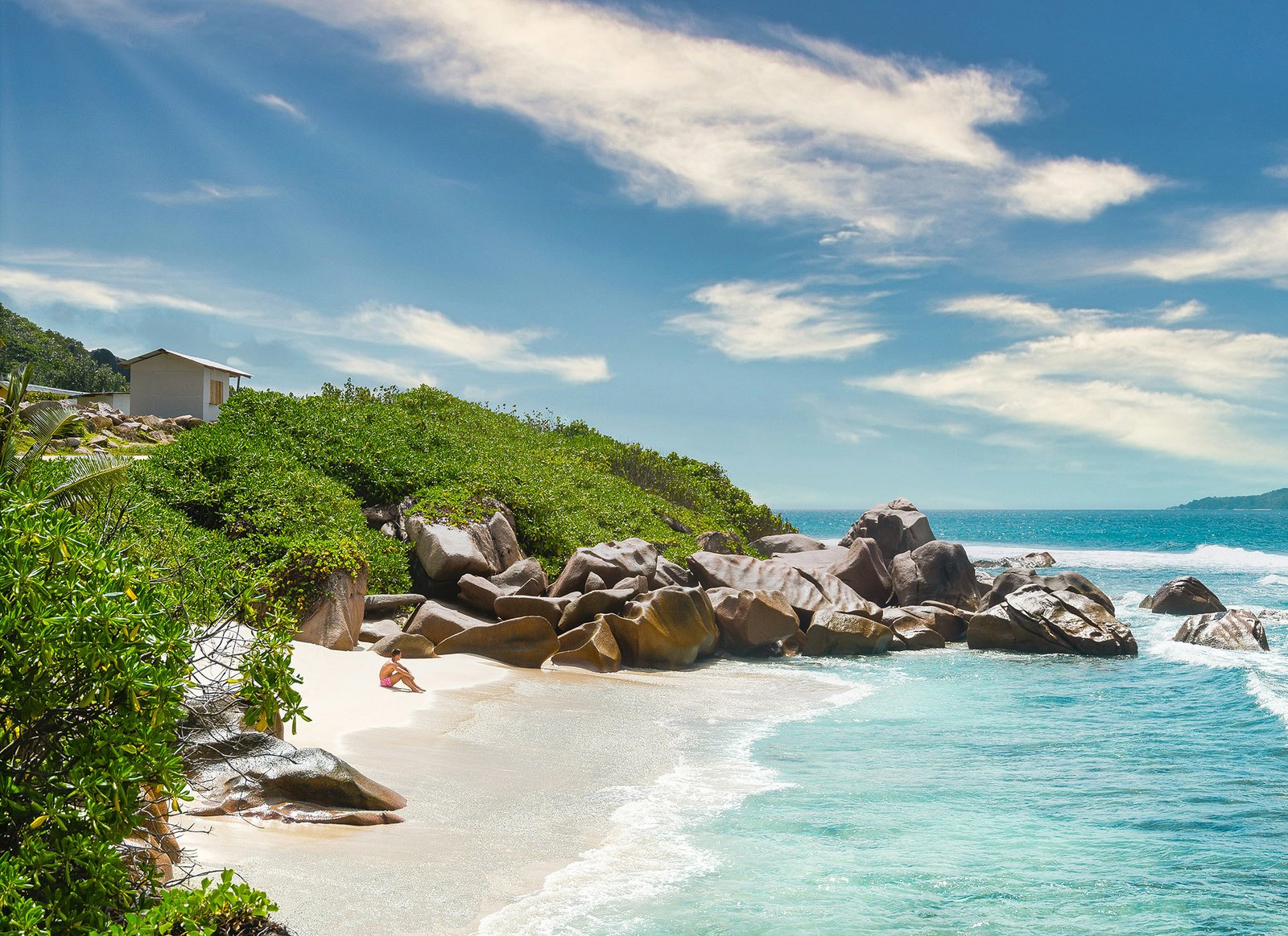
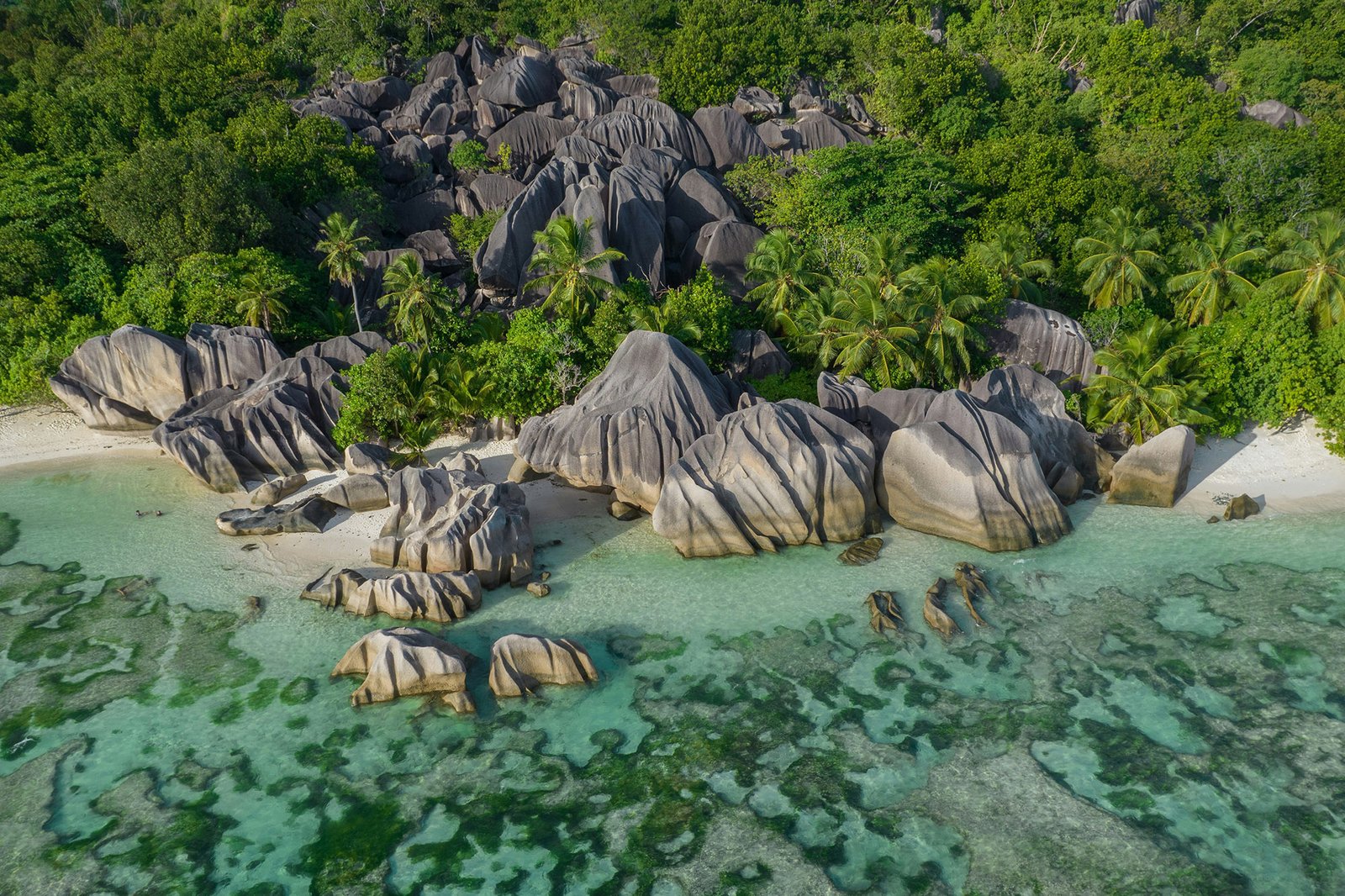
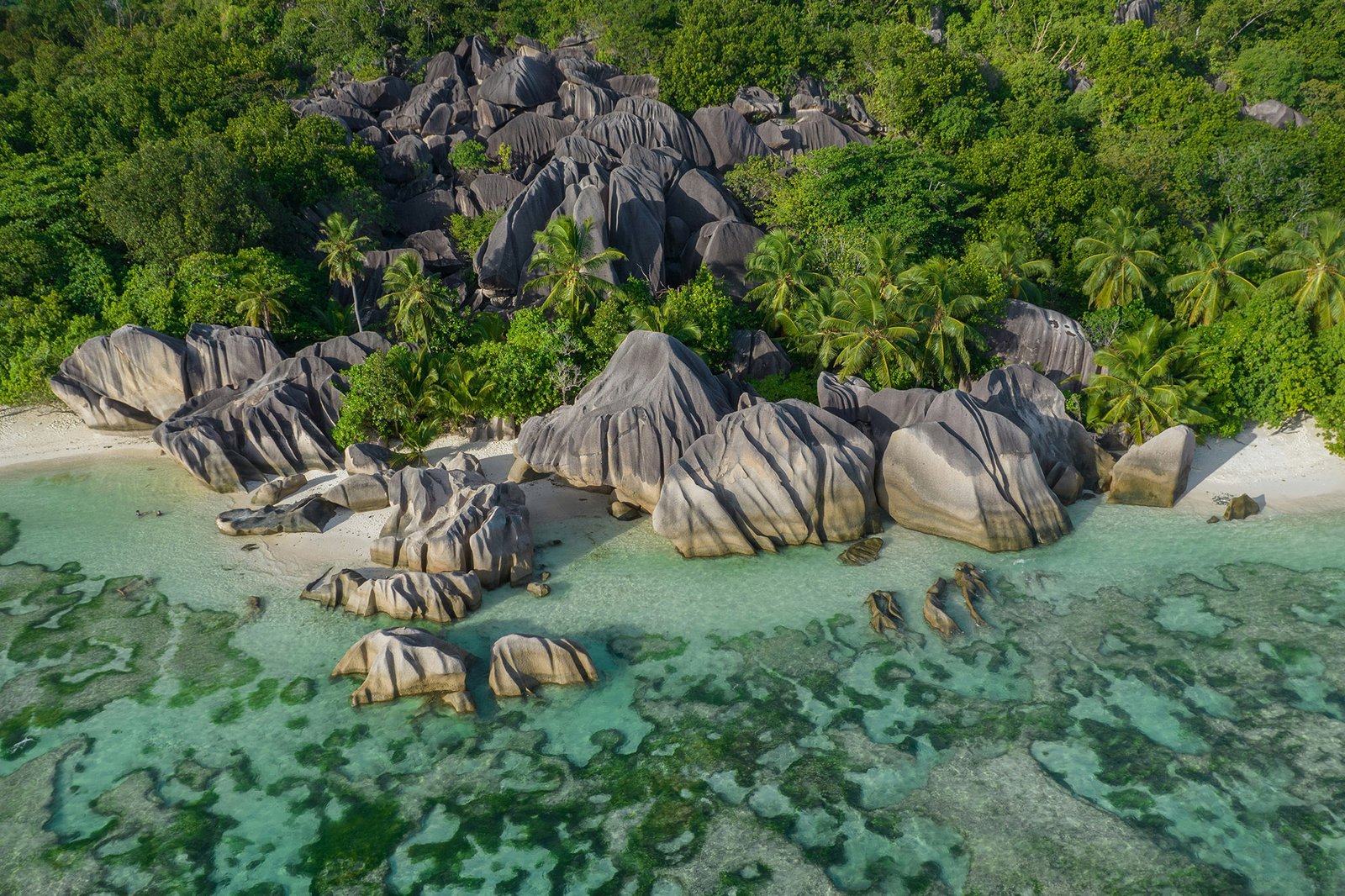
Anse Source d’Argent, La Digue
Aldabra Atoll UNESCO World Heritage Site
Vallee de Mai Nature Reserve, Praslin
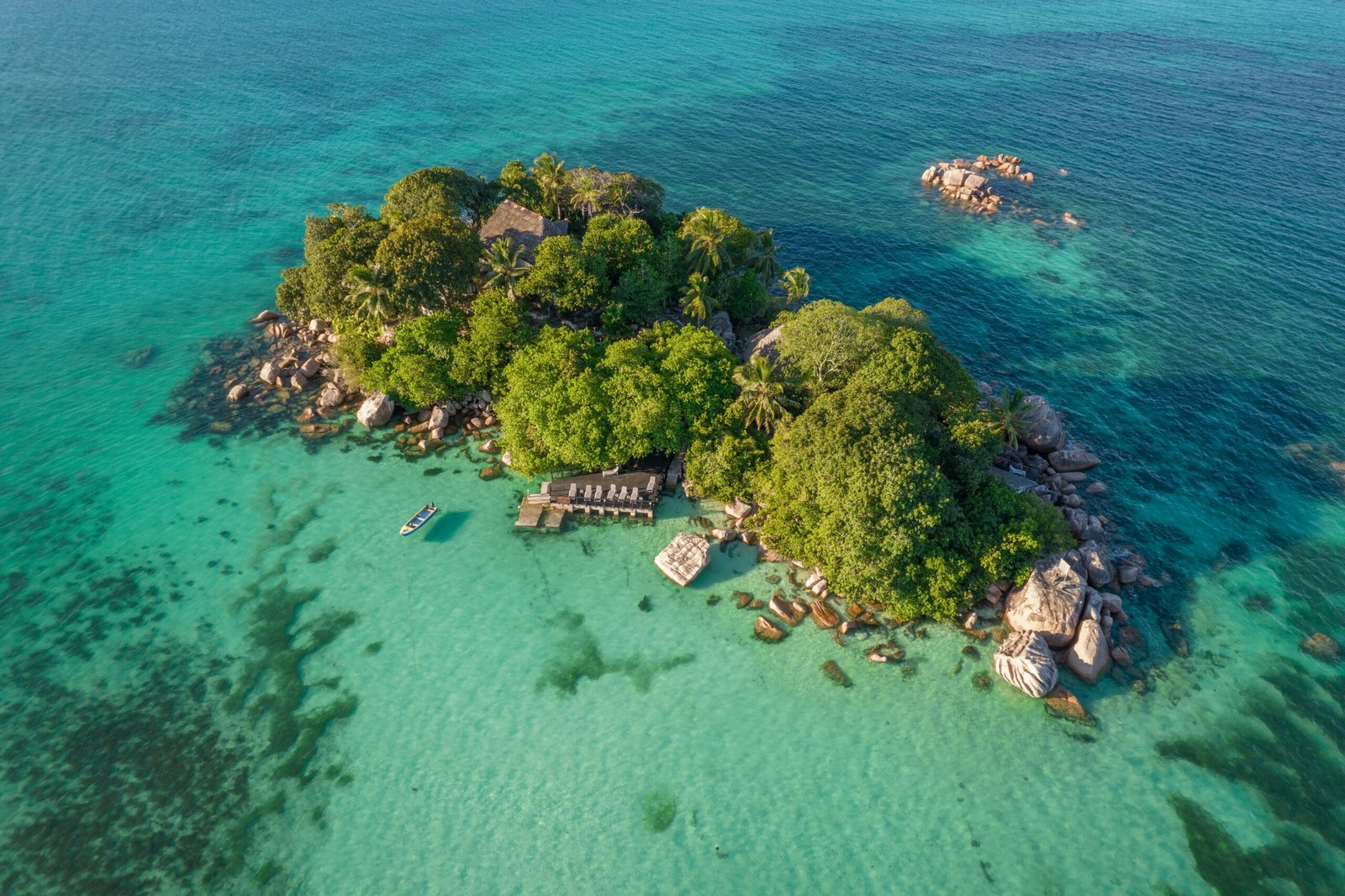
Fregate Island
The two brief inter-monsoon windows, mid-April and again around October to November, bring the calmest seas and lightest winds, making them the easiest months for cruising between the outer islands. The northwest monsoon from December to March is warm and humid with short showers, while the southeast monsoon from May to September brings steadier trade winds that are good for sailing but choppier on east-facing anchorages. Whale shark sightings cluster from August through November.
Seychelles International Airport sits just south of Victoria on Mahe and is the only entry point with direct long-haul flights, from destinations including Paris, Dubai, Johannesburg and several other hubs. Most charters begin from a marina near Victoria or Eden Island, with onward transfers to Praslin and La Digue by a short domestic flight or a passenger ferry that takes roughly an hour, depending on conditions.
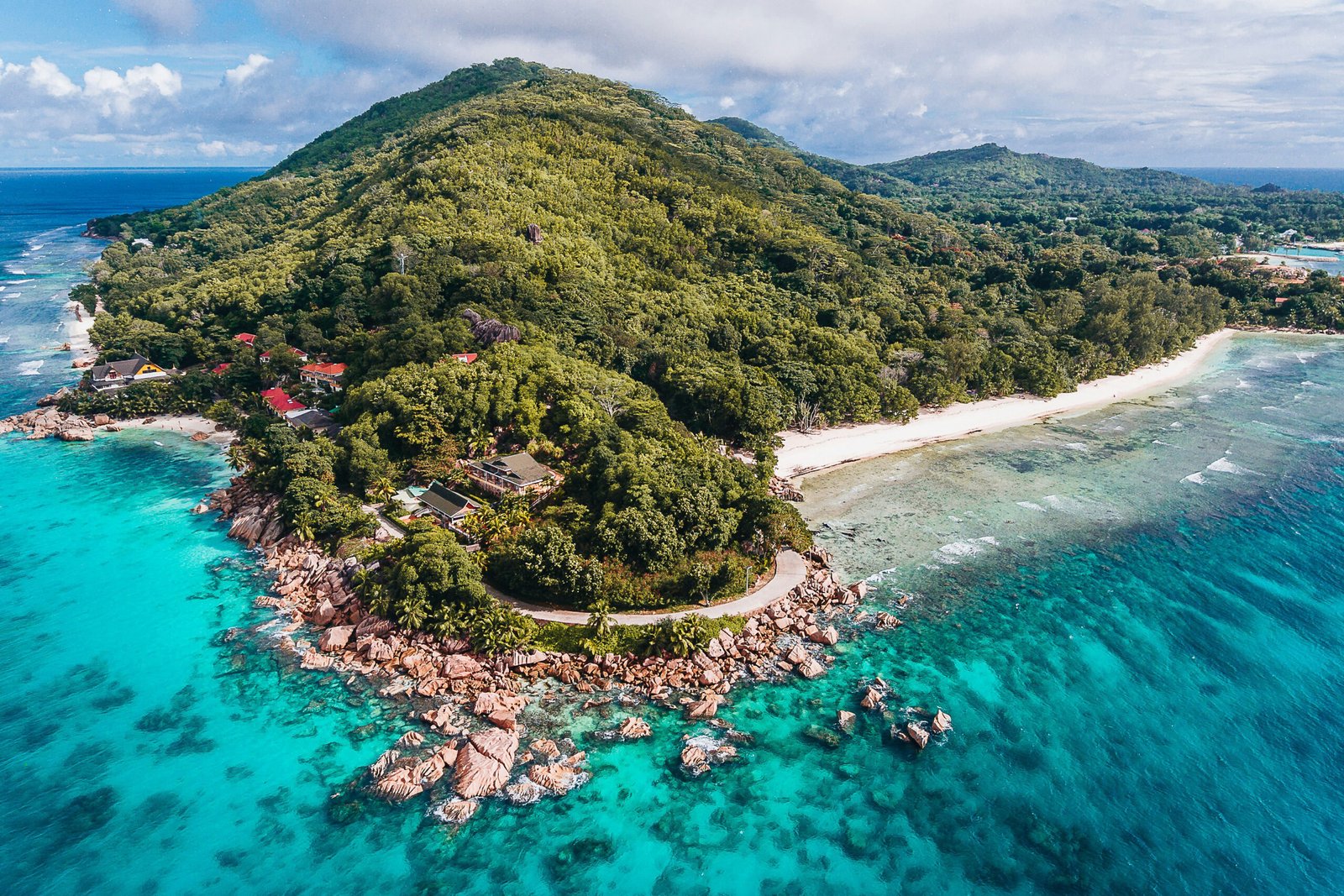
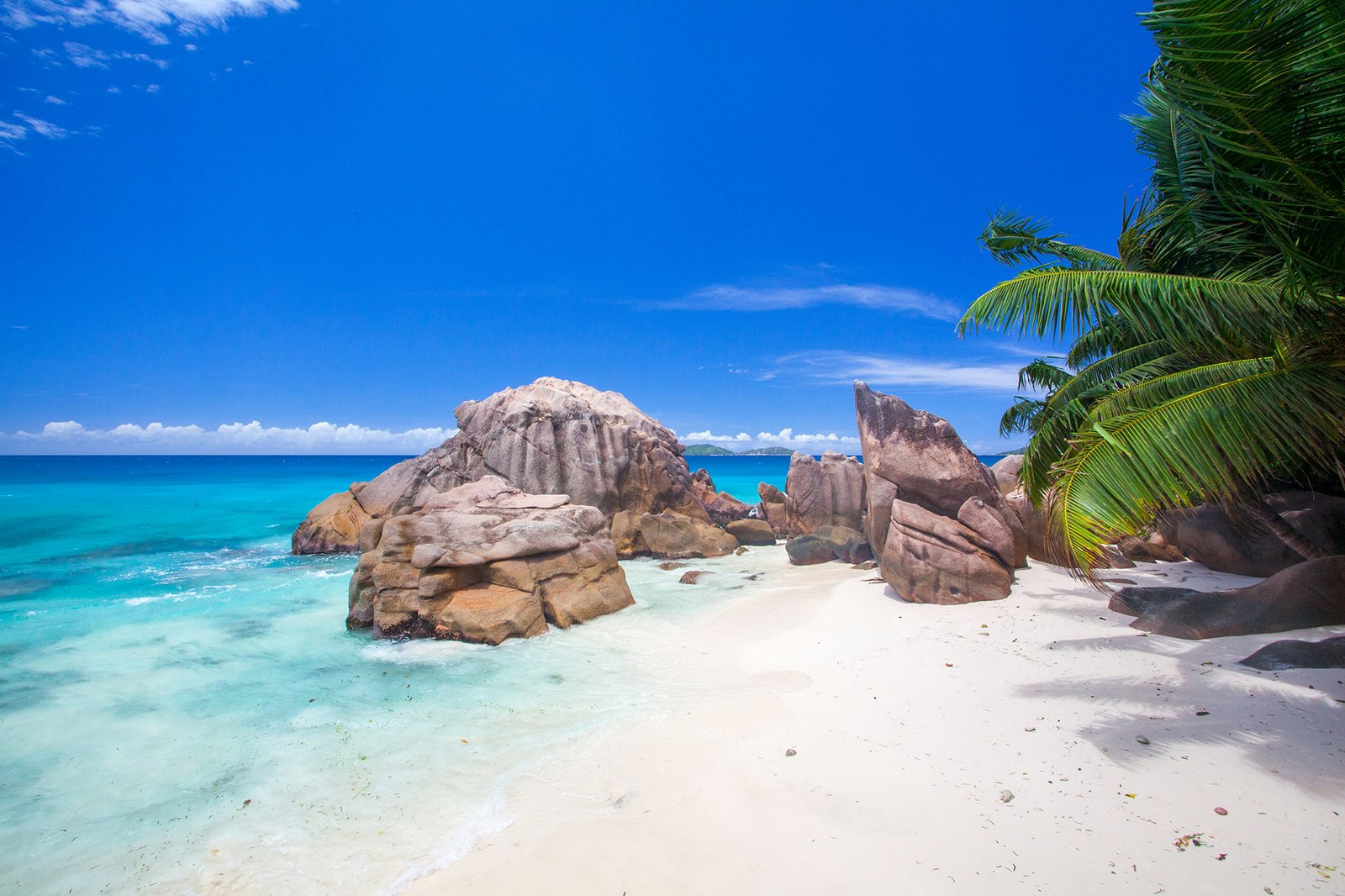
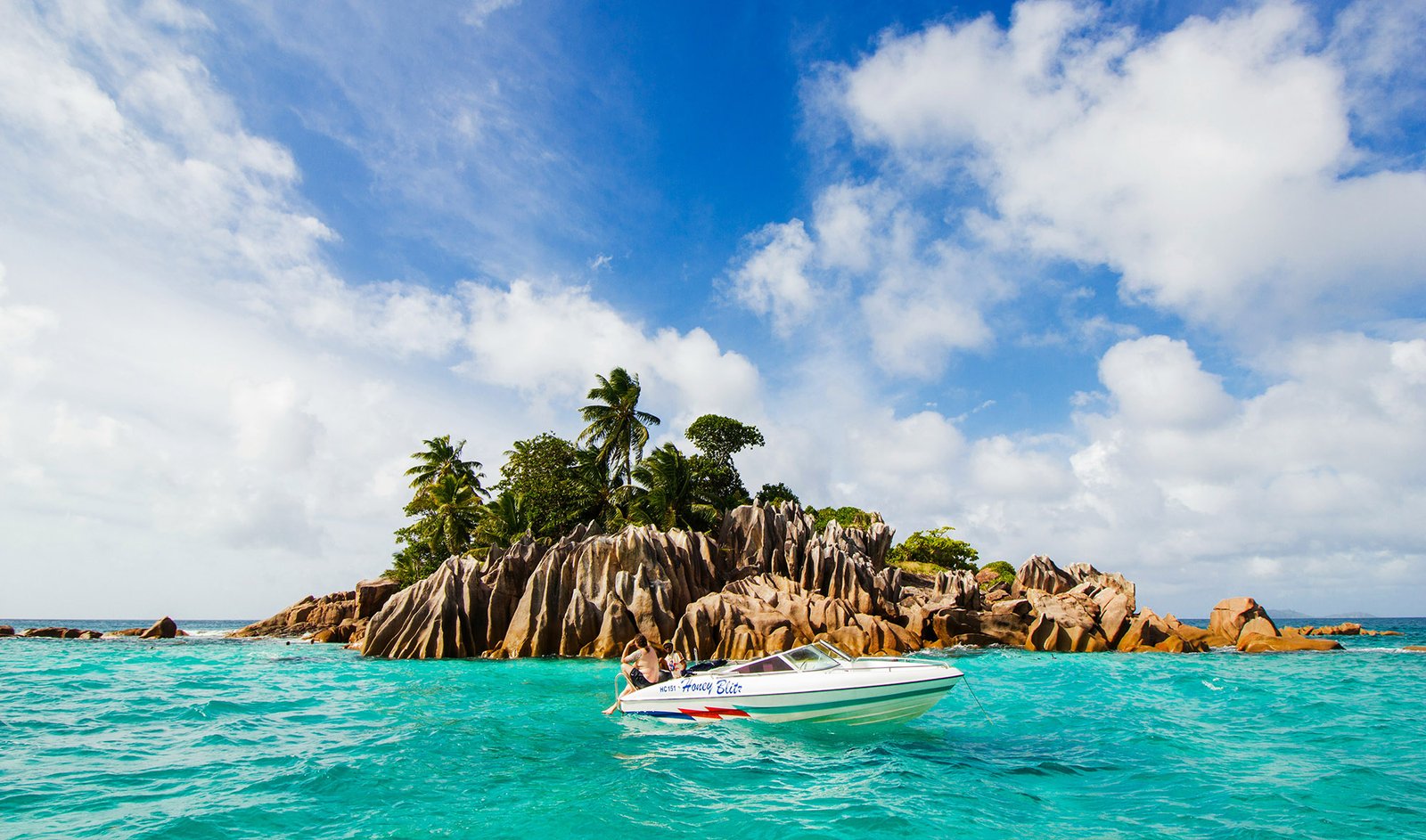
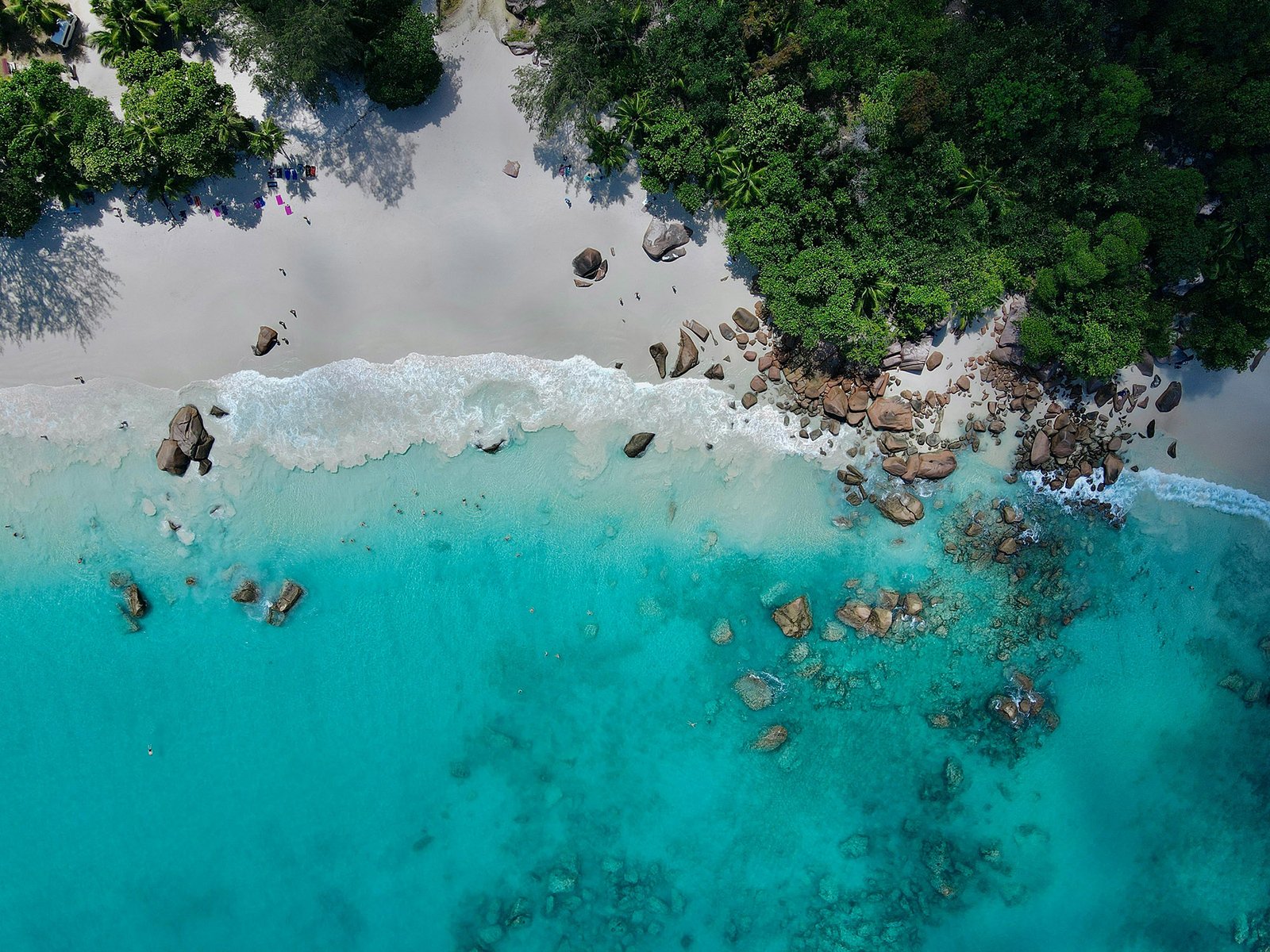
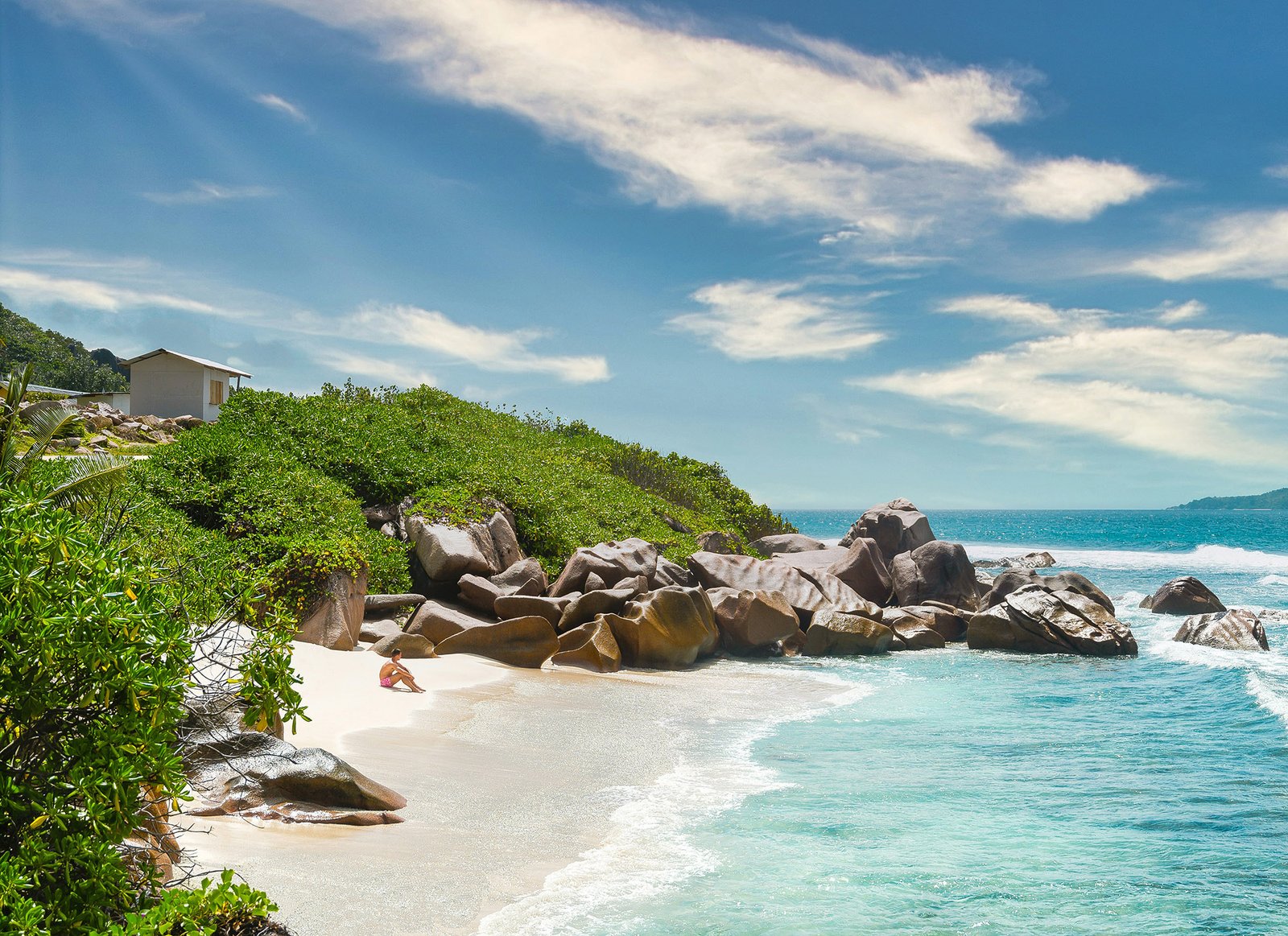
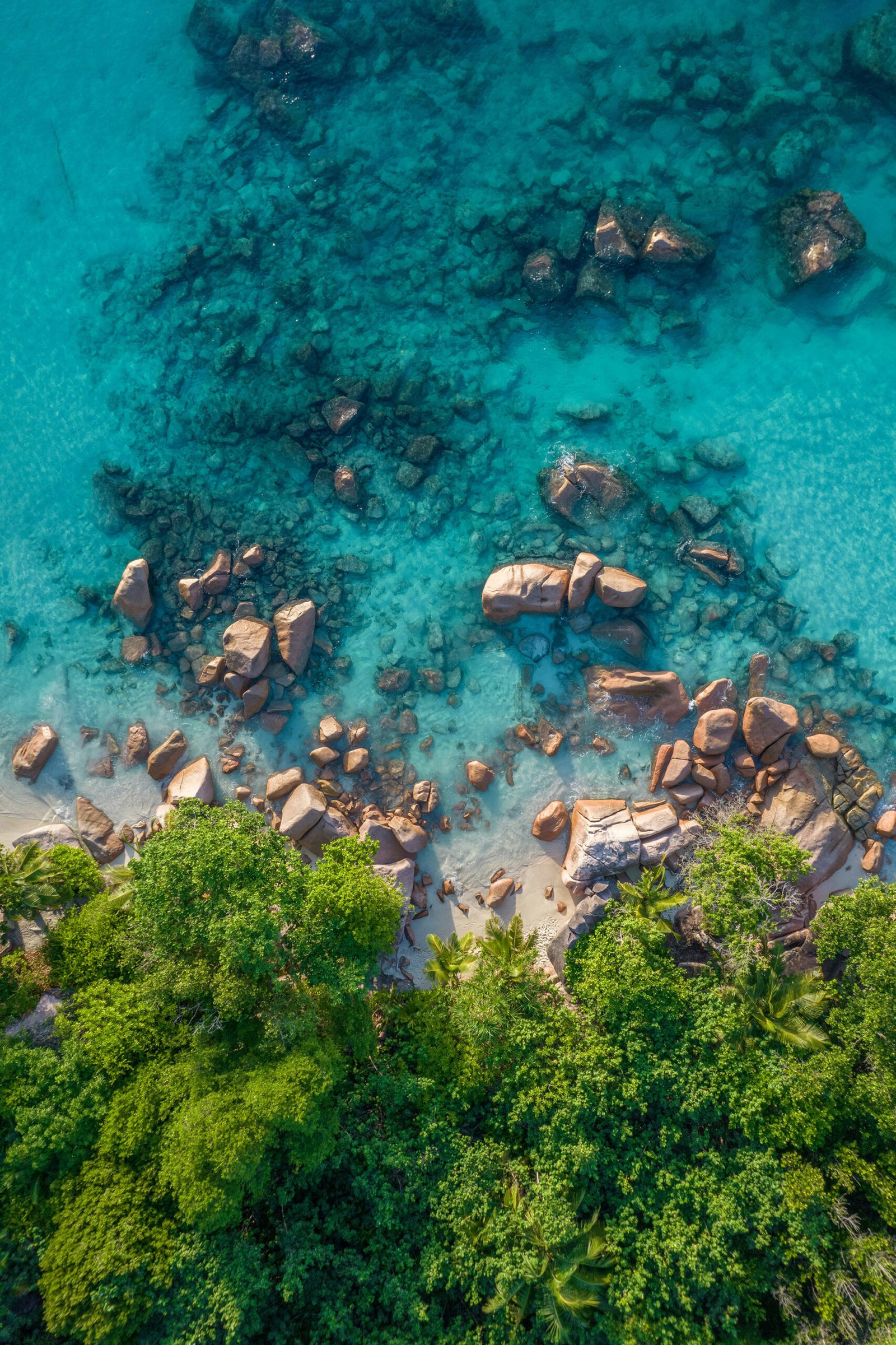
Sainte Anne Marine National Park, a short hop from Victoria, and Curieuse Marine National Park, home to a colony of translocated Aldabra tortoises, are two of the most sheltered and biologically rich stops. Anse Lazio on Praslin is consistently ranked among the world’s best beaches and makes a scenic lunch anchorage, while Port Launay on Mahe’s west coast offers calm, granite-framed water close to the capital.
A week is a comfortable minimum to cover the inner islands, Mahe, Praslin and La Digue, with time to linger at anchorages like Anse Lazio and Curieuse. Reaching the remote outer atolls such as Aldabra, roughly 1,120 kilometres southwest of Mahe, is a serious undertaking better suited to a longer expedition-style charter of two weeks or more, given the distance and the atoll’s restricted visitor numbers.
Yes, but access is tightly controlled. Aldabra is managed as a nature reserve that caps visitor numbers and requires advance arrangement, since the atoll functions primarily as a research station and tortoise reserve rather than a tourist site. Landings are limited to a few managed trails, and the remoteness, roughly 1,120 kilometres and several days’ sailing from Mahe, means most itineraries treat it as the culmination of a longer expedition charter rather than a standard stop.