Zanzibar
Stone Town Harbour, beneath the old fort and House of Wonders
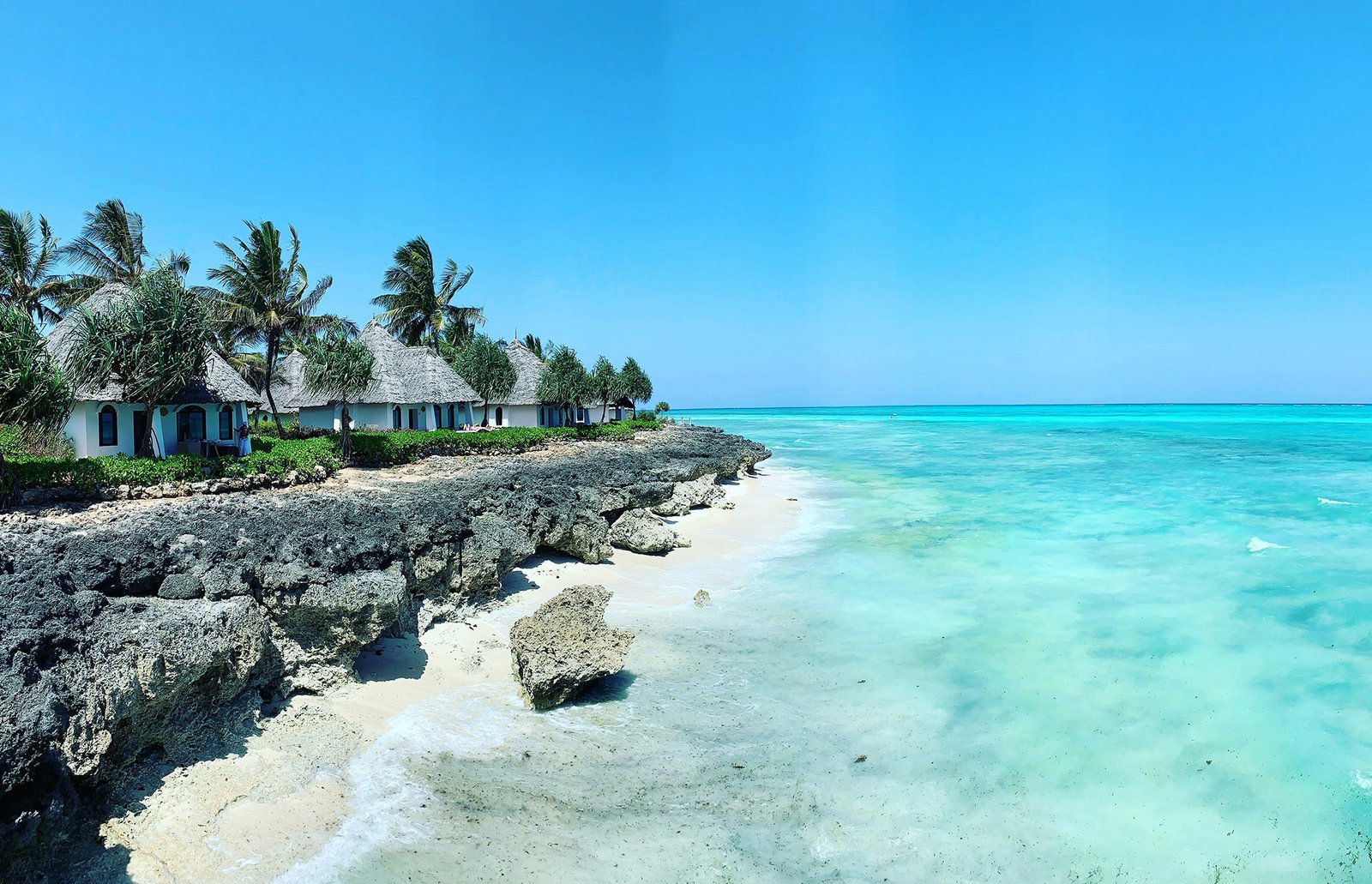
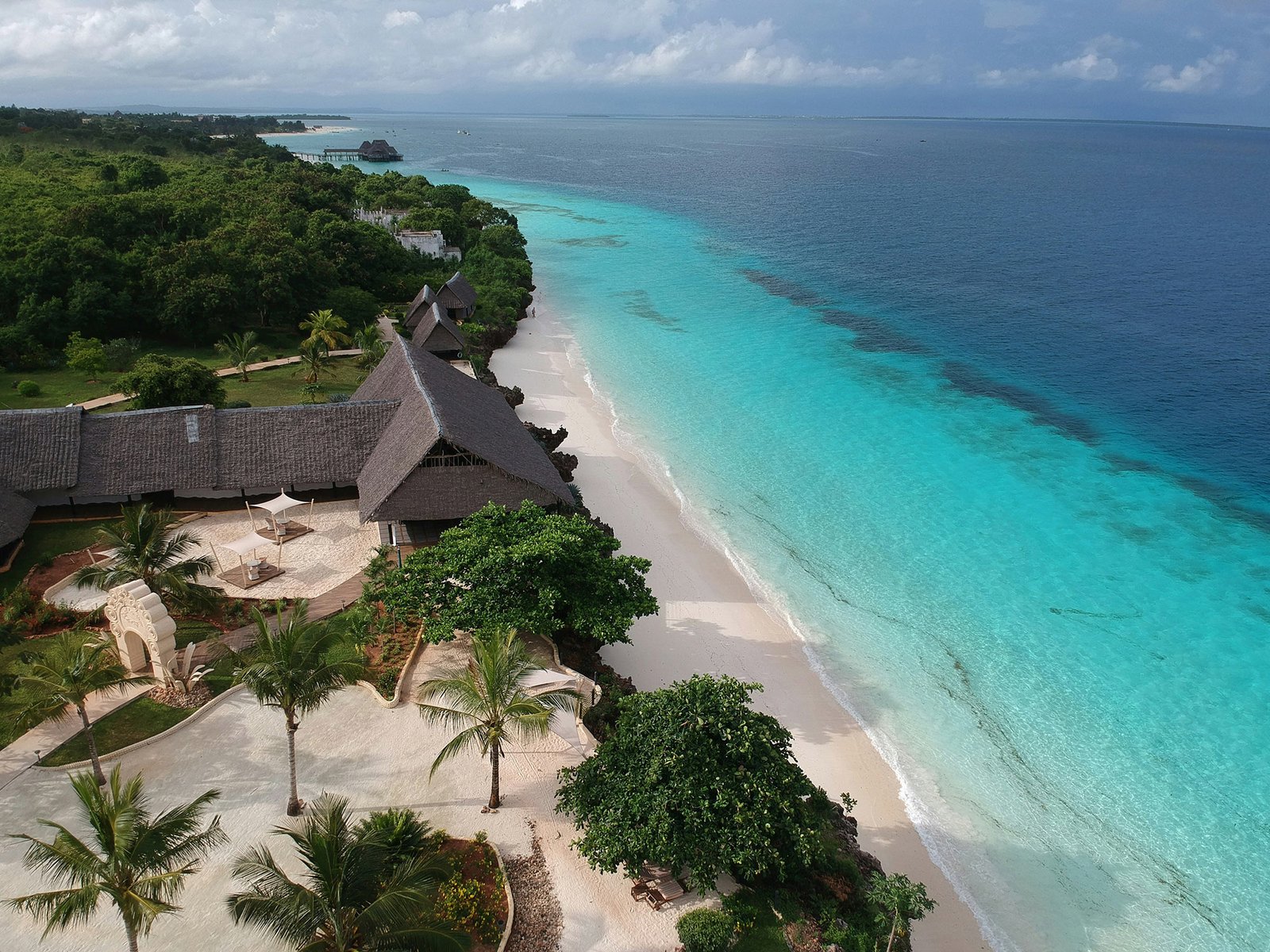
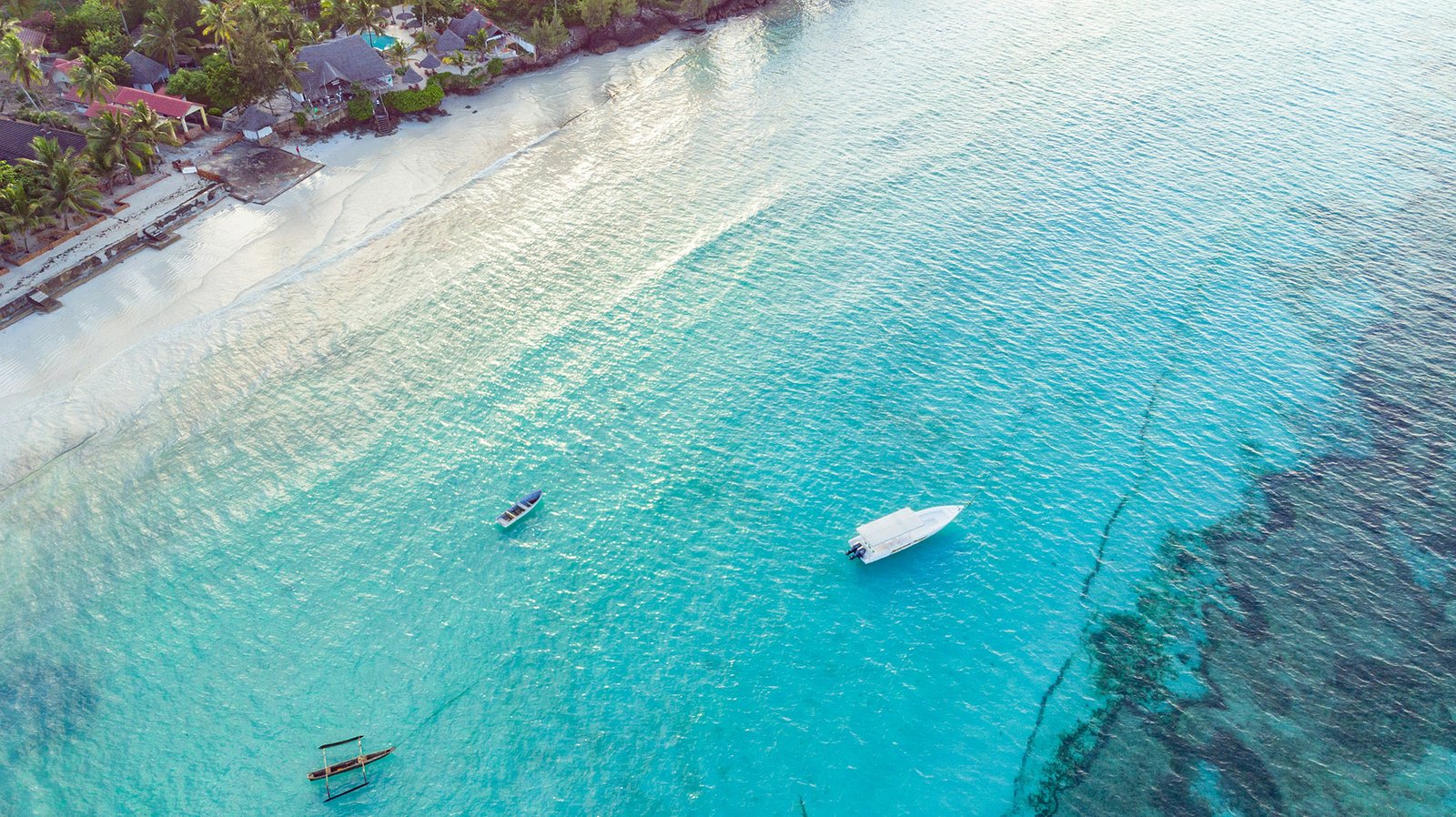
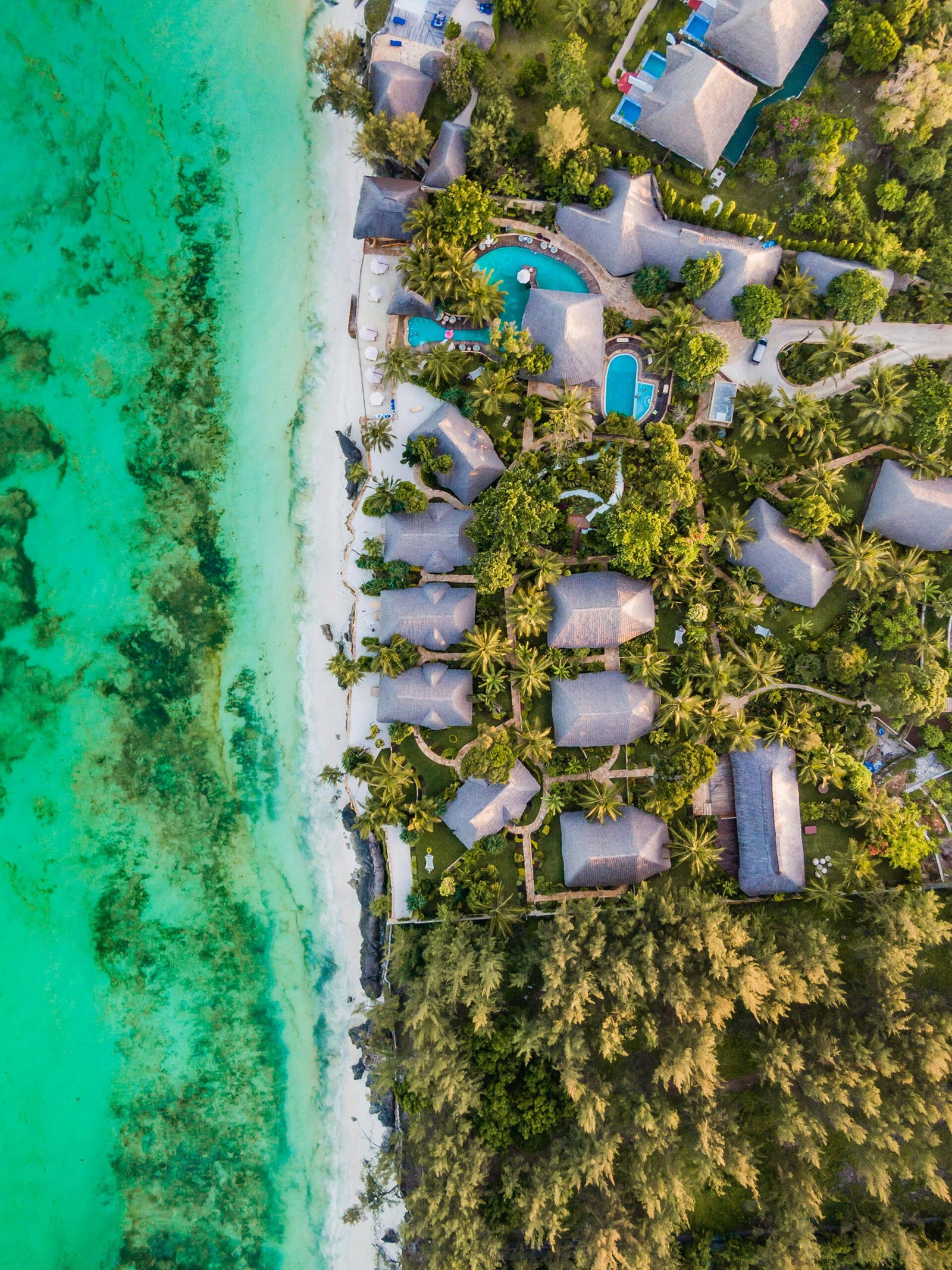
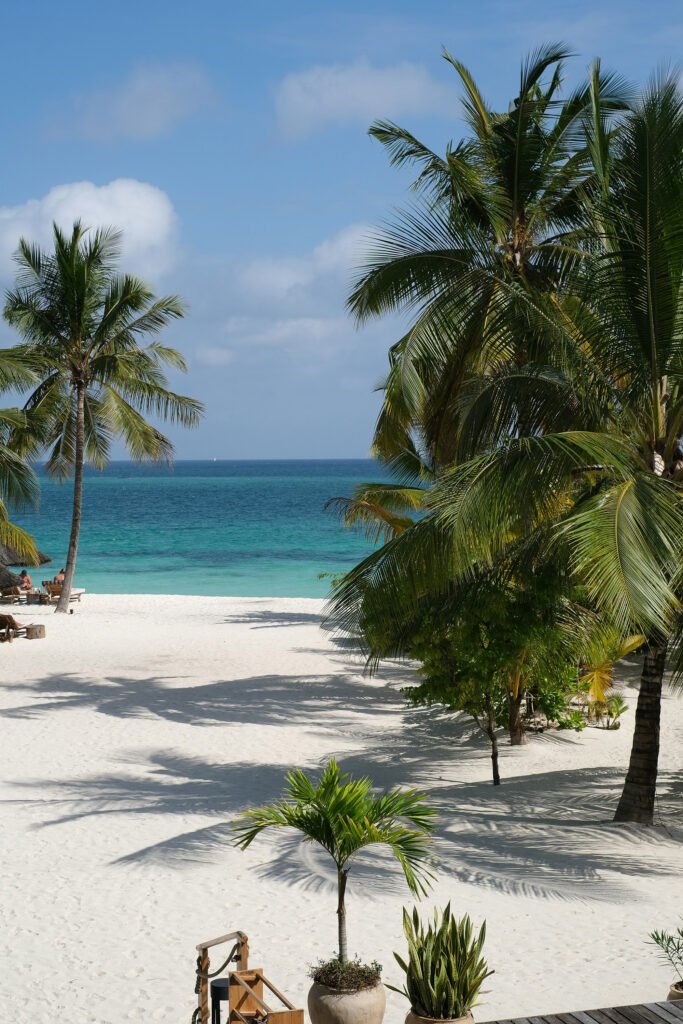
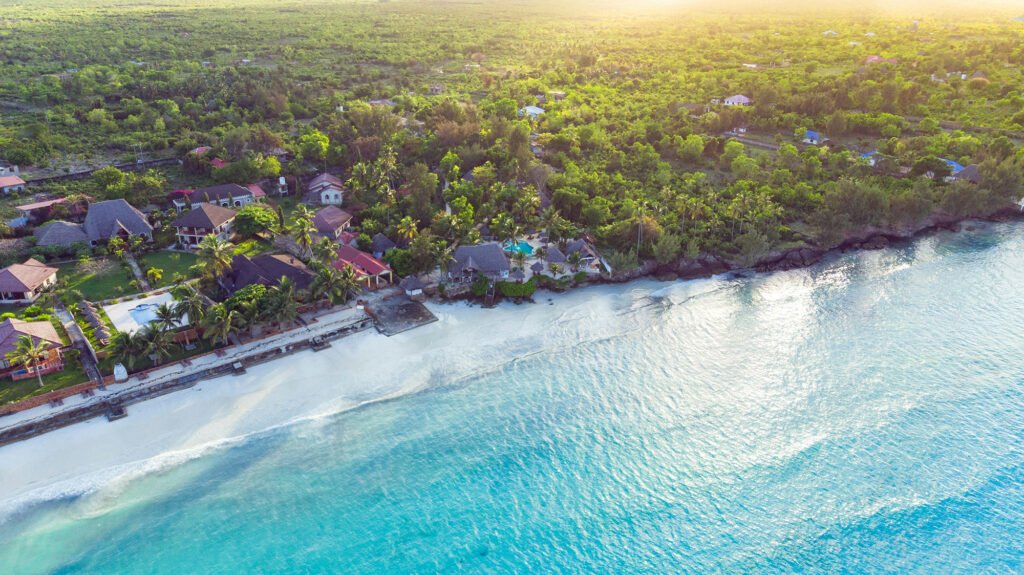
Nungwi, the island’s northern tip
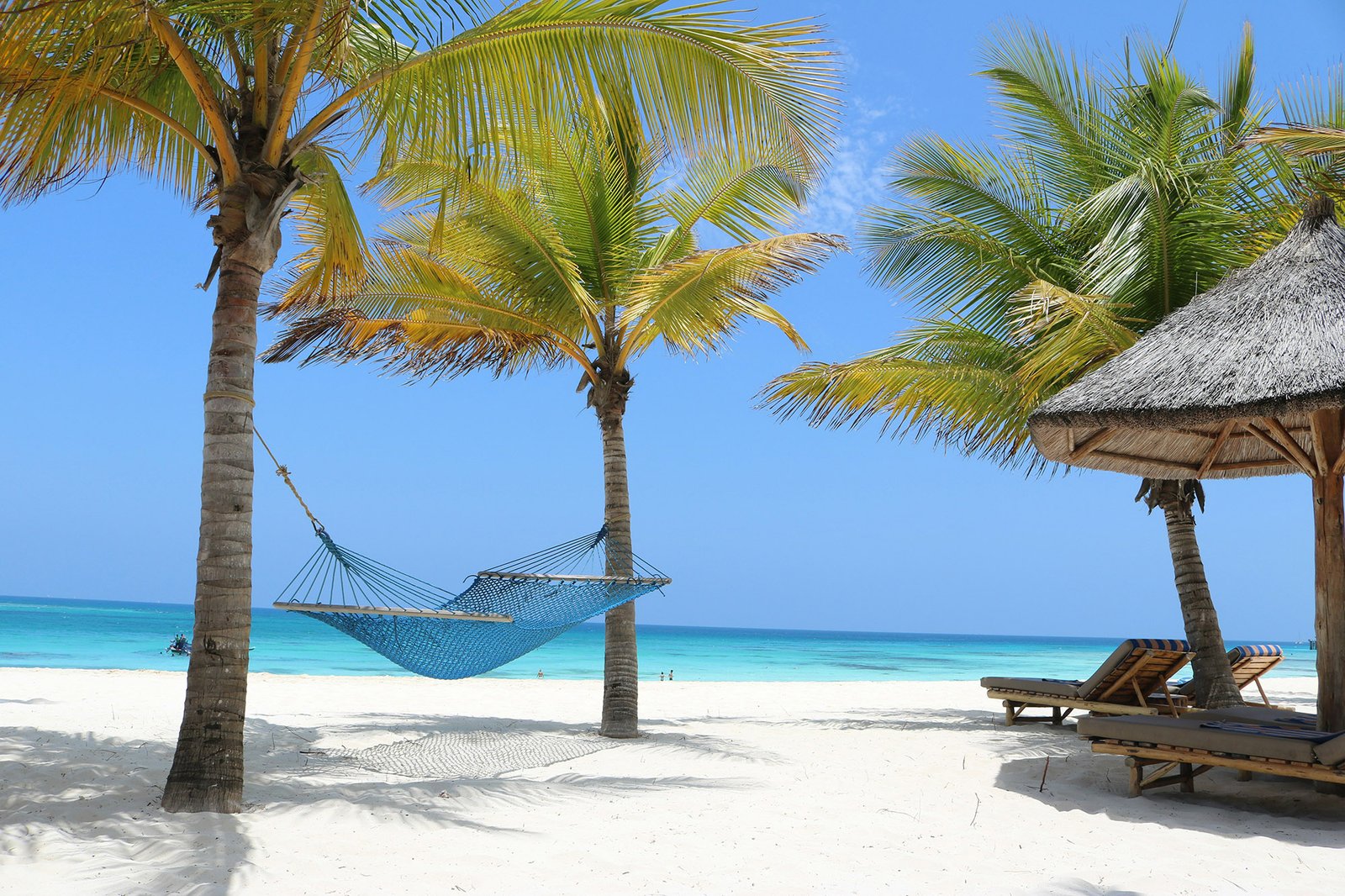
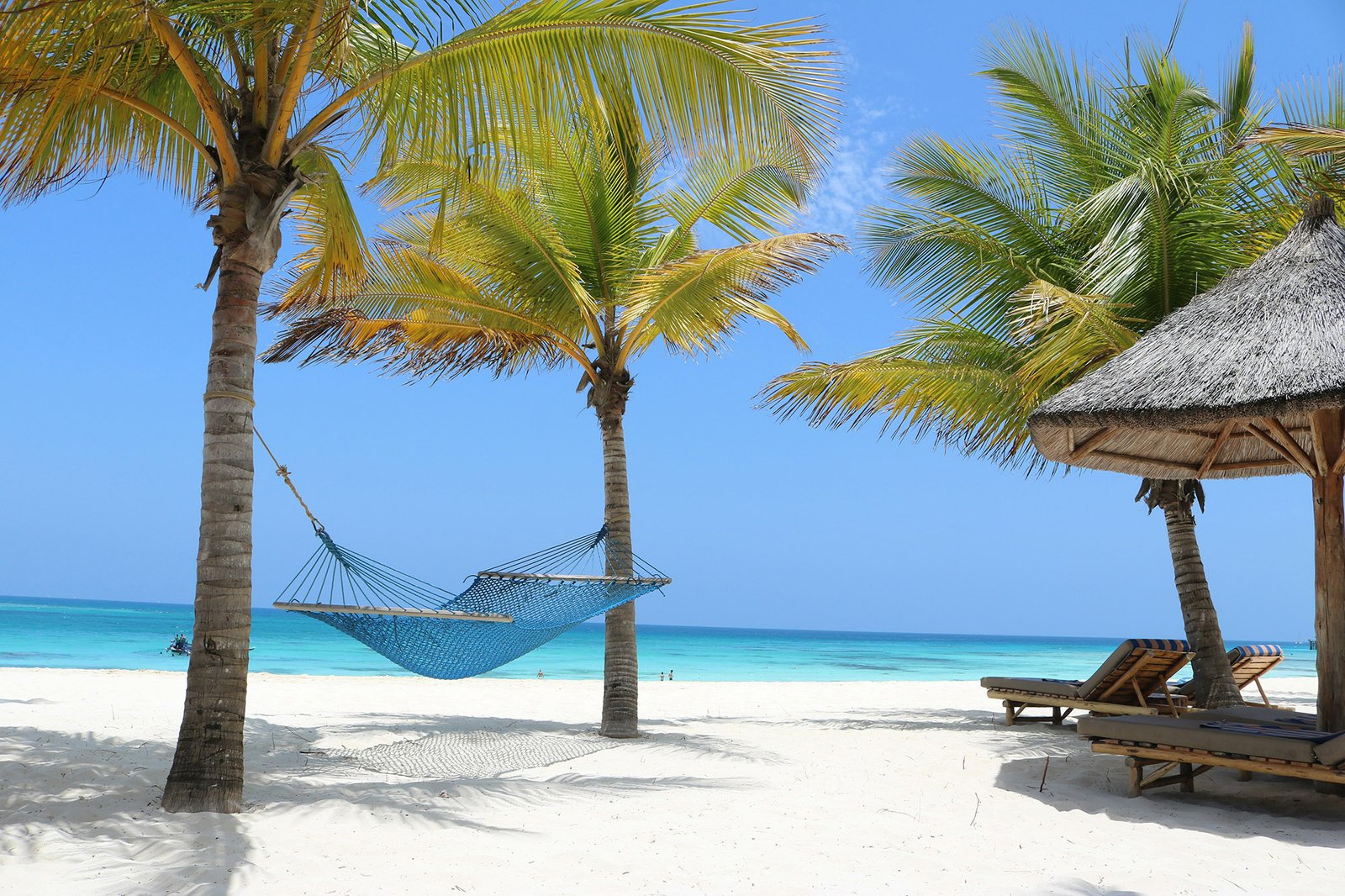
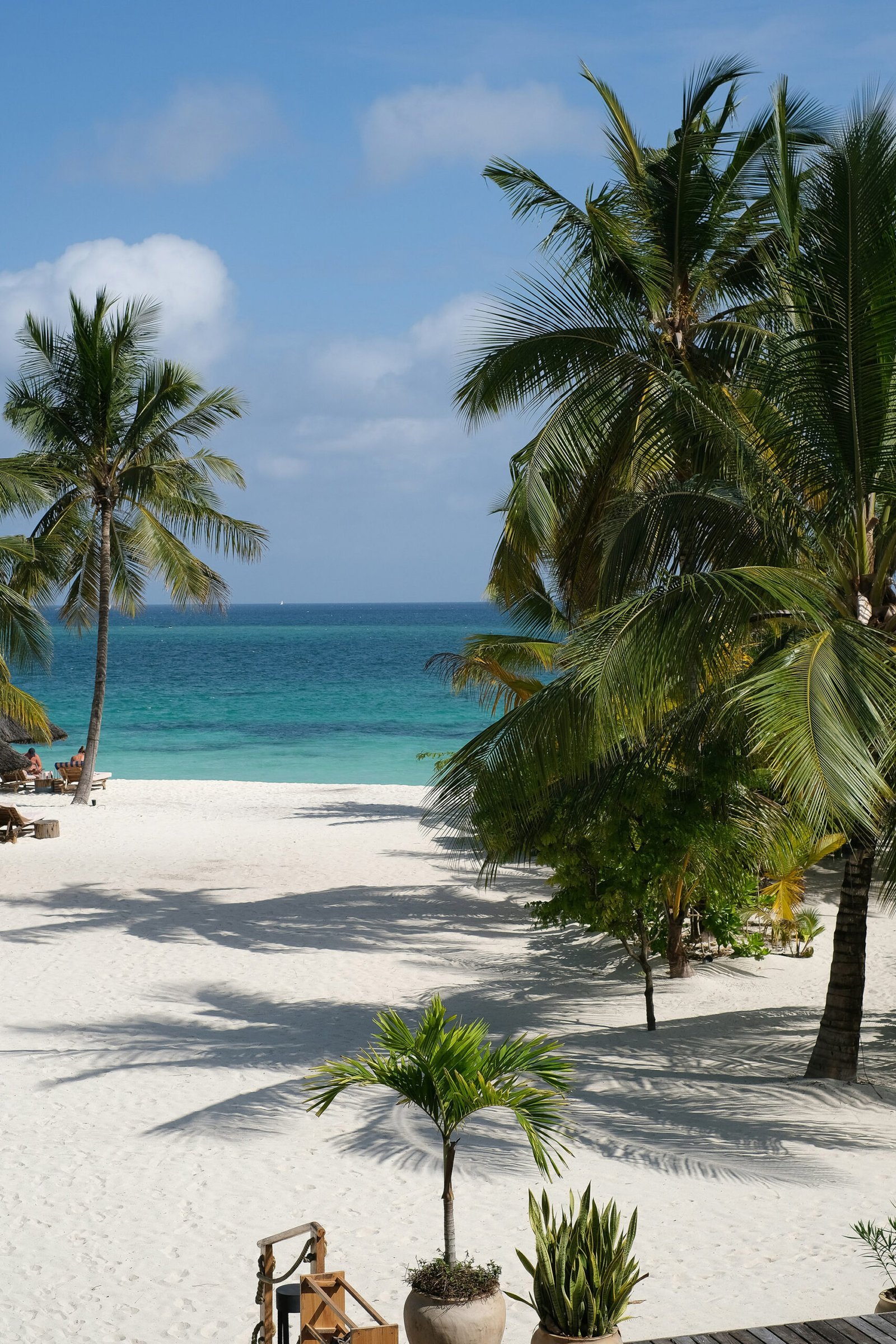
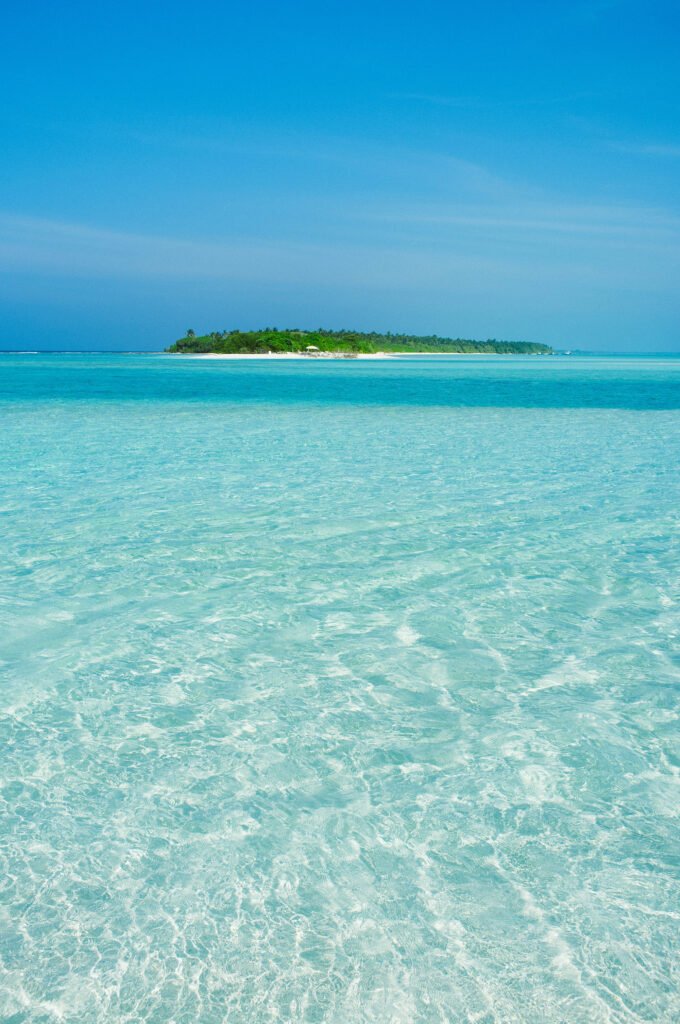
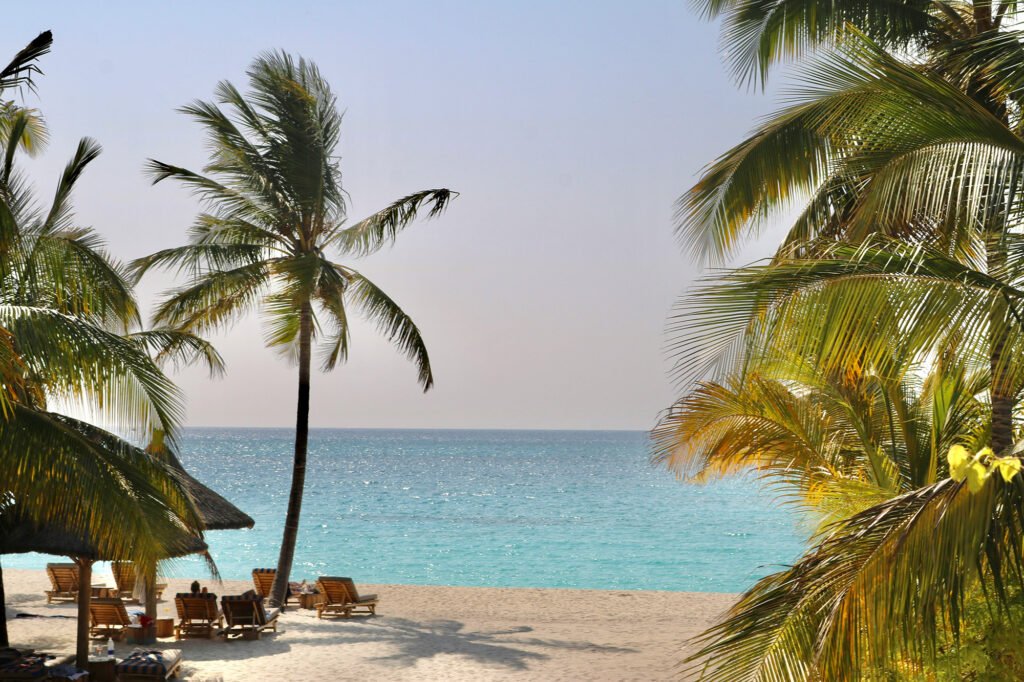
Kendwa Beach, known for calm year-round swimming
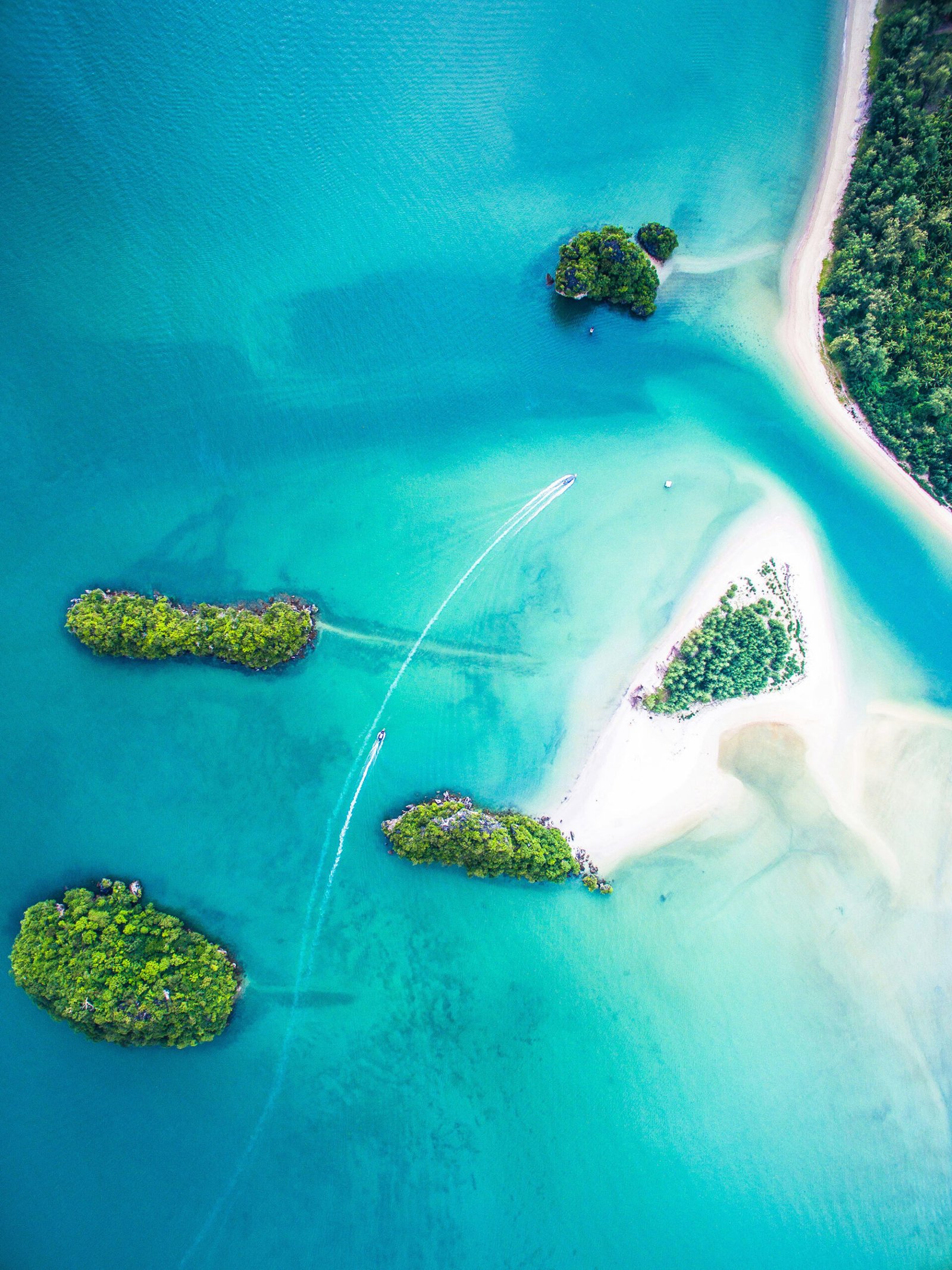
Mnemba Atoll, a protected marine conservation area
Chumbe Island, a coral rag marine reserve
Explore the coral-stone alleys of Stone Town
Take a guided spice tour near Kizimbani
Snorkel or dive the reefs of Mnemba Atoll
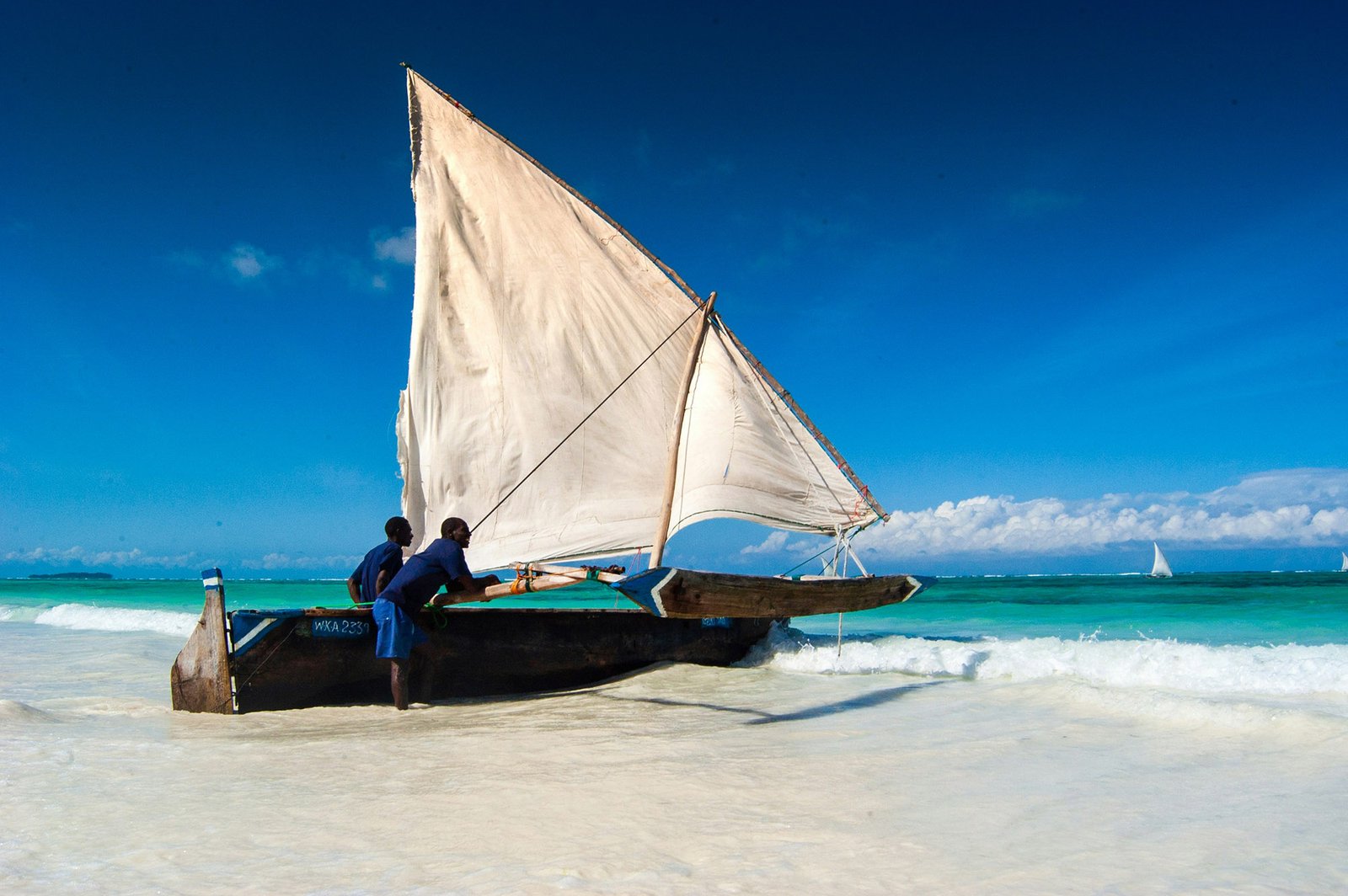
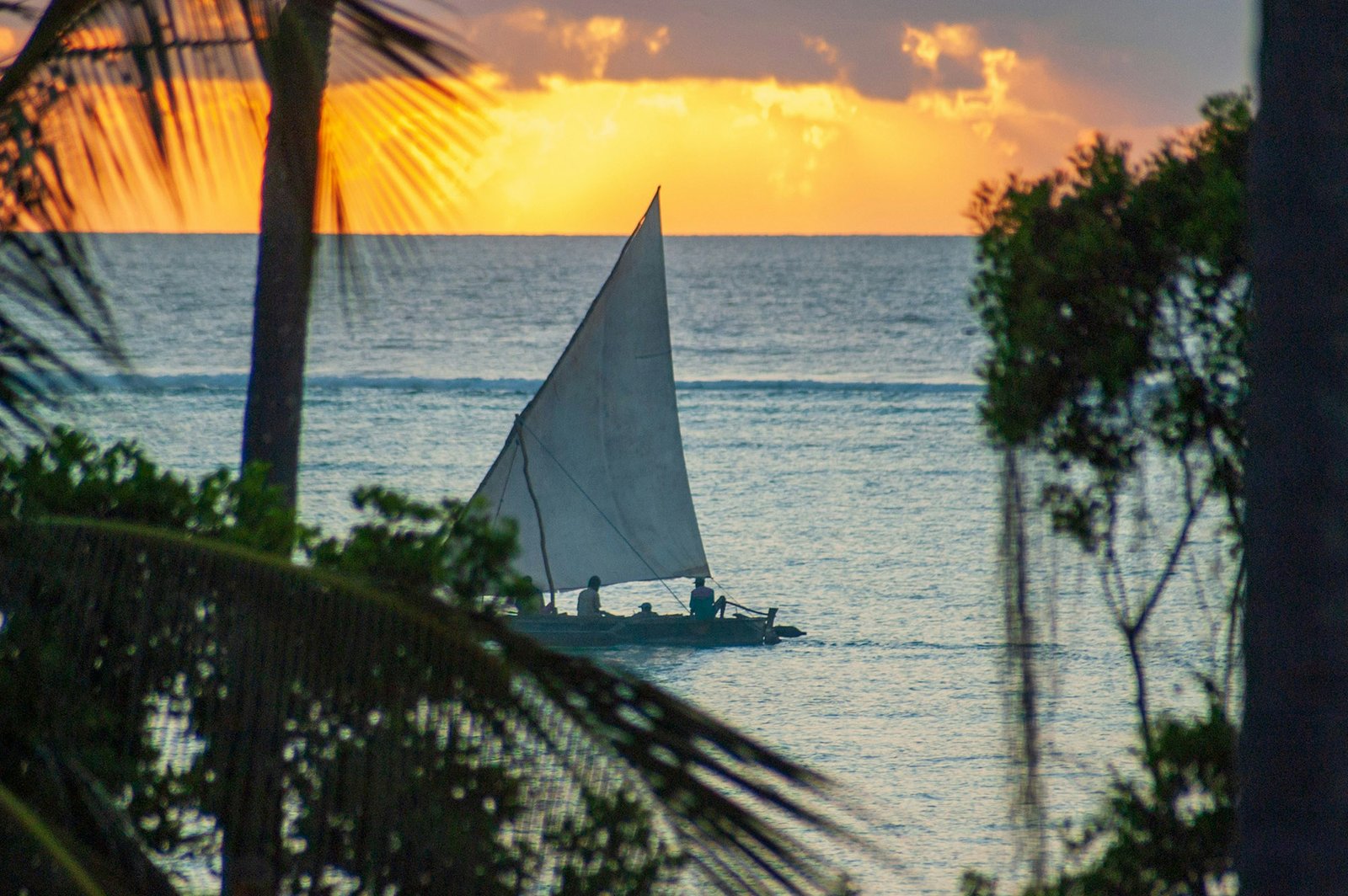
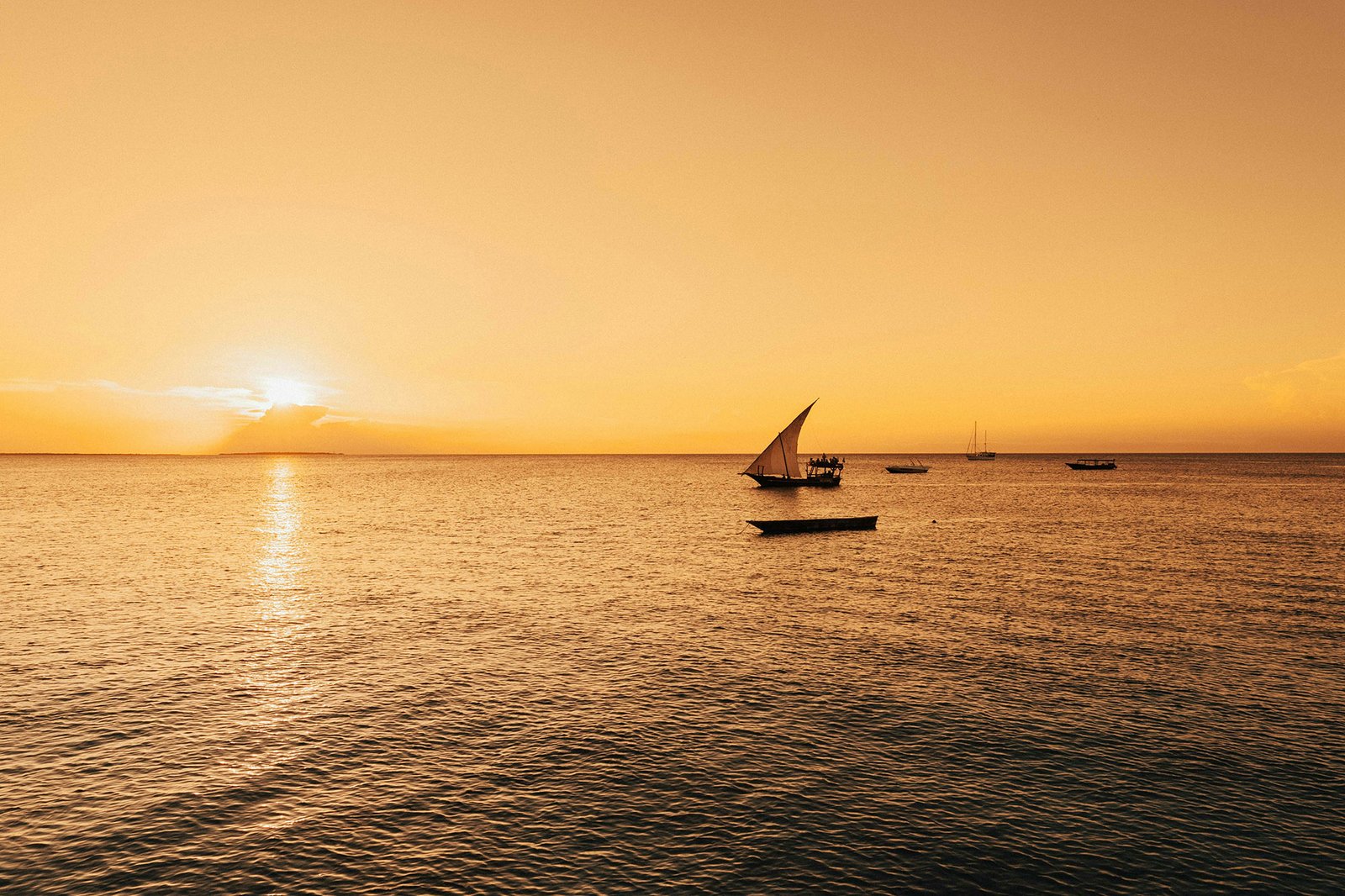
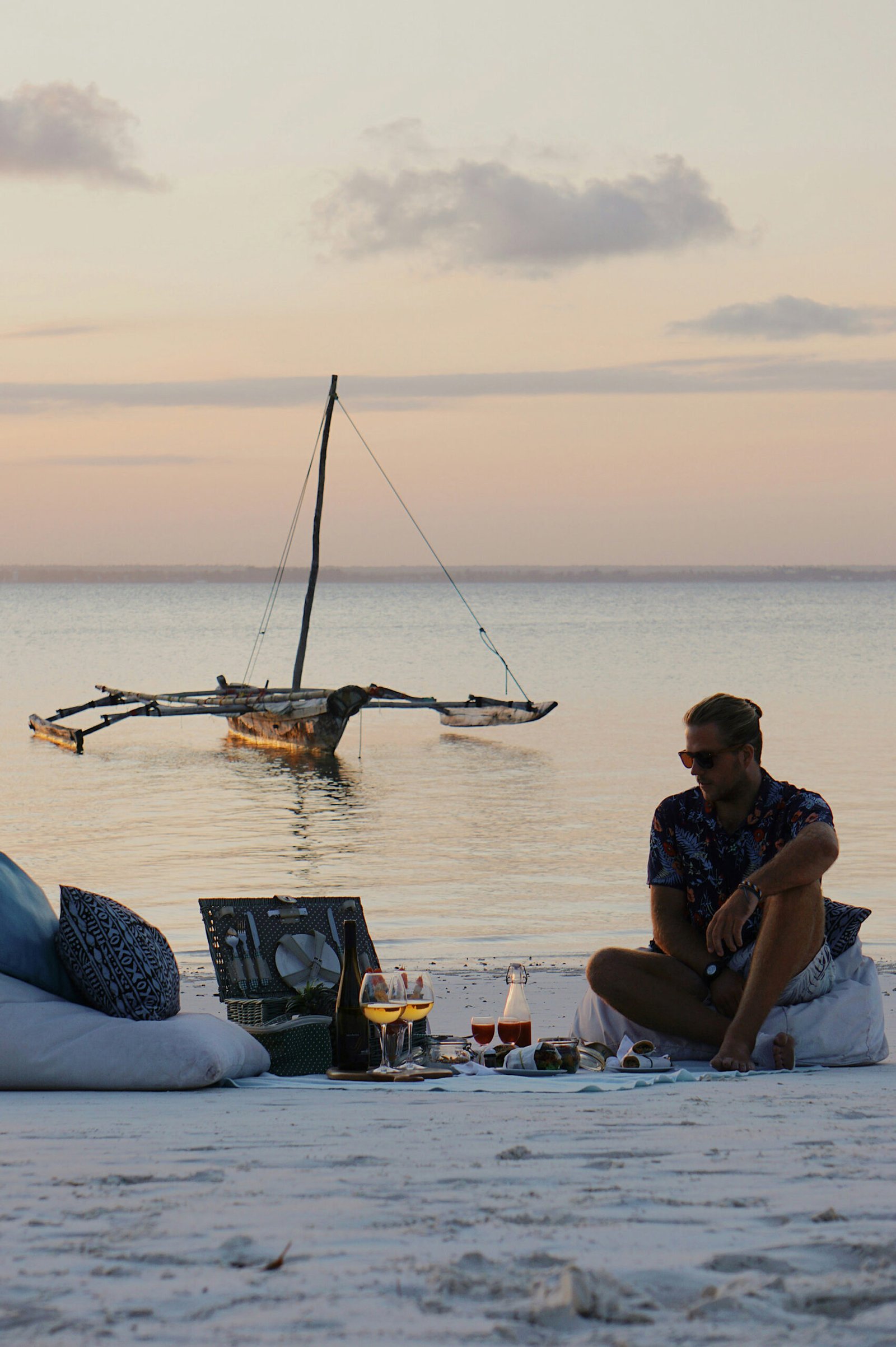
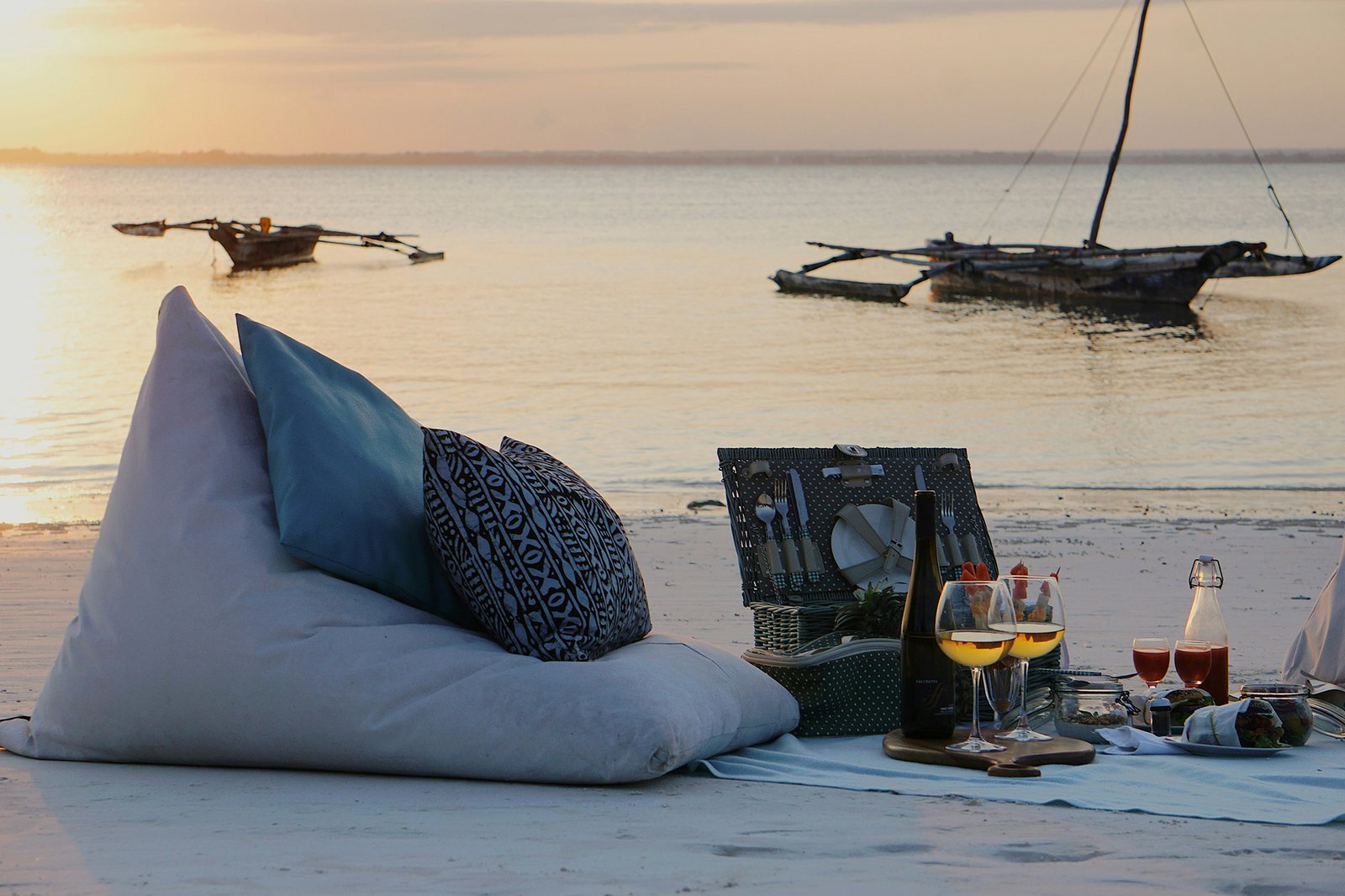
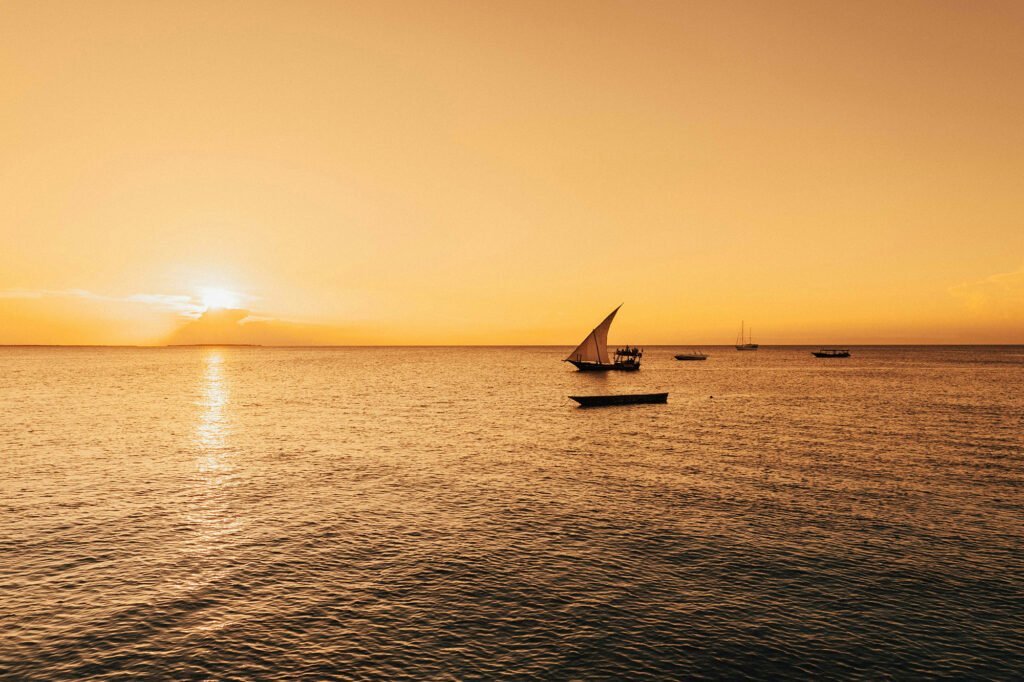
Sail a sunset dhow cruise past Stone Town’s skyline
Spot red colobus monkeys in Jozani Forest
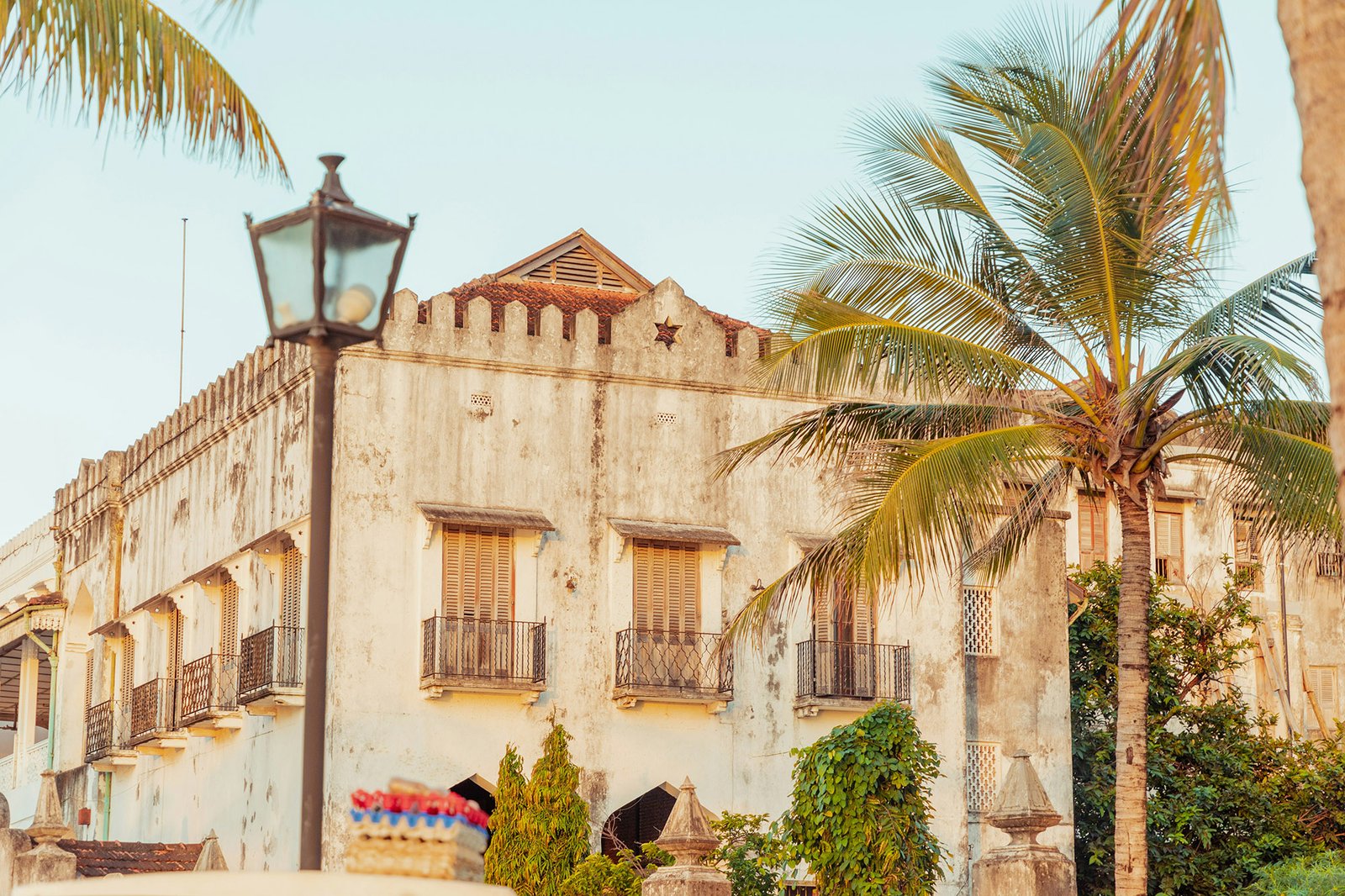
Stone Town, Zanzibar’s UNESCO-listed old quarter
Nungwi
Kendwa
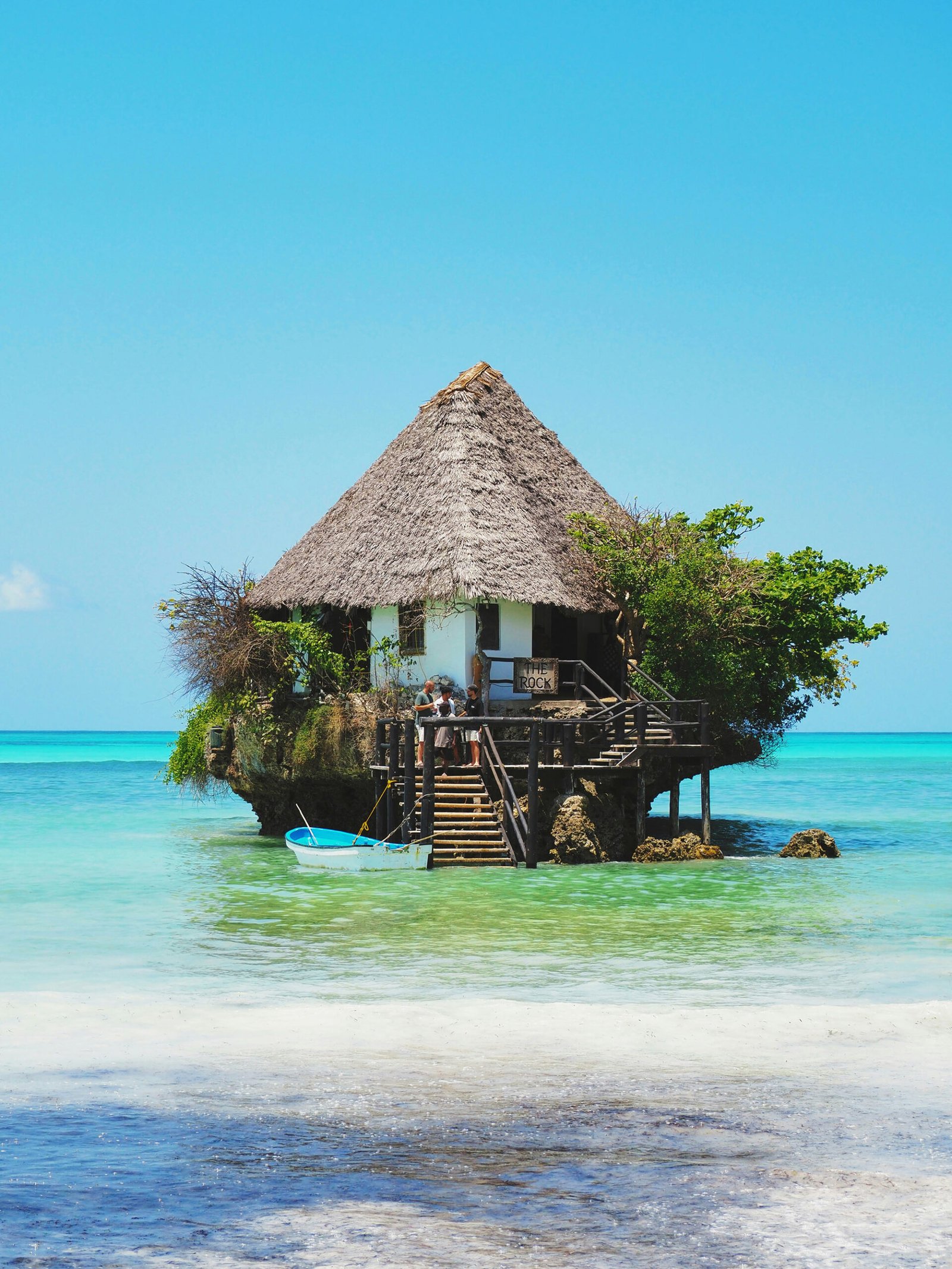
Paje, the island’s kite-surfing beach
Prison Island (Changuu)
June to October is Zanzibar’s long dry season, bringing the calmest seas, lowest rainfall and best underwater visibility for diving and snorkelling around Mnemba and Chumbe. A shorter dry window from late December to February is also good, though warmer and busier. The long rains fall in April and May, when many operators reduce sailings, and short, sharp afternoon showers are common in November.
Most guests fly into Abeid Amani Karume International Airport (ZNZ), just outside Stone Town, which has direct or connecting flights from major European, Middle Eastern and East African hubs. It sits a short transfer from the harbour, making Stone Town the natural embarkation point for most itineraries. Guests combining Zanzibar with a Tanzanian safari often connect via Kilimanjaro or Dar es Salaam beforehand.
The northern coast around Nungwi and Kendwa offers the calmest, most reliable swimming water, since it is less affected by the island’s large tidal range than the east coast. Mnemba Atoll, protected as a marine conservation area, is the standout stop for snorkelling and diving, with resident dolphins frequently seen nearby. Stone Town’s harbour, though busier, makes an atmospheric overnight anchorage beneath the old town’s skyline.
Four to five days covers the highlights well: a night or two anchored off Stone Town for its history and markets, with the rest spent island-hopping the calmer northern beaches and snorkelling at Mnemba. Guests wanting to add Pemba Island’s quieter reefs to the north, or combine the charter with a Tanzanian safari beforehand, should allow closer to seven to ten days.
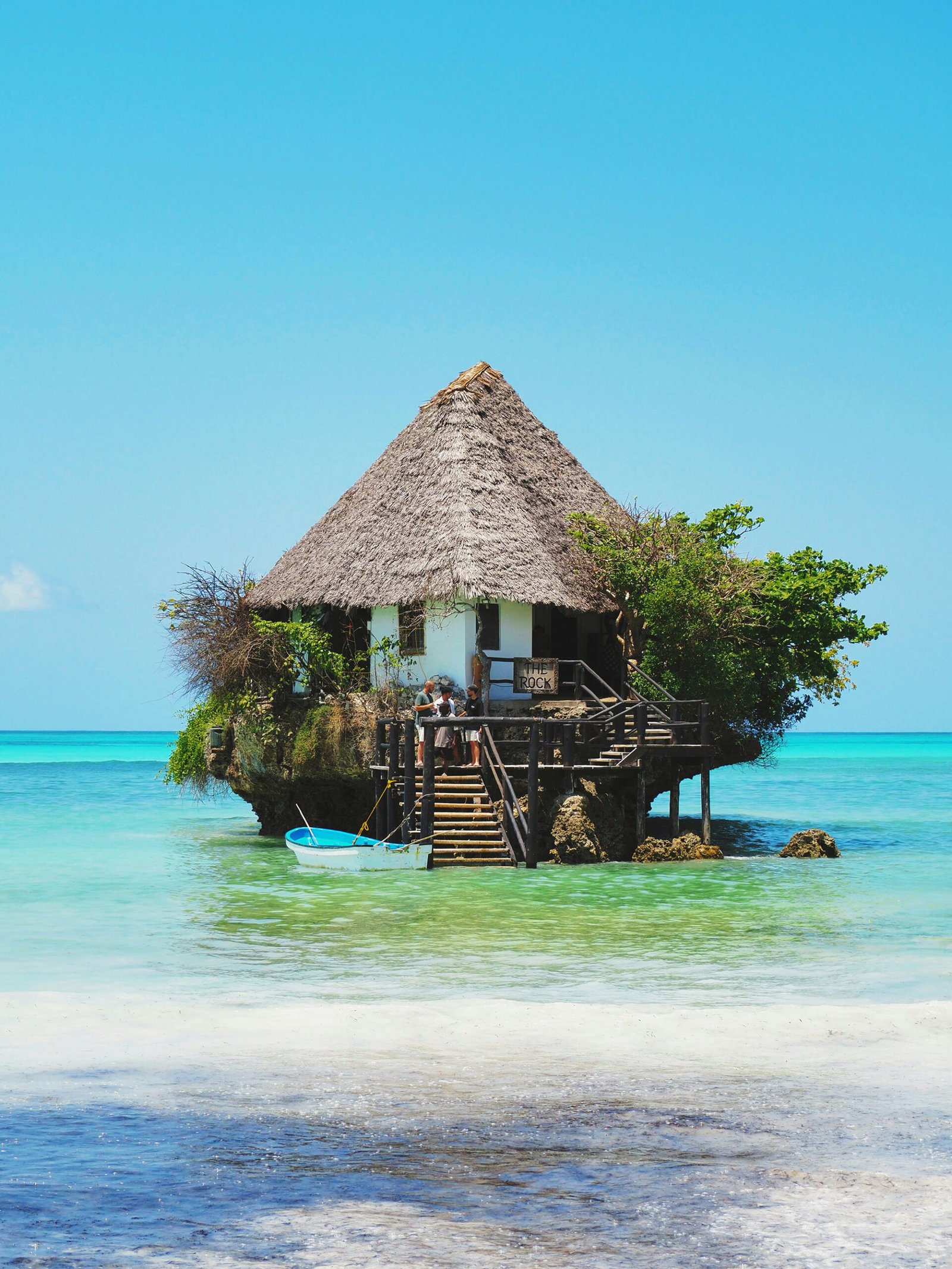
Zanzibar’s tides swing by three to four metres, among the largest ranges on this stretch of coast, and on the east coast around Paje and Jambiani the falling tide exposes wide stretches of reef flat and seaweed, making swimming and tender access impractical for several hours each day. The north coast around Nungwi and Kendwa is far less affected, keeping deep water close to shore throughout the tidal cycle, which is why most charter itineraries base themselves there.