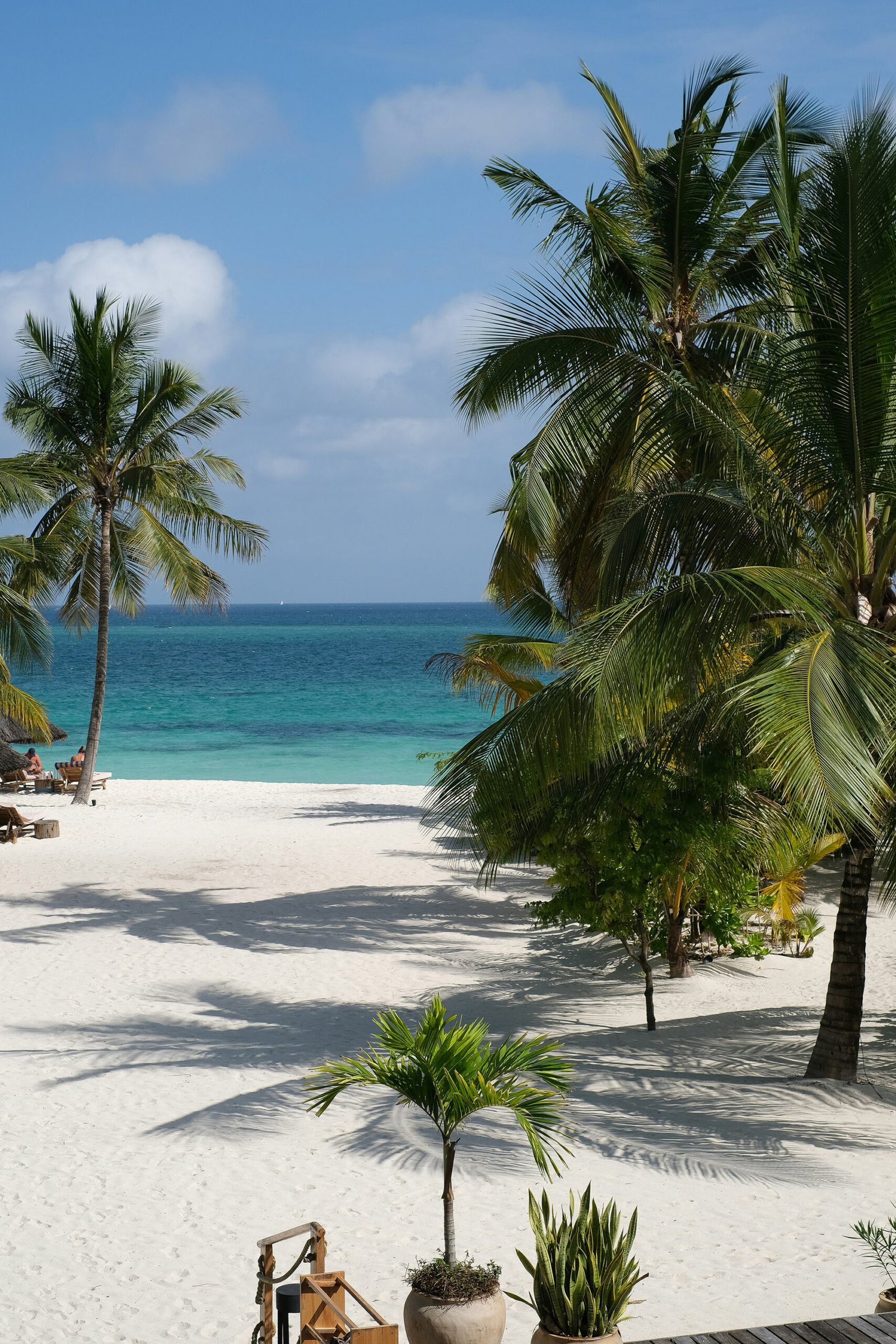
Zanzibar / Pemba
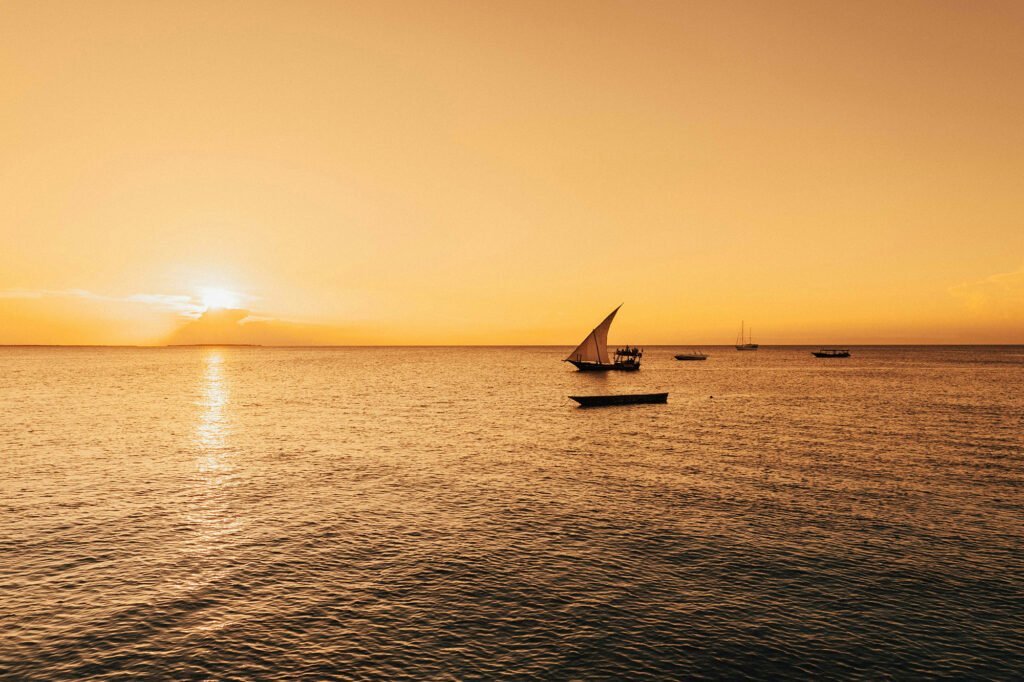
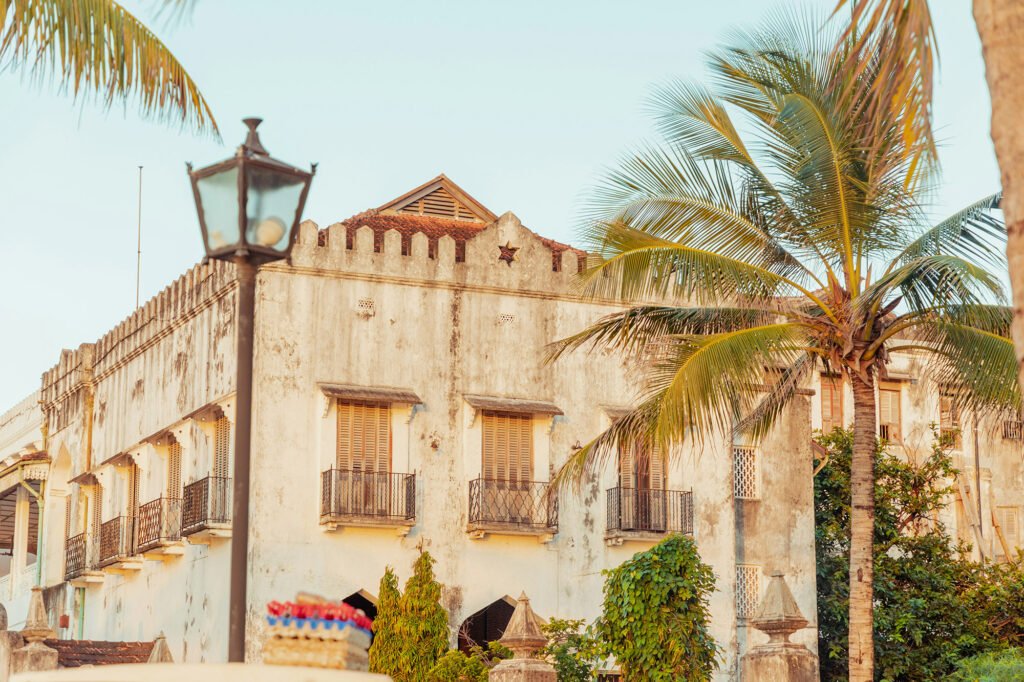
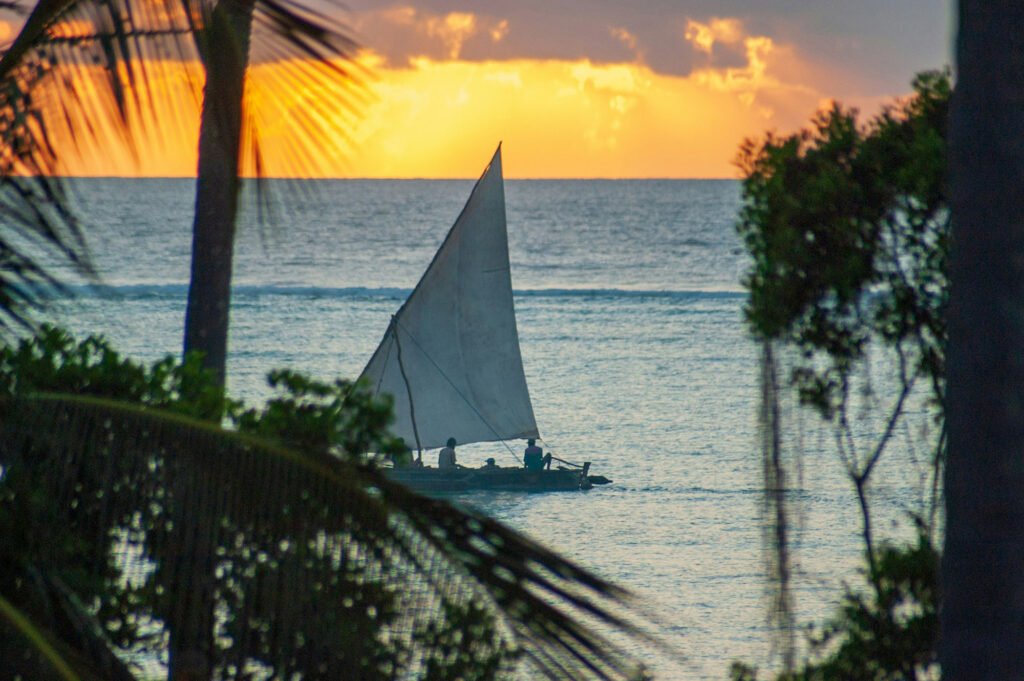
Mkoani Harbour
Wete Harbour
Panza Island
Njao Gap
Misali Island
Dive the walls at Manta Point and Njao Gap
Snorkel the reef at Misali Island
Walk the Ngezi Forest Reserve trails at dusk to see the Pemba flying fox
Kayak the mangrove creeks near Wete
Visit the Ras Mkumbuu ruins near Chake Chake
Chake Chake
Wete
Ras Kigomasha Lighthouse
Ngezi Forest Reserve
Pujini Ruins
June through October offers the driest, most settled conditions, after the long rains taper off in late May and before the short rains typically arrive in November. Visibility on the reefs peaks in these months too, which matters more here than on many nearby islands given how much of a Pemba visit centres on diving the channel’s walls and drop-offs rather than time ashore.
Pemba Airport, also known as Wawi or Karume Airport, receives short domestic flights from Zanzibar and Dar es Salaam, typically under an hour in the air. There is no direct international service, so almost every guest arrives via one of those two hubs rather than flying to Pemba first. A charter yacht based on Zanzibar or Pemba itself can also simply sail the channel between the two islands.
Mkoani, on the island’s sheltered southwest coast, is the main port and the most straightforward overnight stop, with reasonable holding and easy access ashore. Misali Island, a short sail further north, offers calmer, more scenic anchoring close to the reef itself, though as an uninhabited marine reserve with no facilities ashore and a landing fee to visit, it suits a shorter stop rather than a full night for most vessels.
Three to four days suit most itineraries, enough time to dive Manta Point and Njao Gap, snorkel Misali Island and walk ashore at Chake Chake or Wete without rushing. Pemba works well paired with a longer Zanzibar charter, added on as a quieter, more adventurous few days either at the start or the end of a wider Tanzanian coast itinerary, since the direct crossing between the two islands takes only a few hours in reasonable conditions.
Pemba, not Zanzibar’s main island, now grows the larger share of the archipelago’s cloves, an estimated 3.5 million trees benefiting from richer volcanic soil and heavier rainfall than Unguja, the main island, typically receives. The harvest runs roughly from July to December depending on the season, and the scent is genuinely noticeable from the water on a calm day when sailing close to the plantation-covered hills of the interior, especially around peak harvest.