Baltic / Baltic 67 Performance Cruiser
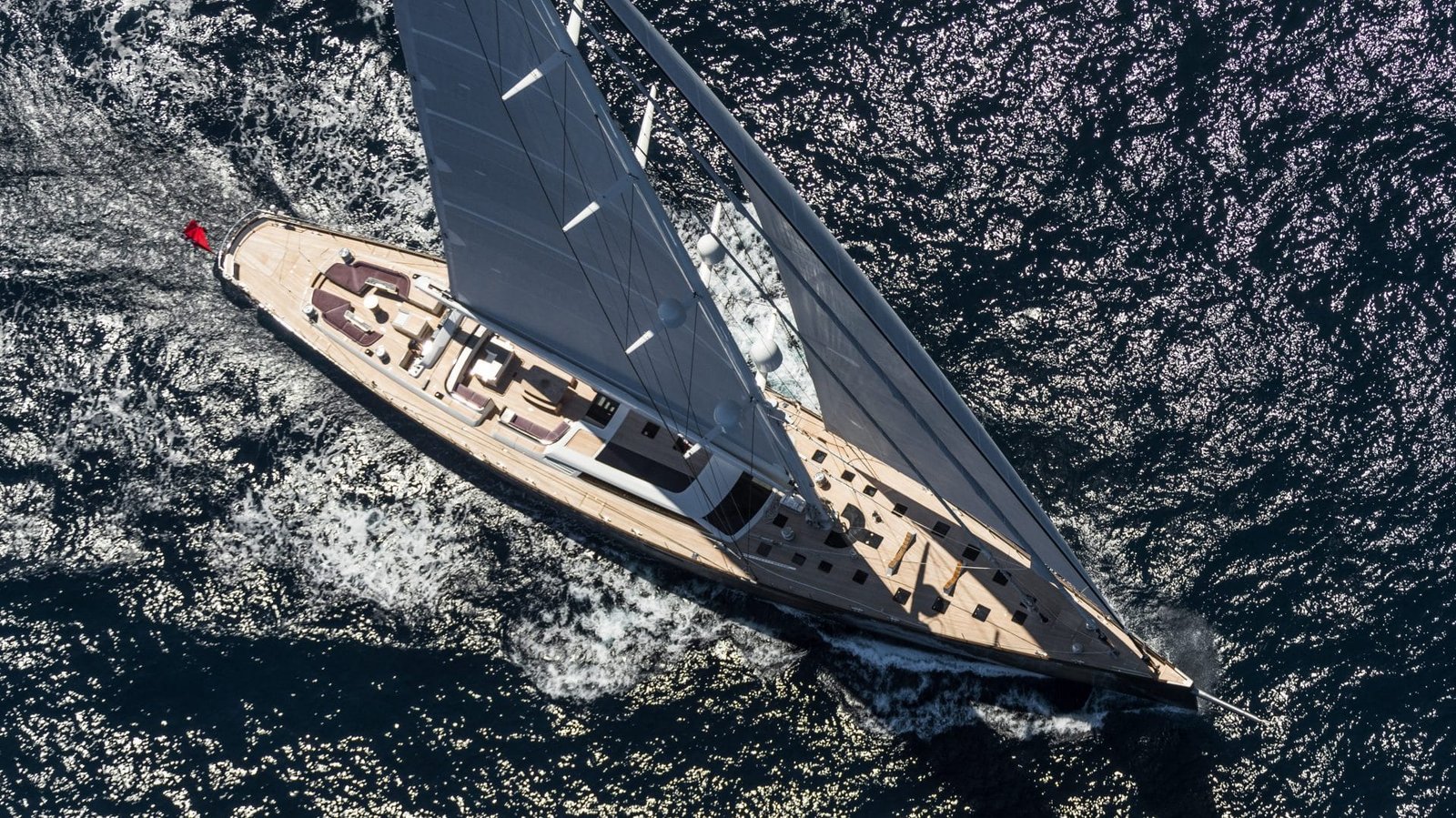
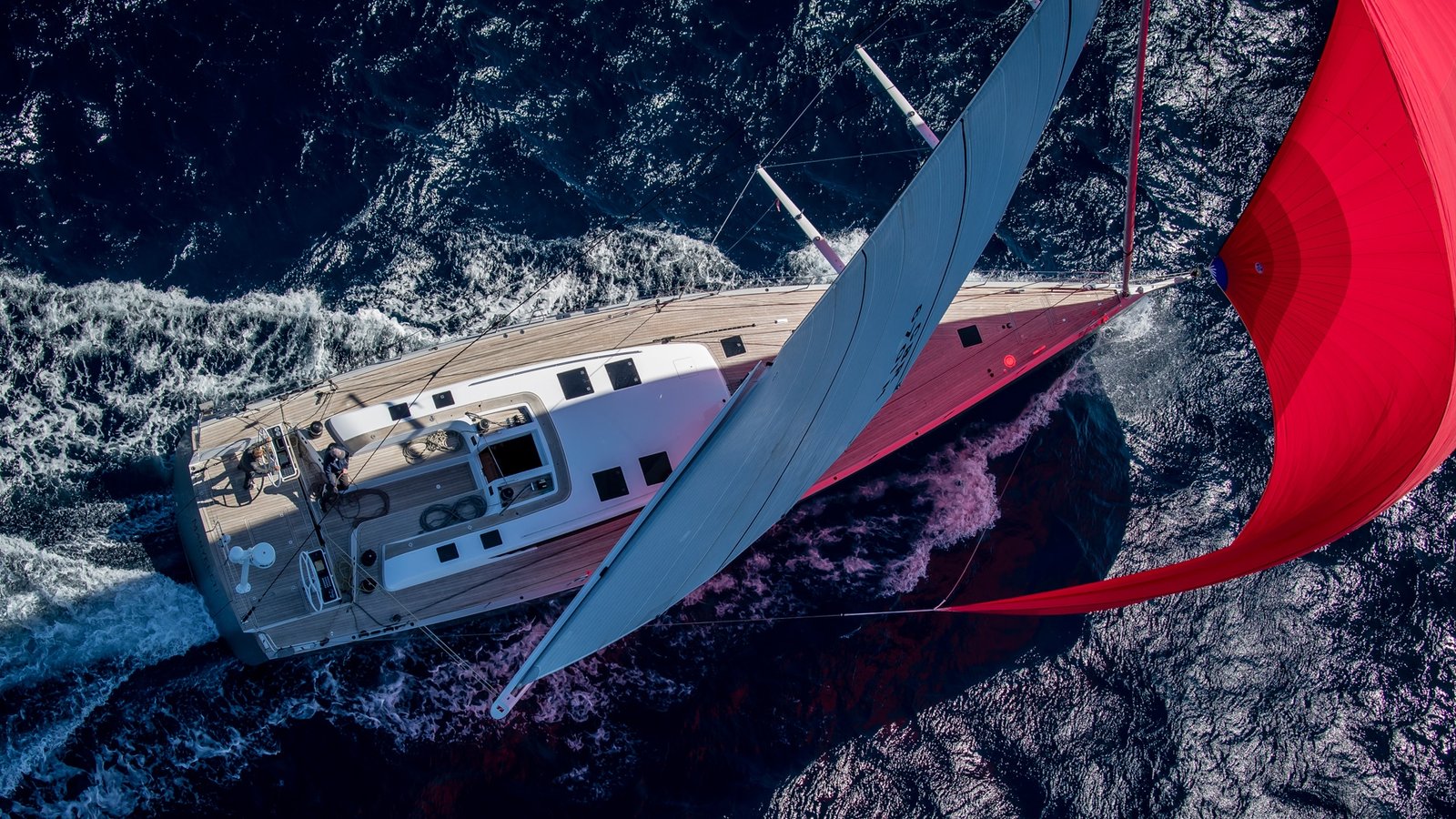
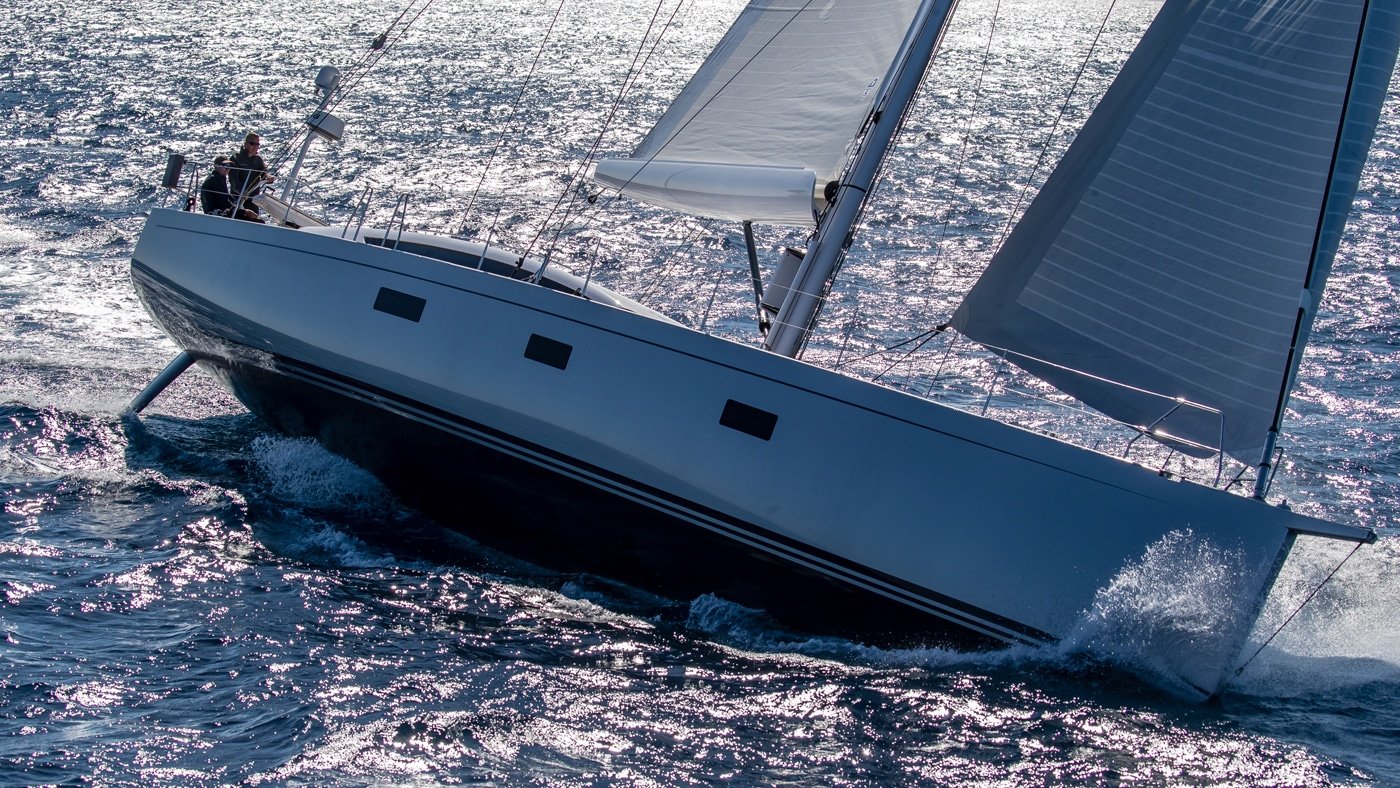
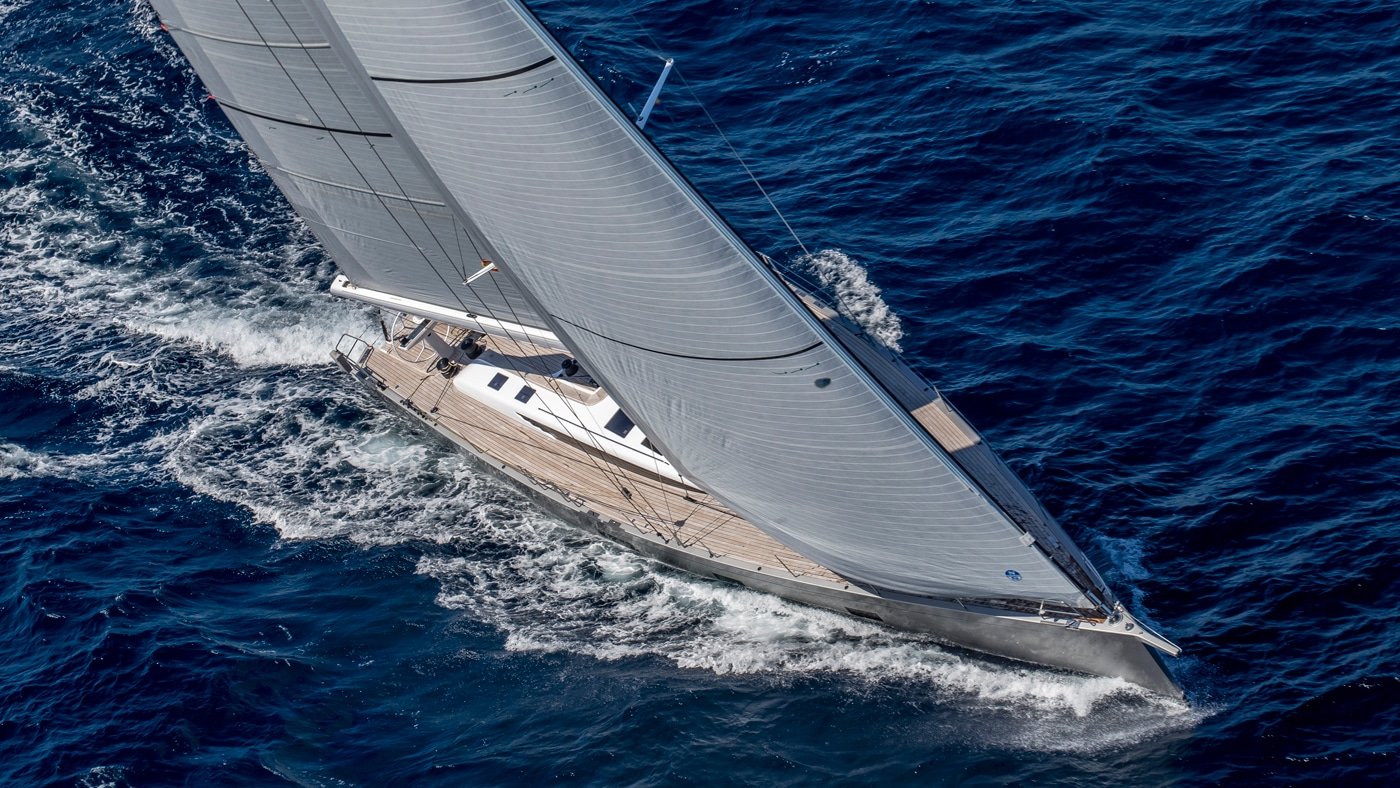
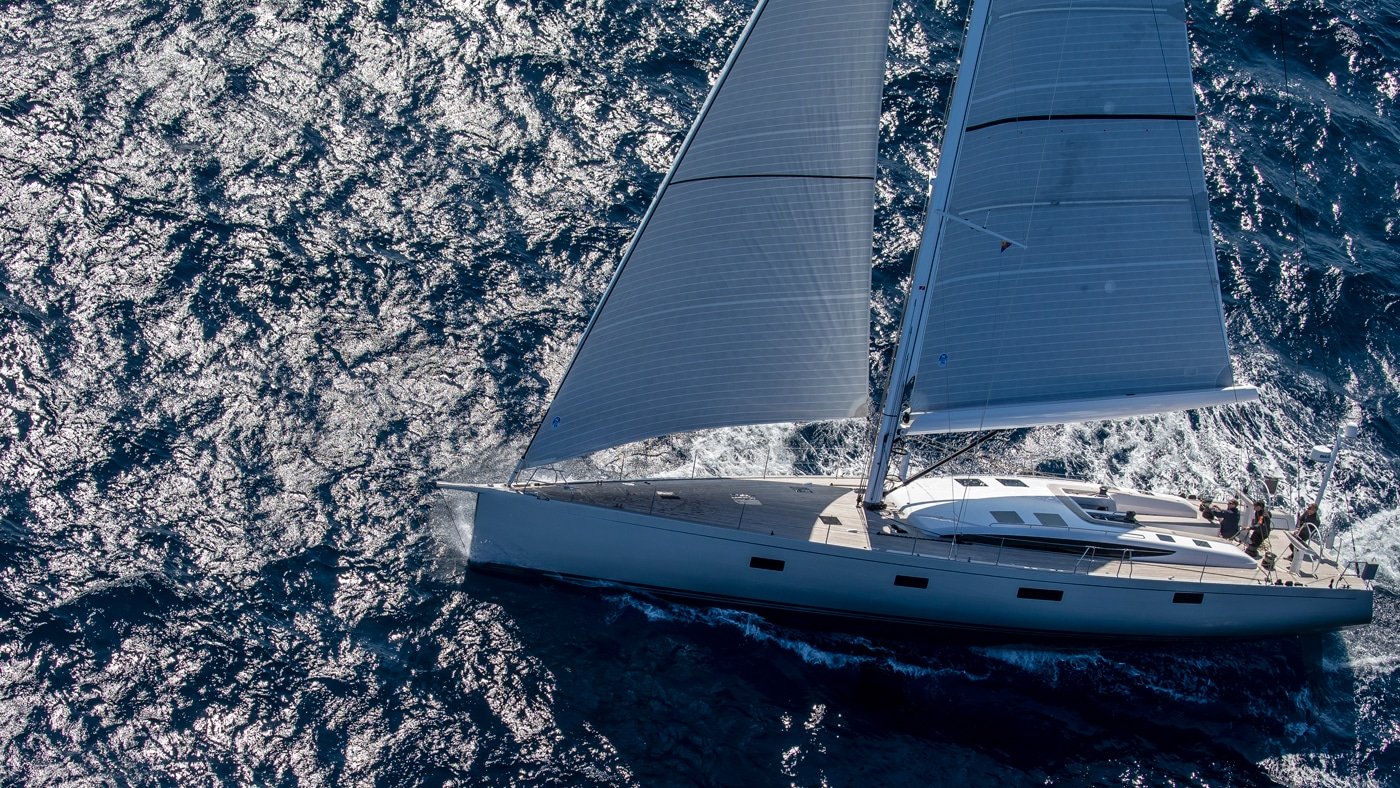
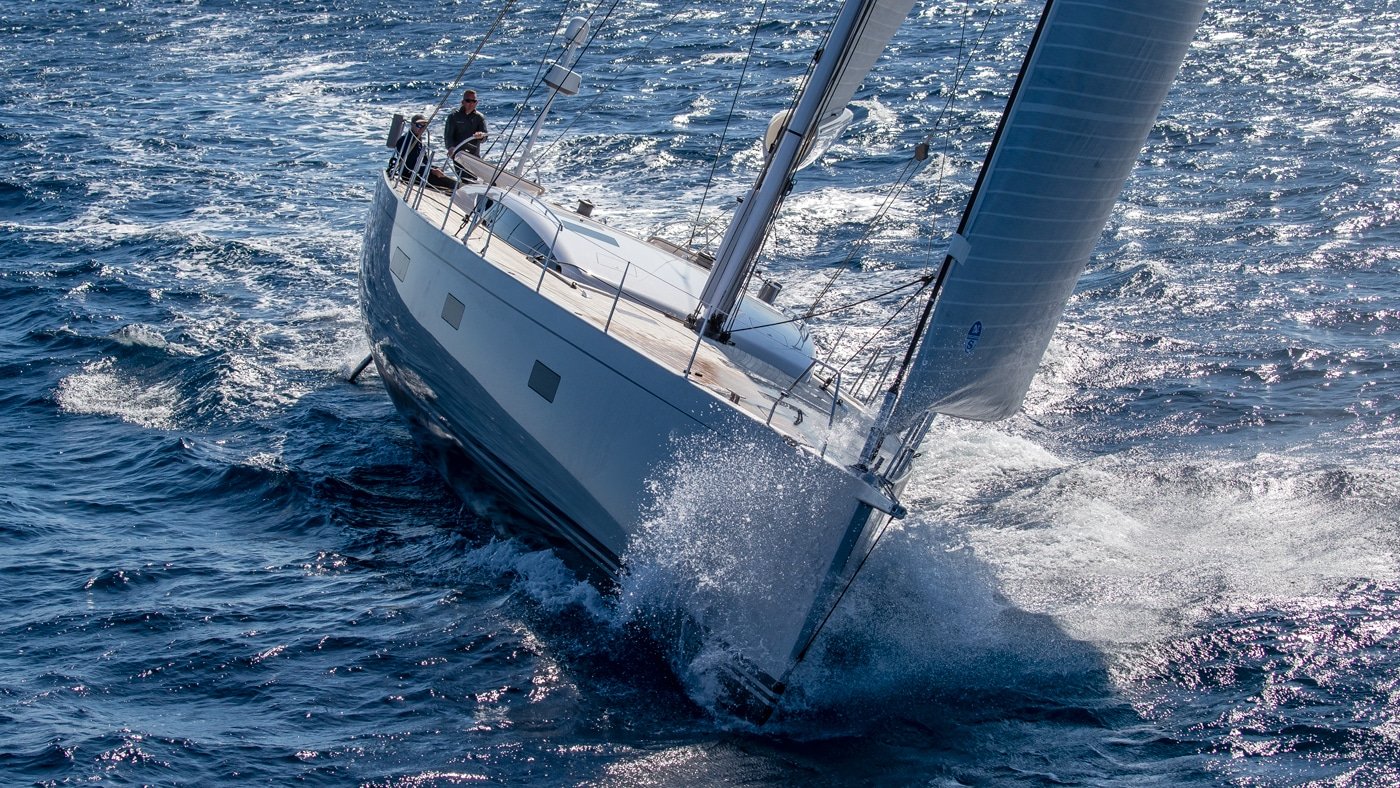
The Baltic 67 takes the yard’s superyacht engineering down to a size a couple can handle. judel/vrolijk and co drew an easily driven hull with the beam carried well aft, built in carbon epoxy Sprint sandwich, and Design Unlimited handled the styling. Light displacement, low rig loads and a well balanced helm are the whole argument: this is a boat meant to cross oceans quickly and be sailed shorthanded while it does. Owners who want to race will find her effective without converting to race mode first.
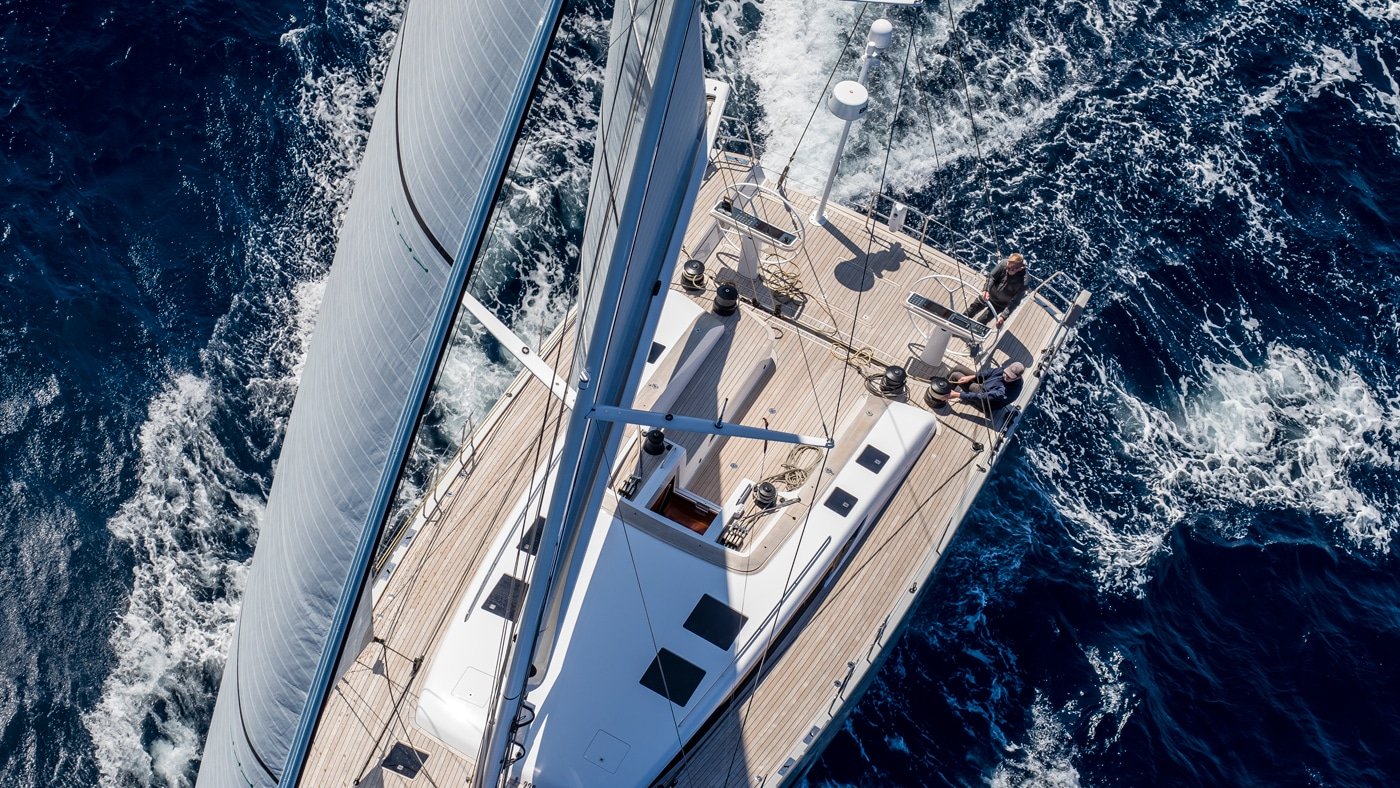
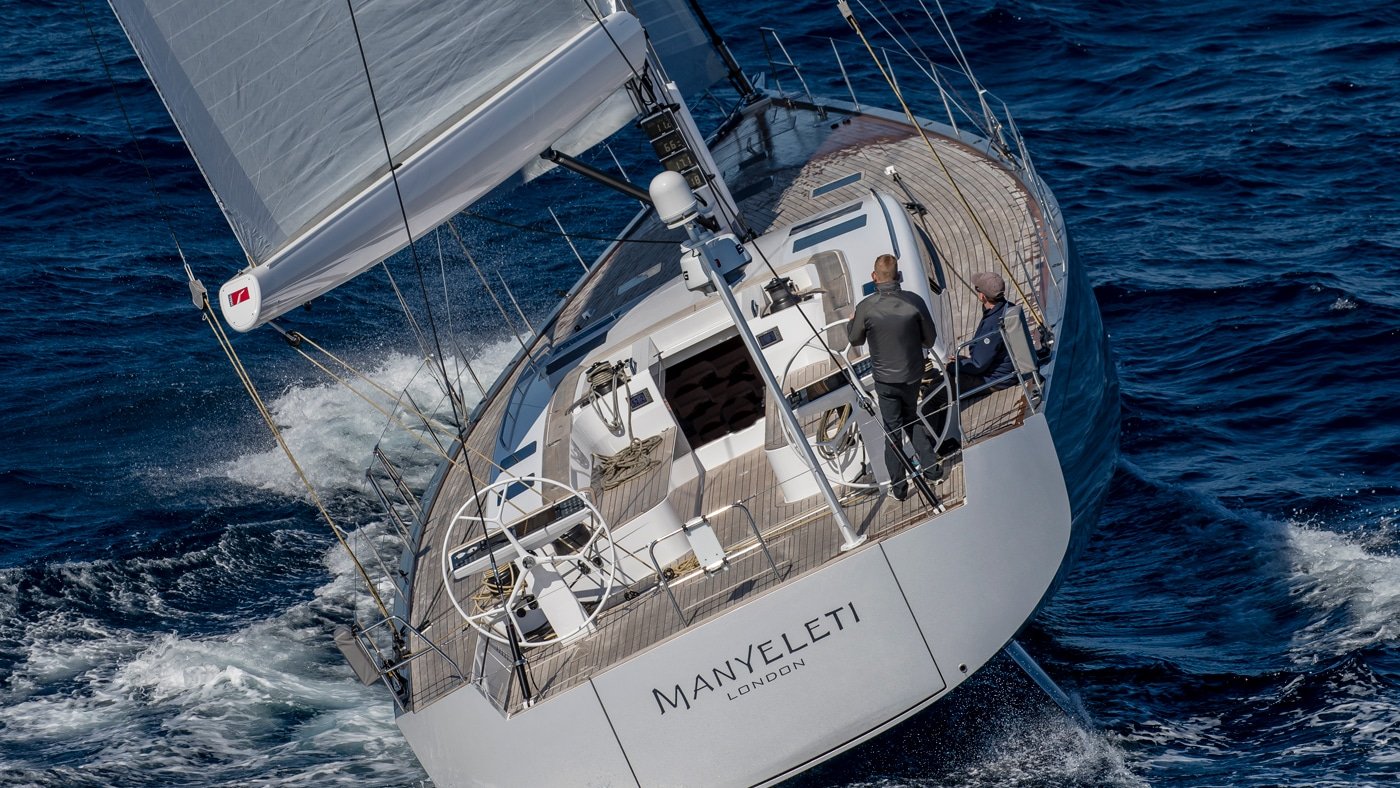
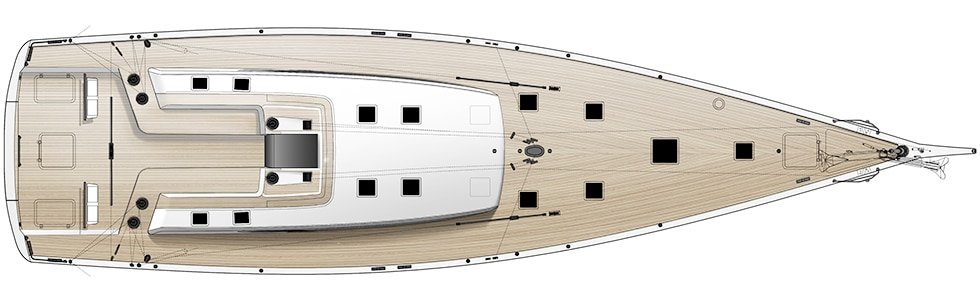
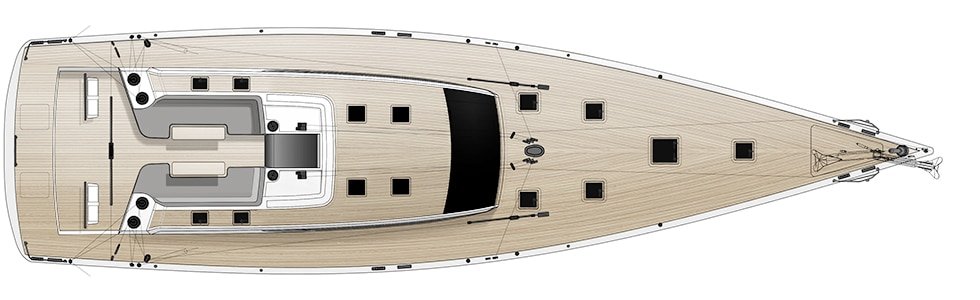
Hull shape and bulkhead positions are fixed, which cuts build time and cost. Everything above that is open. Two deck layouts come from one mould, with choices on transom style, cockpit design, superstructure windows, bowsprit and anchor stowage. Layout A runs an open or closed transom with a large transom door to the dinghy garage. Layout B adds a raised aft deck for shelter and a second seating area, plus two fixed cockpit tables.
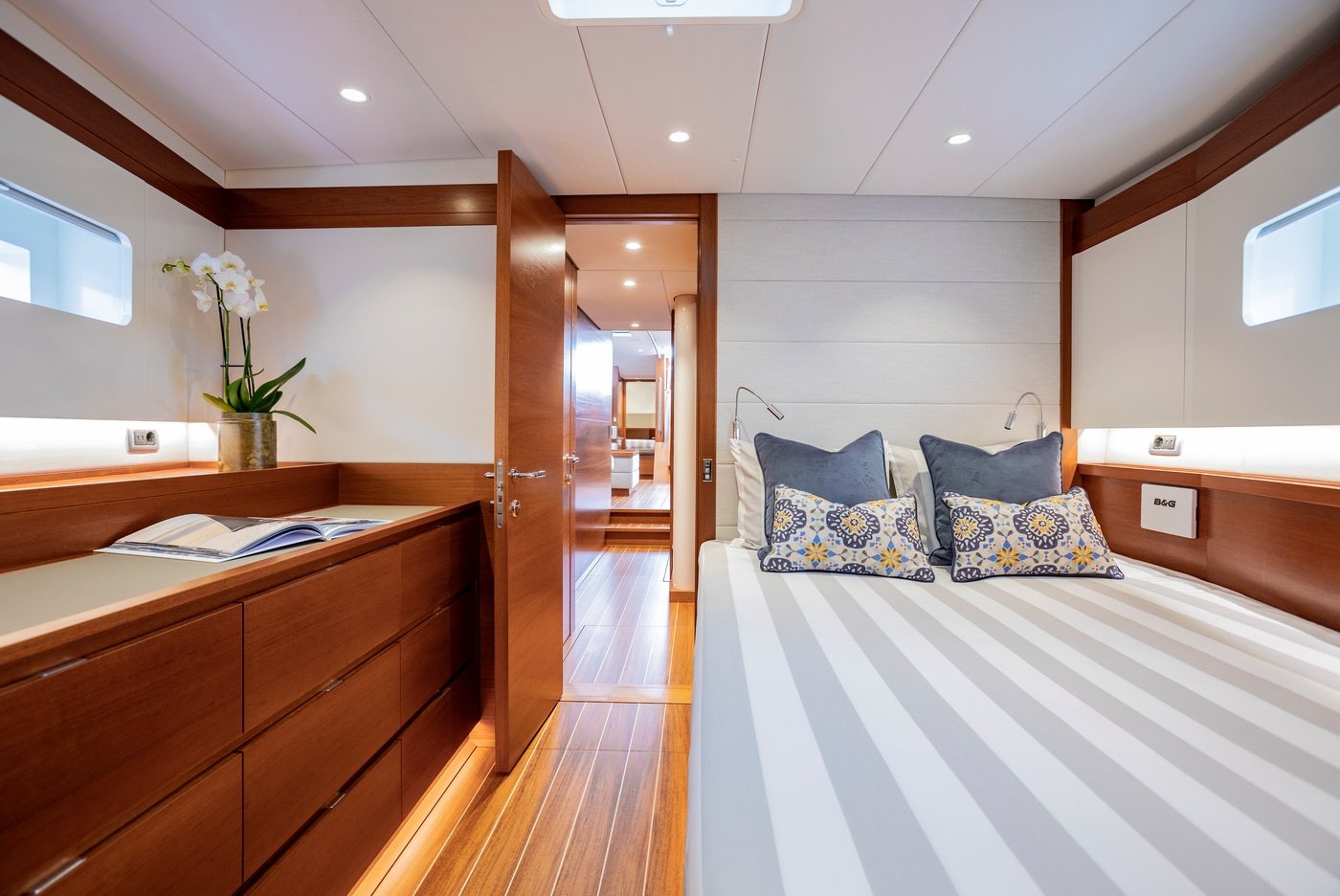
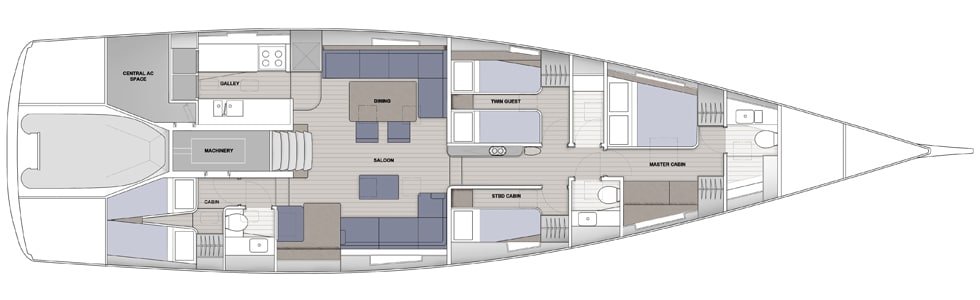
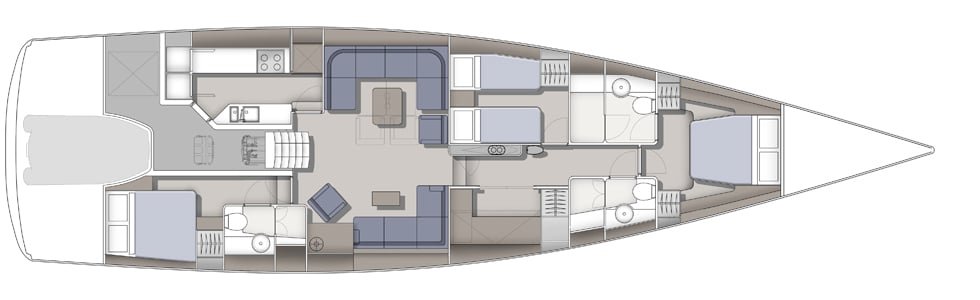
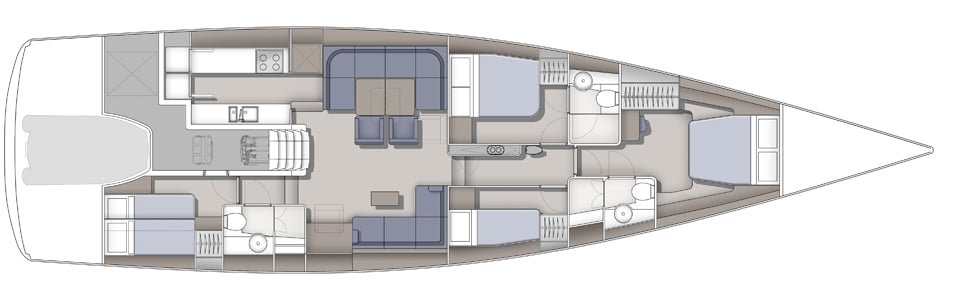
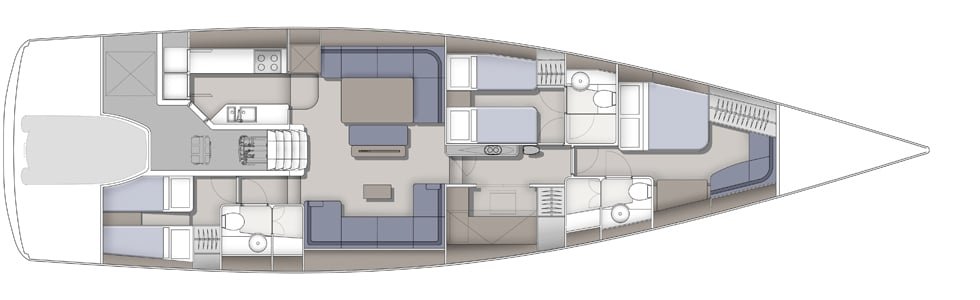
Below, three and four cabin arrangements are drawn. The four cabin version puts the master forward with its own head and shower, twin and single cabins either side of the keel casing, and a twin aft to starboard. The three cabin version enlarges the master and adds an office that converts to a single berth.
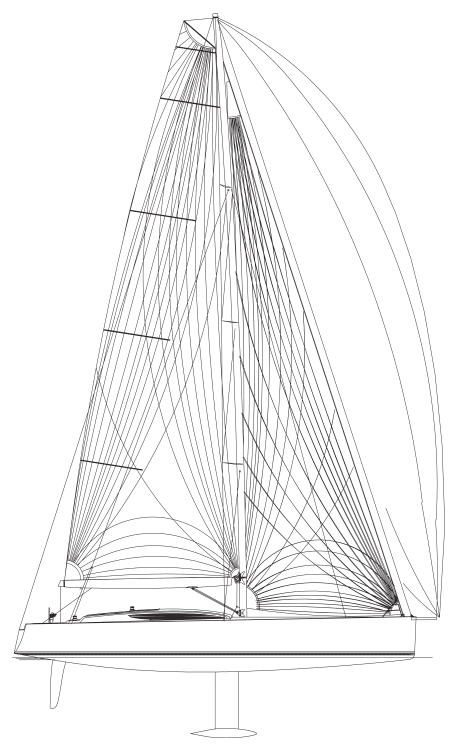
Sail area is 257 square metres upwind and 530 downwind, on 20.52 metres and 24,400 kilos. A telescopic lifting keel is optional and cuts draft to 2.50 metres.
Length
20.5M
Beam
5.5M
Draft
3.9M
Day Guests
Sleeping
7
Cabin
4
Cruise Speed
Max Speed
Fuel
Engine
Naval
judel/vrolijk and co
Exterior
Design Unlimited
New Starting From
€3,950,000
High Price Brokerage
€3,200,000
Low Price Brokerage
€1,900,000
No yachts found matching your criteria.
Nine and a half knots in eleven knots of true wind tells its own story.
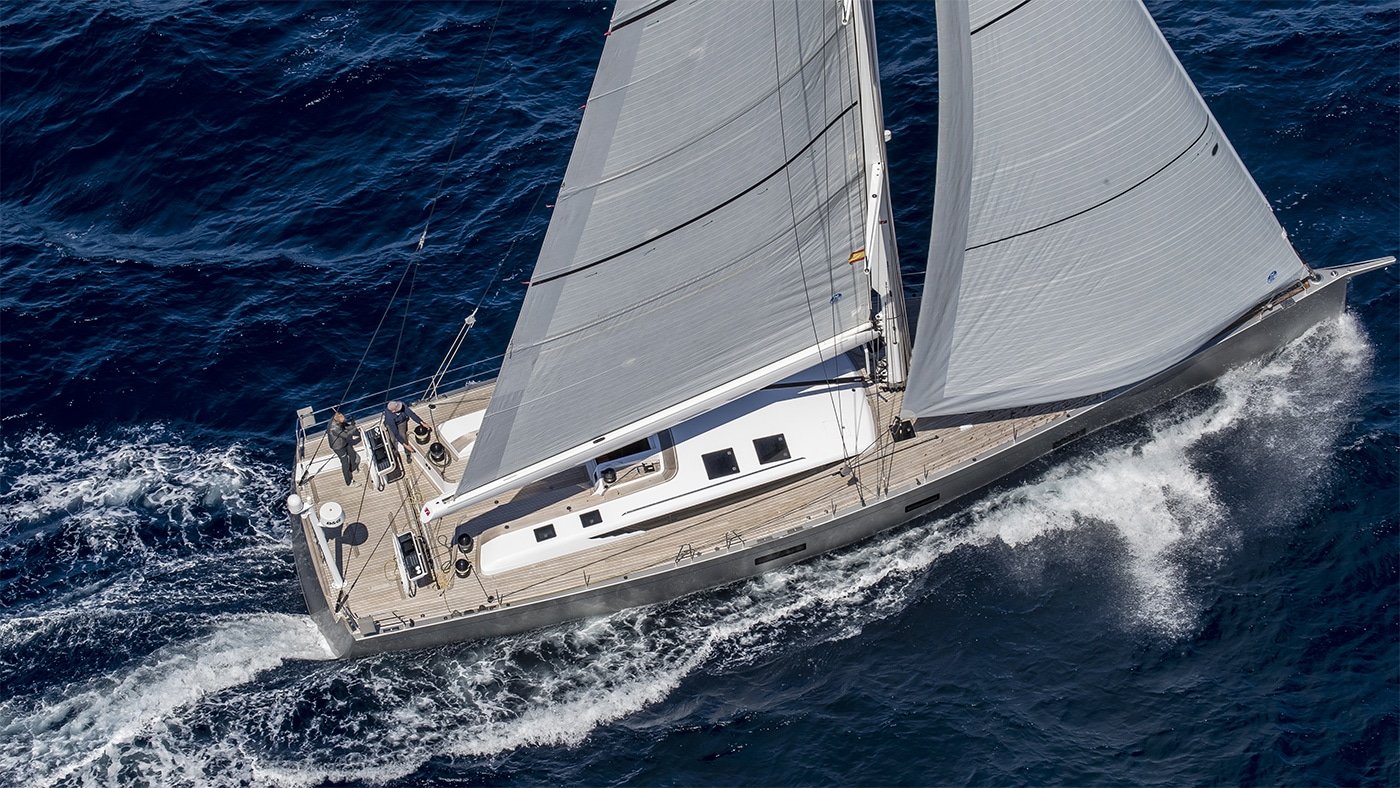
In a light trial carrying main and a non-overlapping jib, the 67 PC held her pace through most of the range tested, sailing comfortably below six knots of wind and reaching 8 to 9 knots downwind at 150 degrees true. Dual rudders, each with its own autopilot, keep the helm balanced and the boat tracking straight in a following sea. Sail handling is built for a short-handed crew: a Hall carbon furling boom synchronises an electric mandrel motor with the halyard, the traveller runs electric, and sheet car pullers, backstay, vang and furlers are all hydraulic. The high sail area to displacement ratio rewards an owner who reefs early rather than late.
The hull does the talking before a single sail goes up.
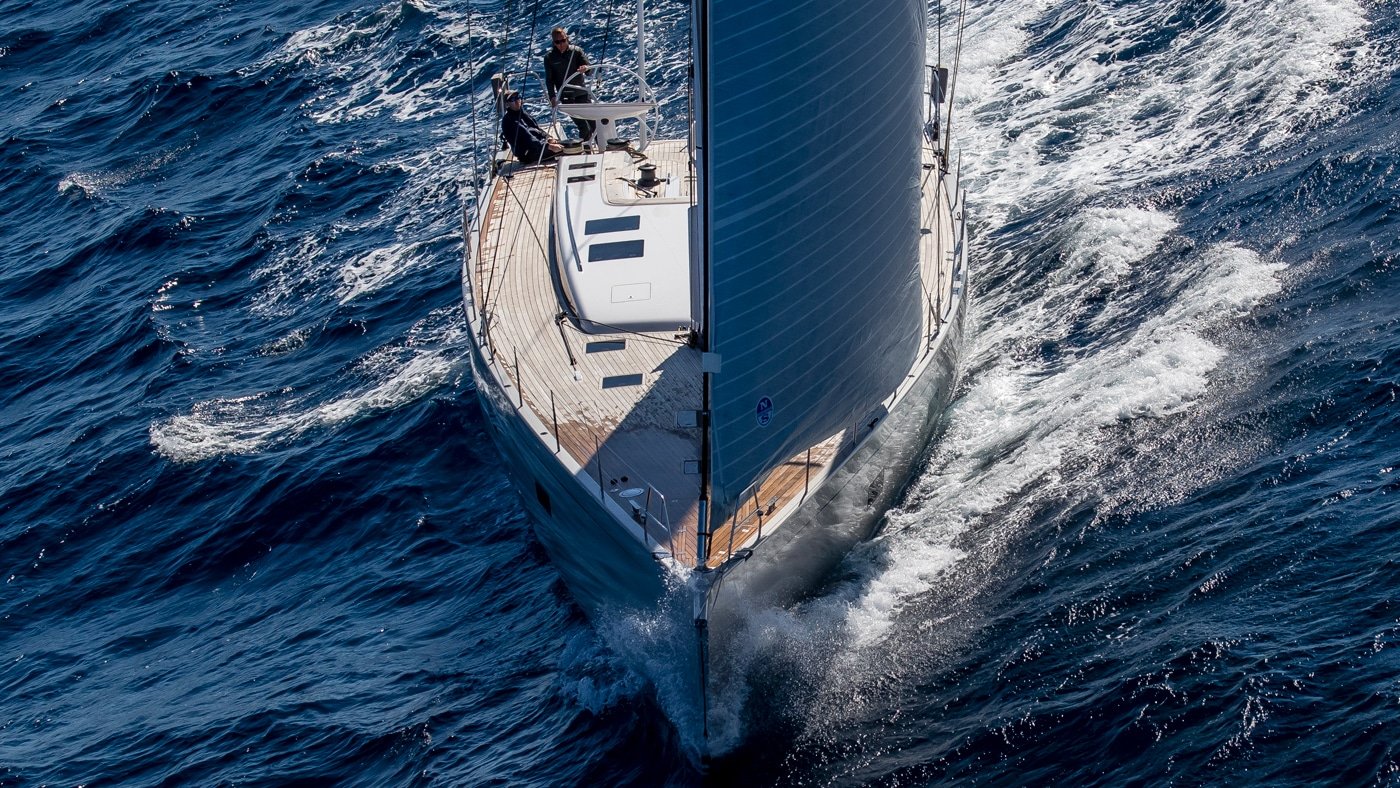
judel/vrolijk and co drew a powerful shape with her maximum beam carried well aft, cutting wetted surface and keeping the boat easily driven in a breeze. Design Unlimited gave her a flush foredeck, a low profile coachroof and a sloop rig that stays clean of visual clutter. Builders normally choose between a carbon epoxy sandwich hull for lightness or an E-glass layup for quieter running at a modest weight penalty, a trade owners can make without touching the tooling beneath. A retractable sprayhood and bimini fold away when not needed and have been proven in winds to 40 knots, evidence that the styling serves seakeeping rather than the other way round.
Two deck plans come off one mould.
Layout A keeps a simple open or closed transom with a wide door onto the dinghy garage, favouring sailors who want the cockpit kept clear. Layout B adds a raised aft deck with its own seating and two fixed tables, trading a touch of sailing purity for shelter and a proper outdoor dining spot on passage. Both share an anchor roller arm that stows in a shallow locker and deploys at the push of a button, and a garage aft between the rudders that swallows a small aluminium tender and outboard. The choice comes down to how the owner actually plans to live aboard between landfalls, not a fixed idea of what a performance cruiser should look like.
Four cabins or three. The choice belongs to the owner, not the yard.
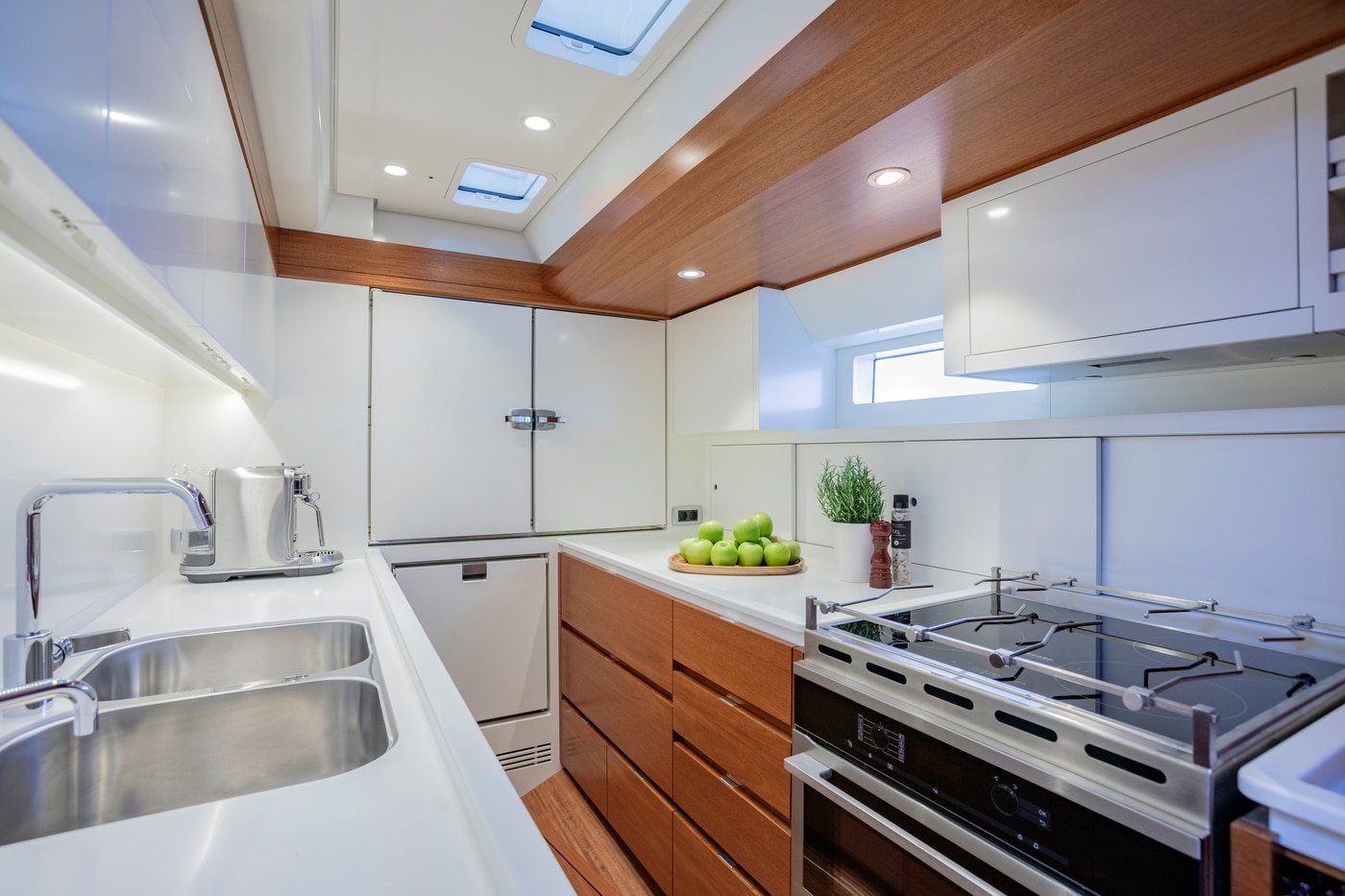
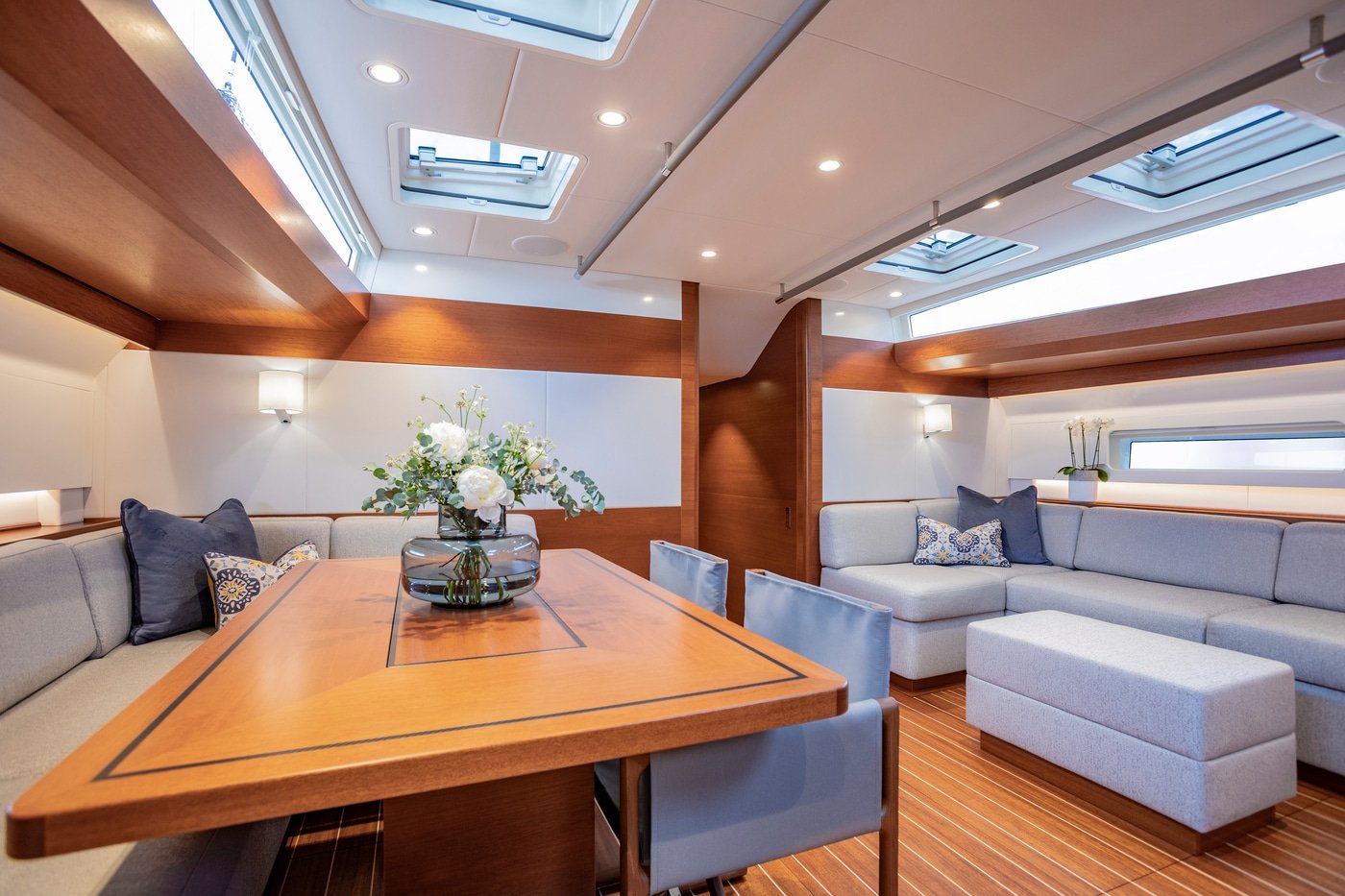
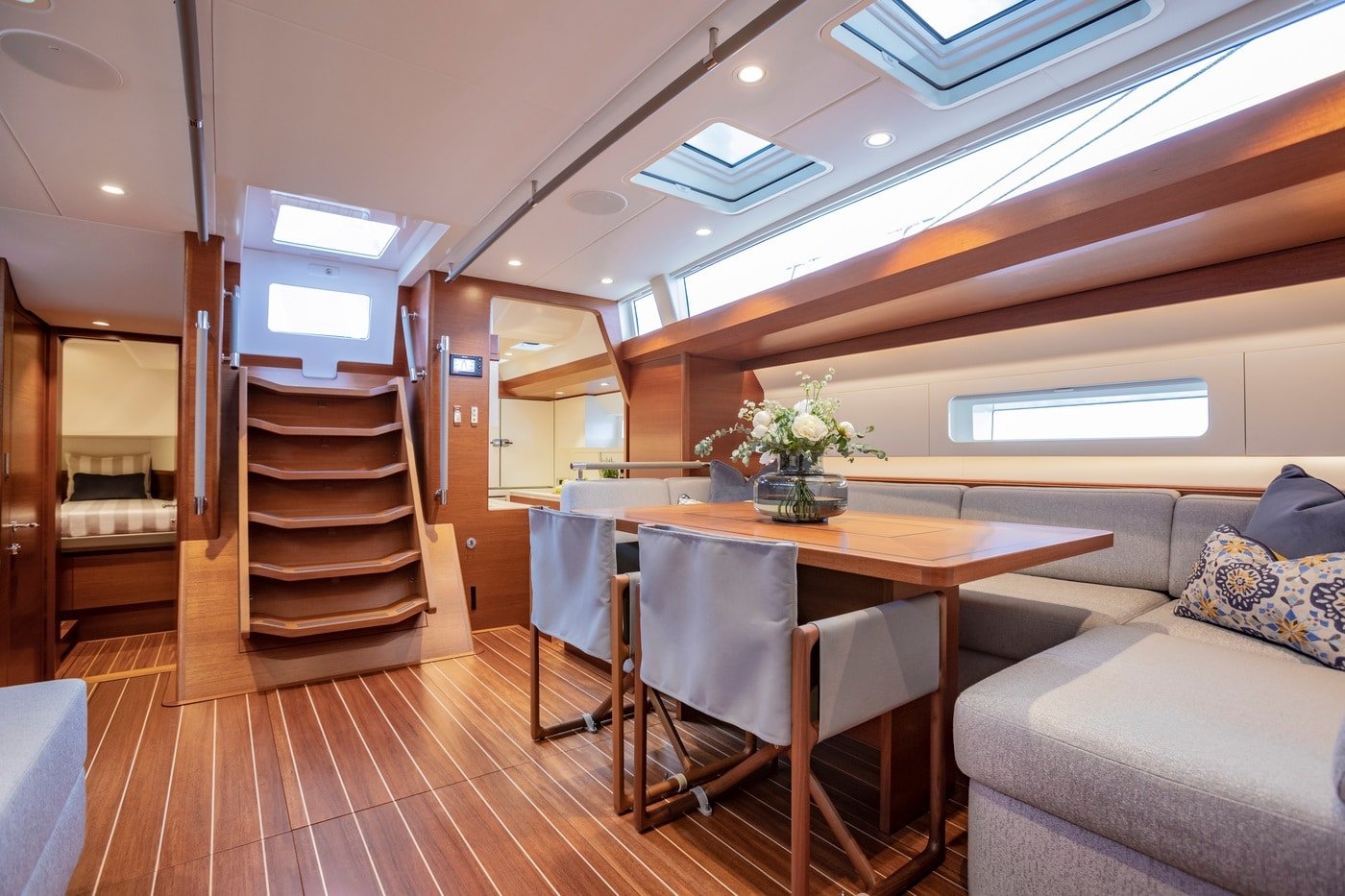
The four cabin layout puts the master forward with its own head and shower, places twin and single cabins either side of the keel casing, and adds a further twin aft to starboard, sleeping seven in total. Choosing three cabins instead enlarges the master and turns the fourth berth into an office that converts to a single when guests need it. A U-shaped galley with a dishwasher sits forward of a navstation set beside the companionway, and storage below the berths is generous enough for genuine offshore provisioning rather than a weekend’s kit. Air conditioning is fitted as standard, a detail that matters as much in the tropics as it does crossing an ocean.
A fixed hull, bulkheads and build schedule. Everything else bends to the owner.
Baltic locks in the hull shape and bulkhead positions early, which keeps build time and cost predictable, then opens almost every other decision: transom style, cockpit layout, superstructure glazing, bowsprit, anchor stowage, keel type and cabin count. A hydraulically telescopic keel is available for owners who want to cut draught from 3.9 metres to 2.5 metres for shallower harbours, controlled by a dedicated system with cylinders accessible from inside the boat. Twin rudders with independent autopilots and a six-cylinder diesel driving a four-blade propeller round out a specification built for distance rather than showing off at the dock. The result is a 67 footer built to cross oceans with a couple at the helm and nothing left to chance.

Tell us what you would like to know, and our team will respond with clear details on availability, specification, pricing and next steps.