Schaefer / Schaefer 510 GTS
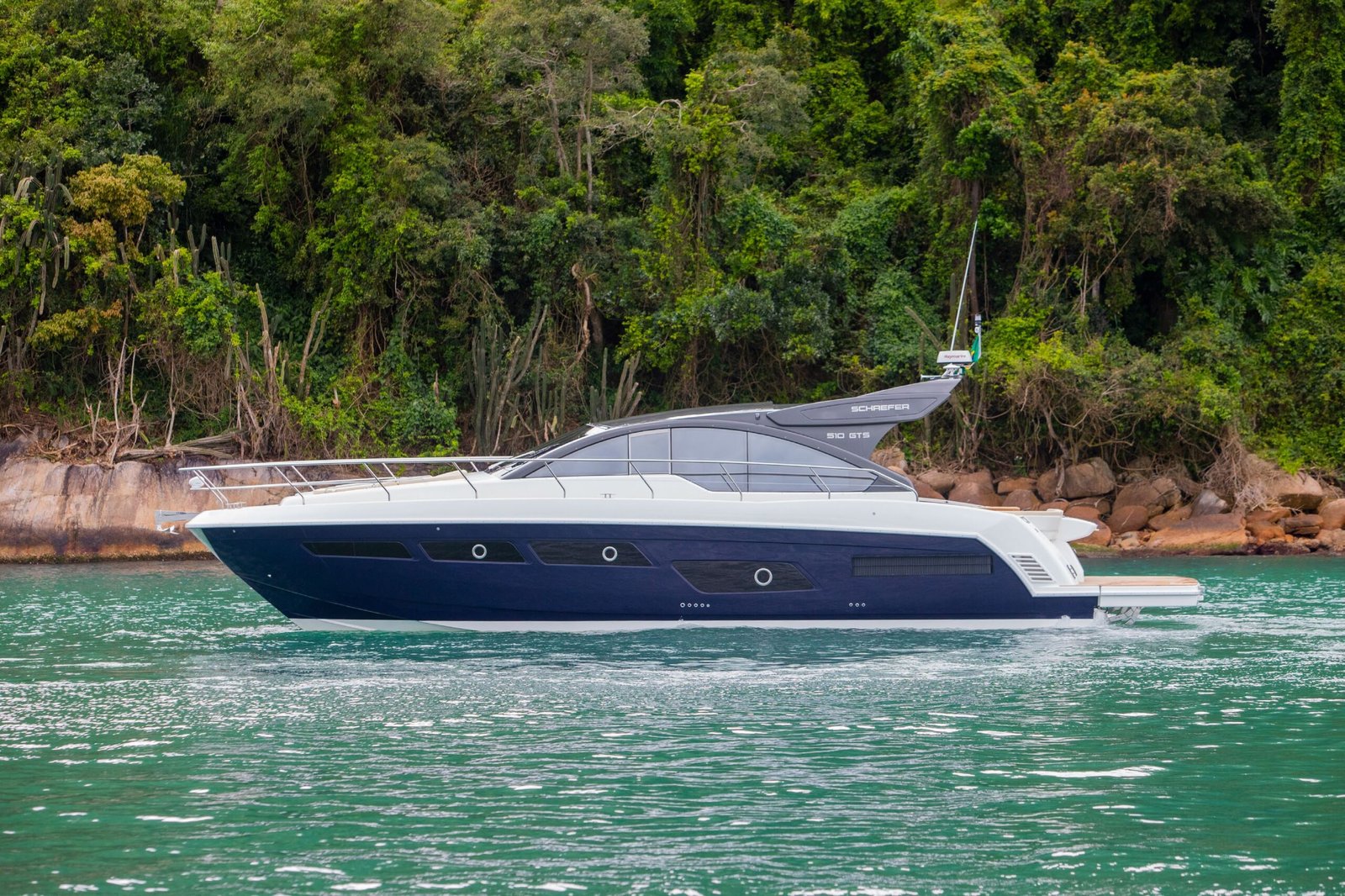
The 510 GTS, which Schaefer also lists as the 510 GT Sport, is the hard top variant of the yard’s 51 footer and the one aimed squarely at owner drivers. The hard top is carbon fibre, which lets Schaefer open the largest roof aperture in the class without adding weight high up. Air draft sits at 4.95 metres against the flybridge model’s 5.18.
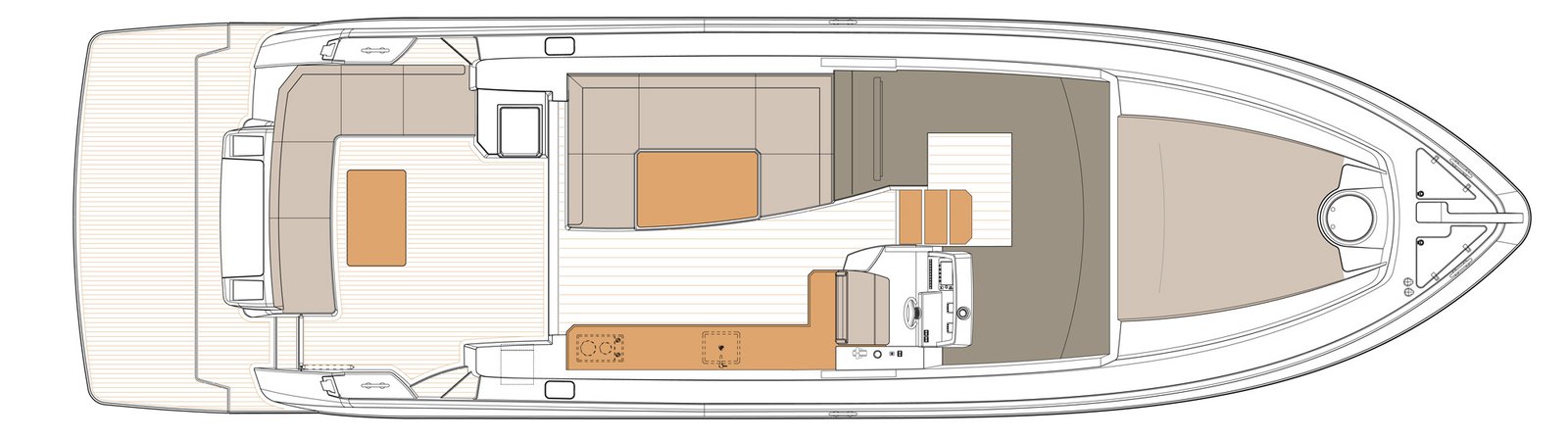
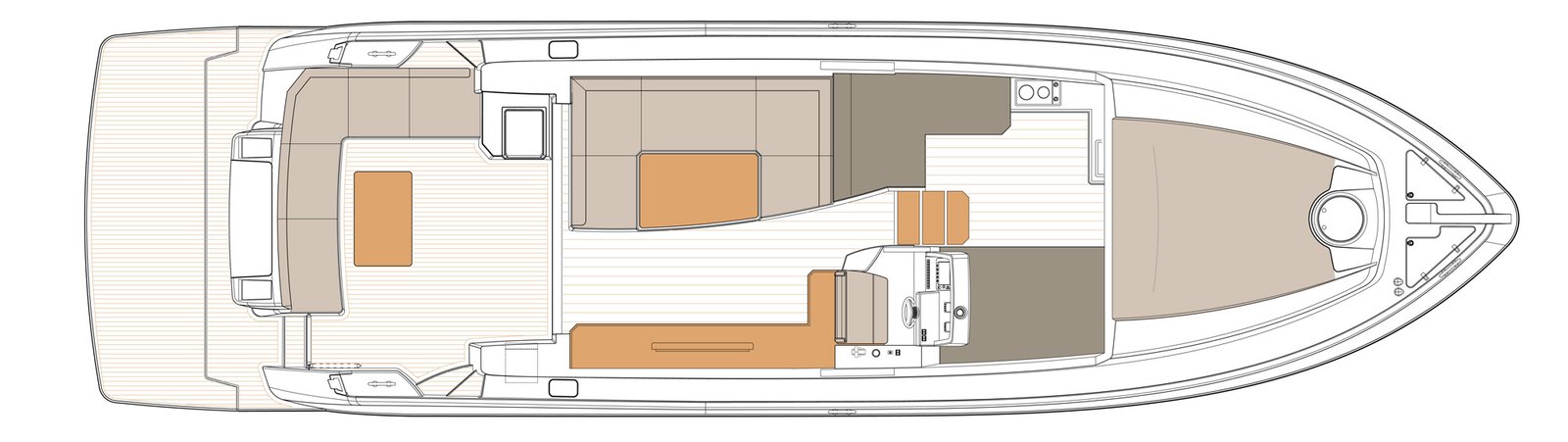
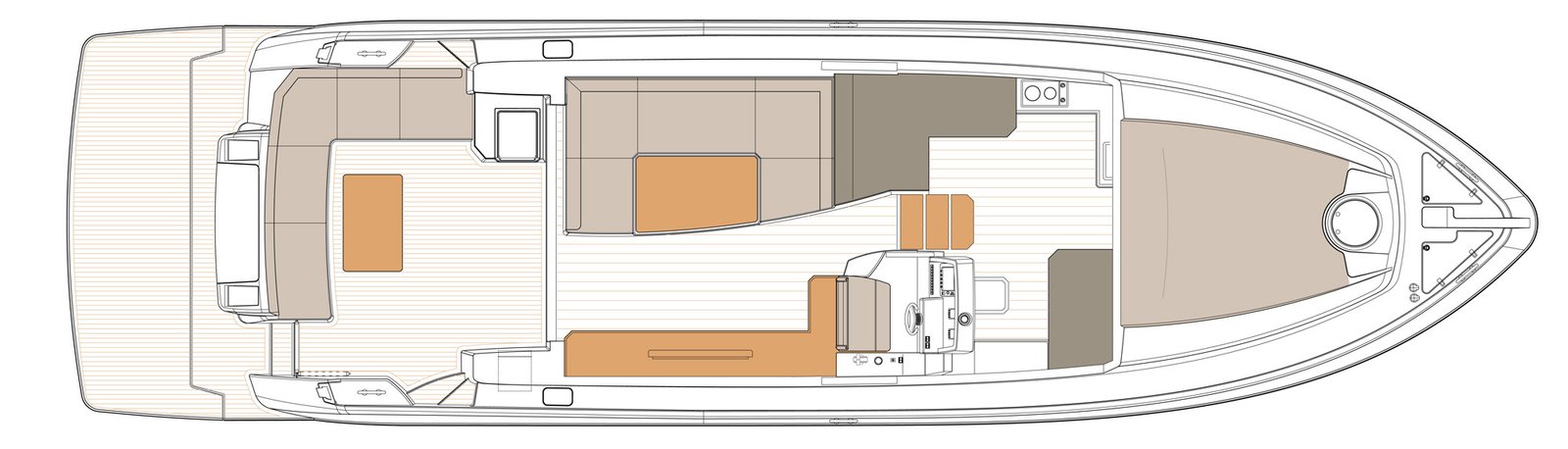
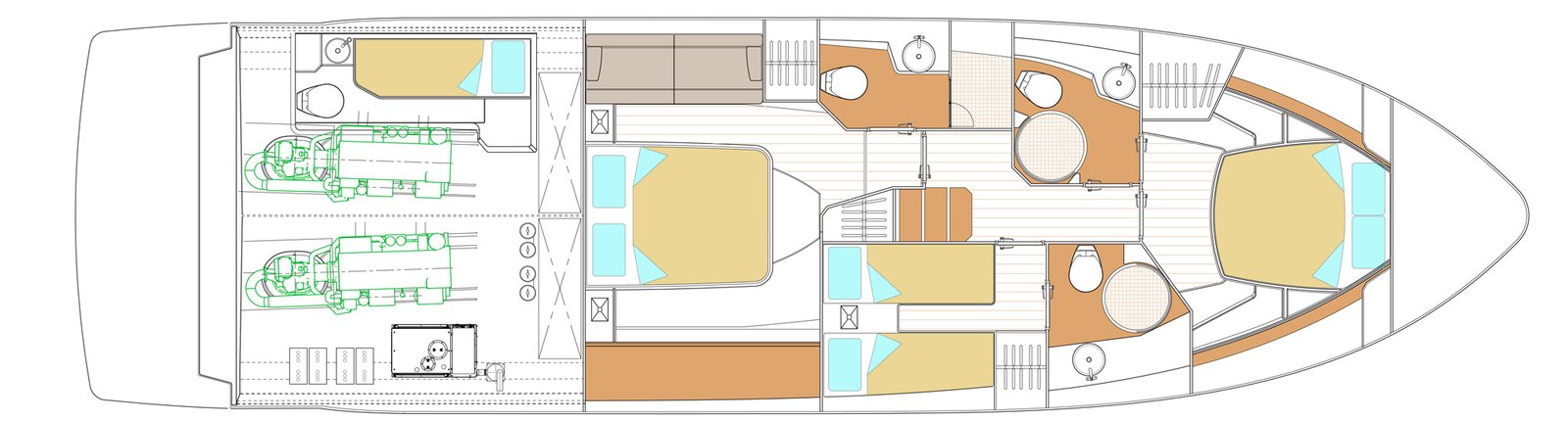
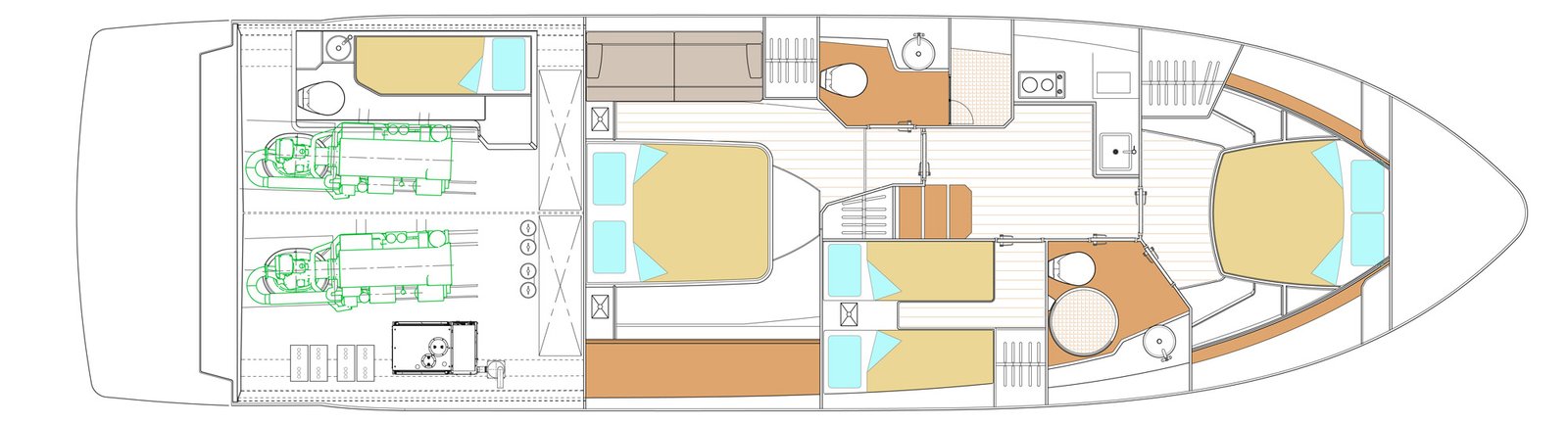
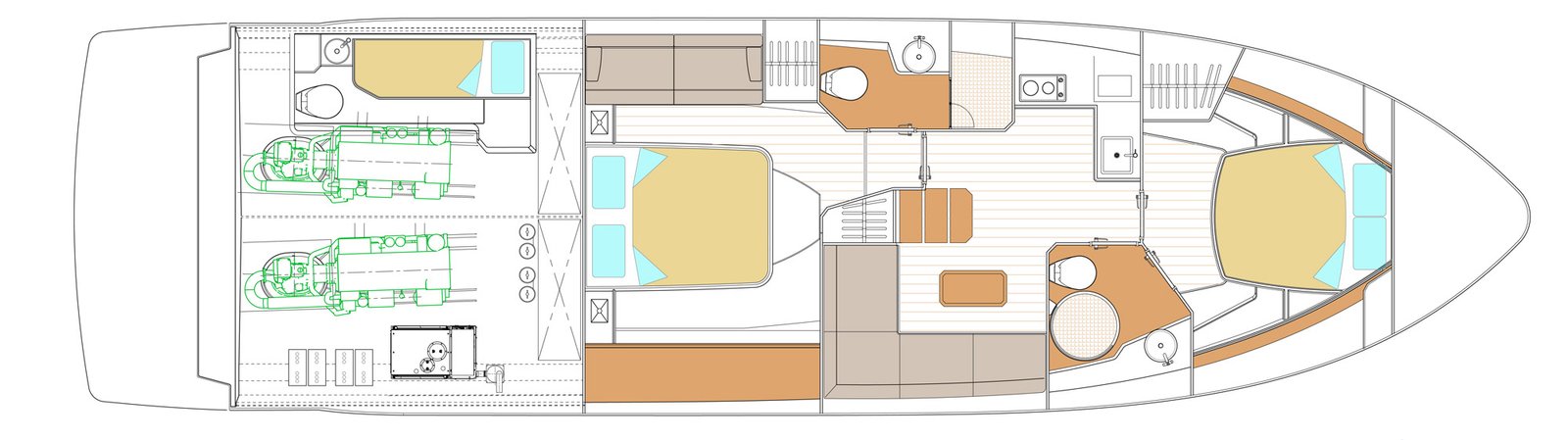
The 15.82 metre hull is shared with the rest of the 510 range, as is the 4.36 metre beam that makes three suites possible. Layout choices run to three configurations, with the master amidships taking the full width and six berths plus a crew berth in the standard count.
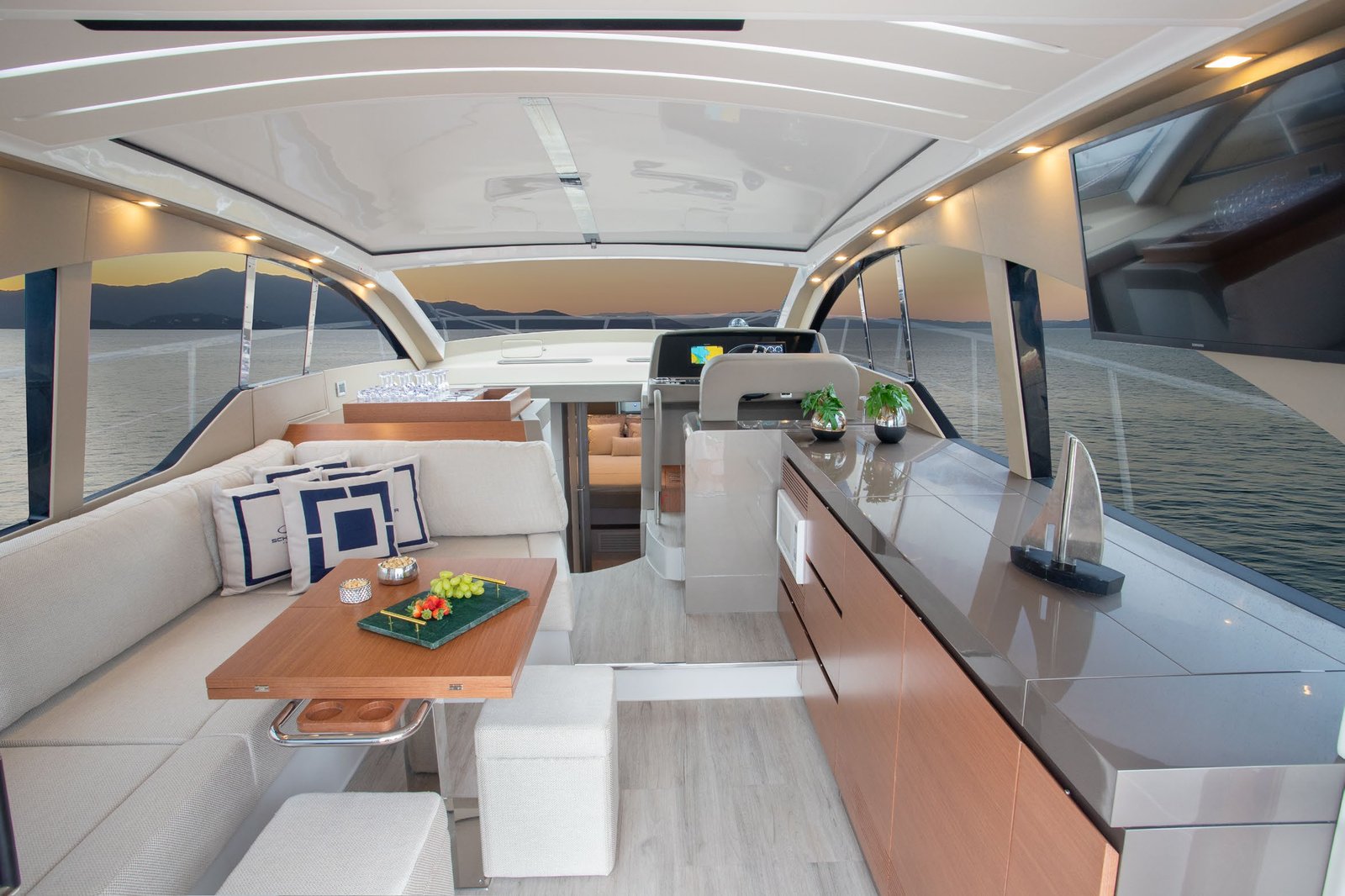
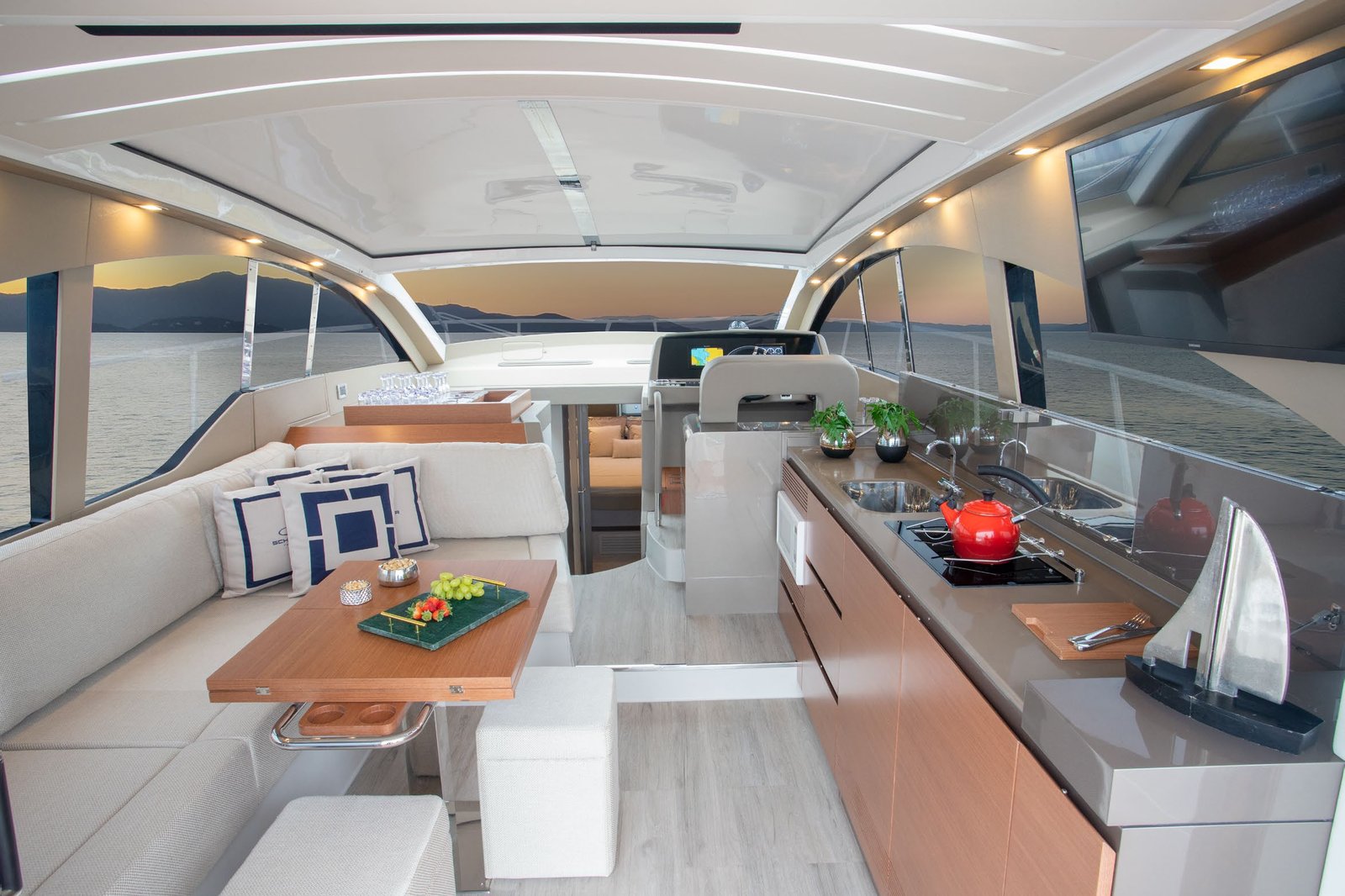
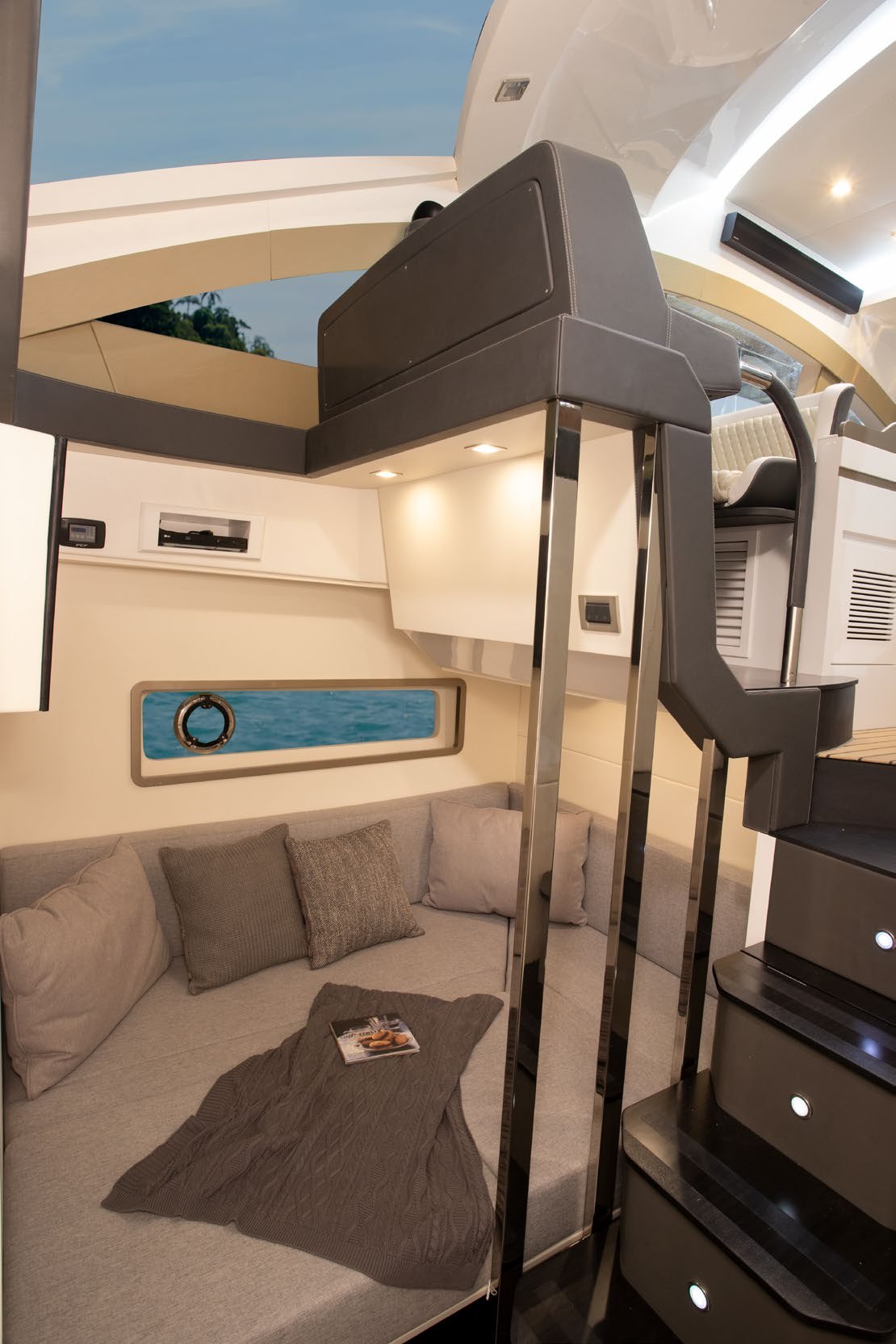
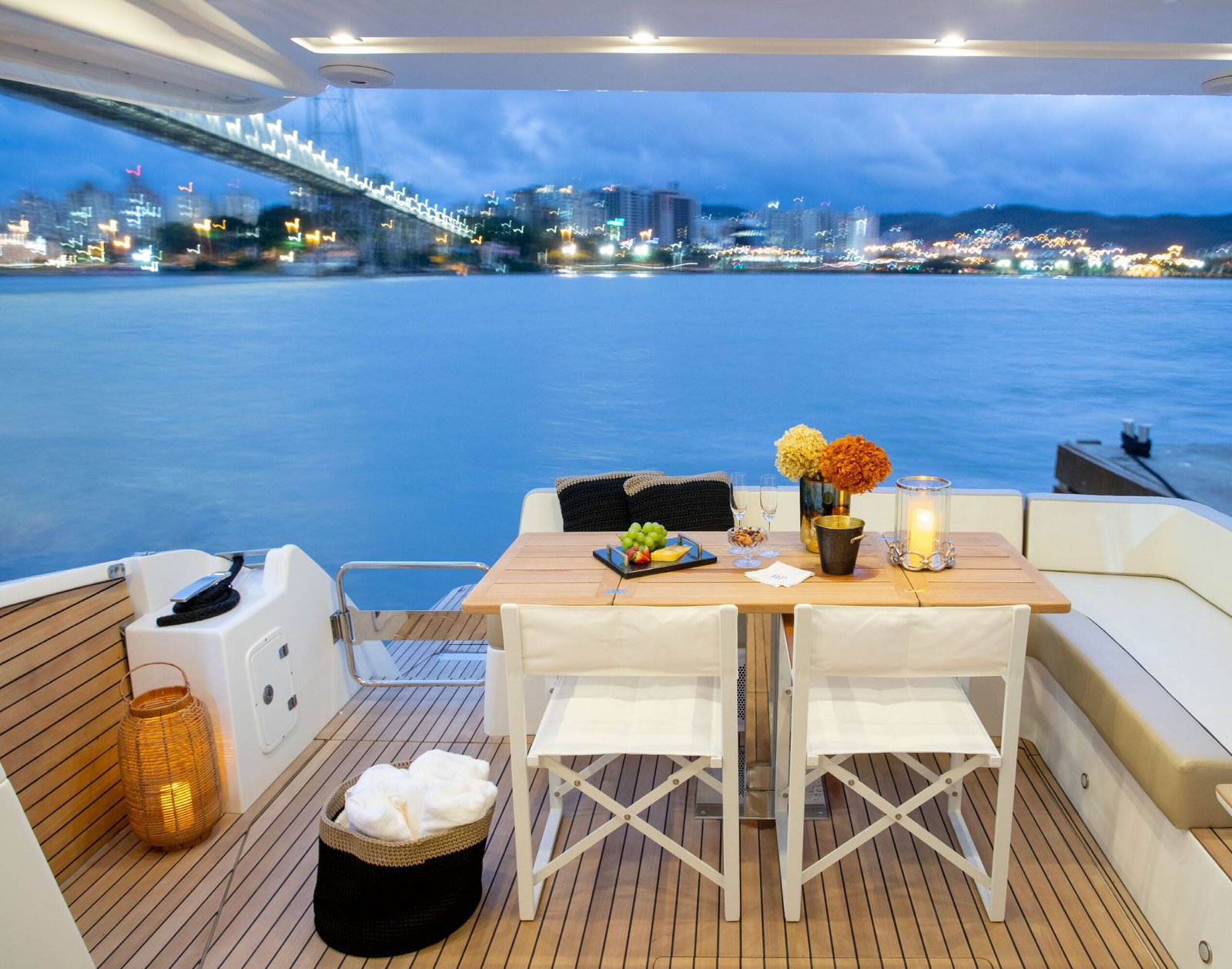
Aft, the cockpit opens onto a bathing platform with a gourmet station, and the transom seating converts for use at anchor. Deep side glazing and the double height saloon keep the interior bright without a flybridge overhang shading the main deck.
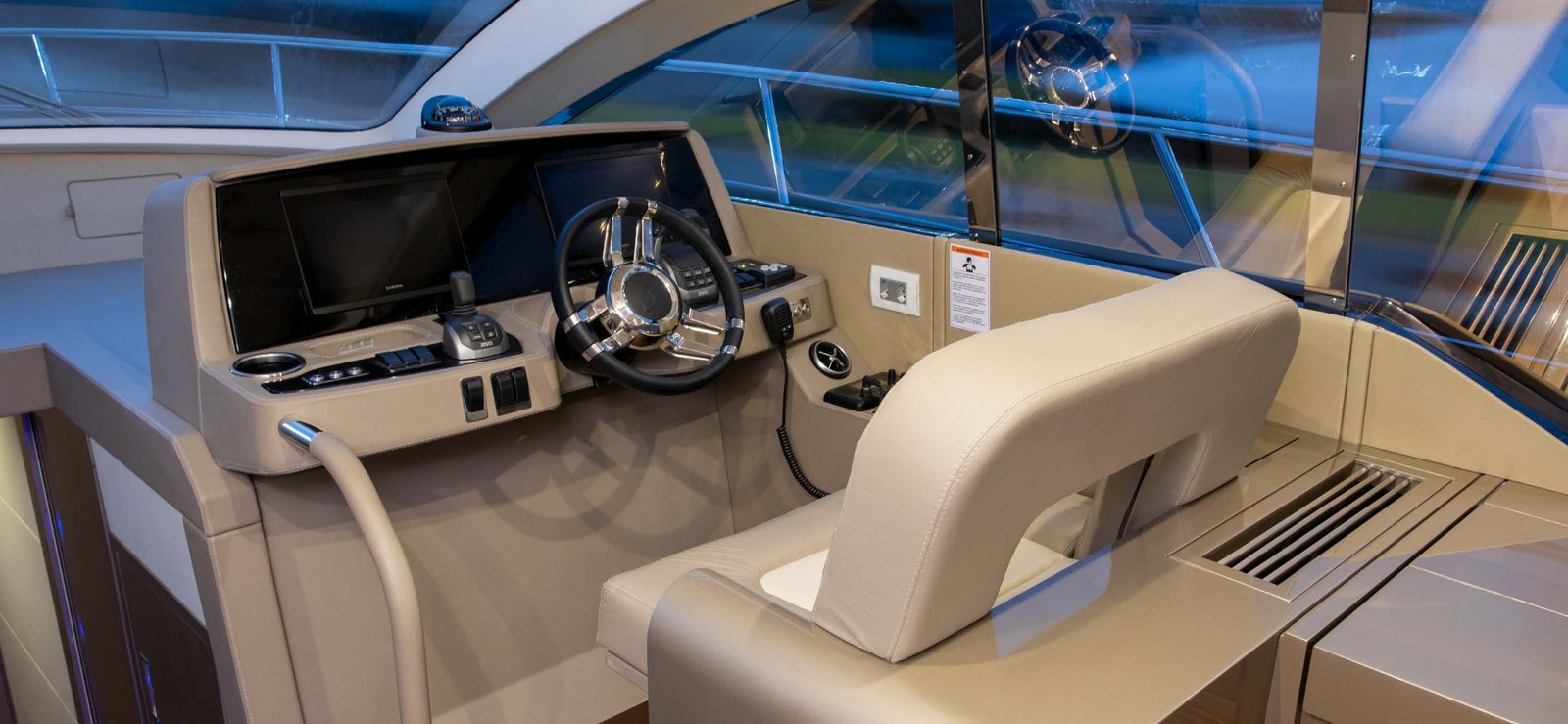
Volvo Penta pod drives handle propulsion and docking through joystick control, and the helm runs multi touch navigation panels.
Buyers comparing the GTS with the flybridge 510 GT are choosing between outright sportiness and an extra deck. The GTS gives up the upper helm and gains a lower profile, a lighter top and a boat that feels quicker to answer the wheel, on the same accommodation plan and the same running gear.
Length
15.8M
Beam
4.4M
Draft
1.3M
Day Guests
16
Sleeping
6
Cabin
3
Crew
1
Cruise Speed
24KT
Max Speed
33KT
Fuel
1300L
Engine
2 x Volvo Penta D8-IPS700, 550 hp each
Exterior
Marcio Schaefer
Interior
Marcio Schaefer
No yachts found matching your criteria.
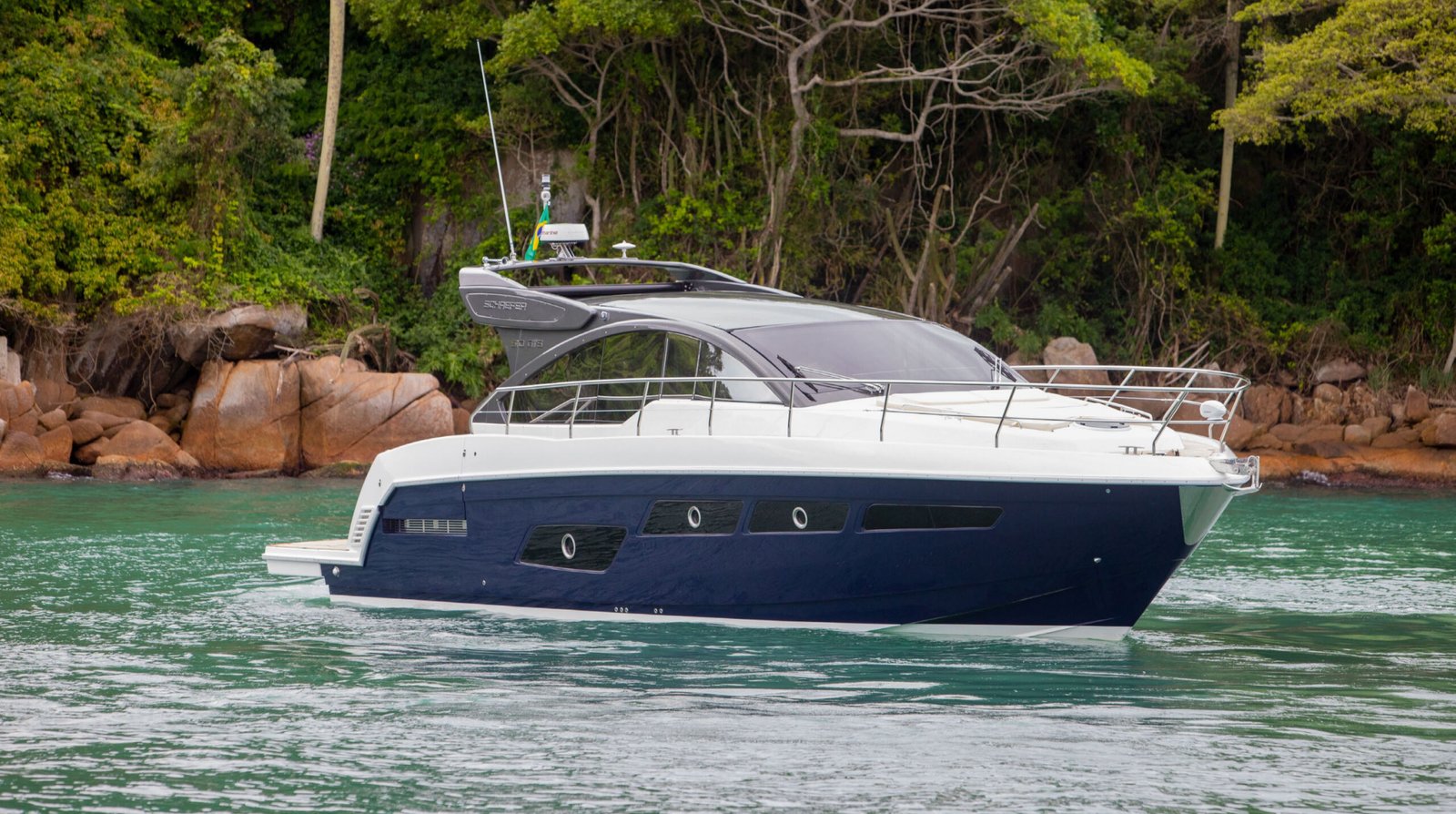
The GTS wears a lower, tauter silhouette than any other 510.
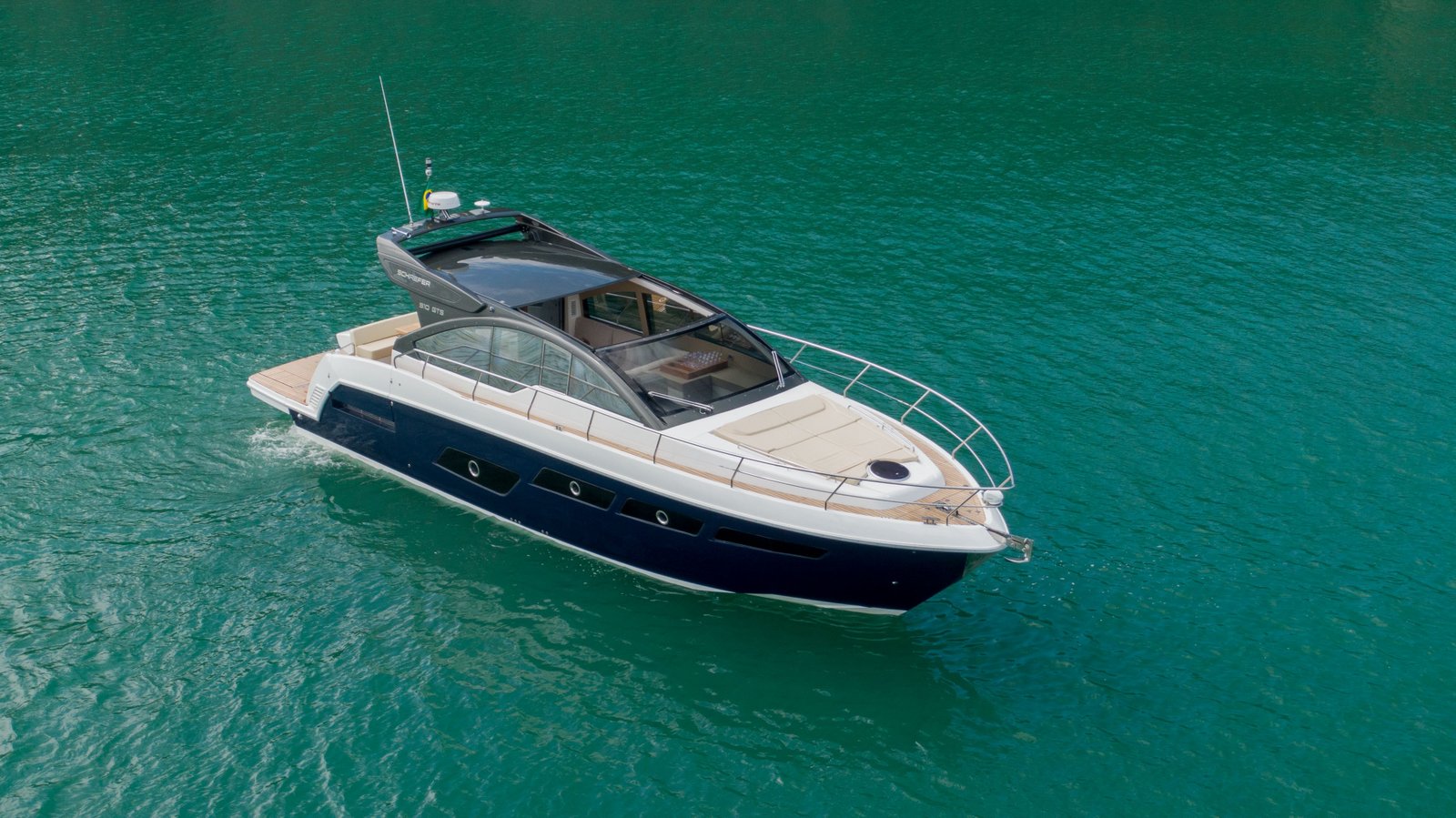
Removing the flybridge and replacing it with a carbon fibre targa top drops her air draught to 4.95 metres, a useful margin under bridges and in marinas where the flybridge model cannot follow. The carbon construction also lets Schaefer cut the largest roof aperture in the range without adding weight aloft, so the saloon opens to the sky in seconds rather than staying sealed beneath a fixed structure. Teak planking runs through the saloon and aft decks, three part sliding glass doors link the two without a step, and an electrically lowering side balcony widens the saloon deck at anchor. The result reads as a sports yacht rather than a cruiser with a sunroof.
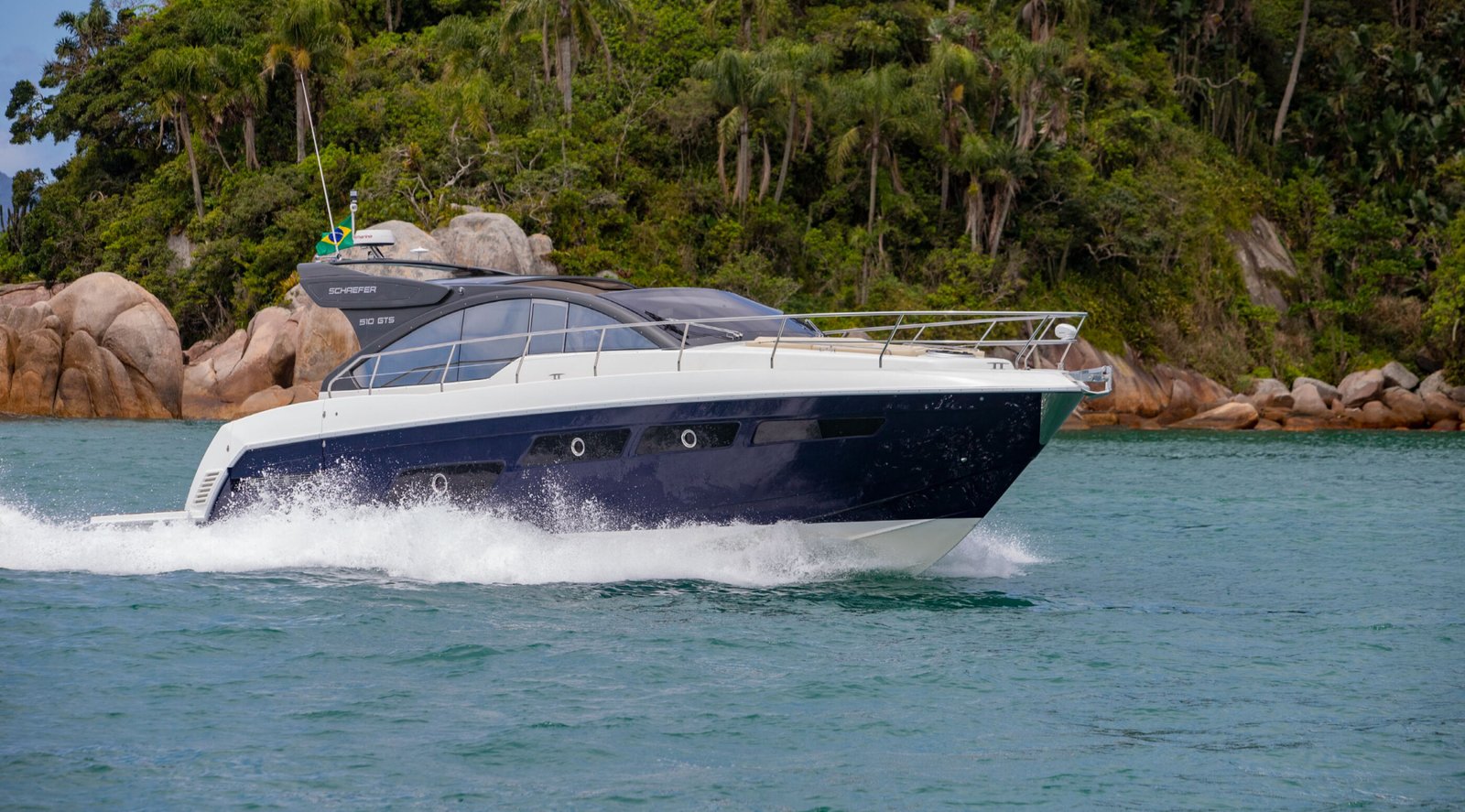
Twin IPS pod drives put 1,100 horsepower through counter rotating propellers, and the GTS uses every one of them.
Her twin Volvo Penta D8-IPS700 units, 550hp apiece, drive pod legs rather than conventional shafts, cutting drag and sharpening the steering at speed. She cruises at 24 knots and tops out at 33, numbers that put her ahead of most 51 foot flybridge cruisers while carrying the same fuel load. Volvo Penta’s joystick system takes over for docking, turning a boat this size on its own axis without drama, and the pod legs respond to the wheel with none of the lag owners associate with larger running gear. On the water she behaves like a boat half her displacement, planing quickly and holding her line through a turn rather than leaning into it.
Life aboard the GTS runs along one uninterrupted deck, with none of the flybridge model’s shade falling across it.
Without an overhanging bridge, the double height saloon and the aft cockpit both sit in open light, and deep side glazing keeps the connection to the water constant from the helm to the transom. The bathing platform lowers electro hydraulically on teak steps, rated to take real weight for boarding or launching a tender, while the aft deck carries an electric hot rock barbecue and twin ice boxes built into the seating. Transom seating converts for lounging at anchor, and a joystick docking panel on the starboard quarter puts full control within reach of whoever is handling lines. It is a deck built for an owner who drives and entertains in the same afternoon.
Three cabin layouts share one hull, and the GTS lets an owner pick the one that suits how they actually cruise.
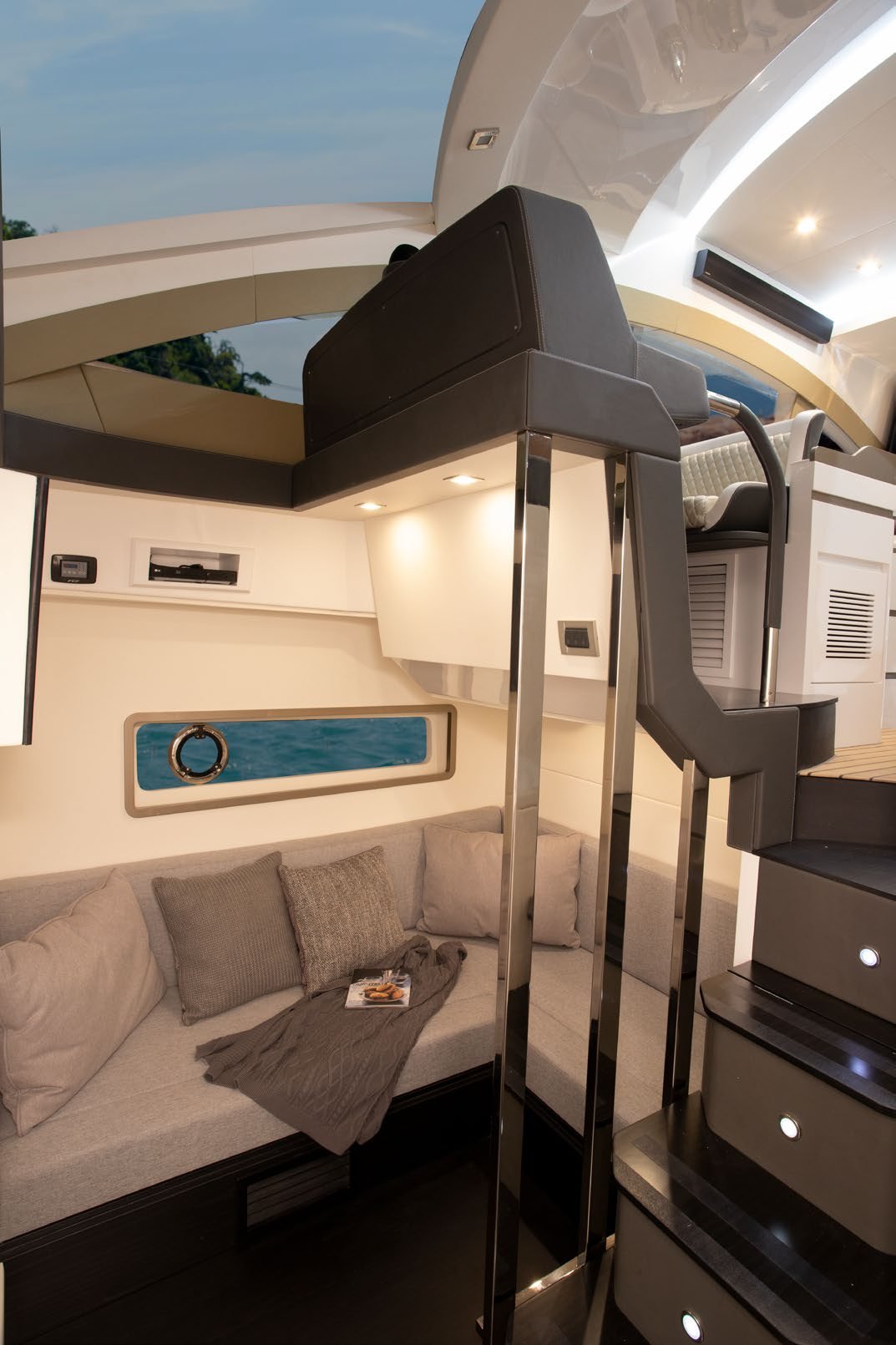
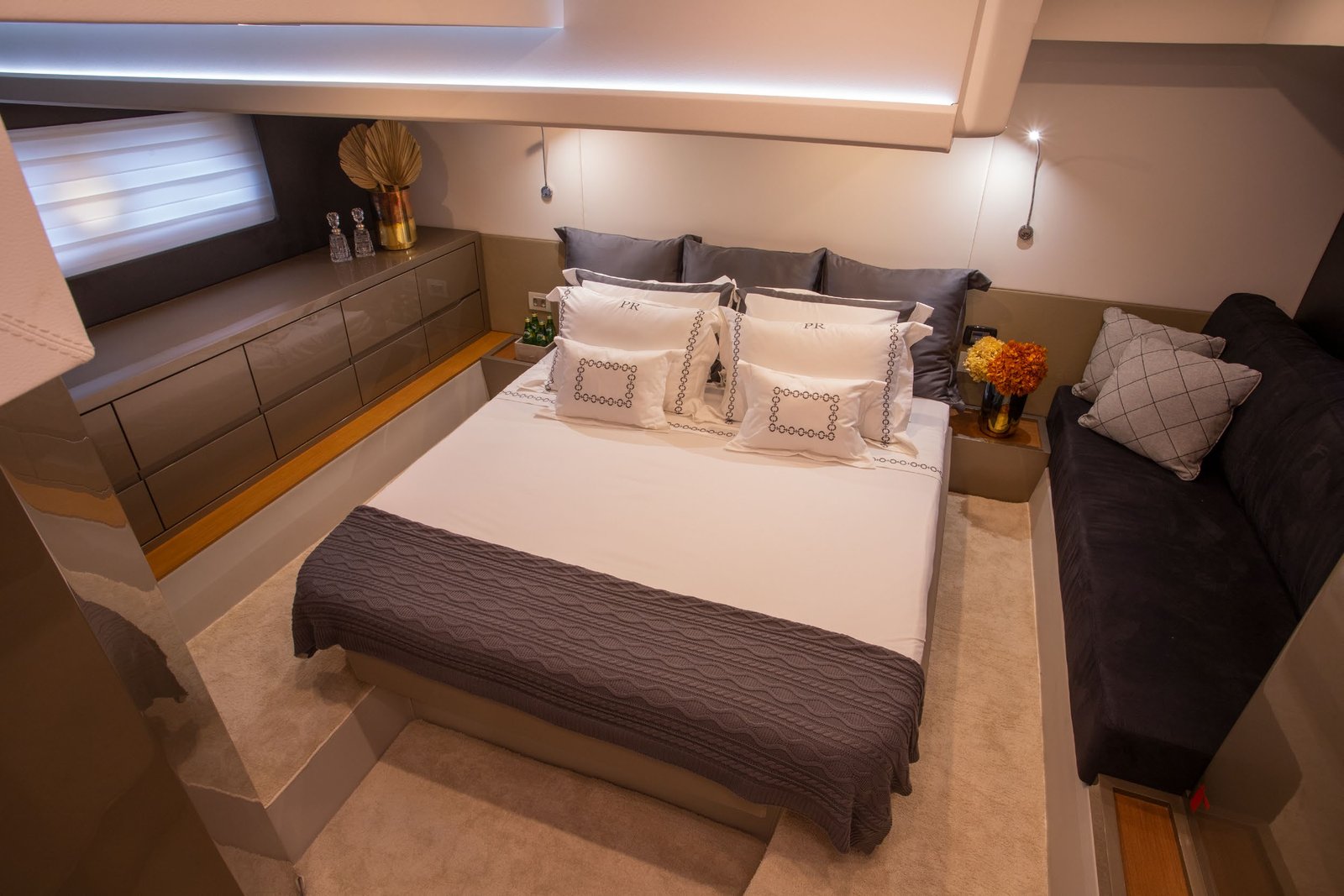
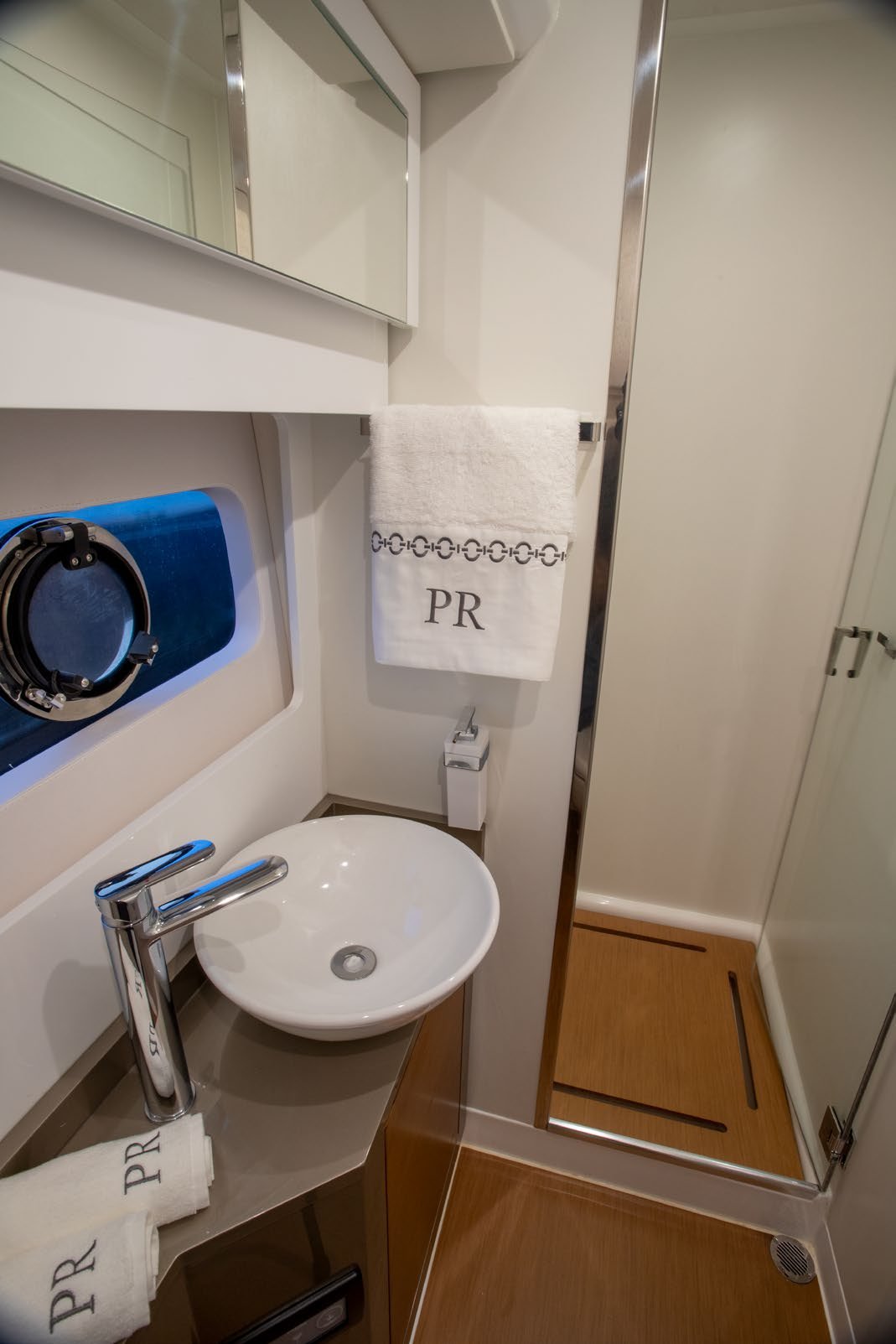
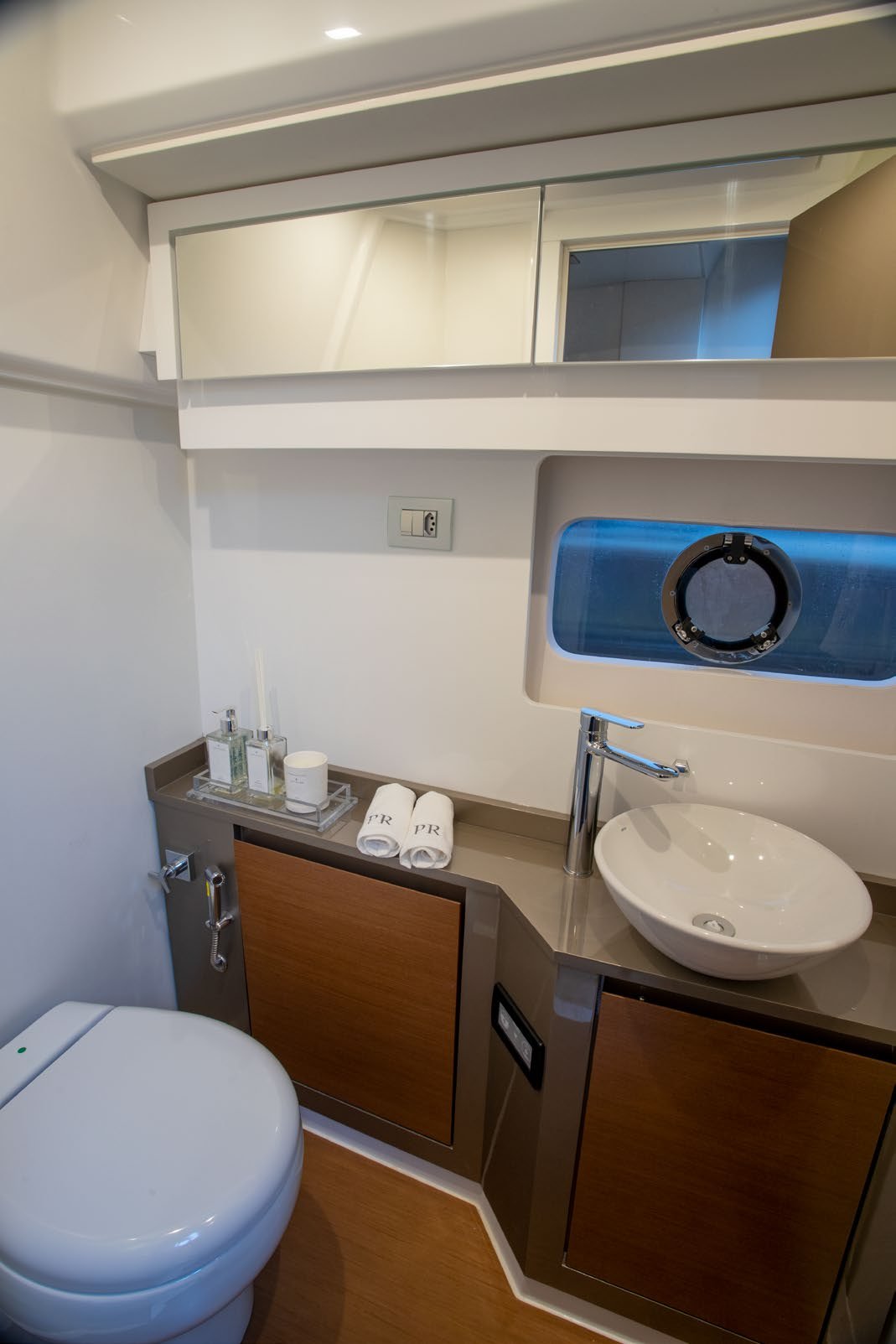
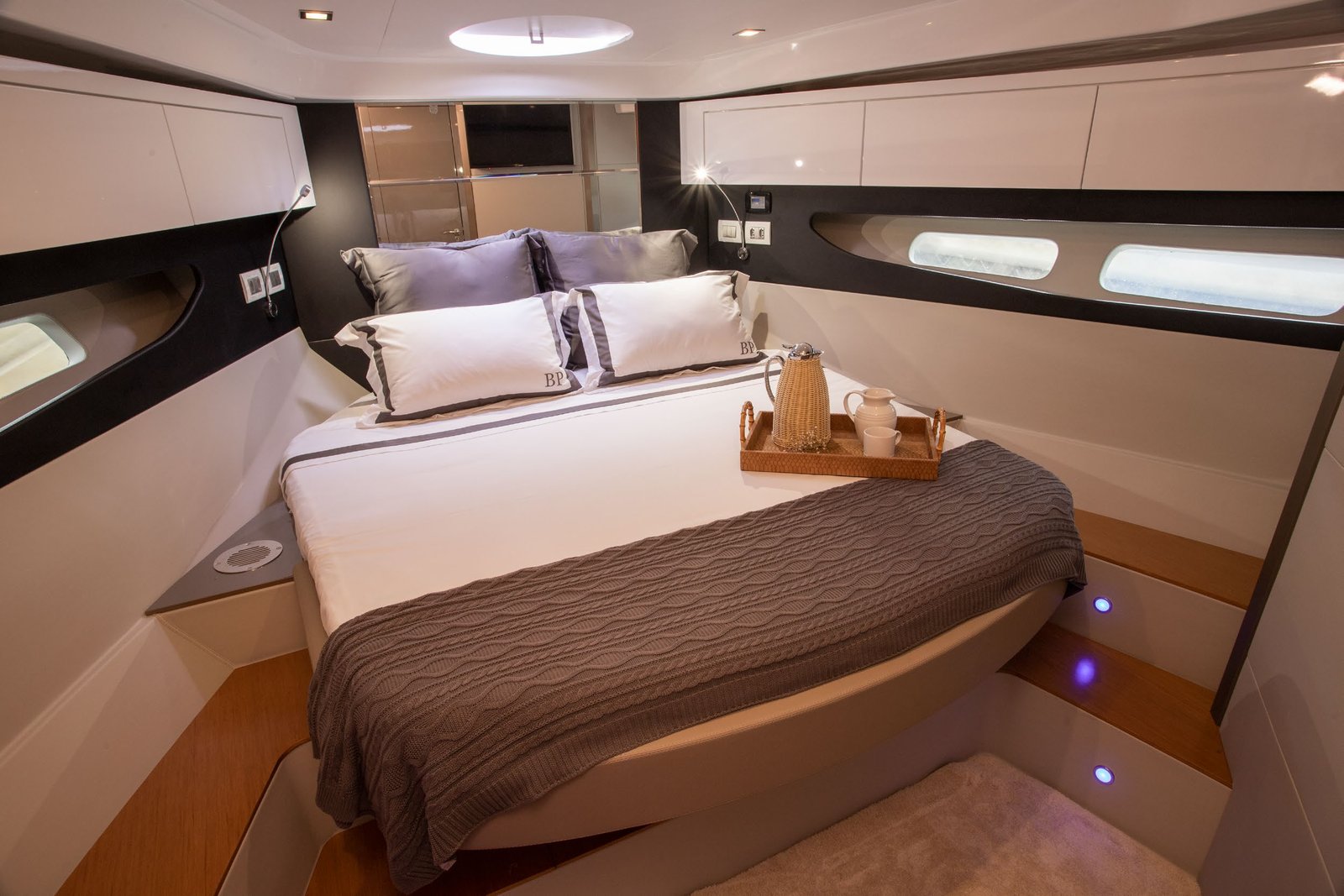
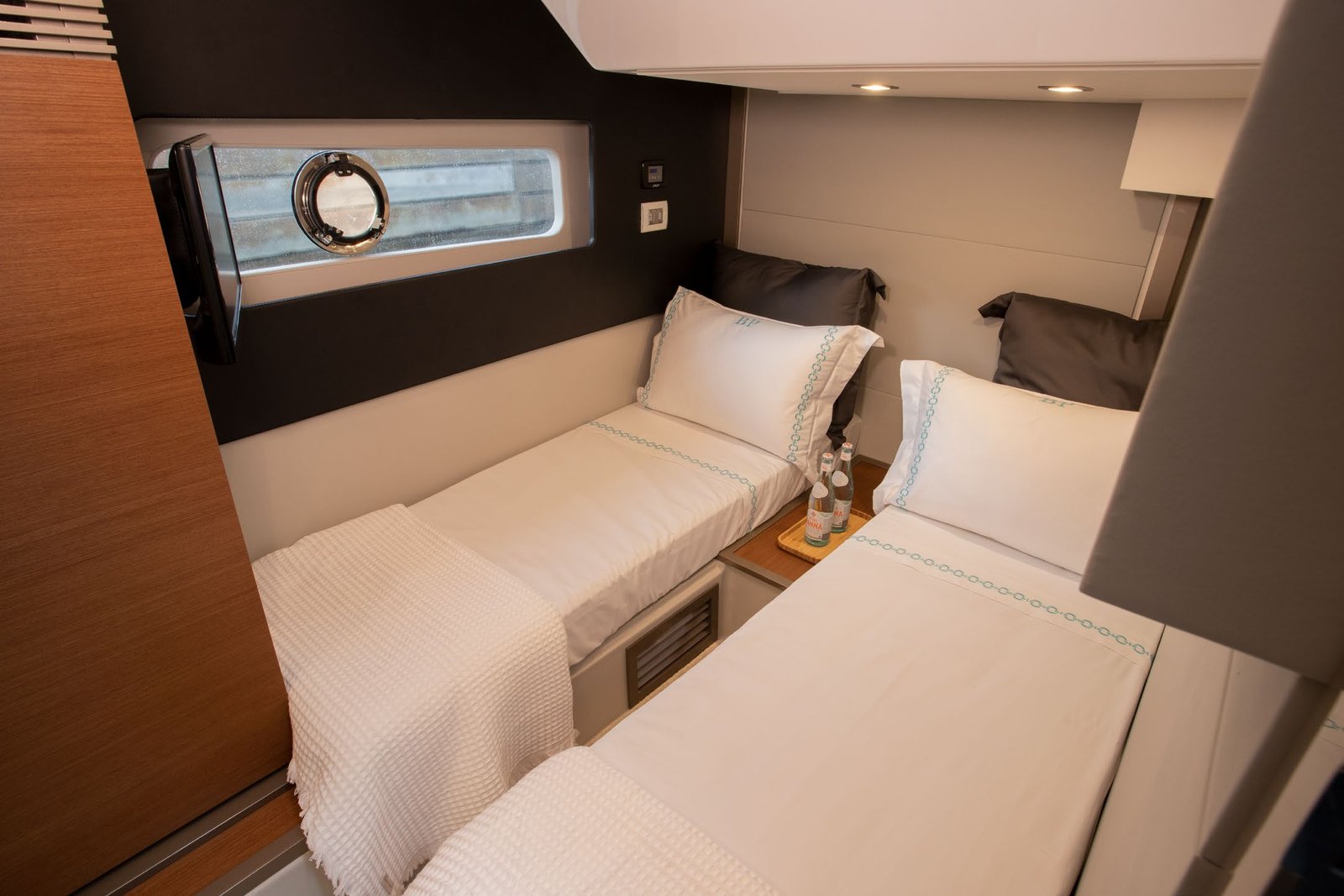
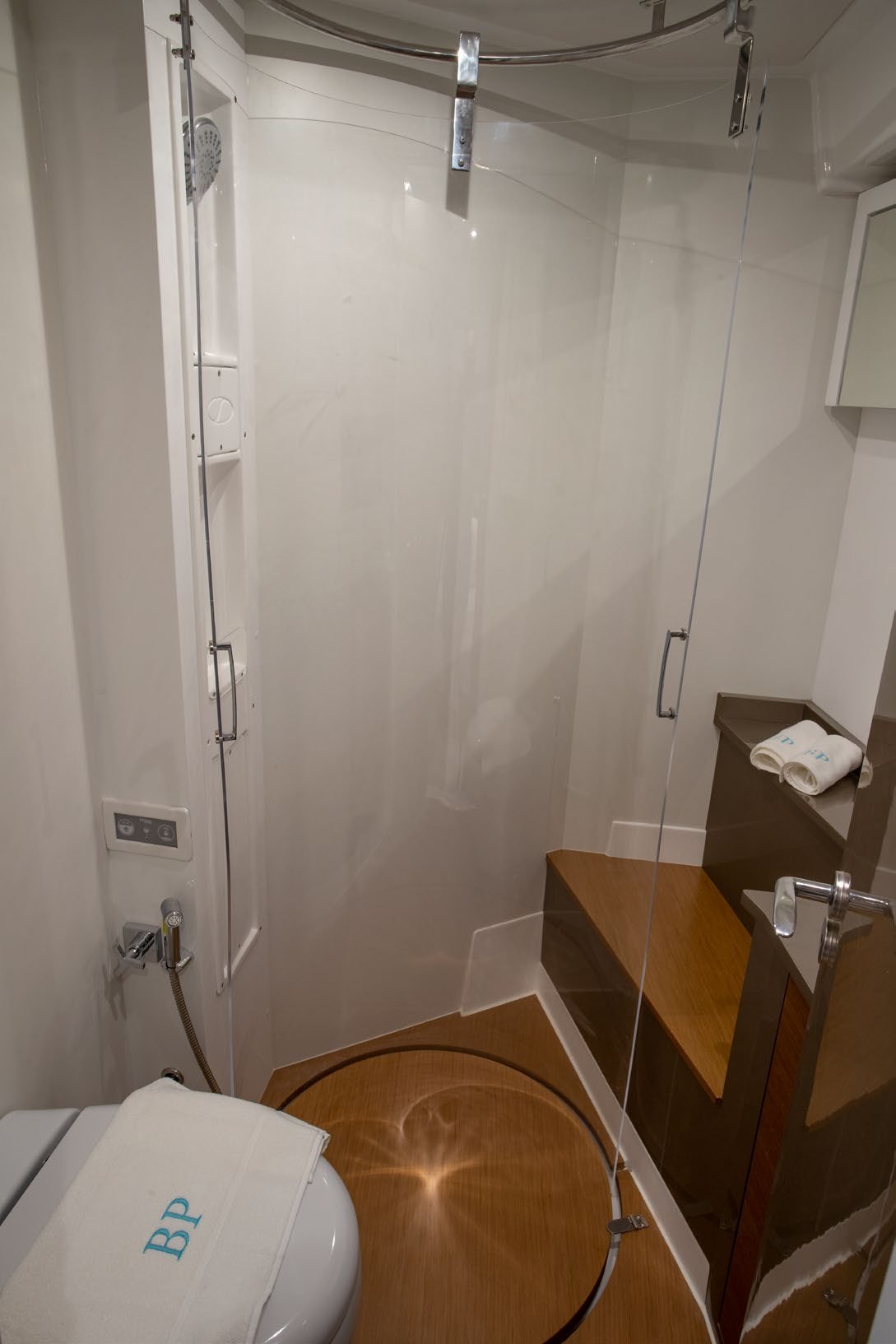
The test layout runs to three cabins and three heads: a full width master amidships, a forward cabin with its own queen island berth, and a central cabin with twin singles that doubles as a day head for guests. A dedicated crew cabin sits forward on the port side with its own berth, sink and toilet, kept apart from the guest accommodation. Interior finishing favours cream leather, soft wall coverings and gloss grey lacquer over anything heavier, with push catch drawers and cupboards that stay silent underway. Sleeping six guests and a crew member in comfort on a 51 foot hull, without ever feeling like the cabins were squeezed in after the deck plan was drawn.
The GTS and her flybridge sister share everything below the waterline. What an owner is really choosing is how they want to arrive.
At 15.8 metres on a 4.4 metre beam and a 1.3 metre draught, she displaces 18.3 tonnes dry and carries 1,300 litres of fuel, enough for a full day running at cruise without returning to the dock. Schaefer builds the hull in vinyl ester resin under vacuum infusion rather than hand lamination, a lighter and more consistent structure that helps explain how a boat this size reaches 33 knots on twin 550hp engines. The yard’s own naval architecture and styling, credited throughout to founder Marcio Schaefer, runs across the whole 510 range, so choosing the GTS over the flybridge model costs nothing in build quality or specification. It simply trades a second deck for a sharper, lower edged boat that rewards the owner who wants to hold the wheel.
Length
15.8M
Beam
4.4M
Draft
1.3M
Guests
6
Cabins
3
Cruise Speed
24Kt
Max Speed
33Kt

Tell us what you would like to know, and our team will respond with clear details on availability, specification, pricing and next steps.