Patagonia


Seno Pia
Ultima Esperanza Sound
Bahia Yendegaia
Puerto Williams
Puerto Natales
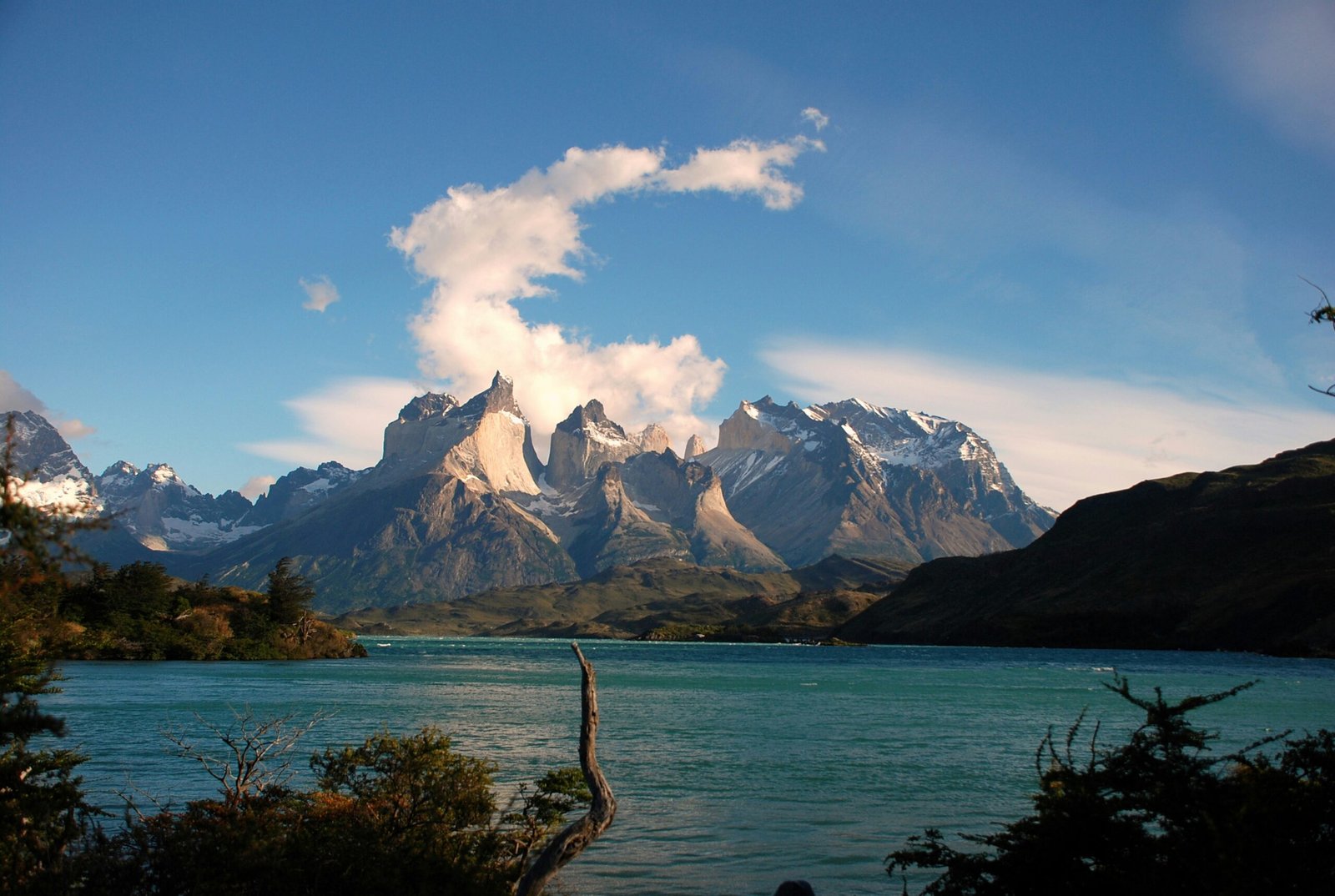
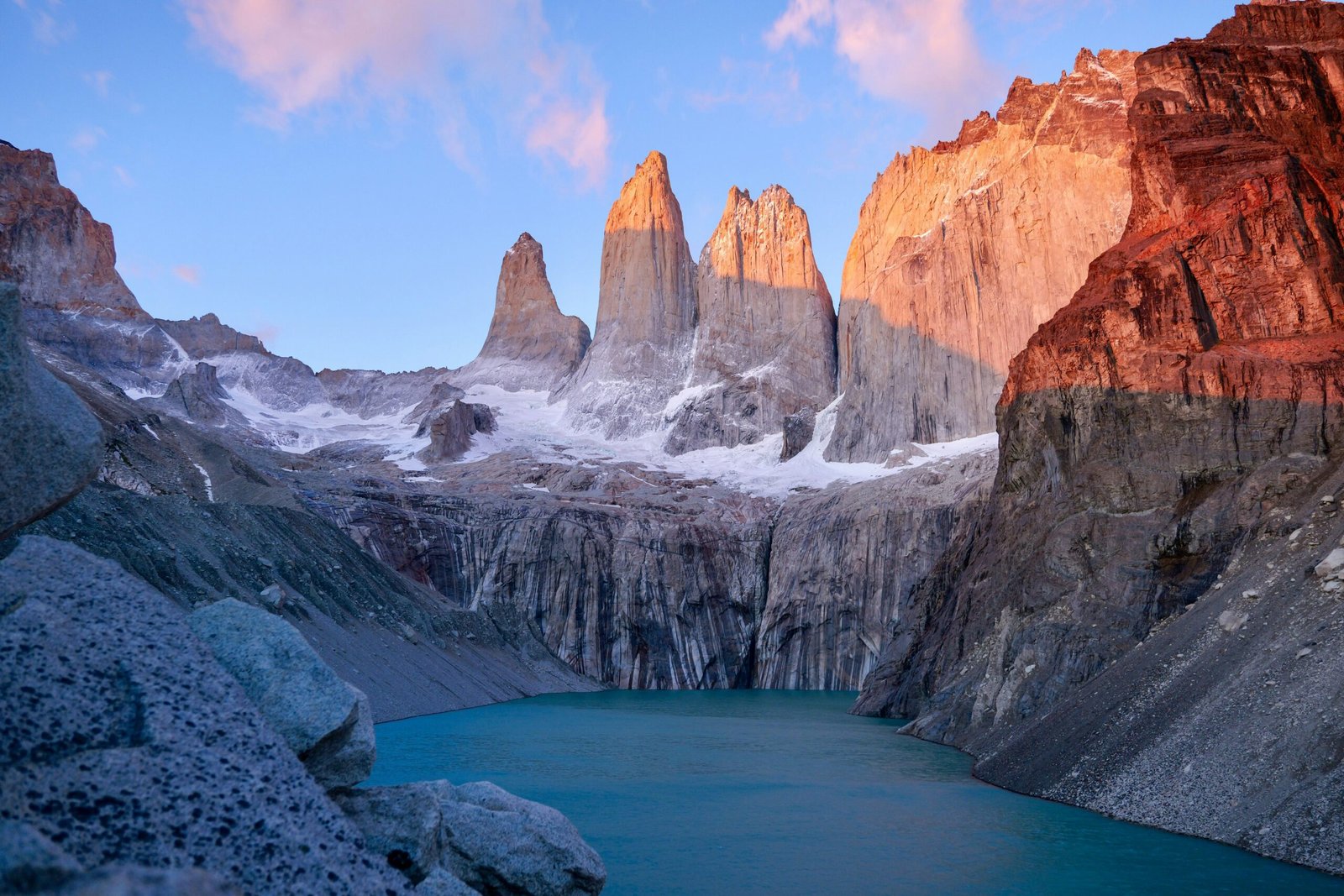
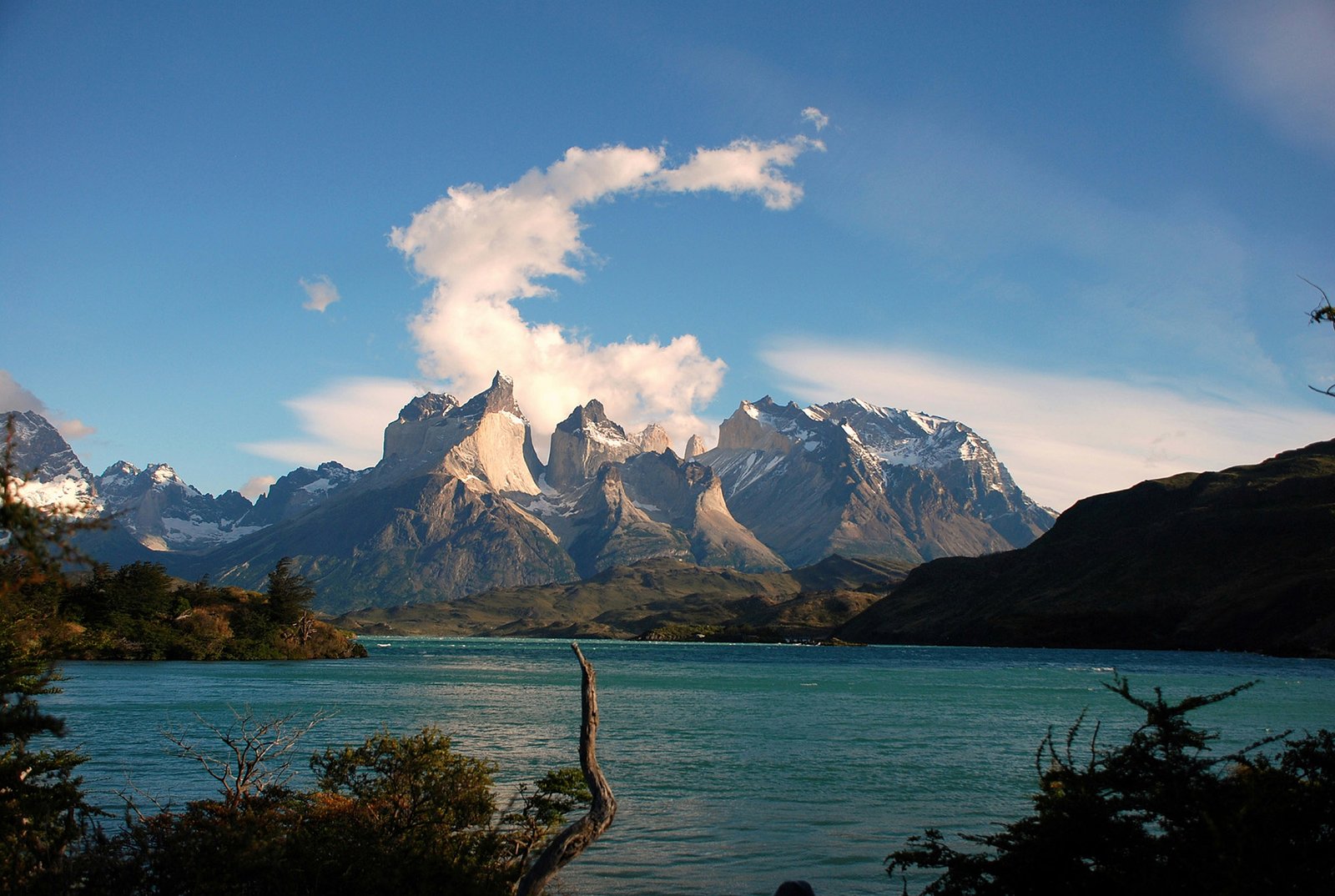
Hike the W Trek in Torres del Paine
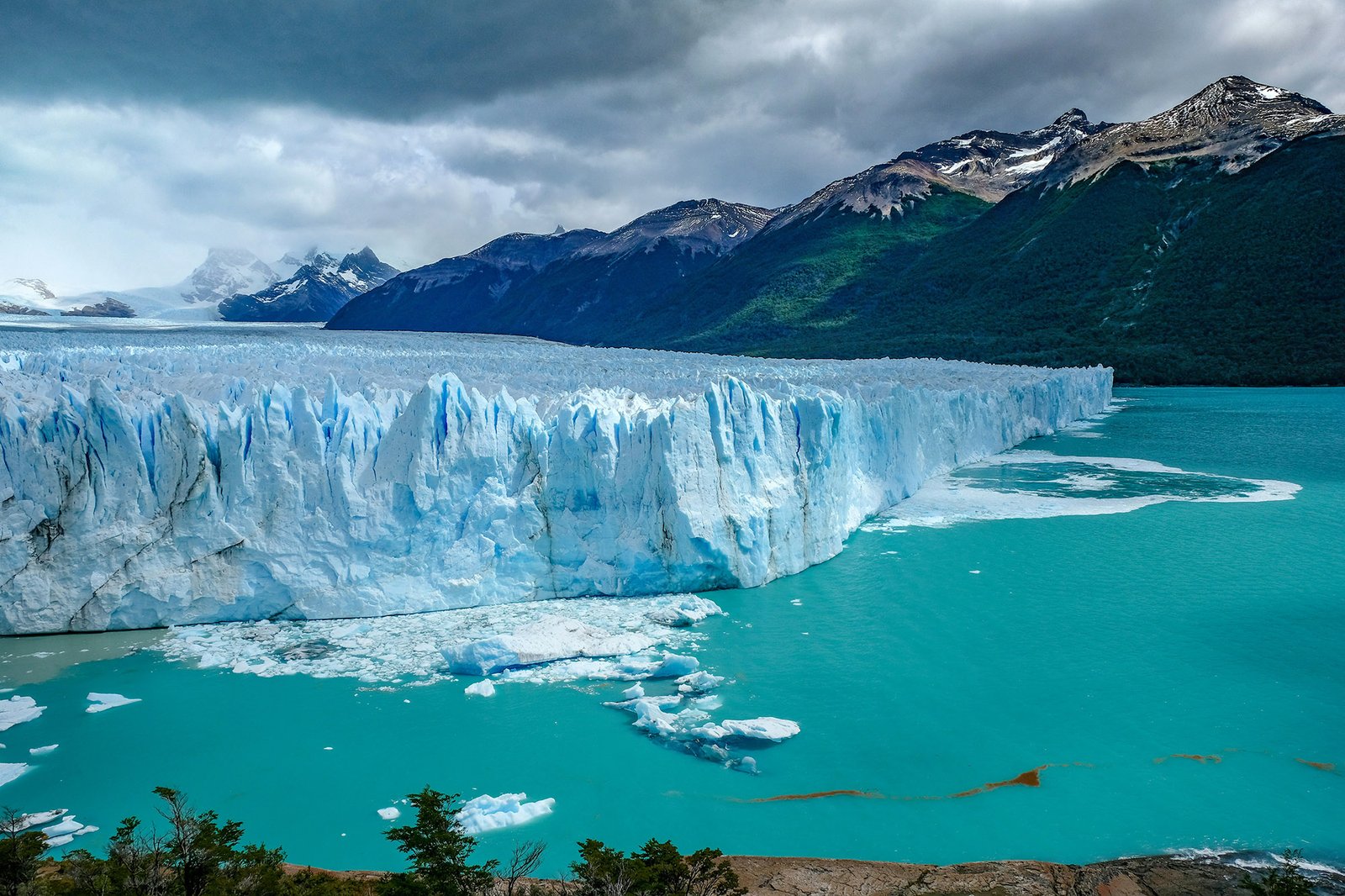
Cruise past the Perito Moreno Glacier face
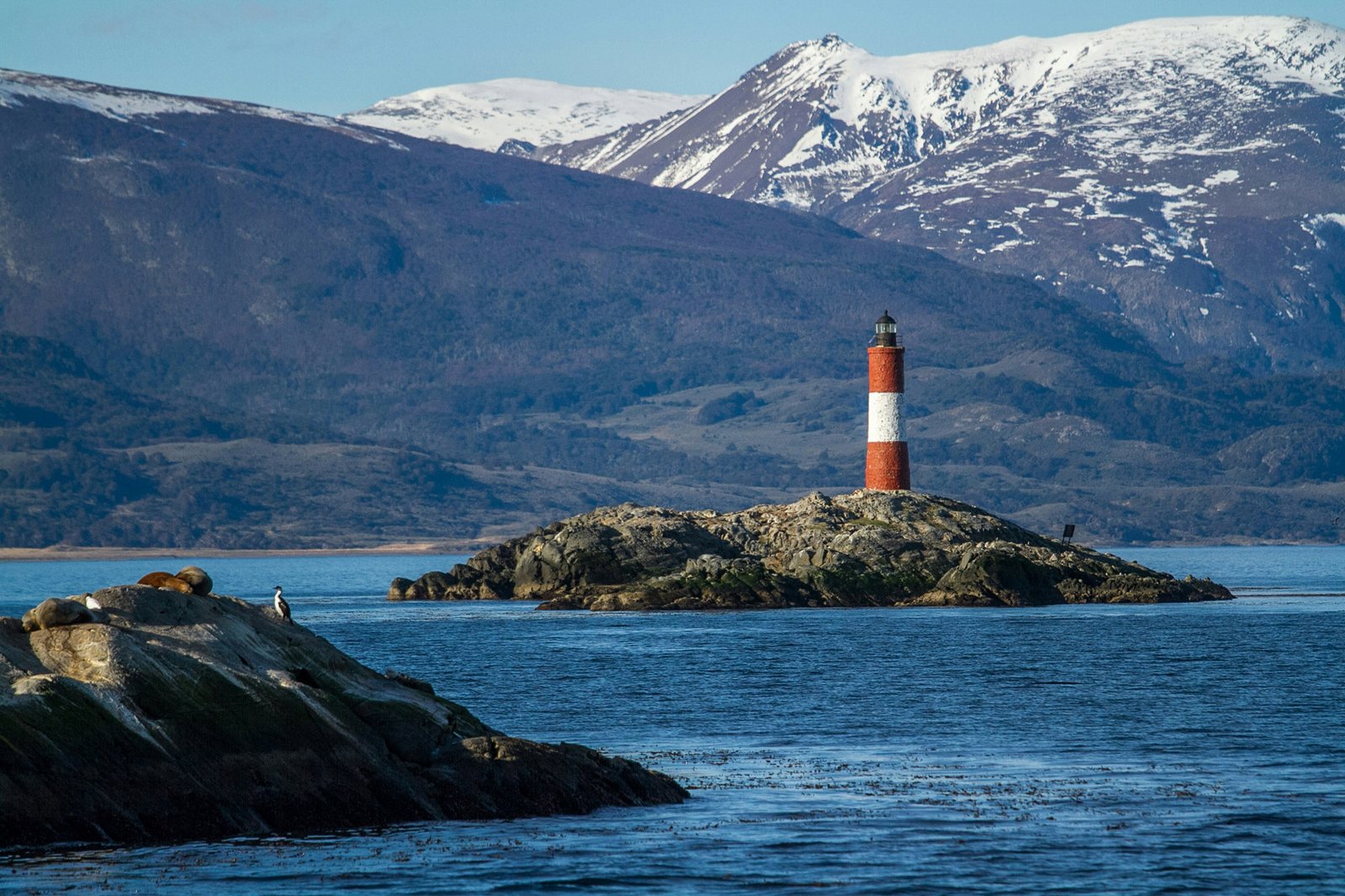
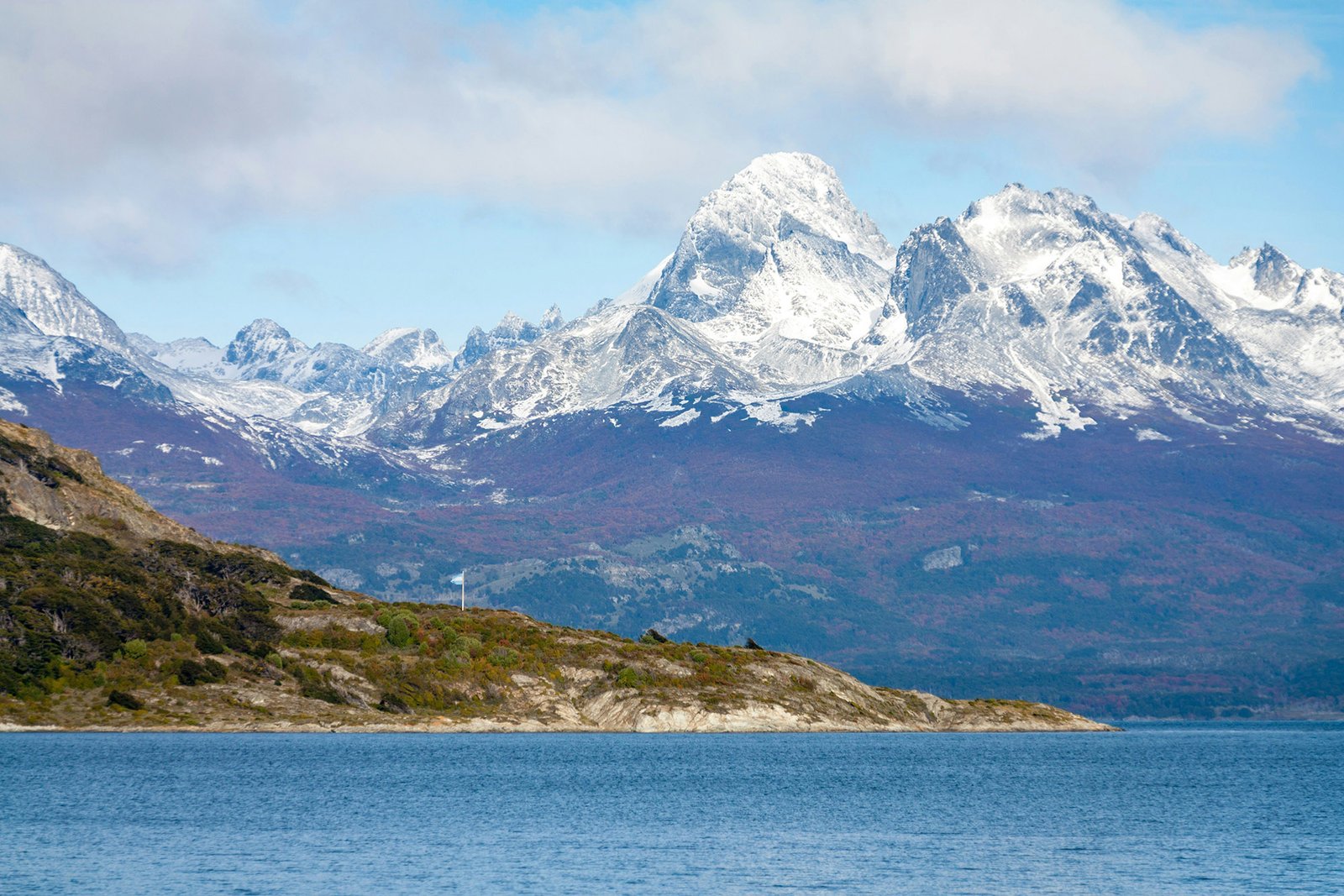
Kayak among icebergs in the Beagle Channel
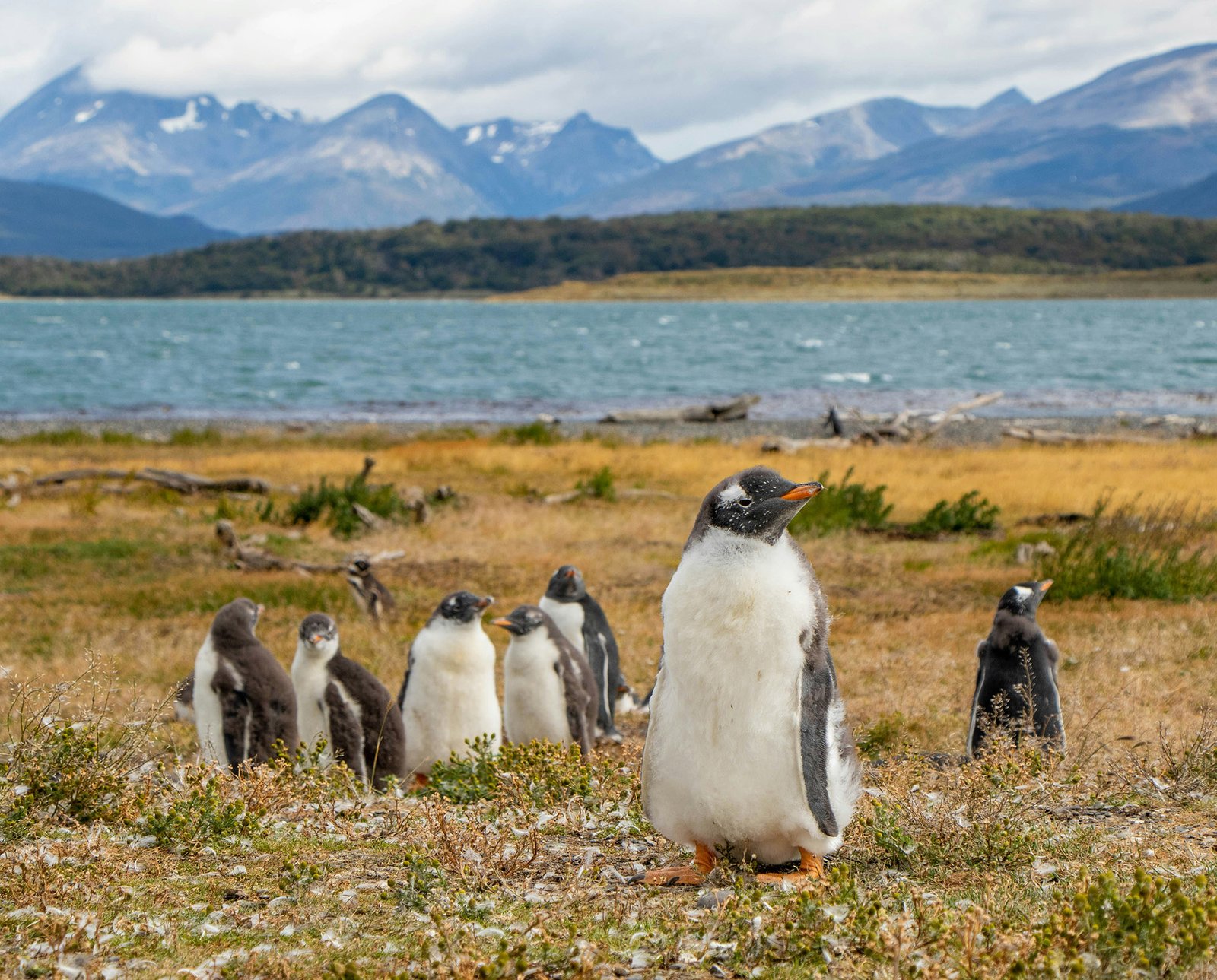
Spot Magellanic penguins on Isla Magdalena
Ride with Patagonian gauchos across the steppe
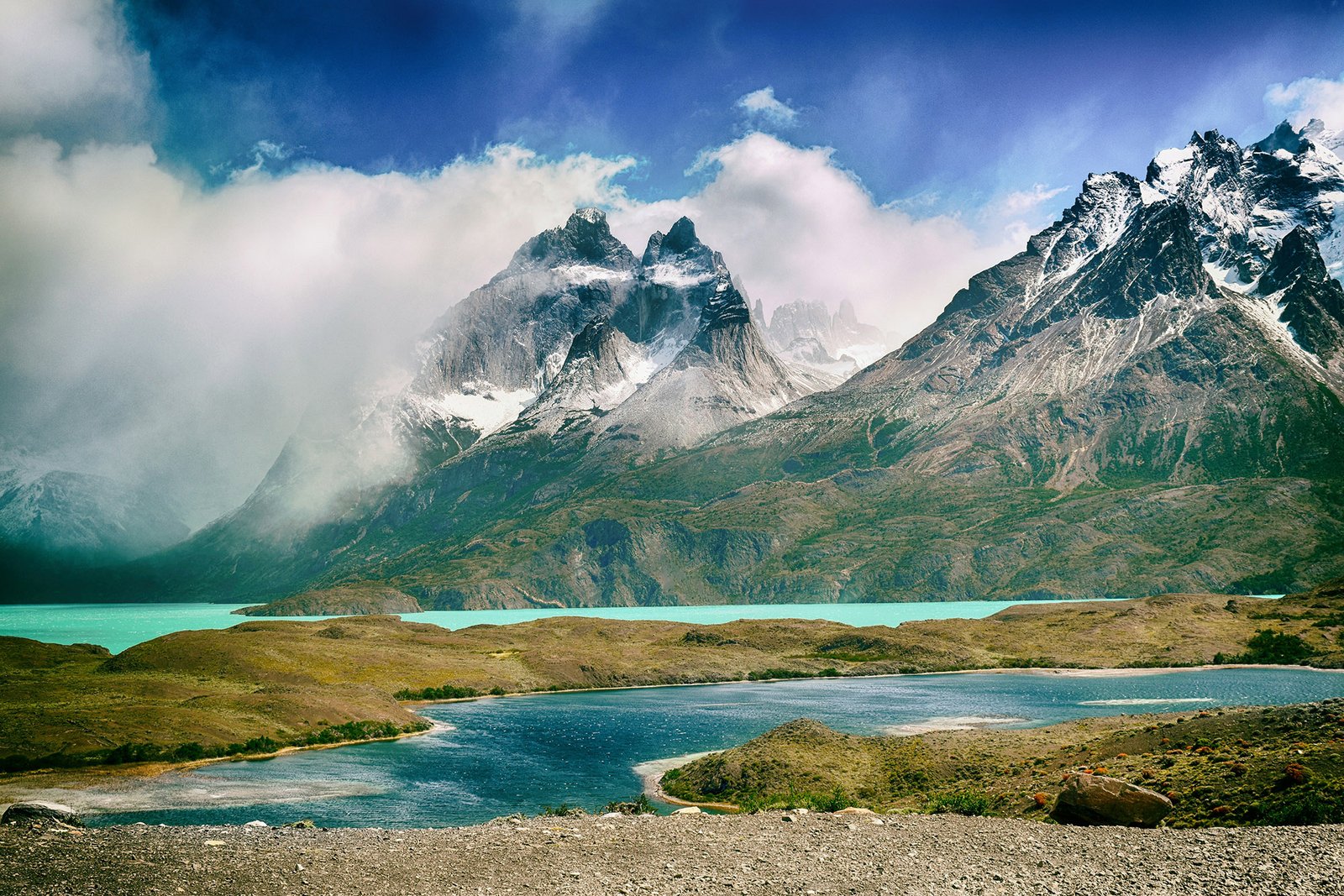
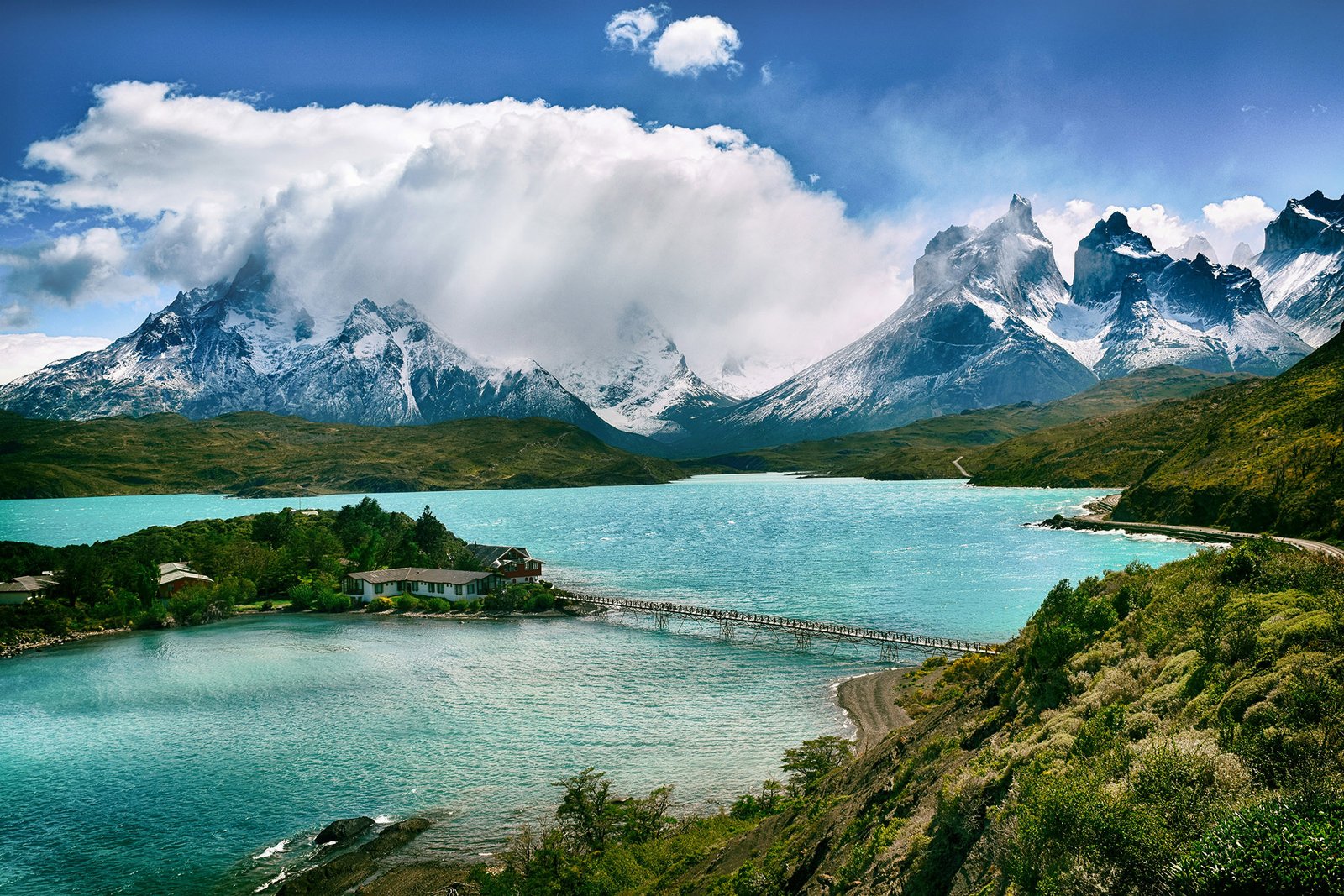
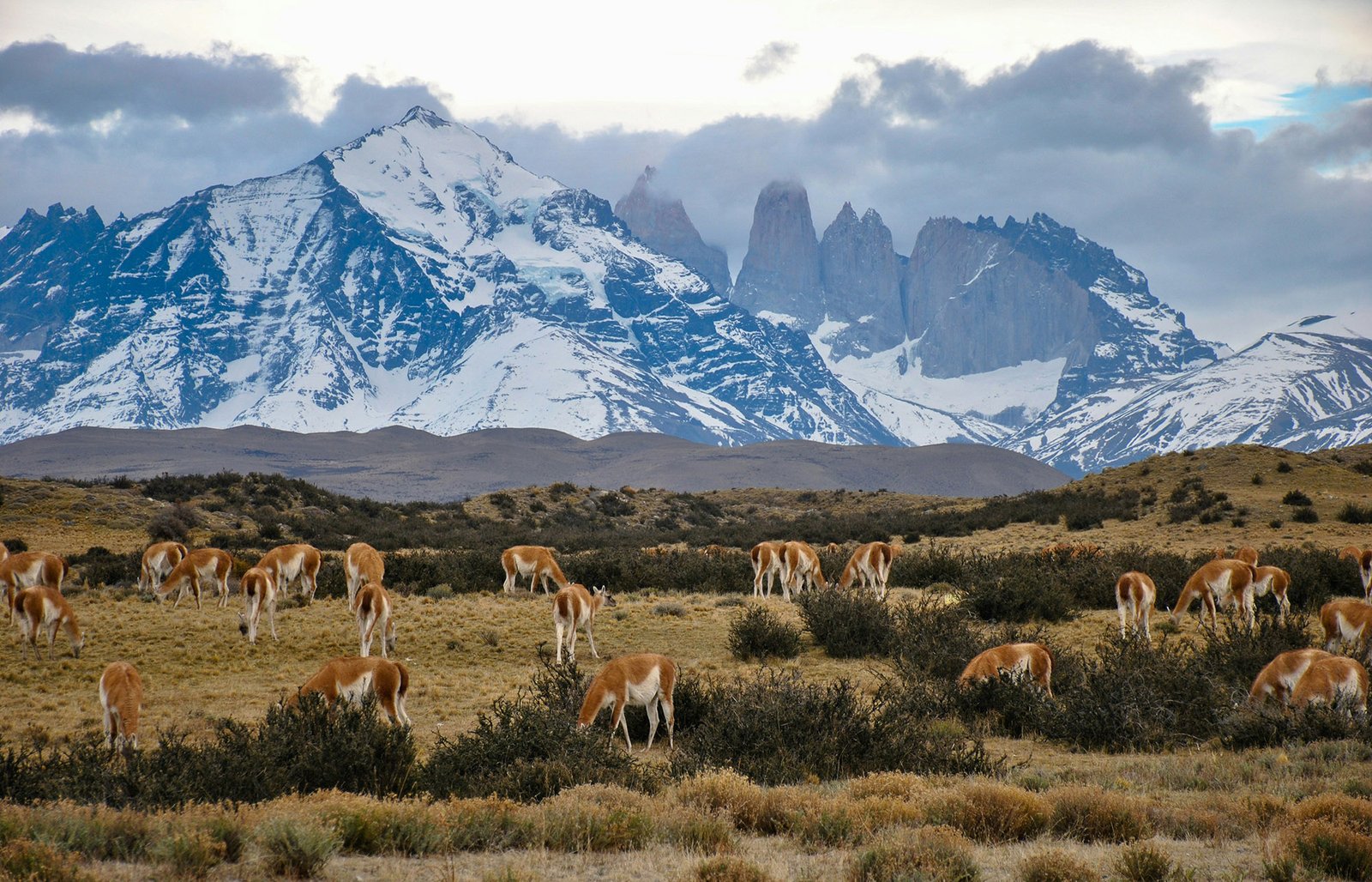
Torres del Paine National Park
Los Glaciares National Park
Fitz Roy and El Chalten
Punta Arenas
Ushuaia
The austral summer, November through March, is by far the most practical window, with the longest daylight hours, the calmest winds relative to the rest of the year, and most park facilities and moorings open. Even then, weather changes quickly this far south, so itineraries are usually built with flexible days rather than a fixed schedule, and winter charters, June through August, are rare given the short days and frequent storms.
Punta Arenas, served by Presidente Carlos Ibanez del Campo International Airport (PUQ), is the main gateway on the Chilean side and the usual starting point for charters through the fjords, with connecting flights from Santiago. On the Argentine side, guests fly into Ushuaia at the southern tip of Tierra del Fuego, the departure point for itineraries through the Beagle Channel toward Cape Horn.
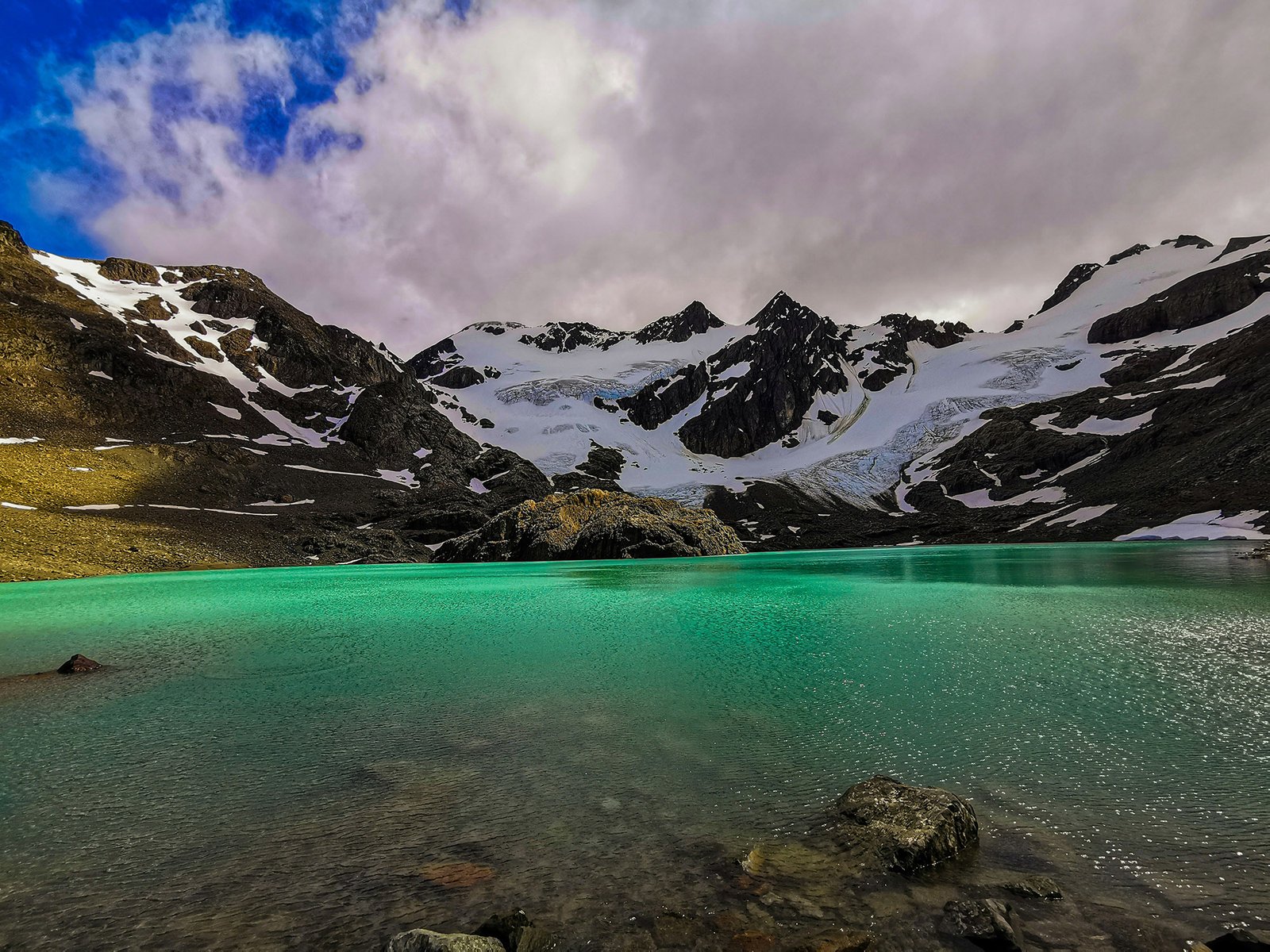
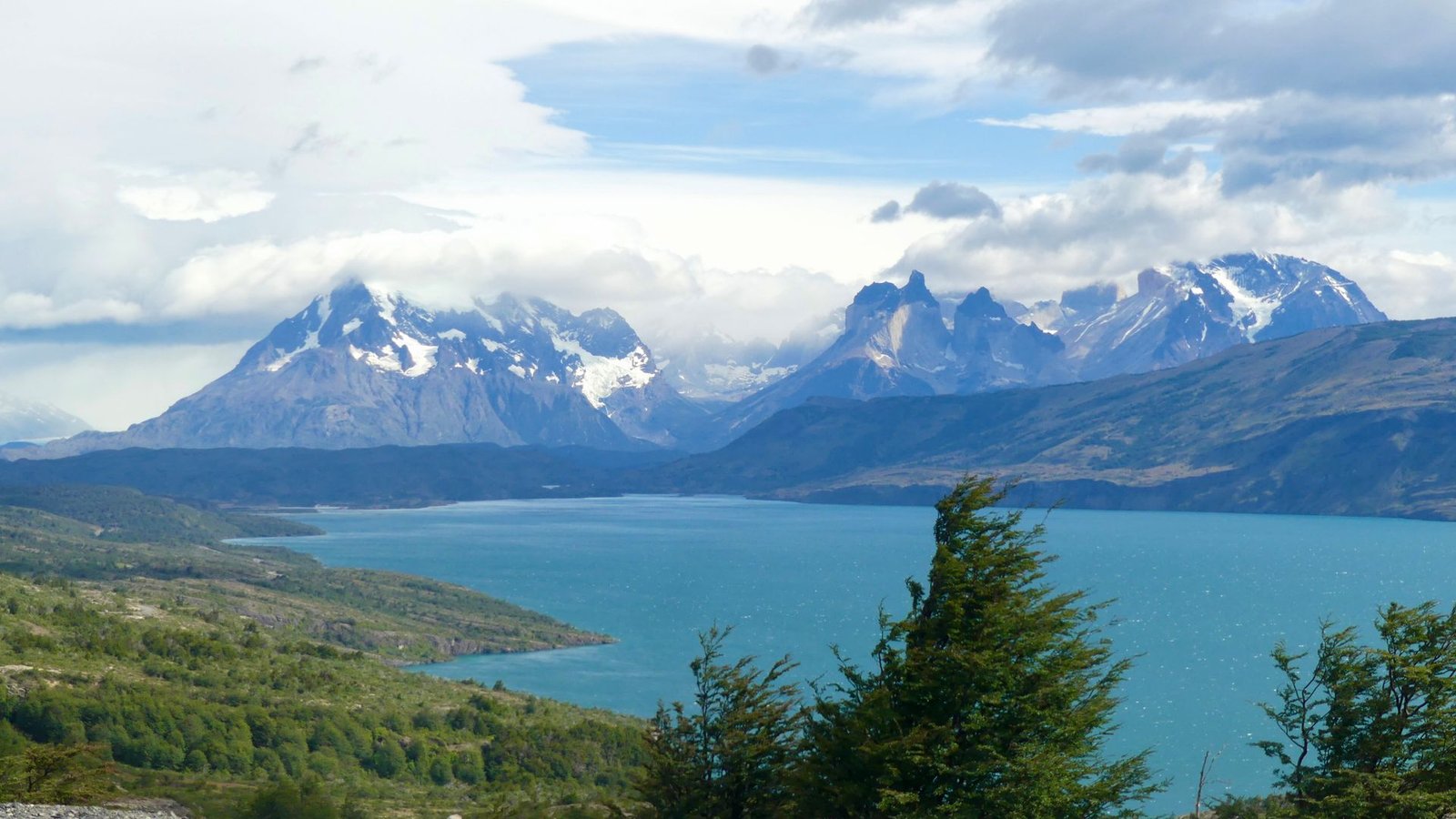
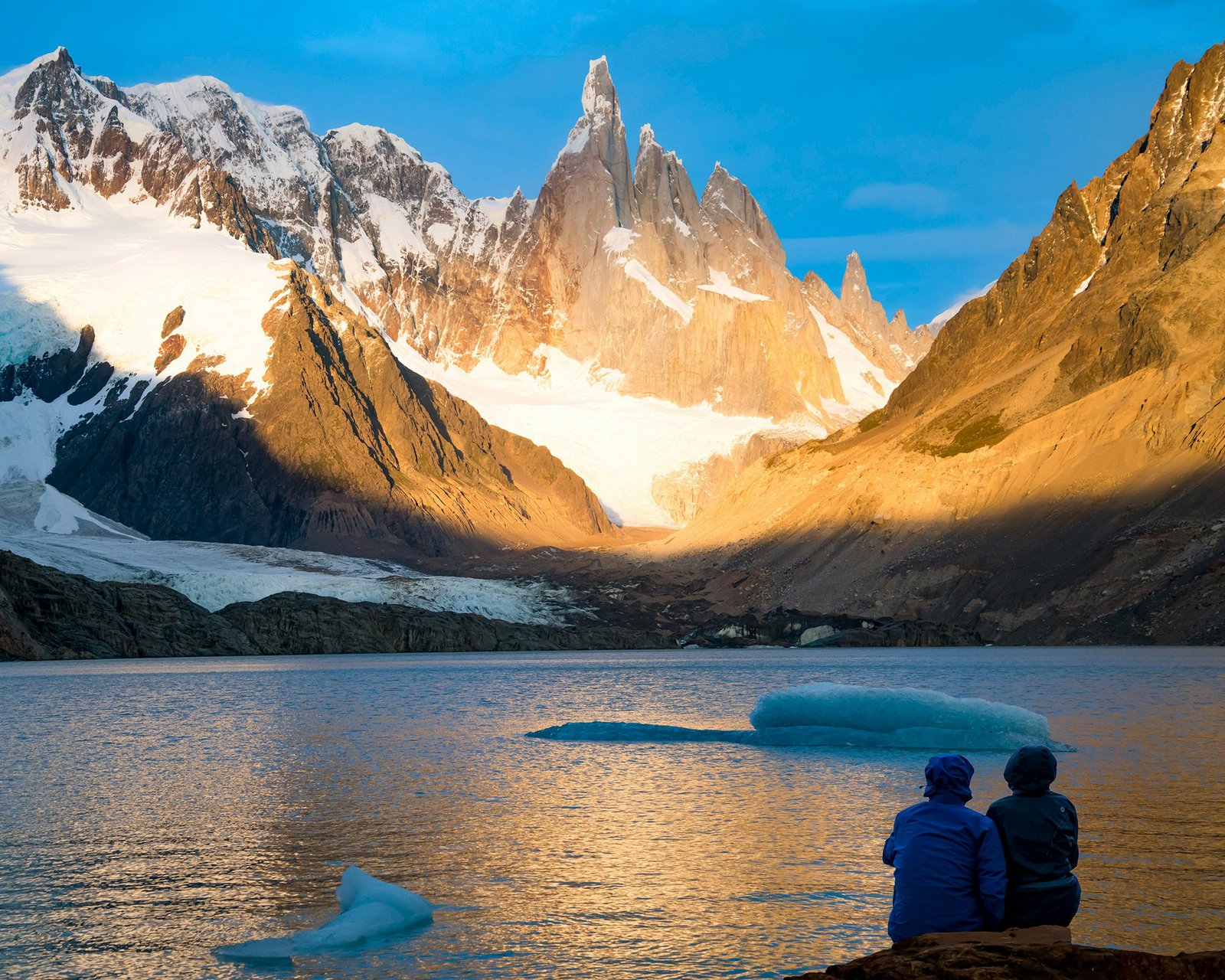
Seno Pia, a Y-shaped fjord off the Beagle Channel, is one of the most striking stops, with tidewater glaciers calving at each of its two arms. Bahia Yendegaia and the waters around Puerto Williams offer more sheltered overnight options, while further north, Ultima Esperanza Sound near Puerto Natales gives access to Torres del Paine for guests who want to combine a few days of trekking with time on the water.
Most itineraries run 10 to 14 days given the distances involved and the time needed to properly explore either the Chilean fjords or the Beagle Channel, rarely both in a single trip. Guests focused on Torres del Paine and the glaciers around Puerto Natales can do a shorter 7-day version, while those wanting to push toward Cape Horn from Ushuaia should plan for at least two weeks to allow for weather delays.
Yes, though it is a serious undertaking best suited to experienced crews and expedition-capable yachts, since the waters around Cape Horn are known for sudden squalls and some of the roughest seas anywhere. Most charter guests instead explore the sheltered channels of the Beagle Channel or the Chilean fjords, which offer similar glaciers and wildlife in calmer water, treating a Cape Horn passage as a weather-dependent add-on rather than a fixed part of the itinerary.