Turkey / Bodrum
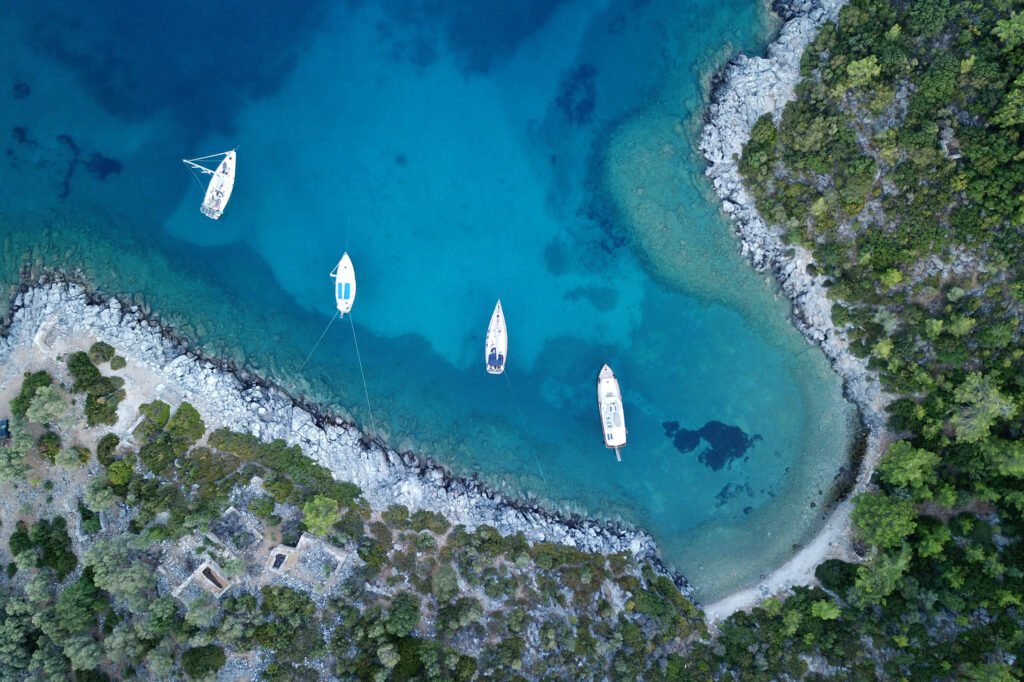
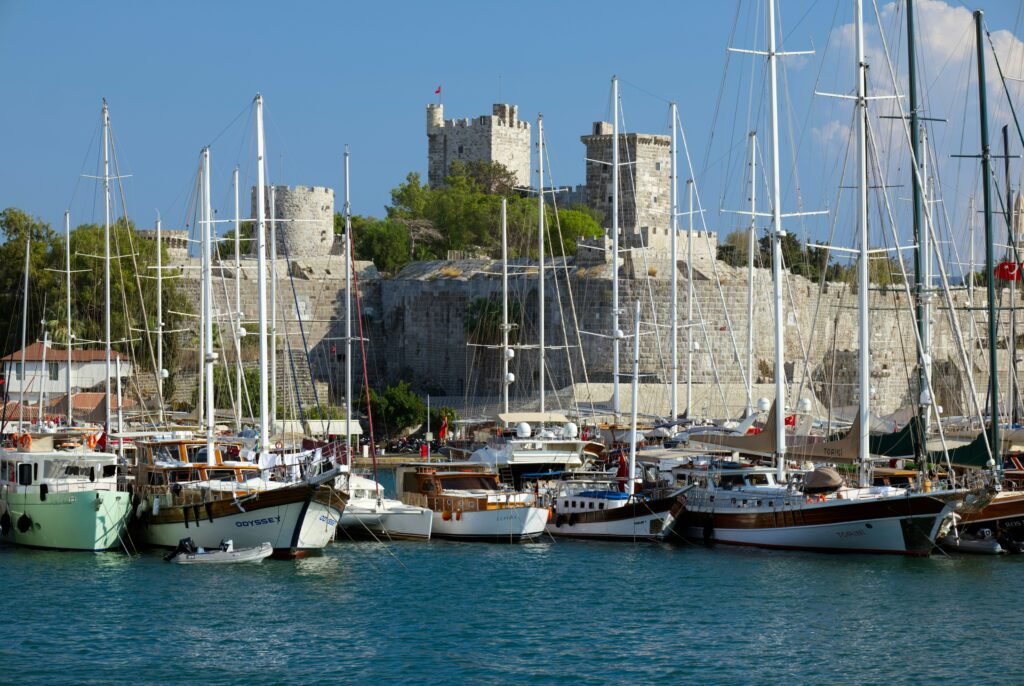
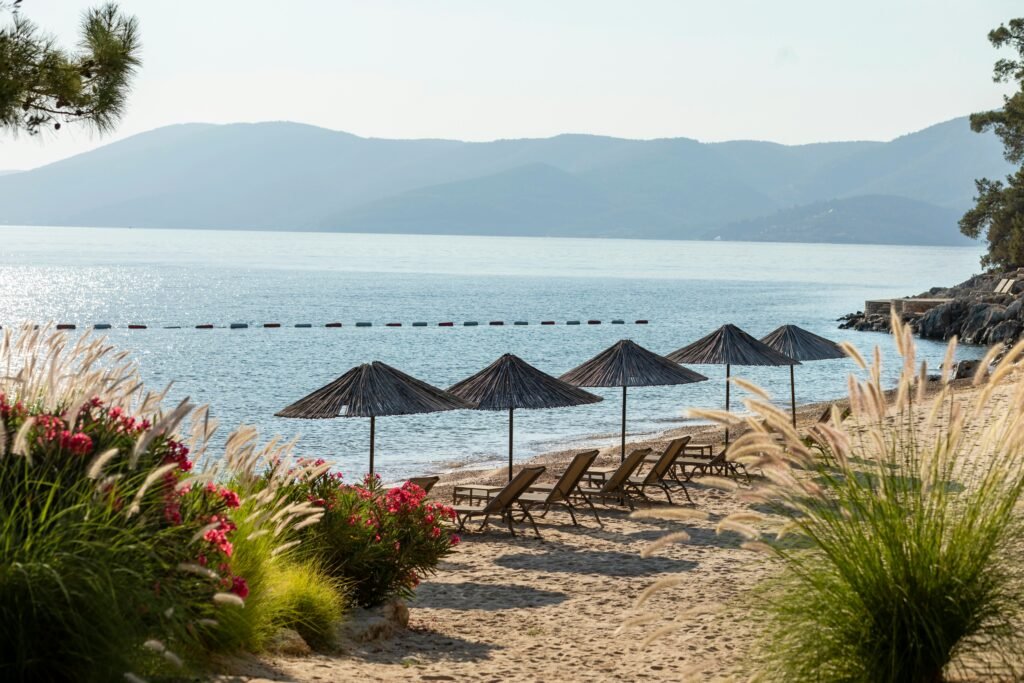
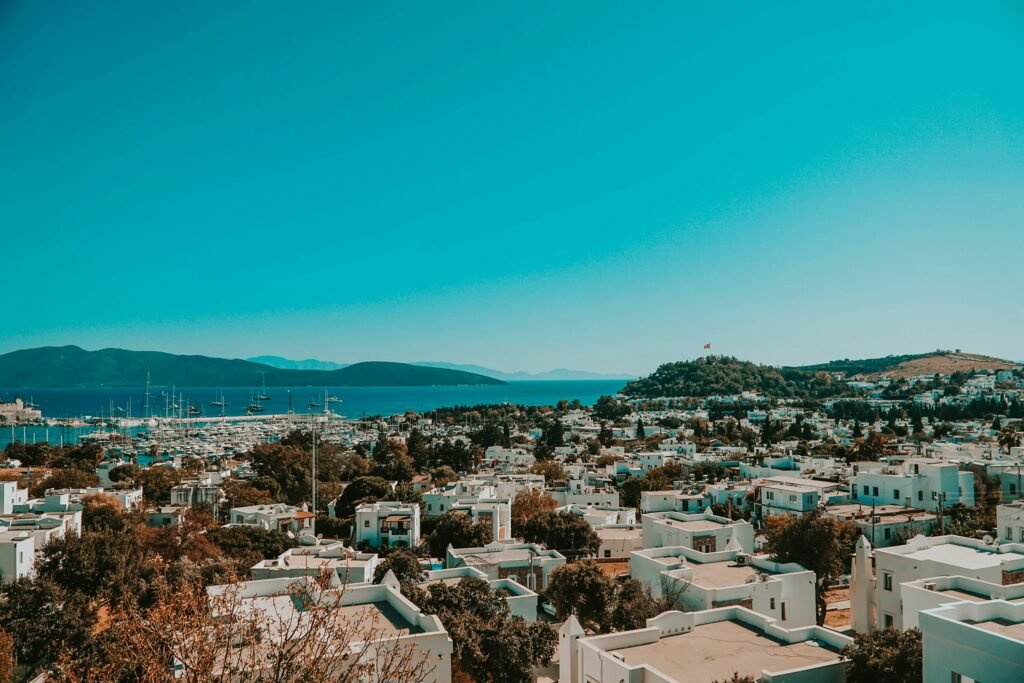
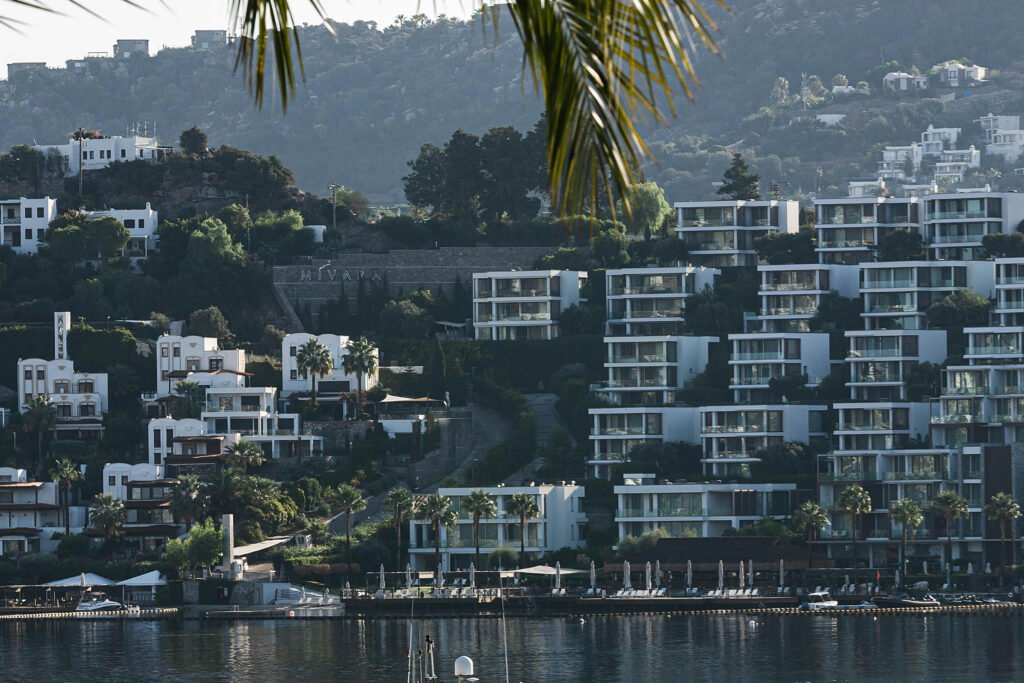
Gümbet Bay
Bitez Bay
Gümüşlük
Türkbükü
Yalıkavak
Tour Bodrum Castle & the Museum of Underwater Archaeology
Windsurf at Gümbet or Bitez
Sail a day-trip gulet cruise around the peninsula
Browse the boutiques at Yalıkavak Marina
Watch the sunset from the old town’s rooftop bars
Bodrum Castle
Mausoleum of Halicarnassus
Gümüşlük ancient Myndos
Yalıkavak Marina
Bodrum Amphitheatre
May through October is the core season, with July and August the hottest and most crowded around the peninsula’s beach clubs and marinas. The meltem picks up most reliably in the afternoons through summer, so mornings suit longer crossings toward Datça or the Gulf of Gökova. June and September keep warm, swimmable water with noticeably calmer conditions and easier marina availability at Yalıkavak and Türkbükü, which book up well ahead in peak season.
Milas-Bodrum Airport (BJV) is the gateway, about 36 kilometres from the town centre and roughly 45 minutes by road, with direct seasonal flights from across Europe as well as domestic connections from Istanbul. It’s noticeably closer to Bodrum than Dalaman is to Marmaris or Fethiye, which is part of why the peninsula sees such heavy summer traffic. Yalıkavak and Türkbükü, on the peninsula’s north side, are a further 20-30 minutes from the airport than the town centre itself.
Gümbet and Bitez are the reliable choice for wind, sheltered enough for comfortable anchoring but exposed enough to keep windsurfers and dinghy sailors happy through the afternoon. Gümüşlük, over the submerged ruins of ancient Myndos, is the quieter, more scenic option and a favourite for sunset dinners ashore. Türkbükü and Yalıkavak, on the peninsula’s north coast, trade a bit of shelter for proximity to the more polished beach-club scene, and both fill up fast in July and August.
Five to seven days covers the peninsula properly, alternating between the livelier beach clubs at Türkbükü and Yalıkavak and quieter anchorages like Gümüşlük. Extending toward ten days or more opens up a run south to the Datça peninsula and Knidos, or further east toward Marmaris, without feeling rushed. Bodrum works equally well as a self-contained week or as the starting point for a longer Aegean itinerary.
Yes. The Mausoleum of Halicarnassus, built around 350 BC as the tomb of the Carian ruler Mausolus, stood roughly 45 metres tall and ranked among the seven wonders listed by ancient writers. It was largely dismantled after earthquakes around 1404, and the Knights of St. John reused much of its stone to build Bodrum Castle soon after. Little remains on the original site beyond the foundations, though a few sculptural fragments survive in museum collections, including Bodrum’s own.