Colombia
Club de Pesca Marina, Cartagena
Club Náutico Cartagena
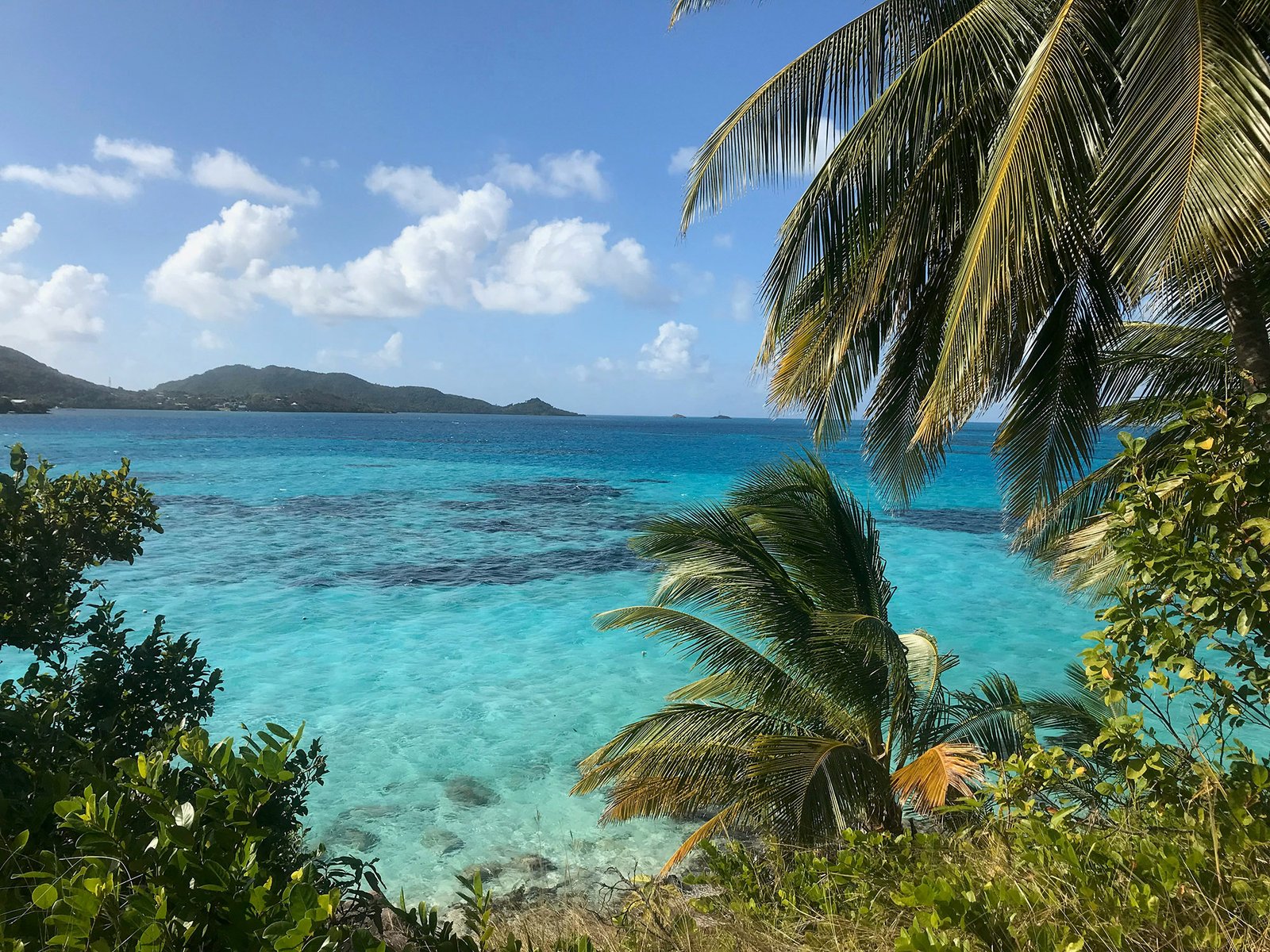
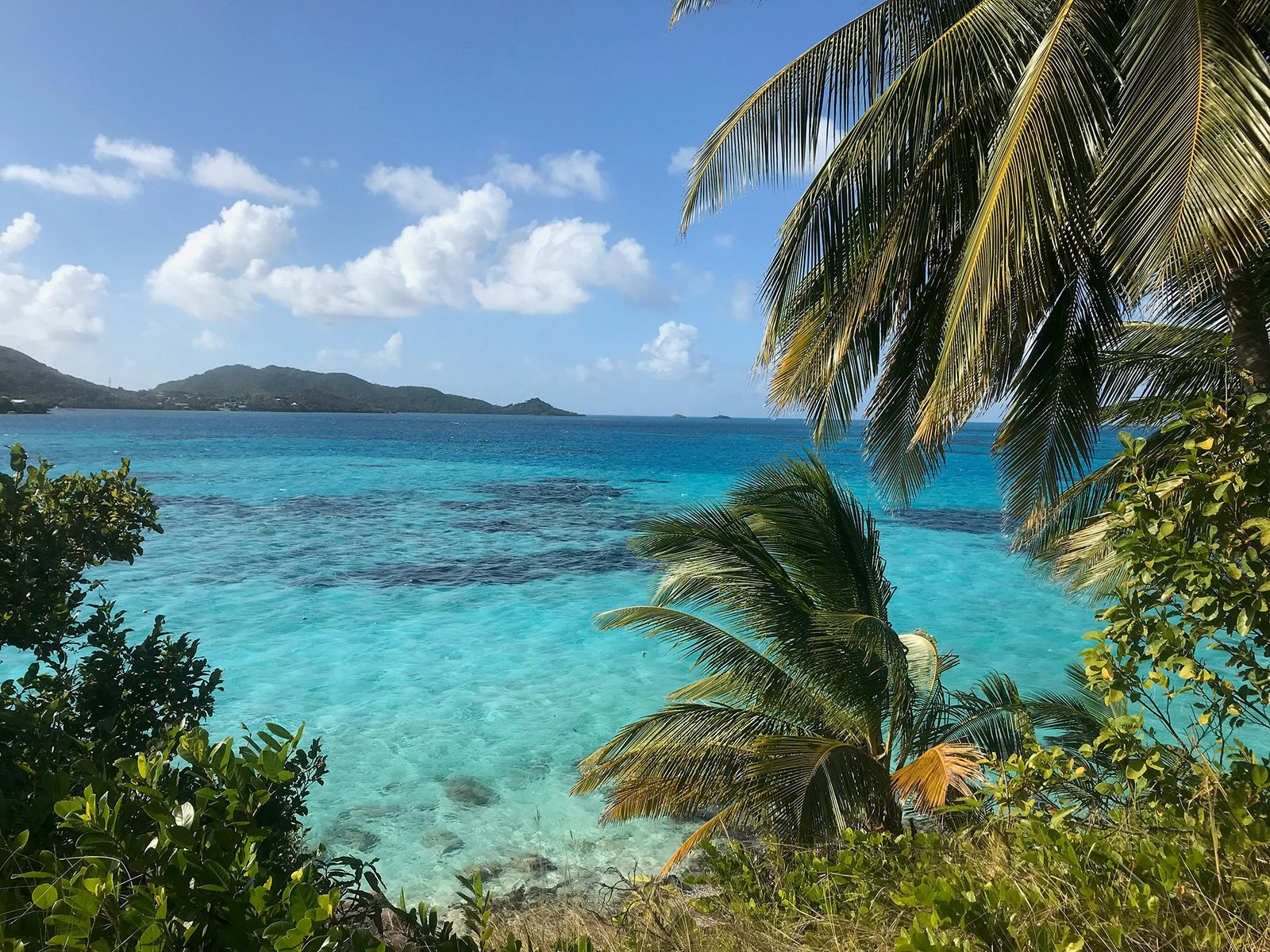
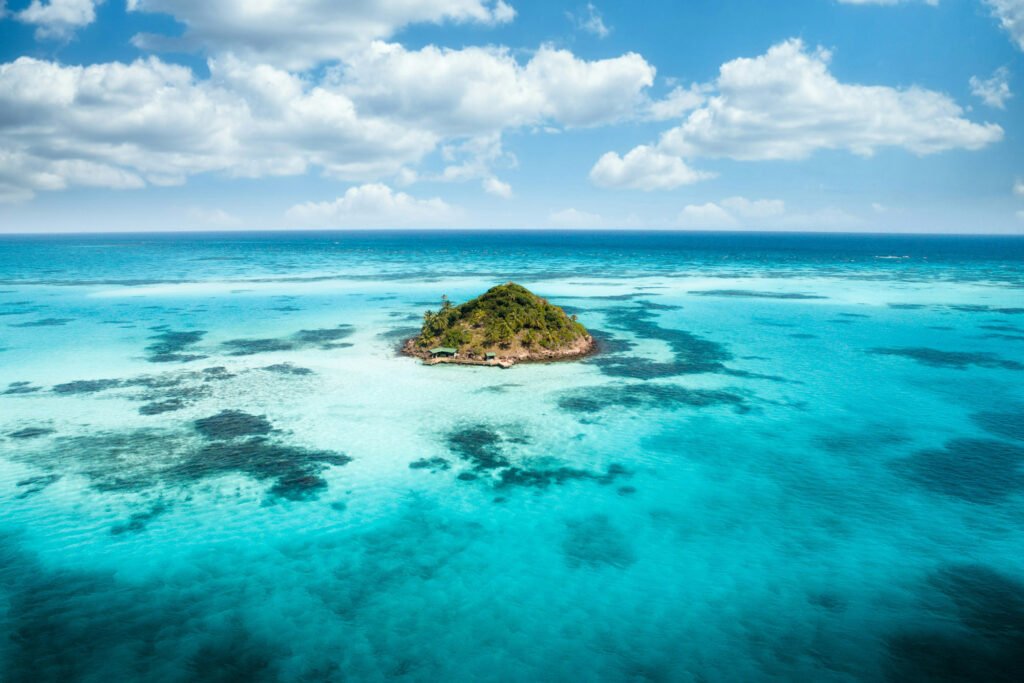
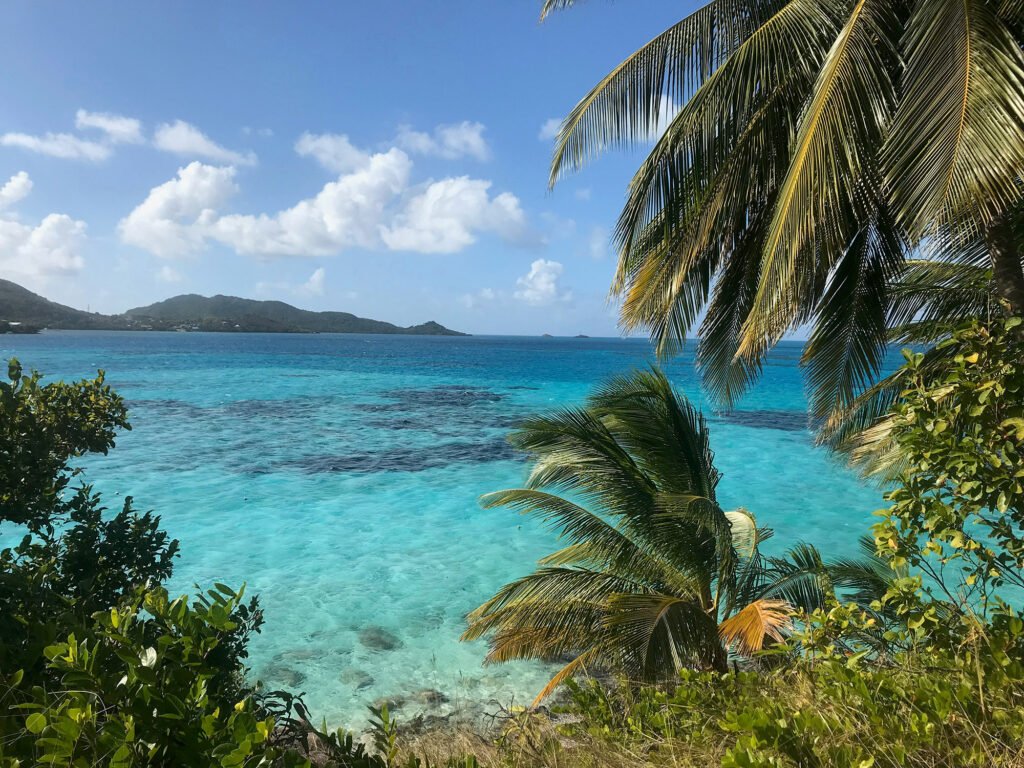
Isla Grande, Rosario Islands
Playa Blanca, Barú
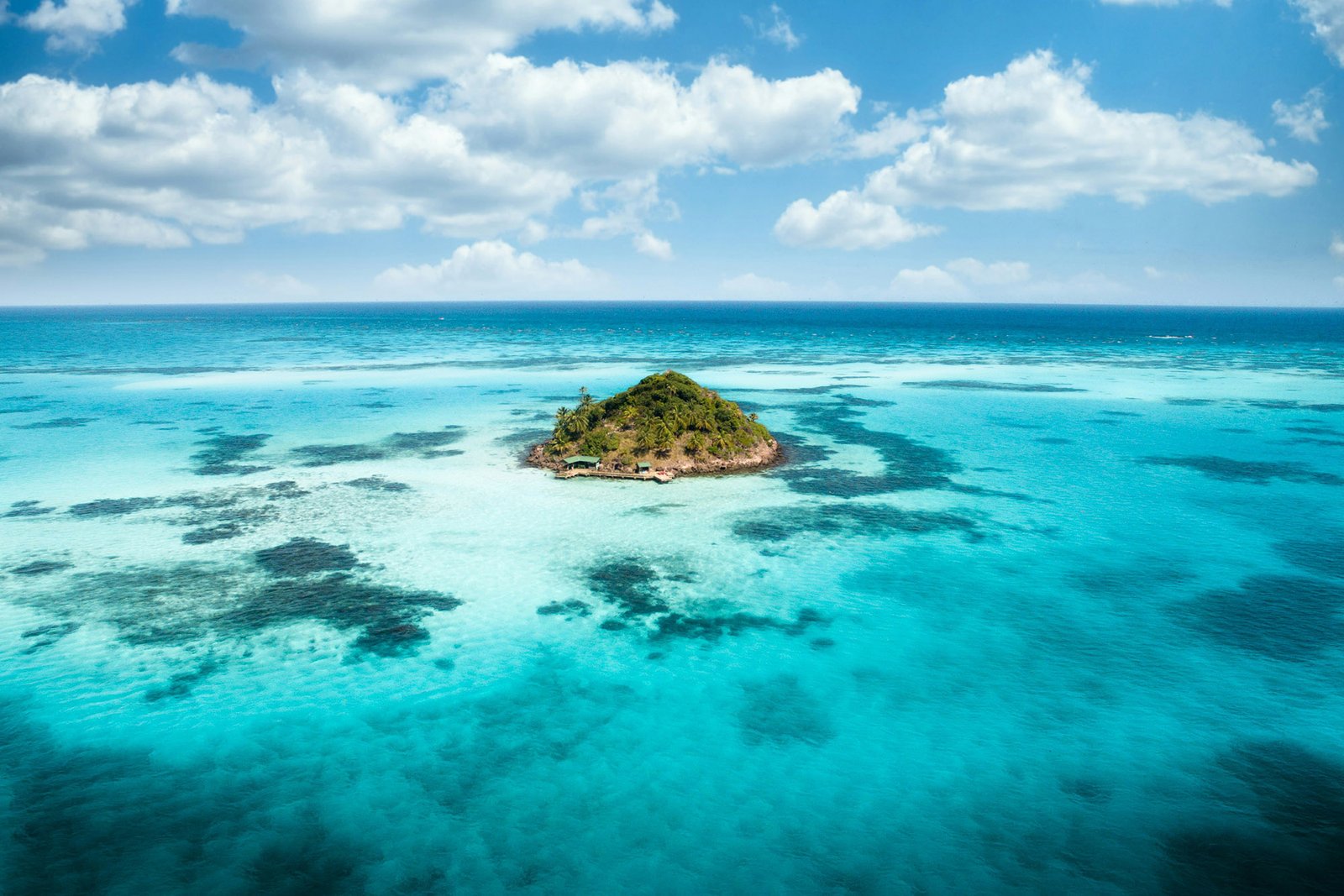
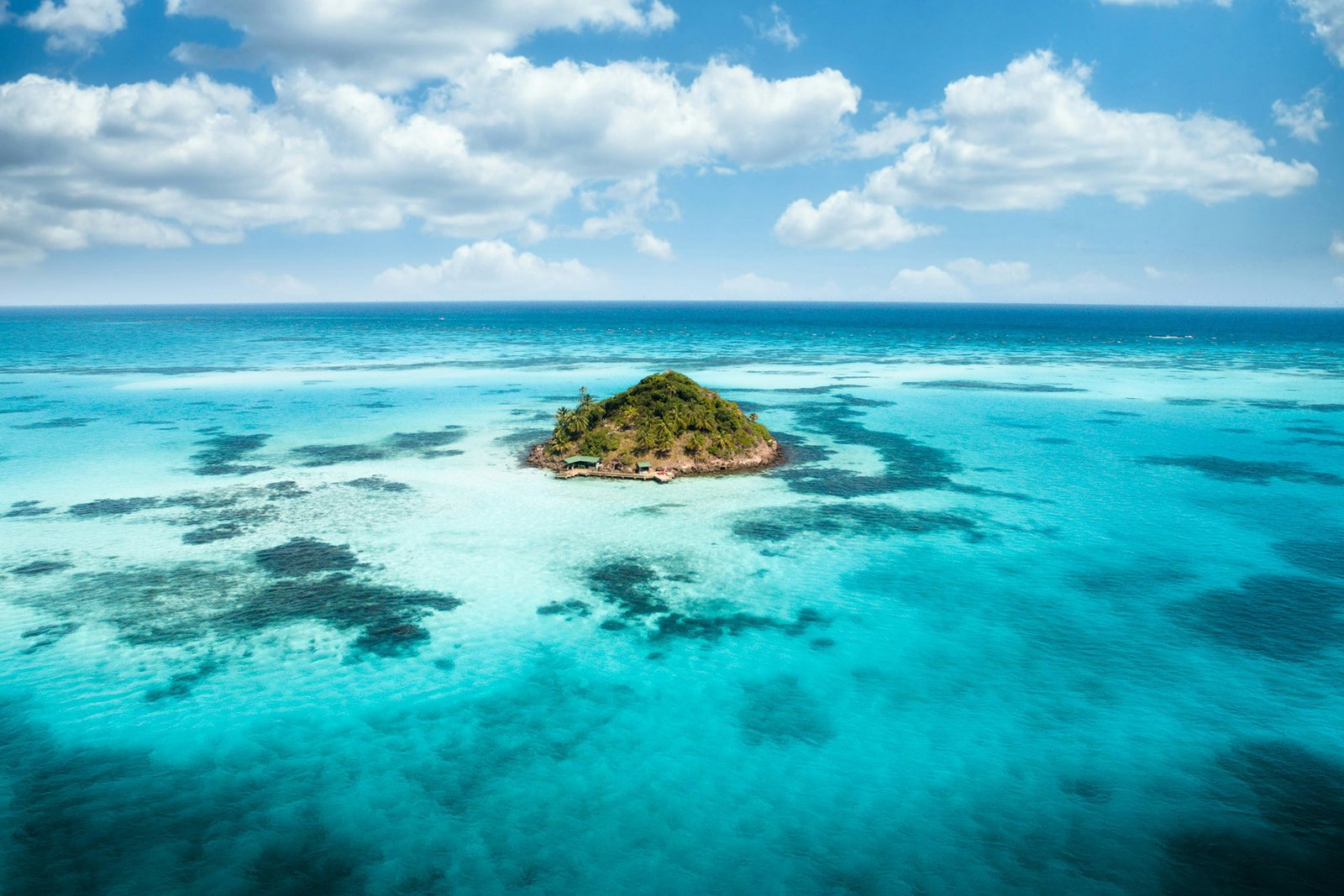
San Bernardo Archipelago
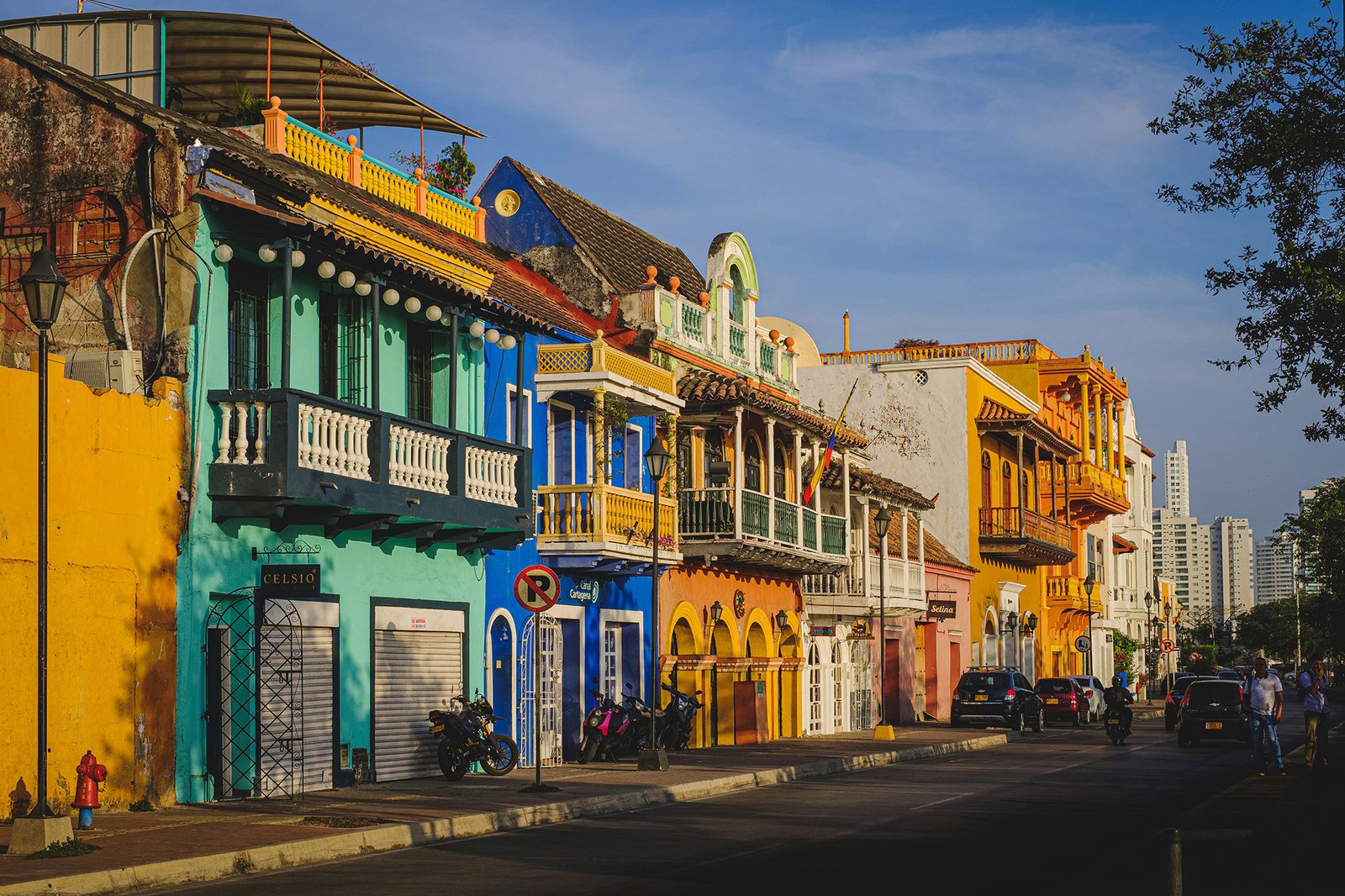
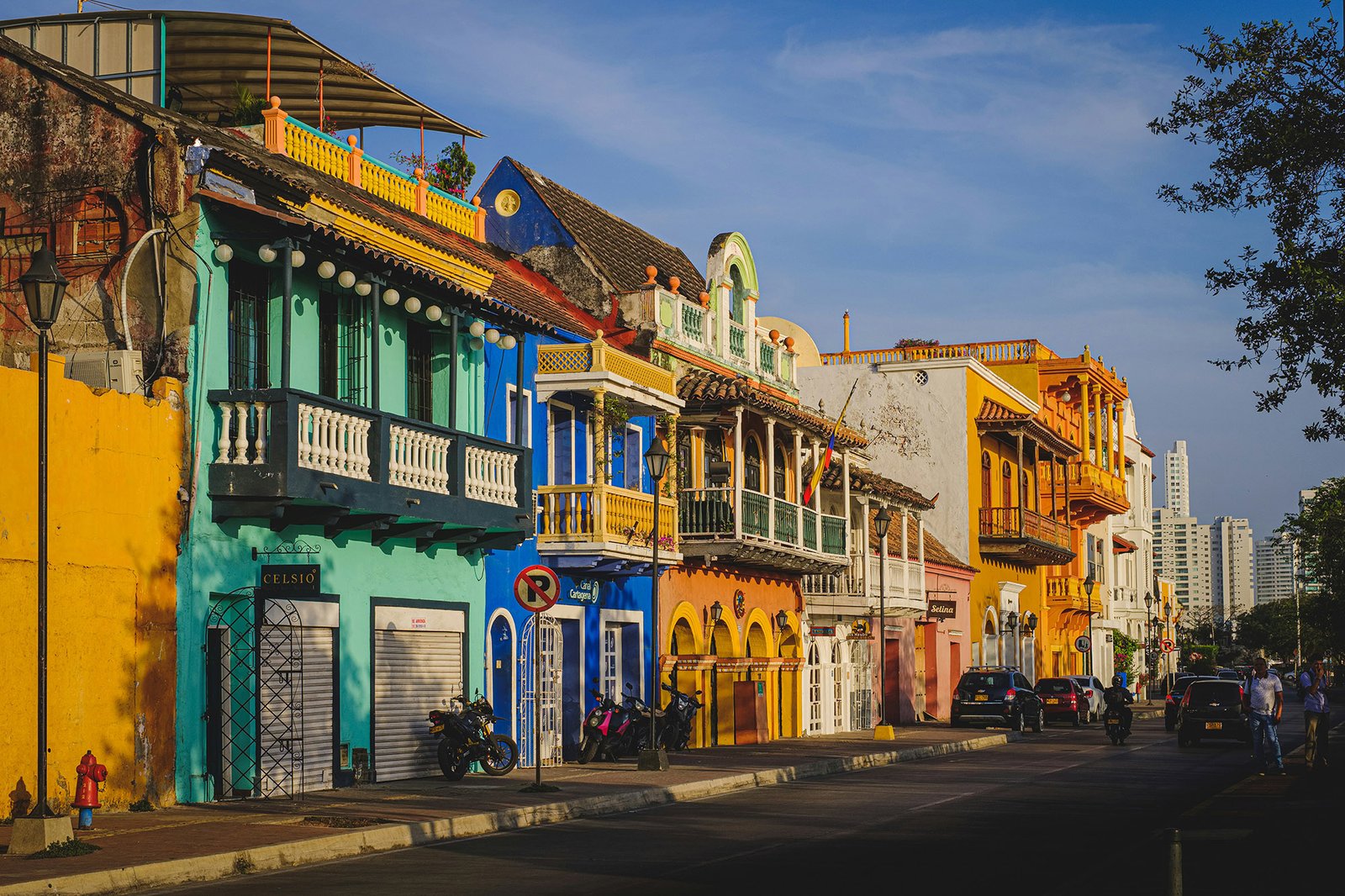
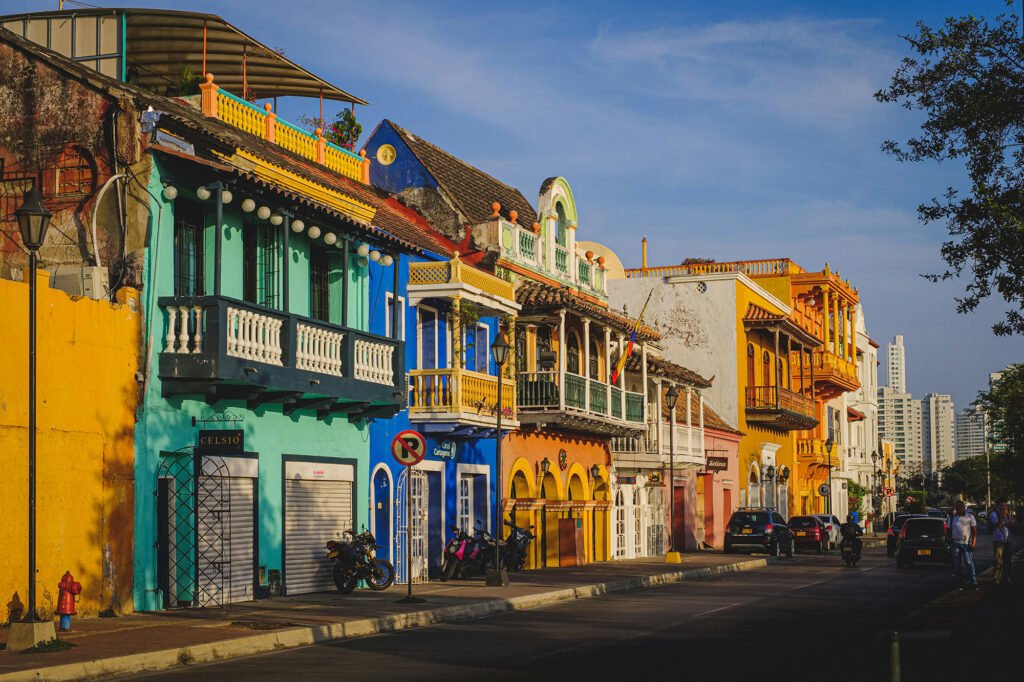
Walk the ramparts of the Walled City at sunset
Tour Castillo San Felipe de Barajas
Snorkel the reefs of Corales del Rosario y San Bernardo National Natural Park
Explore Getsemani’s street-art alleys
Day-trip to San Basilio de Palenque
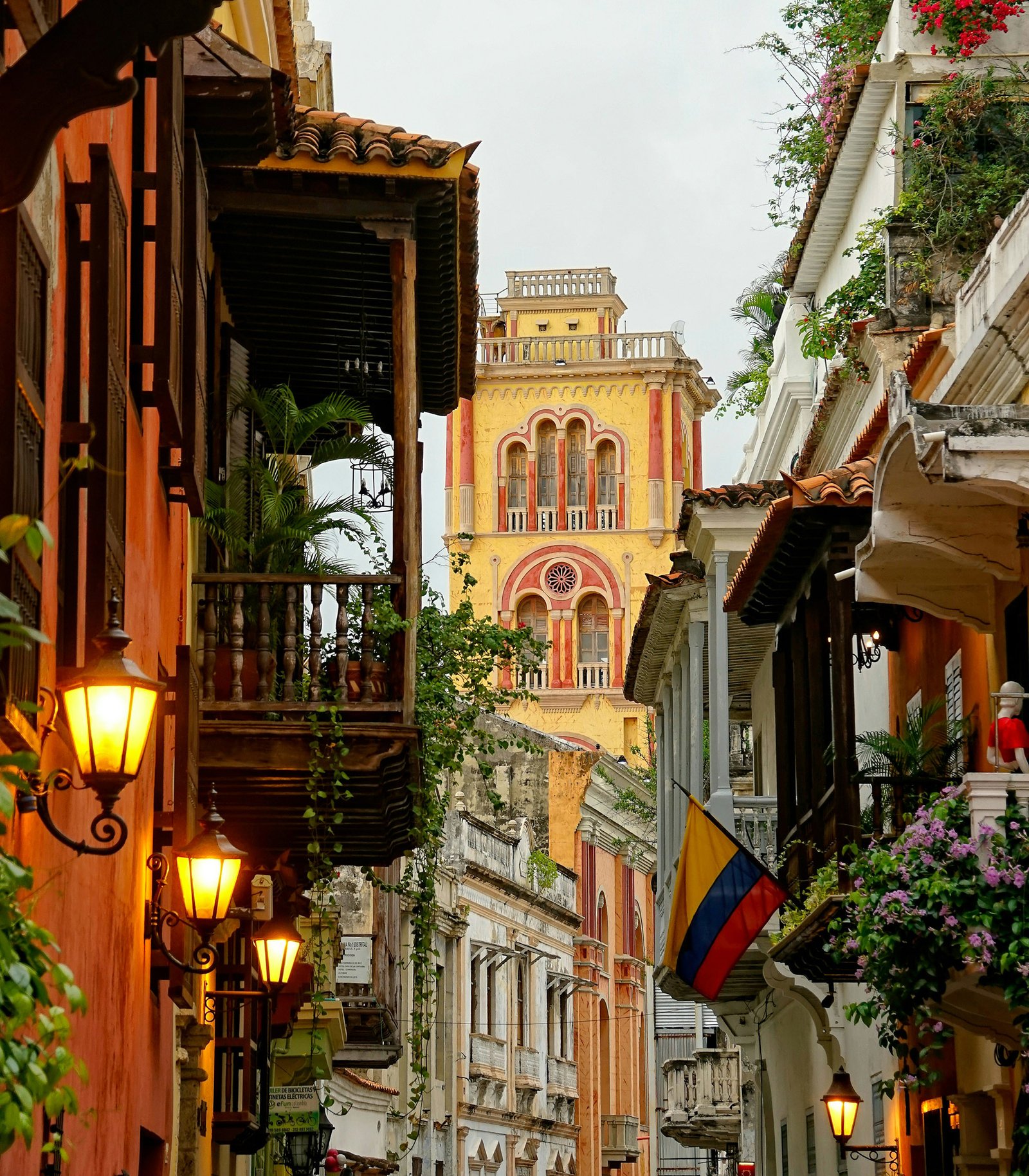
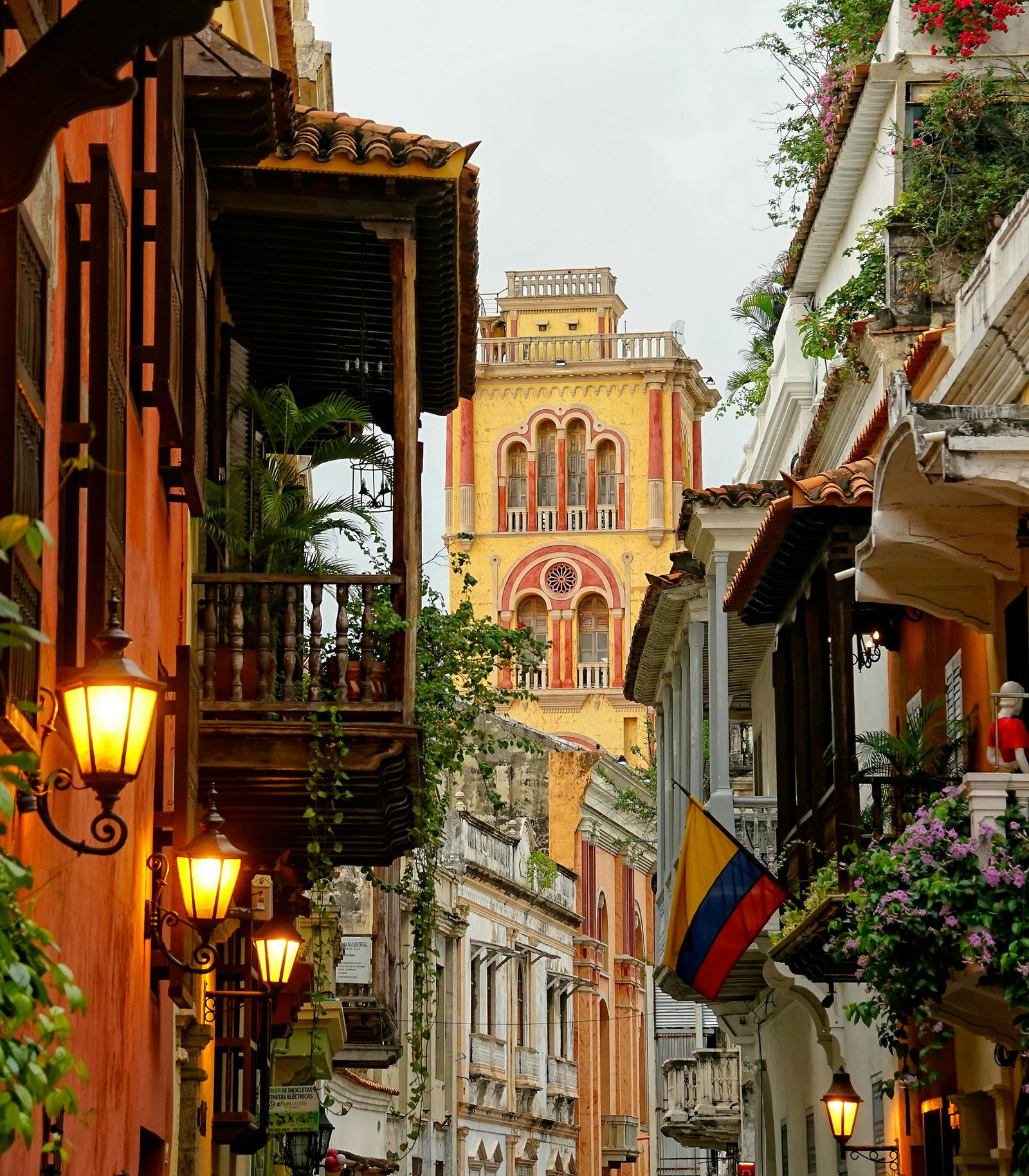
Ciudad Amurallada, the Walled City
Getsemani
Isla Grande, Rosario Islands
Playa Blanca, Barú
Fuerte de San Fernando, Bocachica
The dry season from December to April brings the calmest seas and the most reliable sunshine, making it the preferred window for chartering out of Cartagena. A shorter dry spell, the veranillo, arrives in July and August, while September through November is the wettest stretch of the year, with squally afternoon downpours more common around the Rosario and San Bernardo islands.
Cartagena’s Rafael Núñez International Airport (CTG) has direct flights from Miami, Bogotá, Panama City and several other regional hubs, and sits close enough to the historic centre and its marinas, including Club de Pesca and Club Náutico, for an easy transfer straight onto the yacht without much time lost to transit.
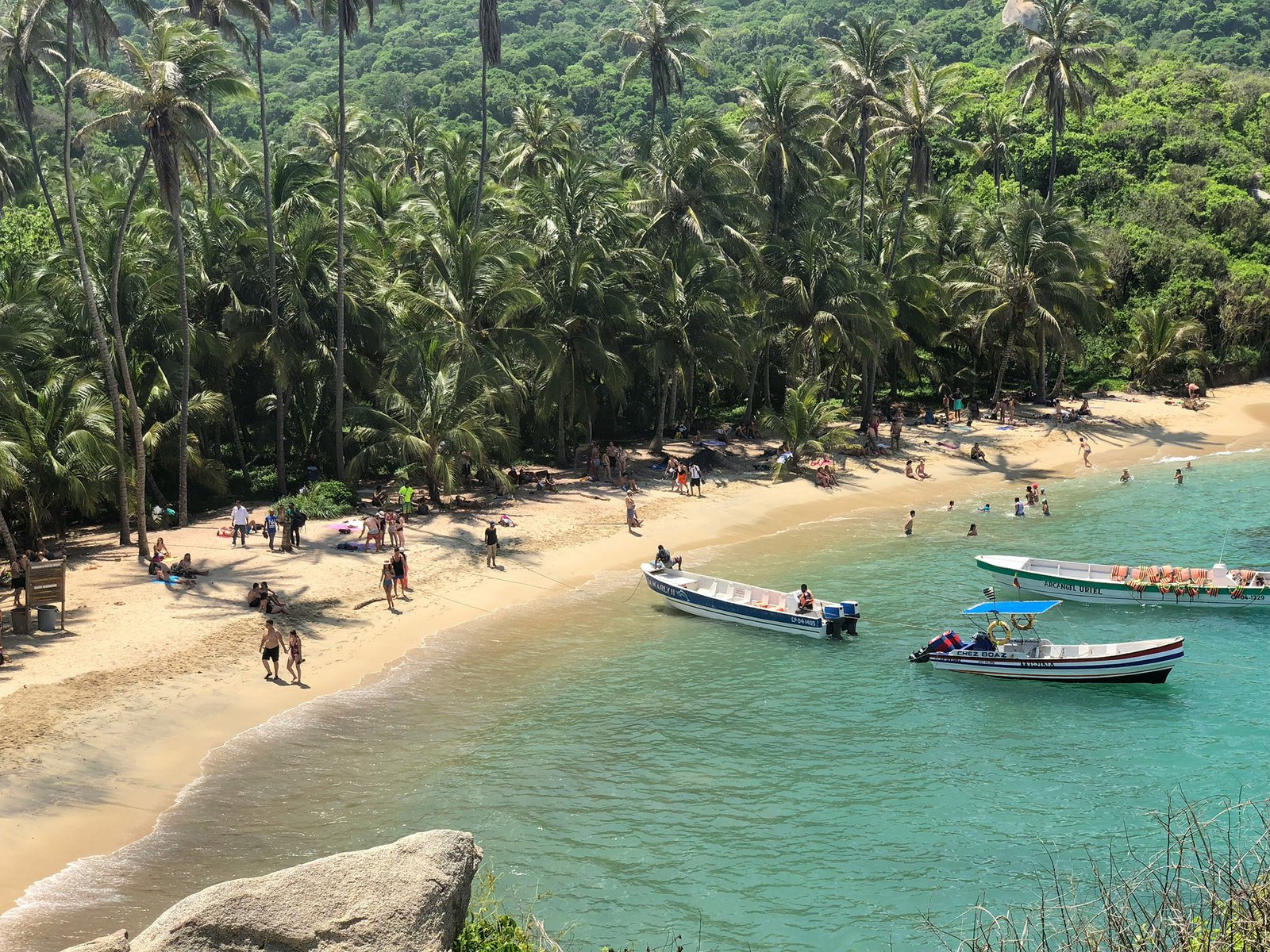
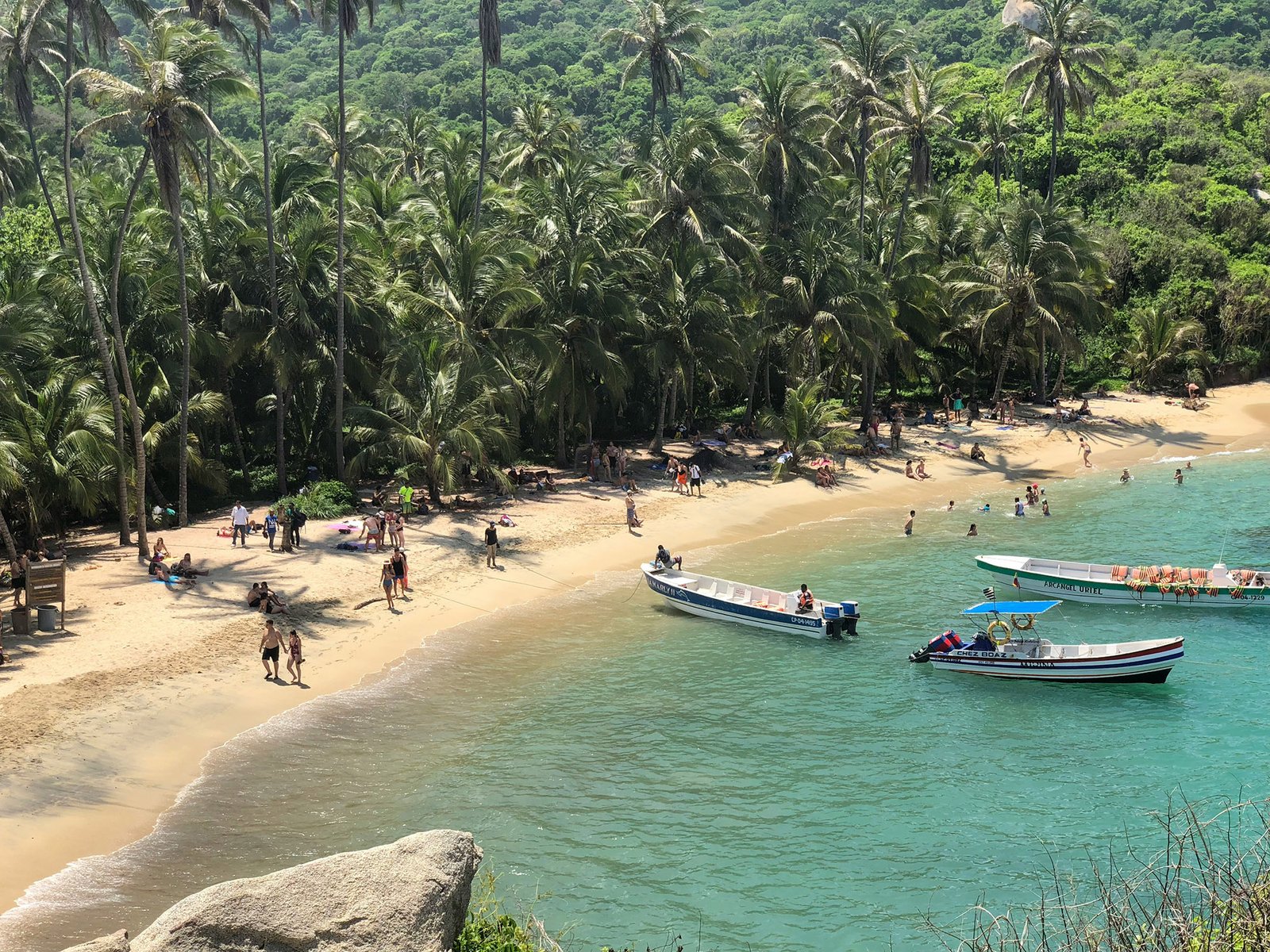
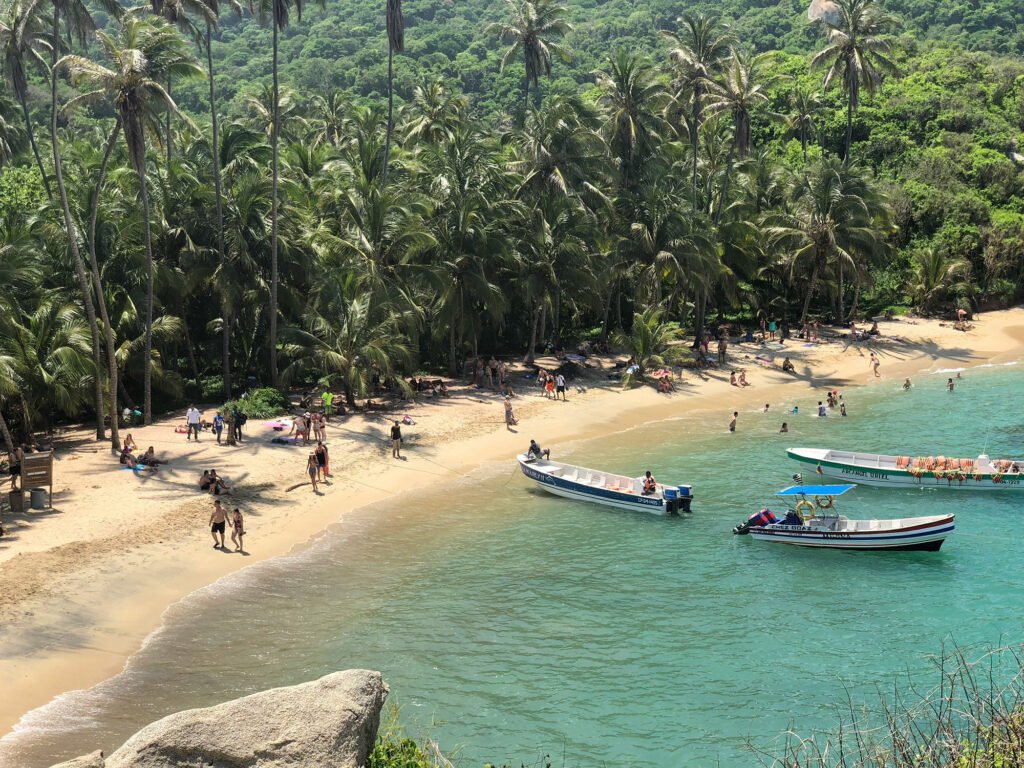
Isla Grande in the Rosario Islands and Playa Blanca on the Barú peninsula, both roughly an hour to ninety minutes from Cartagena, offer the clearest water and best snorkelling within easy reach. The further San Bernardo archipelago rewards the extra distance with quieter, less-visited anchorages inside the same protected national park.
Five to seven days allows a comfortable mix of the walled city’s history with island time in the Rosario and San Bernardo archipelagos, including at least one full day given over to Playa Blanca’s beach and reef. Extending to ten days leaves room for a slower pace and a half-day visit ashore to Palenque de San Basilio.
Founded by Benkos Biohó and other formerly enslaved Africans who escaped Cartagena in the early 1600s, San Basilio de Palenque is recognised as the first free town of its kind in the Americas. UNESCO has protected its language, music and oral traditions as intangible cultural heritage since 2005, and the village, about an hour inland from Cartagena, remains a living centre of Afro-Colombian culture rather than a museum piece.