Australia / Great Barrier Reef
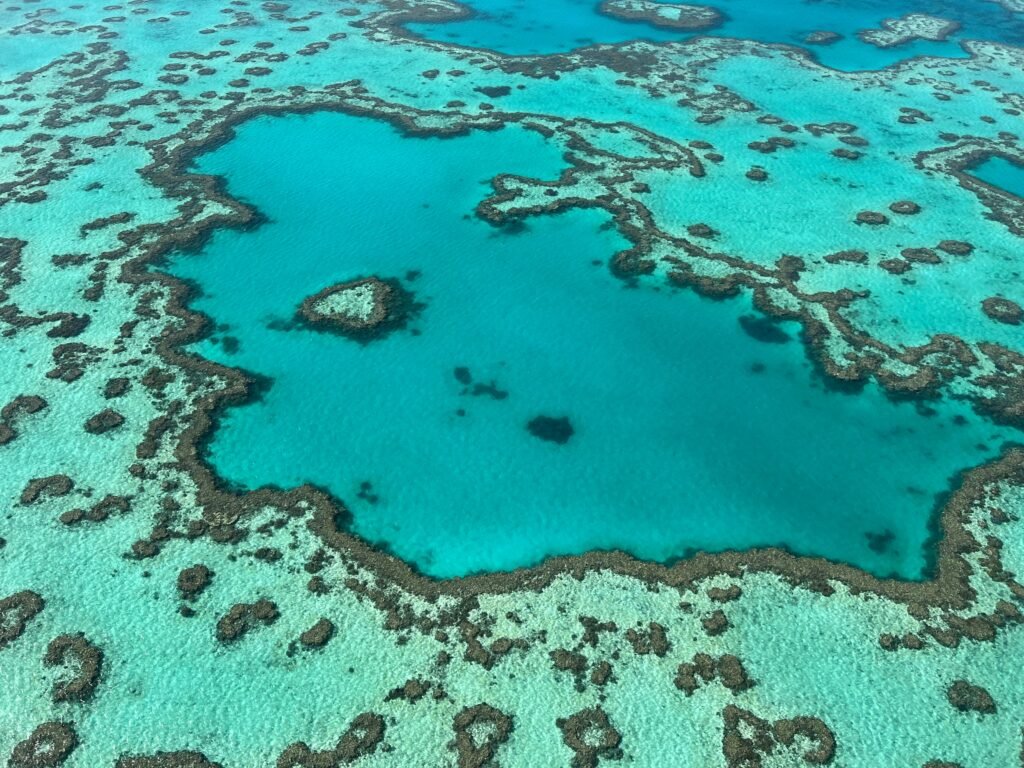
Lizard Island
Low Isles
Fitzroy Island
Green Island
Michaelmas Cay
Dive Cod Hole at Ribbon Reef
Swim with dwarf minke whales (June-July)
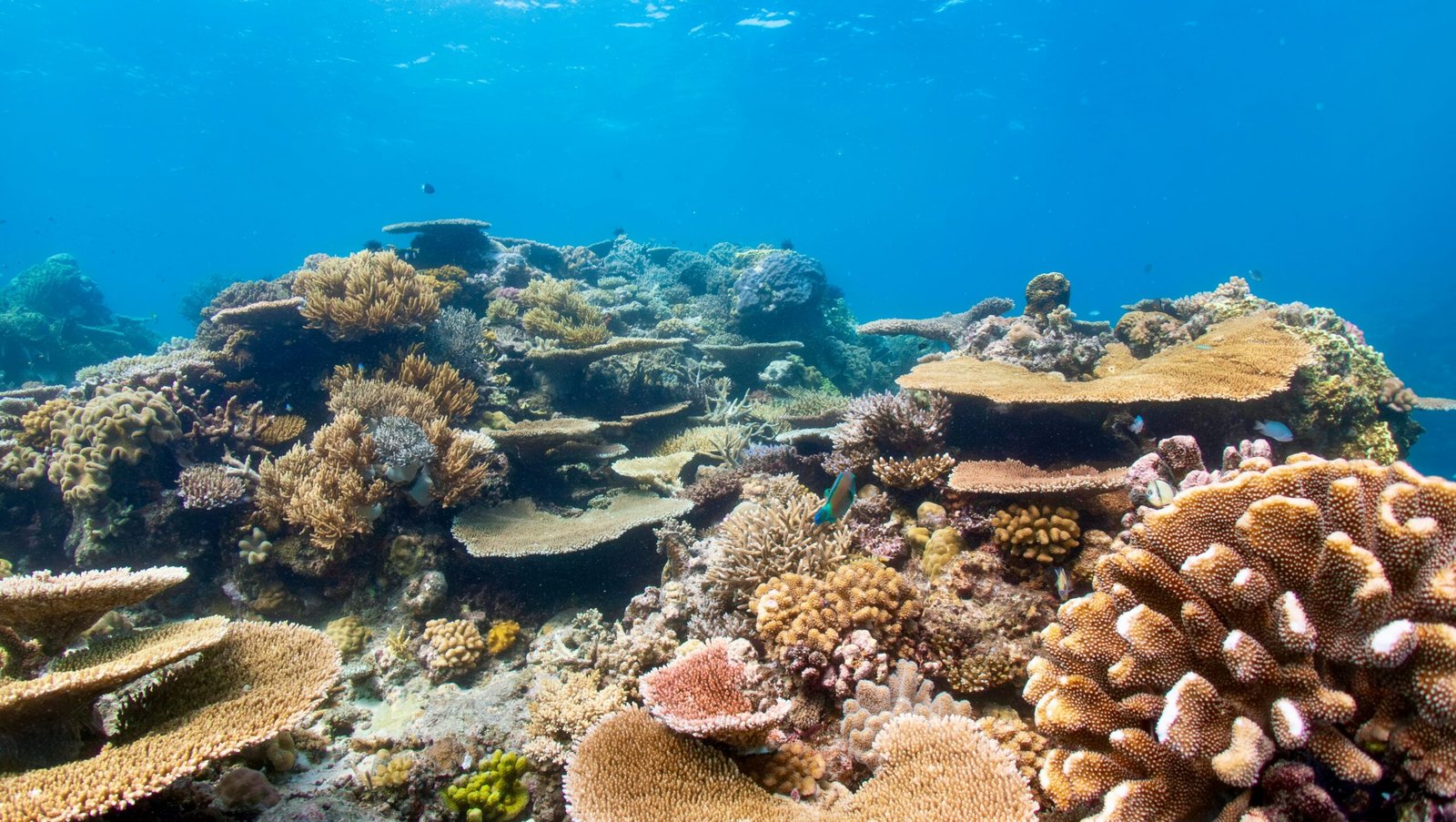
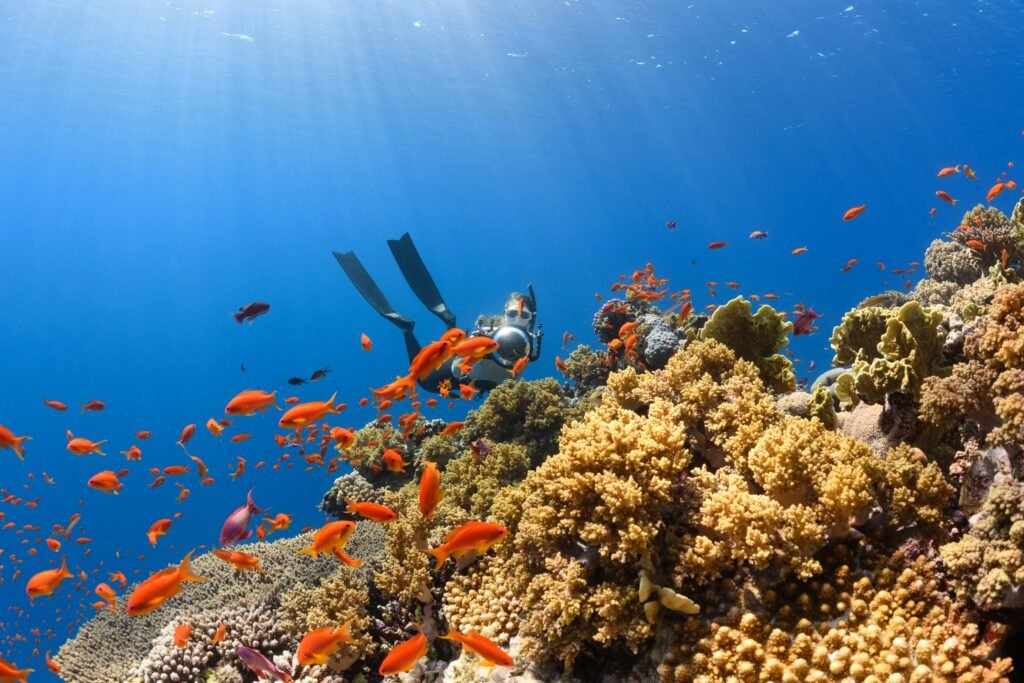
Snorkel Agincourt Reef
Dive the wreck of the SS Yongala
Walk the rainforest boardwalk at Cape Tribulation
Port Douglas
Cooktown
Cairns
Lizard Island
Cape Tribulation
01
The dry season from June to November brings the calmest seas, the clearest water and the most comfortable temperatures for diving and reef walking. It also overlaps with humpback whale migration and, in June and July specifically, the short dwarf minke whale season on the northern Ribbon Reefs. The wetter months from December to April bring higher humidity and a greater chance of tropical cyclones, so charters concentrate heavily in the drier half of the year.
02
Most itineraries begin in Cairns (CNS), the main international gateway to the reef’s northern half and the base for reaching Lizard Island, the Ribbon Reefs and Port Douglas. Charters focused on the central and southern reef, including the Whitsundays, typically fly into Hamilton Island (HTI) or Proserpine instead, since the reef stretches over two thousand kilometres and no single airport serves the whole system conveniently.
03
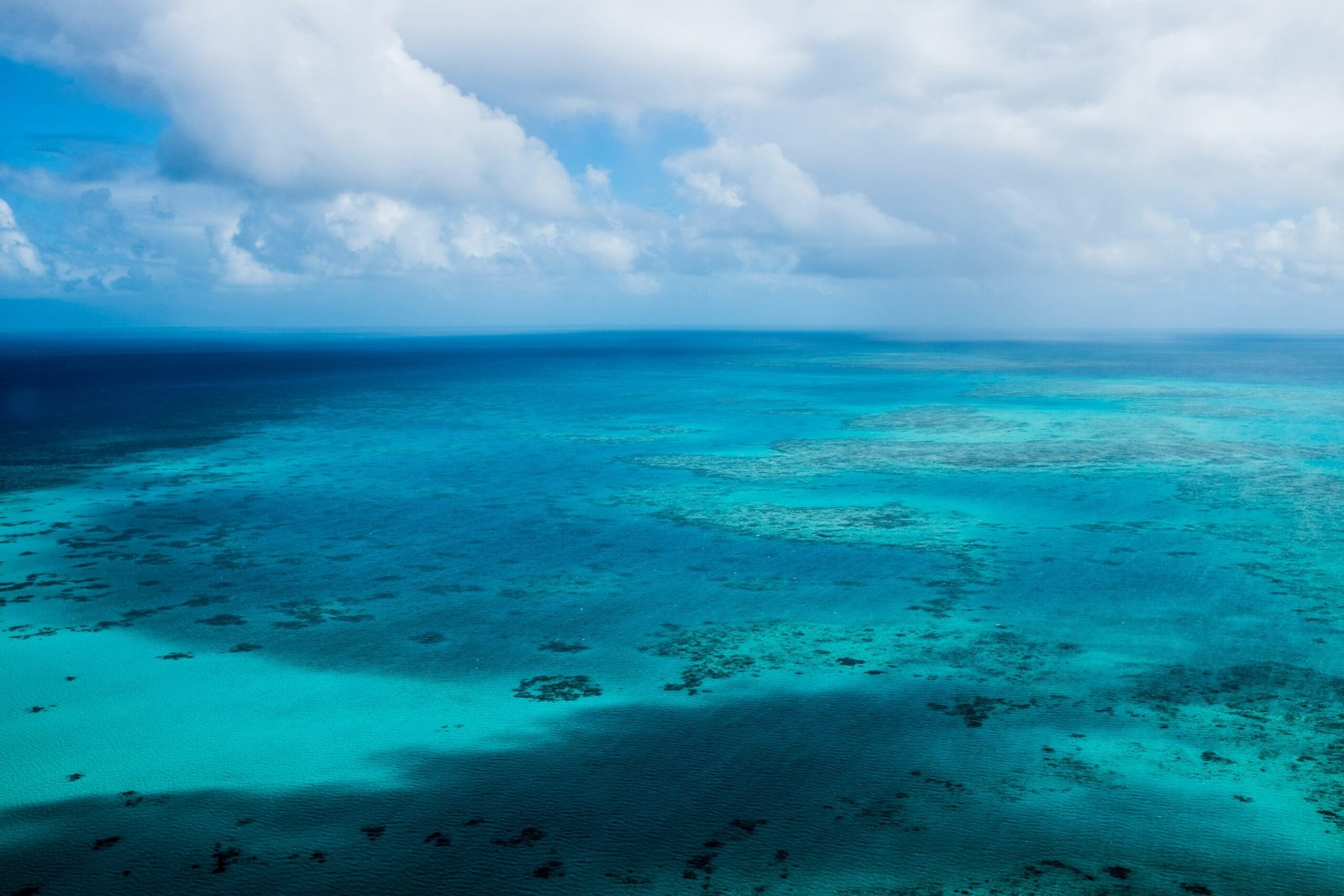
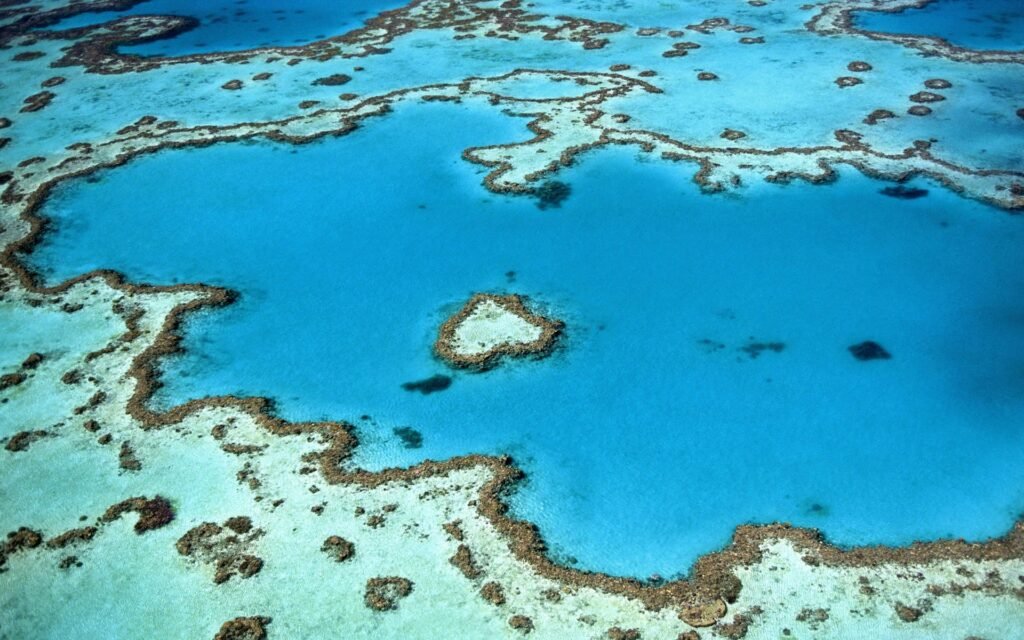
Lizard Island and the Low Isles both sit close to genuinely pristine outer reef, while Fitzroy and Green Islands offer easy, sheltered access for guests who want excellent snorkelling without a long tender ride. Michaelmas Cay, a protected seabird sanctuary ringed by shallow reef, rewards an early morning stop before the day boats from Cairns arrive. Which anchorage suits a given day depends heavily on wind direction, since the outer reefs offer little shelter in a strong easterly.
04
Five to seven days allows a realistic mix of outer reef diving, island anchorages and a stop in Port Douglas or Cairns without feeling rushed, though the reef’s scale rewards longer trips. Guests short on time often base a charter around a single sector, typically the northern reef near Cairns and Lizard Island or the central Whitsundays, rather than attempting to cover the full two thousand kilometres in one visit.
05
Yes, but only during a short window each June and July, when the whales gather around the northern Ribbon Reefs and a small number of specially licensed operators run in-water encounters under a strict code of conduct. Engines are cut and swimmers hold a trailing rope rather than approach the whales directly, since all contact is initiated by the animals themselves. Outside these two months, sightings from the deck during the wider humpback migration are the more realistic option.

Tell us what you would like to know, and our team will respond with clear details on availability, specification, pricing and next steps.