British Isles / Hebrides

Loch Scavaig
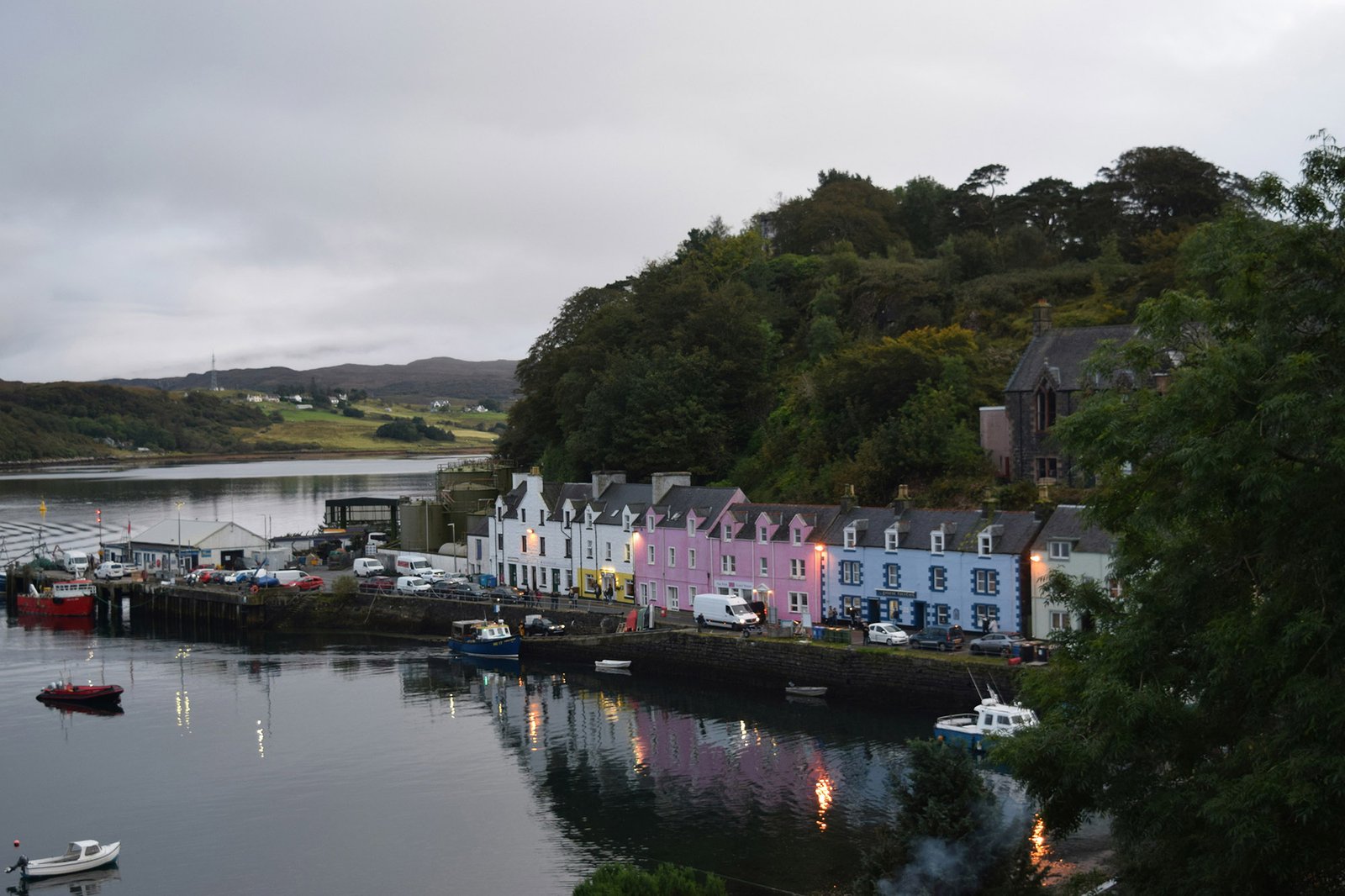
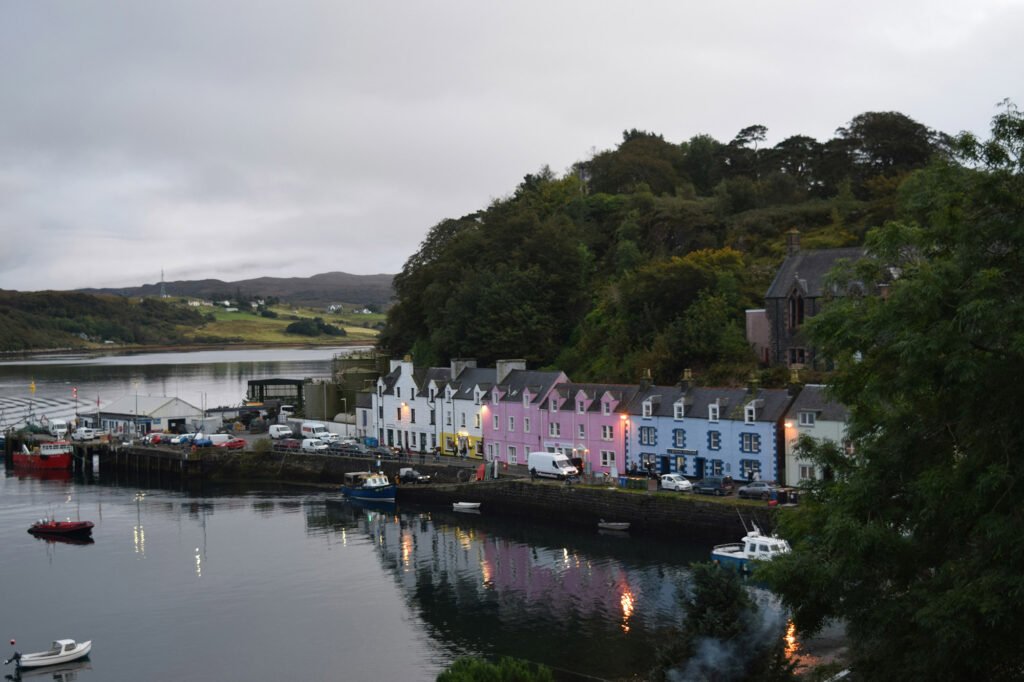
Tobermory
Loch Tarbert
Castlebay
Loch Maddy
Tour Laphroaig Distillery
Walk to the Callanish Stones
Spot White-Tailed Eagles
Visit Kisimul Castle
Hike the Cuillin Ridge
Skye
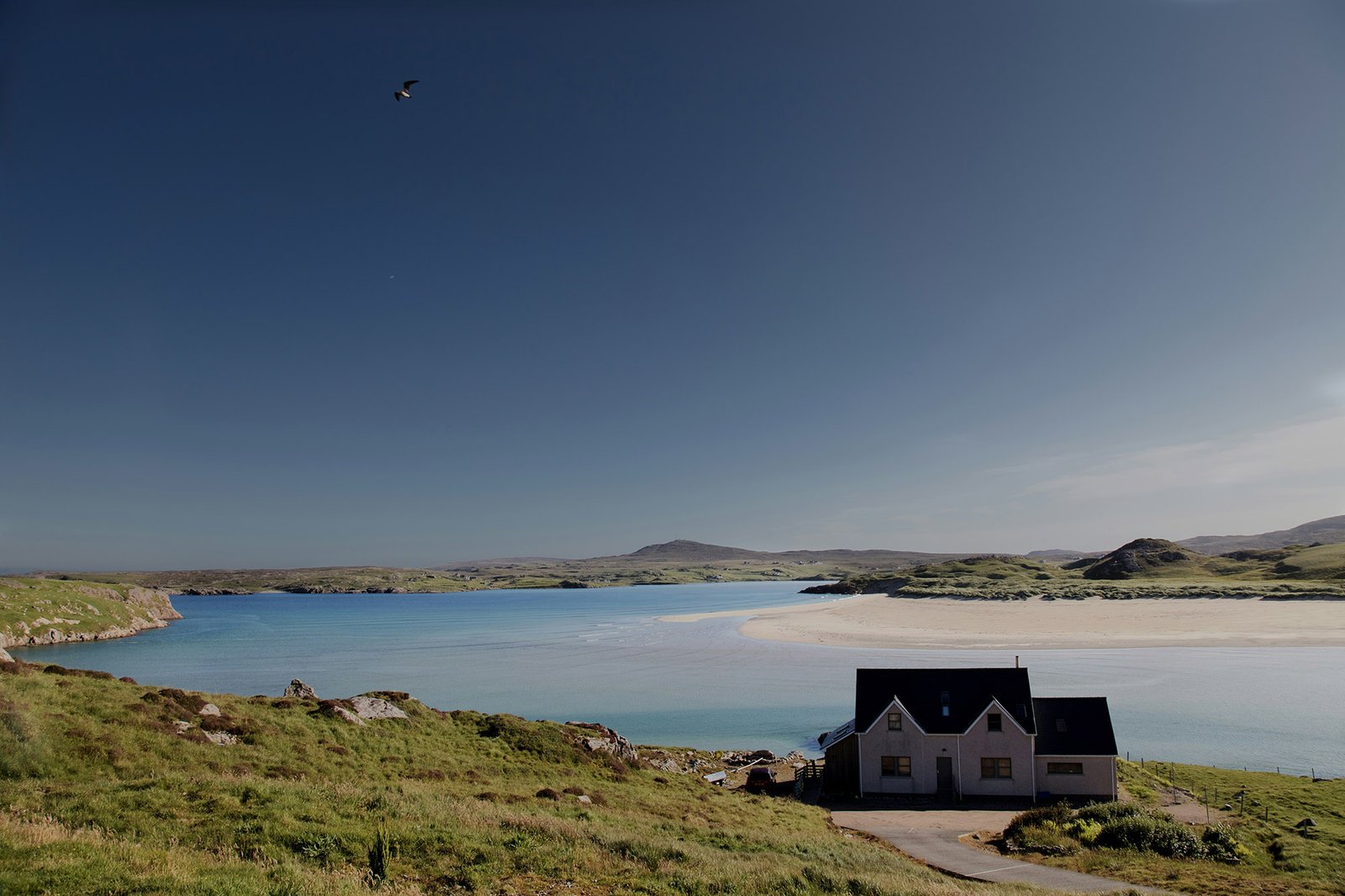
Islay
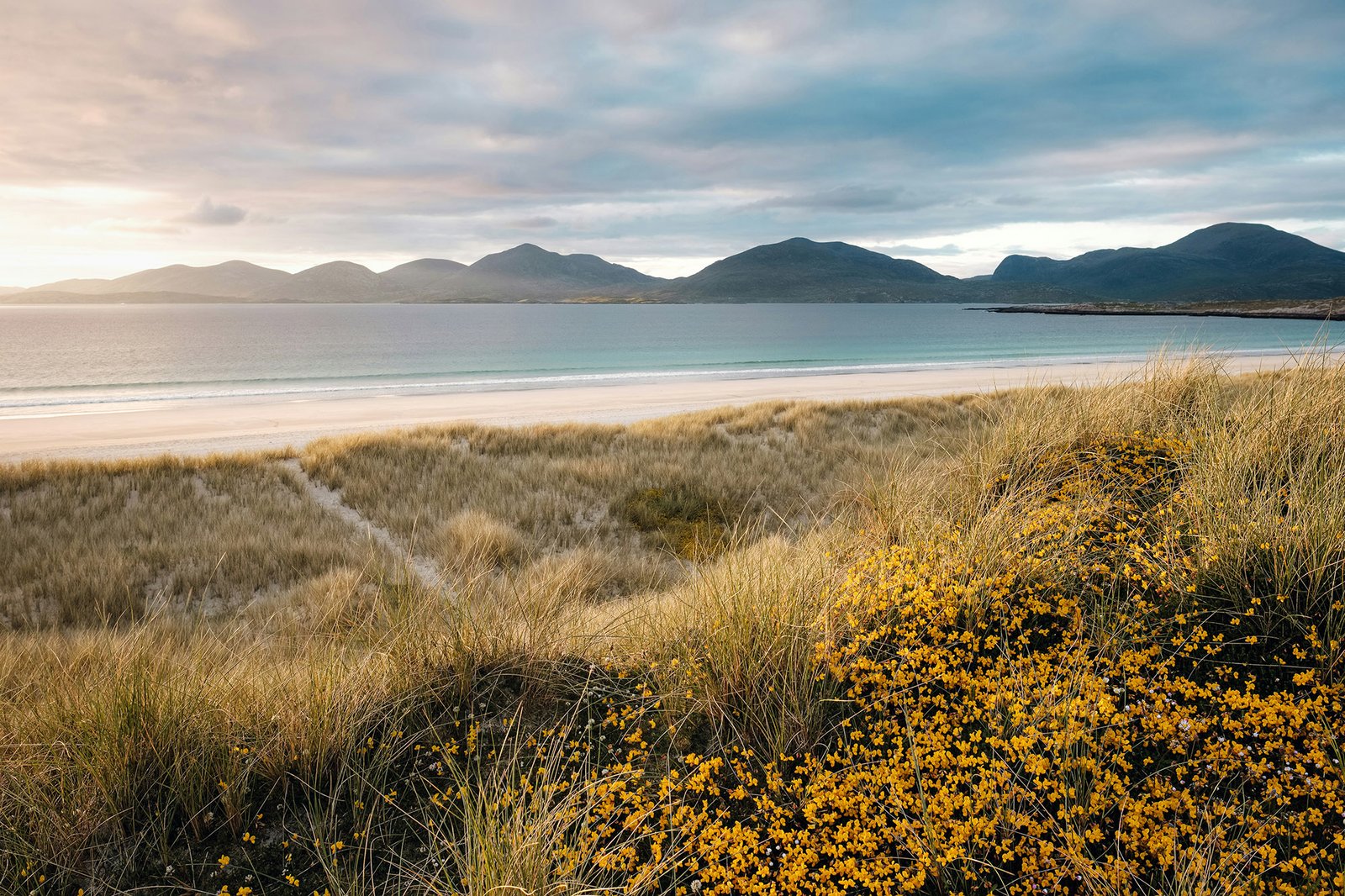
Harris
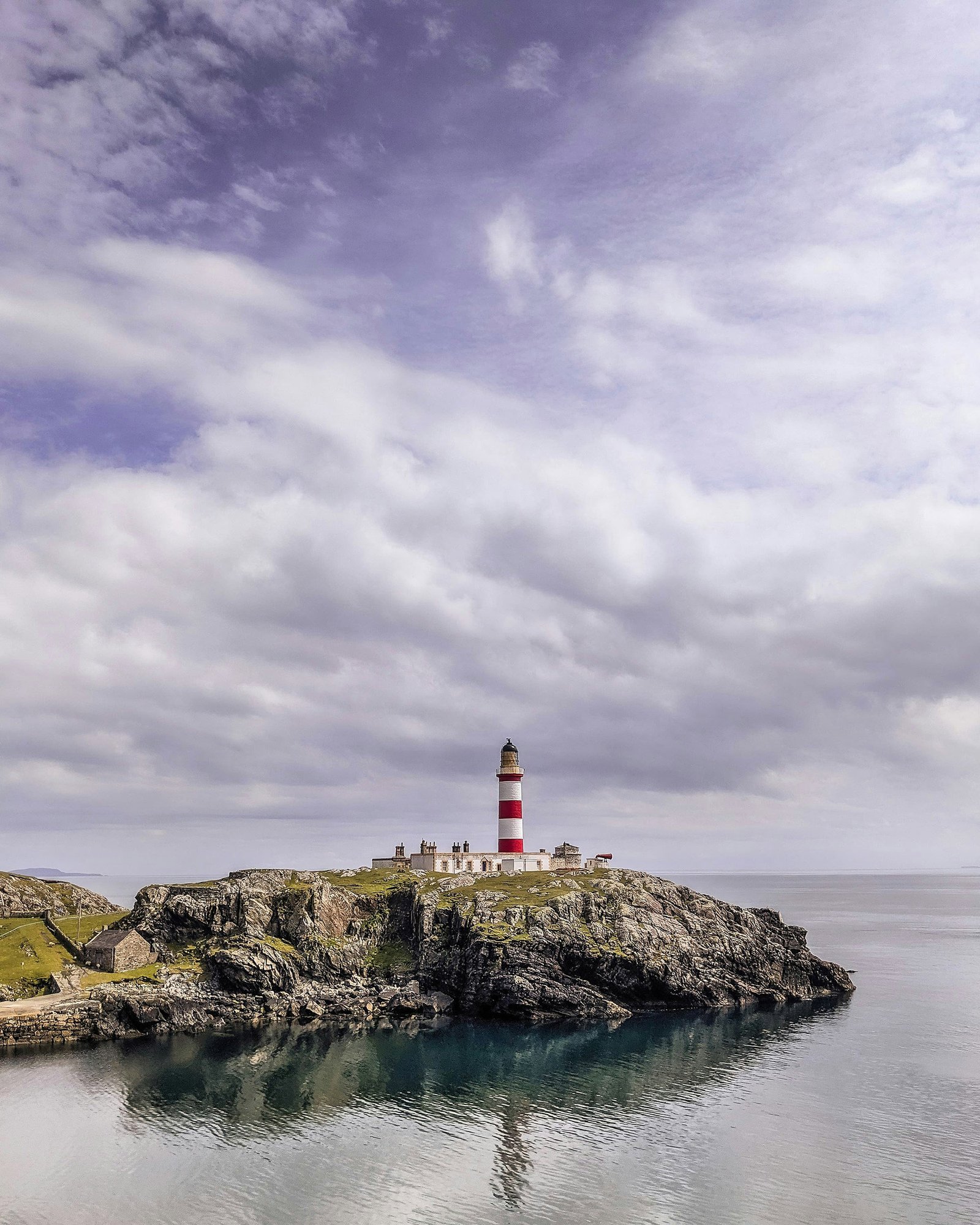
St Kilda
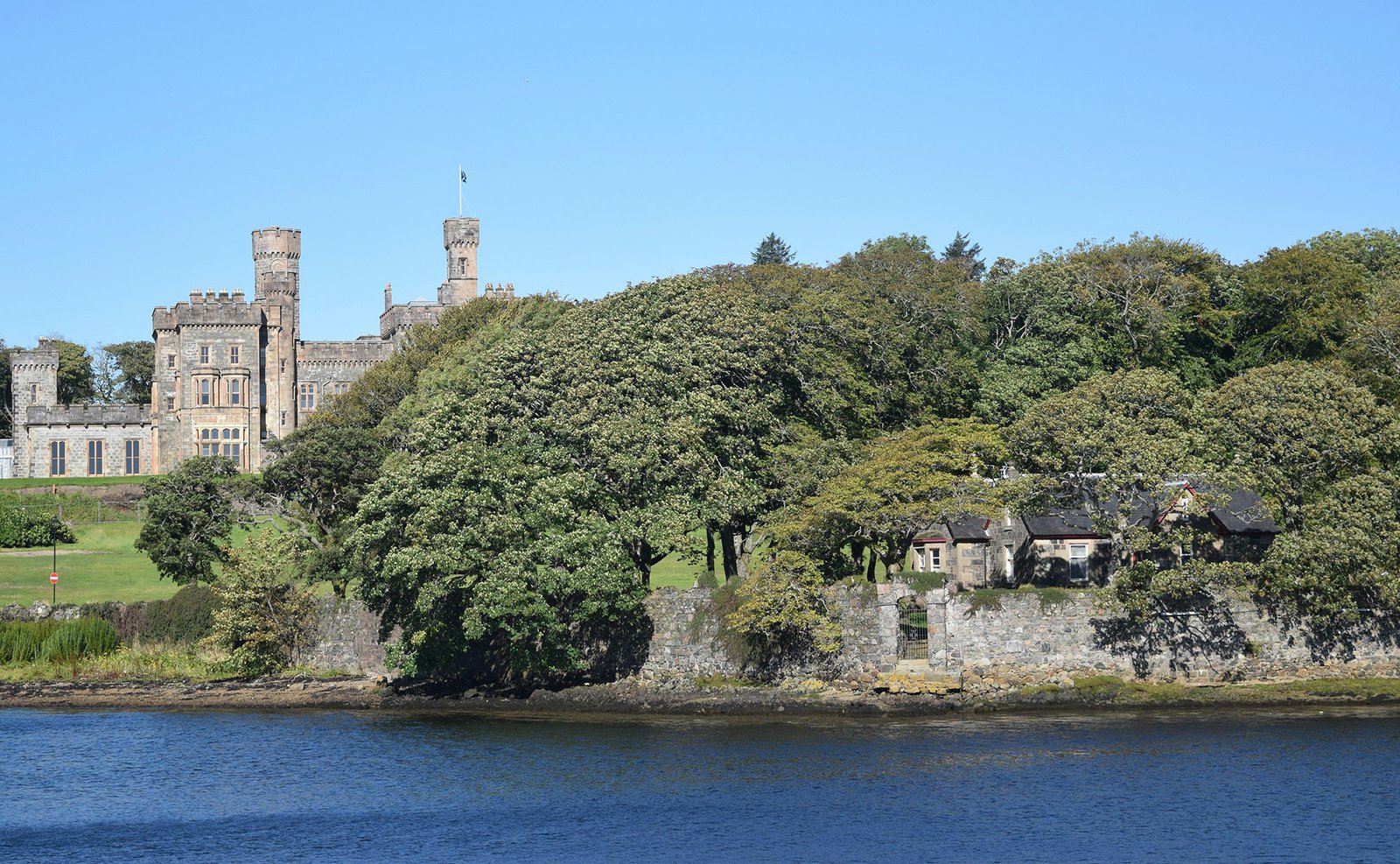
Lewis
May to September offers the most settled weather and the long daylight hours typical of this far-north latitude, with June sometimes seeing barely four hours of darkness. Midsummer also brings the best chance of calm crossings to the more exposed Outer Isles and St Kilda. Midges, the region’s famous biting insects, are at their worst in July and August in sheltered, still conditions, though rarely a problem underway or at anchor offshore.
Glasgow Airport is the main international gateway, with a drive or connecting flight on to Oban, the principal charter and provisioning base on the mainland side of the Inner Hebrides. Small regional airports serve the islands directly, including Islay Airport and Barra Airport, the only airport in the world with a scheduled service landing on a tidal beach. Guests can also join by rail to Oban or Mallaig, both well connected to Glasgow.
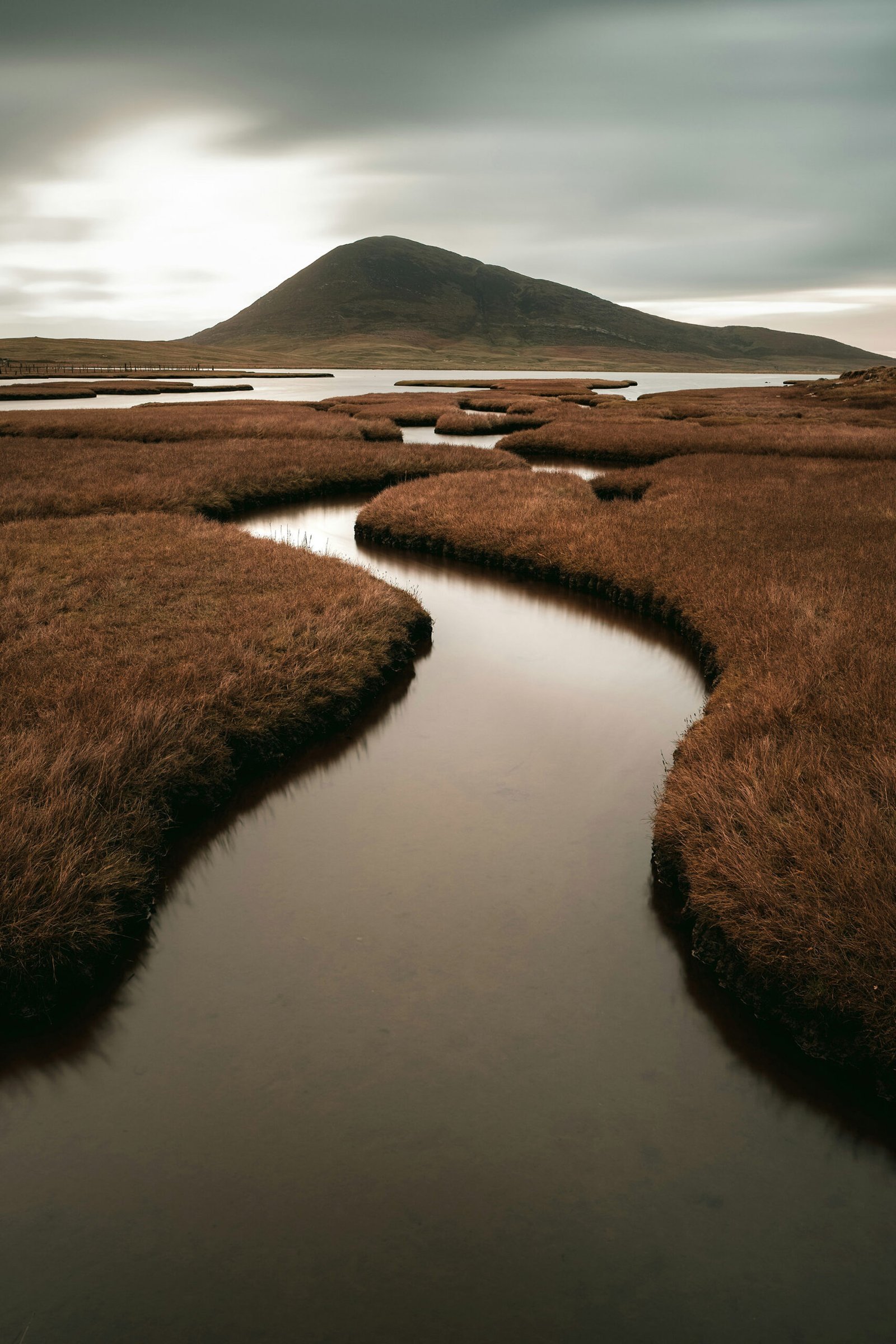
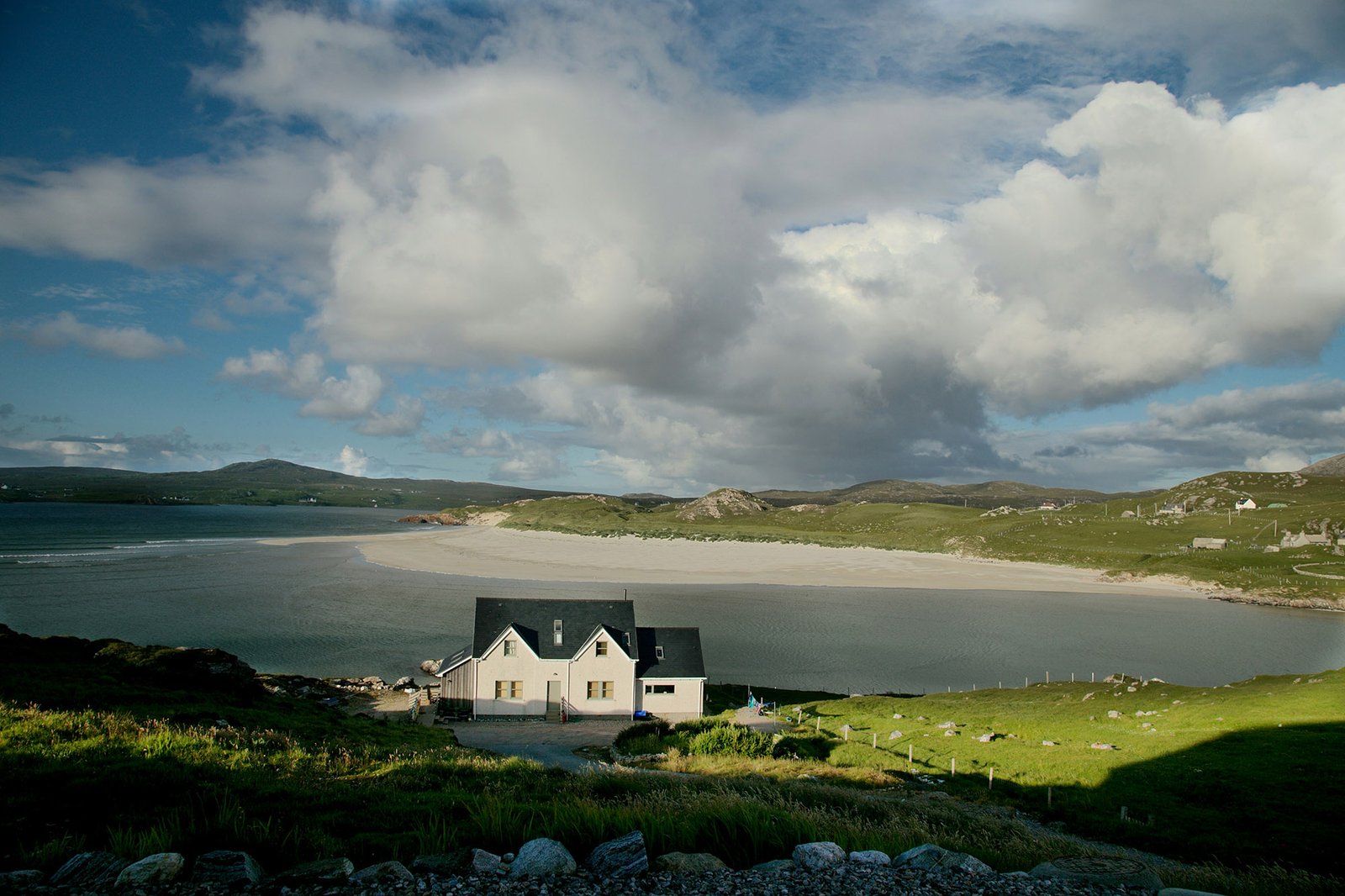
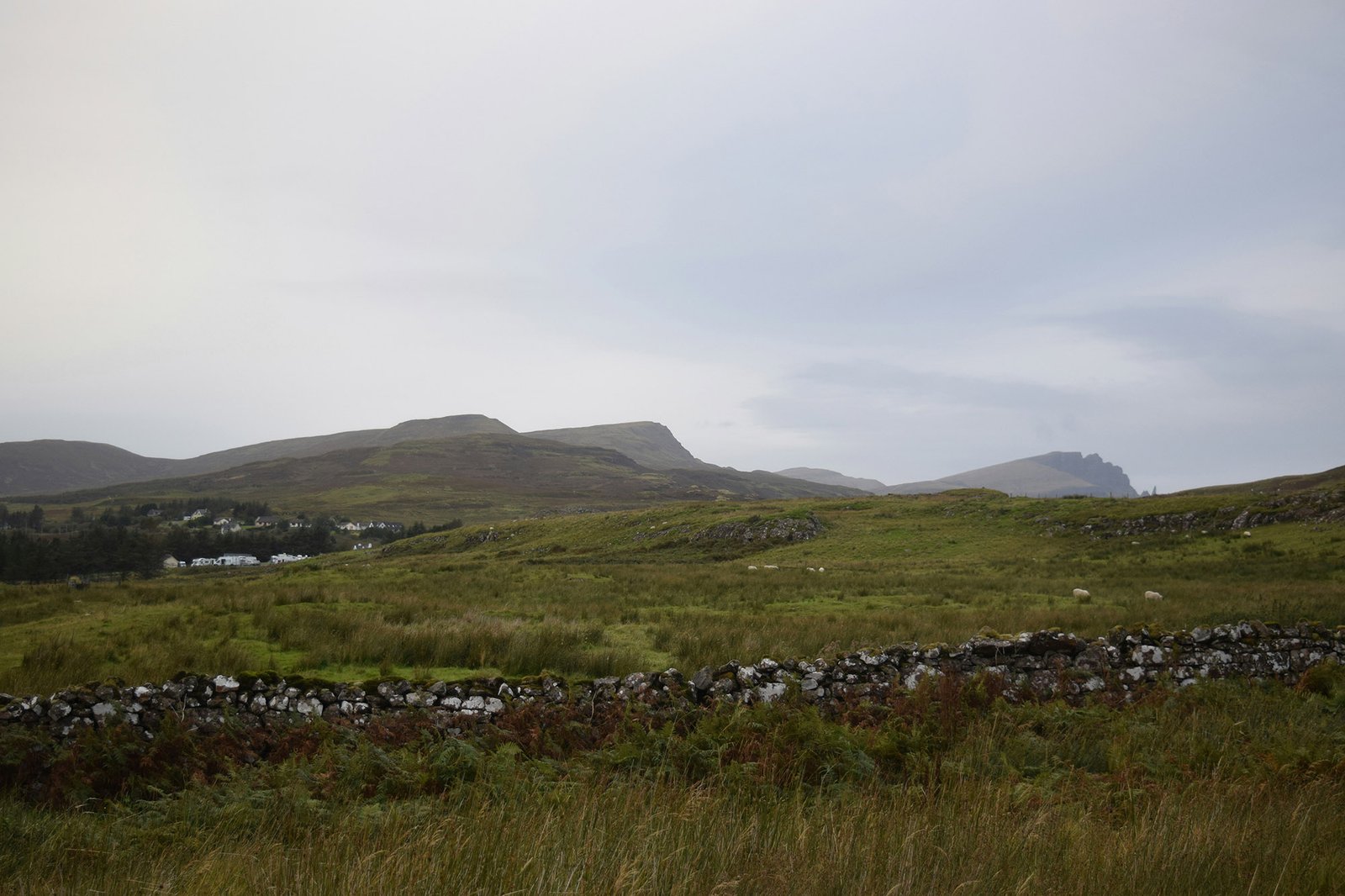
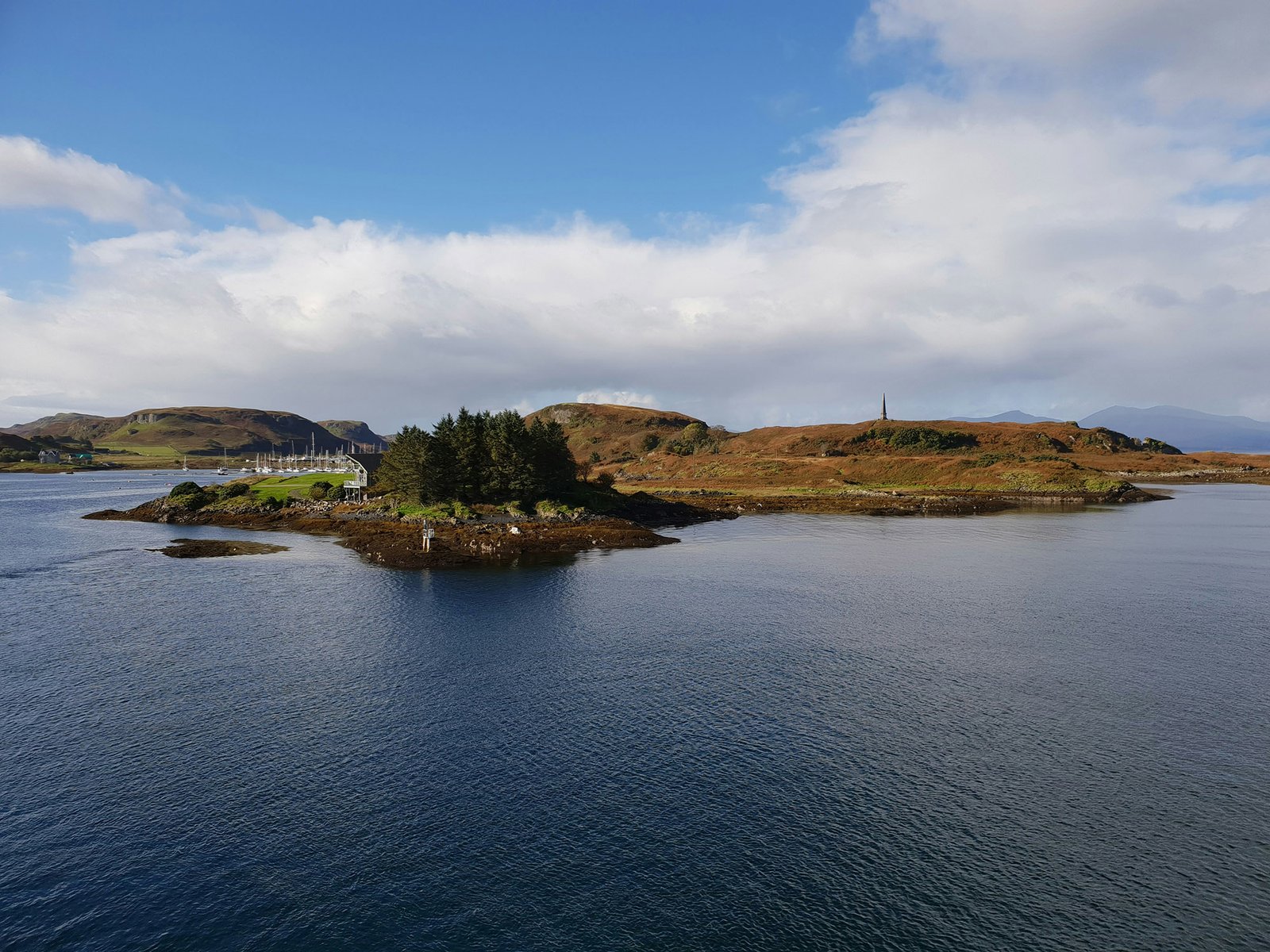
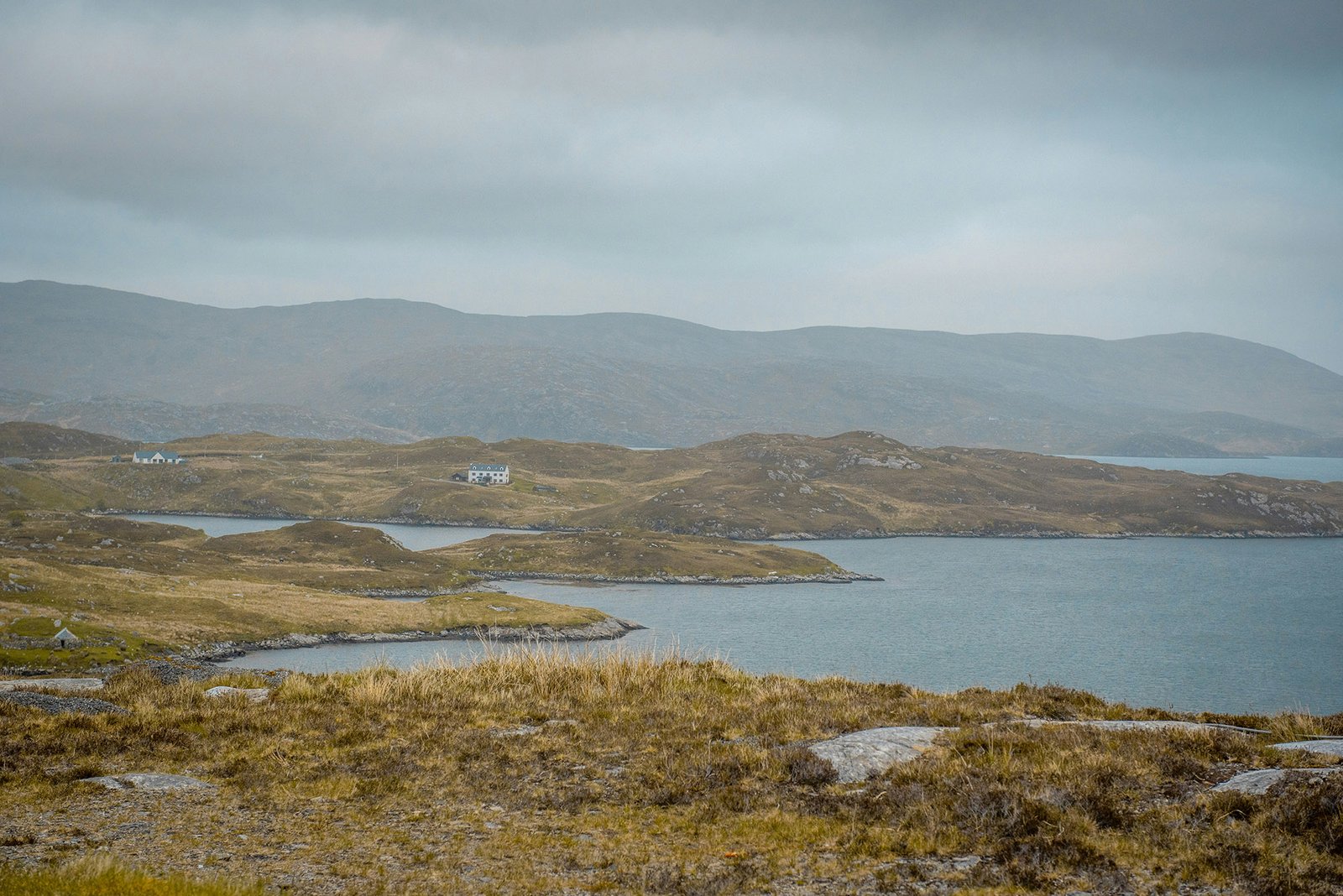
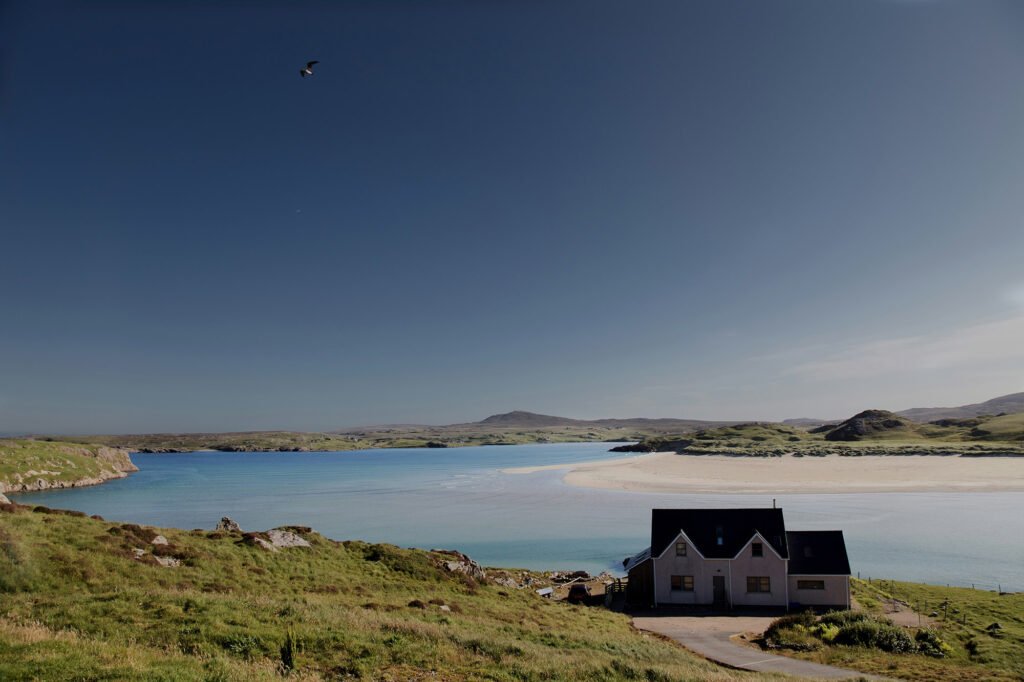
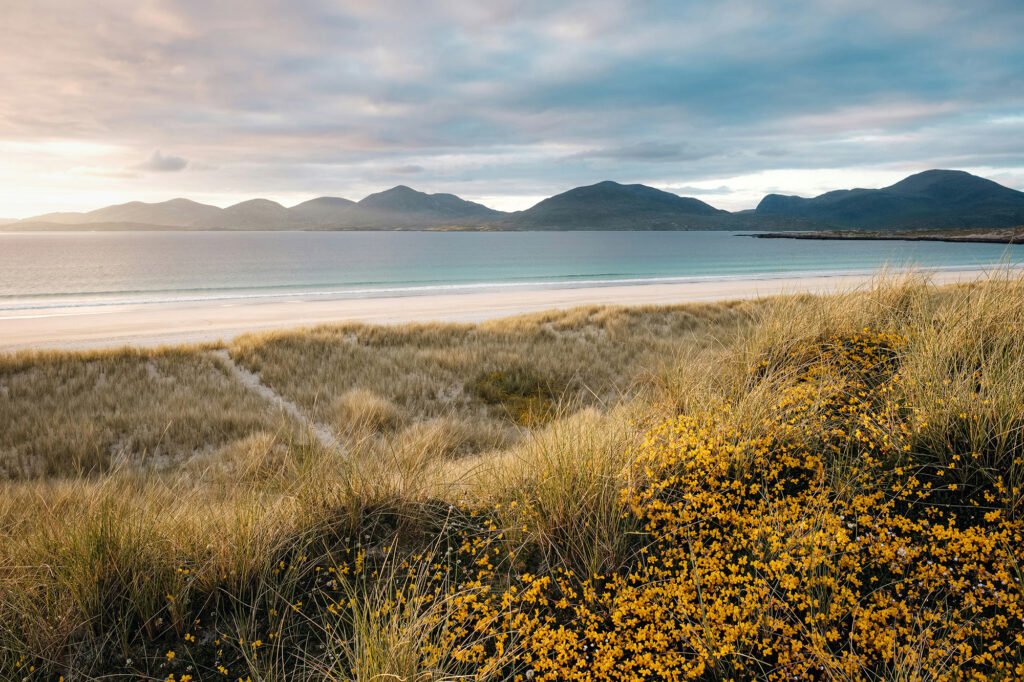
Loch Scavaig, beneath the jagged Cuillin ridge on Skye, is among the most dramatic anchorages in Scotland, though exposed and only tenable in settled weather. Tobermory’s colourful harbour on Mull offers full shelter and shoreside facilities, while Castlebay on Barra sits beneath Kisimul Castle. For something quieter, Loch Maddy on North Uist and Loch Tarbert on Jura both offer complete shelter away from other yachts.
Ten days gives a good taste of the Inner Hebrides, taking in Skye, Mull and Islay’s distilleries without rushing the passages between them. Two weeks or more allows a crossing to the Outer Hebrides and Harris’s beaches, weather permitting, since the Minch crossing needs a settled window. Given how quickly conditions change this far north, it’s worth building slack into any itinerary rather than a fixed daily schedule.
Yes, the Gulf of Corryvreckan, between Jura and the smaller island of Scarba, is regarded as one of the largest whirlpools in the world, created by tidal streams forcing through a narrow, uneven seabed. On a strong flood tide the standing waves and overfalls are dramatic, and the passage should only be attempted, if at all, by experienced crews at slack water. Most charter itineraries view it from a respectful distance rather than transiting through.