Croatia / Hvar
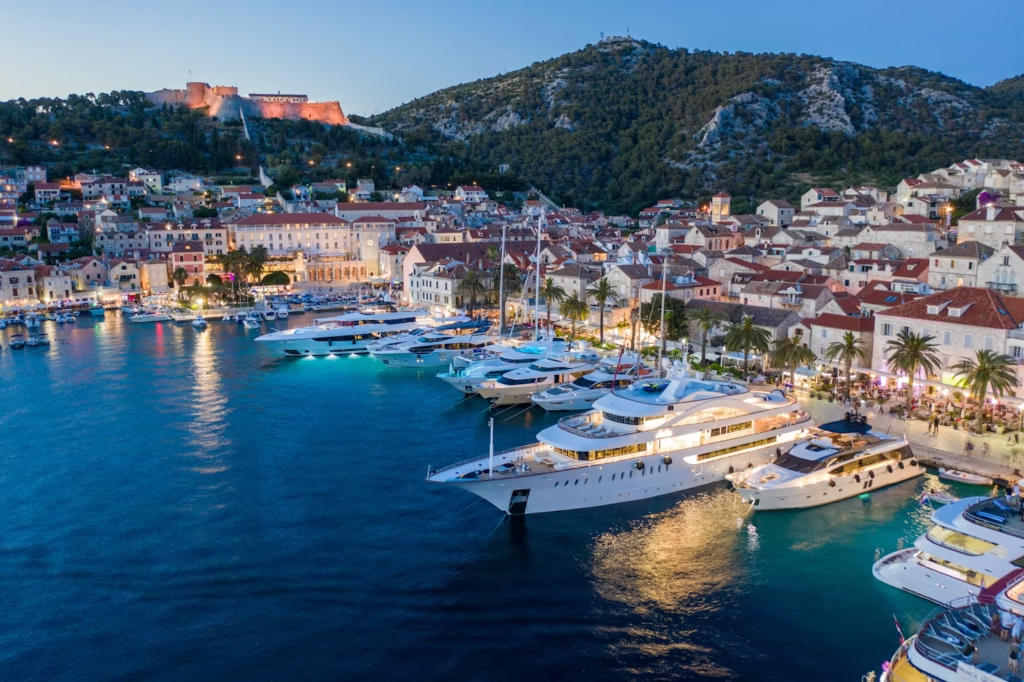
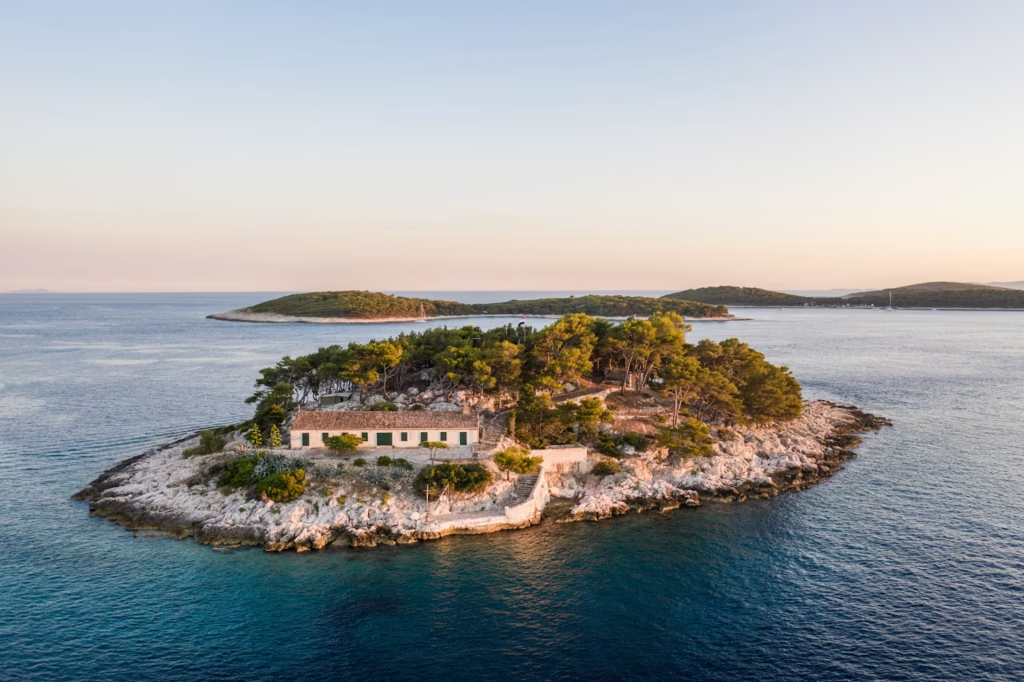
Palmižana, Pakleni Islands
Ždrilca, Marinkovac
Vlaka
Dubovica Bay
Stipanska, Marinkovac
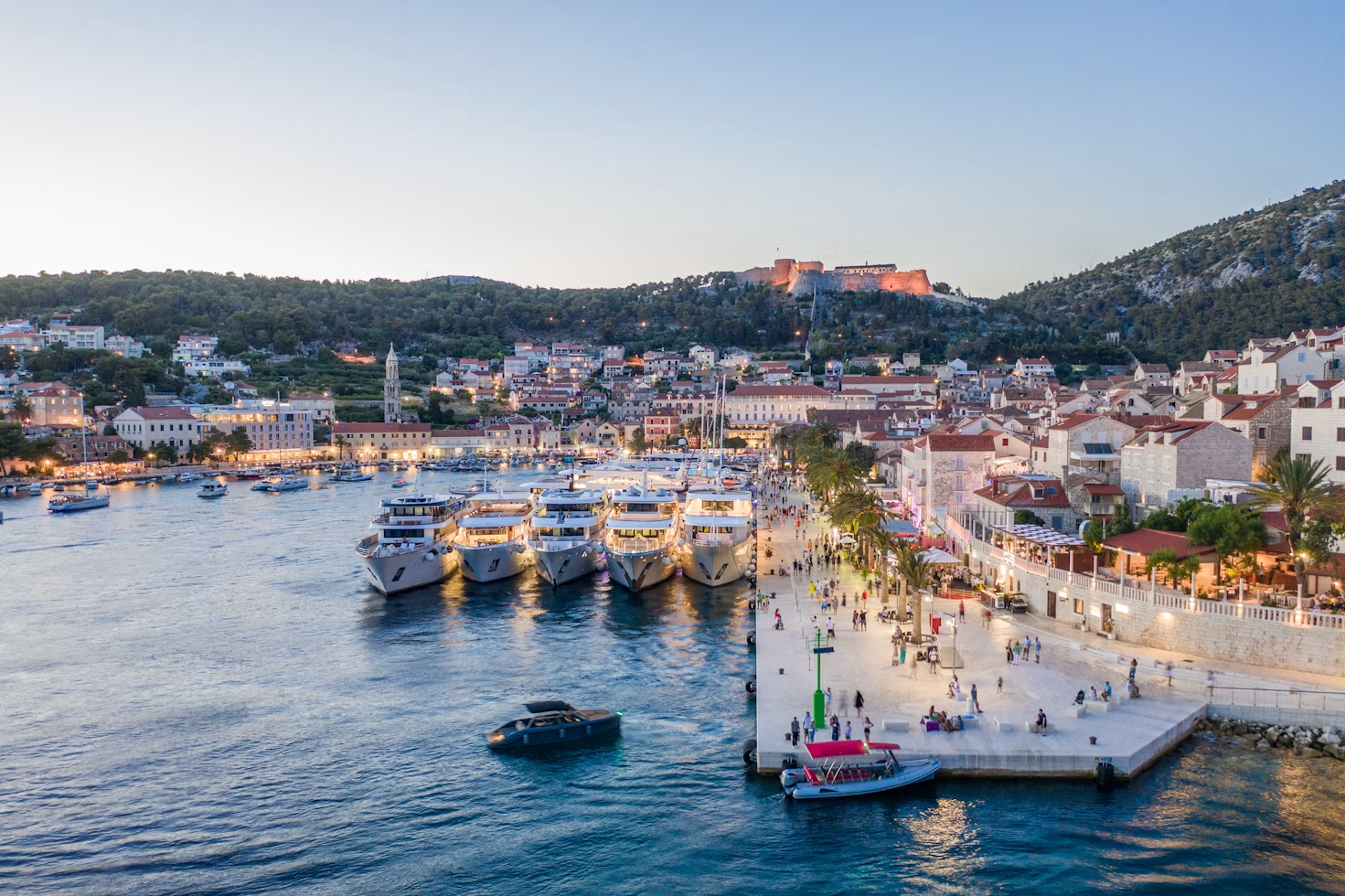
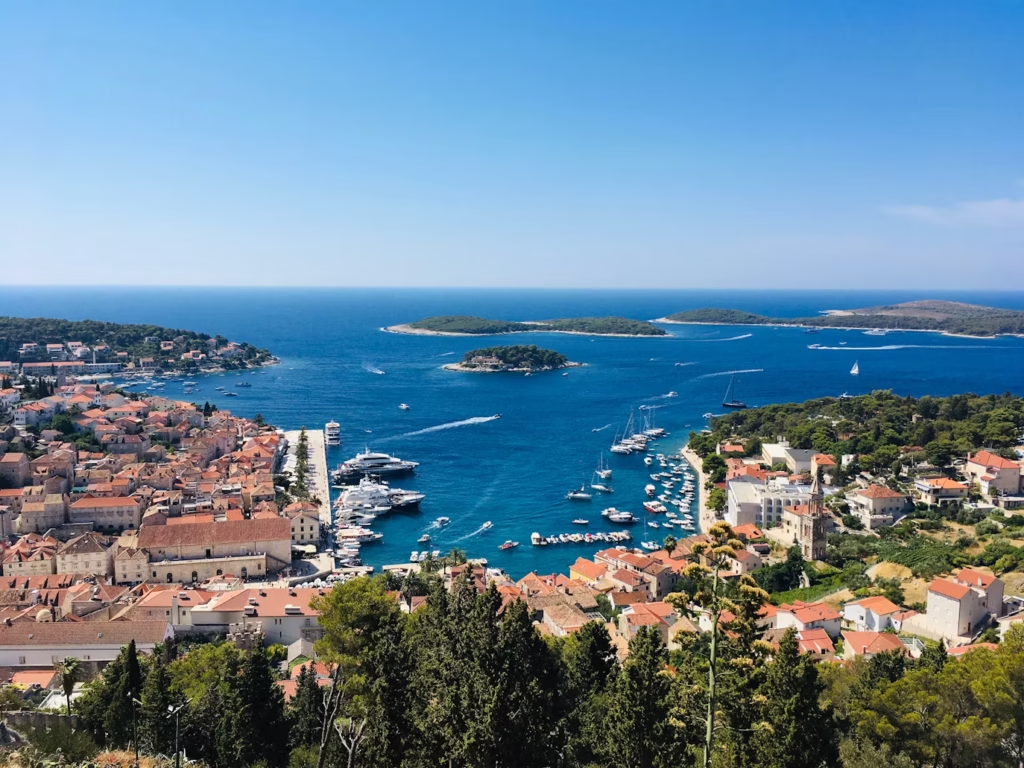
Climb to Fortica for sunset views over the harbour
Catch a performance at the 1612 Arsenal theatre
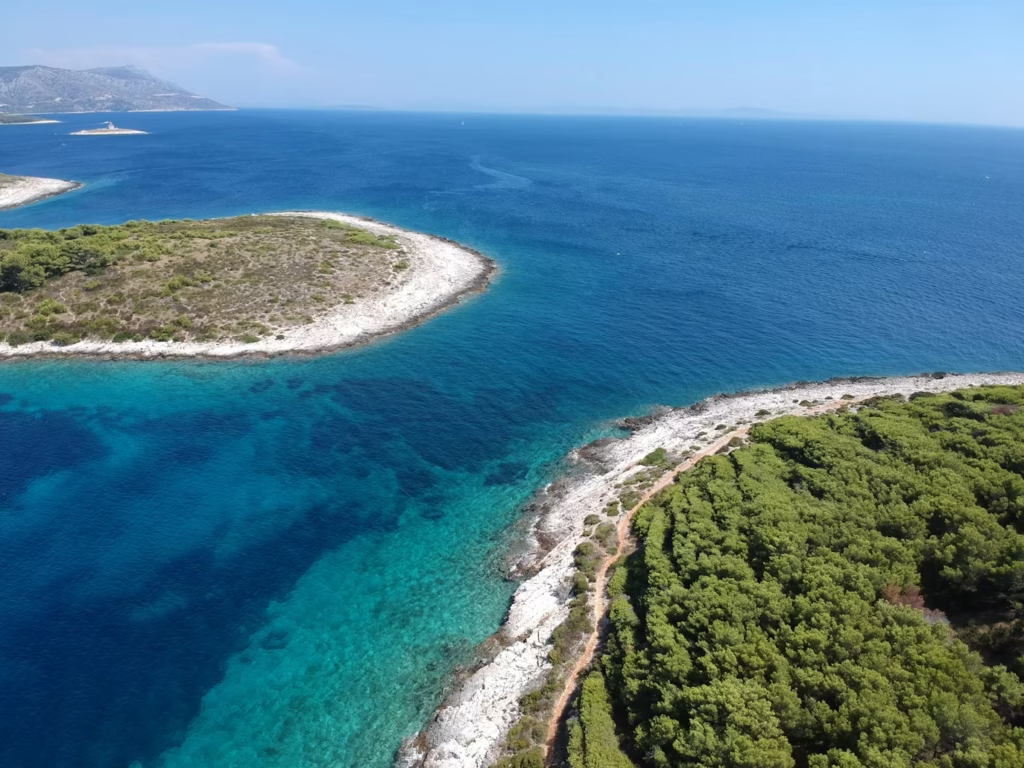
Swim the coves of the Pakleni Islands by tender
Walk the ancient parcels of the Stari Grad Plain
Dine on Pošip wine and fresh catch in the old town
Fortica (Spanish Fortress)
The Arsenal Theatre
St Stephen’s Cathedral
Stari Grad Plain
Franciscan Monastery
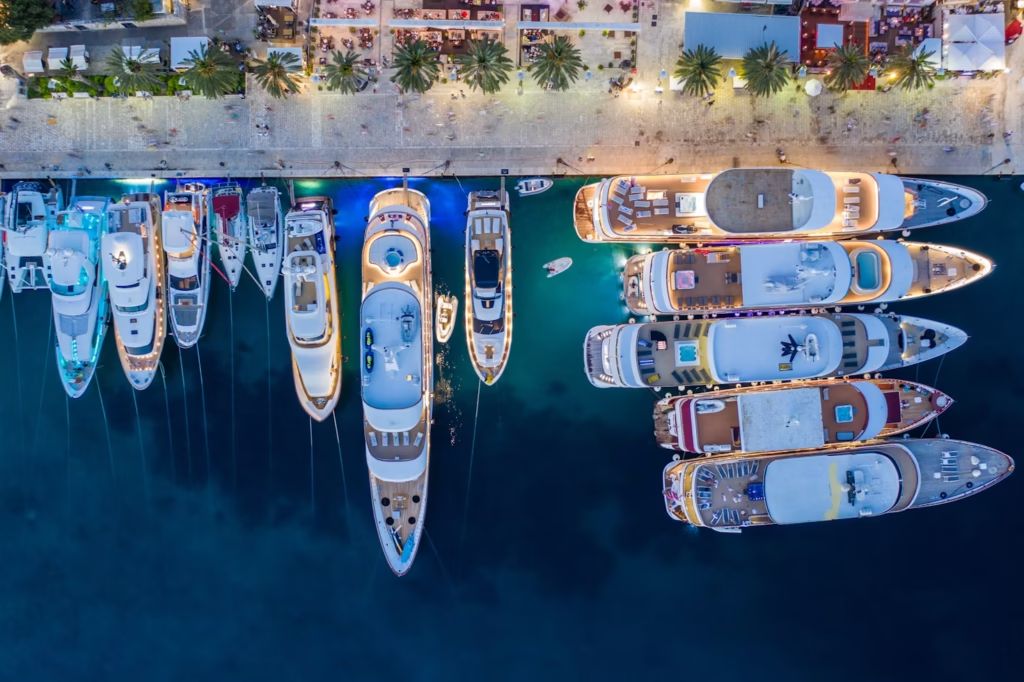
Hvar claims some of the highest sunshine totals in Europe, roughly 2,700 hours a year, which makes almost any point between May and September a safe bet for weather. July and August bring the busiest nightlife and the tightest berths in Hvar town’s harbour, while June and September offer nearly identical sunshine with a noticeably calmer waterfront. Spring brings the added bonus of the lavender fields inland coming into bloom.
Split Airport (SPU) is the main gateway, followed by a catamaran crossing to Hvar town that takes about an hour and runs frequently through the summer season. An alternative is Brač Airport (BWK), a short transfer and ferry hop away, useful for guests already routing through other Adriatic islands. Many charter guests simply join their yacht in Split or another Dalmatian port and sail across directly.
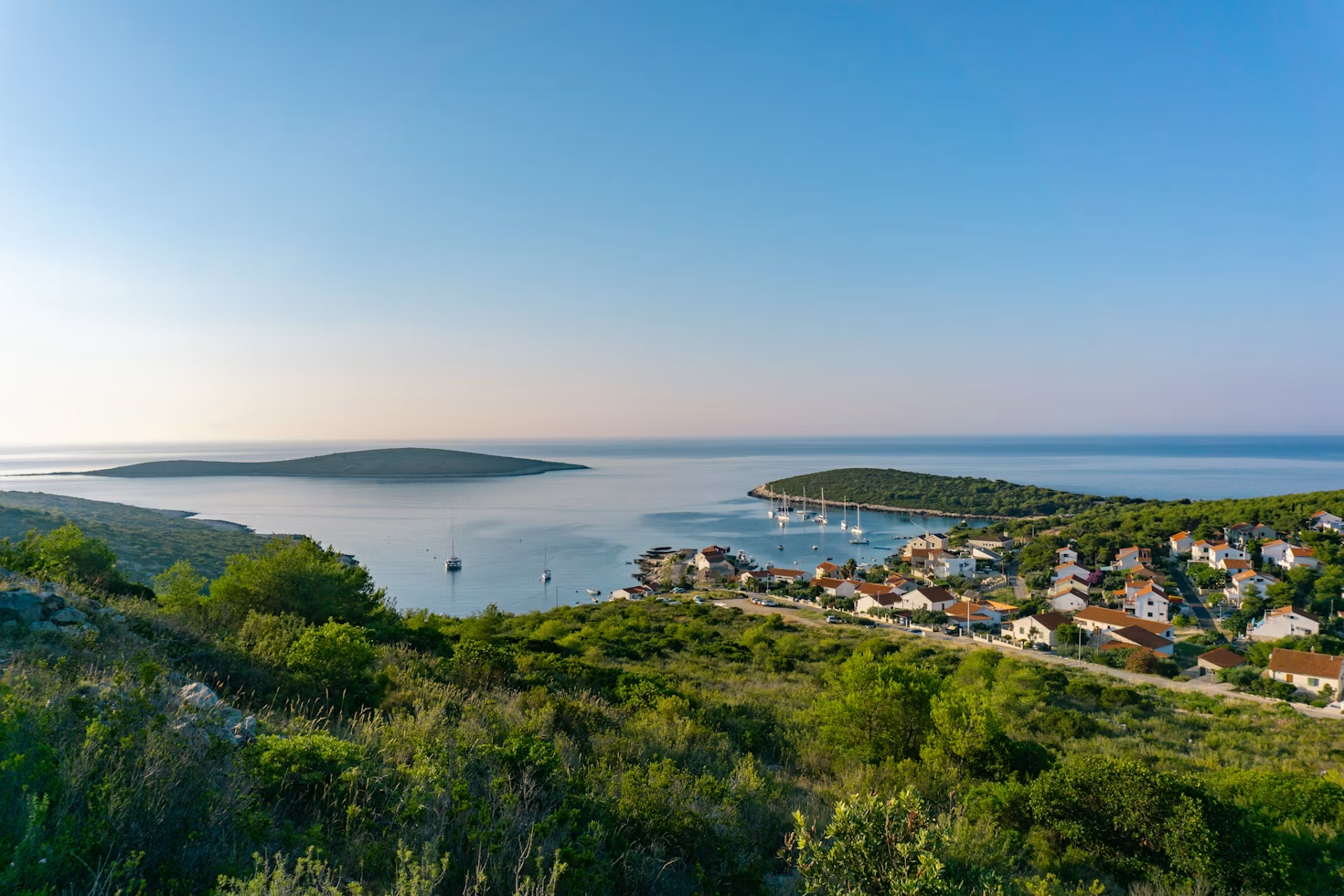
The Pakleni Islands, just off Hvar town, hold the pick of the anchorages: Palmižana for a mix of quiet beach and dining, Ždrilca and Stipanska for livelier beach-club energy on Marinkovac. Dubovica Bay, on Hvar’s own south coast, is a favourite for its old stone house and terraced vineyards above a pebble beach. All are within a short sail or tender ride of the town itself, which makes island-hopping between them easy in a single afternoon.
Two to three days lets guests properly explore the old town, work through a few of the Pakleni Islands’ coves and take at least one evening in Hvar’s harbourside restaurants. Longer stays suit those keen to explore inland, visiting the lavender villages or the Stari Grad Plain, both a short drive from the coast. Hvar also anchors many wider Dalmatian itineraries, sitting conveniently between Split, Brač and Korčula.
It’s a widely repeated claim, and the numbers back it up loosely: Hvar averages somewhere around 2,700 hours of sunshine a year, among the highest totals recorded for any Mediterranean island, though exact figures vary slightly by source and measuring station. The claim has stuck since the early 20th century, when Austro-Hungarian tourism boards first promoted Hvar for its climate. Whatever the precise number, the island rarely disappoints guests hoping for a reliably sunny charter.

Tell us what you would like to know, and our team will respond with clear details on availability, specification, pricing and next steps.