Croatia / Trogir
ACI Marina Trogir
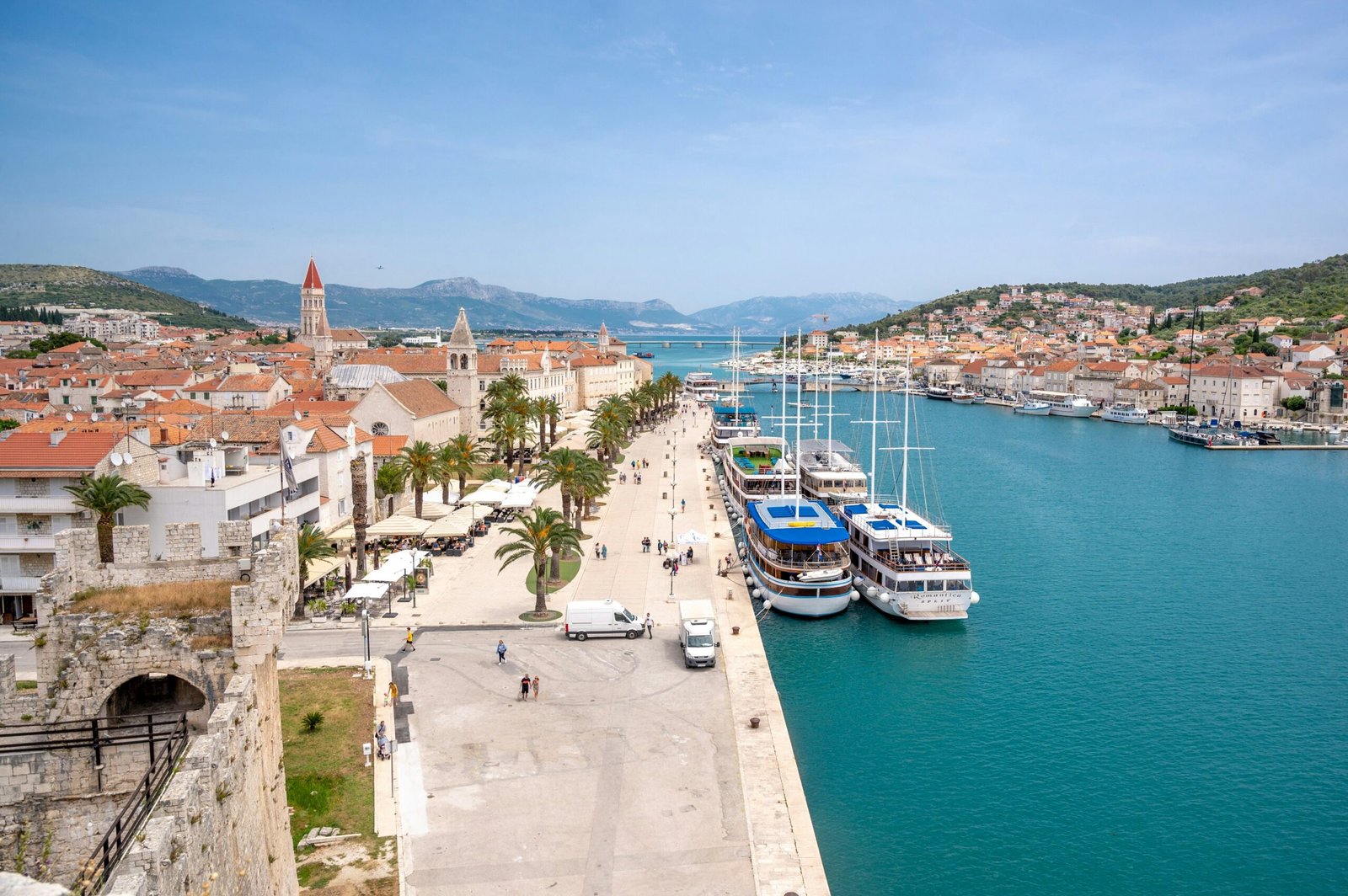
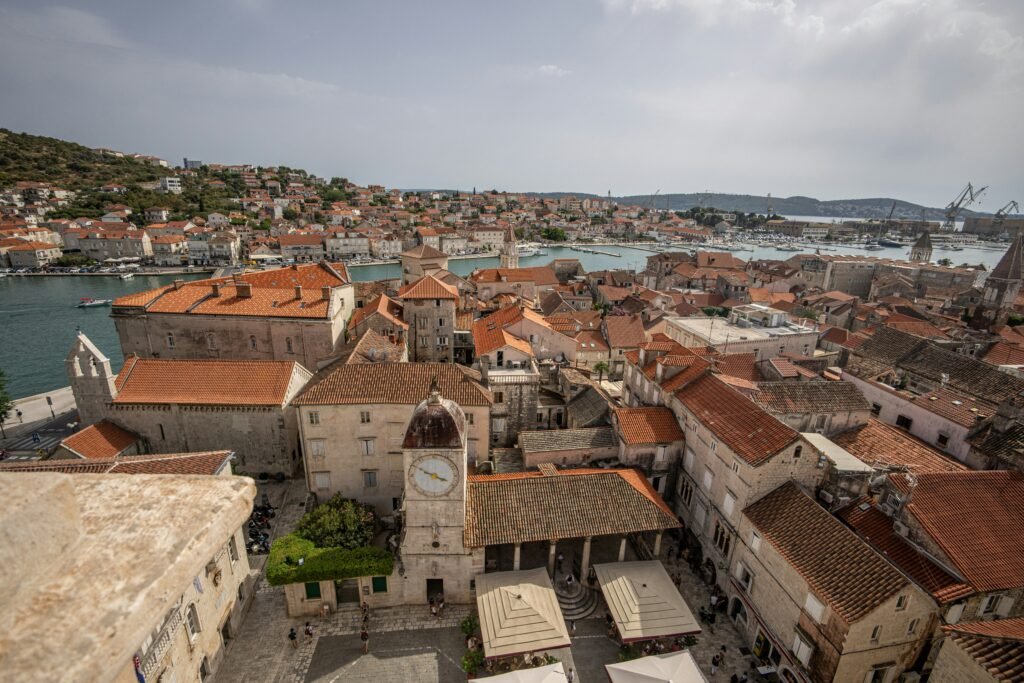
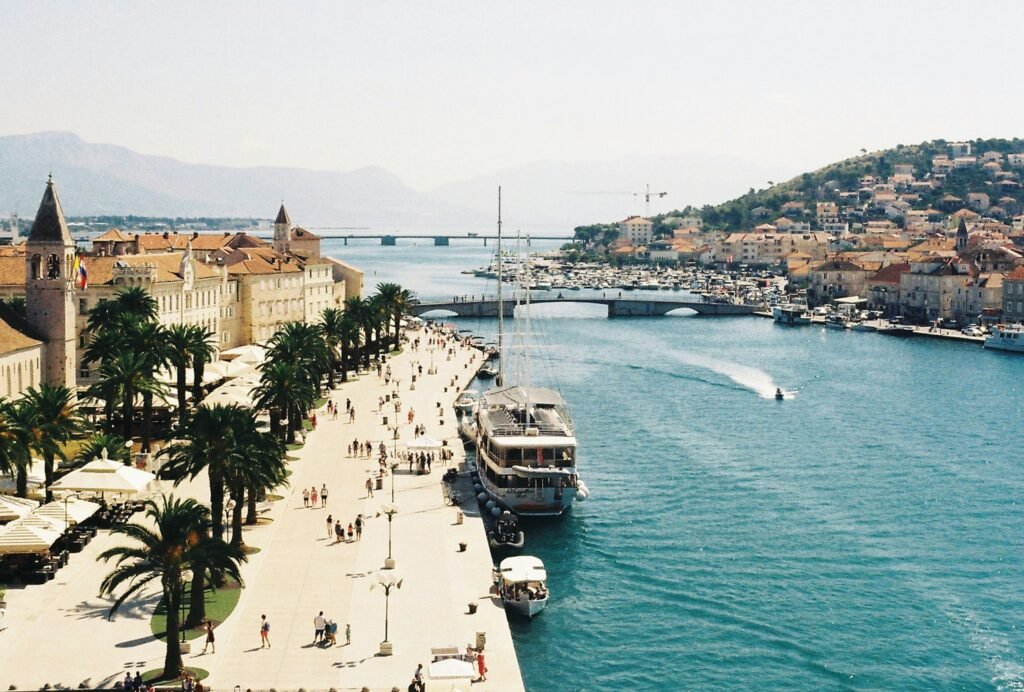
Trogir Town Riva
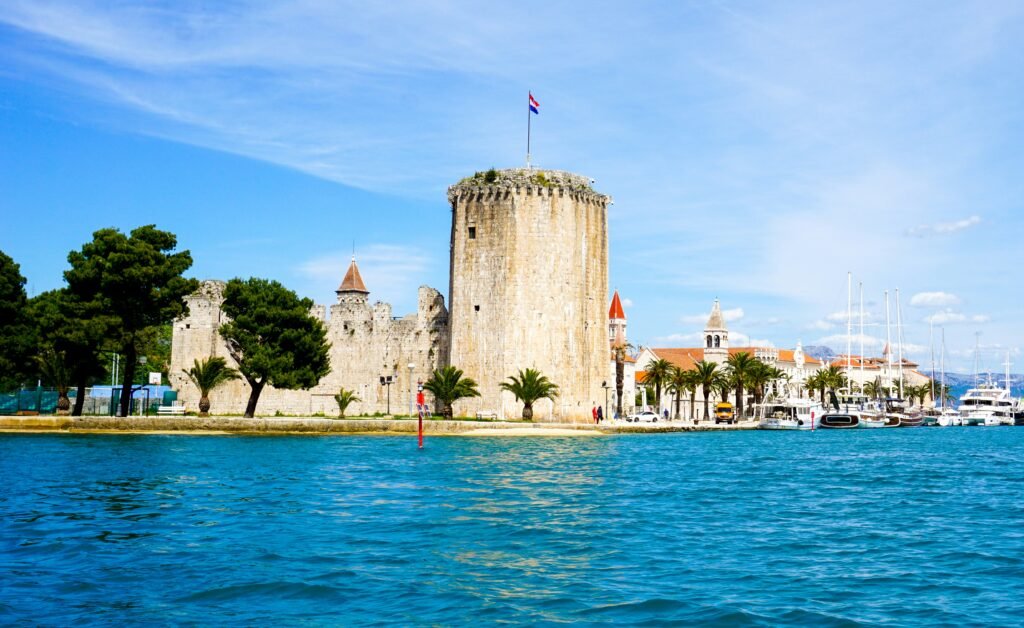
Čiovo Channel
Slatine Bay, Čiovo
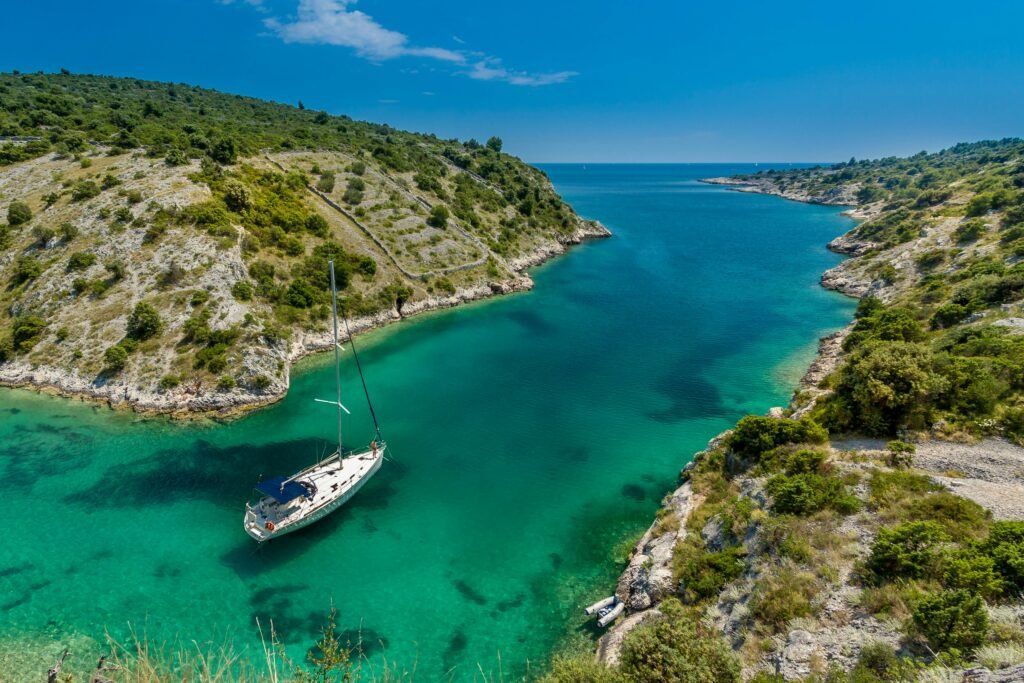
Krknjaši Bay, Drvenik Mali
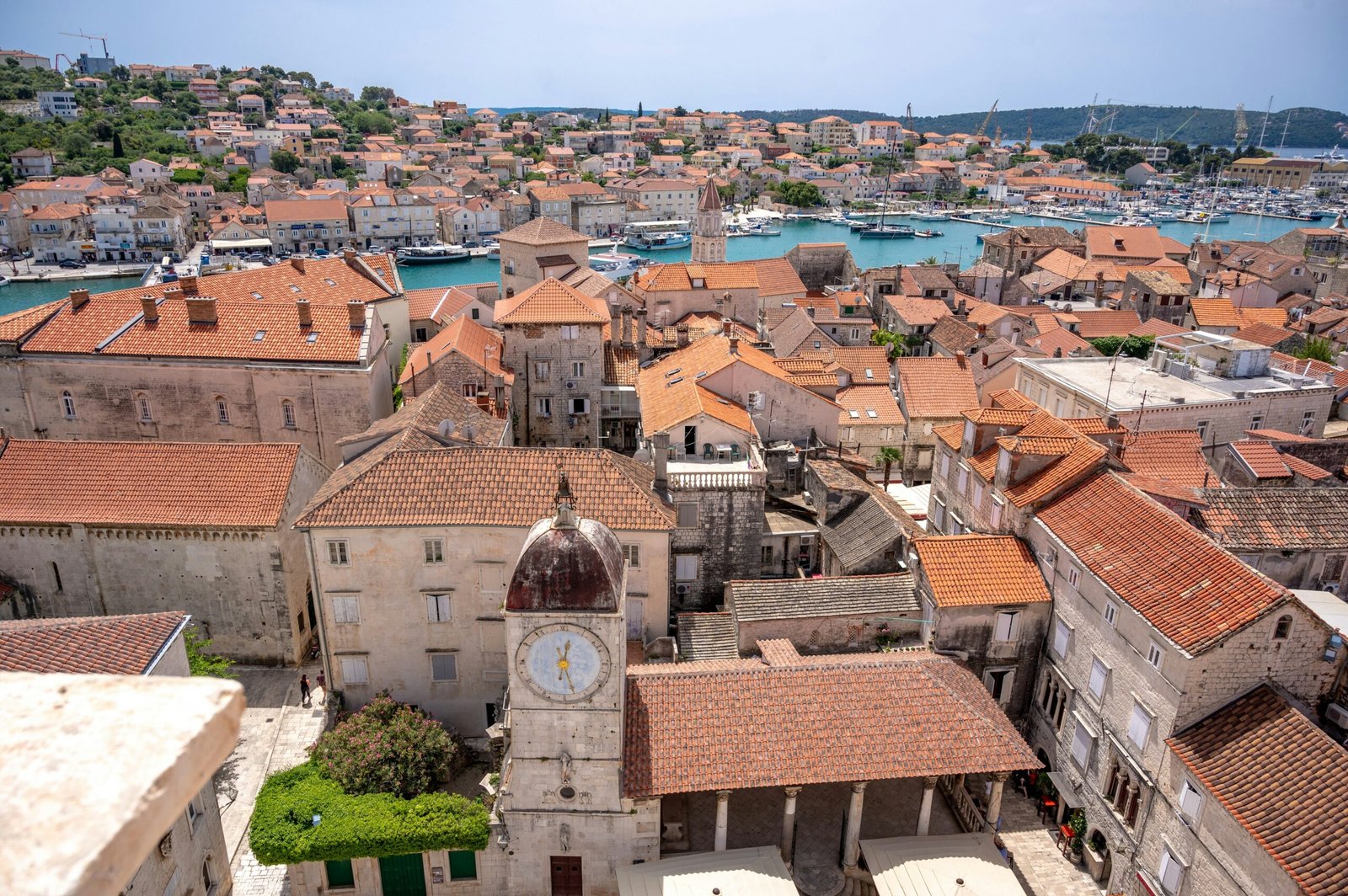
Climb the Cathedral of St Lawrence bell tower
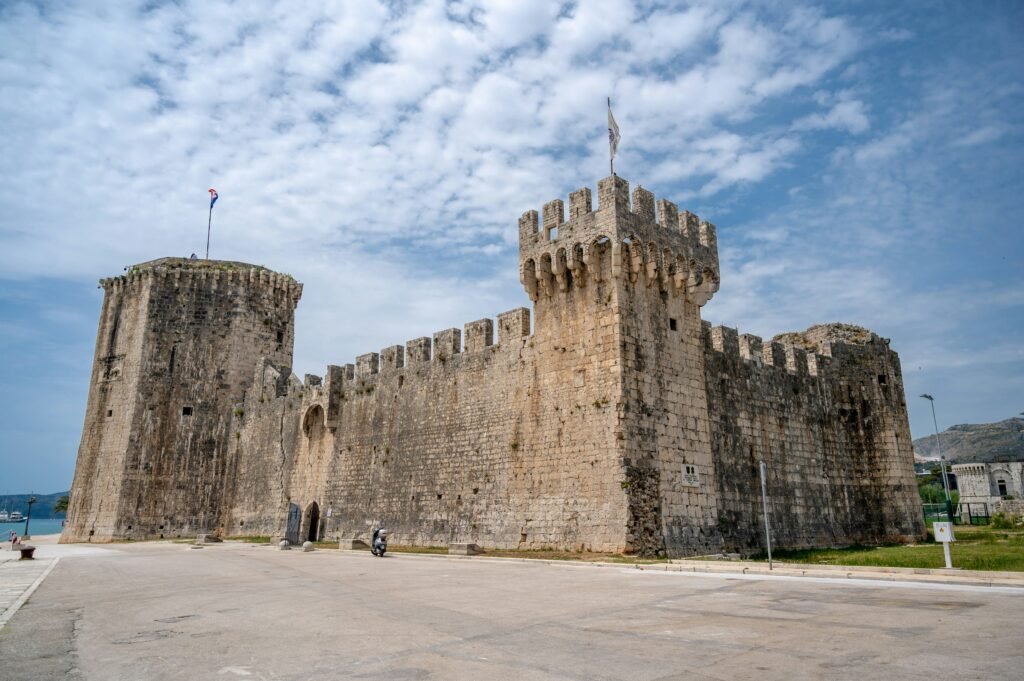
Walk the ramparts of Kamerlengo Fortress
Study Master Radovan’s portal carvings
Cross to Čiovo Island’s beaches
Day-sail to Krknjaši Bay’s turquoise lagoon
Cathedral of St Lawrence
Kamerlengo Fortress
Trogir Riva Promenade
Čiovo Island
Krknjaši Bay
Trogir shares the Dalmatian coast’s April-to-October sailing season, with July and August bringing the busiest waterfront and the warmest swimming but also the most competition for berths at ACI Marina Trogir. Late spring and early autumn keep the old town’s cafes open and the crossing to Krknjaši Bay just as inviting, with far less congestion on the channel between Trogir and Čiovo.
Trogir is about as convenient as it gets: Split Airport (SPU) sits only six kilometres away, close enough that some itineraries begin here rather than in Split itself to avoid the city’s heavier boat traffic. A short taxi or transfer from arrivals puts guests straight onto the waterfront, ready to board within twenty minutes of landing.
ACI Marina Trogir, directly across the channel from the old town, is the standard overnight base and puts the cathedral and fortress within easy walking distance once ashore. For a daytime stop, Krknjaši Bay off Drvenik Mali draws boats for its shallow turquoise water, while Slatine on Čiovo’s northern coast offers a quieter, less-visited alternative.
Trogir’s entire old town can be walked in under an hour, so many Split-based charters treat it as a half-day stop rather than a destination in its own right. That said, staying overnight lets you see the Riva and cathedral square empty out after the tour groups leave, and puts Krknjaši Bay within easy reach first thing the next morning before the day boats arrive.
Trogir is smaller and quieter than either, an entire UNESCO-listed old town compressed onto an island barely 500 metres across, with none of Split’s cruise-ship traffic or Dubrovnik’s summer crowds. It rewards a slower pace: wandering the Radovan portal’s stonework or the Kamerlengo ramparts takes minutes, but doing it without a crowd is something increasingly hard to find elsewhere on this coast.