Florida Keys
Rodriguez Key
Boot Key Harbor
Newfound Harbor
Garden Key
Key West Harbor
Snorkel John Pennekamp Coral Reef State Park
Dive Sombrero Reef
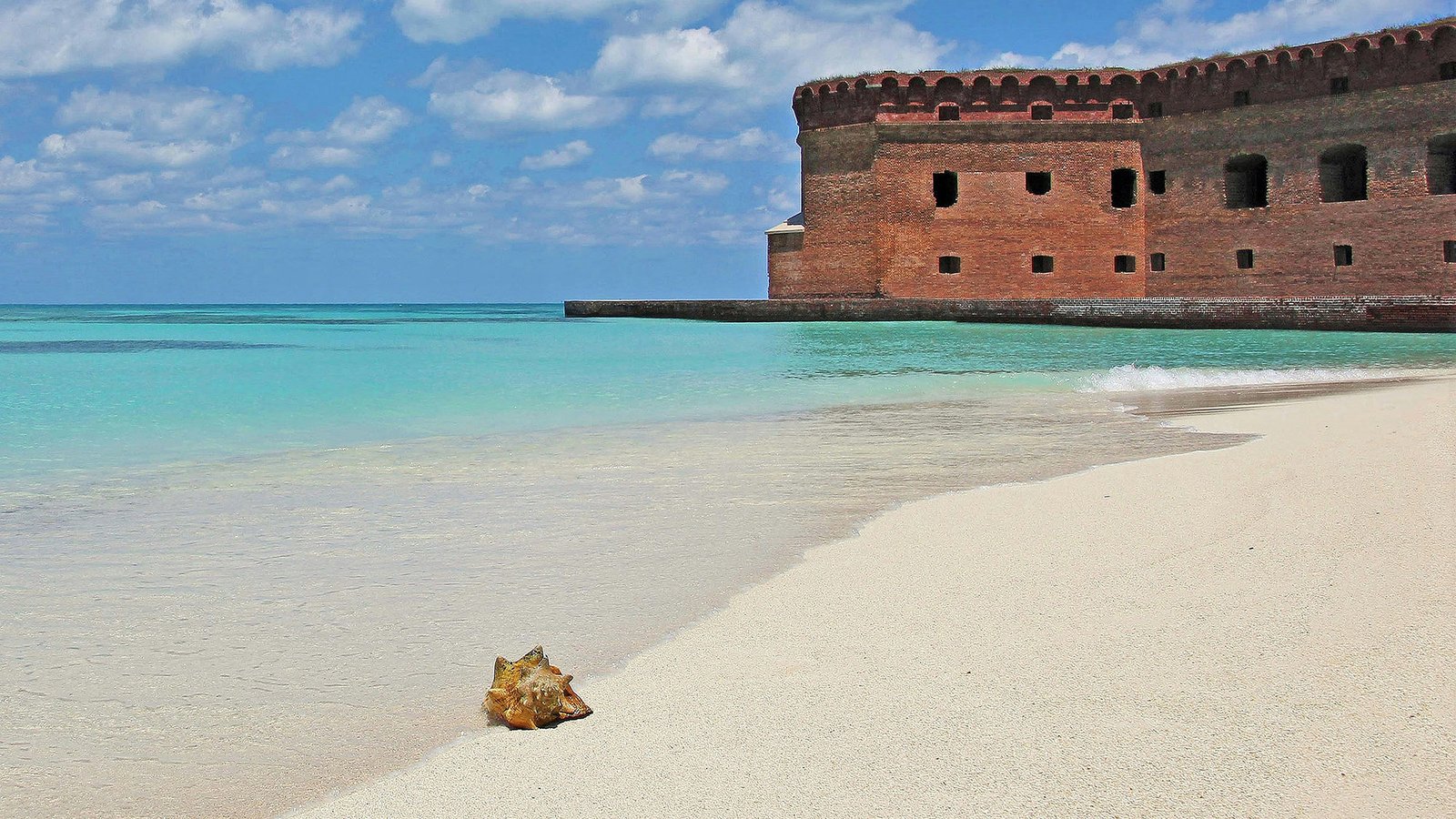
Explore Fort Jefferson at Dry Tortugas National Park
Kayak the backcountry at Bahia Honda State Park
Watch the sunset celebration at Mallory Square
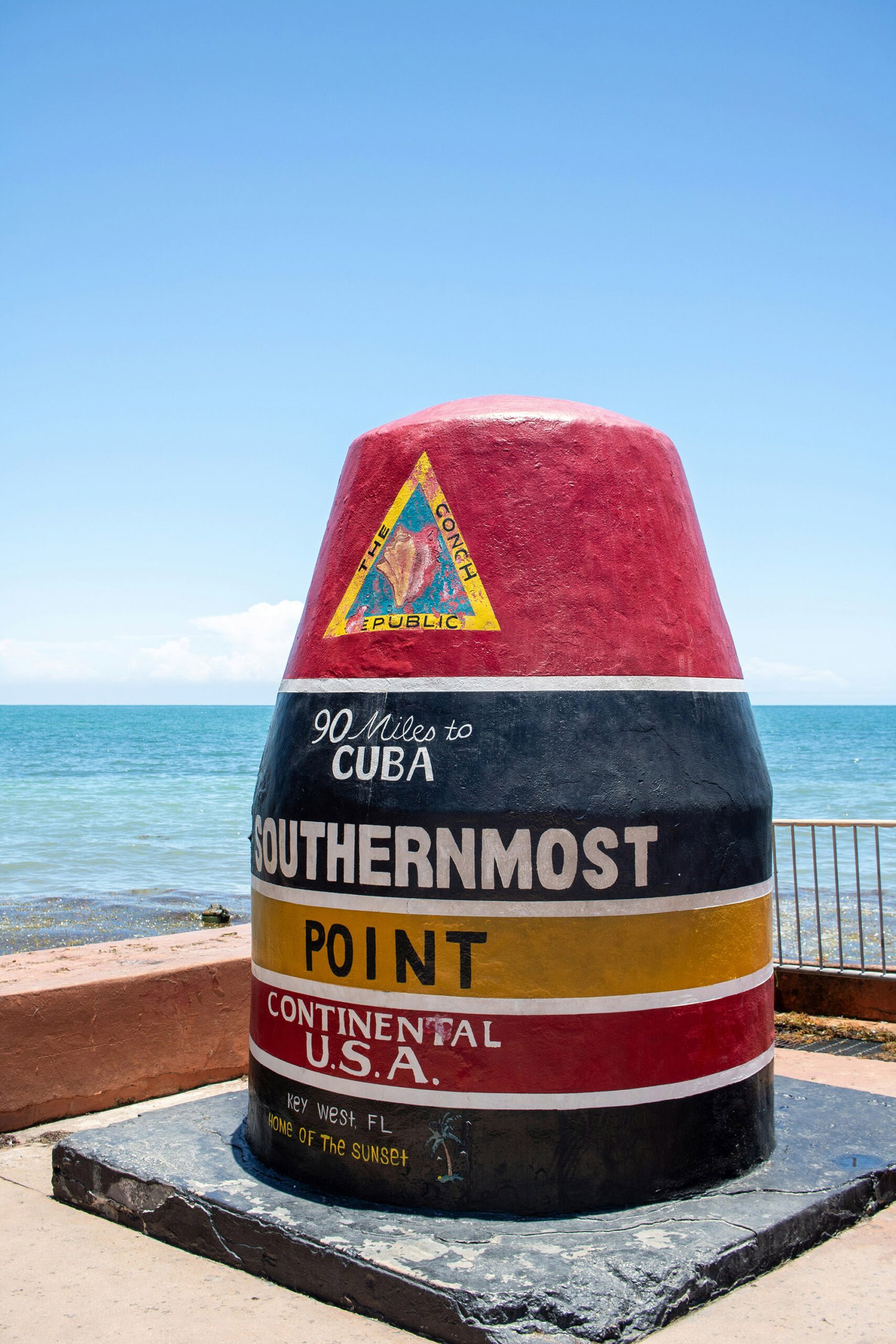
Key West Old Town
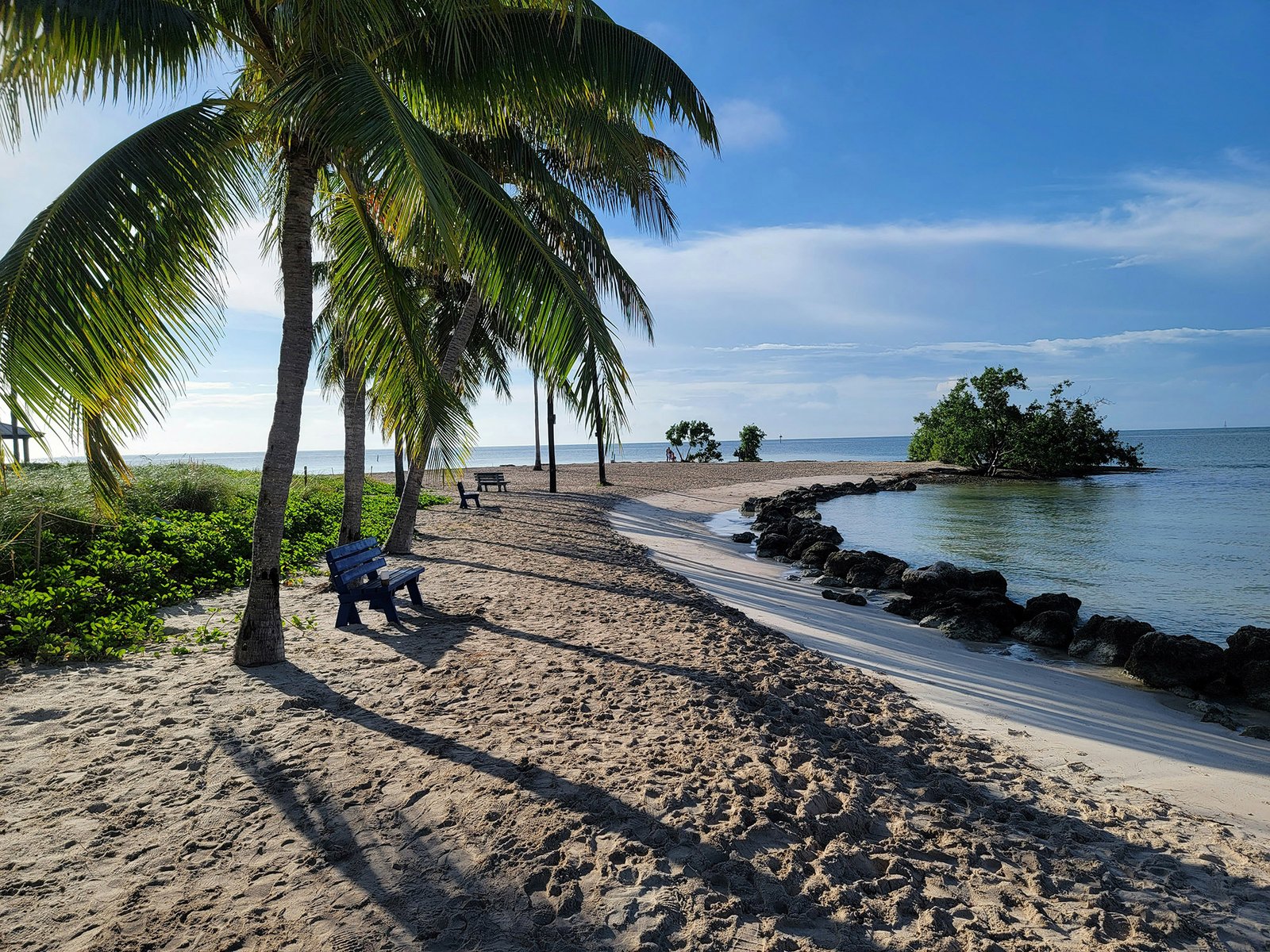
Bahia Honda State Park
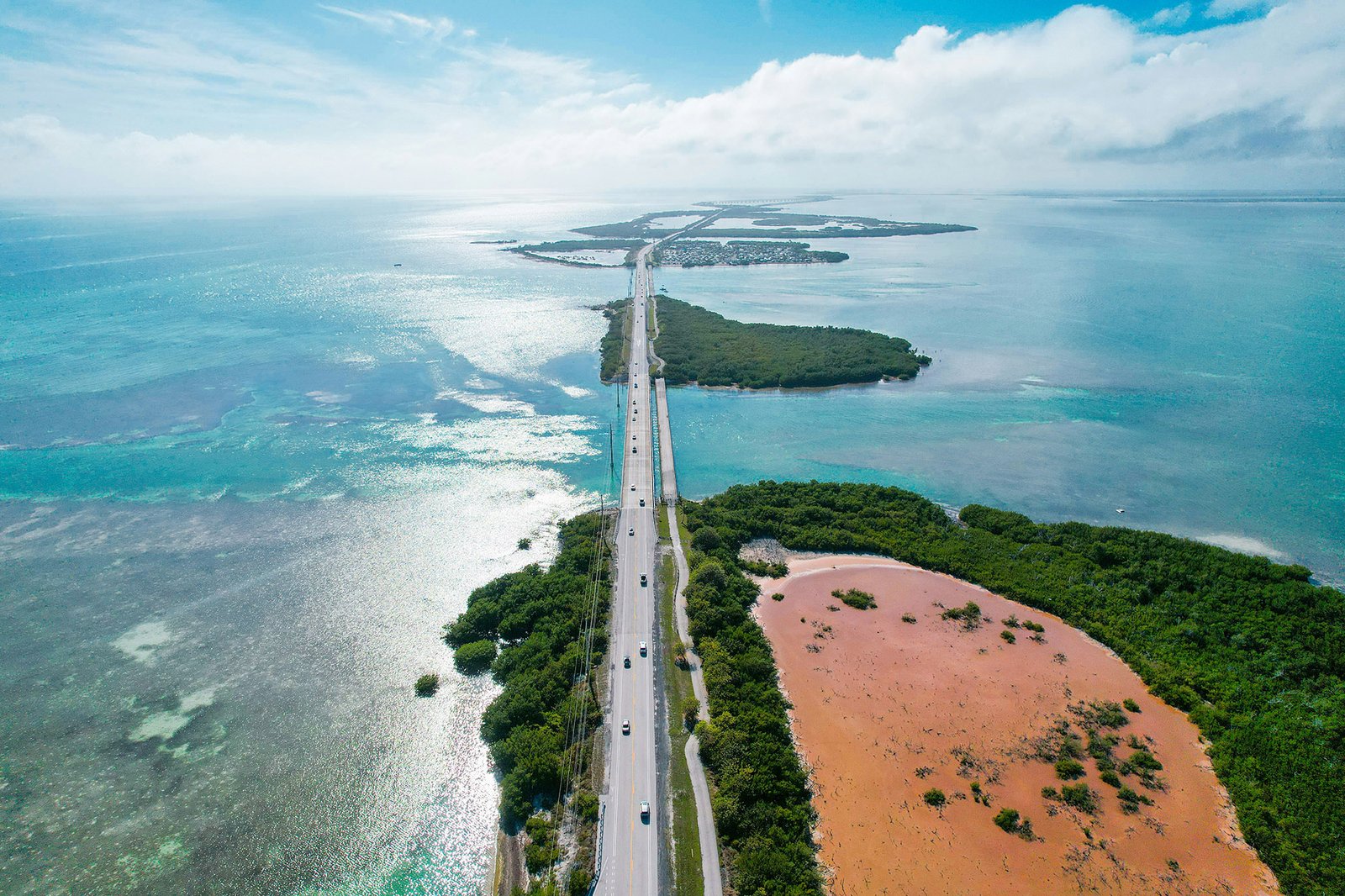
Seven Mile Bridge
Dry Tortugas National Park
Islamorada
November through May brings the driest weather, lower humidity and the calmest seas, making it the most comfortable window for cruising the reef tract. Winter also draws sailfish through on their southward migration, a draw for anglers. Summer is warm and generally settled but carries the greatest risk of afternoon storms and tropical systems, so most charter guests plan around the cooler half of the year.
Key West International Airport (EYW) serves the lower chain directly, while Florida Keys Marathon International Airport (MTH) is closer for a charter starting mid-chain. For Key Largo and the upper Keys, Miami International is usually the more practical connection, followed by a scenic drive down the Overseas Highway. All three options put a charter within easy reach of the water.
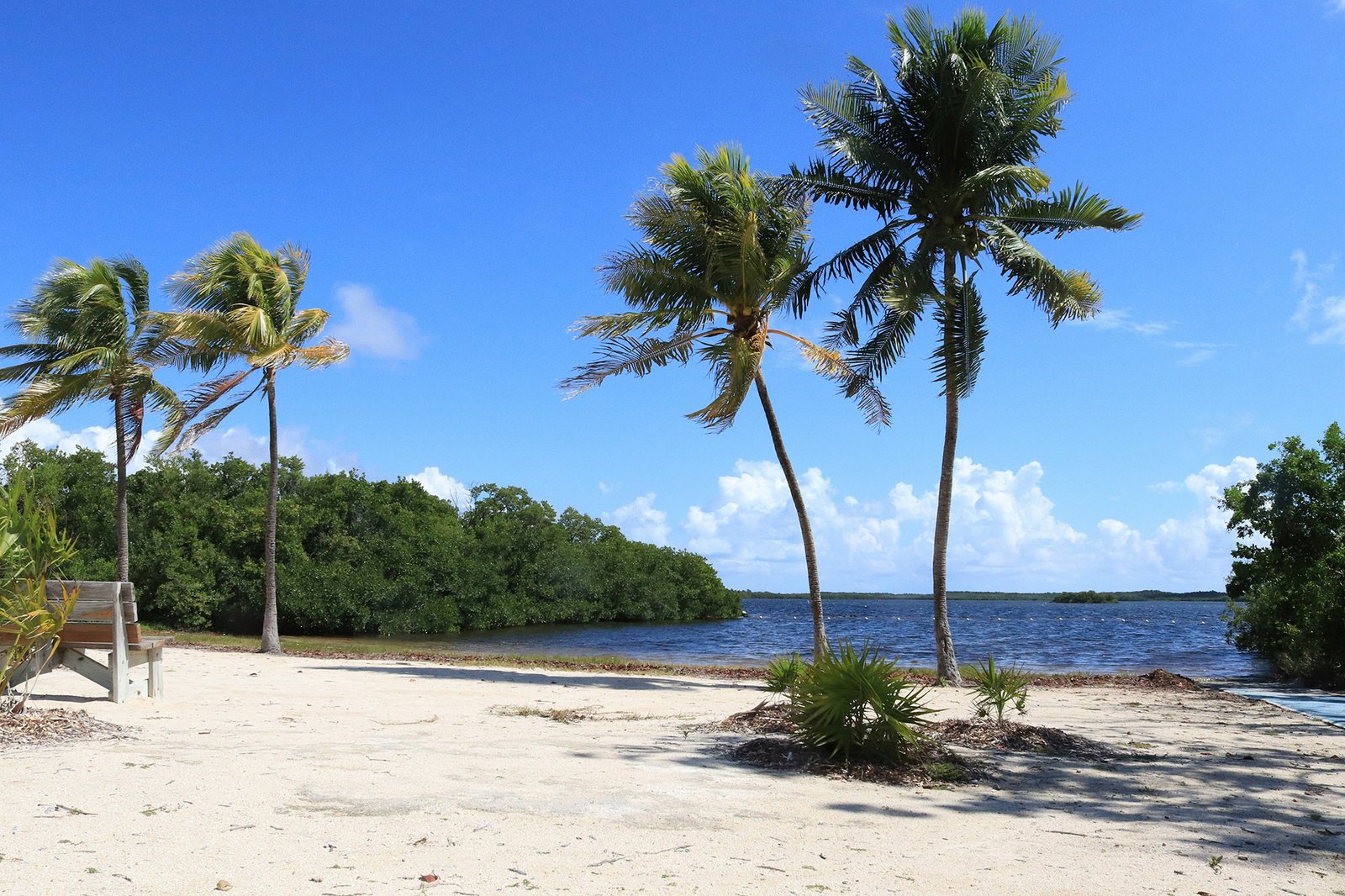
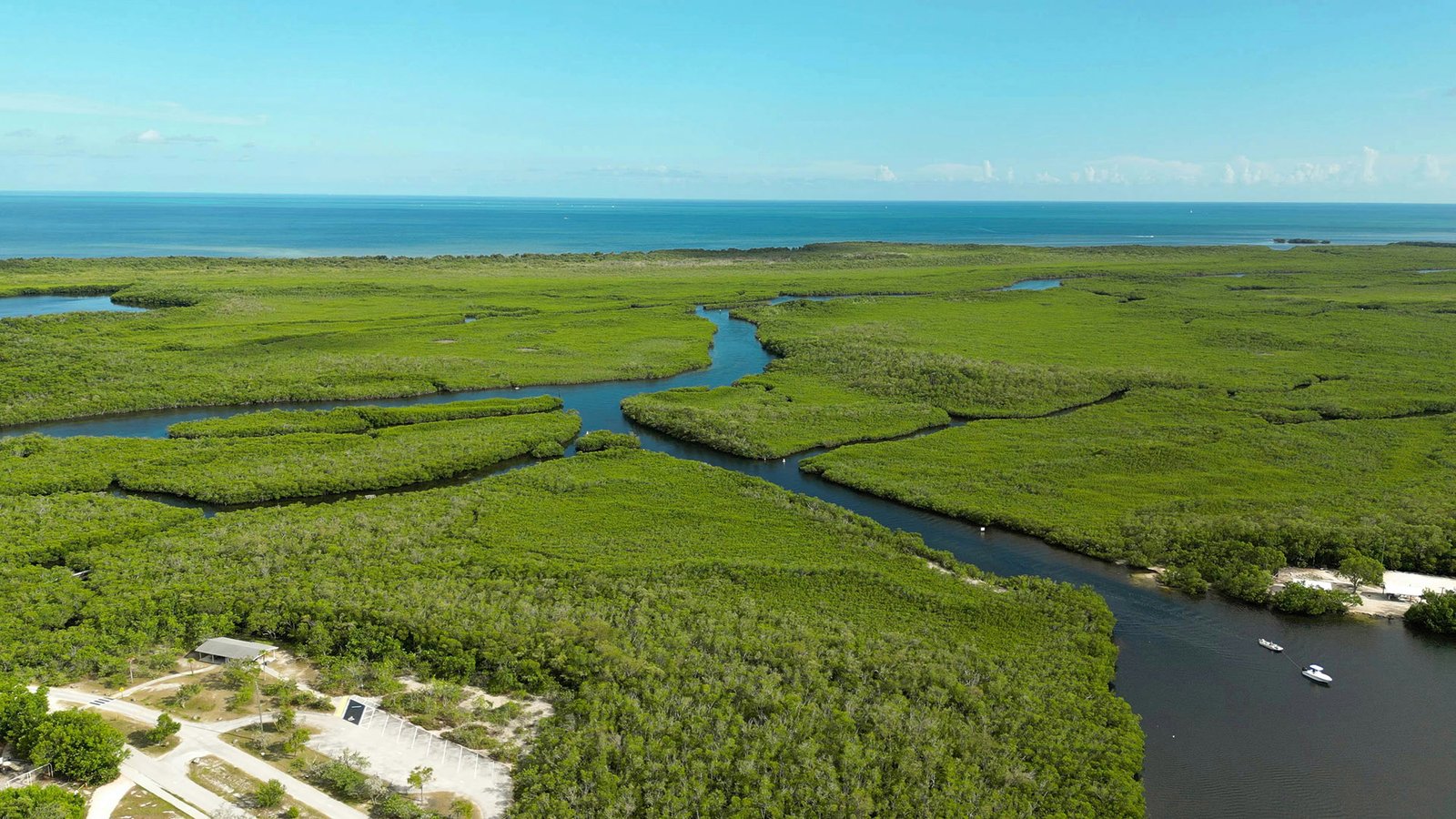
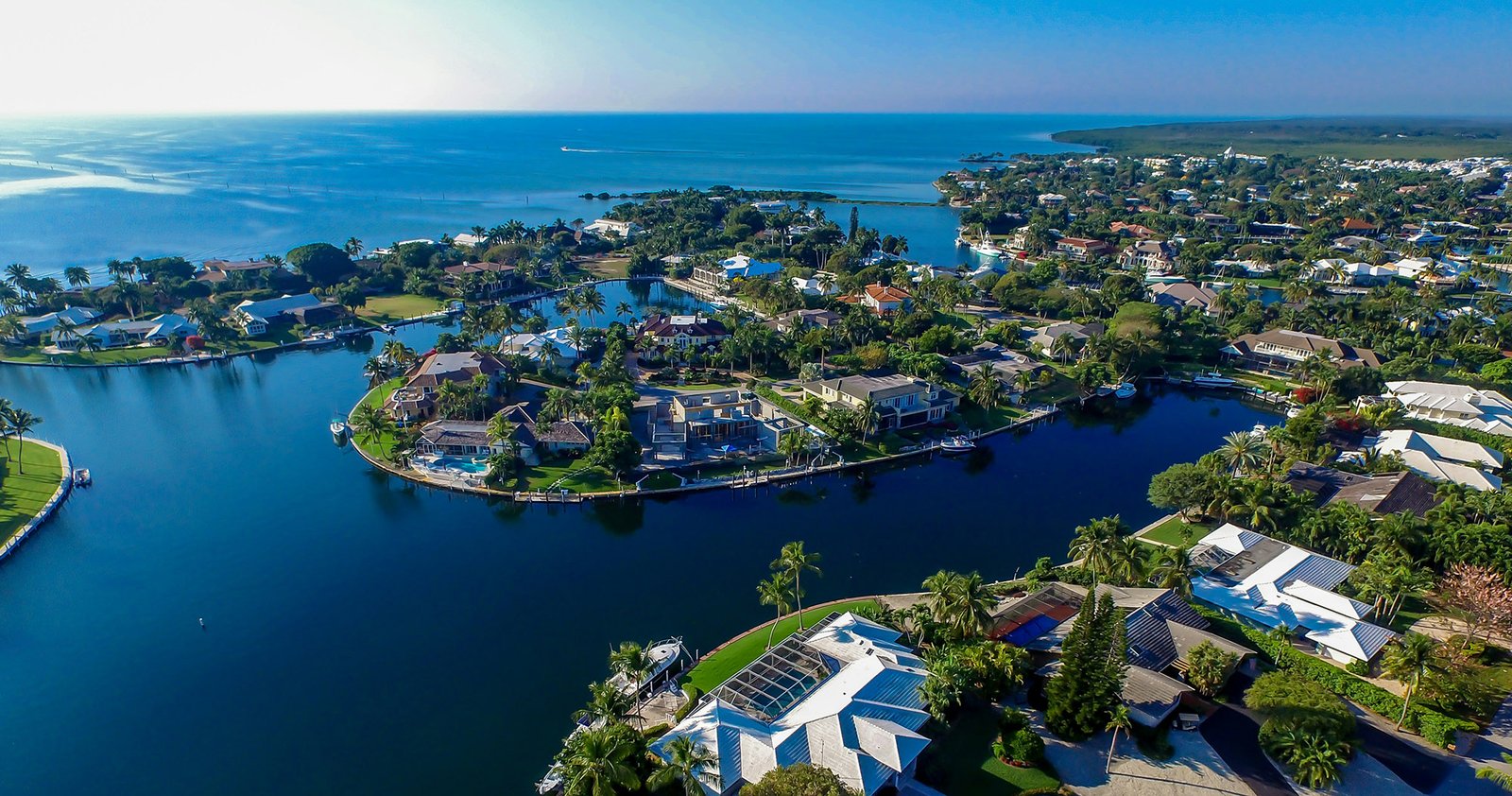
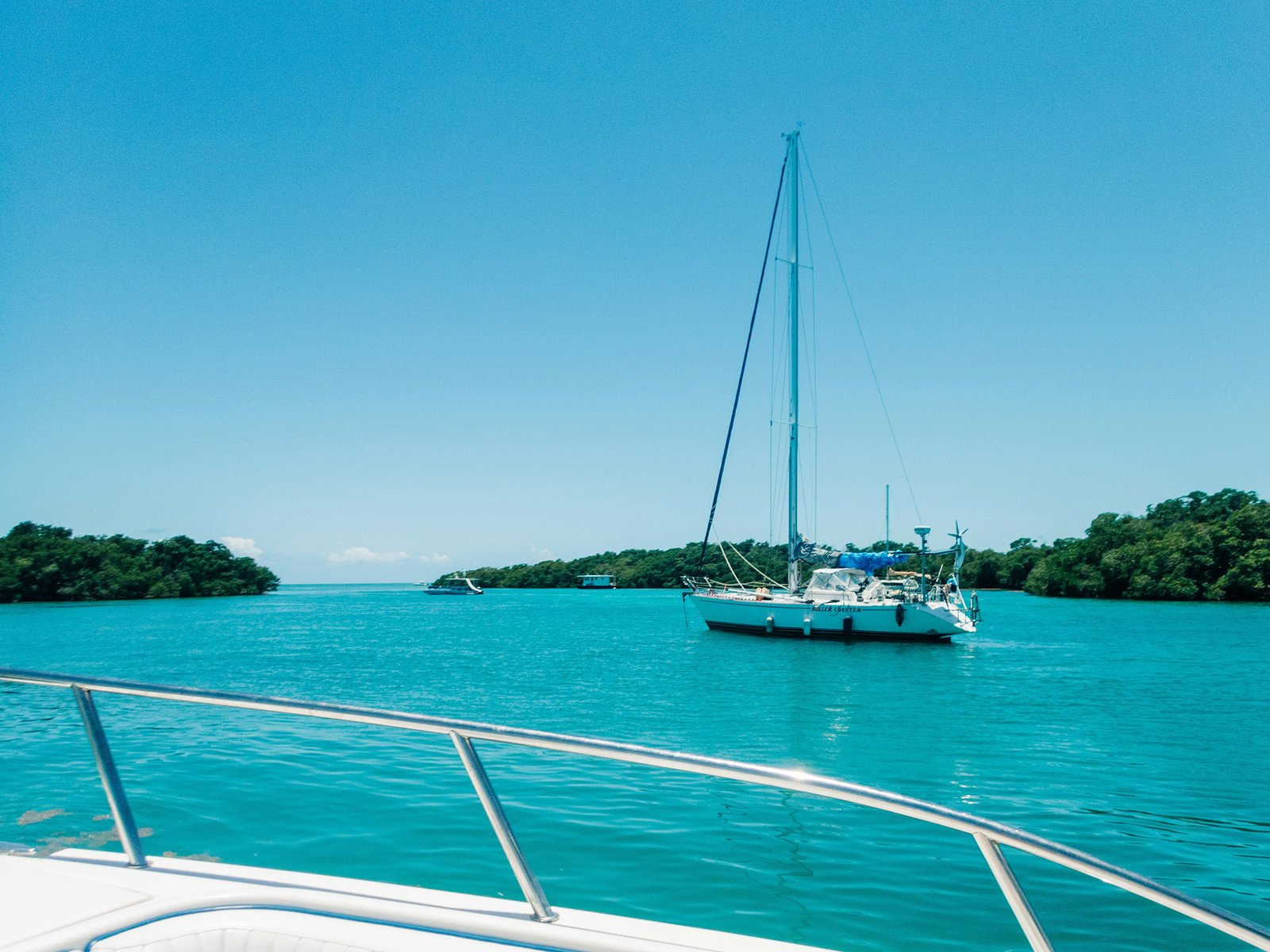
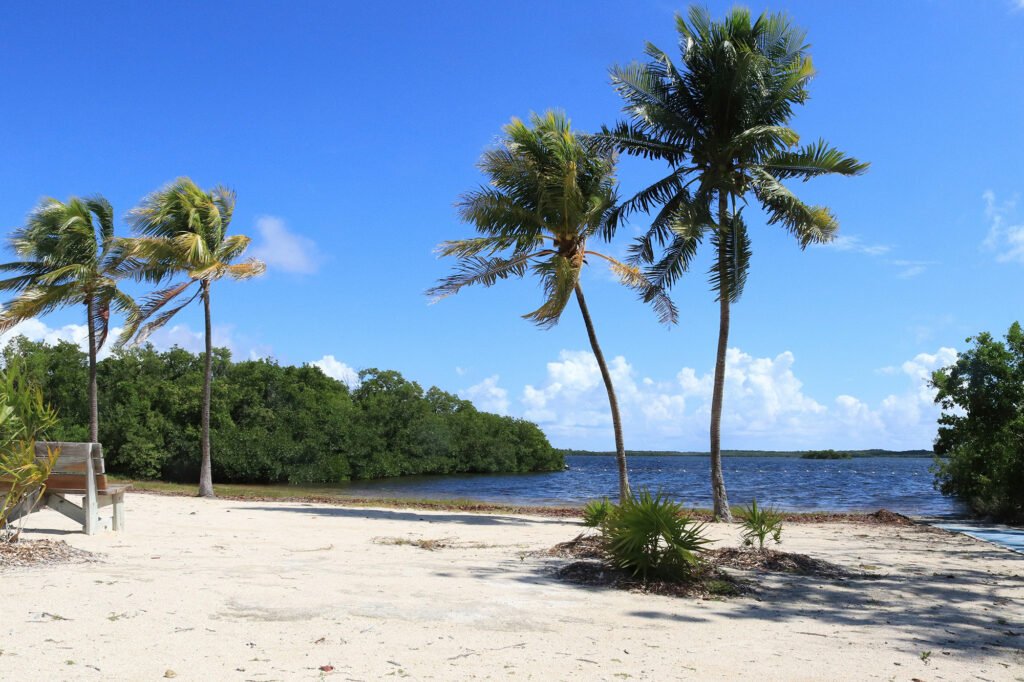
The Keys favour sheltered pockets behind the reef and mangrove islands over deep harbours: Rodriguez Key near Key Largo, Boot Key Harbor at Marathon and Newfound Harbor near Big Pine Key are among the most used. Key West Harbor and the more remote Garden Key at Dry Tortugas National Park round out the chain’s best-known stops, the latter reachable only after a full day’s run west from Key West.
A week is enough to move at an easy pace from Key Largo to Key West, with time to snorkel the reef, fish the flats and enjoy a night or two ashore. Adding the Dry Tortugas extends a charter to ten days or more, since the crossing and return alone take the better part of two days. Shorter three or four day charters usually focus on just the upper or lower half of the chain.
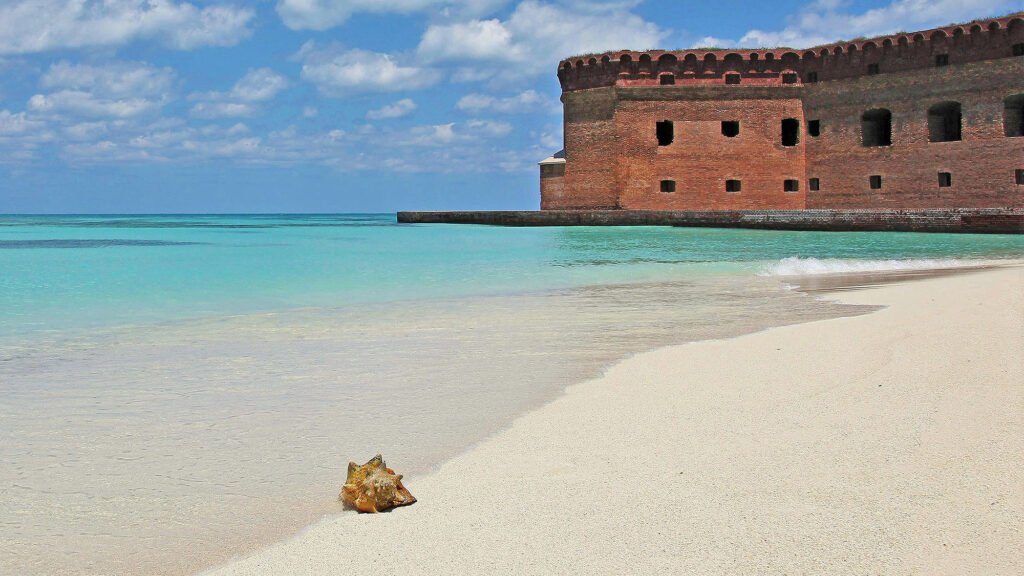
No formal permit is required to sail there, but private vessels must pay the park entry fee at the self-service station on arrival and anchor overnight only within one nautical mile of Fort Jefferson, since the surrounding waters are protected as a research natural area. Holding tanks cannot be pumped within the park, and there are no fuel or provisioning facilities, so a visit needs to be planned as a self-sufficient two-day round trip from Key West.