
Italy / Amalfi Coast / Sorrento
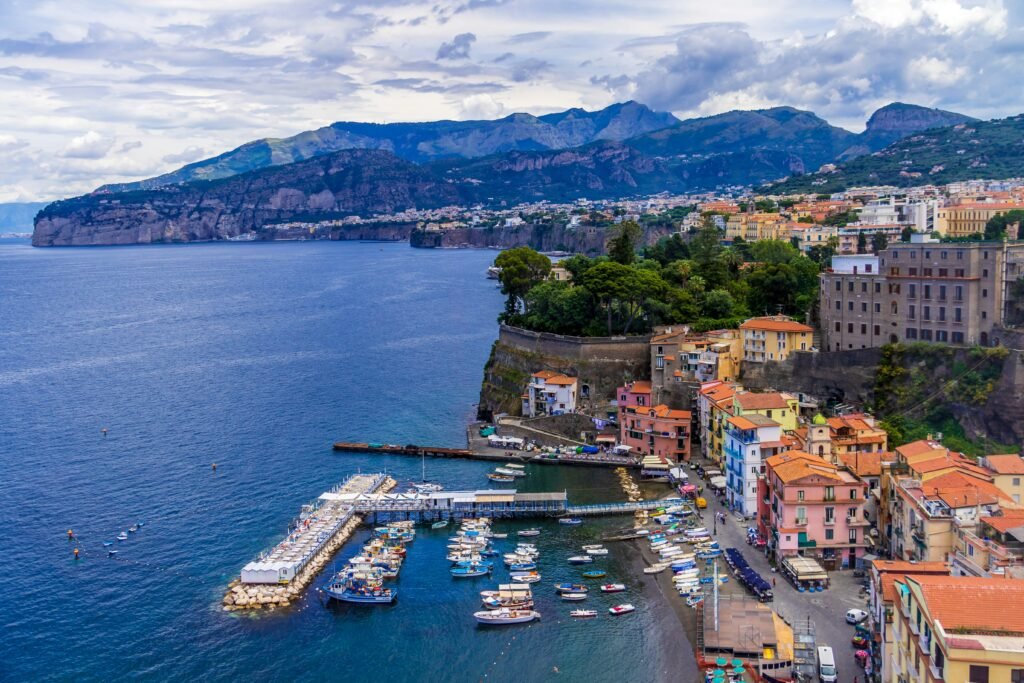
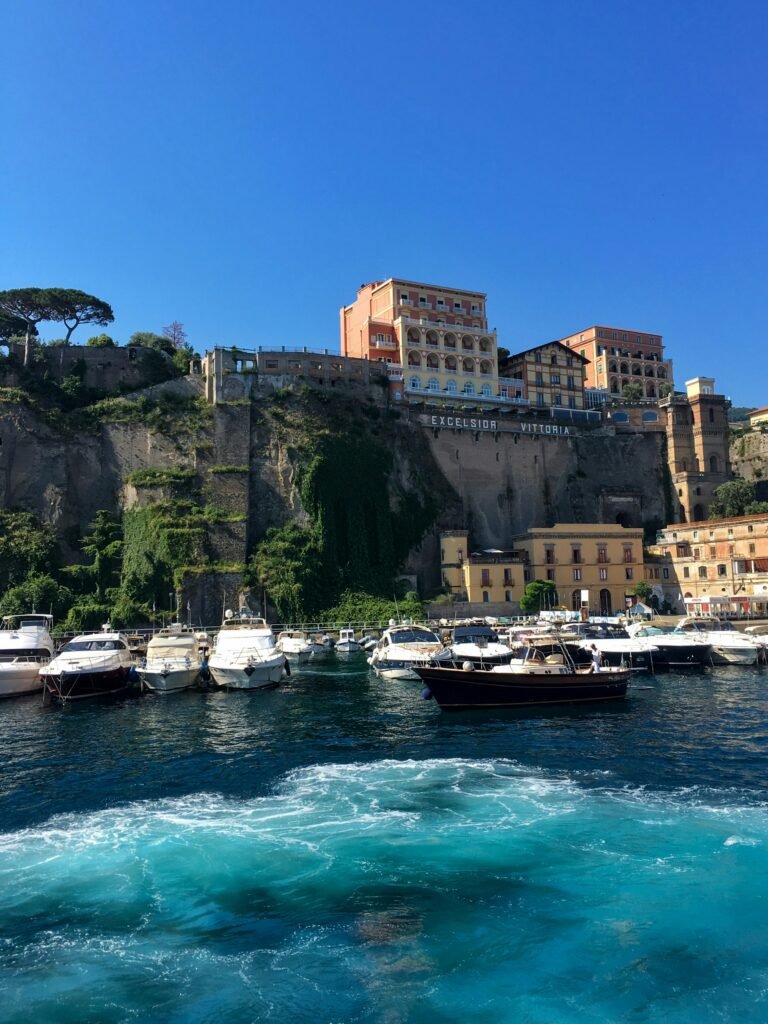
Marina Grande
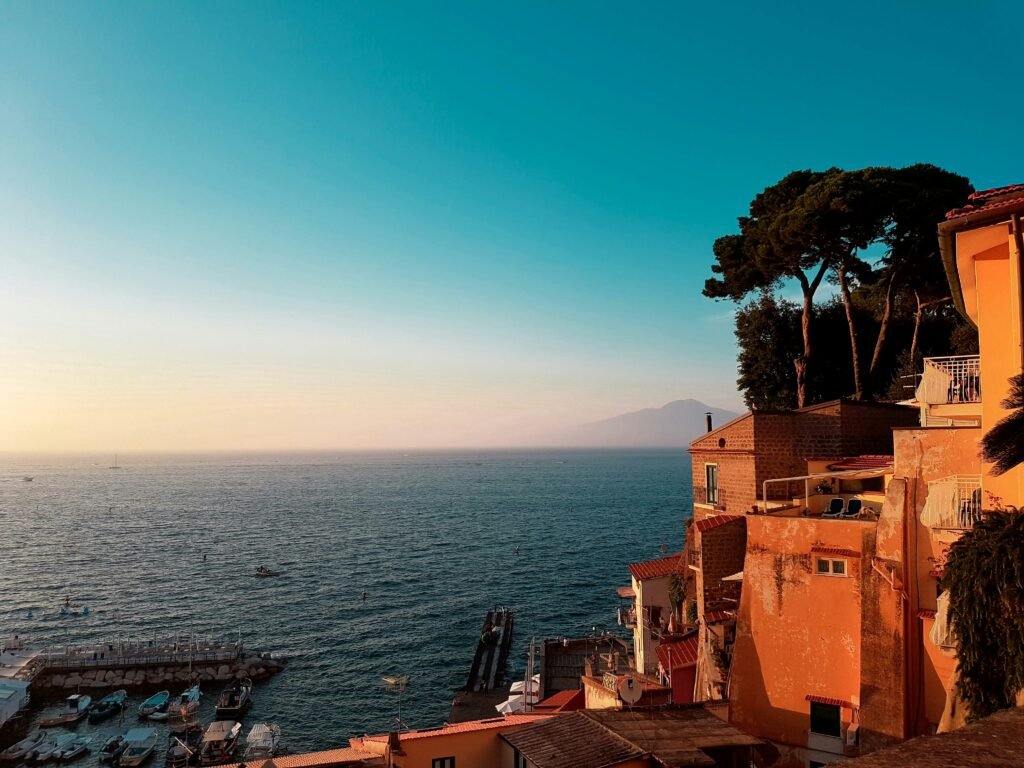
Marina Piccola
Marina di Puolo
Bagni della Regina Giovanna
Punta del Capo
Explore the abandoned mills of the Vallone dei Mulini
Watch inlay artisans at the Museobottega della Tarsialignea
Swim among Roman ruins at Bagni della Regina Giovanna
Stroll the clifftop Villa Comunale gardens
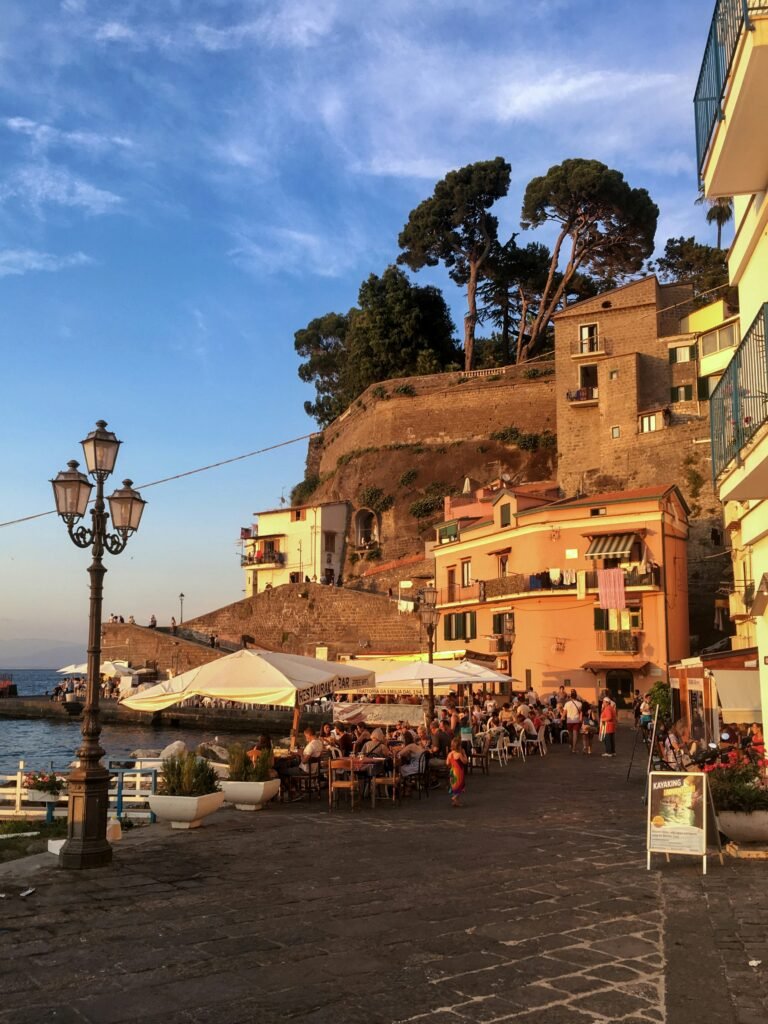
Wander the historic lanes around Piazza Tasso
Marina Grande
Piazza Tasso
Capo di Sorrento
Vallone dei Mulini
Villa Comunale
April to October covers the full season, with July and August the warmest but also the busiest across the bay’s harbours and beach clubs. May, June and September offer calmer conditions and shorter queues at the main sights while keeping the sea warm enough for swimming, making them the preferred window for guests planning day trips out to Capri and the Amalfi Coast from a Sorrento base.
Naples Capodichino (NAP) is the closest major airport, around 50 kilometres and roughly an hour’s drive away, longer in peak summer traffic along the coastal road. Many guests instead arrive by sea, joining the yacht directly at Marina Piccola, or take one of the frequent hydrofoils that link Naples to Sorrento in under an hour, avoiding the road entirely.
Marina Piccola, below the town centre, is the main working harbour and the most convenient base for exploring Sorrento on foot. Marina Grande, the older fishing village nearby, offers a quieter, more atmospheric alternative with its own seafood restaurants. Further along the coast, the cove at Bagni della Regina Giovanna, set among Roman ruins, is a favourite spot for a swimming stop.
One or two days lets guests properly explore the town, its lemon groves and the Vallone dei Mulini, with time for a meal overlooking the bay. Most itineraries use Sorrento as a hub rather than a single stop, since Capri, Ischia and the Amalfi Coast are all close enough for day trips, making it a practical base for a longer Bay of Naples charter.
Yes. Brothers Ernesto and Giambattista De Curtis composed and wrote it, with an early version registered as far back as 1894, though the popular story credits its 1902 form to a request from Sorrento’s mayor ahead of a visit by Italy’s prime minister, Giuseppe Zanardelli. The song, now one of the best-known Neapolitan melodies worldwide, takes its title directly from the town’s dialect name, Surriento.

Tell us what you would like to know, and our team will respond with clear details on availability, specification, pricing and next steps.