Mexico / Socorro
Cabo Pearce, Socorro
Punta Tosca, Socorro
San Benedicto
Roca Partida
Clarion Island
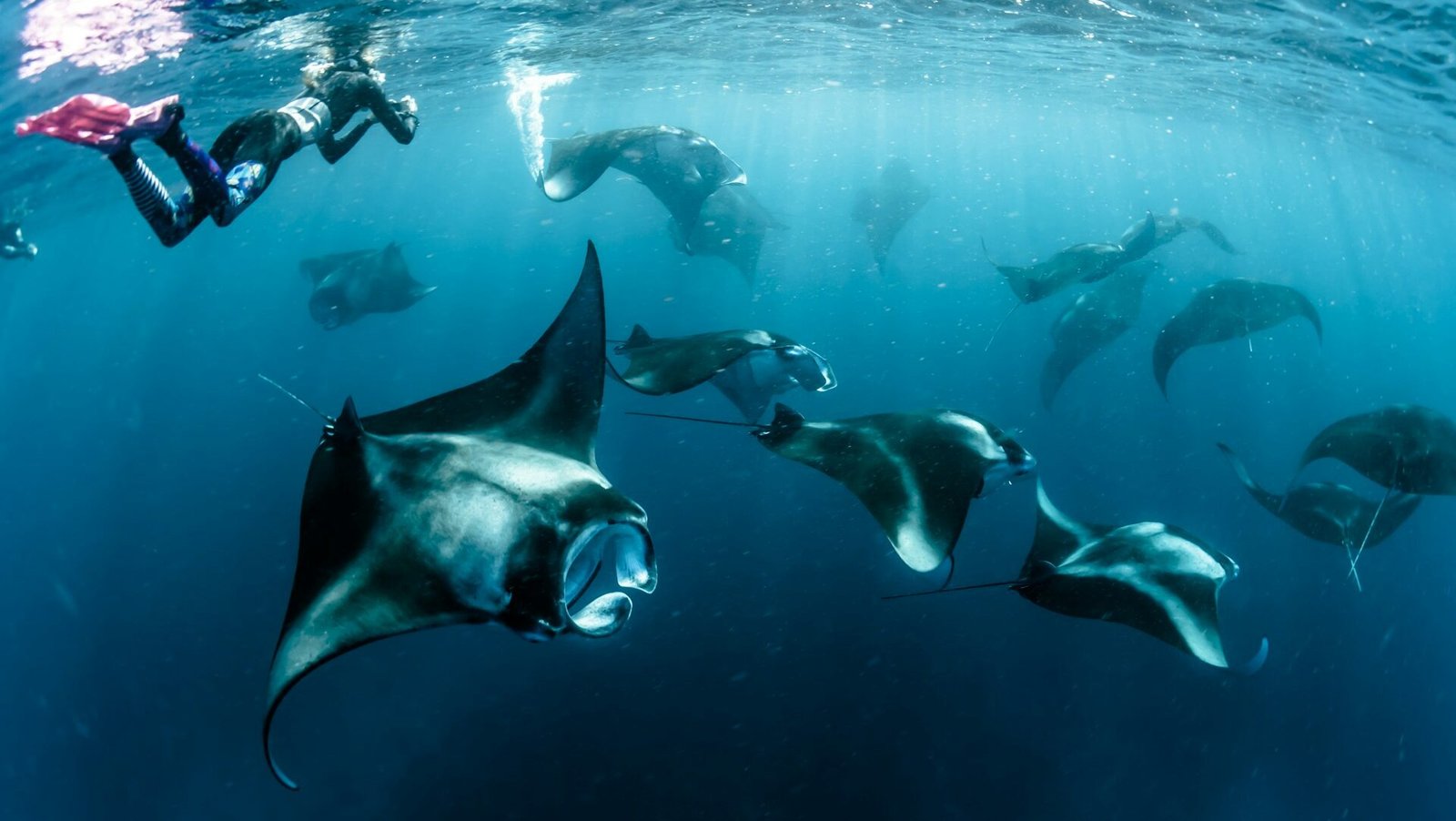
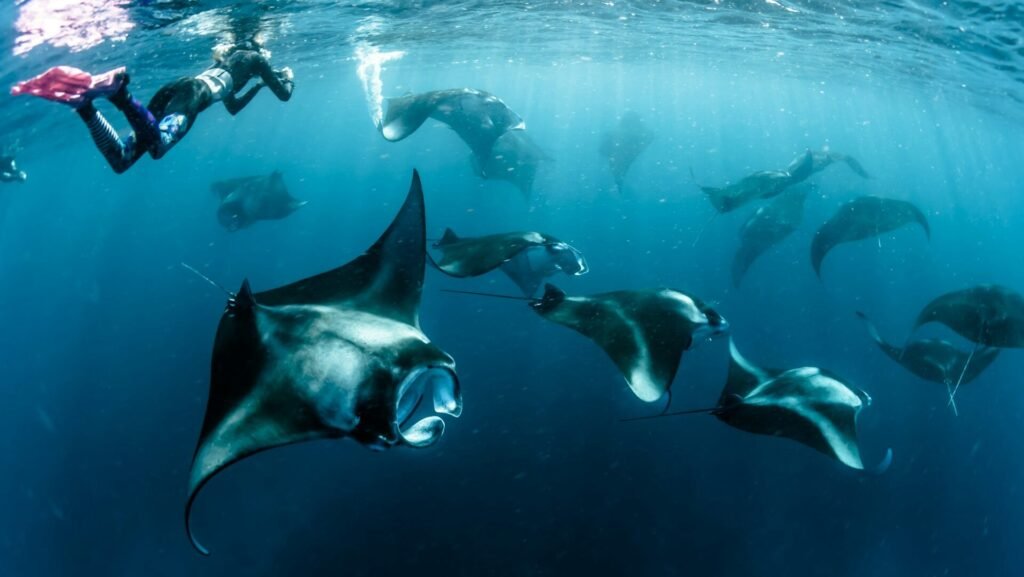
Swim with giant manta rays at Cabo Pearce
Dive with hammerheads at El Boiler
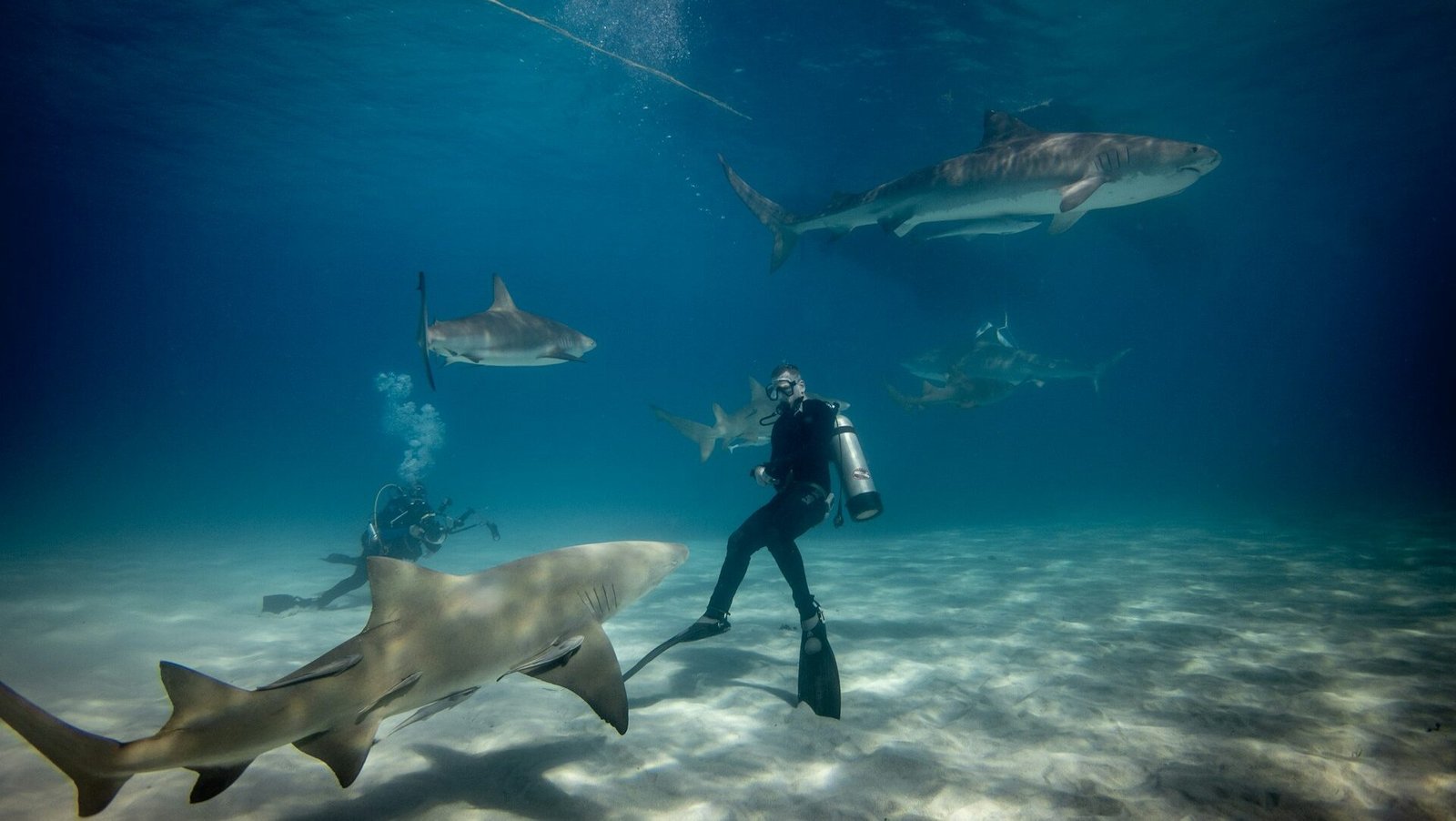
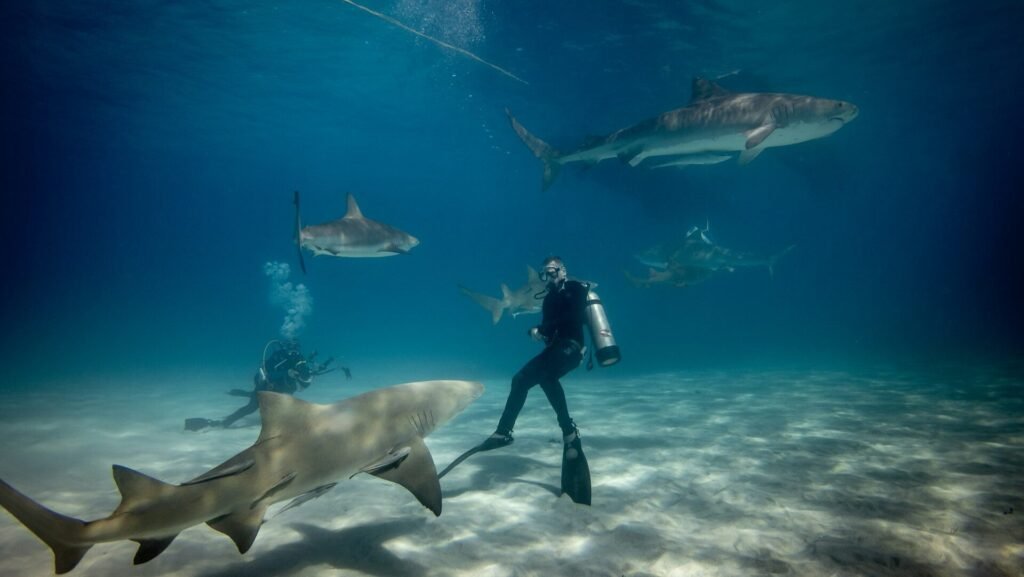
Encounter Galapagos sharks at Roca Partida
Spot migrating humpback whales (January to April)
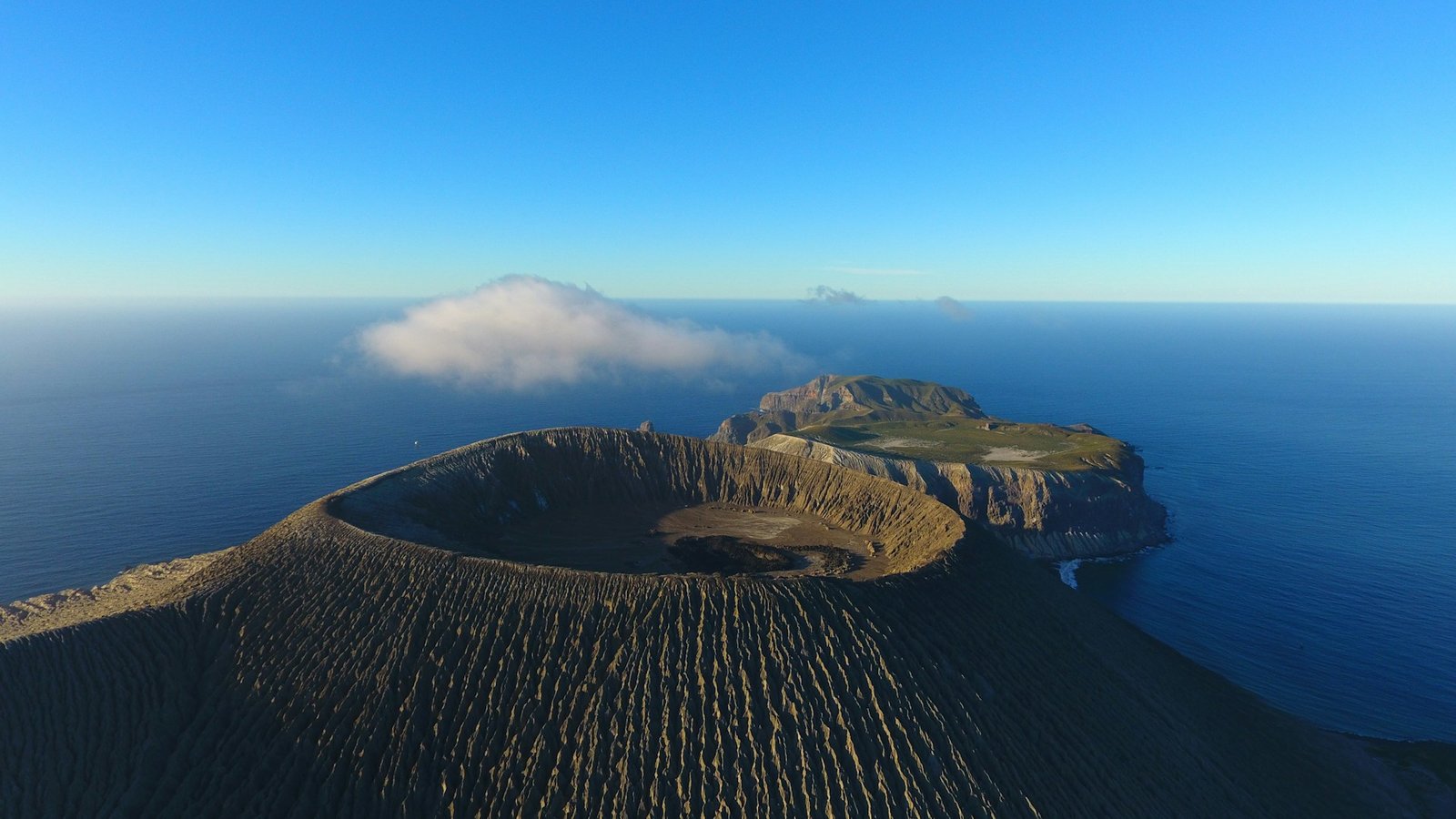
Explore the volcanic scars of Bárcena on San Benedicto
El Boiler
El Canyon
Roca Partida
Cabo Pearce
O’Neal Rock
The Revillagigedo Islands are open to diving from November through May, when sea conditions are settled enough for the crossing and the giant manta rays are most reliably encountered. November and December bring the warmest water and the best chance of whale sharks, while January through April is peak season for migrating humpback whales passing close to the islands. The archipelago closes to visitors outside this window.
There’s no airport in the Revillagigedo Islands, so access is entirely by boat. Guests fly into Los Cabos International Airport (SJD) and join their vessel at the marina in Cabo San Lucas, from which the crossing to the archipelago takes roughly 24 hours across open Pacific water. It’s a genuine offshore passage rather than a day trip, so expeditions are typically built around a full week or more at sea.
Vessels typically shelter off Cabo Pearce or Punta Tosca on the lee side of Isla Socorro itself, the calmest anchorage in the archipelago and the base for most manta ray dives. San Benedicto and Roca Partida offer more exposed day-anchorages used mainly while diving, and Clarion Island, the most remote of the four, is visited only on longer itineraries when conditions allow the extra crossing time.
Most itineraries run 8 to 10 days including the crossing, which takes roughly 24 hours each way and accounts for about two full days of the trip. That leaves around 5 to 7 days of diving across the archipelago’s four islands, usually including at least one attempt at Clarion Island if time and weather allow.
Yes. The archipelago became Mexico’s Revillagigedo National Park in 2017, the country’s largest marine protected area, and every vessel must carry a permit before entering its waters. Isla Socorro itself also hosts a small Mexican naval station, so landings there are restricted. The permit system caps visitor numbers and has helped keep the archipelago’s shark and manta populations among the healthiest recorded anywhere in the Pacific.