Sri Lanka


Galle Harbour
Trincomalee Harbour
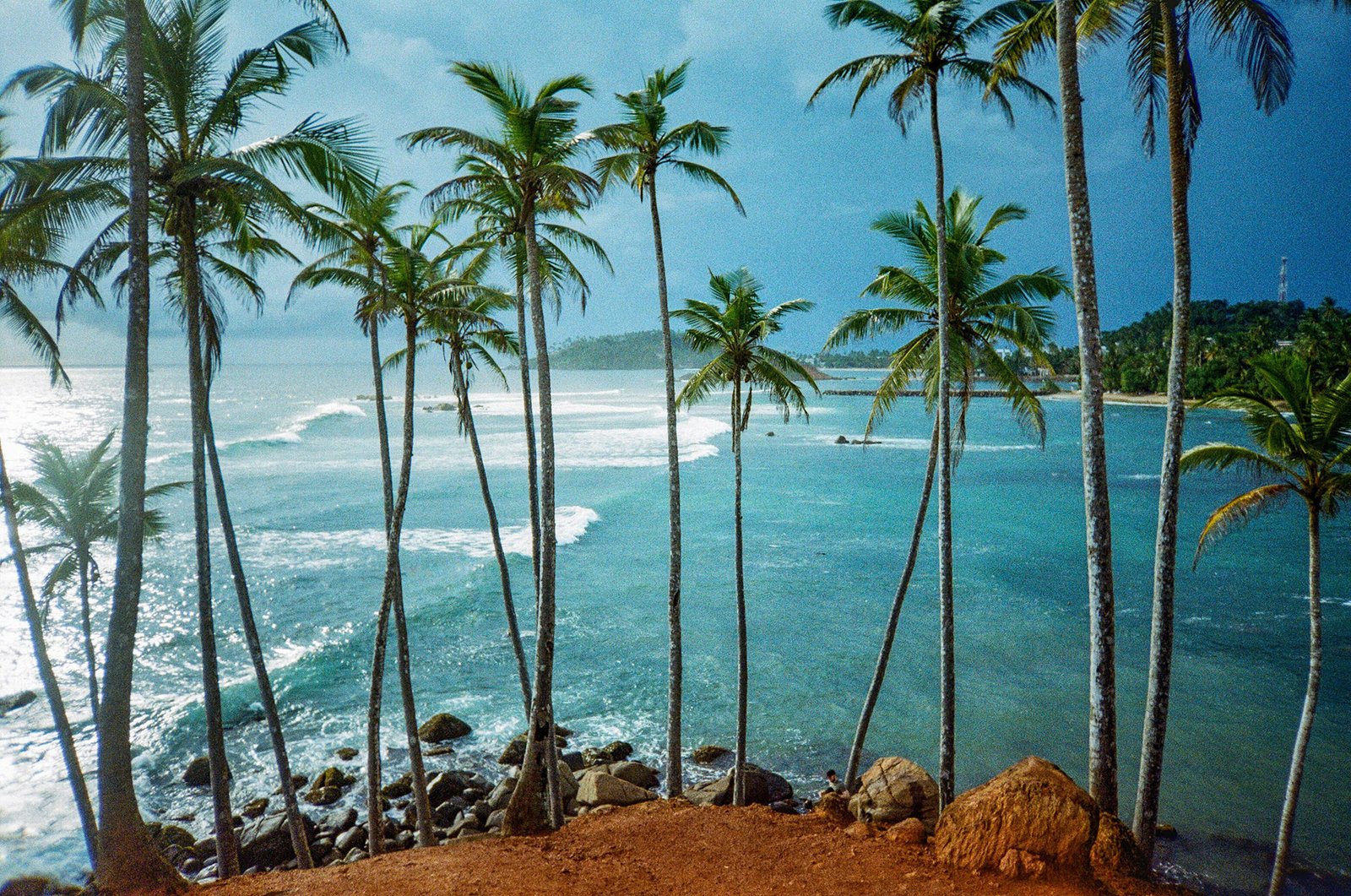
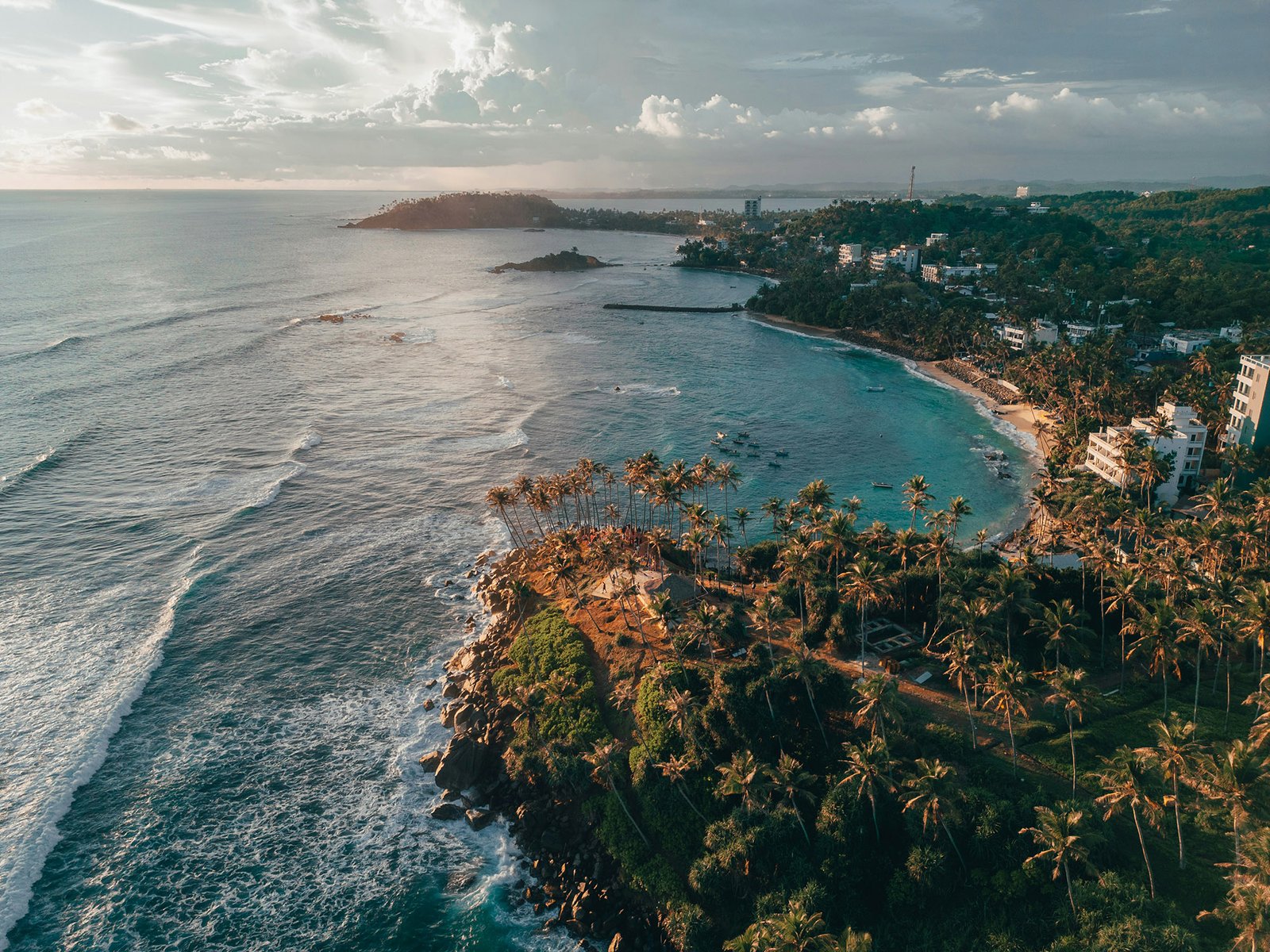
Mirissa Bay
Kirinda
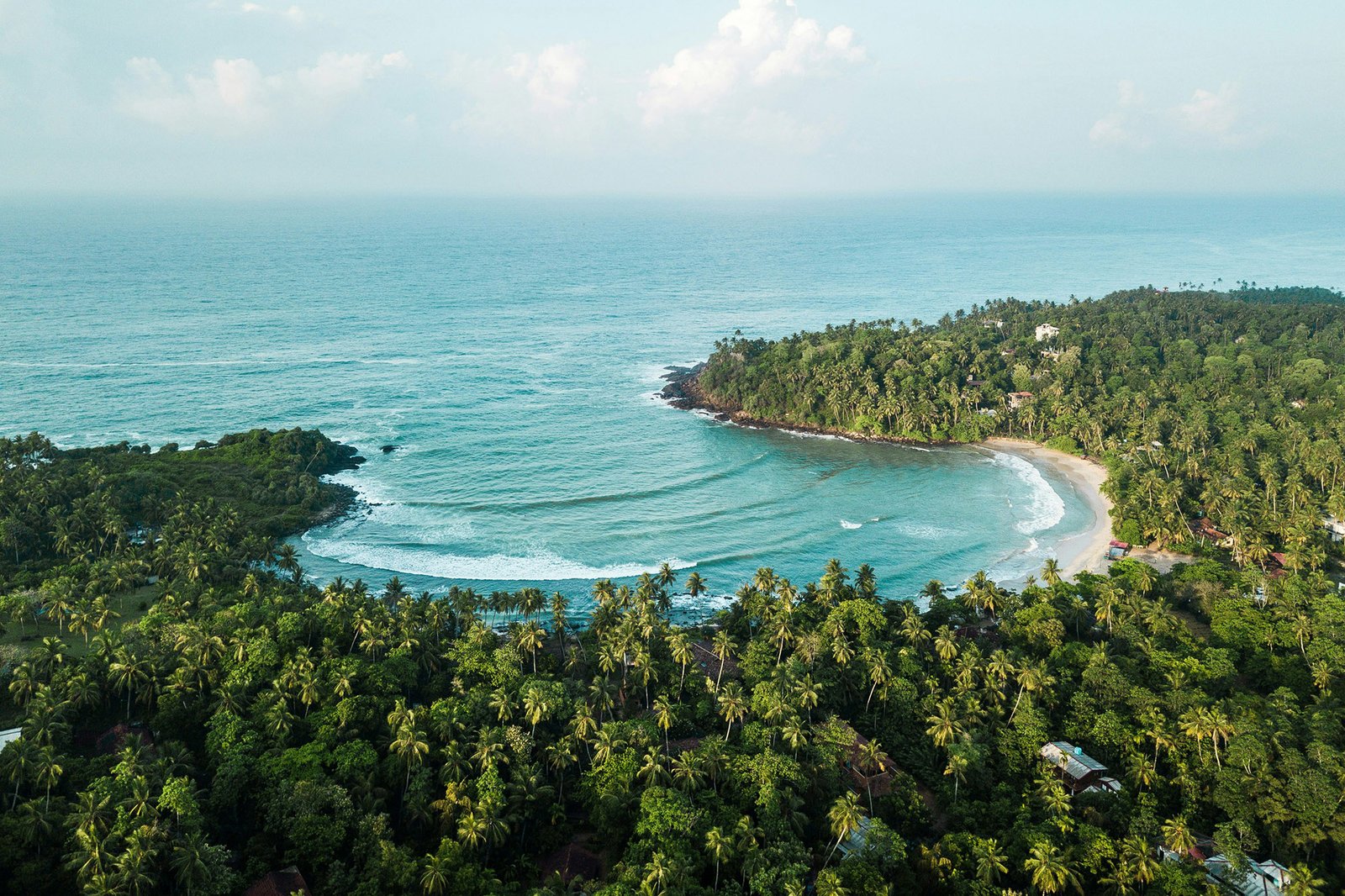
Dikwella
Watch for blue whales off Mirissa
Climb the frescoed stairway at Sigiriya Rock Fortress
Visit the Temple of the Sacred Tooth Relic in Kandy
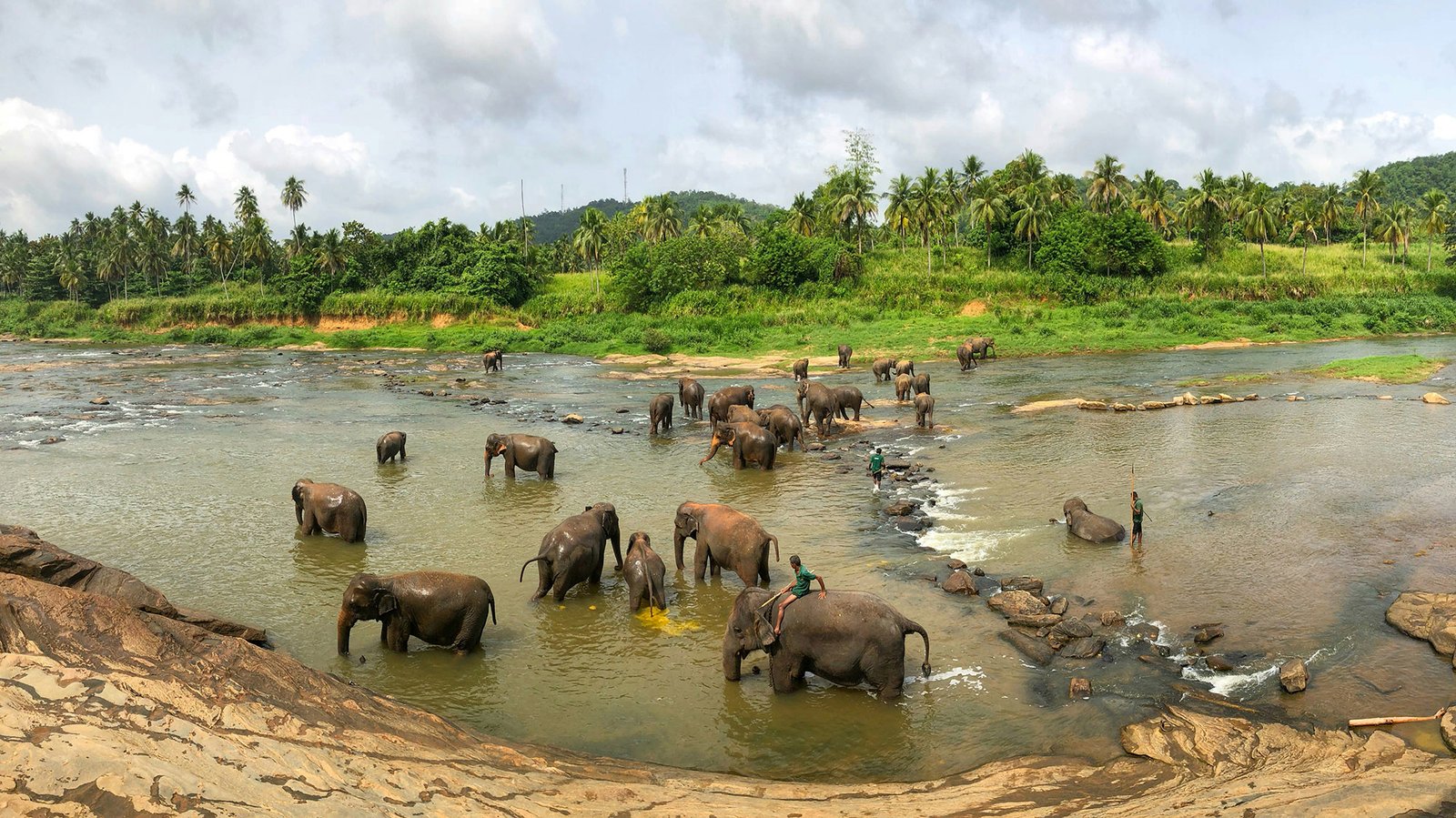
Safari for leopards in Yala National Park
Walk the ramparts of Galle Fort
Galle Fort
Sigiriya
Kandy
Trincomalee
Anuradhapura
01
The south and west coasts, around Galle and Mirissa, are calmest from December to March, avoiding the southwest monsoon that brings rough seas from May to September. The east coast, around Trincomalee, runs on the opposite schedule, with its best weather from April to September while the northeast monsoon closes it from November to February. A route covering both coasts needs to work around this split.
02
Bandaranaike International Airport (CMB), around 30 kilometres north of Colombo, is the main gateway, with direct flights from the Middle East, Europe and across Asia. From there it’s roughly three hours by road, much of it on the Southern Expressway, to reach Galle and the south coast anchorages where most charters begin.
03
Galle is the main port of entry for the south coast, offering customs clearance and access to the fort and old town, though space is limited and conditions can be crowded in peak season. Trincomalee, on the east coast, is regarded as one of the finest natural deep-water harbours in the world and serves as the equivalent entry point when cruising that side of the island.
04
Ten to fourteen days allow time on the water for whale watching off Mirissa or Trincomalee alongside inland excursions to Sigiriya, Kandy and Yala National Park, which most guests visit by road rather than by boat. Shorter charters of five to seven days usually stay closer to the south coast, combining Galle Fort with a couple of the nearby beaches and a single inland day trip.
05
Clearance at Galle involves customs, port and, in some cases, naval officials boarding in sequence, a process that typically takes two to three hours and is handled through an appointed local shipping agent rather than independently. The formalities reflect procedures retained from the decades when Sri Lanka’s waters required closer monitoring. Booking an agent in advance and agreeing fees in writing avoids most delays and unexpected charges on arrival.

Tell us what you would like to know, and our team will respond with clear details on availability, specification, pricing and next steps.