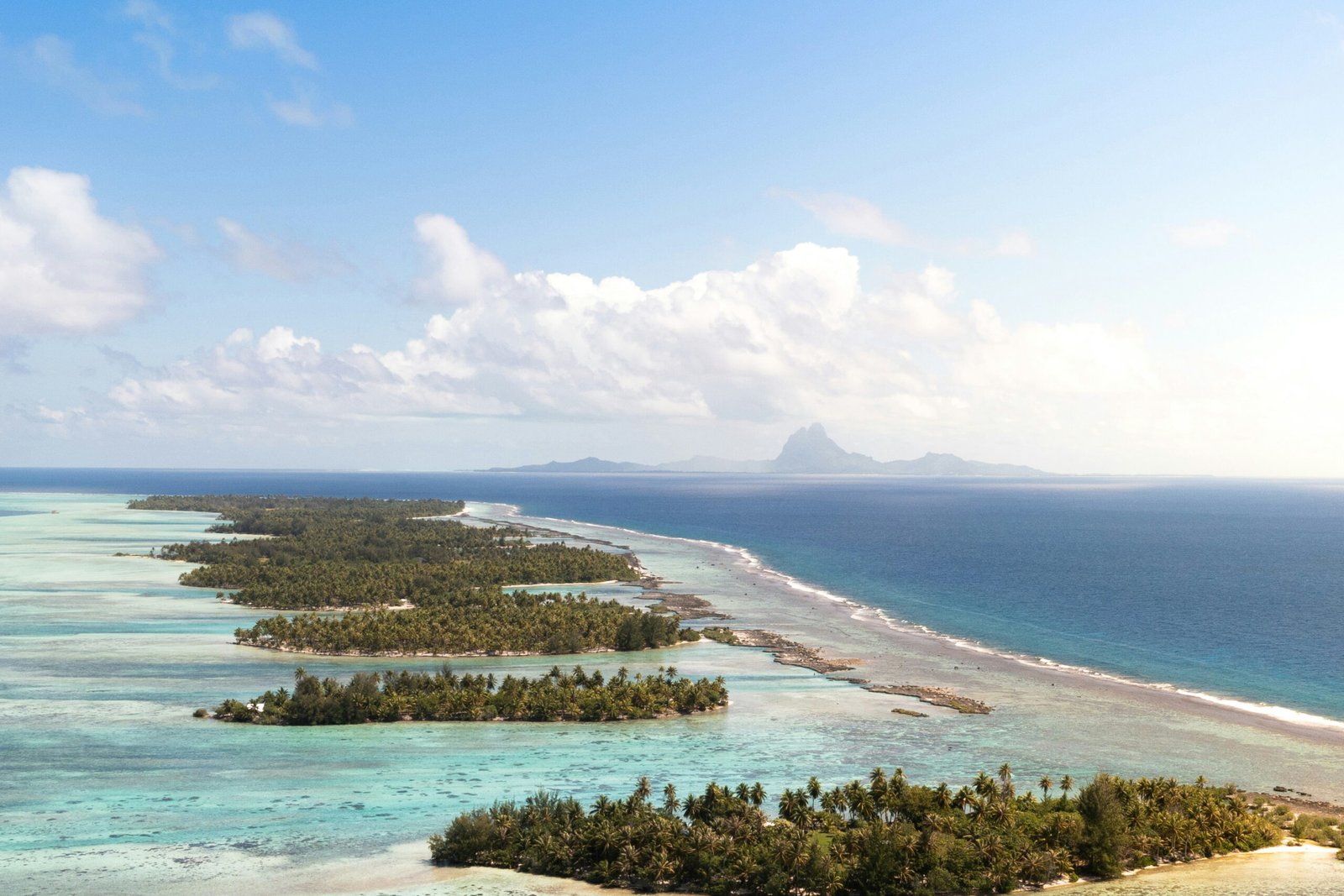
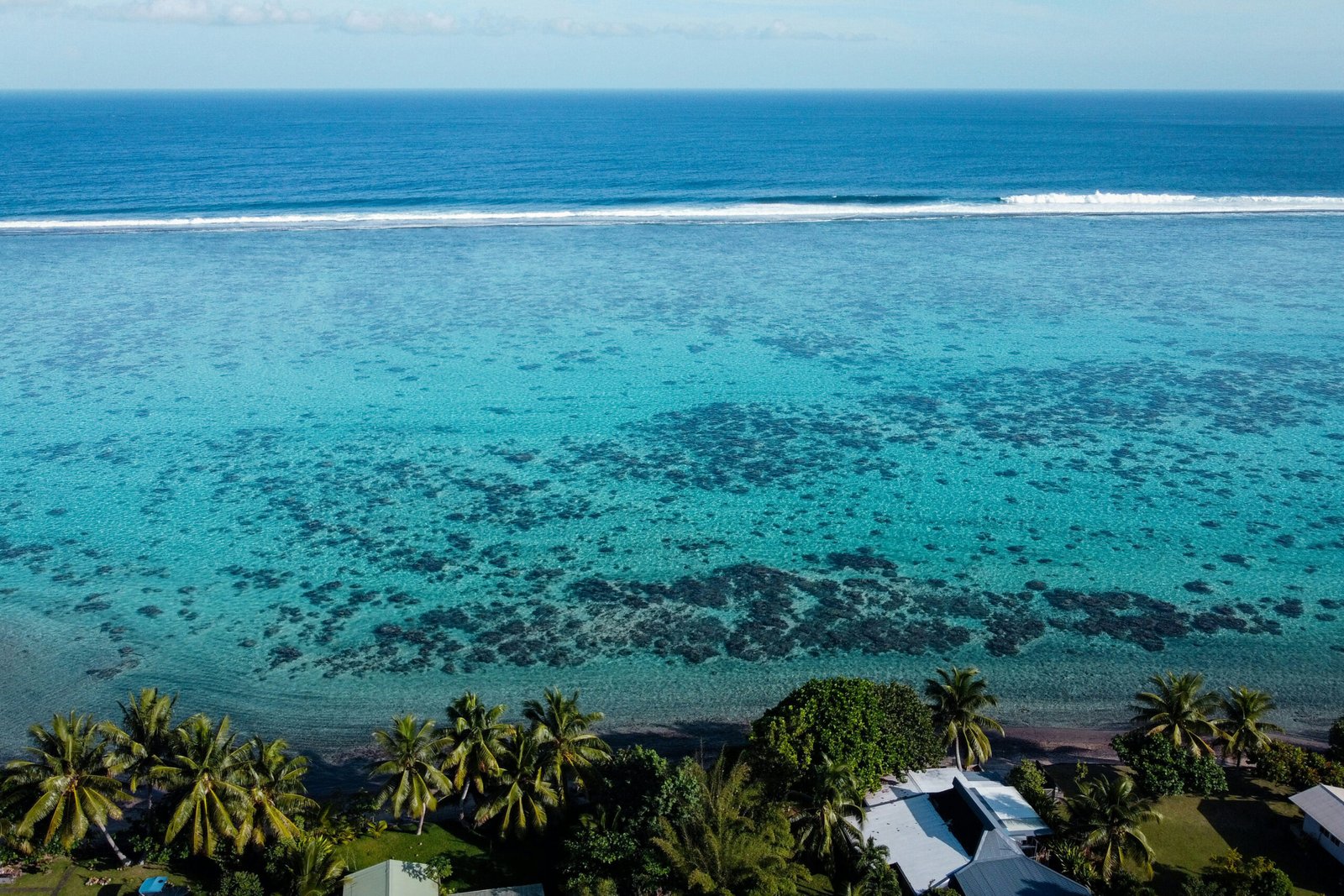
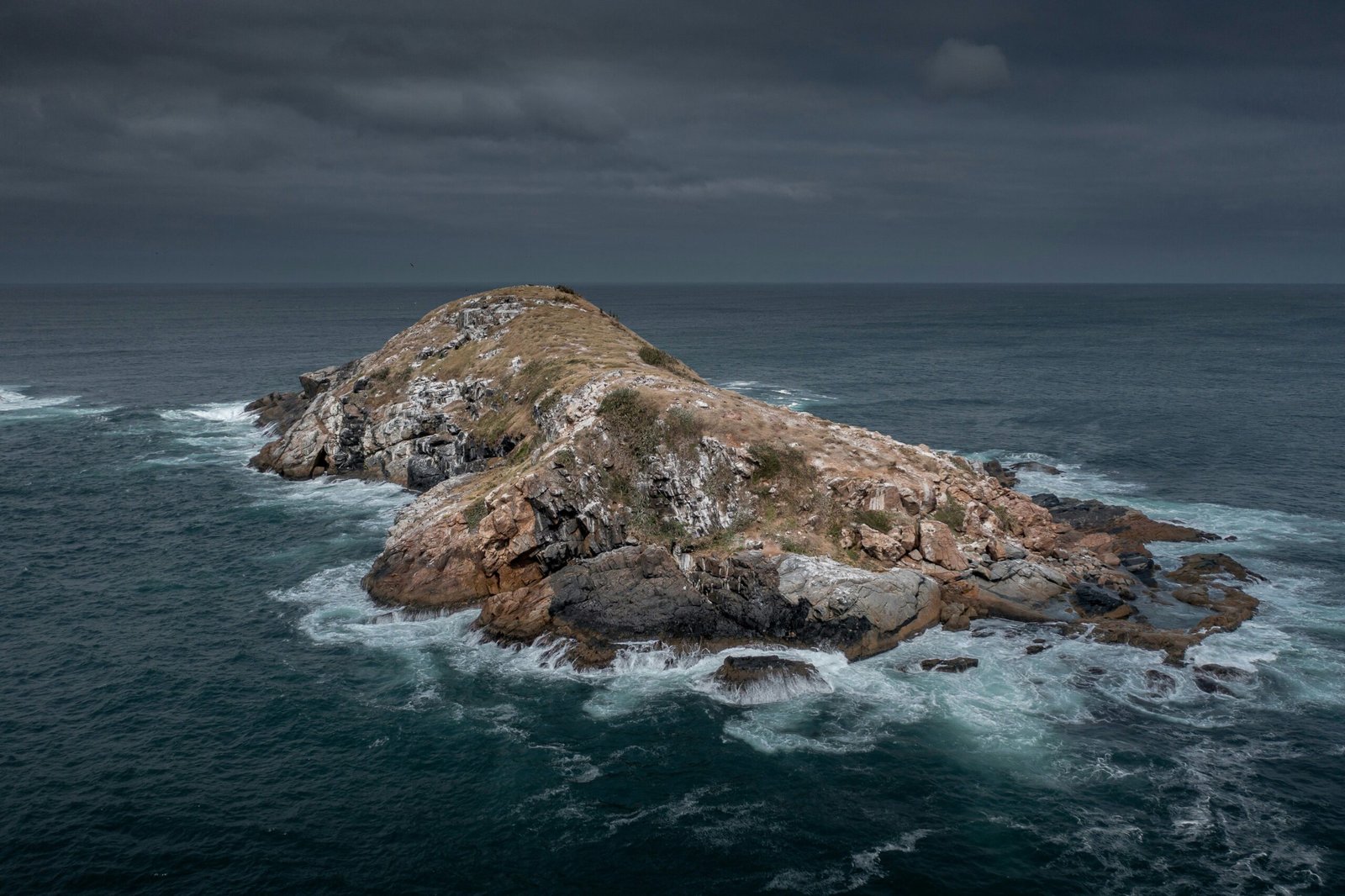
Tahiti / Palliser Island

Tiputa Pass, Rangiroa
Garuae Pass, Fakarava
Tikehau Lagoon
Mataiva Atoll
Avatoru Pass, Rangiroa
Dive the Fakarava South Pass wall of sharks
Visit a pearl farm on Rangiroa or Manihi
Snorkel the Blue Lagoon, Rangiroa
Bird-watch at Ile aux Oiseaux, Tikehau
Explore the abandoned phosphate quarry on Makatea
Rangiroa
Fakarava UNESCO Biosphere Reserve
Ile aux Oiseaux, Tikehau
Mataiva Atoll
Makatea
The dry season from May to October brings steadier trade winds, lower humidity and the most reliable diving visibility, particularly through the atoll passes where current and clarity matter most. The wetter season from November to April is warmer and more humid, with an outside chance of a tropical disturbance in La Nina years, though the Tuamotus sit far enough from the main cyclone belt that direct hits are rare. July, when Fakarava’s grouper spawning peaks, is the busiest month for diving charters.
Every route starts at Faa’a International Airport in Papeete, Tahiti, the only gateway with direct international flights, before connecting onward via domestic flight to Rangiroa, Fakarava or Tikehau, each around 45 minutes to an hour by air. There’s no way to reach the group directly from outside French Polynesia, so most charters begin with a night in Papeete before flying out to meet the yacht.
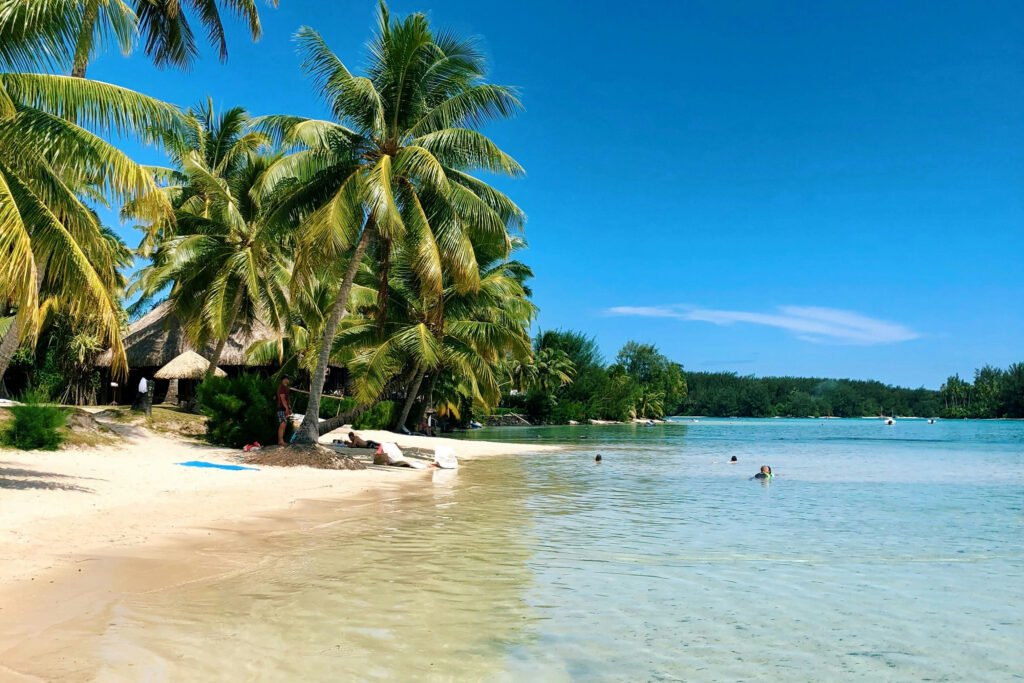
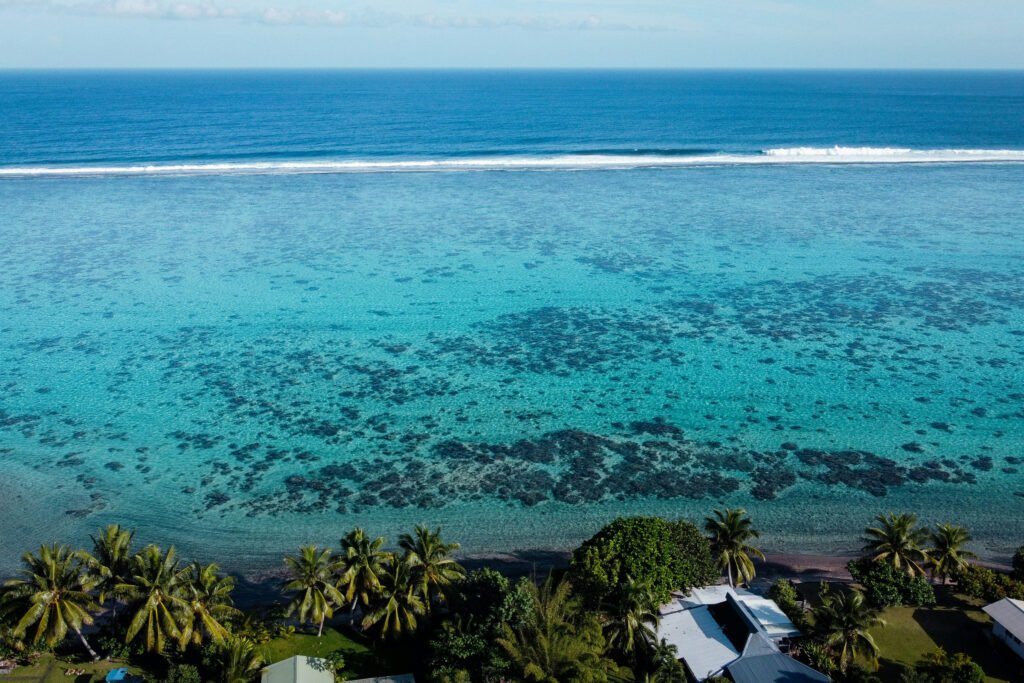
Rangiroa’s Tiputa Pass is the signature stop, a wide channel where resident bottlenose dolphins often ride the current alongside divers and swimmers. Fakarava’s Garuae Pass, the widest in French Polynesia, offers calmer drift conditions than its famous South Pass, while Tikehau’s shallow, current-free lagoon and its bird-nesting islet, Ile aux Oiseaux, make for an easier, family-friendly anchorage between the more dramatic dive sites.
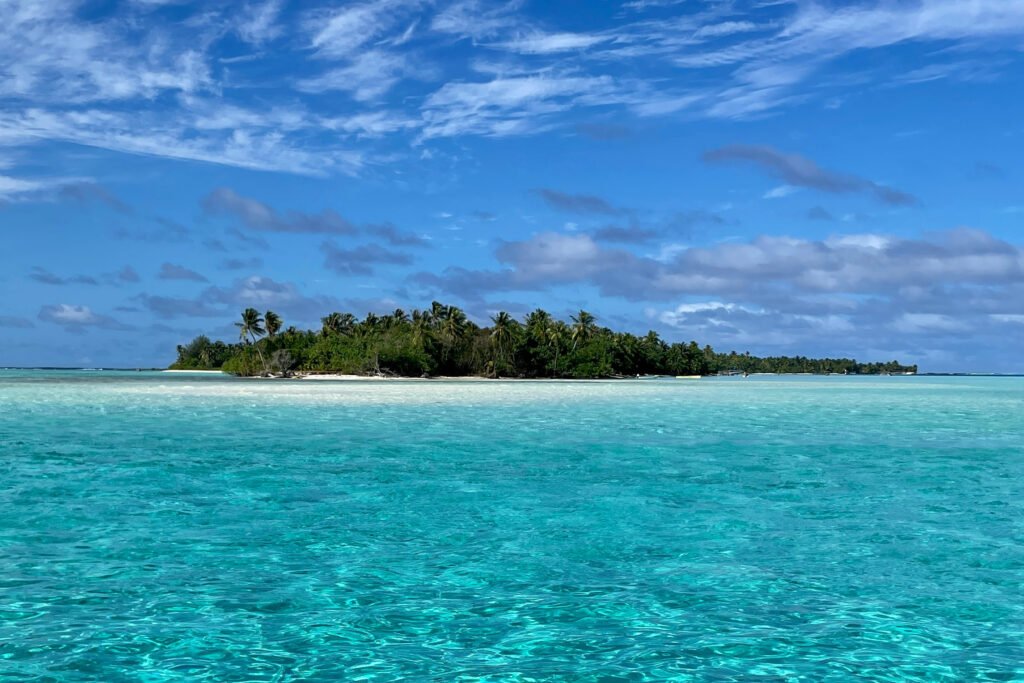
Ten days to two weeks allows a comfortable loop through three or four atolls, Rangiroa, Fakarava, Tikehau and Mataiva, with enough slack to wait out weather or a strong tide through a pass rather than force a transit. A shorter week-long charter works if it stays focused on just Rangiroa and Fakarava, the two atolls with the most developed dive infrastructure and the shortest hop between them.
For divers, yes. Each June and July, around the full moon, camouflage grouper gather in Fakarava’s South Pass by the thousands to spawn over just a few days, drawing the hundreds of grey reef sharks that hunt the aggregation. It’s one of the most concentrated marine wildlife events in the Pacific, but the exact days shift with the lunar calendar each year, so a charter aiming to see it should build in a few days’ flexibility either side of the predicted peak.