Tonga
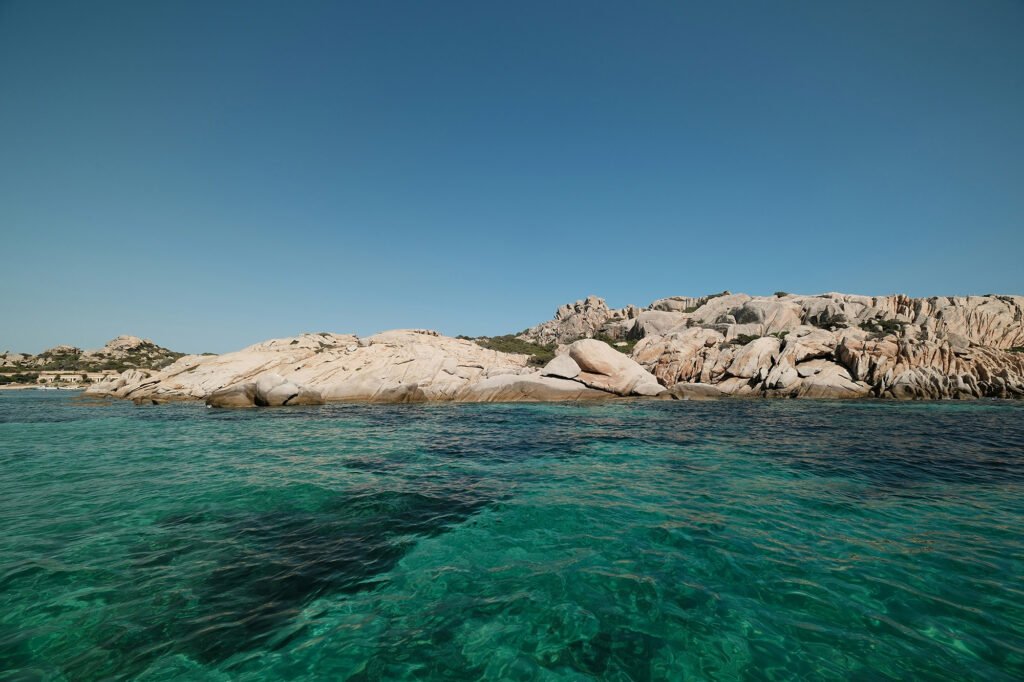
Port of Refuge, Neiafu (Vava’u)
Kenutu Island
Uoleva Island (Ha’apai)
Pangaimotu Island
Ano Beach anchorage
Swim with humpback whales off Vava’u (July to October)
Dive into Mariner’s Cave through its underwater entrance
Snorkel the Coral Gardens off Kapa Island
Visit the Ha’amonga ‘a Maui trilithon on Tongatapu
Hear Sunday church singing in Neiafu or Nuku’alofa
Neiafu, Vava’u
Nuku’alofa, Tongatapu
Pangaimotu Island
‘Eua Island
Ha’apai Group
The main charter season runs from May to October, outside the Southern Hemisphere cyclone season that can affect the South Pacific between November and April. Within that window, July to October overlaps with the regulated humpback whale season, drawing most visitors, while May and June offer settled weather and quieter anchorages before the whales arrive. Vava’u and Ha’apai stay sheltered from the worst weather thanks to their surrounding reefs.
Fua’amotu International Airport (TBU), around 25 kilometres from the capital Nuku’alofa, is the main gateway, with connections from Auckland, Sydney and Nadi. Guests heading straight to Vava’u can instead fly into Lupepau’u Airport (VAV) near Neiafu, reached via Fiji or a domestic connection from Nuku’alofa. Most charter itineraries begin in whichever island group the yacht is based, rather than requiring a transfer between the two.
Port of Refuge at Neiafu, in Vava’u, is the most sheltered choice, ringed by hills that block swell from nearly every direction and lined with restaurants for an evening ashore. In Ha’apai, Uoleva offers calm water and a nearly deserted beach, though with far fewer facilities. Captains generally treat Vava’u as the base for provisioning and Ha’apai as a quieter extension further south.
Seven to ten days lets guests properly explore Vava’u’s caves, reefs and anchorages, with time to spare for a passage south into Ha’apai’s quieter islands. Shorter charters of four to five days usually stay within Vava’u alone, which holds enough variety in its own right. Tonga rewards a slower pace than more developed Pacific destinations, since much of its appeal lies in anchorages with no other yachts in sight.
Only operators licensed by the Tongan government may run whale-swimming encounters, and strict limits apply once in the water: no more than four swimmers with a whale at a time, kept at least five metres away, or fifty metres if a calf is present. The regulated season runs from July to October. These rules exist to protect both whales and visitors, and unlicensed operators should be avoided regardless of price.

Tell us what you would like to know, and our team will respond with clear details on availability, specification, pricing and next steps.