Australia

Whitehaven Beach, Whitsundays
Blue Pearl Bay, Hayman Island
Horizontal Falls, Talbot Bay
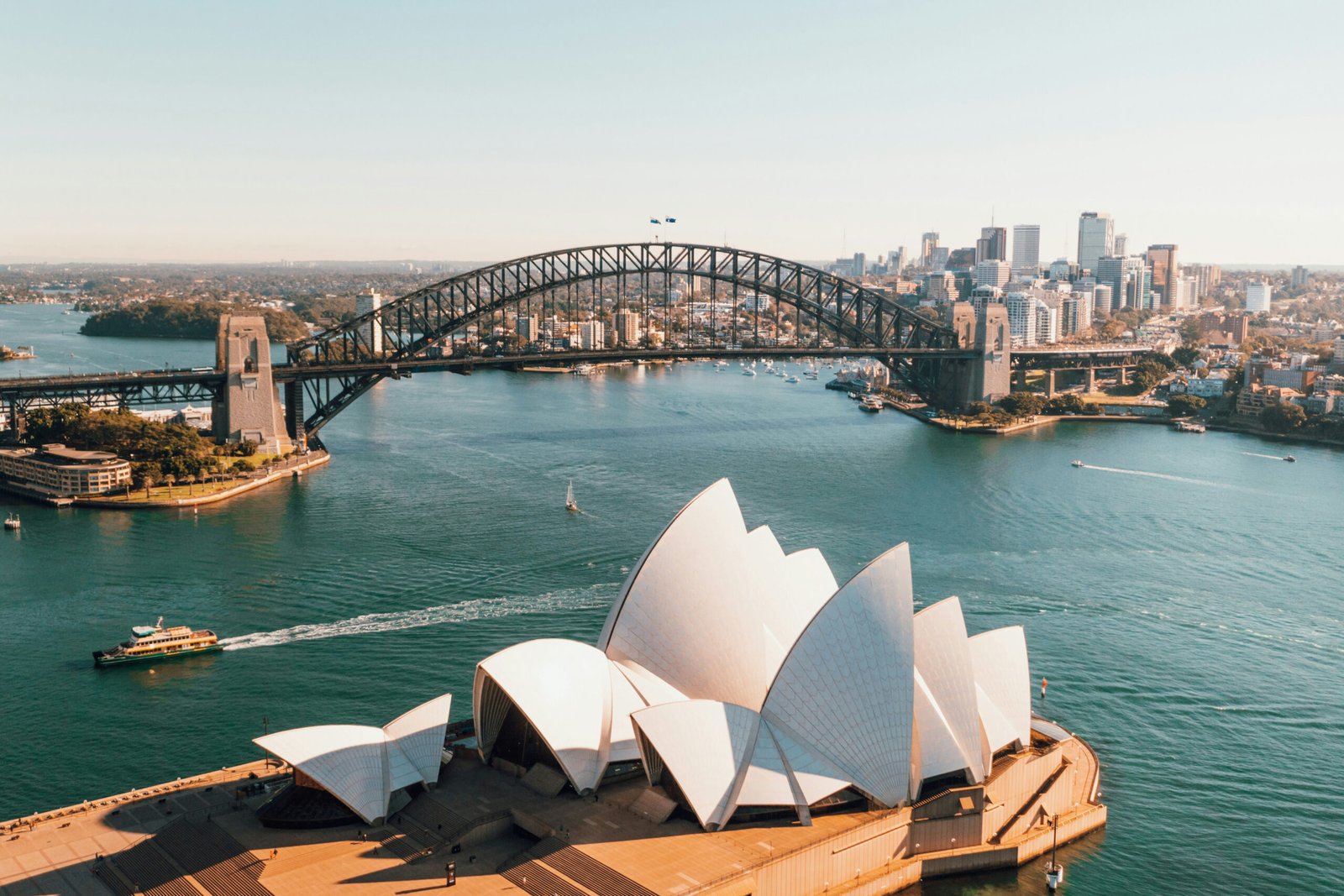
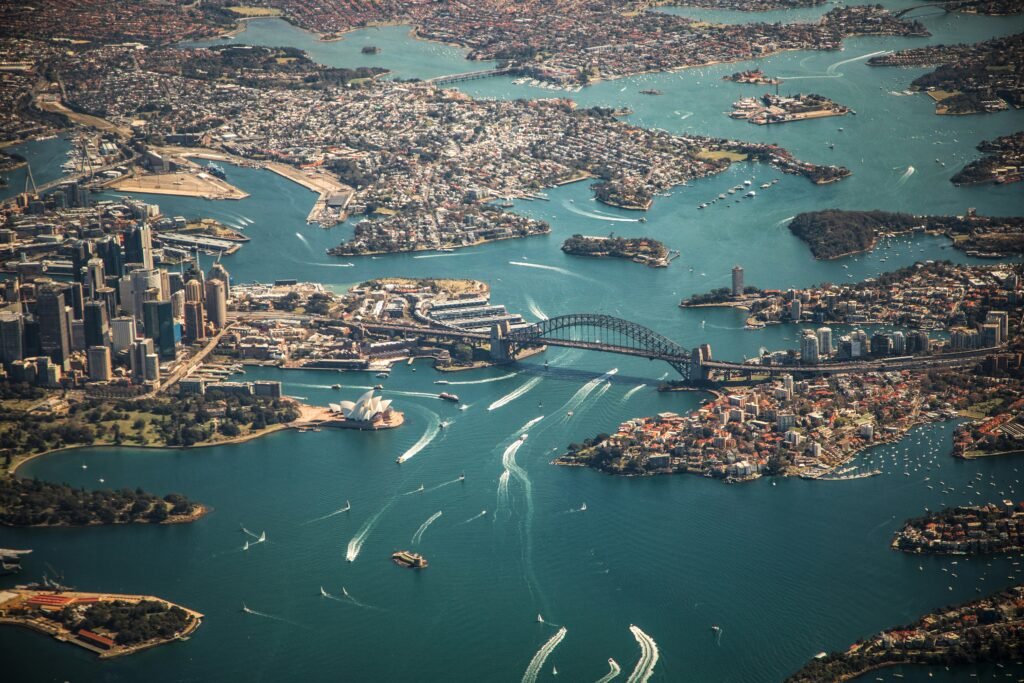
Rose Bay, Sydney Harbour
Turquoise Bay, Ningaloo Reef
Snorkel the outer reef at Hardy Reef
Take a scenic flight over Heart Reef
Swim with whale sharks off Ningaloo Reef
Watch the tidal reversal at Montgomery Reef
Race in Hamilton Island Race Week
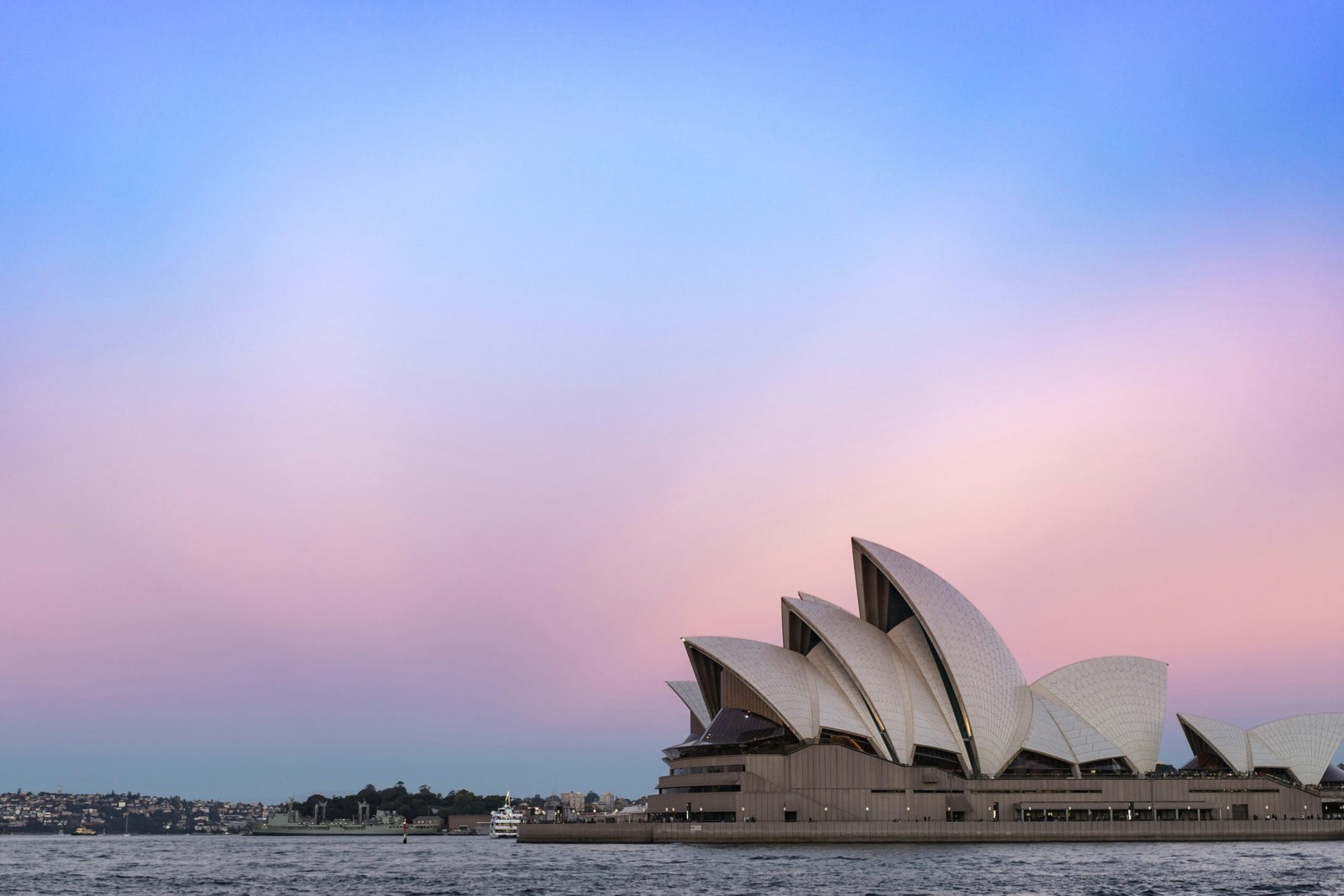
Sydney Opera House and Harbour Bridge
Hamilton Island
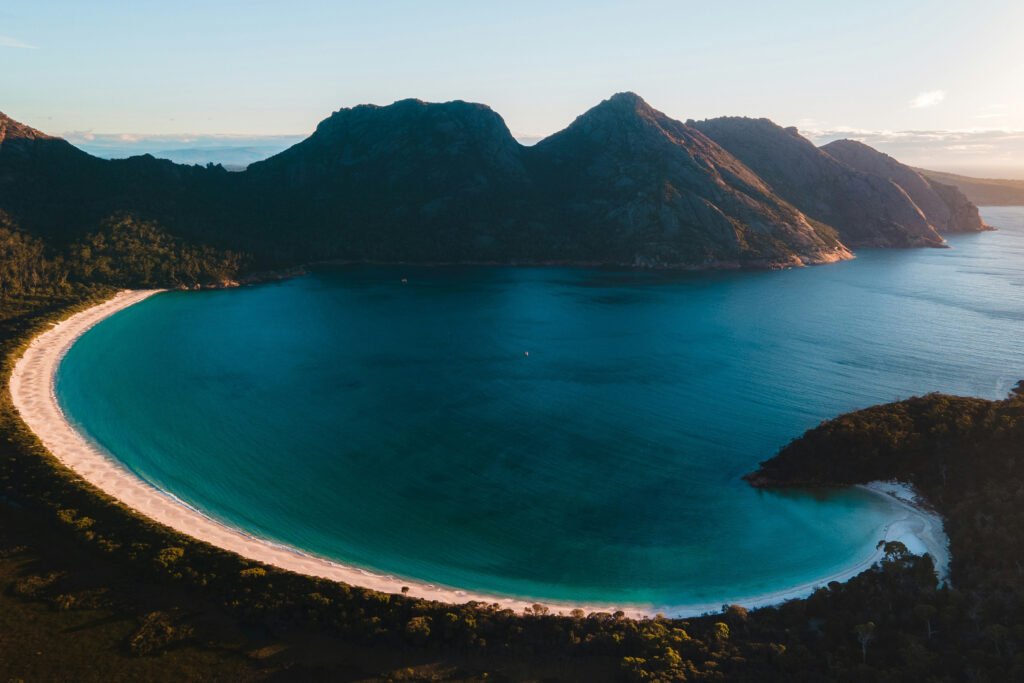
Freycinet National Park, Tasmania
Broome, Western Australia
Daintree Rainforest, Queensland
It depends on the region. The tropical north, including the Whitsundays and the Kimberley, is calmest during the dry season from April to September, outside the November-to-April cyclone window. Further south, Sydney Harbour and Tasmania suit the Australian summer, December through February, when daytime temperatures sit in the mid-twenties Celsius and the harbour fills with local sailing regattas and club racing.
It depends on where you start. Sydney (SYD) serves Sydney Harbour directly, Cairns (CNS) is the gateway to the northern Great Barrier Reef, and Hamilton Island has its own airport (HTI) for Whitsundays charters. For the Kimberley, most guests fly into Broome (BME) or Darwin (DRW), then join the yacht by tender or light aircraft, since no marina sits directly on that remote coastline.
Whitehaven Beach and Blue Pearl Bay off Hayman Island are Whitsundays staples, both sheltered and close to good snorkelling. Sydney Harbour’s Rose Bay works well for a city stopover, with restaurants a short tender ride from the water. For a wilder itinerary, Horizontal Falls in Talbot Bay and Turquoise Bay on Ningaloo Reef offer two very different extremes, one a tidal spectacle, the other calm, reef-fringed water.
A week covers the Whitsundays comfortably, with time to anchor at Whitehaven Beach, dive a few reef sites and still enjoy a slower day at Hamilton Island. The Kimberley rewards a longer trip, ten to fourteen days, given the distances between anchorages and the tidal windows that dictate when Horizontal Falls and similar sites can safely be explored. Sydney Harbour suits a shorter three- to four-day break.
Yes. Every foreign vessel must submit a Pre-Arrival Report through Australia’s biosecurity portal, filed between 96 and 12 hours before arrival, detailing provisions, waste management and the boat’s biofouling history. A separate Small Craft Arrival Report goes to the Australian Border Force in the same window. Most charter management companies handle both filings, but the lead time means Australia isn’t a destination for a last-minute change of itinerary.