Madagascar
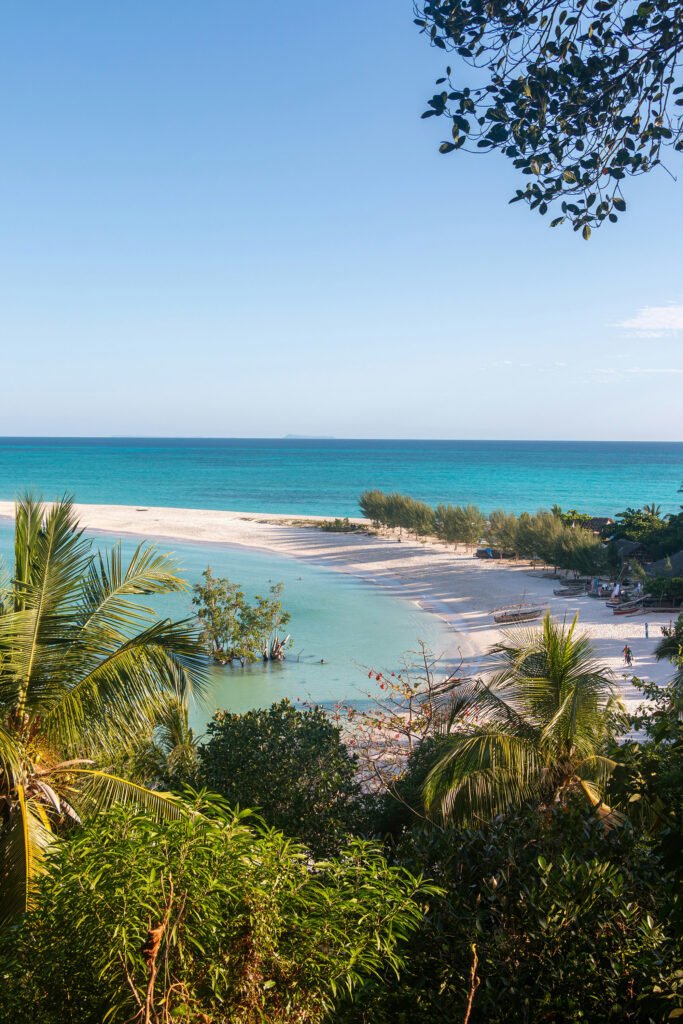
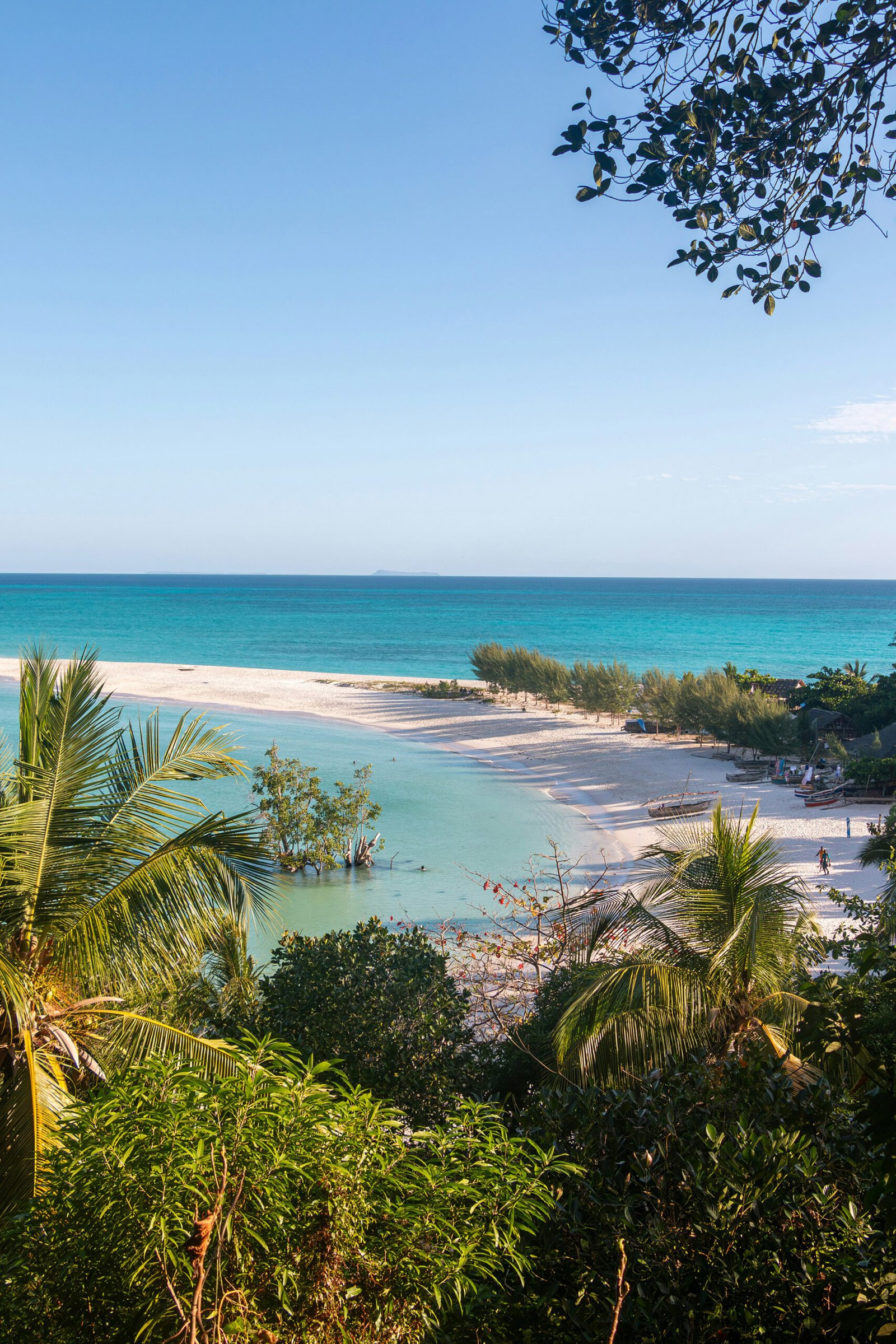
Crater Bay, Nosy Be
Nosy Komba
Nosy Tanikely
Nosy Sakatia
Nosy Iranja
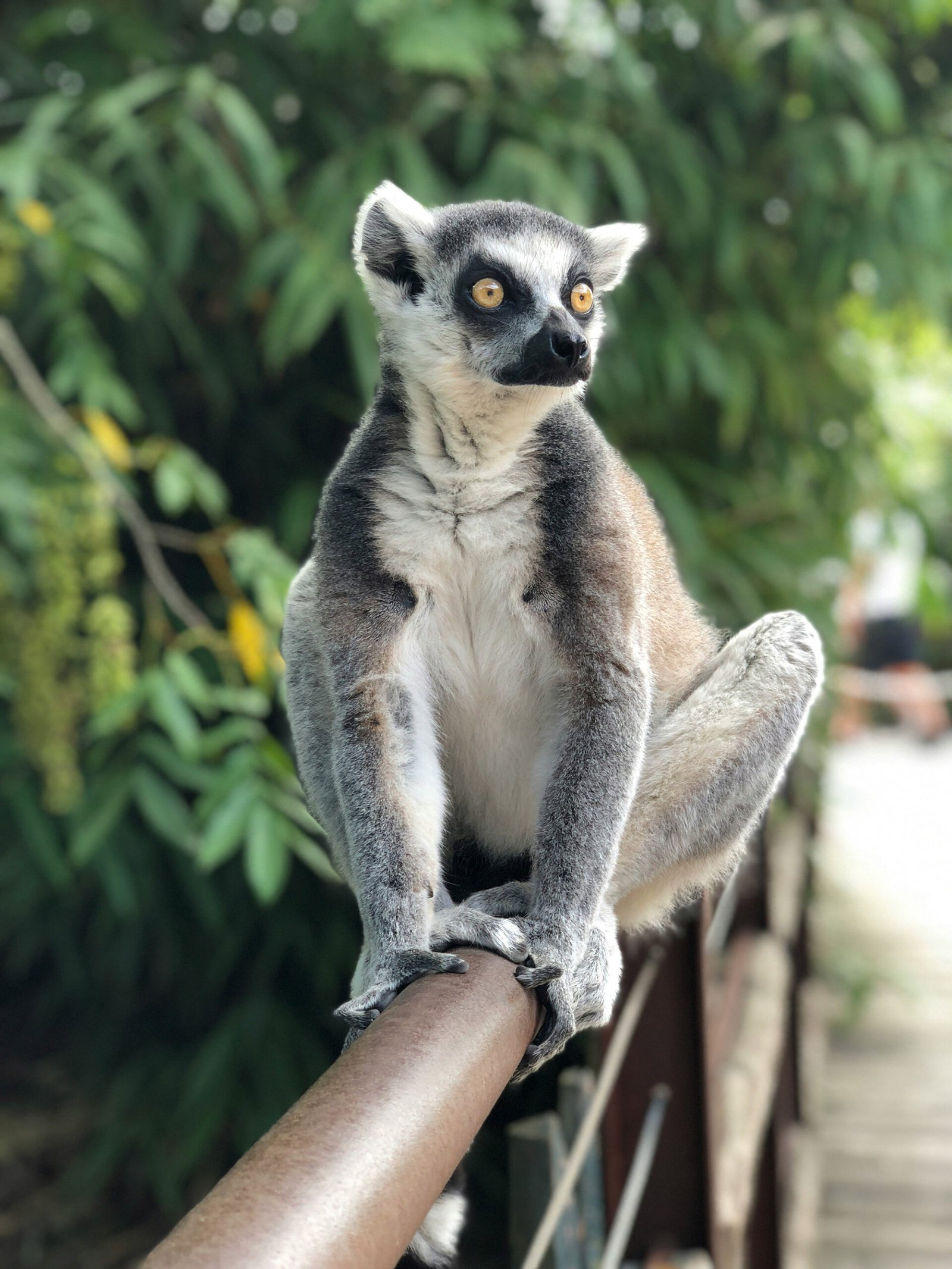
Visit the black lemur community on Nosy Komba
Snorkel the marine park and 1908 lighthouse at Nosy Tanikely
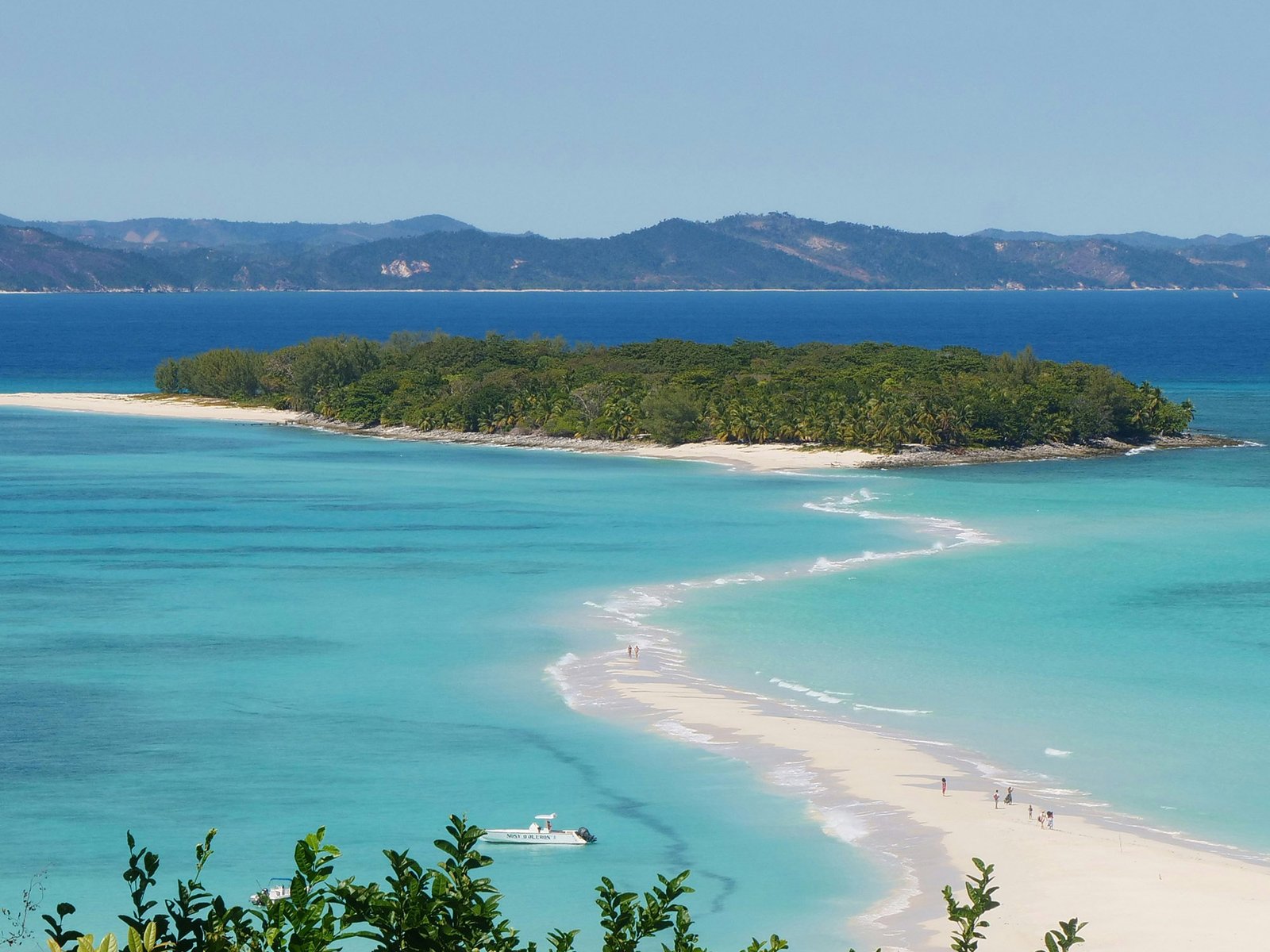
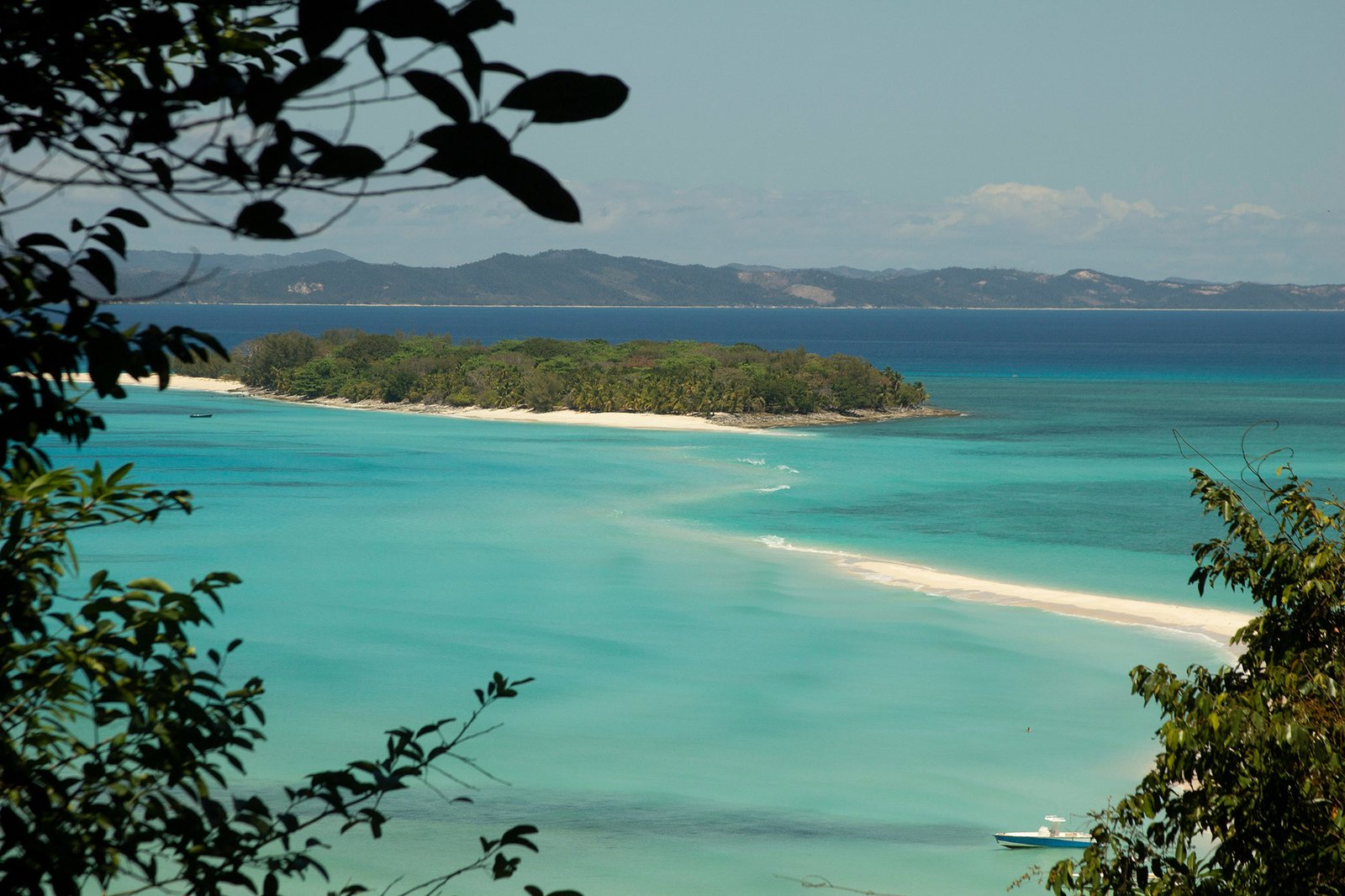
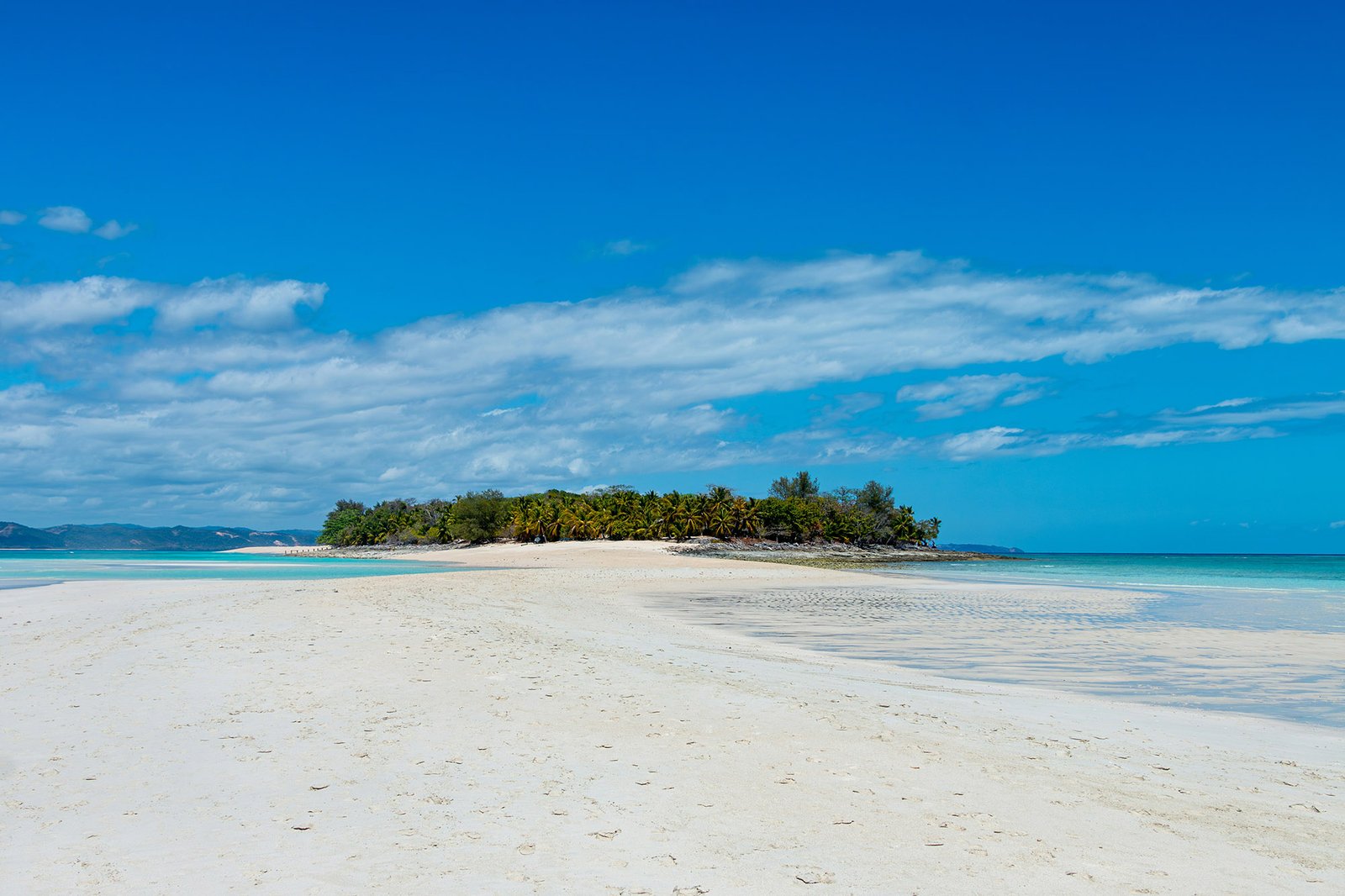
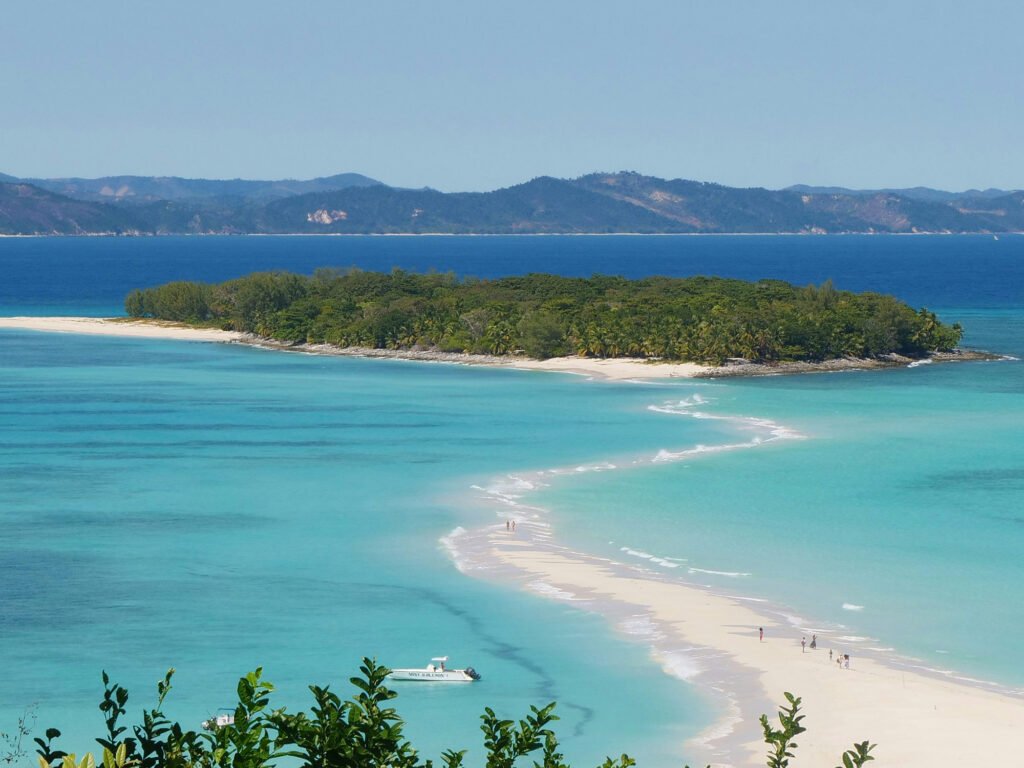
Walk the sandbank between Nosy Iranja’s twin islands at low tide
Take a night walk in the Lokobe Reserve
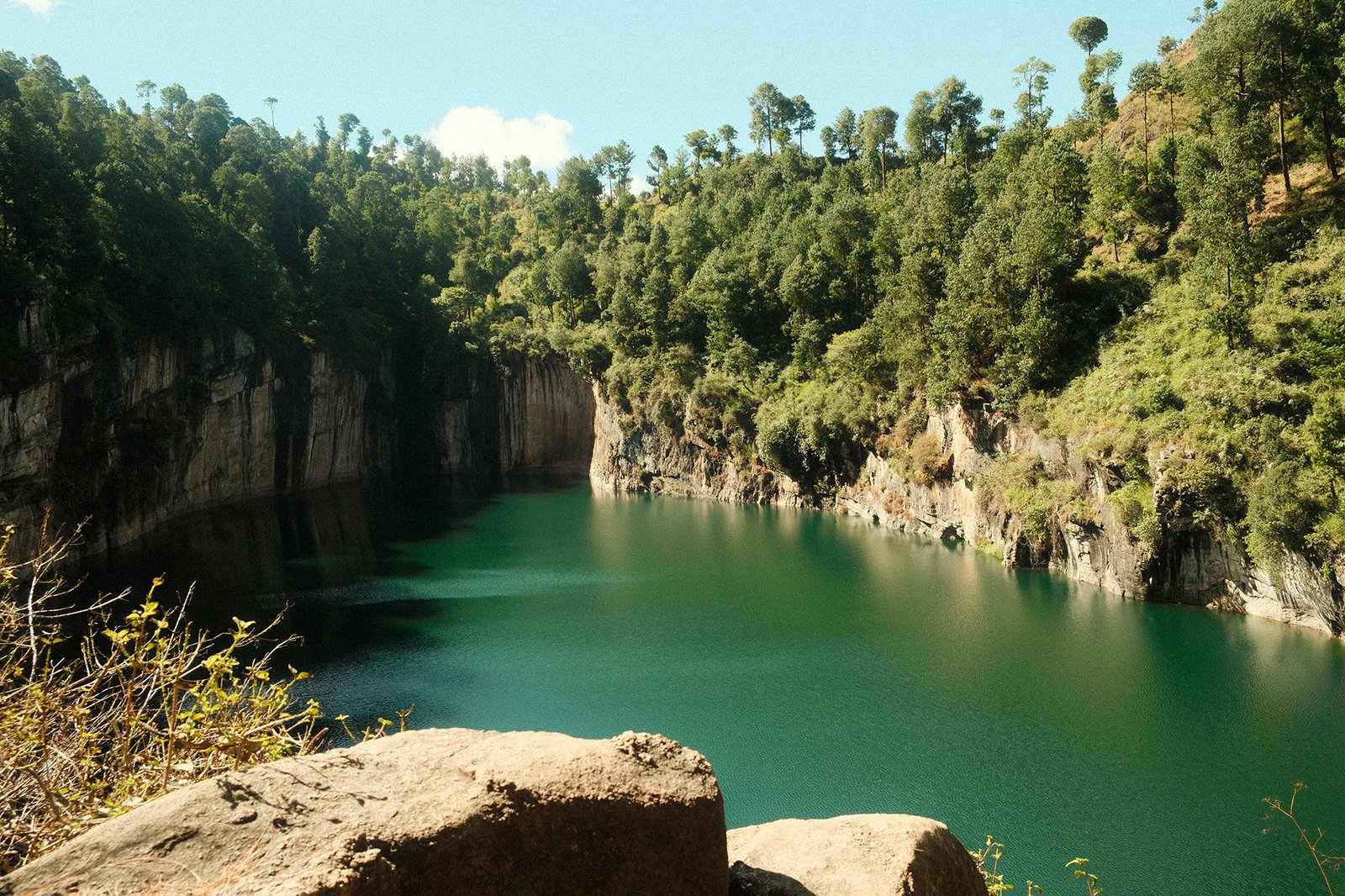
Hike Mont Passot to see Nosy Be’s crater lakes
Hell-Ville (Andoany)
Lokobe Reserve
Nosy Sakatia
Ambatoloaka
Ankify
May through November is the dry season and by far the best window, with calm seas, lower humidity and virtually no risk of cyclones, which are most likely between December and April. July and August bring the coolest, most comfortable conditions for exploring ashore, while September and October offer warm water and good visibility for diving around Nosy Tanikely and the reefs further offshore.
Nosy Be Fascene Airport (NOS) receives seasonal direct flights from several European cities as well as regular connections via Antananarivo, Madagascar’s capital, a journey of around an hour and a half by air. Most charter guests fly into Nosy Be directly rather than routing through the mainland, since the island functions as the main gateway to this stretch of coast and sits close to the anchorages themselves.
Crater Bay on Nosy Be’s southeast coast is the most sheltered choice and the usual starting point for a charter, close to Hell-Ville for provisioning before heading out to the smaller islands. Nosy Komba, a short sail away, offers a quieter overnight option with good holding, while Nosy Sakatia on the northwest coast makes a useful stop when conditions favour that side of the island.
Five to seven days allow a full circuit of Nosy Komba, Nosy Tanikely, Nosy Sakatia and, conditions permitting, the longer run down to Nosy Iranja and back. Shorter charters of three or four days can still cover the closer islands and a night walk in the Lokobe Reserve, but the more distant anchorages reward the extra time with far fewer other boats around.
Guests should look but not touch or feed the lemurs, even on Nosy Komba, where black lemurs are used to people and will sometimes approach on their own. Wild troops elsewhere on the island, along with the mouse and dwarf lemurs of the nocturnal Lokobe Reserve, are more easily disturbed, so a local guide is required there and keeps both wildlife and visitors at a safe, respectful distance.