Alaska
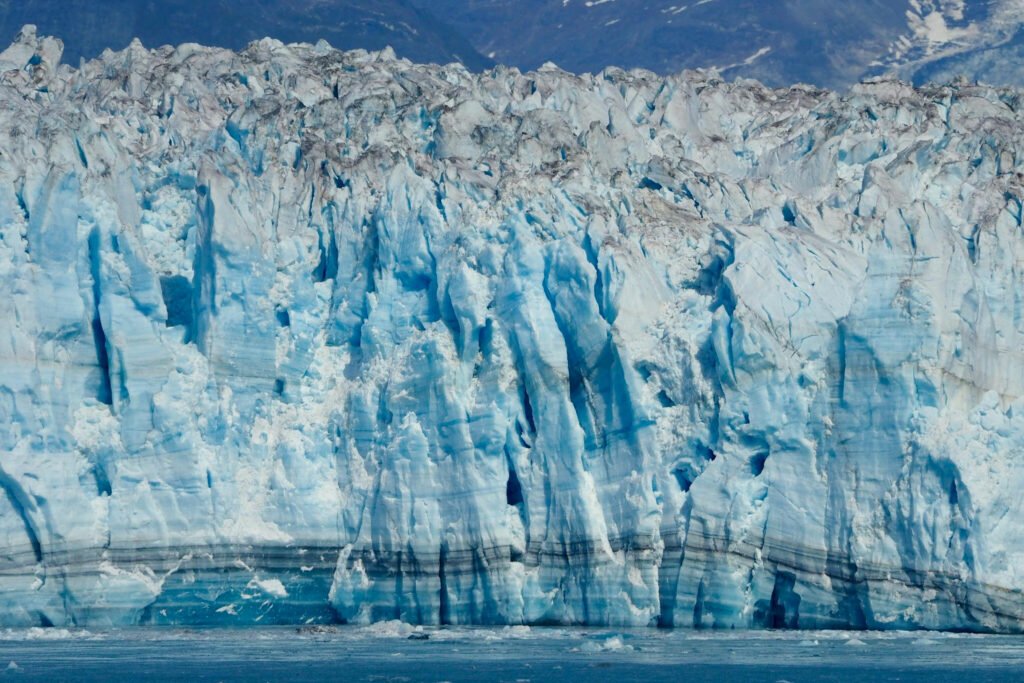
Prince William Sound
Resurrection Bay
Sitka Sound
Icy Strait
Kachemak Bay
Flightseeing over Denali National Park
Fly fishing for king salmon
Dog sledding on a glacier
Wildlife safari for brown bears
Kayaking among tidewater glaciers
Ketchikan
Sitka
Skagway
Seward
Anchorage
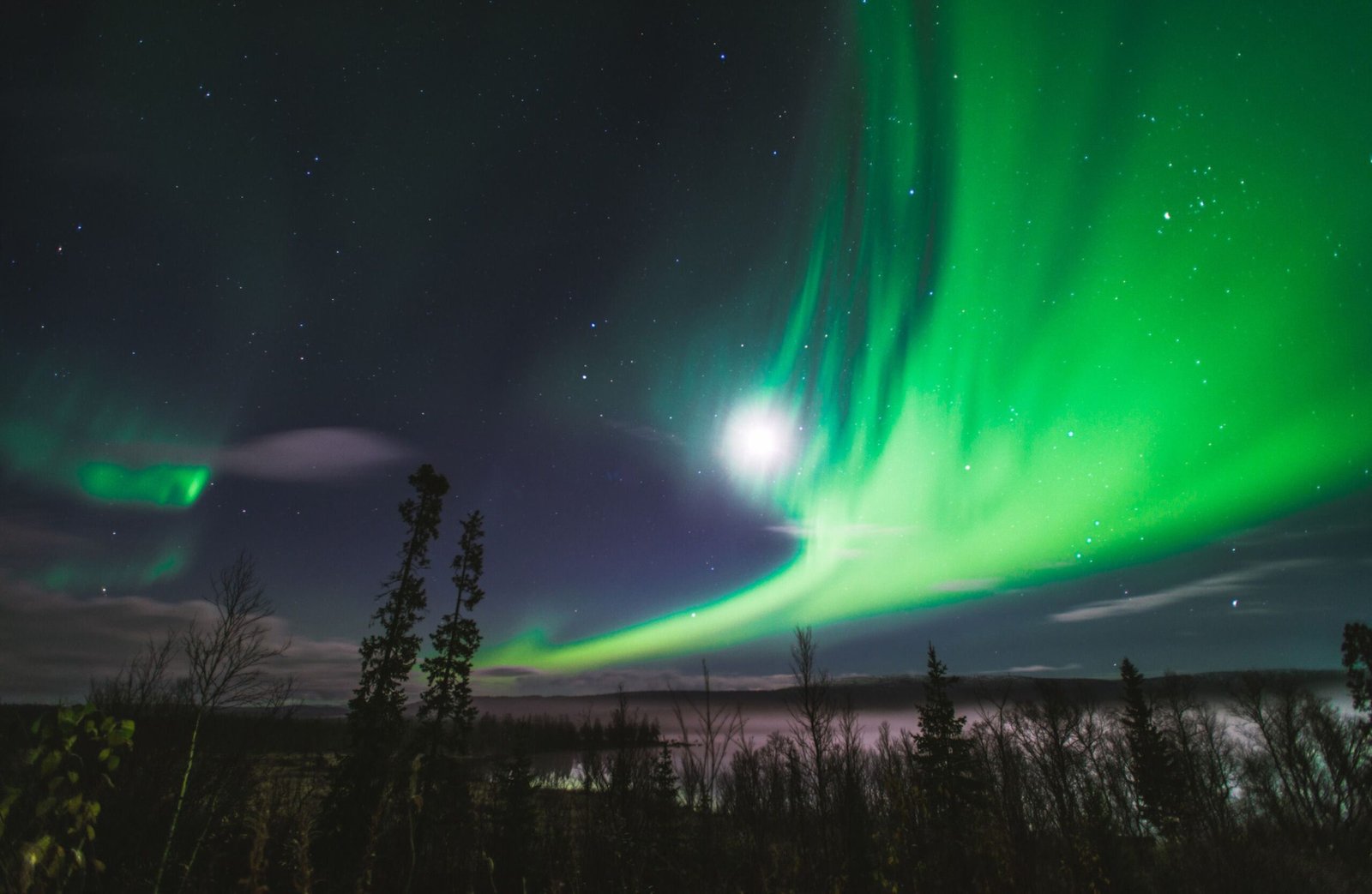
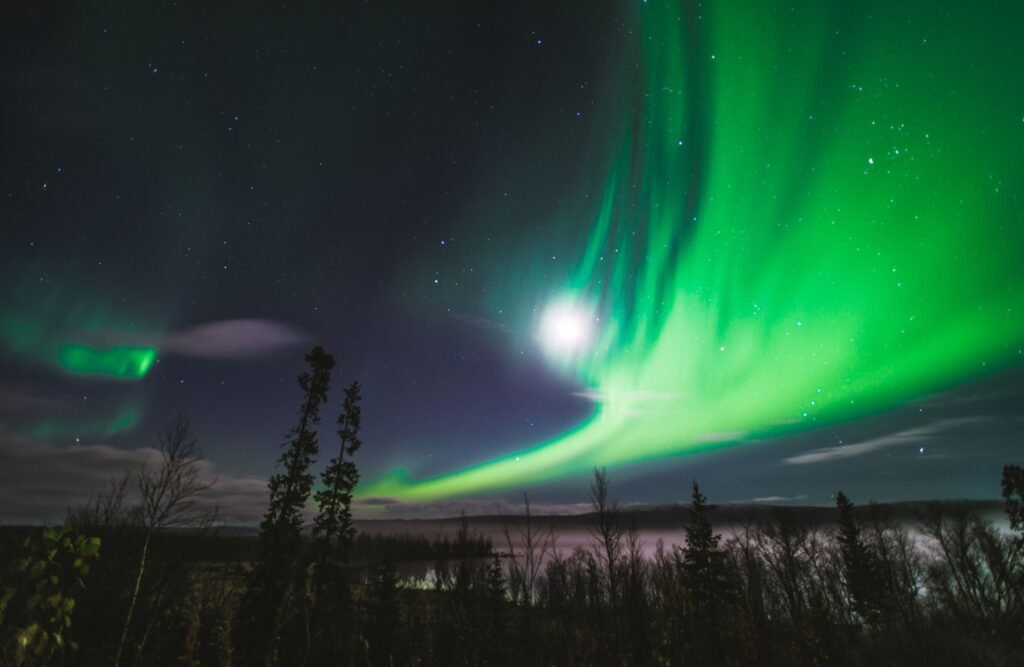
The charter season runs mid-May through mid-September, when waters are calmest and wildlife is most active. June and July bring the longest daylight and best access to remote anchorages, while August and September add the chance of salmon runs drawing bears to the shoreline and the first Northern Lights of the season. Outside this window, many marinas and services in smaller towns close for winter, so it’s the practical, not just the scenic, choice.
It depends on the region: Ted Stevens Anchorage International Airport (ANC) suits Southcentral itineraries around Prince William Sound and Kenai Fjords, while Juneau International Airport (JNU) is the gateway for Southeast Alaska and the Inside Passage. Both are served by direct flights from major West Coast hubs in summer. Many guests fly into one and depart from the other, since Alaska’s charter routes rarely double back to the starting point.
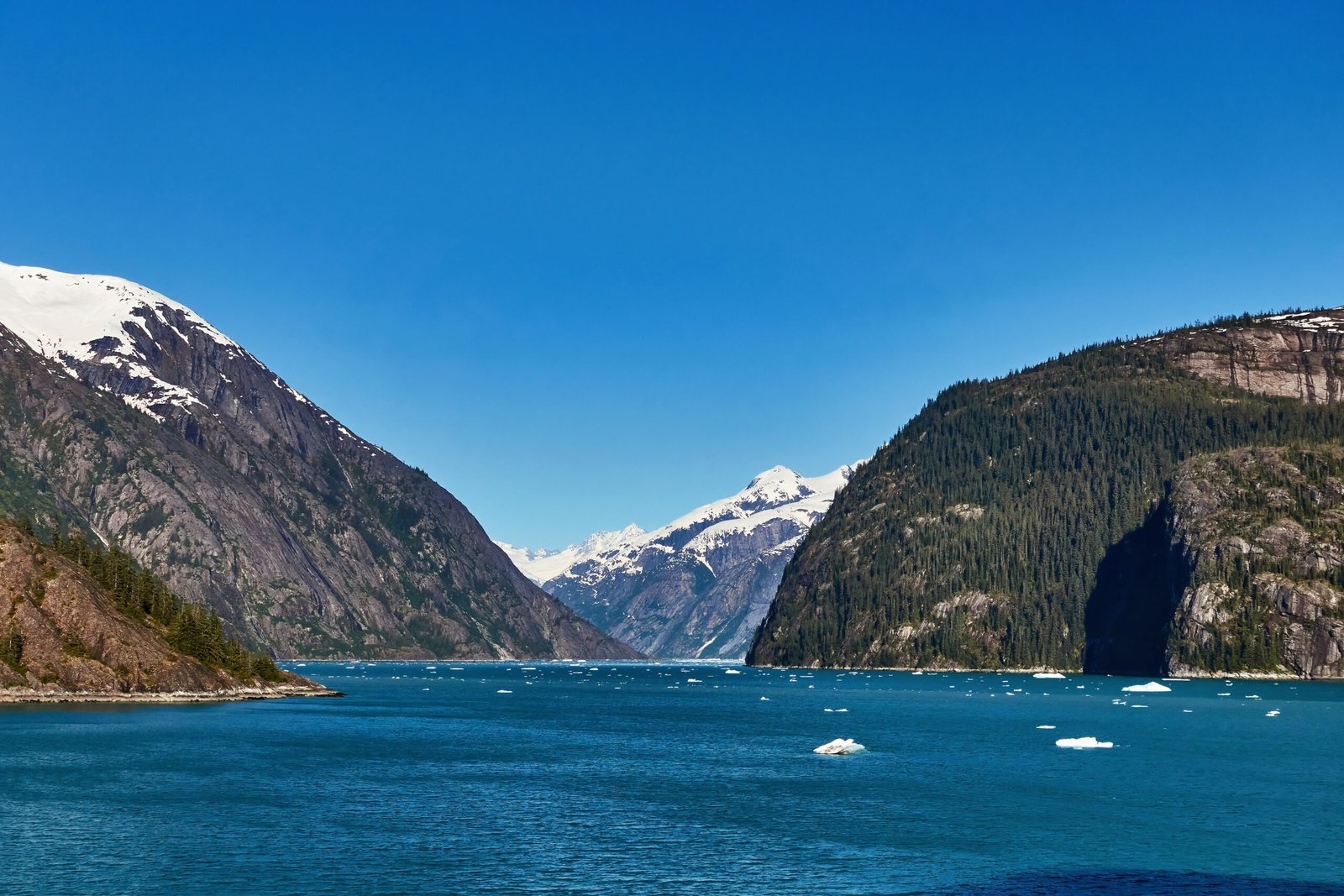
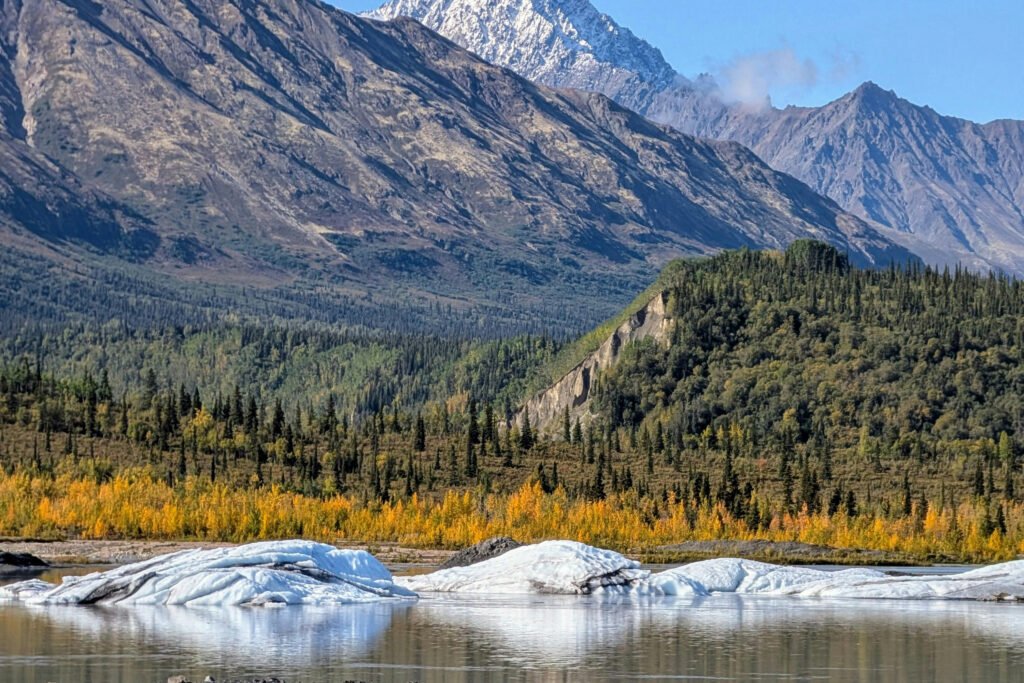
Prince William Sound and Resurrection Bay near Seward offer sheltered water close to tidewater glaciers and are the easiest to reach from Anchorage. Sitka Sound and Icy Strait, further south in the Inside Passage, add better whale watching and Tlingit cultural sites ashore. Kachemak Bay near Homer is quieter still, known locally for halibut fishing rather than glacier viewing, and makes a good stop for guests wanting fewer other boats around.
Ten to fourteen days is typical for covering one region properly, whether that’s Prince William Sound and the Kenai Peninsula or the Inside Passage between Juneau and Sitka. Alaska is too large to combine Southcentral and Southeast in a single trip without significant transit time, so most itineraries focus on one and treat the other as a separate future charter. A shorter five to seven day trip works well if anchored around a single hub like Seward or Juneau.
Southeast Alaska, centered on the Inside Passage between Juneau, Sitka, and Ketchikan, is more sheltered and better suited to glacier and whale viewing in calmer water. Southcentral, around Prince William Sound, Resurrection Bay, and the Kenai Peninsula, sits closer to Anchorage and gives easier access to Denali flightseeing and salmon fishing rivers. Both regions are separated by open Gulf of Alaska water, so most captains recommend choosing one per trip rather than attempting both.