British Isles / The Channel Islands




St Helier
St Peter Port
Gorey
Braye Harbour
Havre des Pas
Visit Elizabeth Castle
Explore Car-Free Sark
Walk Herm’s Shell Beach
Tour Castle Cornet
Taste Jersey Royal Potatoes
Sark
Herm
Alderney
St Ouen’s Bay
Moulin Huet Bay
May to September brings the calmest crossings and the islands’ sunniest weather, with Jersey averaging close to 1,900 hours of sunshine a year, among the highest totals in the British Isles. June and July are driest, while August can bring more visiting traffic into St Helier and St Peter Port. Given the islands’ famously large tidal range, passage planning matters as much as picking a fair-weather week.
Jersey Airport (JER) and Guernsey Airport (GCI) both take direct flights from London and several other UK and European cities, with St Helier and St Peter Port marinas a short taxi from each terminal. Alderney’s own airstrip suits smaller aircraft for guests joining further north. Because the islands sit outside the UK’s customs territory, private jet and yacht arrivals both clear Jersey or Guernsey customs on arrival.
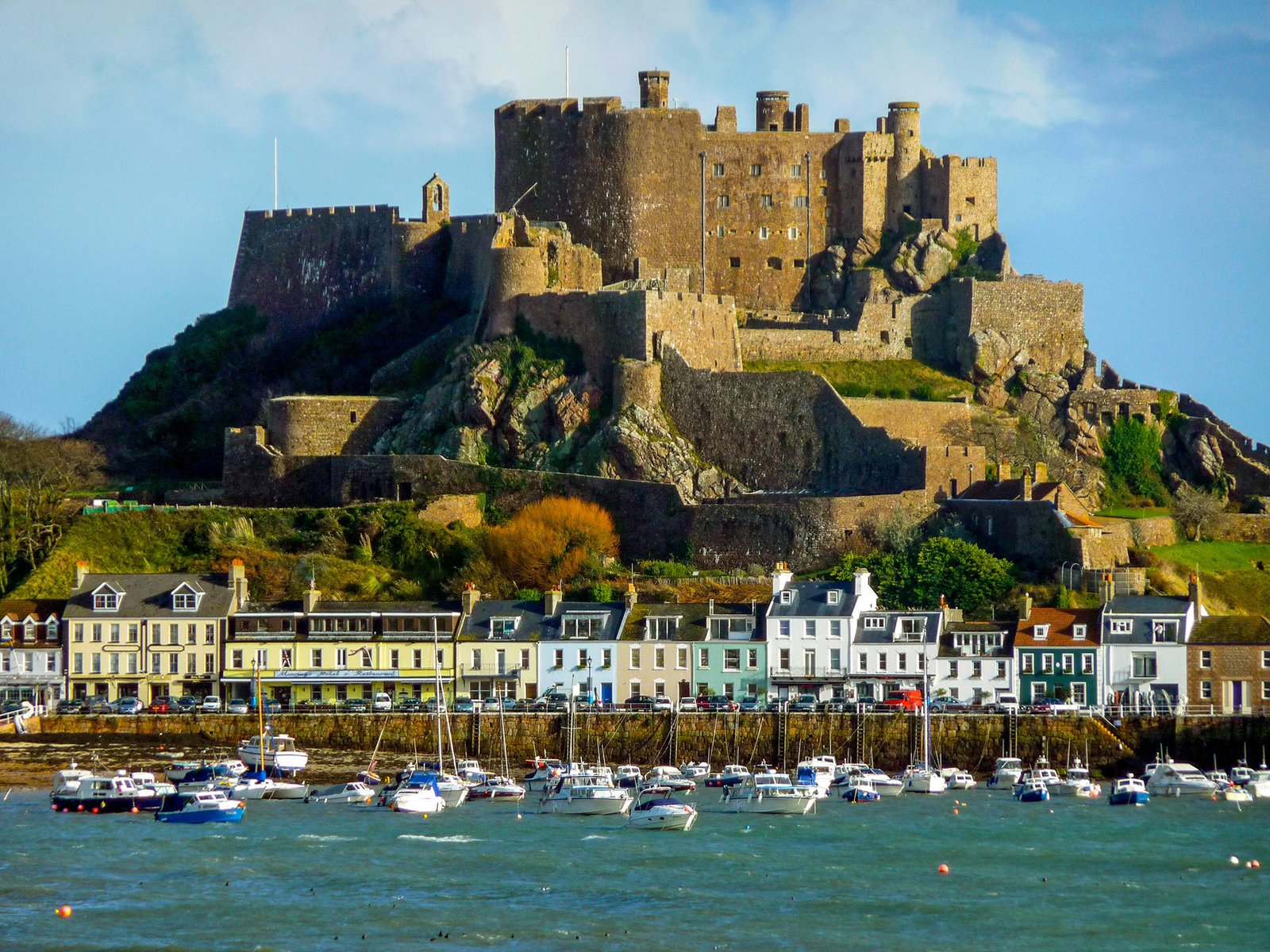
St Helier and St Peter Port are the natural bases, both offering full marina facilities and easy access ashore. Gorey, on Jersey’s east coast, sits beneath a 13th-century castle and empties almost completely at low tide, so timing matters. Alderney’s Braye Harbour offers a useful stop for passages north towards England, while Sark and Herm, with no marinas at all, are best visited by tender from a mooring offshore.
Four to five days covers Jersey and Guernsey comfortably, with time ashore in St Helier and St Peter Port plus a day trip to Sark or Herm. A full week allows a more relaxed pace and adds Alderney to the north, along with quieter anchorages away from the main harbours. Because the tidal range is so large, some passages are only comfortable within a few hours either side of high water.
Yes. Jersey and Guernsey are separate Crown Dependencies, each with its own customs territory outside the United Kingdom and the European Union, so a yacht moving between the two bailiwicks, or on to mainland France, should expect to clear customs and report arrival at each stop. Requirements have tightened since Brexit, and captains typically confirm current procedure with each bailiwick’s customs authority before departure, since paperwork can vary between yachts and other private vessels.