Costa Rica
Golfo Dulce
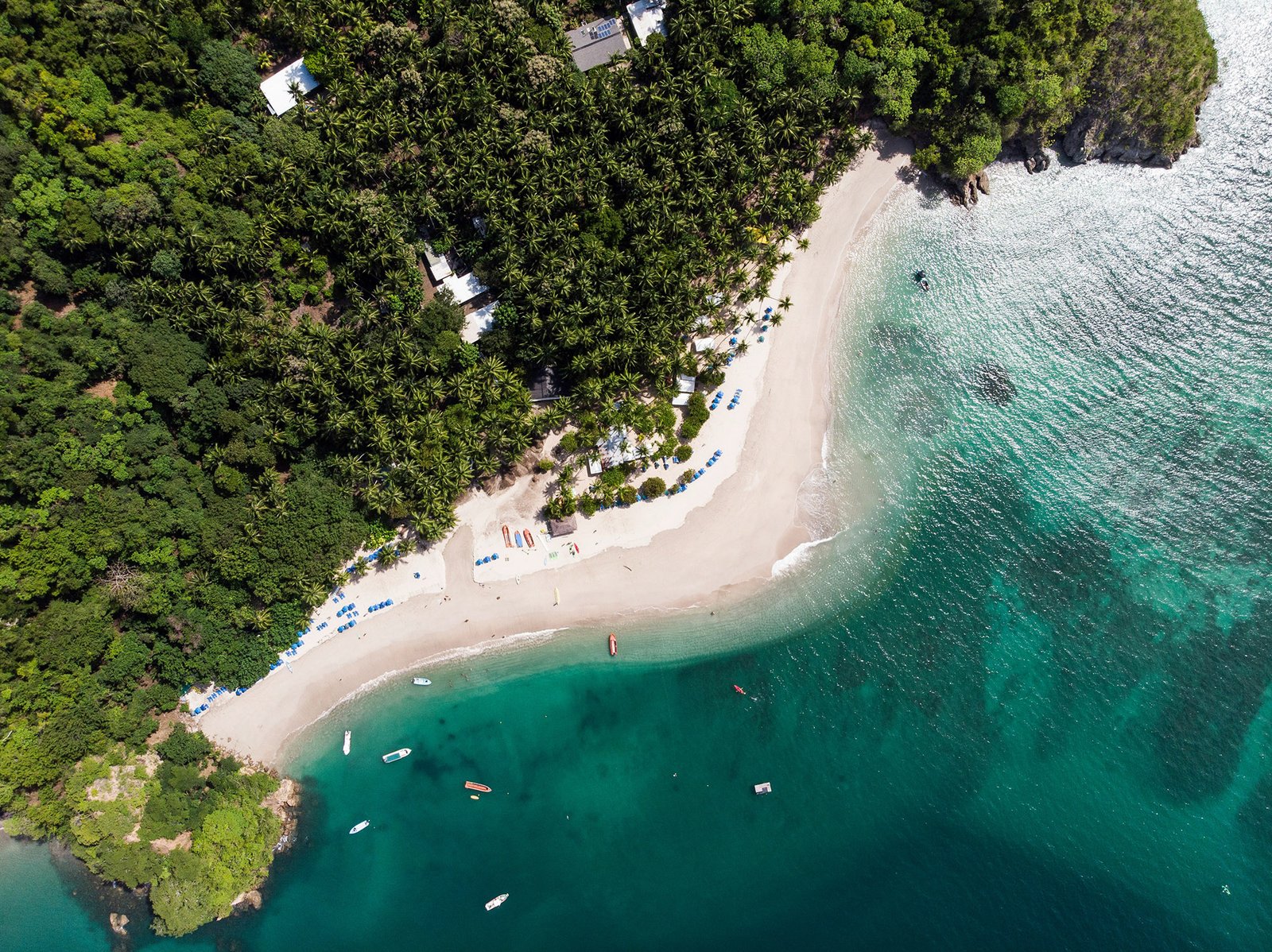
Bahia Ballena, Uvita
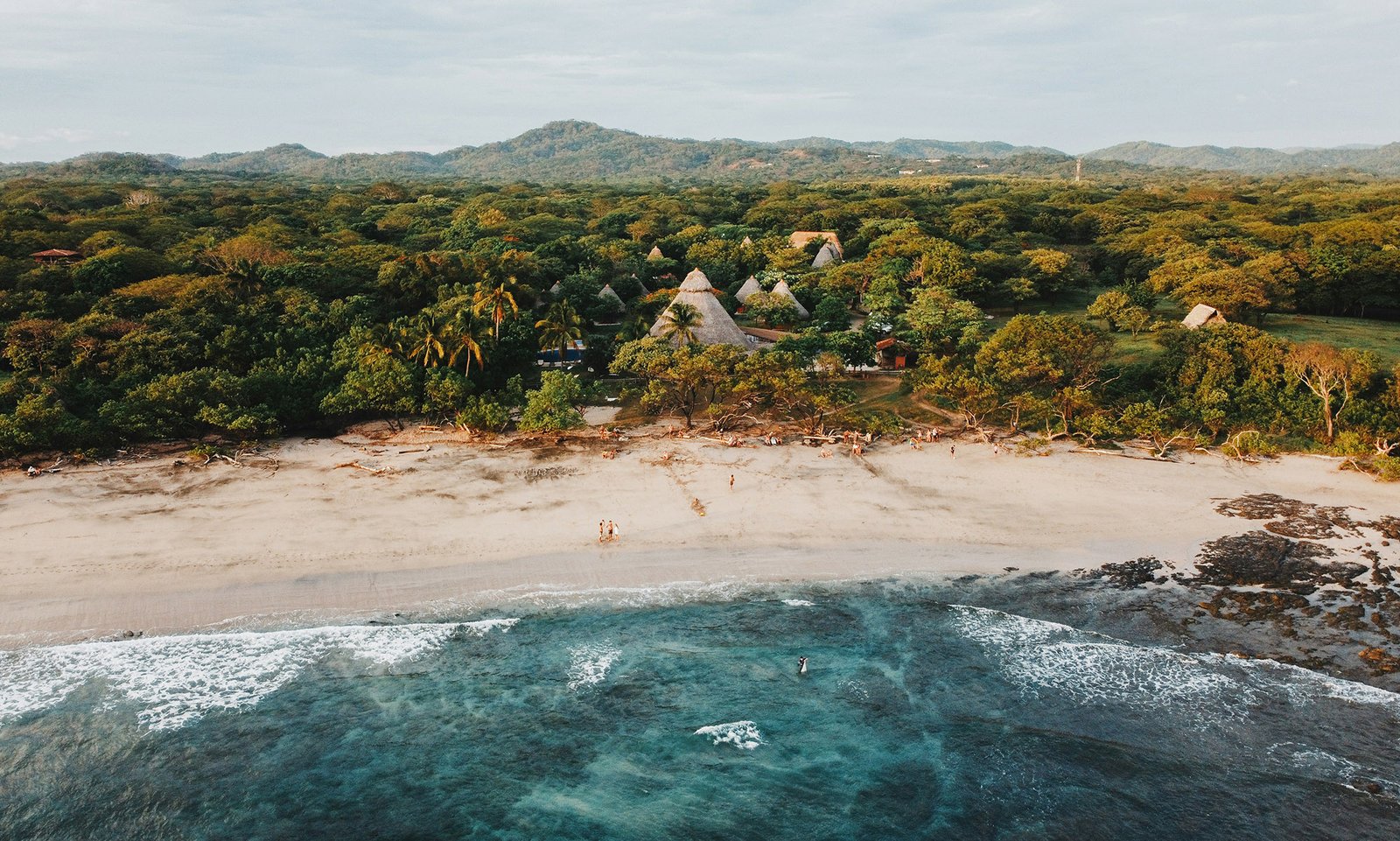
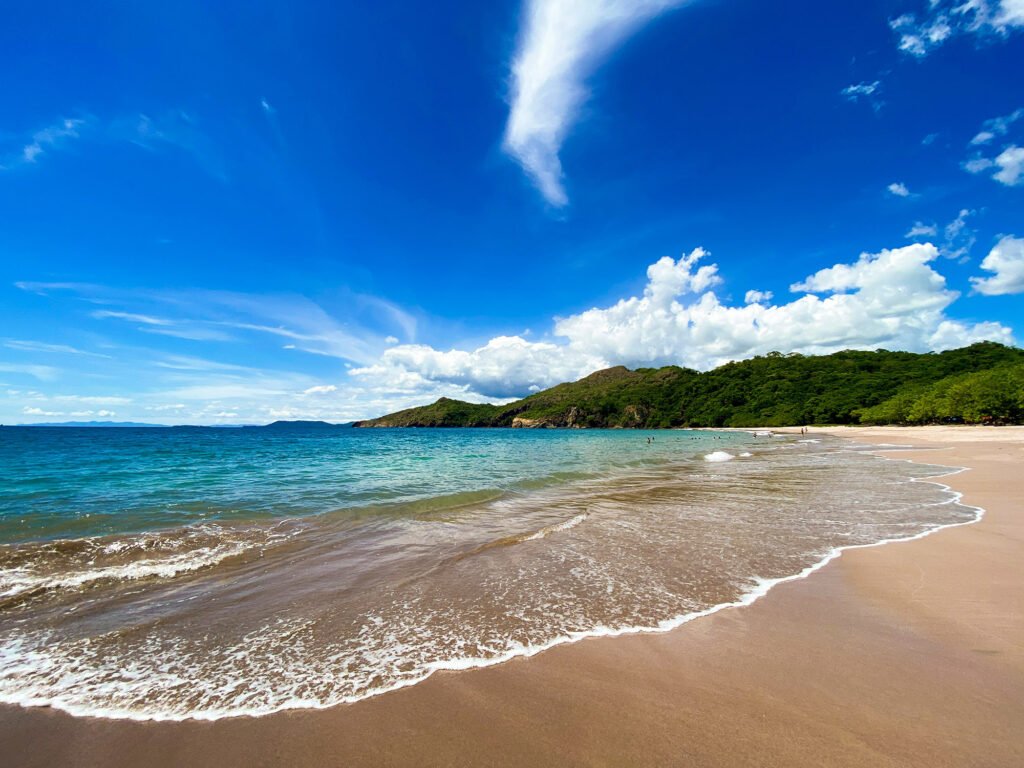
Playa Hermosa, Papagayo
Isla del Cano
Golfo de Nicoya
Dive with hammerhead sharks at Isla del Coco
Hike the trails of Corcovado National Park with a licensed guide
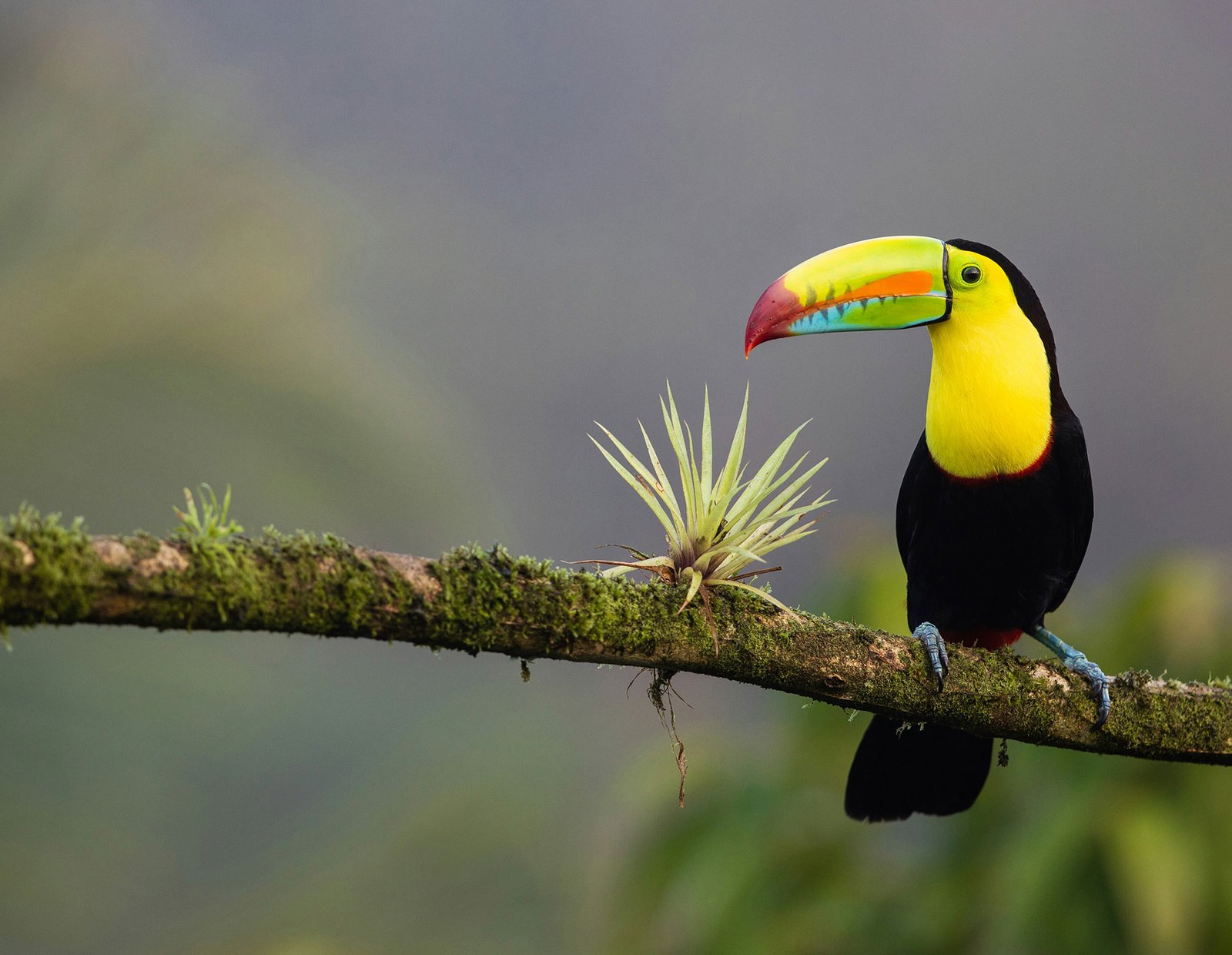
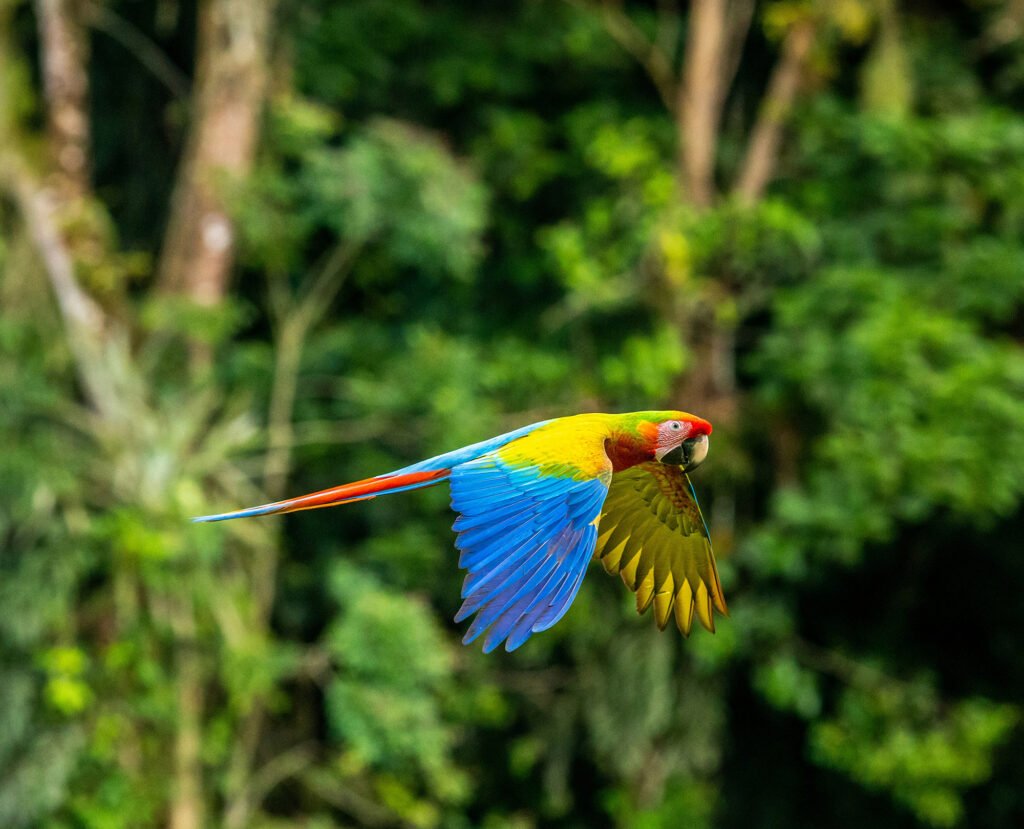
Watch scarlet macaws and sloths at Manuel Antonio National Park
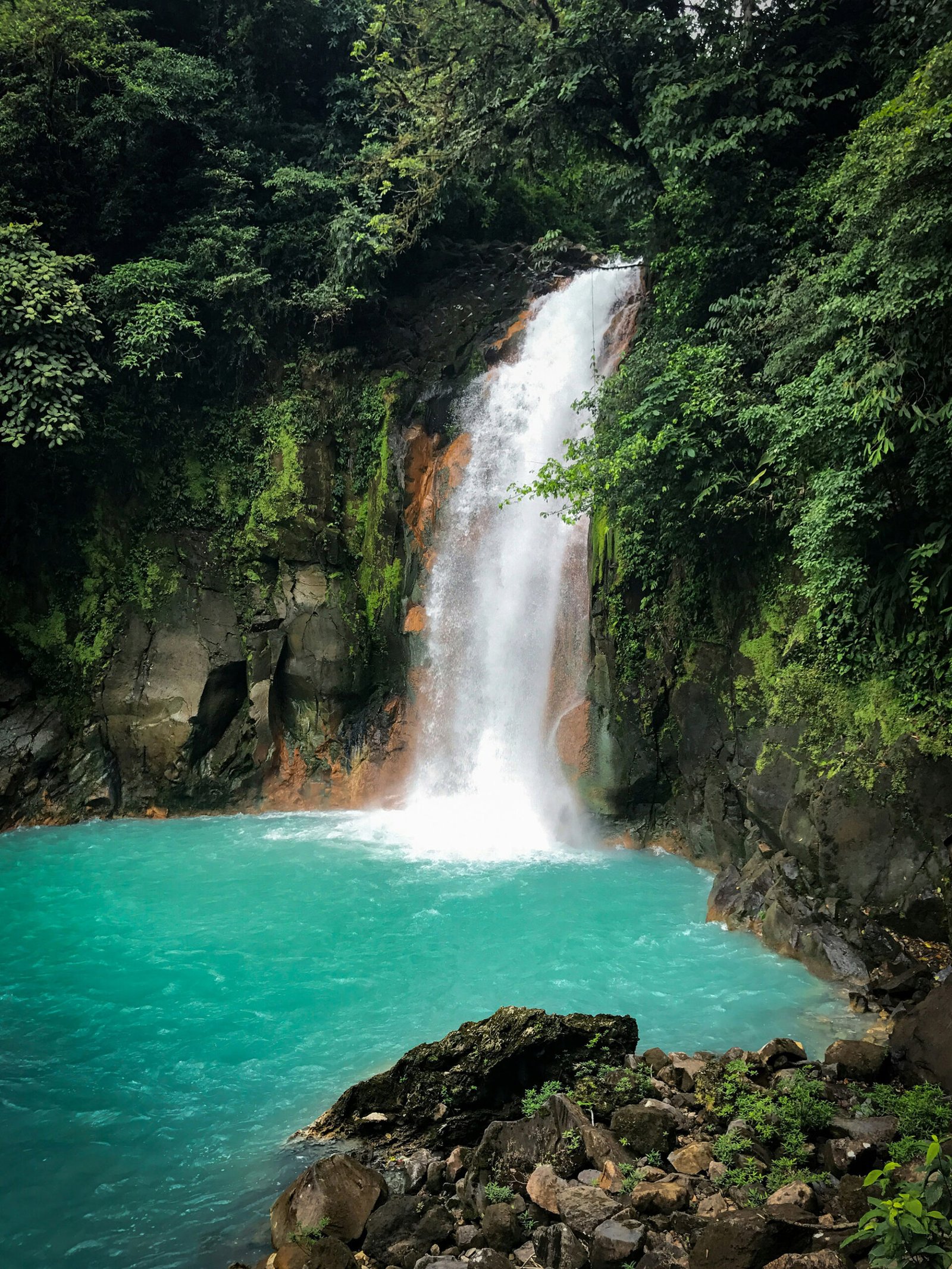
Soak in the hot springs near Arenal Volcano
Watch nesting sea turtles at Playa Ostional
Manuel Antonio
Corcovado National Park
Isla del Coco
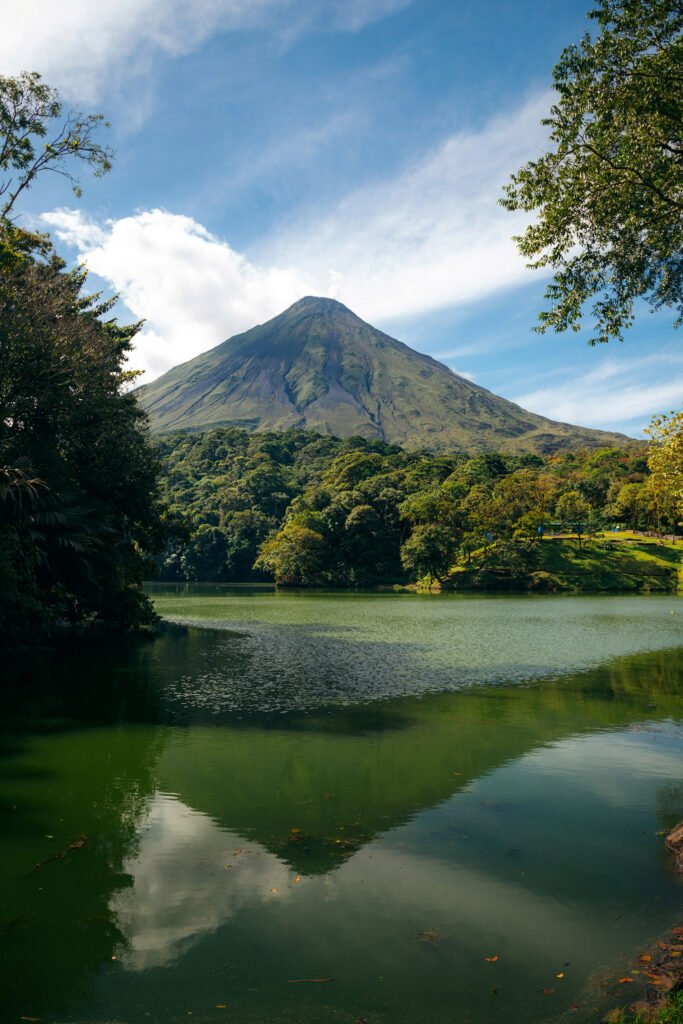
Arenal Volcano
La Fortuna
December through April is Costa Rica’s dry season and by far the most reliable stretch for calm seas and clear diving visibility, particularly around Isla del Coco and the Golfo Dulce. The rainy season runs roughly May through November, bringing afternoon downpours that rarely last long but can stir up swell on the open Pacific. Guests chasing whale sharks at Isla del Coco often prefer the shoulder months either side of the dry season, when plankton blooms draw more pelagic life.
Daniel Oduber Quiros International Airport (LIR) near Liberia serves the Guanacaste coast and Papagayo directly, cutting out the longer transfer that flying into the capital would require. Juan Santamaria International Airport (SJO) near San Jose suits itineraries starting further south toward Manuel Antonio, the Osa Peninsula or Golfo Dulce, roughly a three to four hour drive from the airport. Isla del Coco expeditions typically depart from Puntarenas, reached from either airport in about two to three hours.
Golfo Dulce, one of only a handful of tropical fjords on earth, offers calm, sheltered water close to Corcovado National Park and reliable dolphin sightings. Bahia Ballena near Uvita is known for its whale-tail-shaped sandbar and, fittingly, a strong seasonal population of humpback whales. Papagayo, further north near Liberia, provides the most protected anchorages on the Guanacaste coast and sits closest to the airport for guests joining or leaving a charter.
A week to ten days covers the Guanacaste coast and a run south toward Manuel Antonio comfortably, with time ashore at a national park or two. Reaching Corcovado and the Osa Peninsula in the same trip generally pushes an itinerary closer to two weeks, given the distances involved. A dedicated expedition to Isla del Coco is usually planned as its own trip of ten days or more, since the crossing alone takes around a day and a half each way.
Yes. Since 2014, every visitor to Corcovado must be accompanied by a guide accredited by the Costa Rican Institute of Tourism, a rule introduced after a rise in accidents on the park’s remote trails. Entry permits cost around 15 US dollars per person per day and are best arranged ahead through a licensed operator based in Puerto Jimenez or Drake Bay. The requirement has, if anything, improved the experience, since guides reliably spot wildlife an unaccompanied visitor would walk straight past.

Tell us what you would like to know, and our team will respond with clear details on availability, specification, pricing and next steps.