
Costa Rica / Cocos Island

Wafer Bay
Chatham Bay
Manuelita
Punta Maria
Dos Amigos
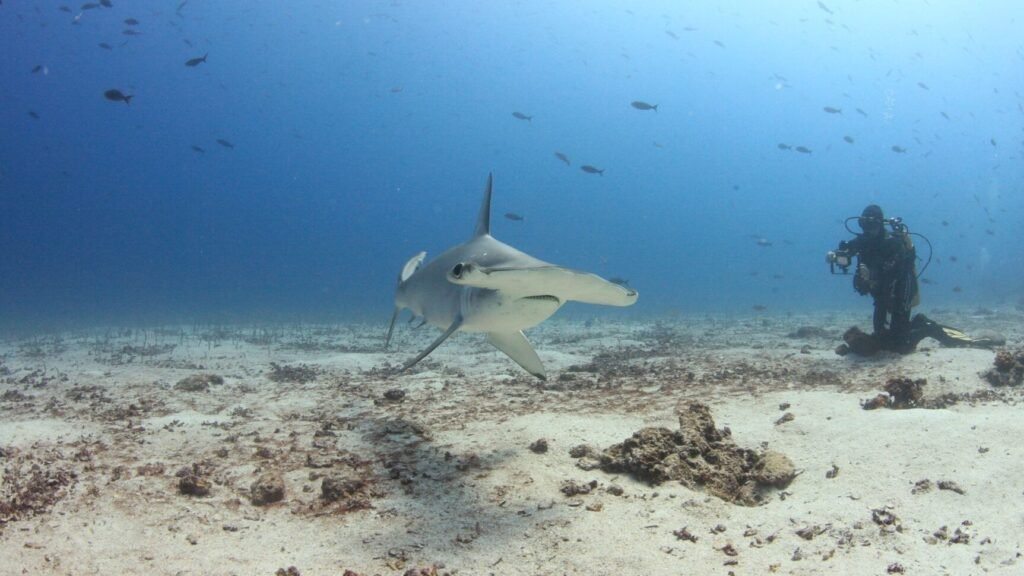
Dive with hammerhead schools at Bajo Alcyone
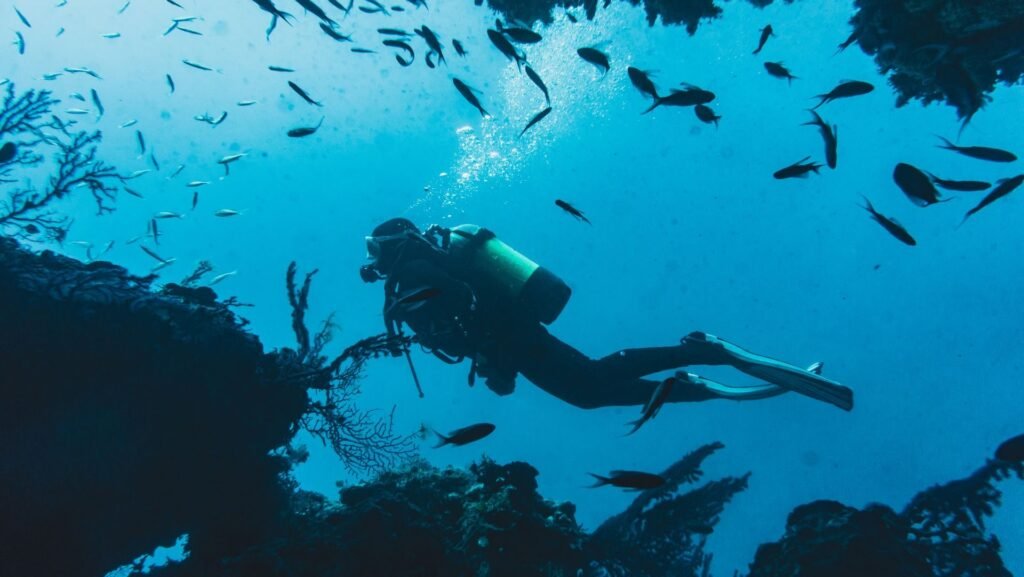
Snorkel with whitetip reef sharks off Manuelita
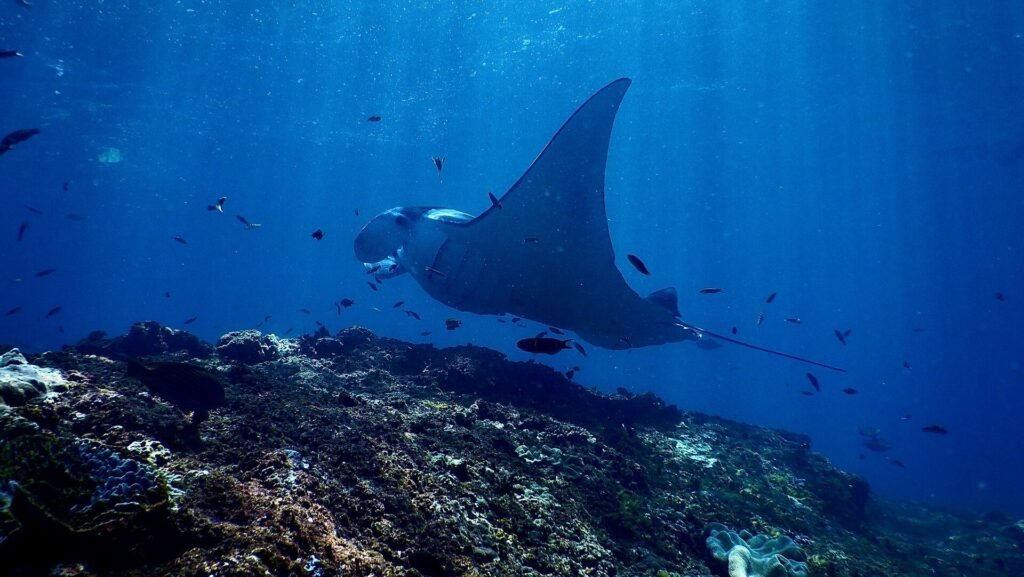
Encounter giant manta rays at Dirty Rock
Swim through the rock arch at Dos Amigos
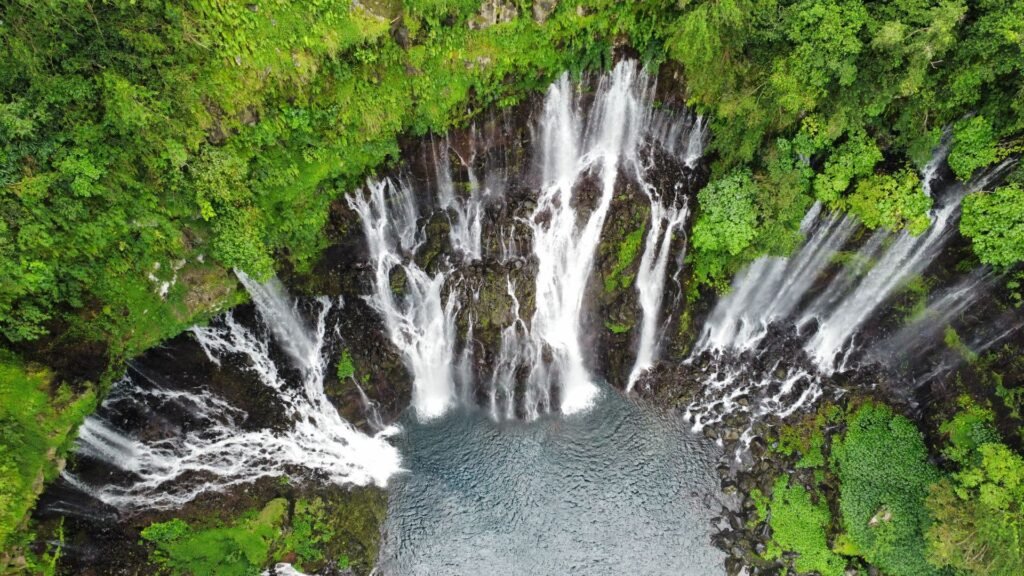
Hike to the waterfall above Wafer Bay
Bajo Alcyone
Dirty Rock
Dos Amigos Grande
Manuelita Garden
Silverado
Cocos Island can be dived year-round, but the two seasons offer different trade-offs. December to May is the dry season, bringing calmer crossings and clearer water, especially from January onward, though hammerhead numbers run lower. June to November is wetter and the crossing can be rougher, but it also brings the largest hammerhead schools, with the May to August window often cited as the best overlap of decent conditions and shark numbers.
There’s no airport on Cocos Island itself, and it can only be reached by boat. The nearest gateway is Juan Santamaría International Airport (SJO) near San José, from which it’s a road transfer to the departure port at Puntarenas. From there, the crossing to the island takes roughly 36 hours across open Pacific water, making Cocos a genuine expedition rather than a coastal hop.
Every vessel is restricted to two designated bays, Wafer Bay and Chatham Bay, both on the island’s more sheltered northern side. Wafer Bay sits beside the ranger station and is the usual check-in point on arrival, while Chatham Bay offers a slightly more open anchorage a short distance around the coast. No other overnight anchoring is permitted anywhere around the island, part of the strict conservation rules that protect the surrounding reserve.
Most itineraries run 8 to 12 nights in total, including the roughly 36-hour crossing from Puntarenas each way, which leaves around 5 to 9 days actually diving around the island. Shorter trips are possible in theory, but with three full days lost to crossings alone, most operators avoid anything shorter than a week to make the expedition worthwhile.
Yes. Cocos Island is a strictly protected national park, and every vessel must obtain a permit through Costa Rica’s park authority before anchoring, along with a per-guest conservation fee paid on arrival. Numbers are capped and rangers based at Wafer Bay monitor compliance throughout the visit. The rules exist to protect one of the last untouched pelagic ecosystems in the eastern Pacific, and they are enforced strictly.

Tell us what you would like to know, and our team will respond with clear details on availability, specification, pricing and next steps.


