Leeward Islands / Guadeloupe
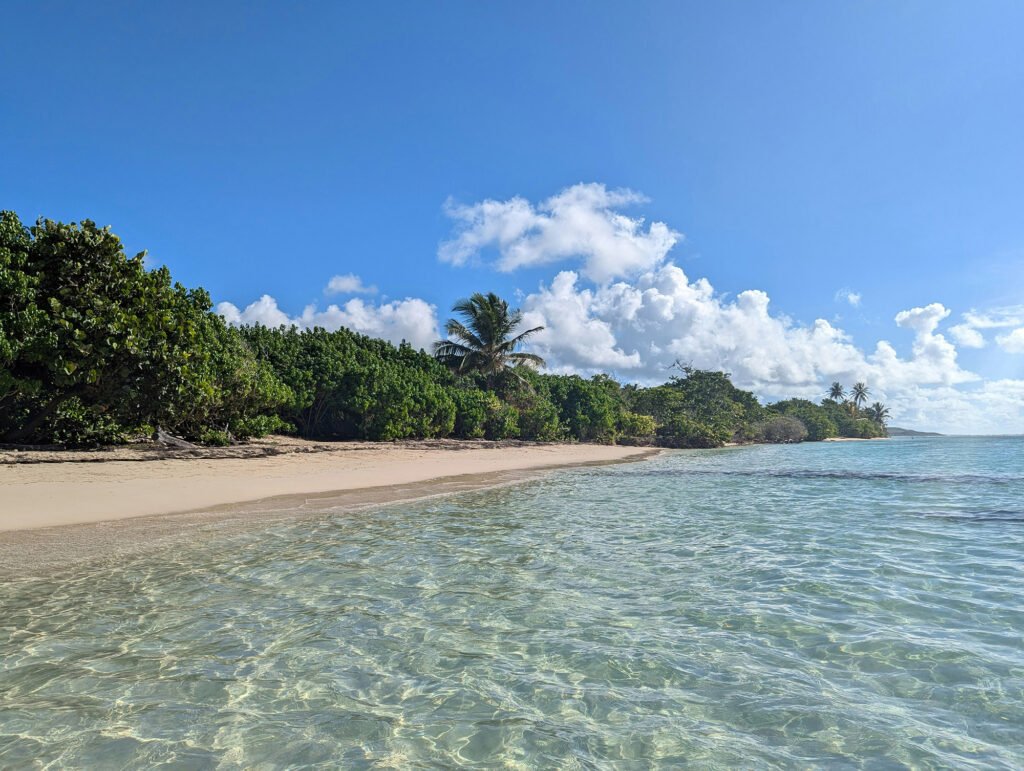
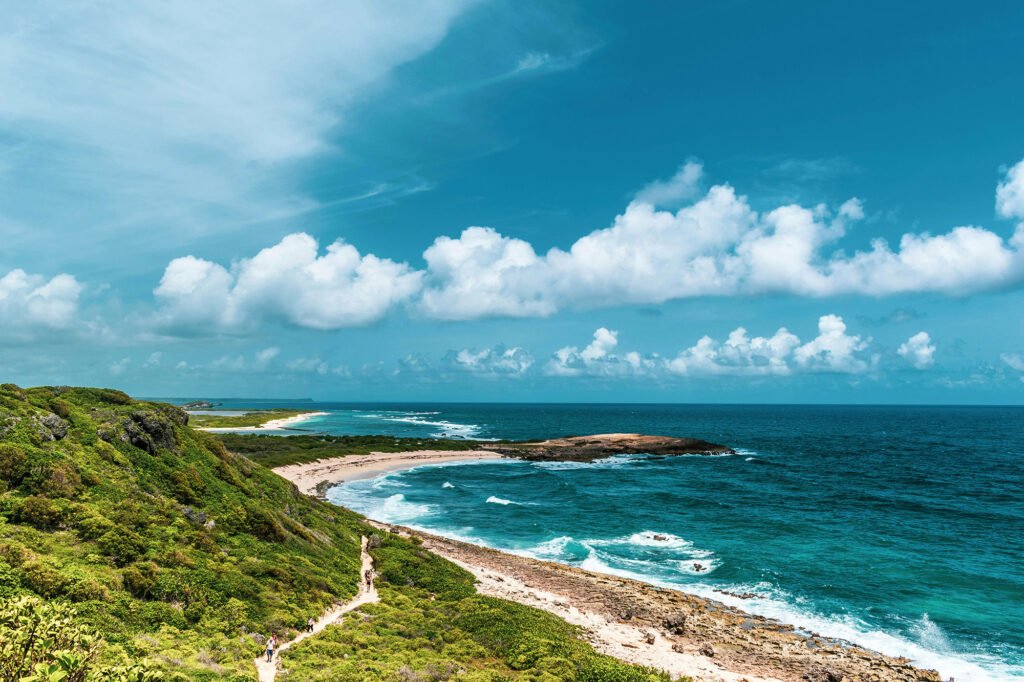
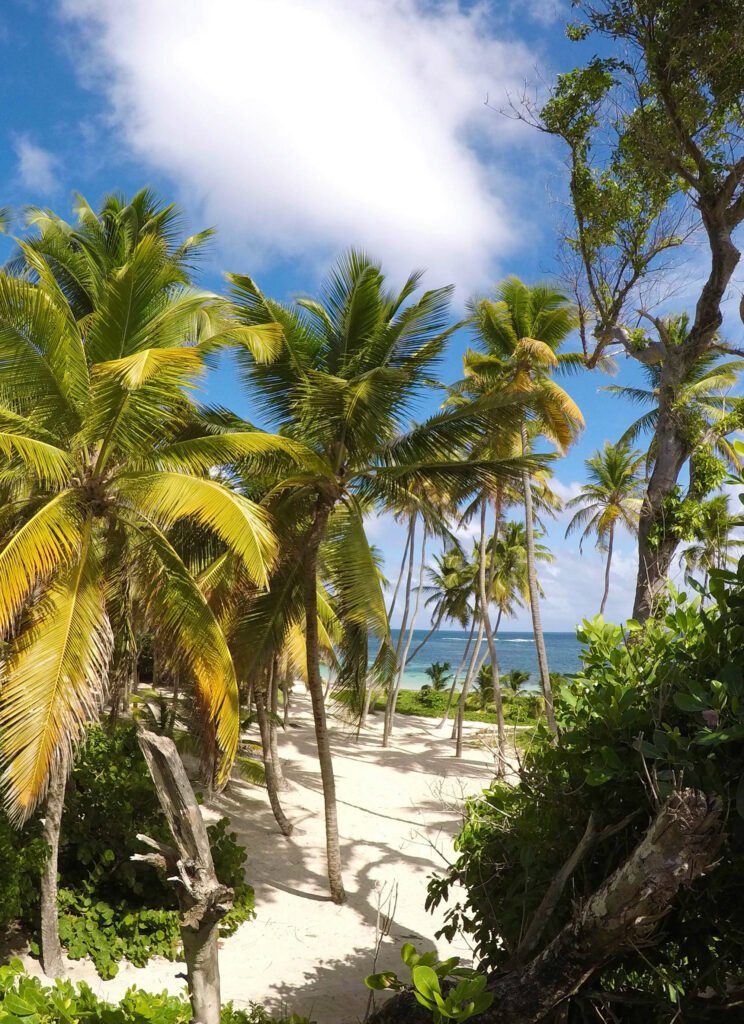
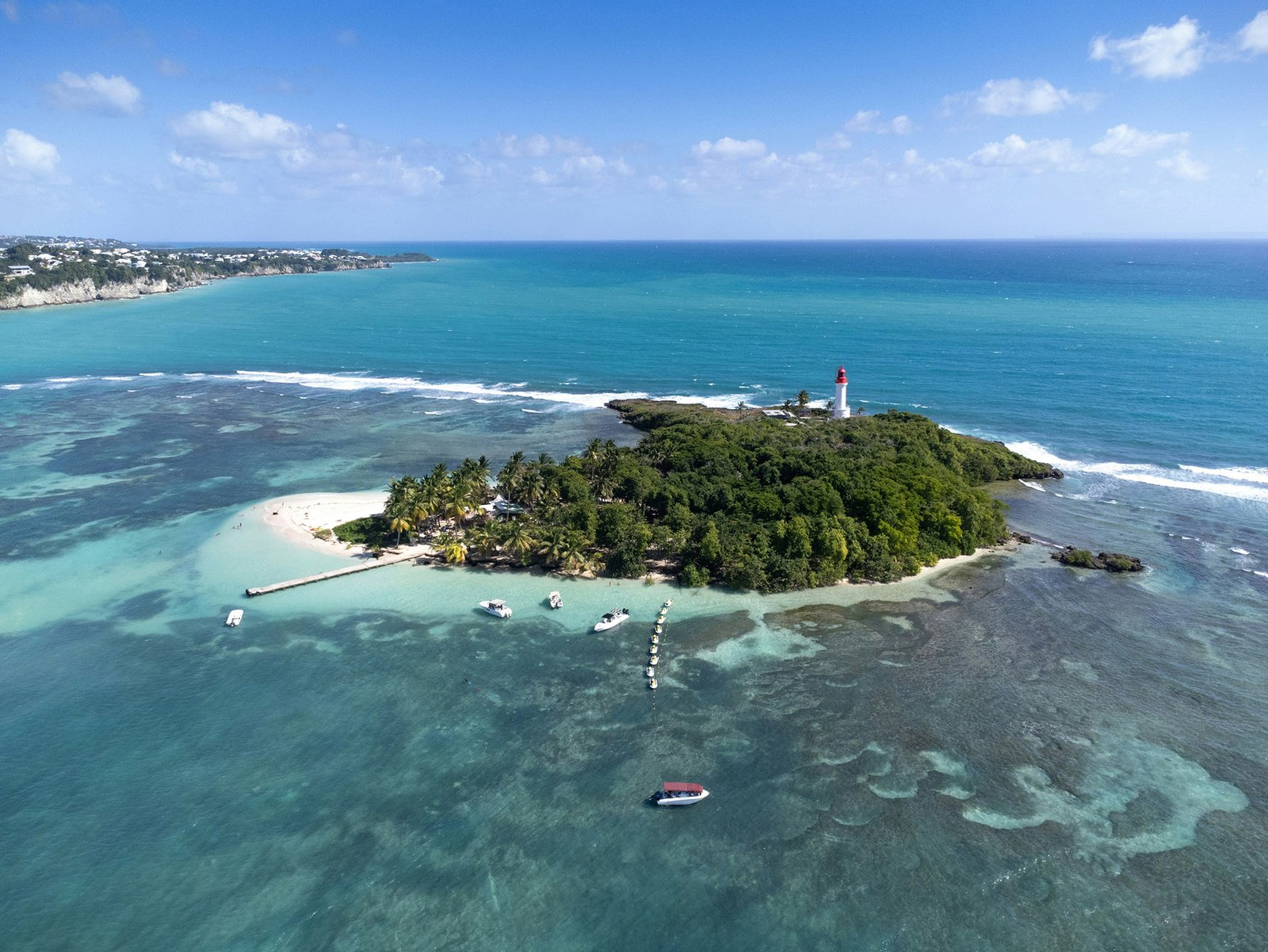
Ilets Pigeon, Bouillante
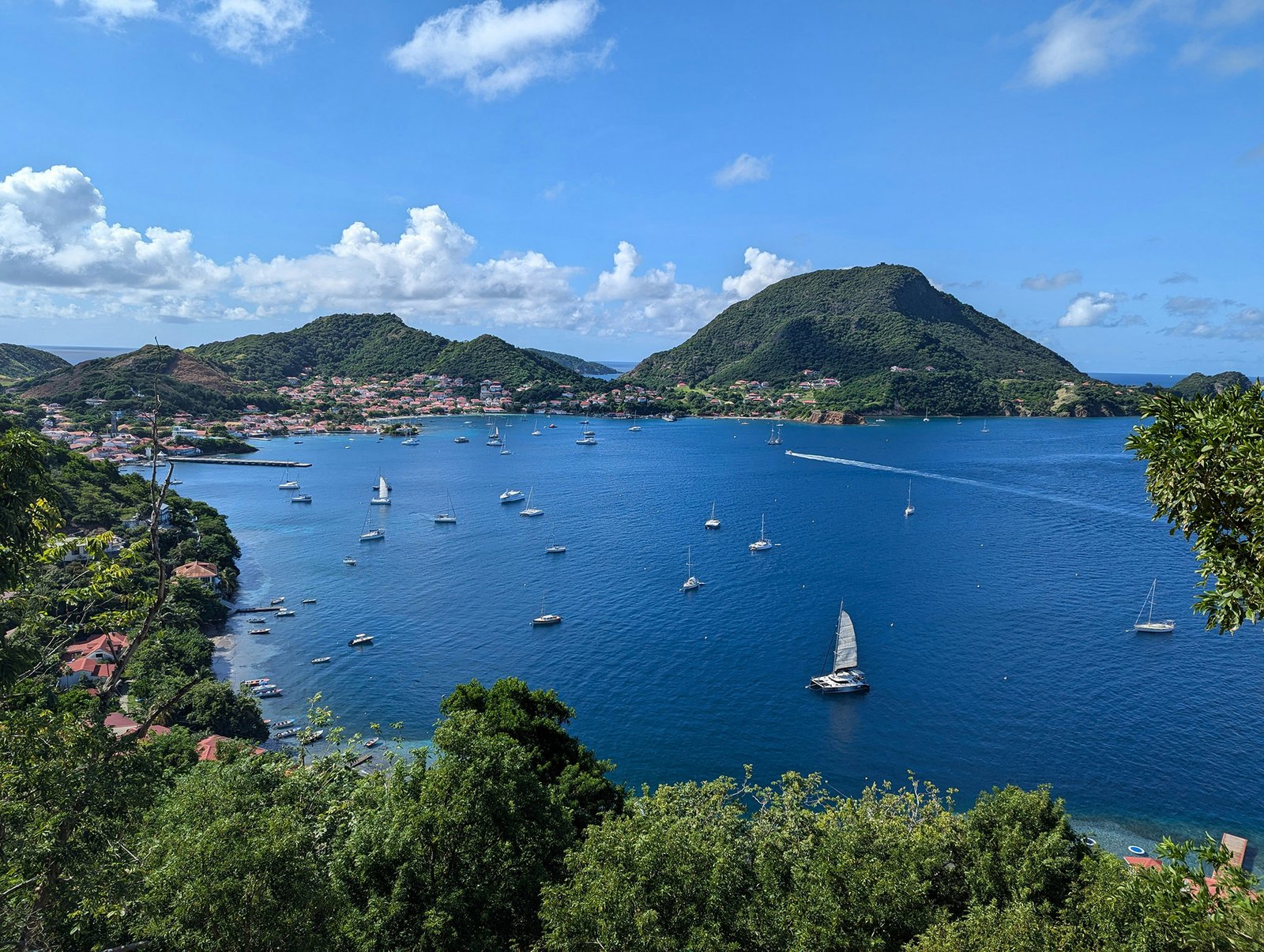
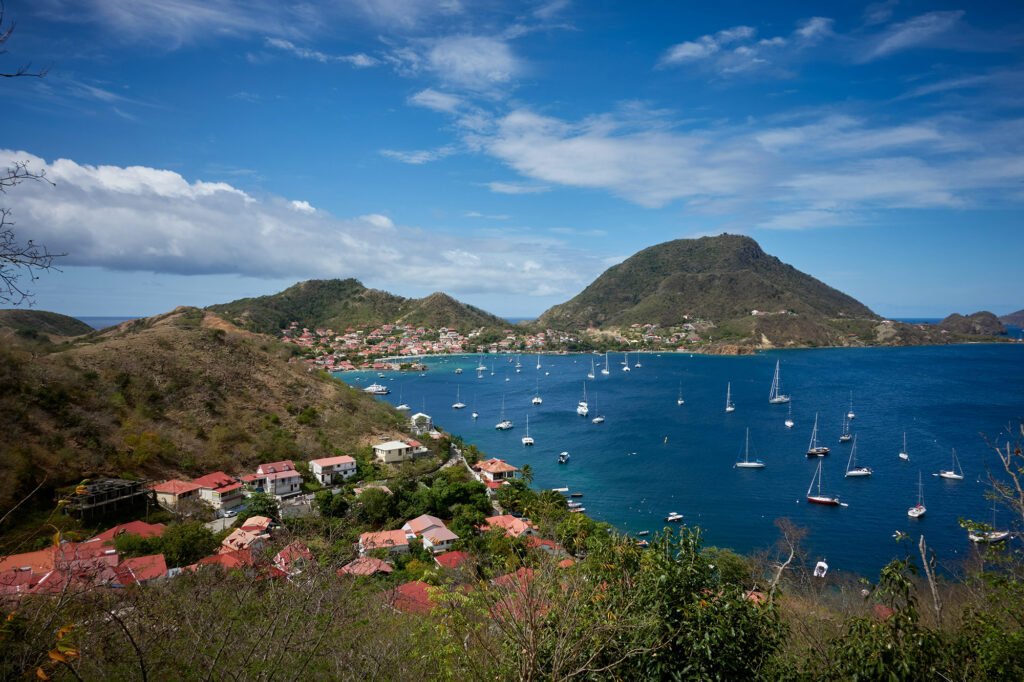
Terre-de-Haut, Les Saintes
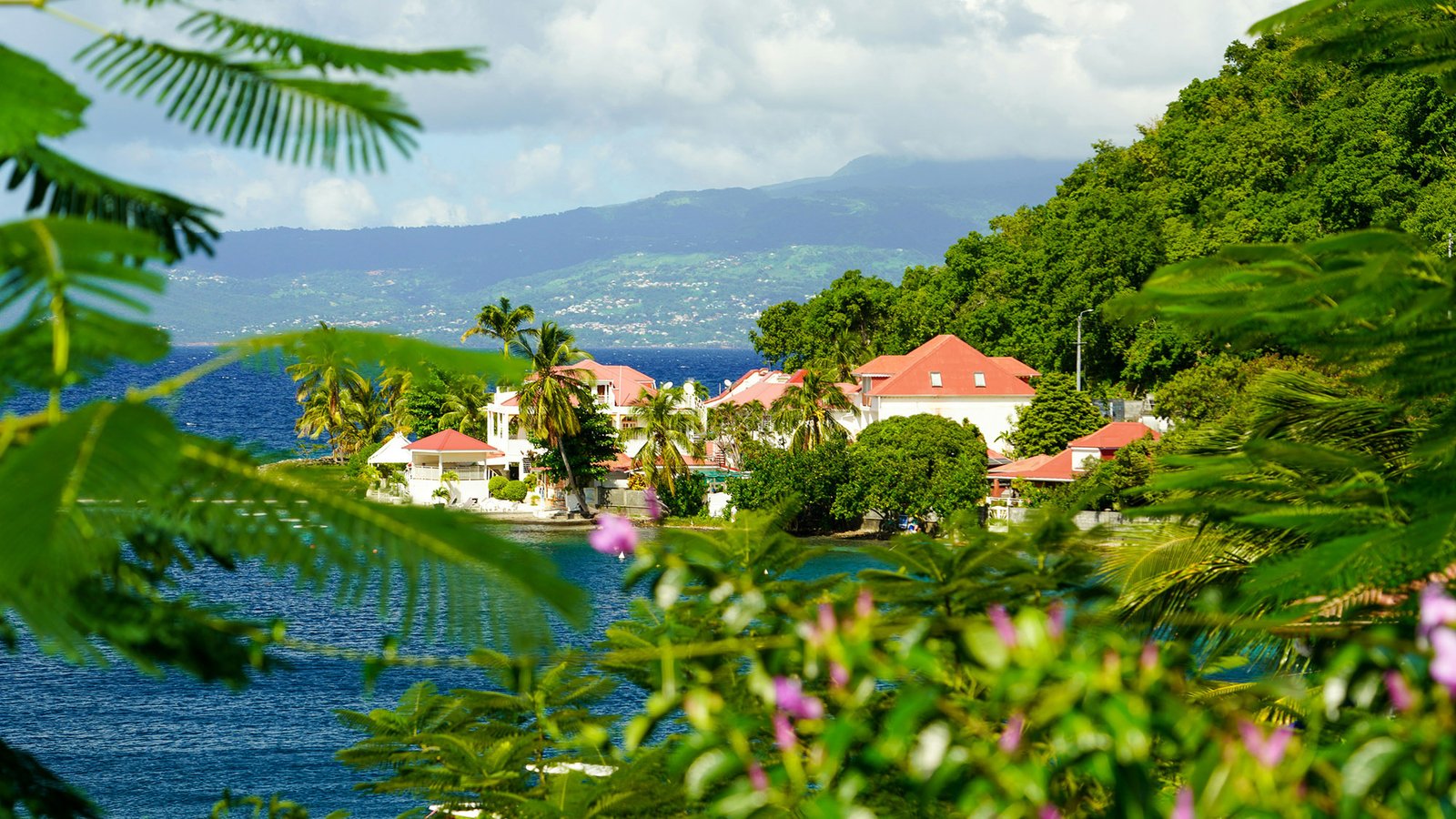
Deshaies Bay
Saint-Francois Marina
Grand-Bourg, Marie-Galante
Dive or snorkel the Cousteau Reserve at Ilets Pigeon
Hike to the Chutes du Carbet waterfalls
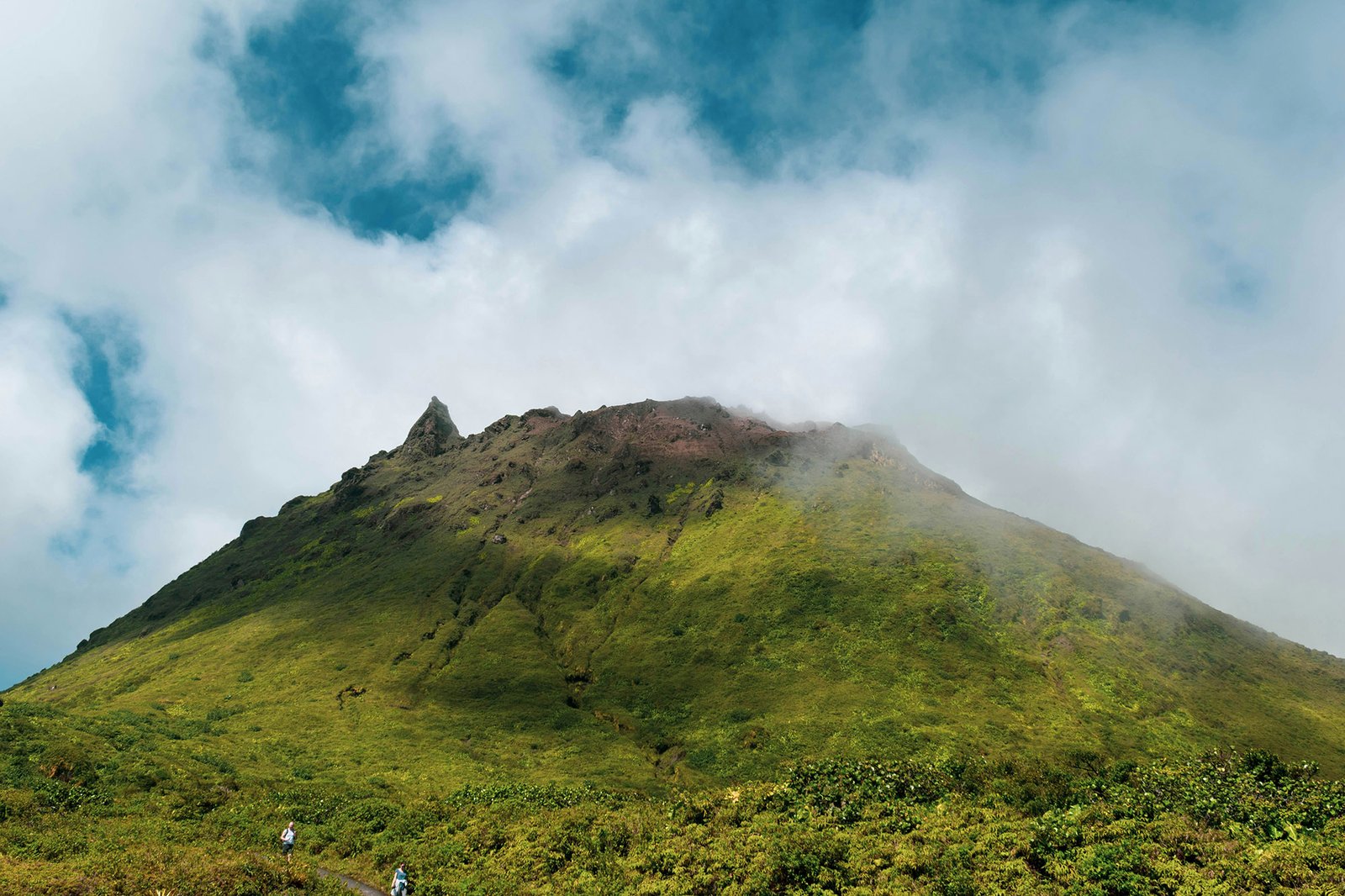
Climb La Soufriere’s summit trail
Kitesurf the Atlantic swell off Le Moule
Tour a rum distillery on Marie-Galante
Pointe-a-Pitre
Deshaies
Sainte-Anne
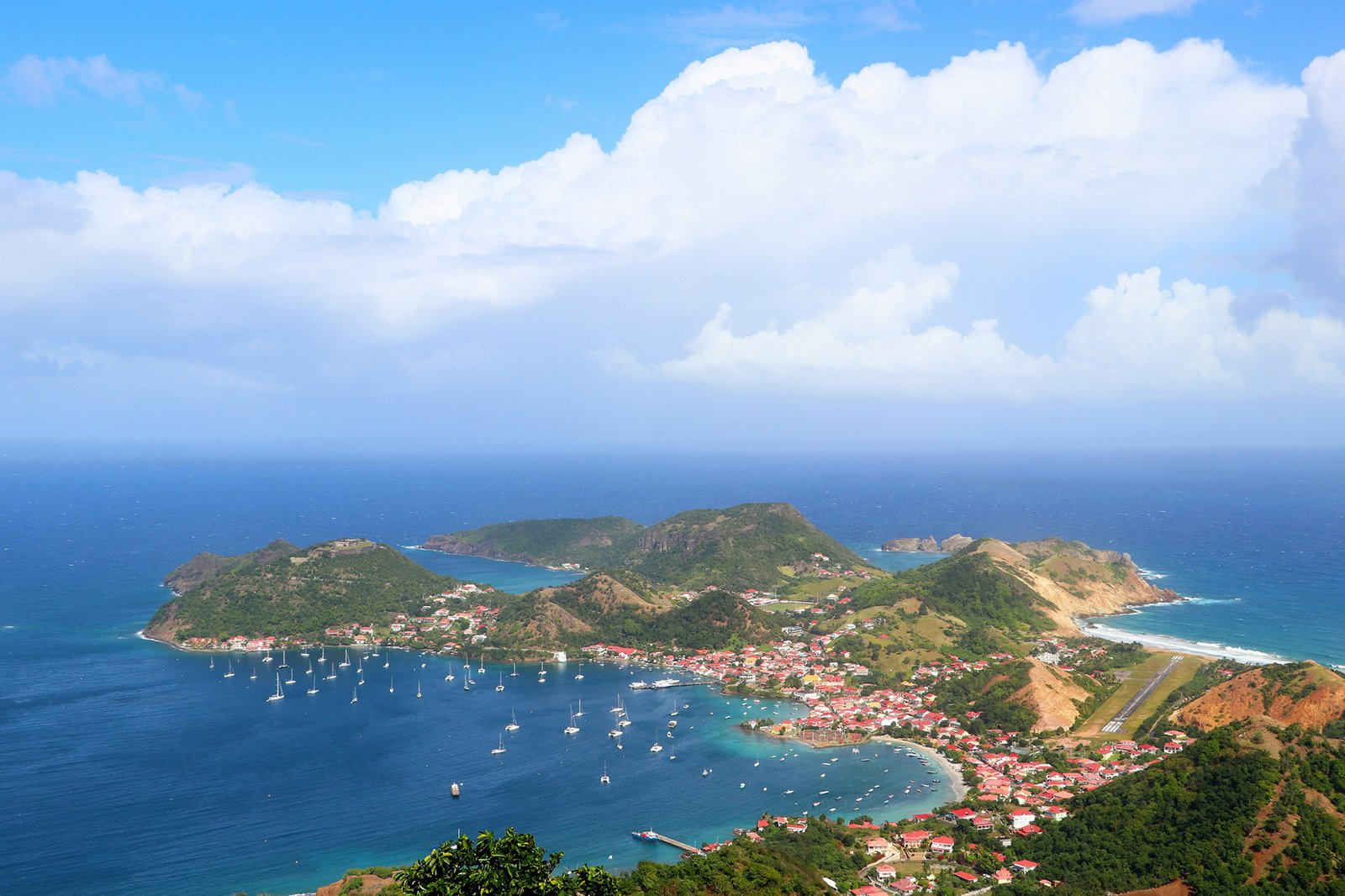
Terre-de-Haut village, Les Saintes
Marie-Galante
The dry season, from December through May and known locally as careme, gives the most settled weather and reliable trade winds for sailing. Hurricane season runs June to November, with the highest risk in August and September, so many charters avoid or keep a close eye on the forecast during that stretch. Water temperatures stay pleasant year-round, and the wetter season brings the rainforest interior at its greenest.
Most charters fly into Pointe-a-Pitre International Airport (PTP), also called Le Raizet, on the main island, with regular connections from Paris and the wider French Caribbean. Guests bound for Les Saintes or Marie-Galante usually clear the marina first, since both are a short ferry or day sail from Guadeloupe’s mainland rather than served by a useful airport of their own.
Terre-de-Haut in Les Saintes is the standout, its sheltered bay ringed by hills and considered one of the prettiest anchorages in the region. Deshaies, on Basse-Terre’s north-west coast, offers a calm, deep bay backed by a laid-back village, while Ilets Pigeon combines a good overnight spot with the Cousteau Reserve’s diving right off the boat.
A week gives enough time to combine Basse-Terre’s rainforest and diving with a couple of nights in Les Saintes and a stop on Marie-Galante for its distilleries and quiet beaches. Ten days to two weeks allows a fuller loop, adding Grande-Terre’s beaches and, conditions permitting, a passage further south toward Dominica.
Guadeloupe is a full department of France, so it uses the euro, follows EU and French maritime regulations, and EU nationals need no visa. Non-EU crew and guests should carry a valid passport as they would for mainland France. Provisioning is easy given the excellent French produce, wine and bakeries available even in small marinas, and check-in follows standard French customs procedure rather than a separate island process.

Tell us what you would like to know, and our team will respond with clear details on availability, specification, pricing and next steps.