Thailand / Koh Tao
Sairee Bay
Mango Bay
Chalok Baan Kao
Ao Leuk
Tanote Bay
Dive Chumphon Pinnacle
Dive Sail Rock
Snorkel Koh Nang Yuan
Hike the John-Suwan Viewpoint Trail
Earn a PADI Open Water Certification
Koh Nang Yuan
Freedom Beach
John-Suwan Viewpoint
Sairee Beach
Mango Bay
01
Visibility is best from March to May and again from September to October, when it regularly exceeds twenty metres and can reach thirty metres in April. The monsoon months of November to January bring rougher seas and visibility can drop to as little as five metres. Whale sharks are most often sighted during the same two shoulder windows, drawn in by plankton blooms around pinnacles such as Chumphon and Sail Rock.
02
Koh Tao has no airport of its own, so guests fly into Koh Samui, Surat Thani or Chumphon first. From Koh Samui, a high-speed catamaran takes around ninety minutes; from Chumphon, the crossing is closer to an hour and three quarters. Many charters simply cruise between Koh Samui and Koh Tao directly, folding the transfer into the itinerary rather than treating it as a separate leg.
03
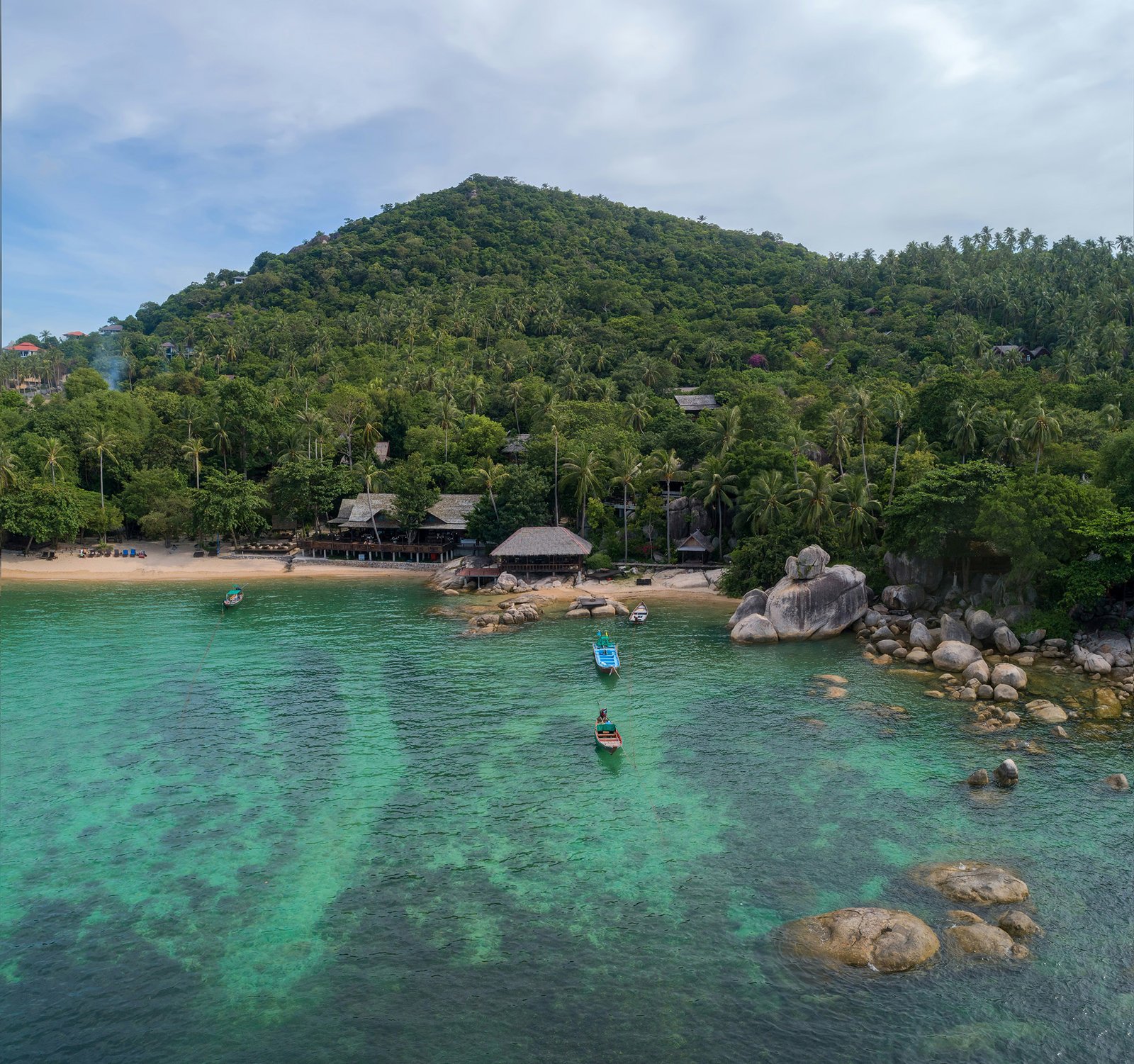
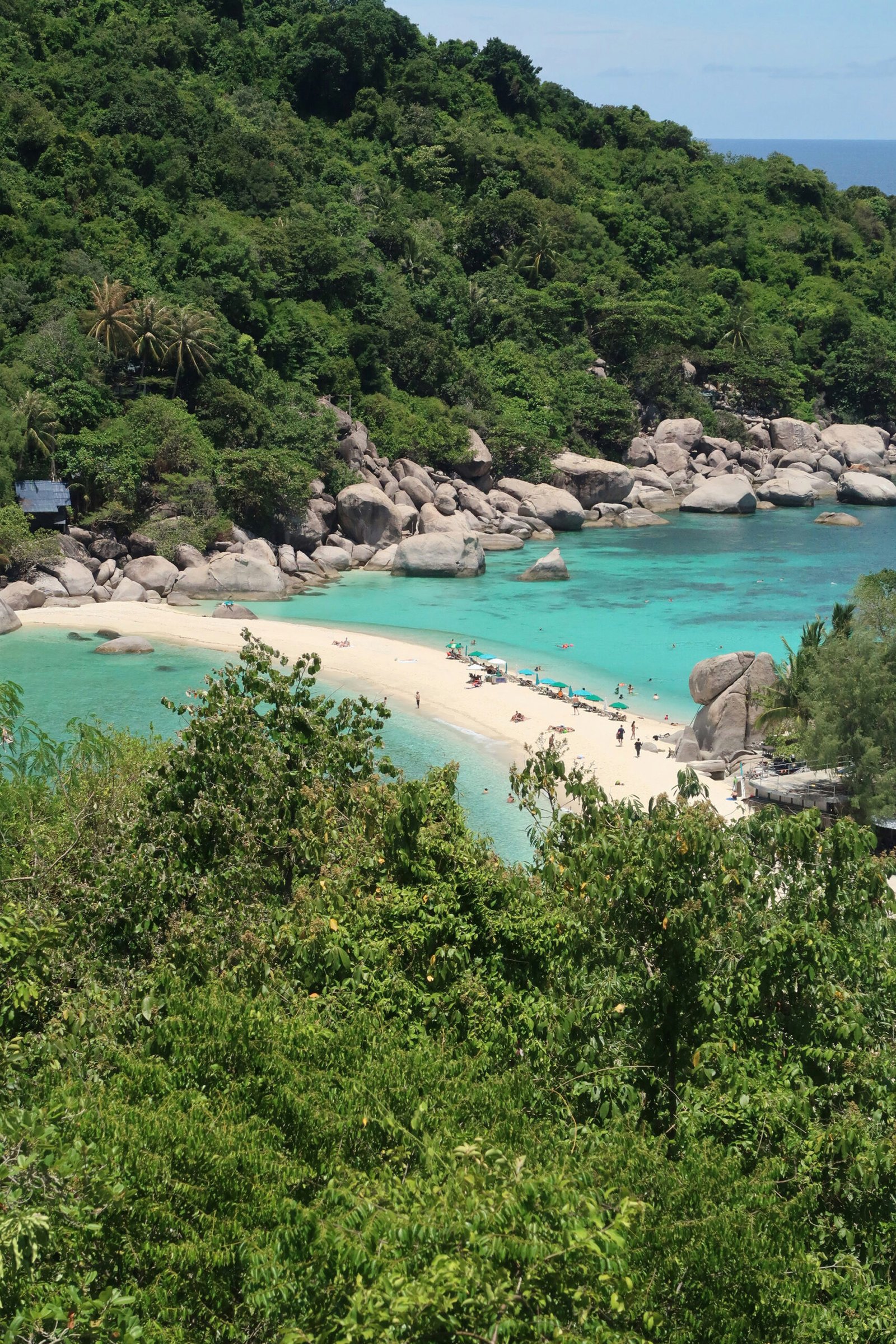
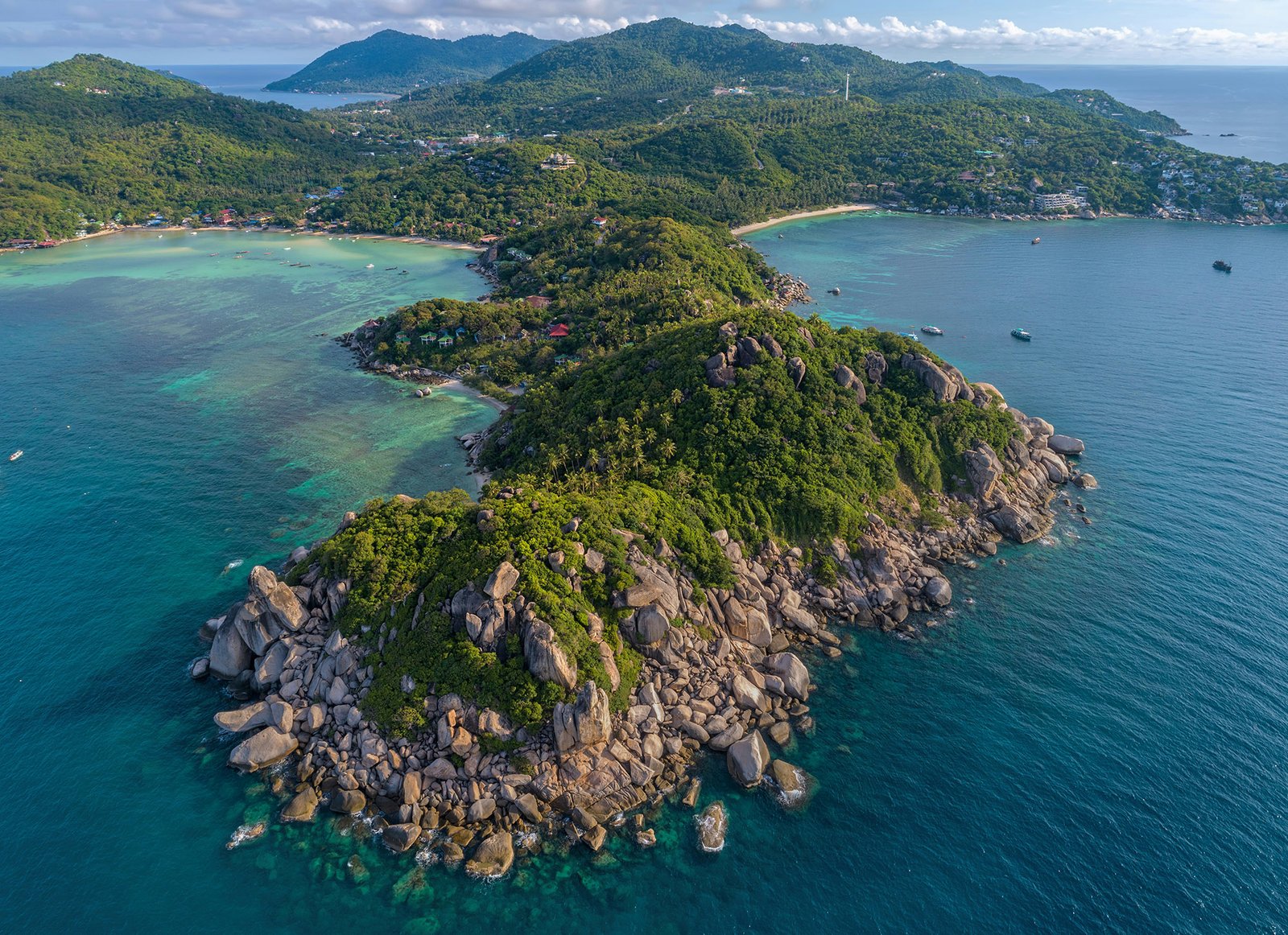
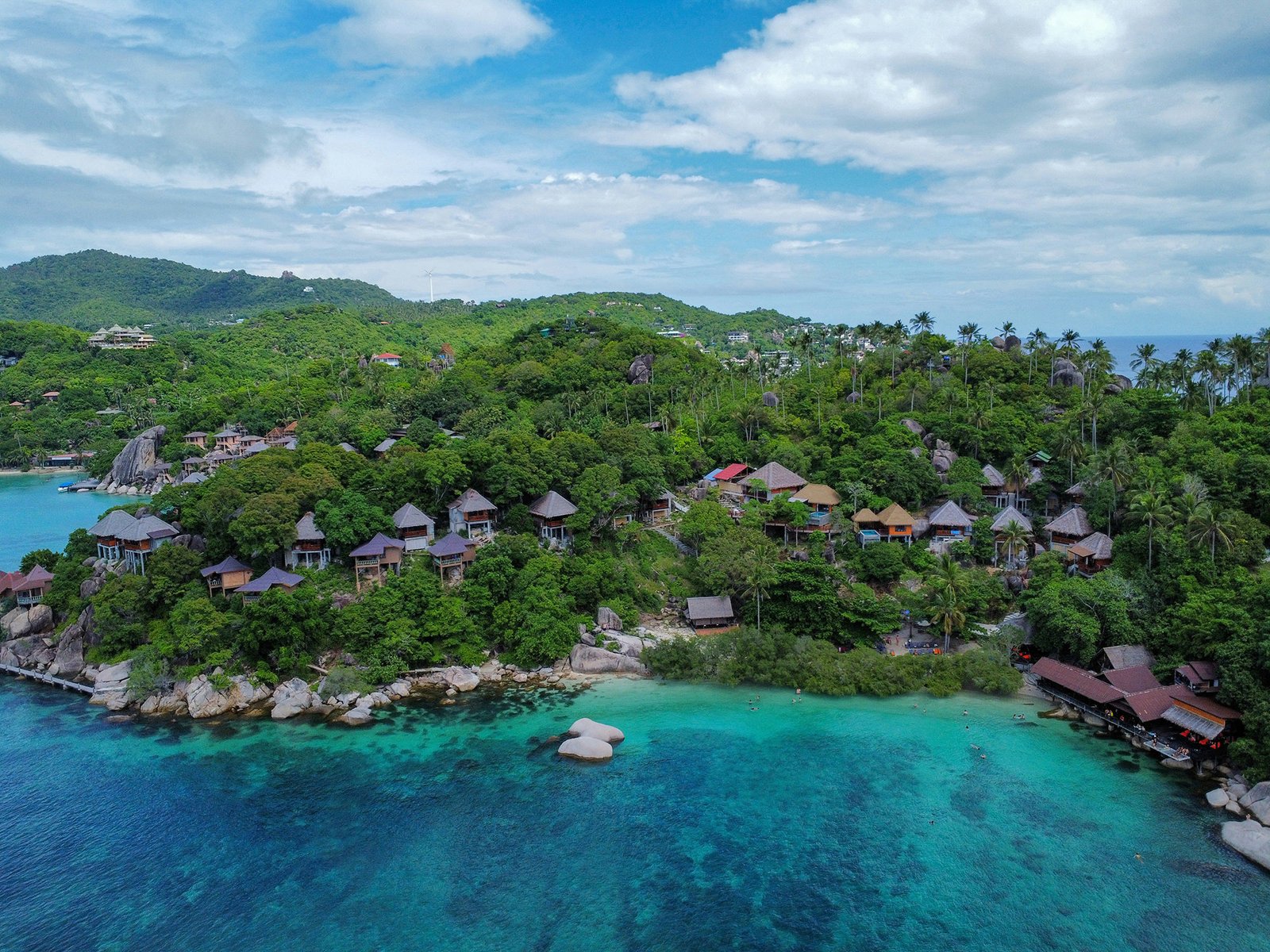
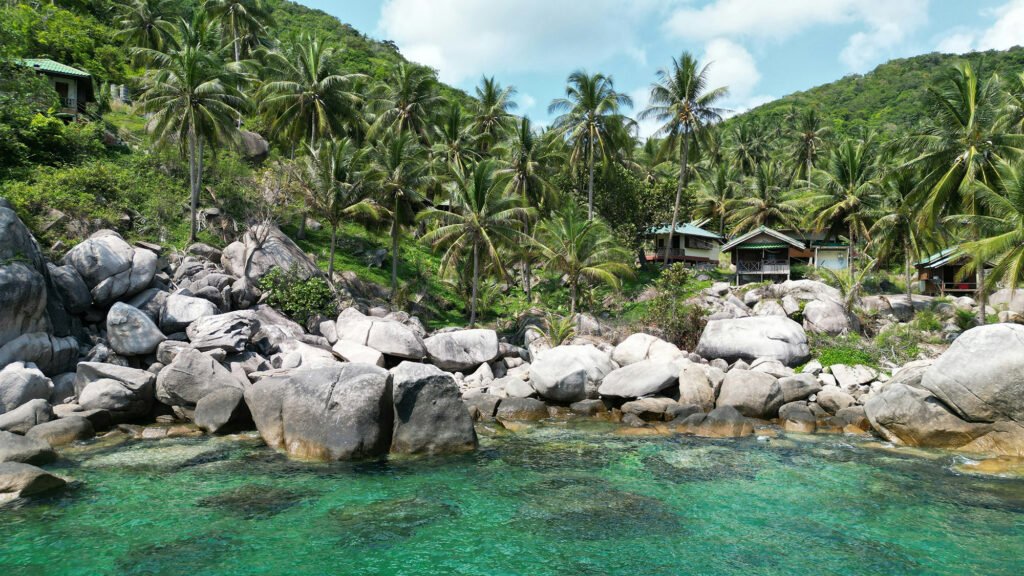
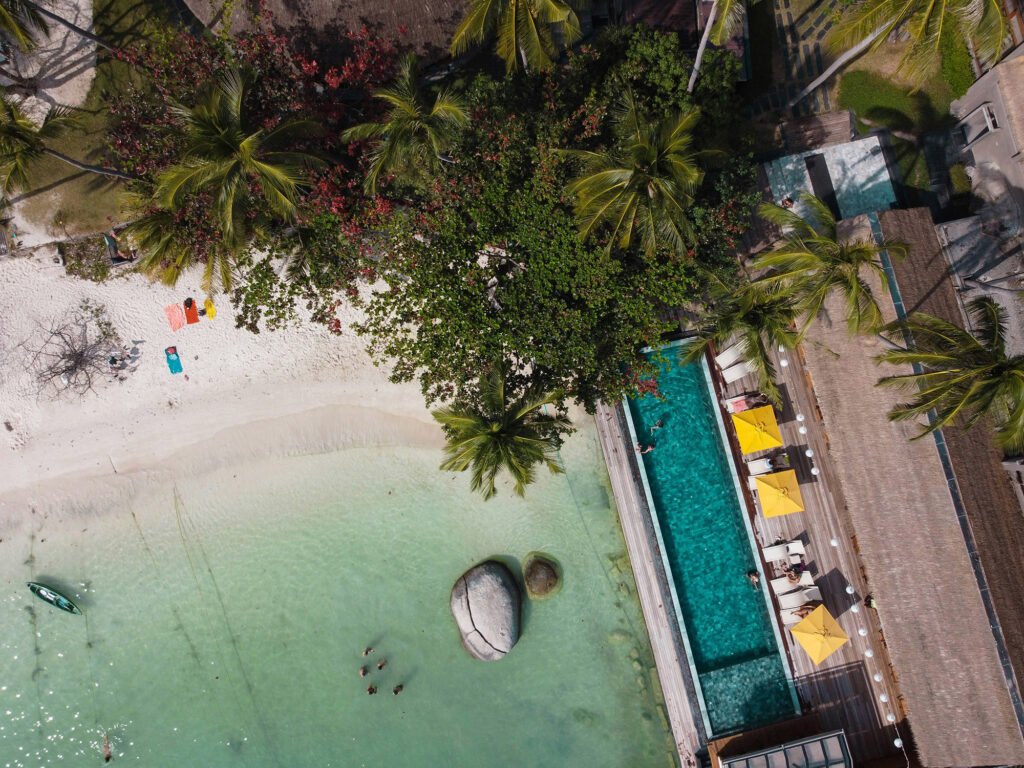
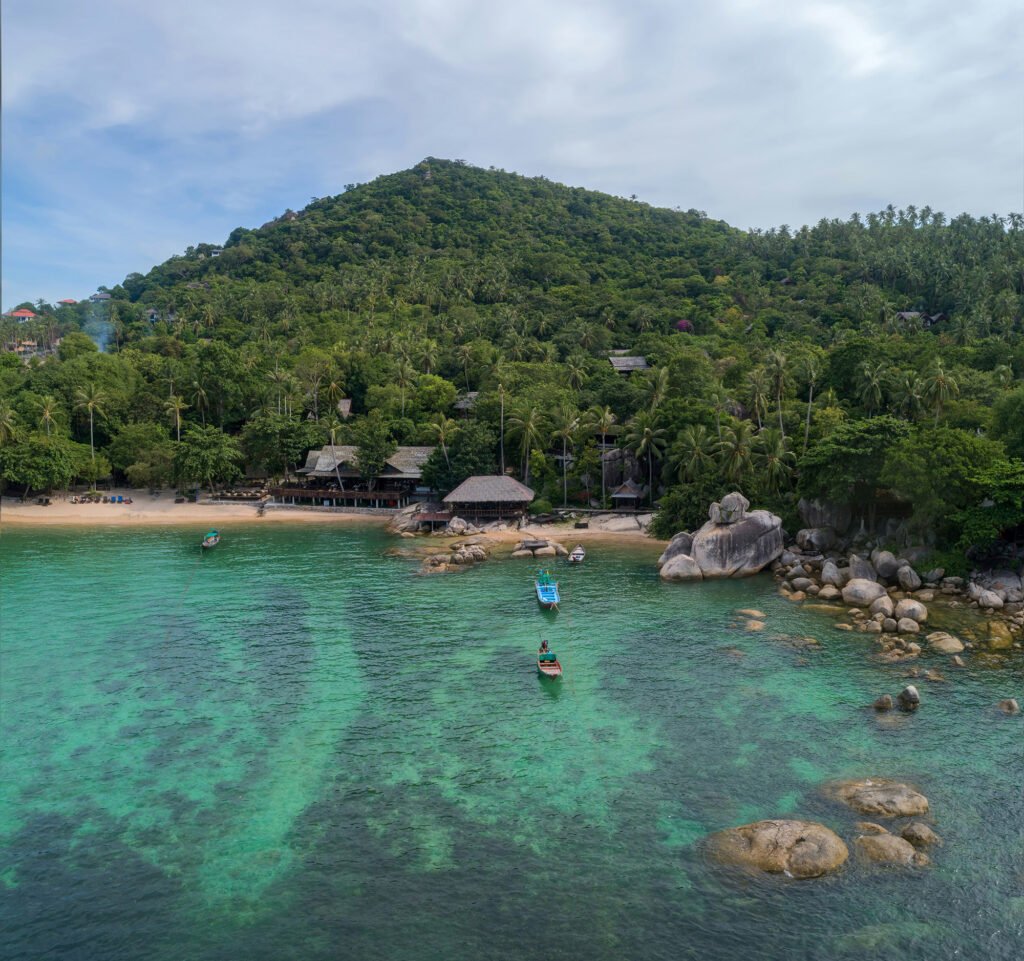
Sairee Bay, on the west coast, is the most sheltered and puts the island’s restaurants and dive shops within easy reach, though it can feel busy in peak season. Mango Bay, just north, offers calmer waters with fewer boats. On the east side, Tanote Bay and Ao Leuk stay protected when the wind swings around, and both double as good snorkelling stops in their own right.
04
Two to three days let guests dive several of Koh Tao’s best-known sites, snorkel at Koh Nang Yuan and still have time ashore in Sairee. Anyone working towards a PADI Open Water certification should plan for at least three to four days of instruction, best done at the start of a longer charter so the rest of the itinerary can be spent diving independently rather than in the classroom.
05
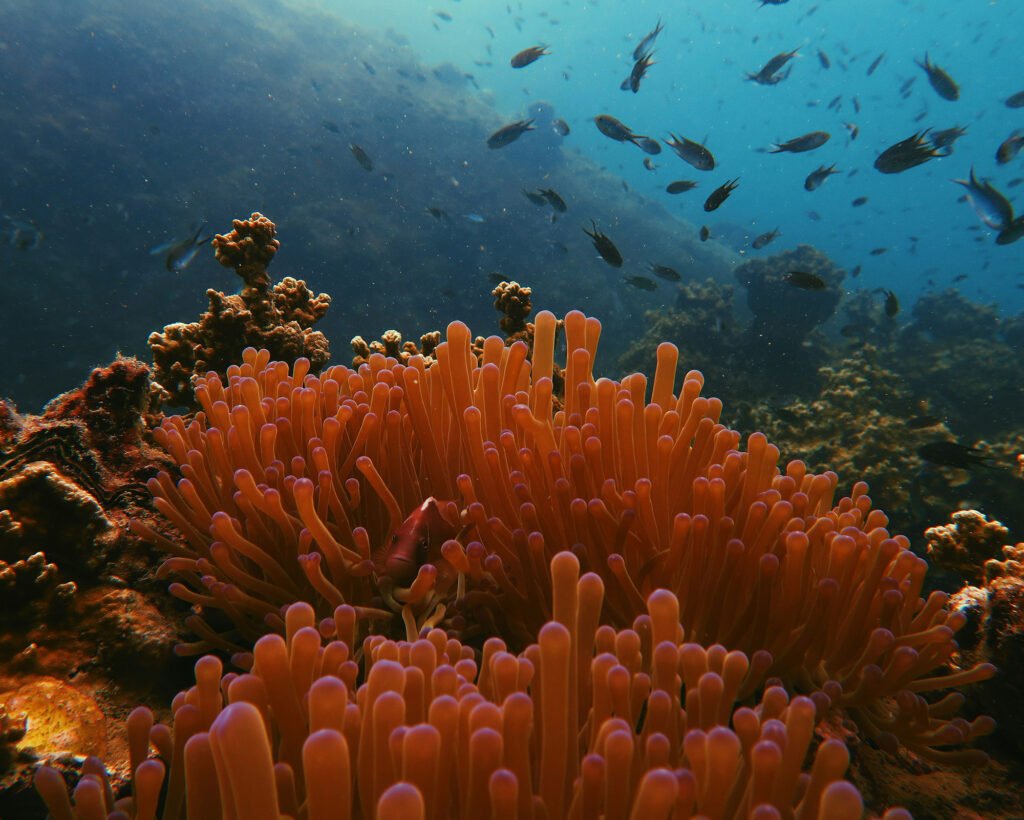
Koh Tao has built its reputation almost entirely on diving, with dozens of schools operating out of Sairee and Chalok Baan Kao and a dive site for nearly every skill level within a short boat ride. Encounter rates for whale sharks climb to around fifteen to twenty percent during the March to May and September to October windows, against as little as two to five percent the rest of the year, making timing worth planning around.

Tell us what you would like to know, and our team will respond with clear details on availability, specification, pricing and next steps.