Greece / Elafonissos
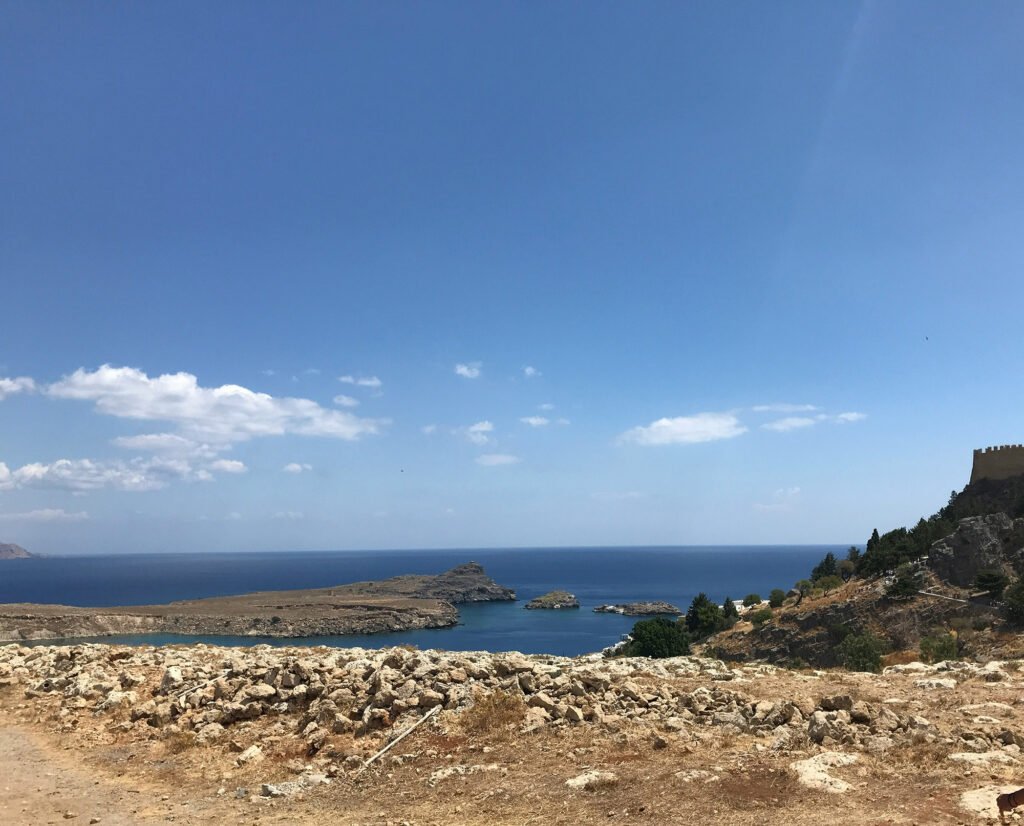
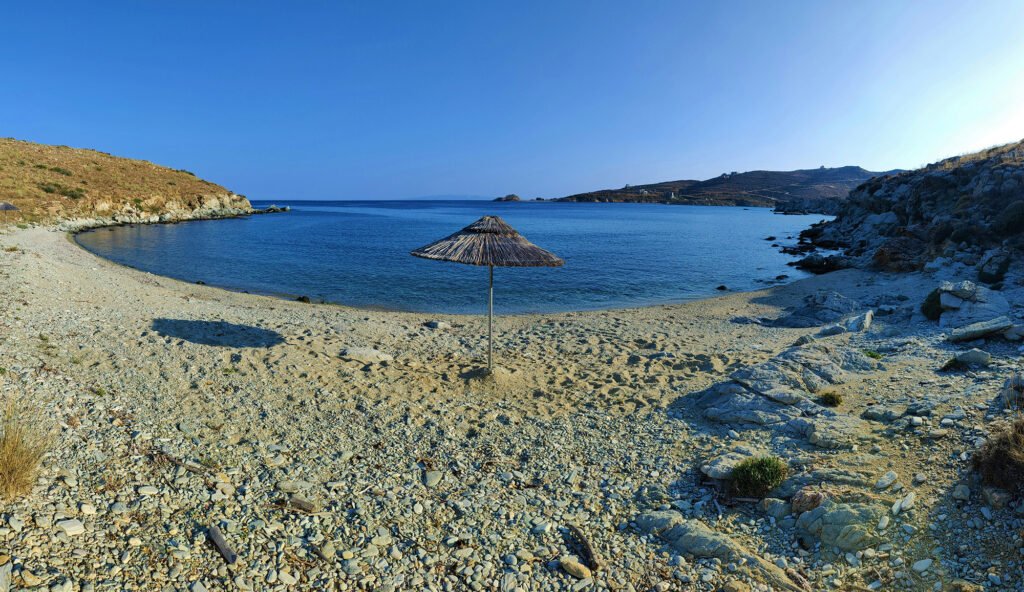
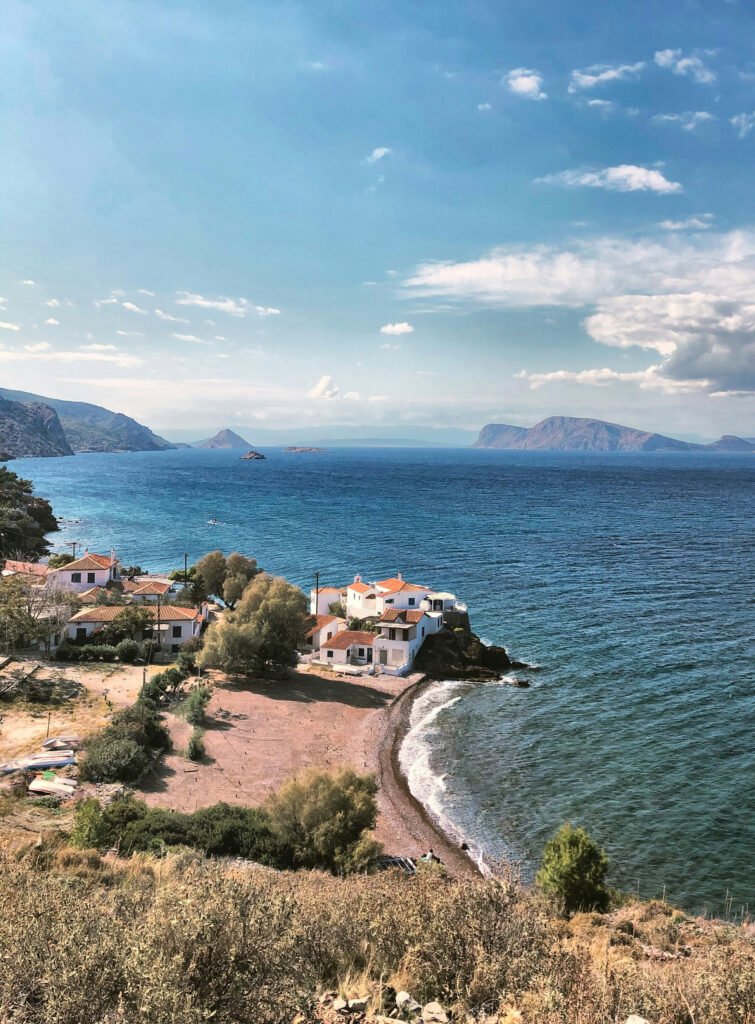
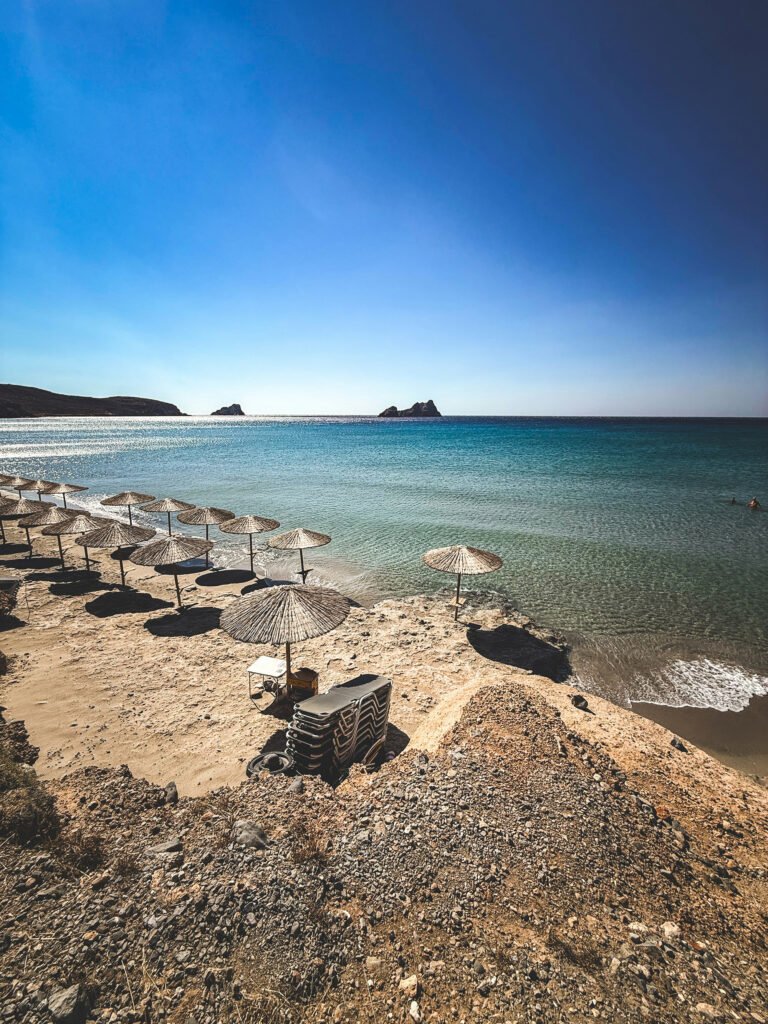
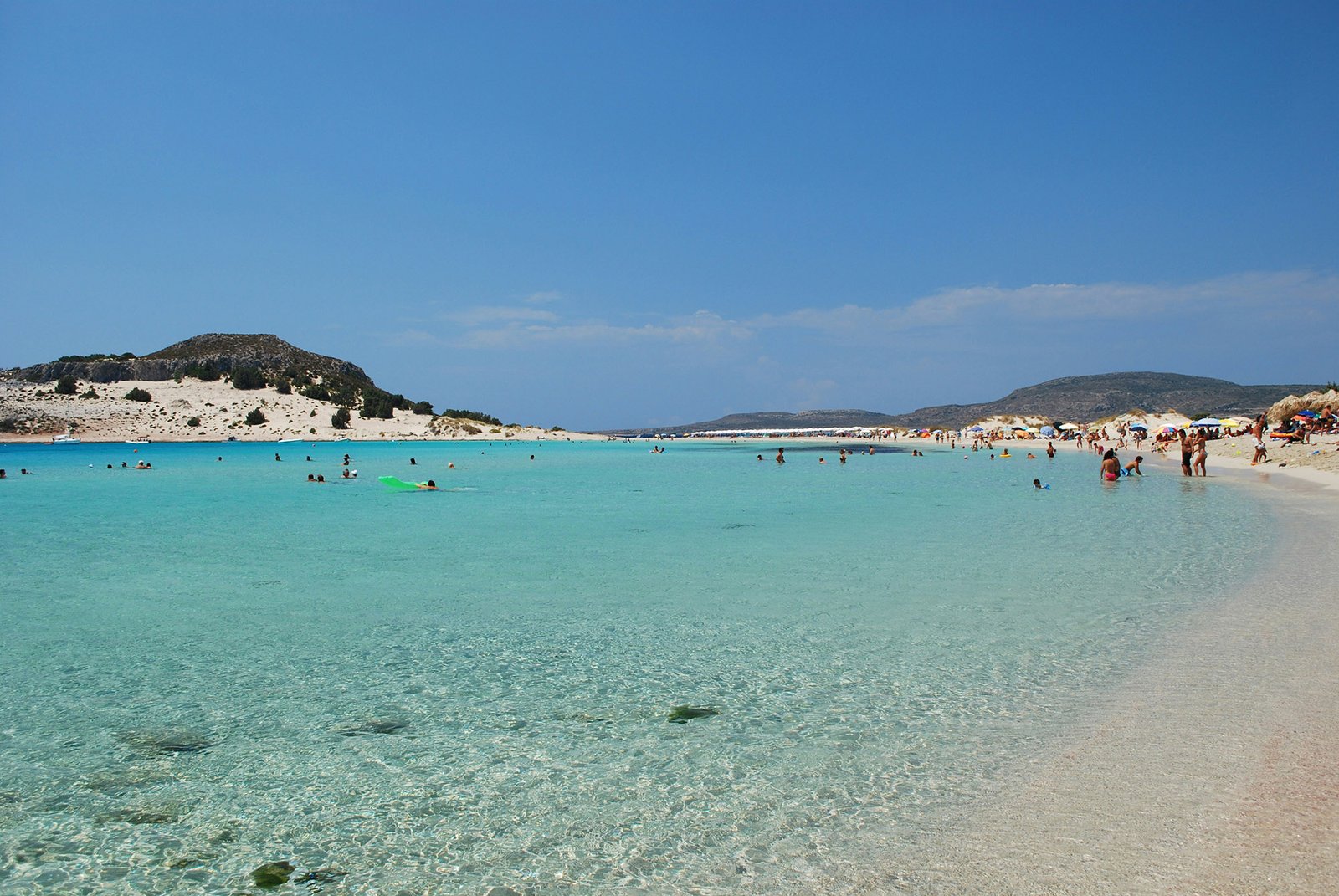
Simos Beach
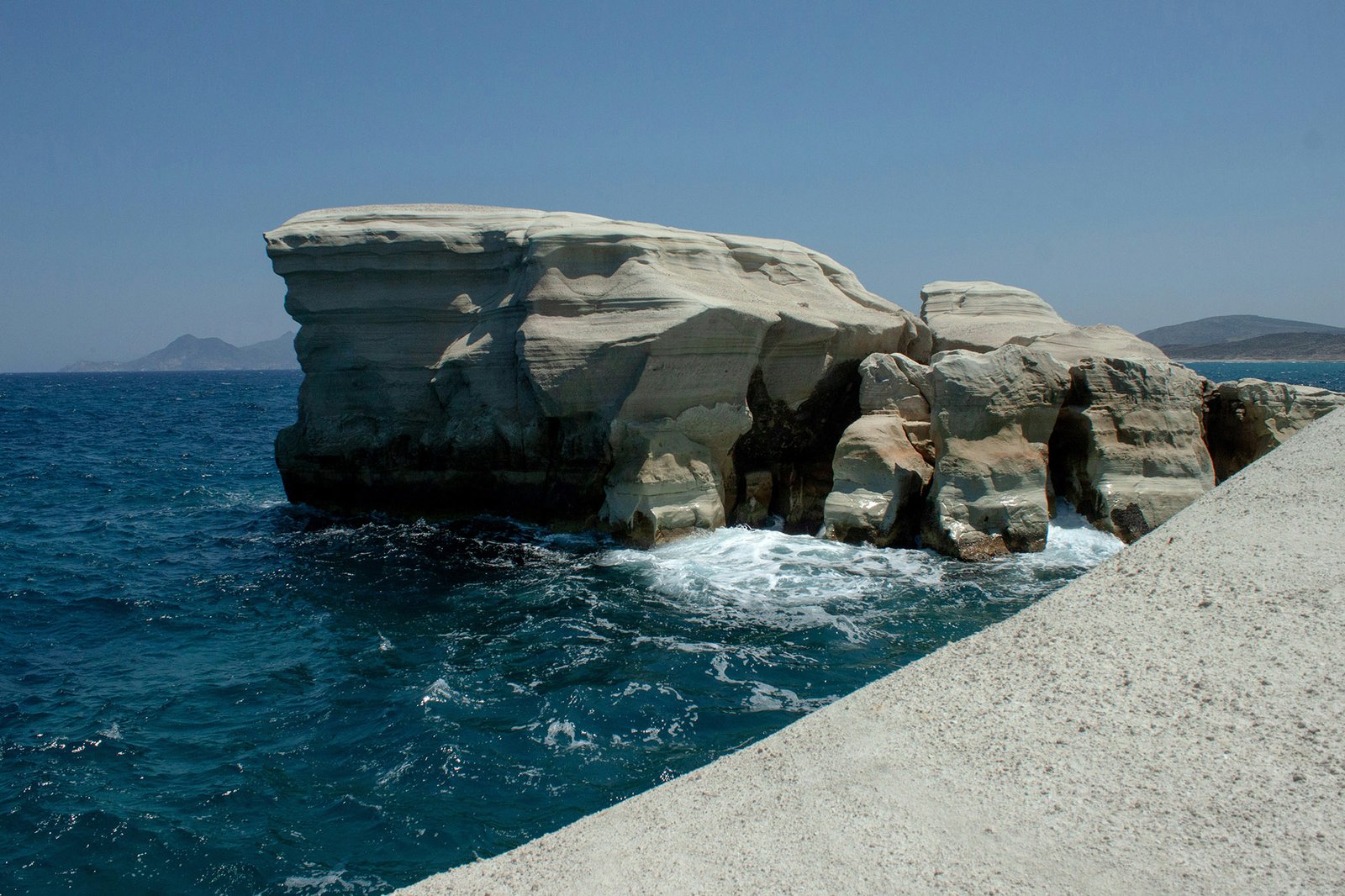
Sarakiniko Beach
Lefki Beach
Kontogoni Beach
Kalogeras Beach
Swim the double bay at Simos Beach
Snorkel over the sunken Bronze Age ruins of Pavlopetri
Beach-hop by tender between Sarakiniko, Lefki and Kontogoni
Wait out weather in the sheltered strait before rounding Cape Maleas
Dine on fresh fish at a taverna in Elafonissos village
Simos Beach
Pavlopetri, the oldest submerged town in the world
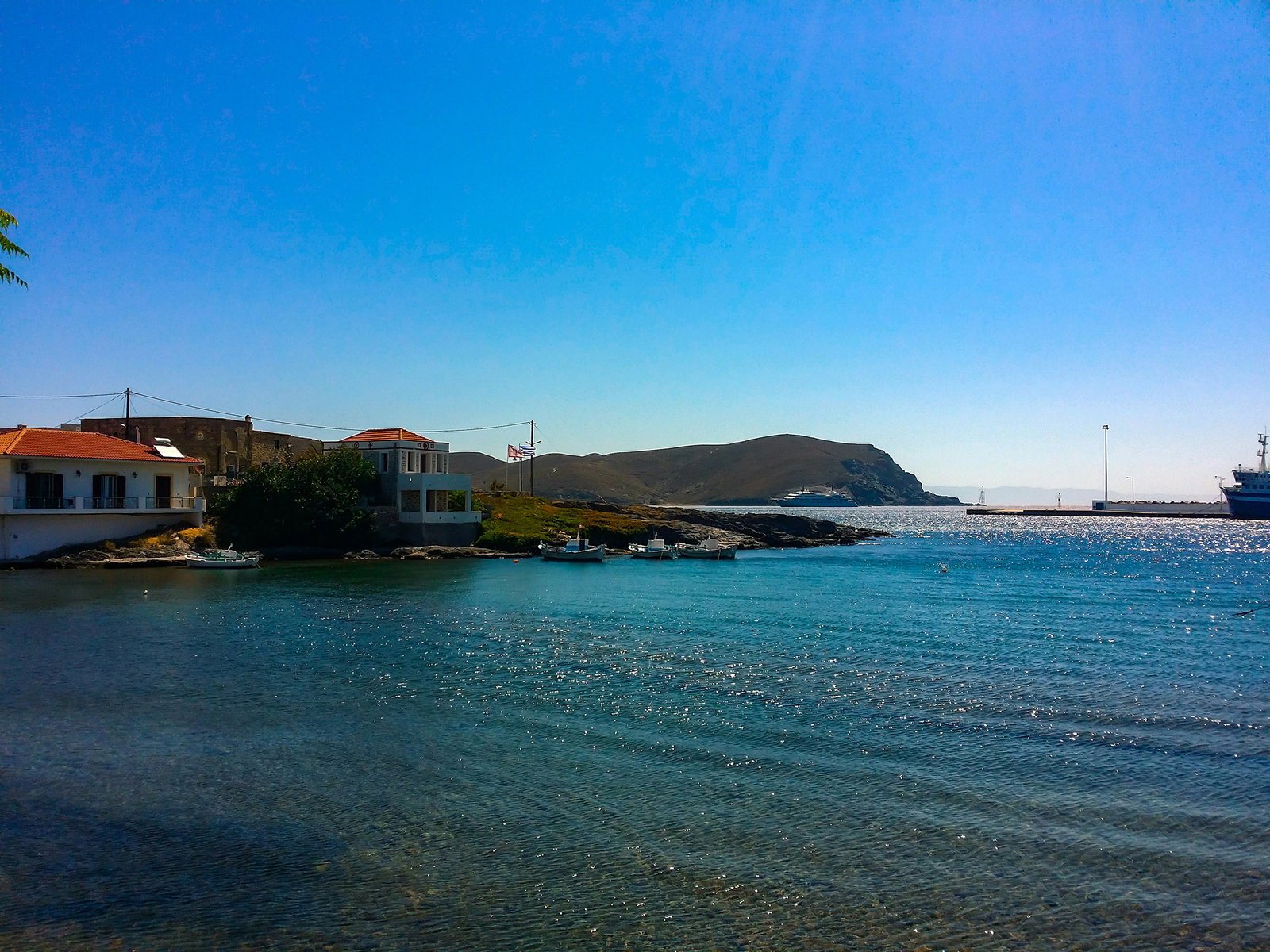
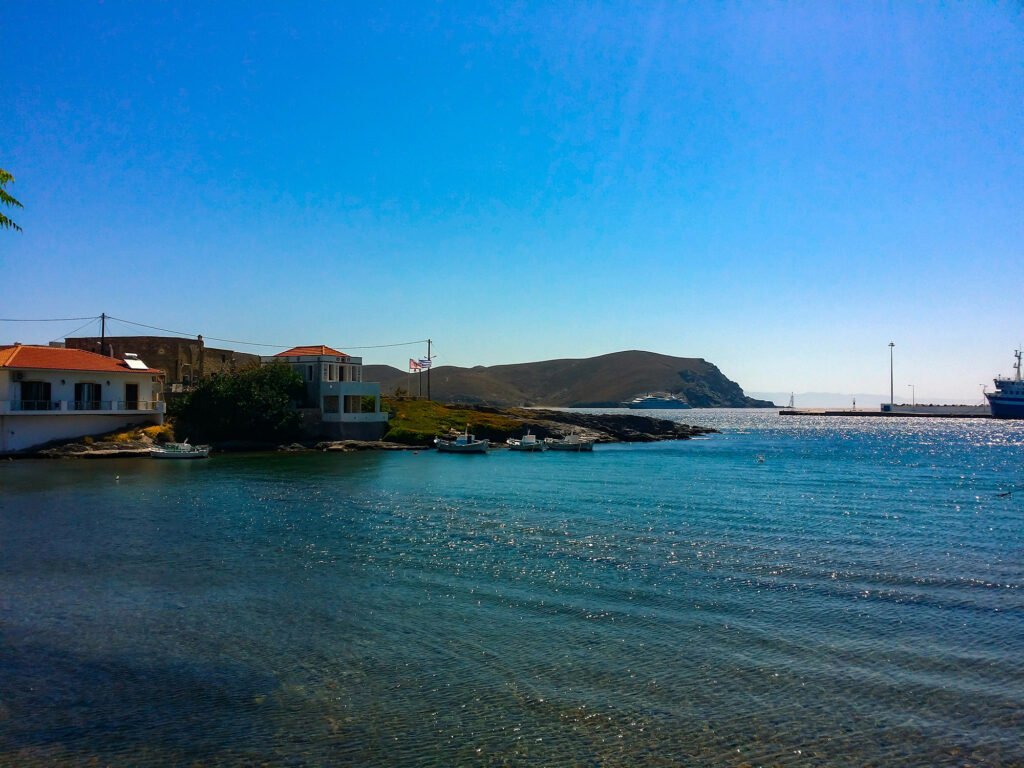
Elafonissos village and its harbour
Kalogeras Beach, near further traces of the sunken settlement
Pounta, the mainland crossing point across the narrow strait
The sailing season here runs roughly May to October, but Simos Beach gets genuinely crowded in July and August, when day-trippers cross from the mainland at Pounta in growing numbers. Arriving early in the morning or visiting in June or September gives guests the same warm water and white sand with far fewer people ashore, while the anchorage itself stays calm throughout the summer regardless of the crowds on the beach.
Elafonissos has no airport of its own; the technically nearest is the small Kythira Island Airport, though it has limited seasonal flights. Most charter guests instead fly into Kalamata International Airport on the mainland, roughly three hours by road from the Pounta crossing opposite the island, or simply join a yacht already cruising the Peloponnese and Laconian Gulf rather than travelling to the island directly.
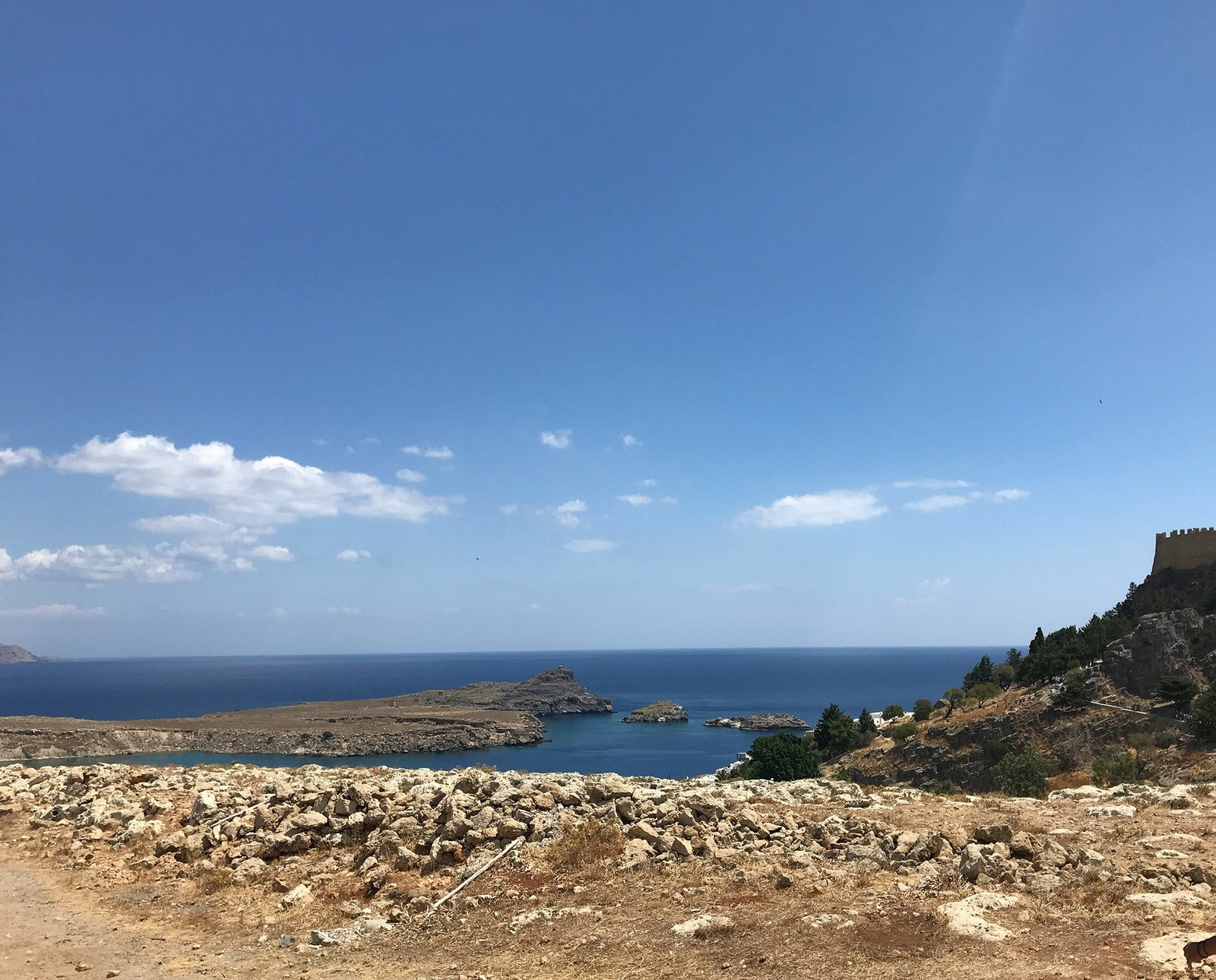
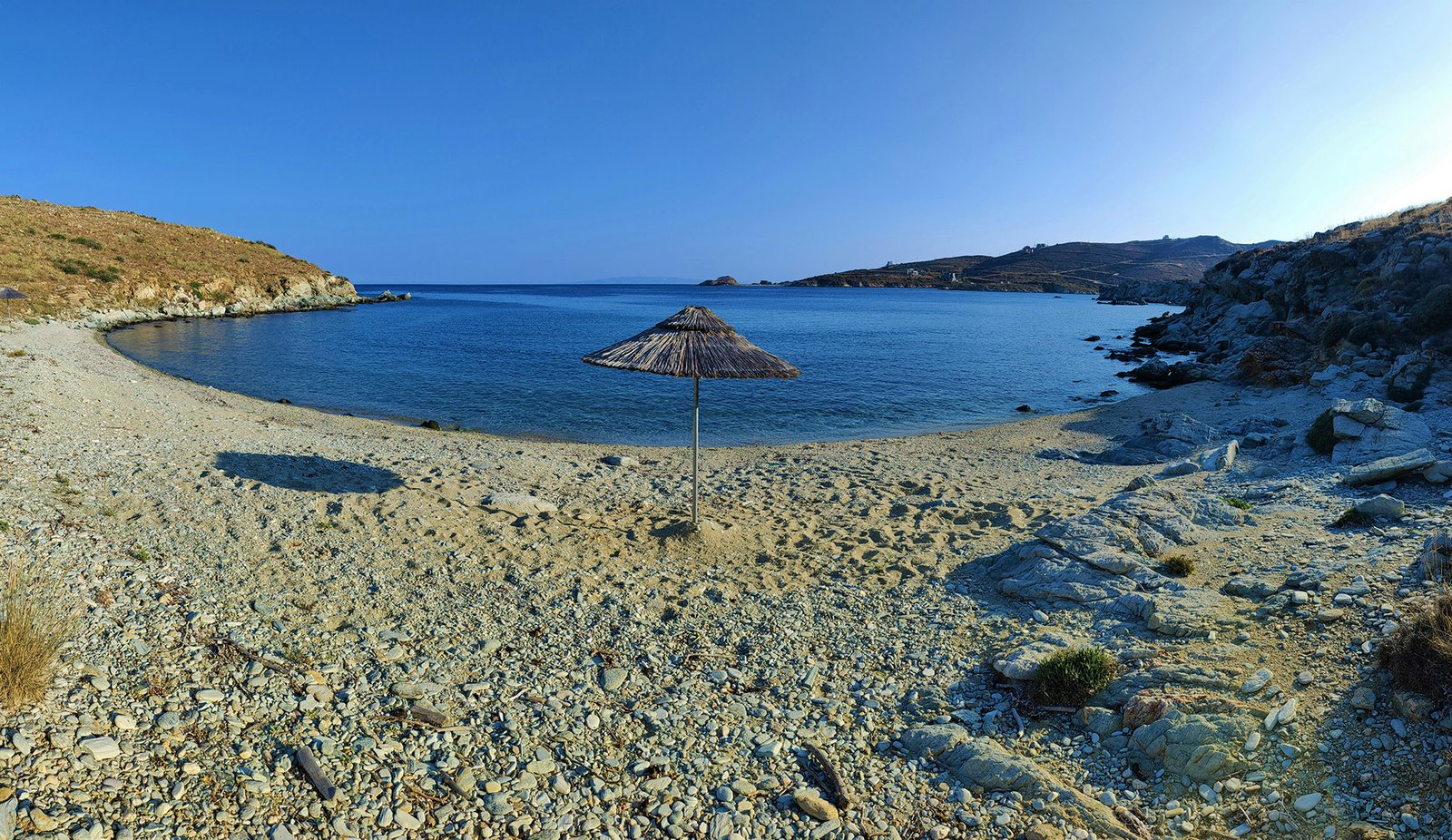
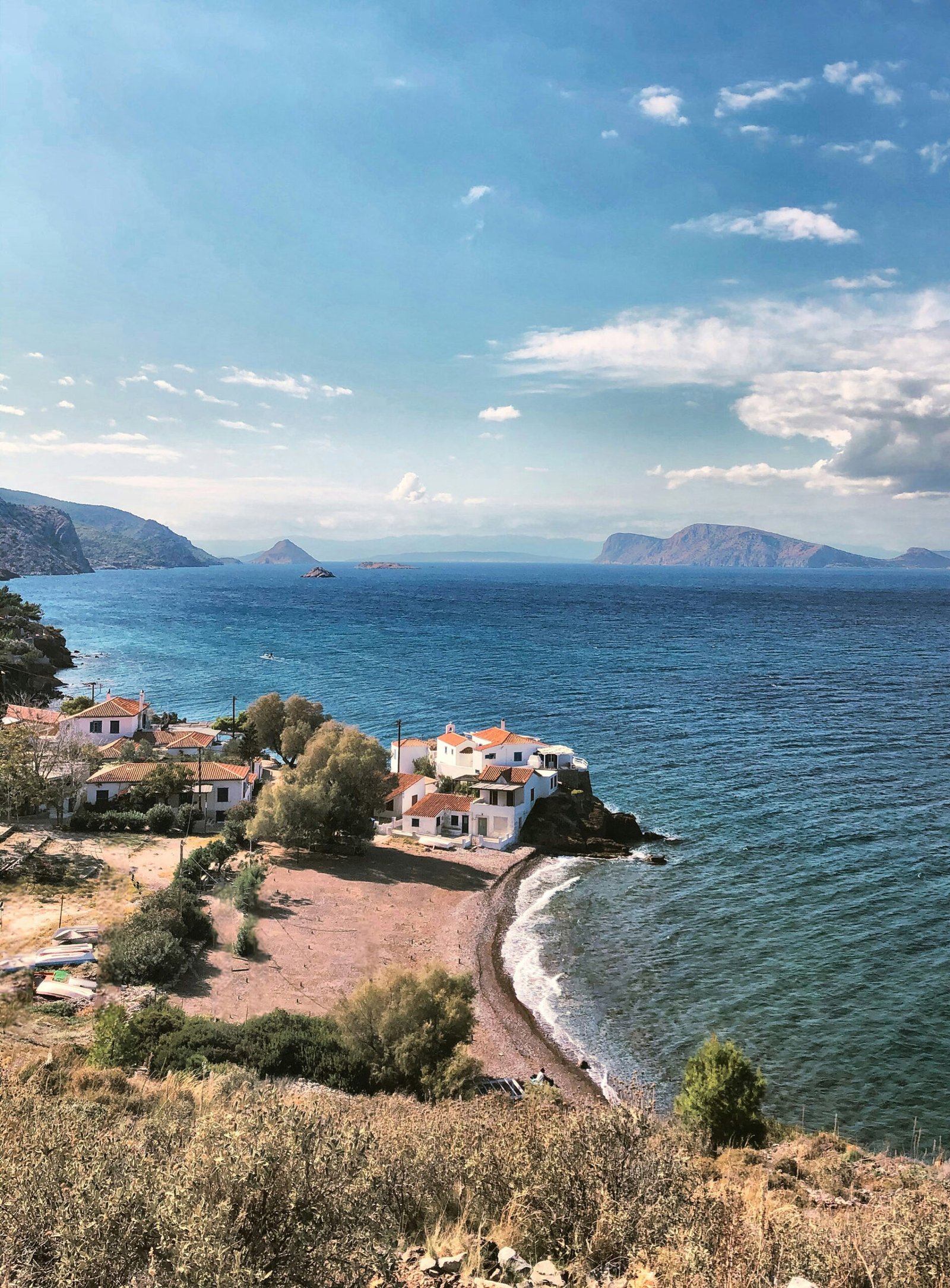
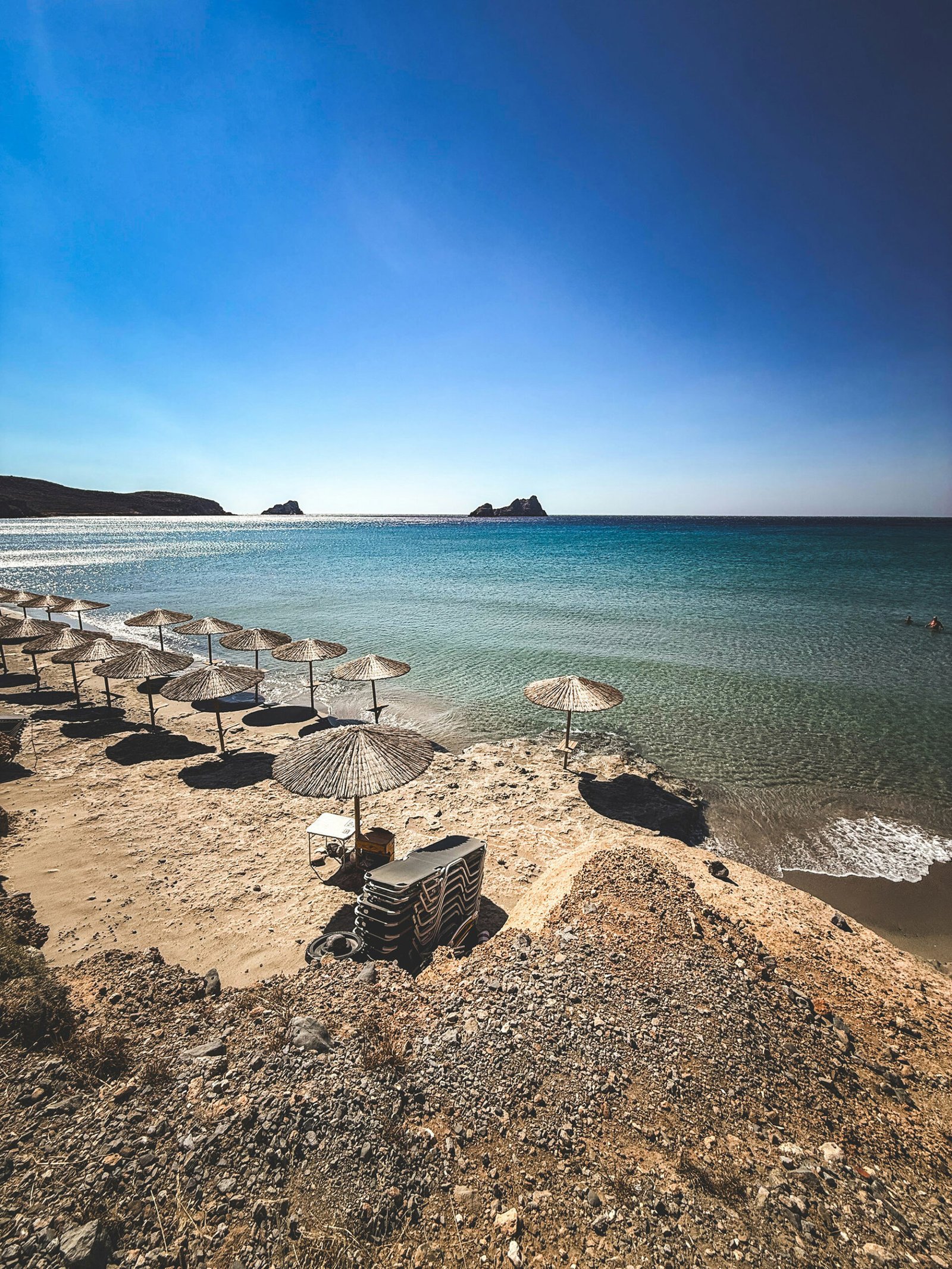
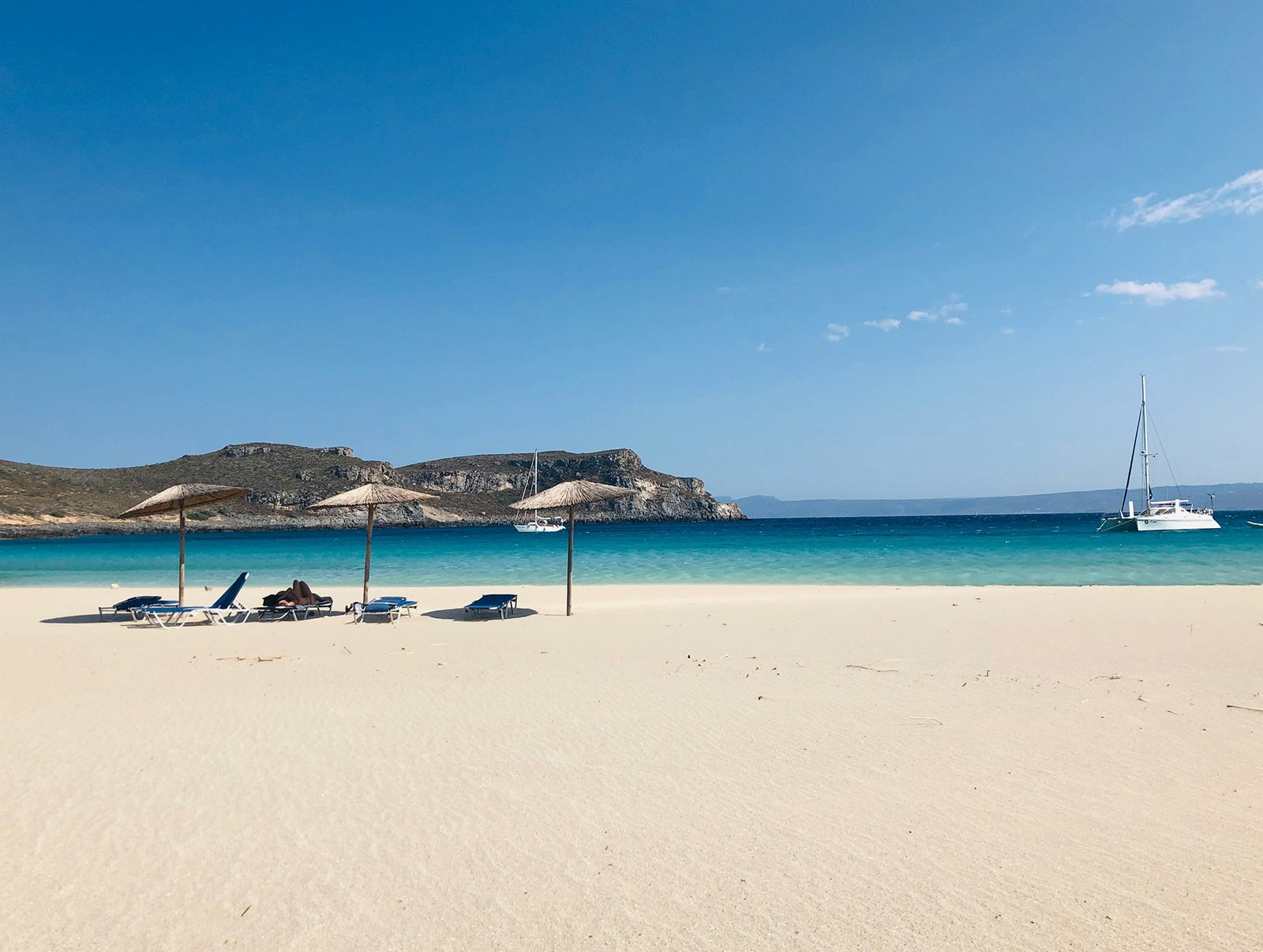
Simos Beach is the headline anchorage, its double bay offering shallow, sheltered water on either side of a central spit. Sarakiniko and Lefki, both close by on the island’s southern side, are quieter alternatives with the same fine sand, while Kontogoni and Kalogeras on the northern shore, near the harbour, suit a calmer overnight stop closer to the village’s tavernas.
One to two days is typical. Elafonissos is small enough to see properly in a single day of swimming and beach-hopping by tender, and most charters treat it as a highlight within a longer Peloponnese or Laconian Gulf itinerary rather than a standalone stop, often pairing it with Monemvasia or a crossing toward Kythira.
Elafonissos sits in the shelter of the Laconian Gulf just west of Cape Maleas, the notoriously stormy headland that blew Odysseus off course for ten years in the Odyssey and that Roman sailors reportedly commemorated surviving on their own gravestones. Yachts still use Elafonissos’s calm strait as a natural place to wait for settled weather before rounding the cape eastward toward the Aegean or the Cyclades.