Micronesia
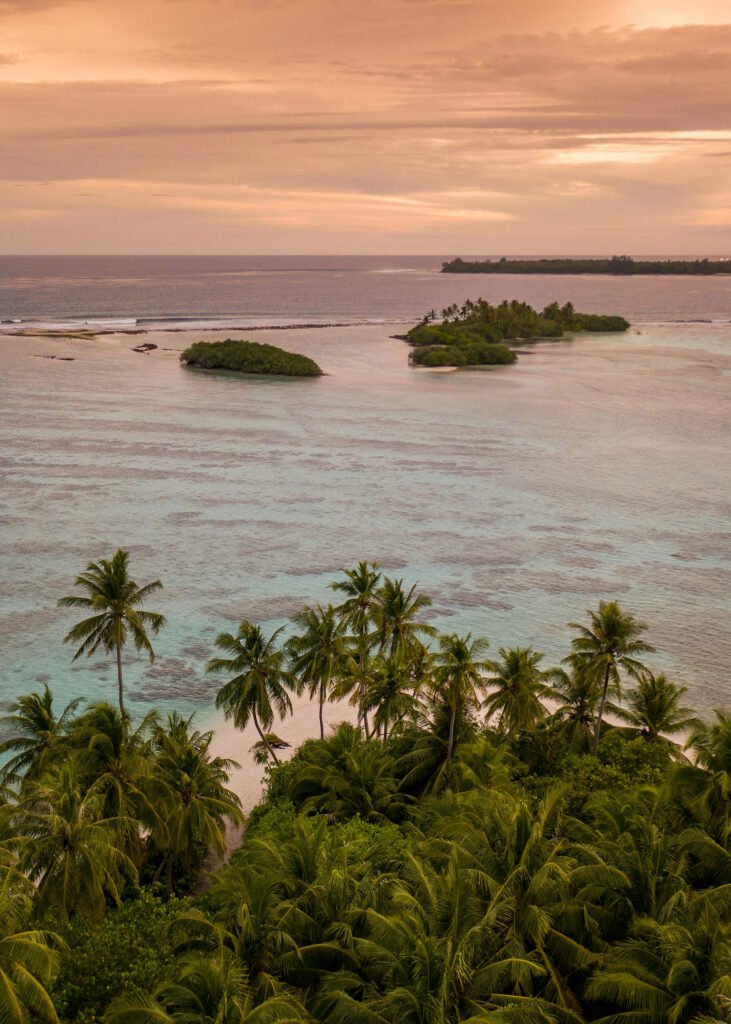
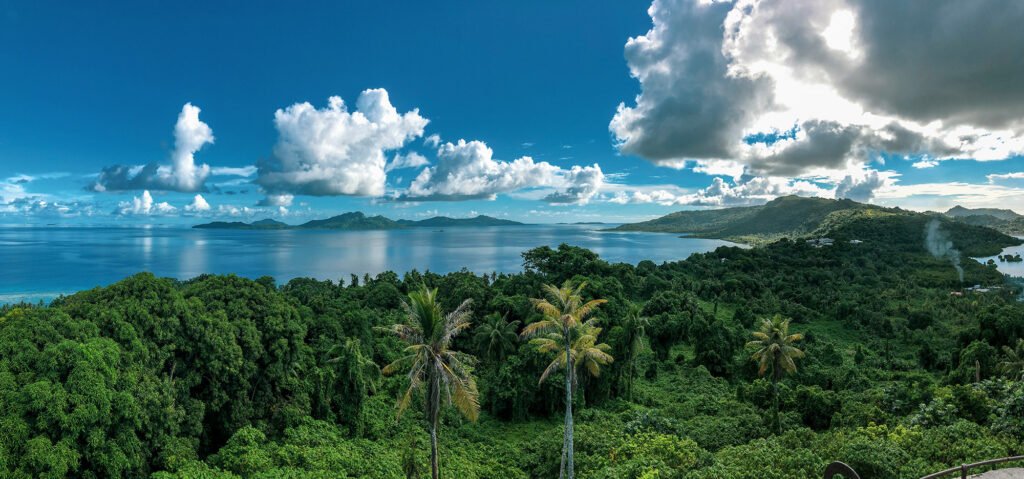
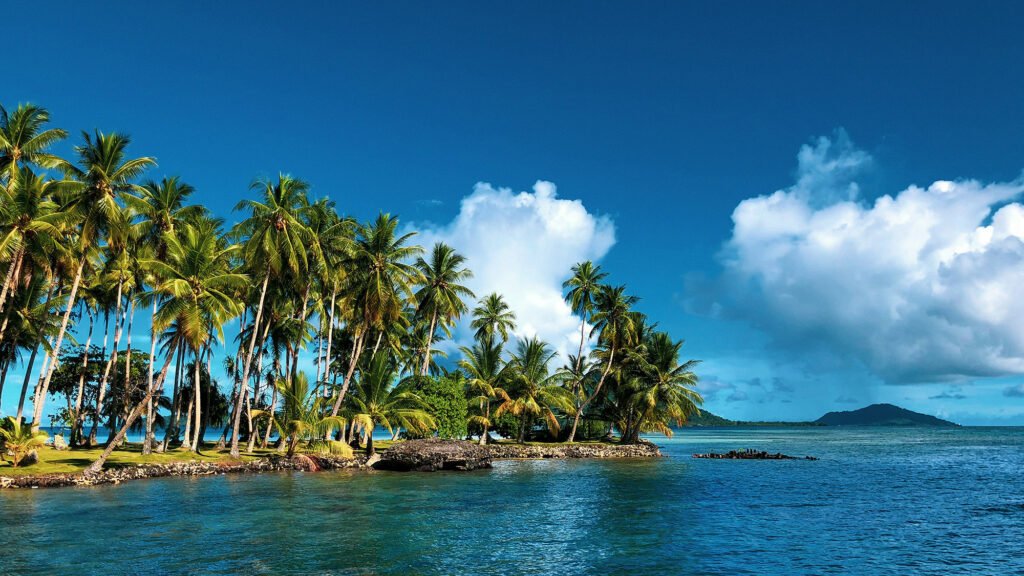
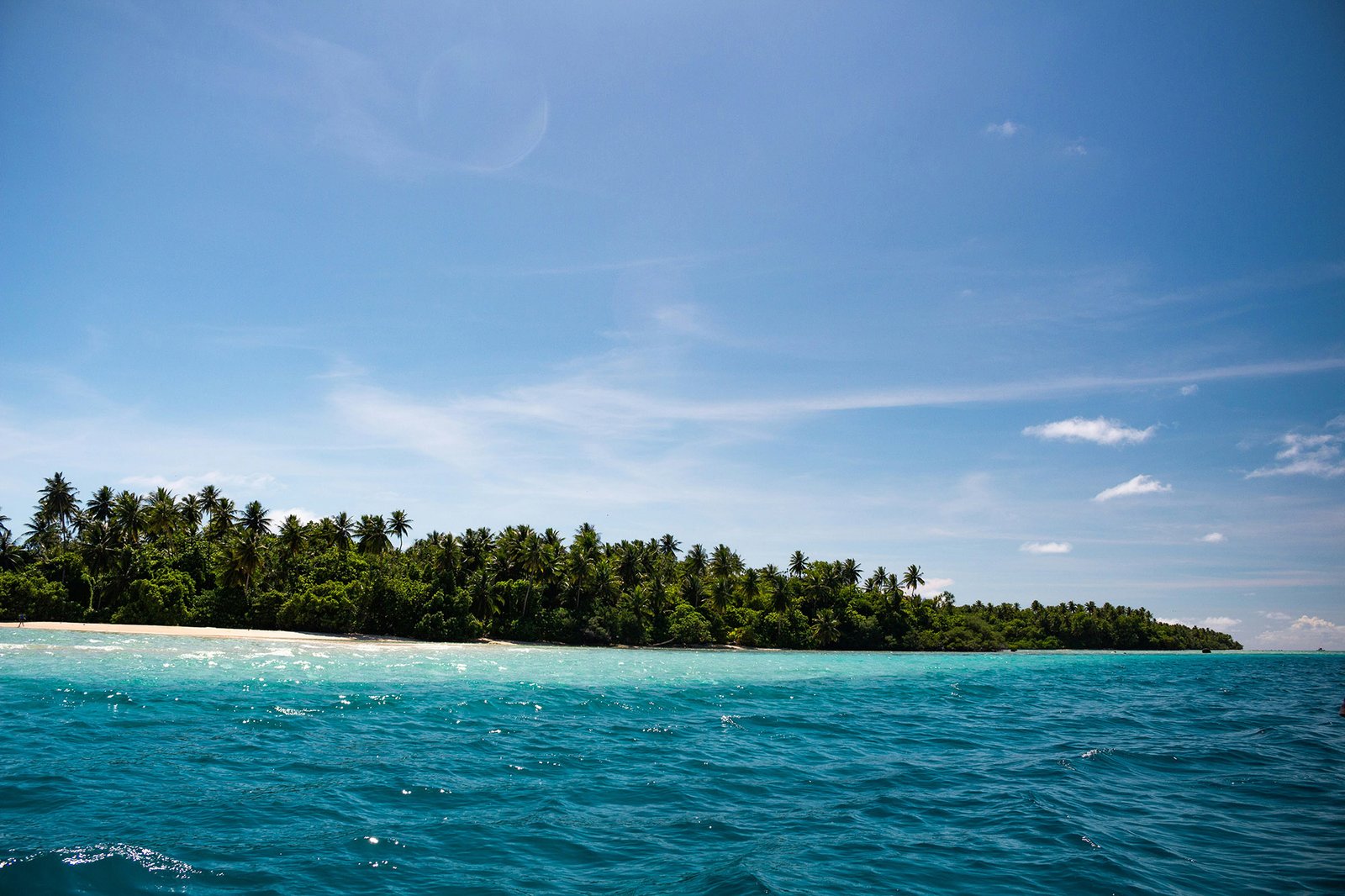
Chuuk Lagoon
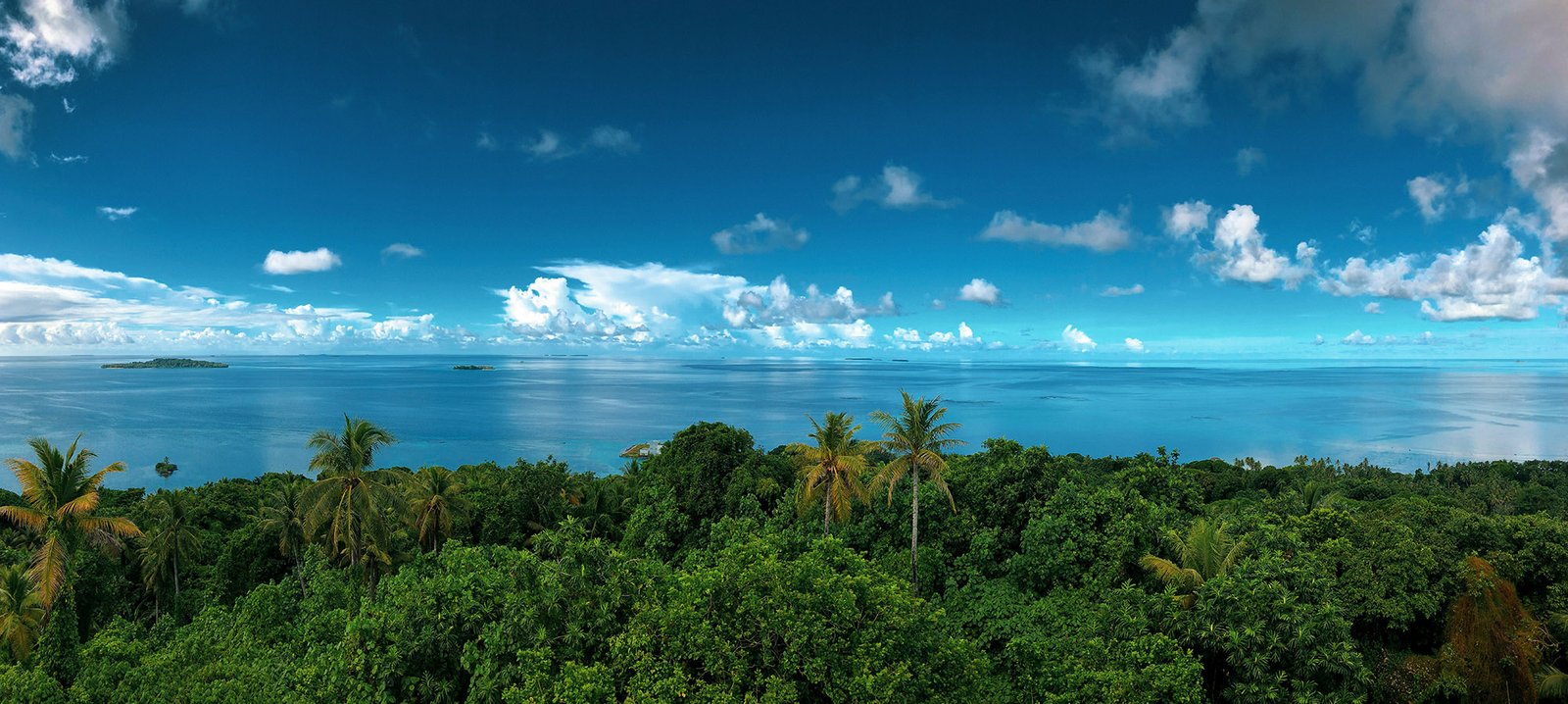
Palau’s Rock Islands
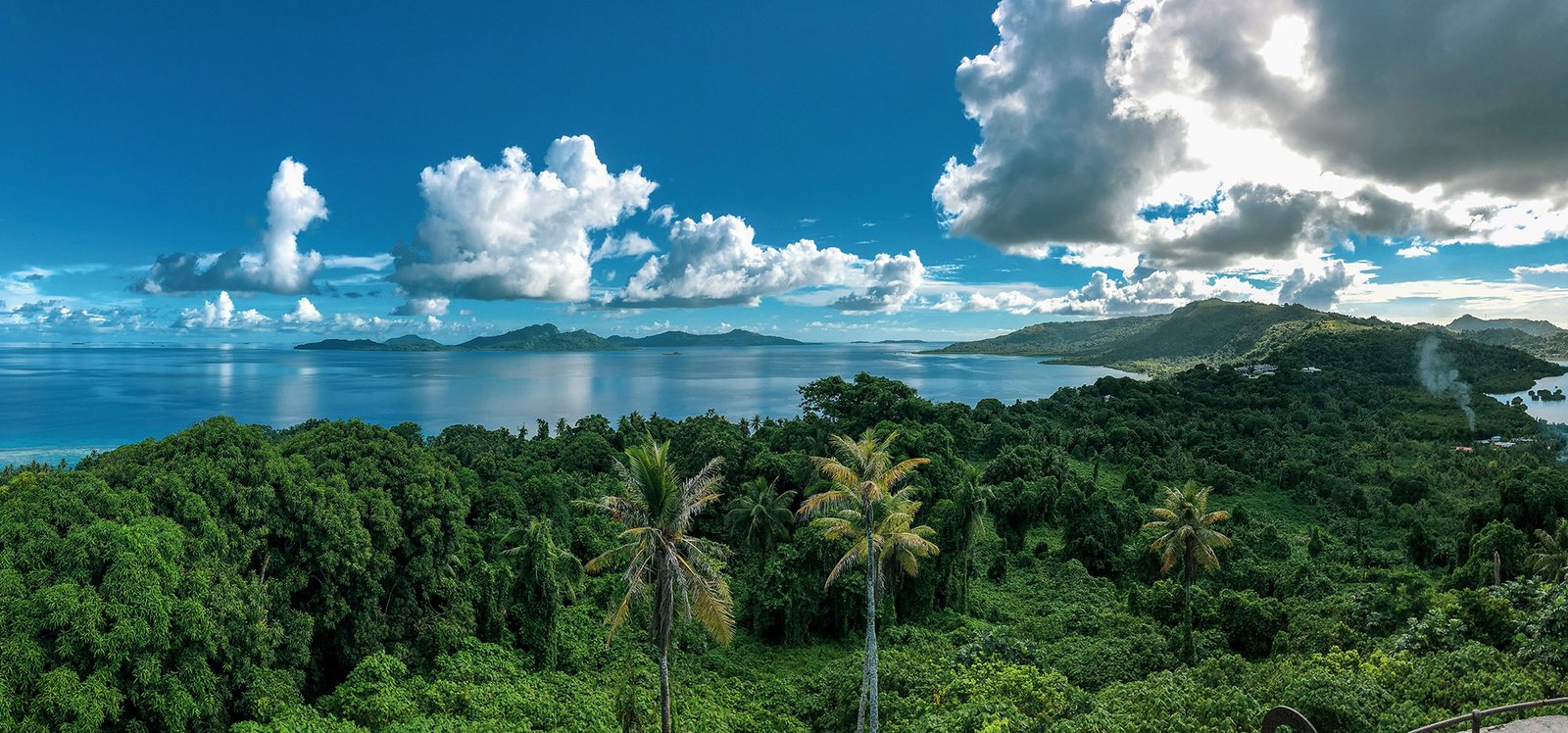
Kolonia Harbour (Pohnpei)
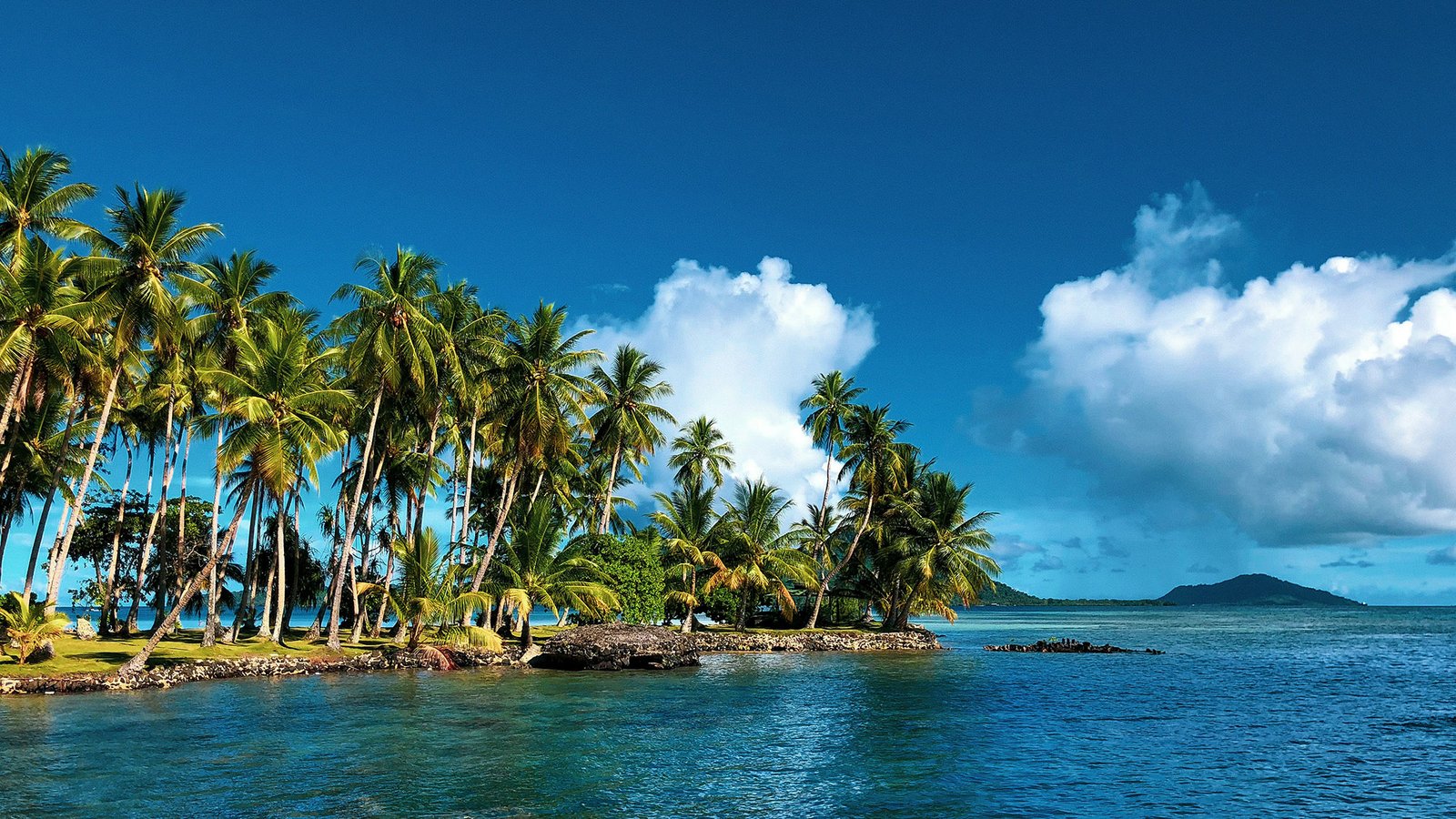
Lelu Harbour (Kosrae)
Colonia Harbour (Yap)
Dive the Chuuk Lagoon Wrecks
Snorkel Jellyfish Lake
Dive with Mantas at Mi’l Channel
Explore Nan Madol by Boat
Swim at Kepirohi Waterfall
Nan Madol
Rock Islands of Palau
Lelu Ruins (Kosrae)
Yap’s Stone Money Villages
Fujikawa Maru Wreck Site
The dry season from December to April brings the calmest seas and is generally the preferred window for diving Chuuk and Palau. Typhoons mostly track further north and west, but the wetter months from July to November can still bring squalls to Yap and Chuuk, so charters during that period should build in some weather flexibility, particularly for longer inter-atoll passages.
United Airlines’ Island Hopper flight connects Honolulu to Chuuk, Pohnpei, Kosrae, Kwajalein and Majuro via Guam on a single rotation, making Guam the most practical international gateway for the Federated States. Palau, a separate country, is served by its own Roman Tmetuchl International Airport, reached via Guam or Manila, so a Chuuk-to-Palau charter typically involves flying between the two rather than a single continuous entry point.
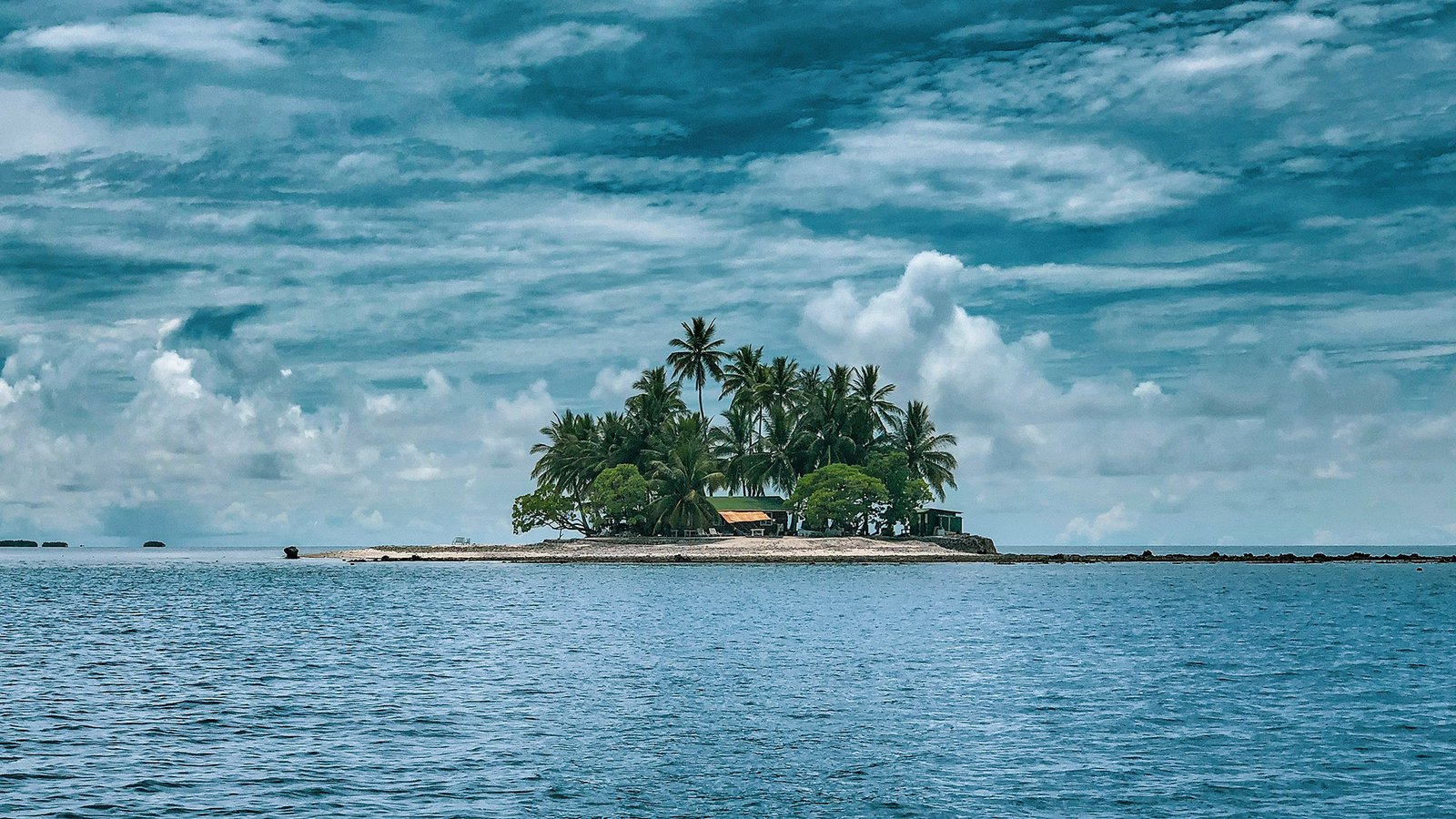
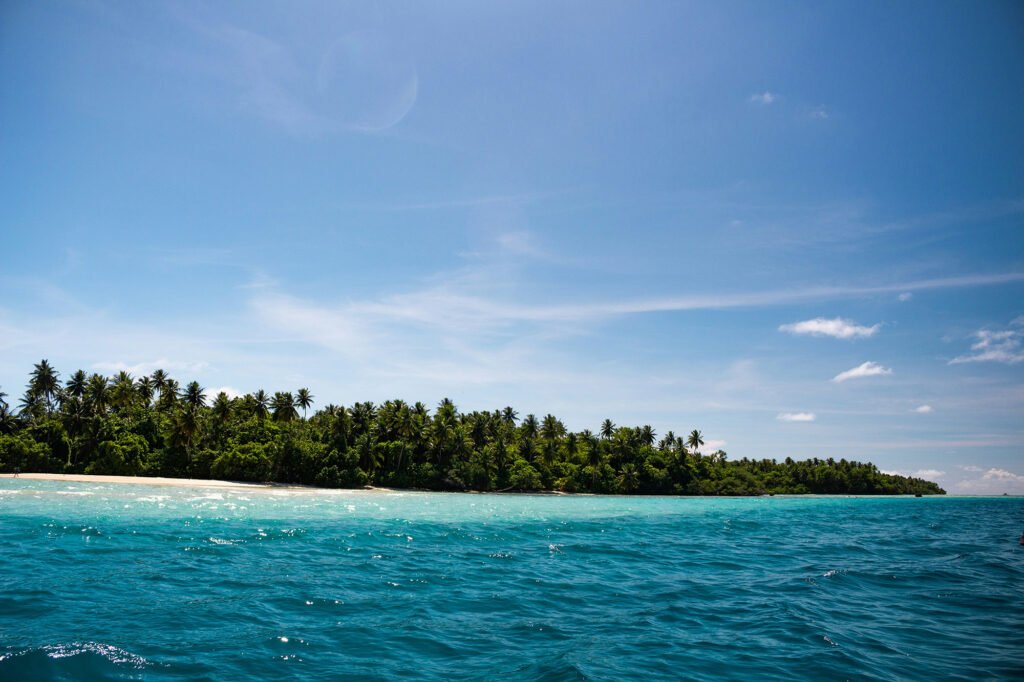
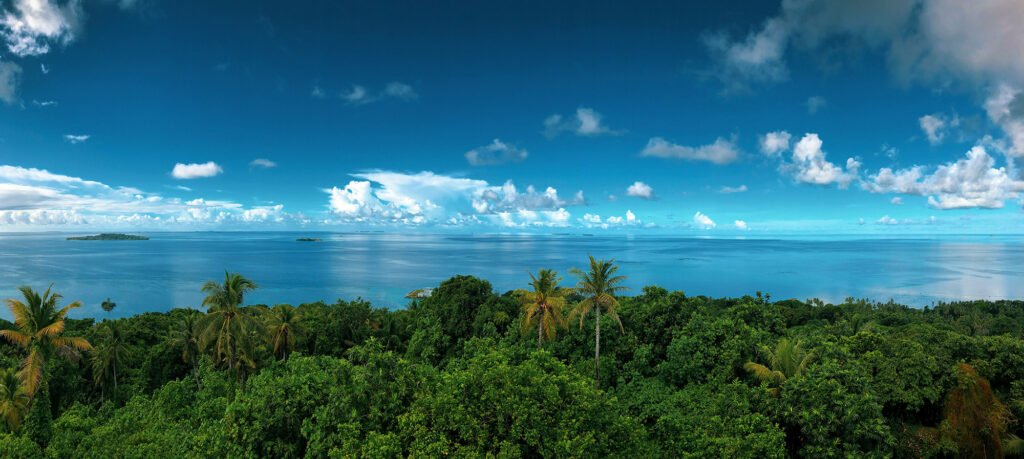
Chuuk Lagoon itself is the natural base for wreck diving, sheltered and dotted with small islands, while Palau’s Rock Islands offer countless coves among the limestone islets. Kolonia Harbour on Pohnpei is the gateway to Nan Madol, Lelu Harbour on Kosrae sits beside its own megalithic ruins, and Colonia Harbour on Yap is the closest anchorage to the Mi’l Channel’s manta cleaning stations.
Given the flight distances between states, most charters focus on one or two states rather than covering all four; a week is enough to properly dive Chuuk’s wrecks or explore Palau’s Rock Islands, while a combined Chuuk-and-Palau itinerary is better suited to ten days or more once inter-island travel is accounted for.
Yap’s rai stones are large carved discs of limestone, some weighing several tons, quarried on Palau and transported hundreds of kilometres by canoe and raft centuries before modern machinery existed. They are still recognised locally as a form of currency for major transactions such as land and marriage, even though the stones themselves are rarely moved once placed in a village, their ownership simply changing hands by agreement.