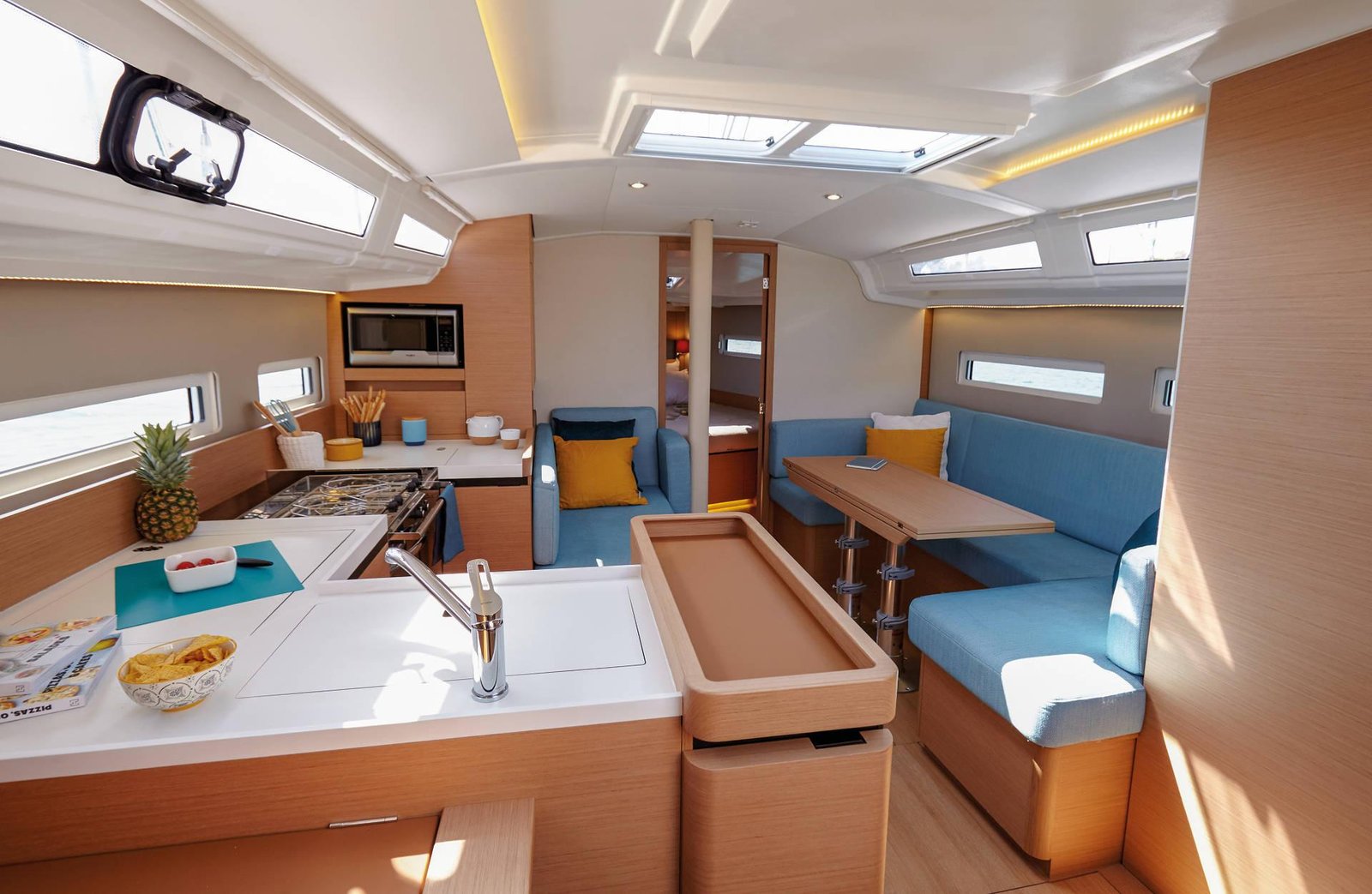
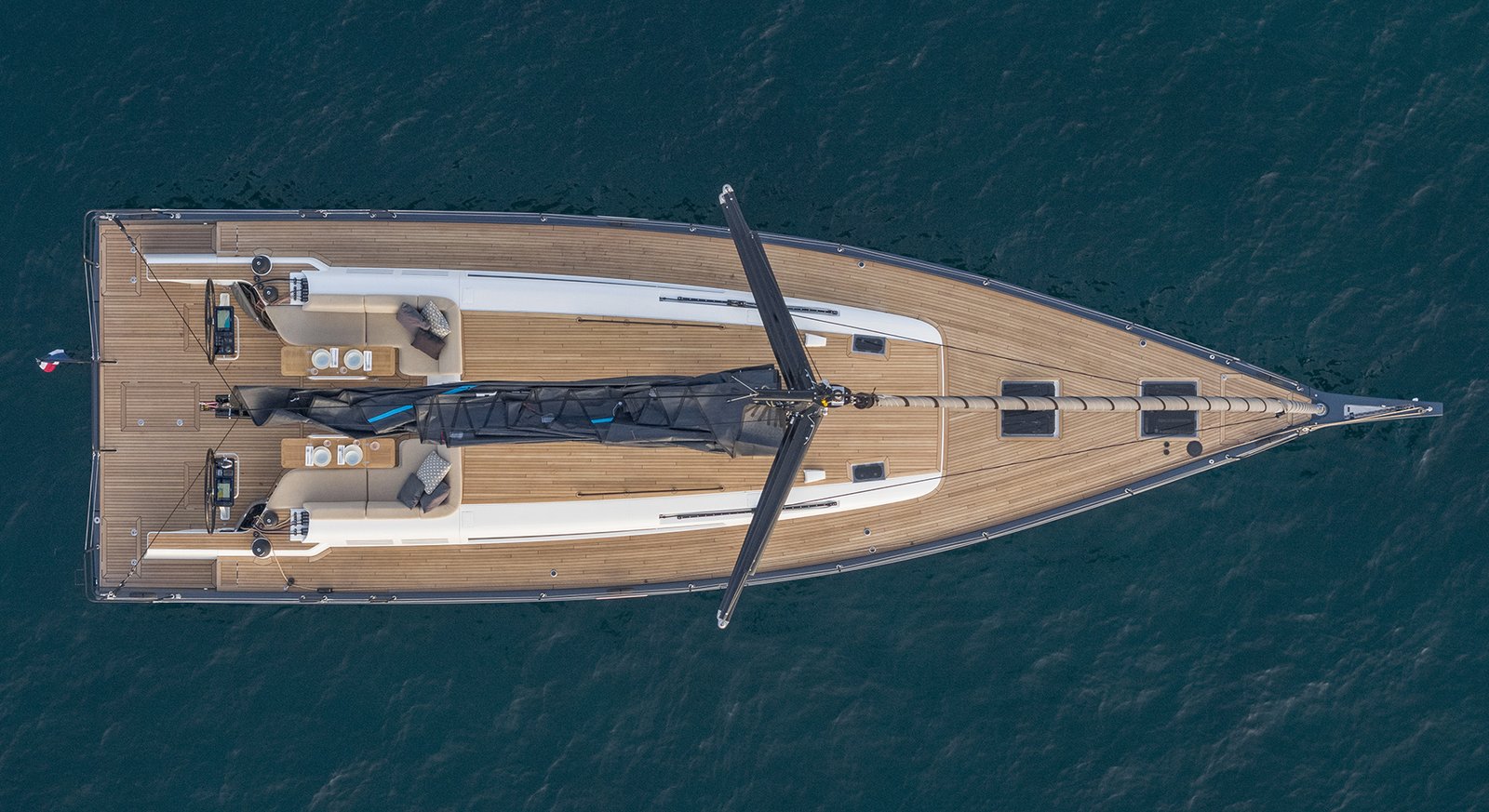
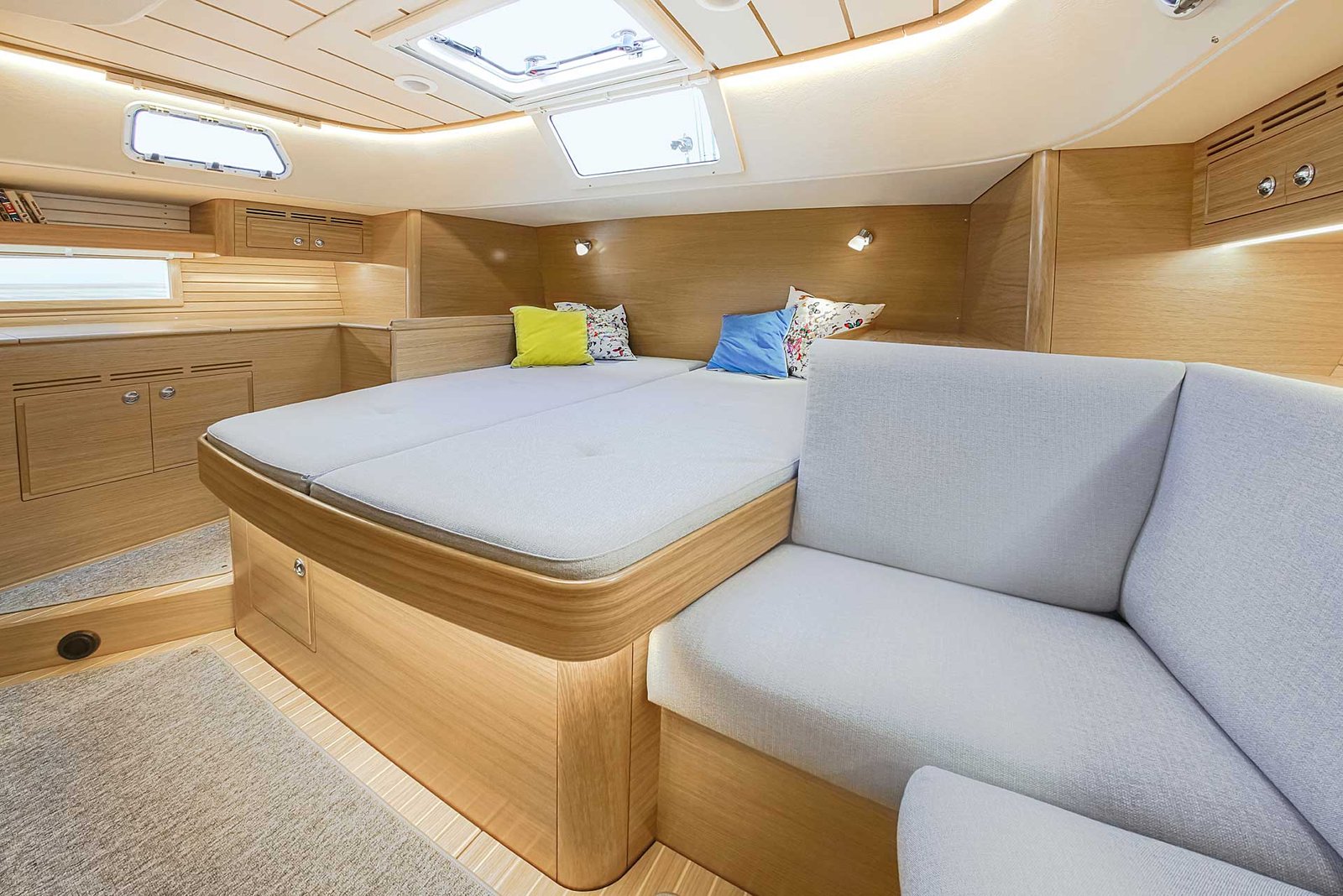
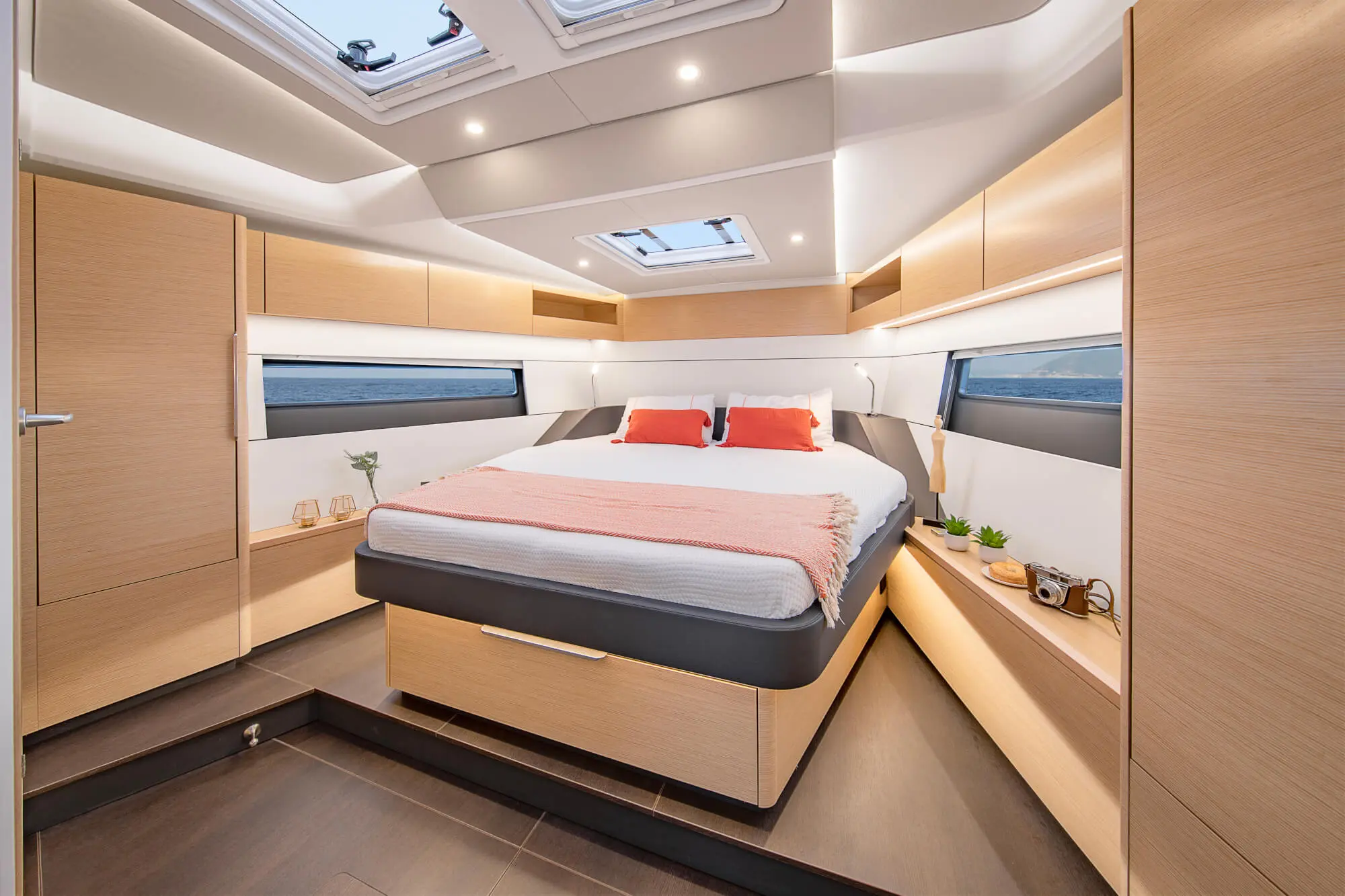
Inboard GRP Sailing
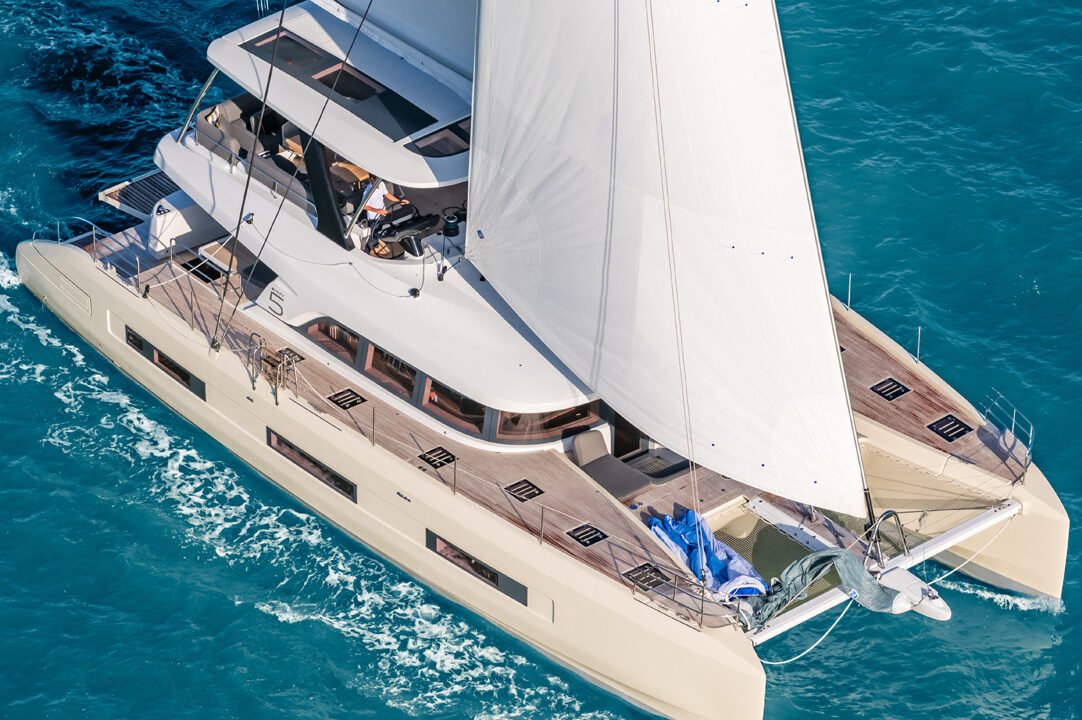
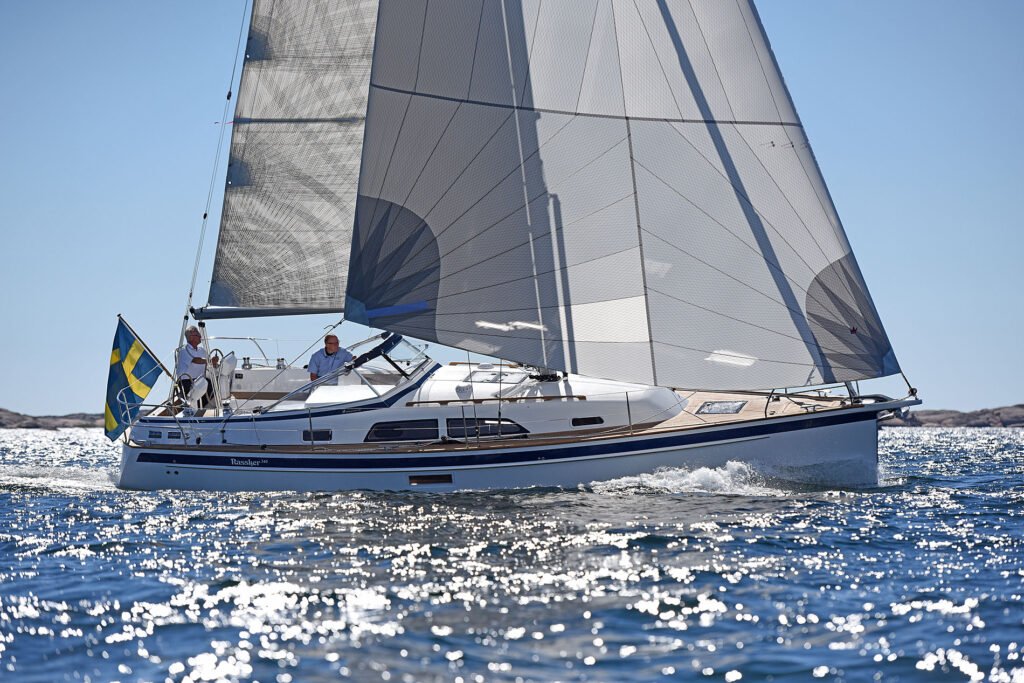
An inboard diesel in a GRP hull is the most common propulsion arrangement in cruising sail, and the two are more connected than they look. A moulded composite hull lets the yard laminate engine beds directly into the structure as part of the layup, spreading thrust and vibration into the hull rather than concentrating it on bolted brackets. The Yacht Collection lists inboard GRP sailing yachts.
The engineering advantages follow from that. Beds moulded into a GRP hull can be shaped exactly to the unit, aligned precisely and bonded across a wide area, which is why a well built composite installation runs quieter than a comparable retrofit. Stern tubes and shaft logs are laminated in rather than welded, seacocks are bonded to reinforced pads, and the whole compartment can be moulded with insulation in mind.
Maintenance is straightforward. GRP does not corrode around the stern gear, electrolysis is confined to the metal components and anodes, and a competent yard anywhere can address either the machinery or the structure around it. At survey the two areas overlap, so check engine hours against service history, cooling and exhaust condition, shaft alignment, cutless bearing and seal, then inspect the engine bed bonding, stern tube laminate and seacock pads for movement or moisture. Browse the inboard GRP sailing yachts available and speak to our brokers.

Tell us what you would like to know, and our team will respond with clear details on availability, specification, pricing and next steps.