01
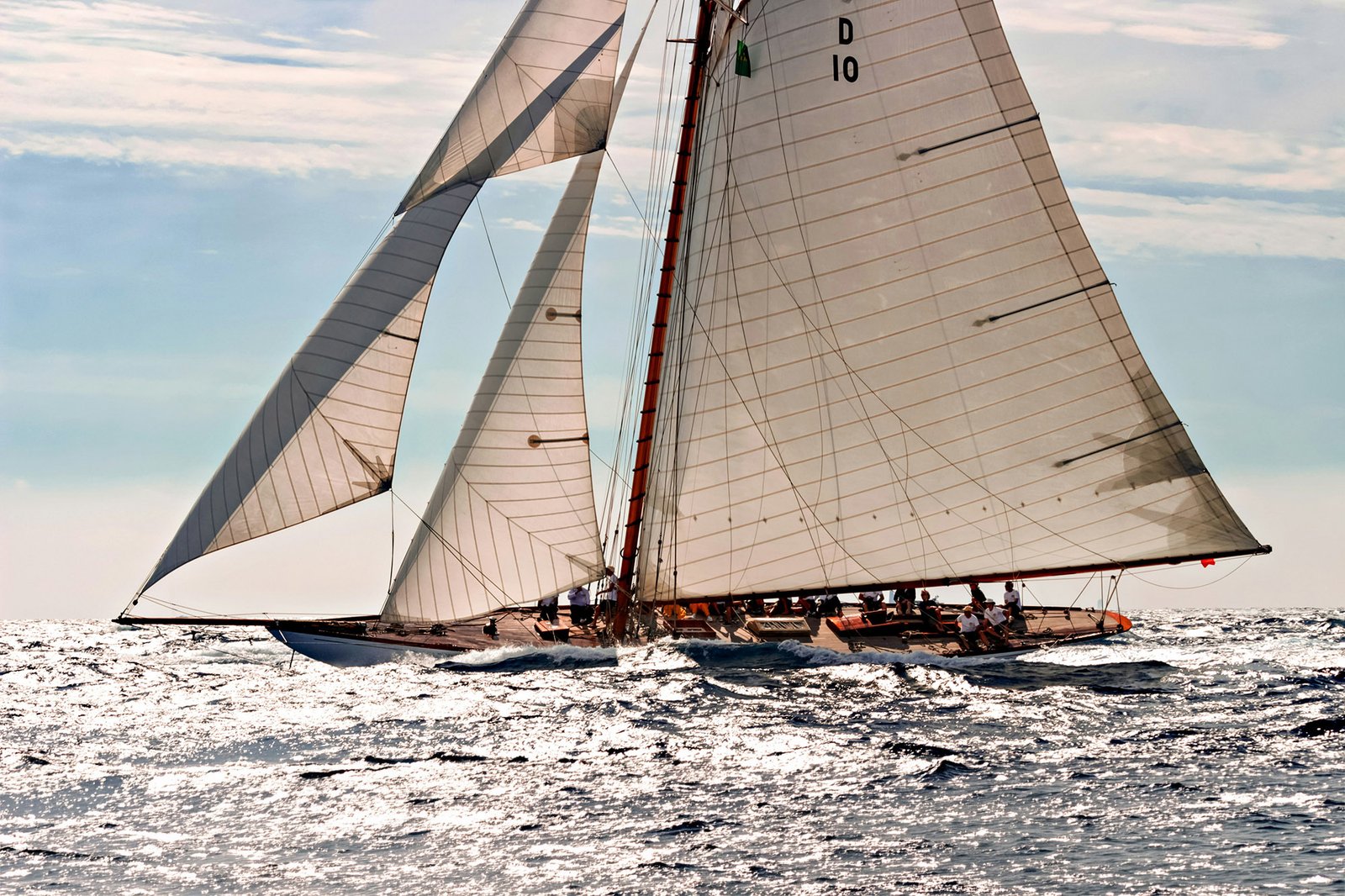
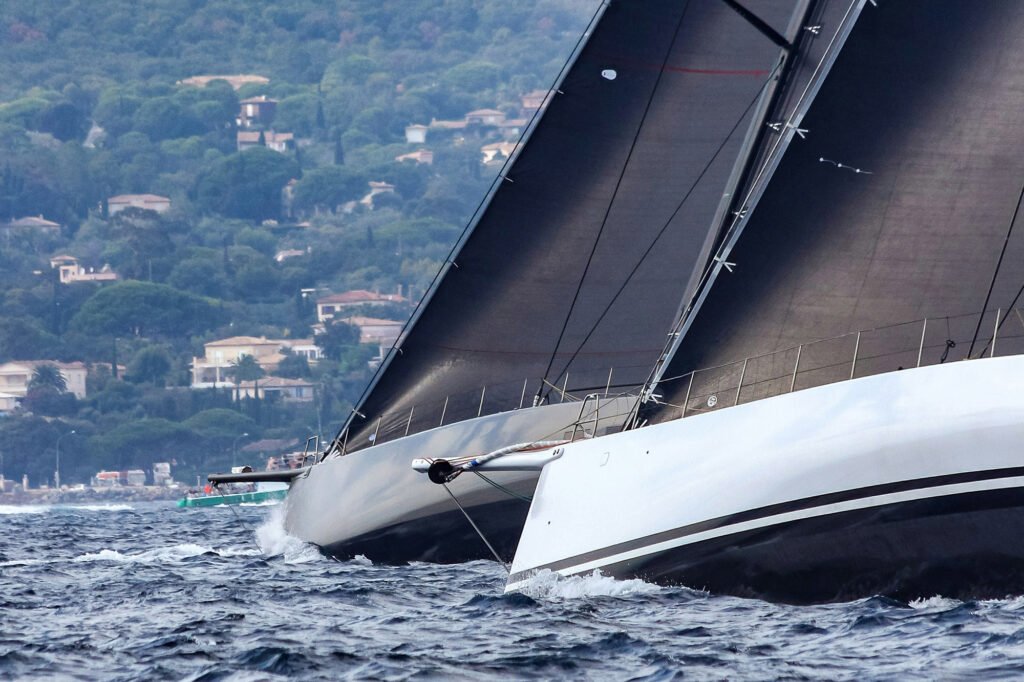
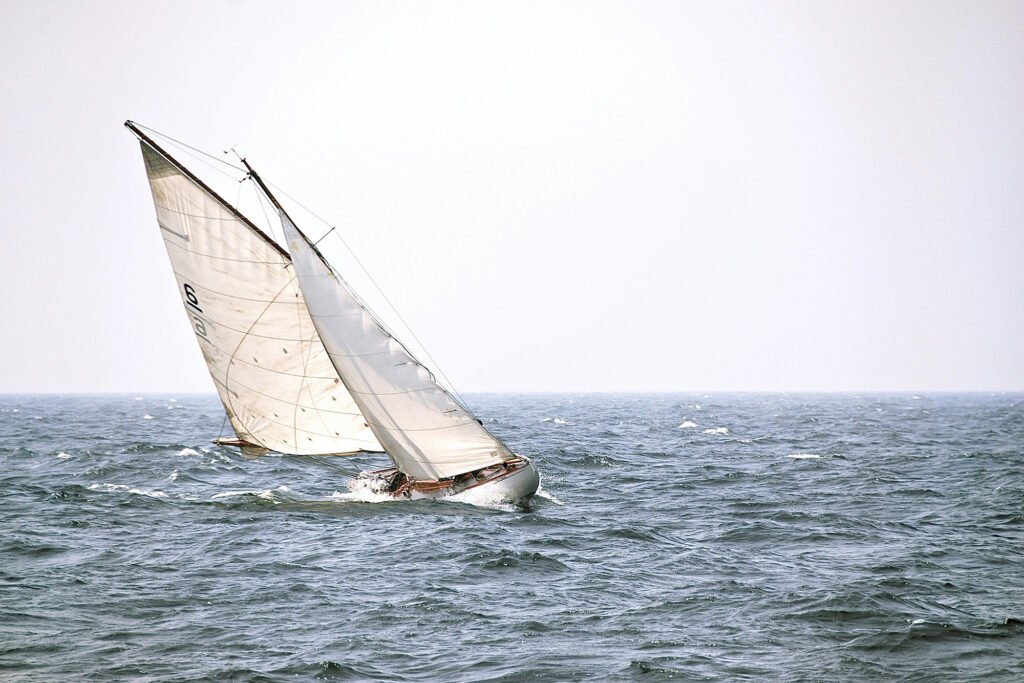
Les Voiles runs for nine days at the turn of September and October; the 2026 edition ran from Saturday 26 September to Sunday 4 October. The first weekend is for arrivals and registration, with yachts taking their places in the harbour on Saturday afternoon. Racing then runs from Monday to Saturday: Moderns from 11:00 off the Tour du Portalet, Maxis from noon in the Baie de Pampelonne, and the classics of the Tradition fleet from noon, also off the Portalet.
Thursday is Challenge Day, given over to one-off matches such as the Club 55 Cup and a race for yachts over a hundred years old. The Maxi prize-giving closes Saturday, and the Modern and Tradition prizes are awarded on Sunday morning. The Village des Voiles on the Môle Jean Réveille is open to everyone, free, from 9:00 to 21:00 all week. The Société Nautique de Saint-Tropez announces the dates of each edition on the event website.
02
Les Voiles is organised by the Société Nautique de Saint-Tropez (SNST), and every yacht that races does so by its invitation. Entry starts with a request on the event website, usually by 1 August; accepted yachts then complete the full entry, and others go on a waiting list. Modern yachts need a valid IRC certificate and sail in classes up to 18.29 metres hull length, Maxis above that, and the classics of the Tradition fleet race under the CIM rating system, generally from 11 metres.
On a charter, the owner and management must agree to race the yacht, and the contract should say who pays the entry fee, the rating certificate and any extra racing crew. For reference, fees in recent editions ranged from about 700 euros for a 9-metre yacht to just over 3,200 euros above 23 metres, rising by half after the end of August. Refunds shrink quickly through September.
03
A racing yacht at Les Voiles carries a declared crew, and guests who sail aboard are part of it. The yacht submits a crew list for the week, showing which days each person is aboard, and the people on deck at each start must match it. On IRC yachts, the maximum number aboard is the crew number printed on the rating certificate, which may be lower than the number of guests the yacht takes at anchor. Ask the captain for that figure before you plan who sails on which day.
There are formalities too. French sailors need a racing licence from the French Sailing Federation; foreign sailors show membership of their own national authority and civil liability insurance, set at two million euros in recent notices. Minors without a parent aboard need written parental consent. The yacht must meet World Sailing’s offshore safety rules for coastal racing, and the captain’s safety briefing before the first start is not optional.
04
During Les Voiles the harbour of Saint-Tropez is the regatta’s paddock. Its berths are given over to the racing fleet, and the quays become the public face of the event, with classics and Maxis moored stern-to and open to view each evening. The rules require every competing yacht to hold a berth in a secure port, either Saint-Tropez itself, Marines de Cogolin, Port Grimaud or Sainte-Maxime, unless the SNST agrees otherwise, and berths are allocated through the organisers rather than booked directly.
If you are not racing, a berth in Saint-Tropez that week is very difficult to secure. A yacht based in Cogolin, Port Grimaud or Sainte-Maxime puts you across the gulf with an easy run to the racecourse, and the sea shuttles and your own tender connect you to the village. Confirm in writing where the yacht will lie each night, and for how many nights, before you commit.
05
The Gulf of Saint-Tropez and the Baie de Pampelonne are covered by strict French anchoring rules designed to protect Posidonia seagrass. Yachts over 24 metres may only anchor in designated zones, which vary with the yacht’s length, and anchoring on the seagrass is forbidden whatever the size. Yachts over 45 metres must notify the authorities before anchoring, and those over 80 metres need prior authorisation. The zones in Pampelonne were redrawn again in June 2026, and enforcement is real: captains have been fined and banned from French waters.
In practice, this means the captain decides where the yacht can lie, and the answer may not be the spot with the best view of the racing. Do not plan your day around a particular beach or anchorage until it has been checked against the current zones. Smaller yachts have more freedom but must stay out of the buoyed mooring fields.
06
The racecourses sit close to shore, which is what makes Les Voiles such a good regatta to follow by boat. The Moderns and the classics start off the Tour du Portalet at the harbour entrance, and the Maxis race in the Baie de Pampelonne, where their starts were moved outside the course in 2026 to reduce crossings. The best plan is usually to watch a start, then position ahead of a turning mark rather than following the fleet.
Spectator boats must stay well outside the racing areas and clear of yachts under sail; a 40-metre schooner under full canvas cannot stop for a tender. Your captain will listen to the race channel and keep a respectful distance. The other moment to see is the return to harbour in the late afternoon, when crews bring their yachts back stern-to along the quays. From the Tour du Portalet, the Môle and the town’s waterfront, it is just as good on foot.
07
Saint-Tropez is not quick to reach by road, and in regatta week it is slower still. From Nice Côte d’Azur Airport the drive usually takes around an hour and a half to two hours, depending on traffic; Toulon-Hyères Airport is closer, and La Môle airfield, around fifteen kilometres away, takes small private aircraft. A helicopter transfer from Nice lands guests in the area in around twenty minutes and avoids the single coast road into town.
Once you are here, the sea is the easiest way around. Shuttle boats run across the gulf from Sainte-Maxime, Port Grimaud and Les Marines de Cogolin to the harbour, and your tender can land guests by arrangement. Parking in Saint-Tropez is scarce all week, so leave cars behind. Late September usually brings settled, mild weather, but a mistral can blow for several days and cancel racing; build in a free day and plan lunches ashore accordingly.
08
Les Voiles grew out of La Nioulargue, a race born in 1981 from a challenge between the 12 Metre Ikra and the Swan 44 Pride: from the Tour du Portalet, round the Nioulargo shoal offshore and back to a finish off Club 55 on Pampelonne beach. The Club 55 Cup keeps that story alive on Challenge Day, and a table at Club 55 that week is booked well ahead. In the village, the Môle Jean Réveille hosts the exhibitors, talks and live music each evening, while the crew party and most prize-givings are for participants or by invitation.
Dress is relaxed but considered: team shirts by day, linen in the evening and soft-soled shoes aboard. Classic yachts in particular have varnished brightwork and teak decks, so ask before stepping aboard another crew’s yacht. On the water, never pass close astern of a racing yacht or through a start area, and keep wash down near the quays.