01
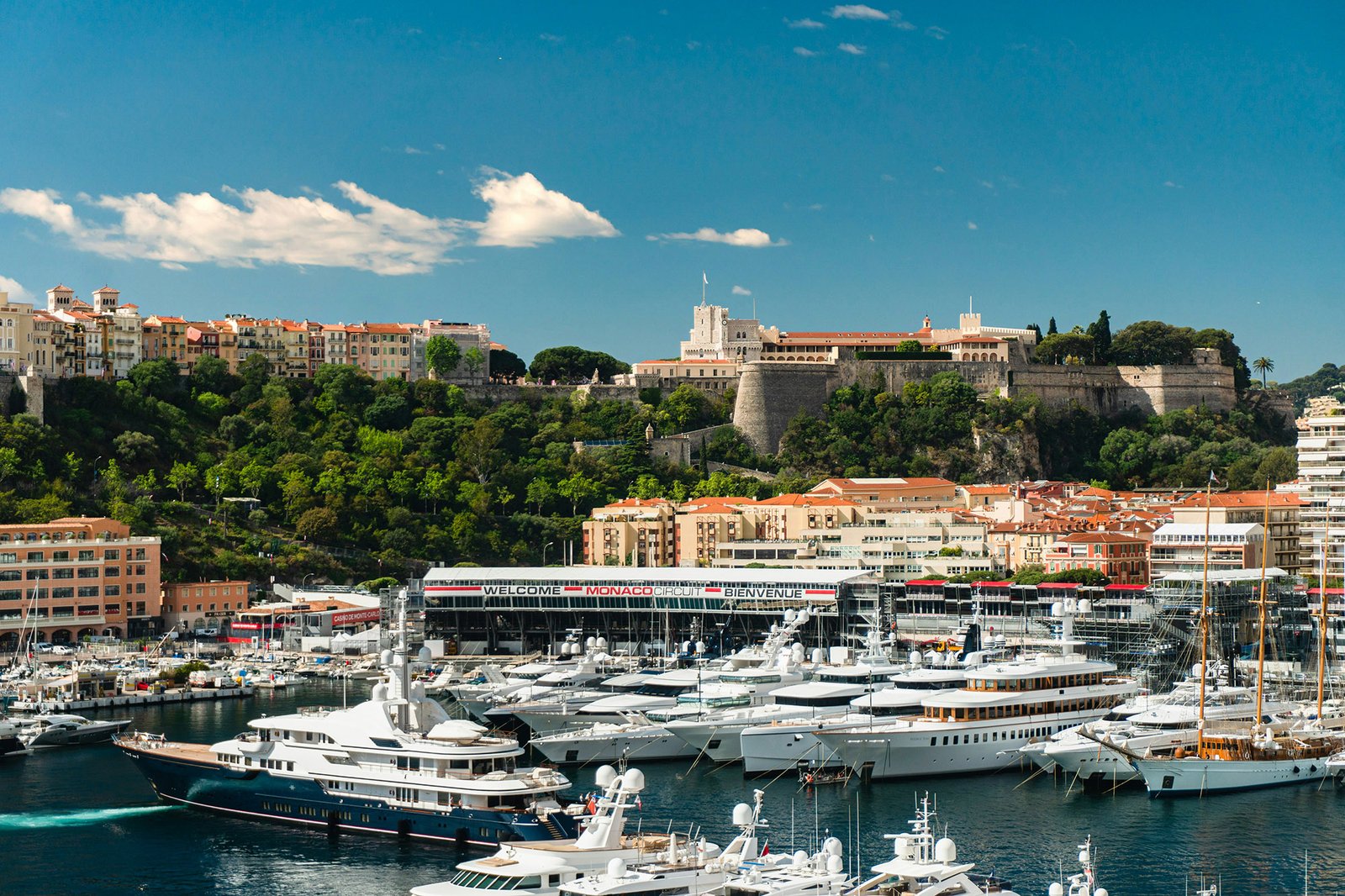
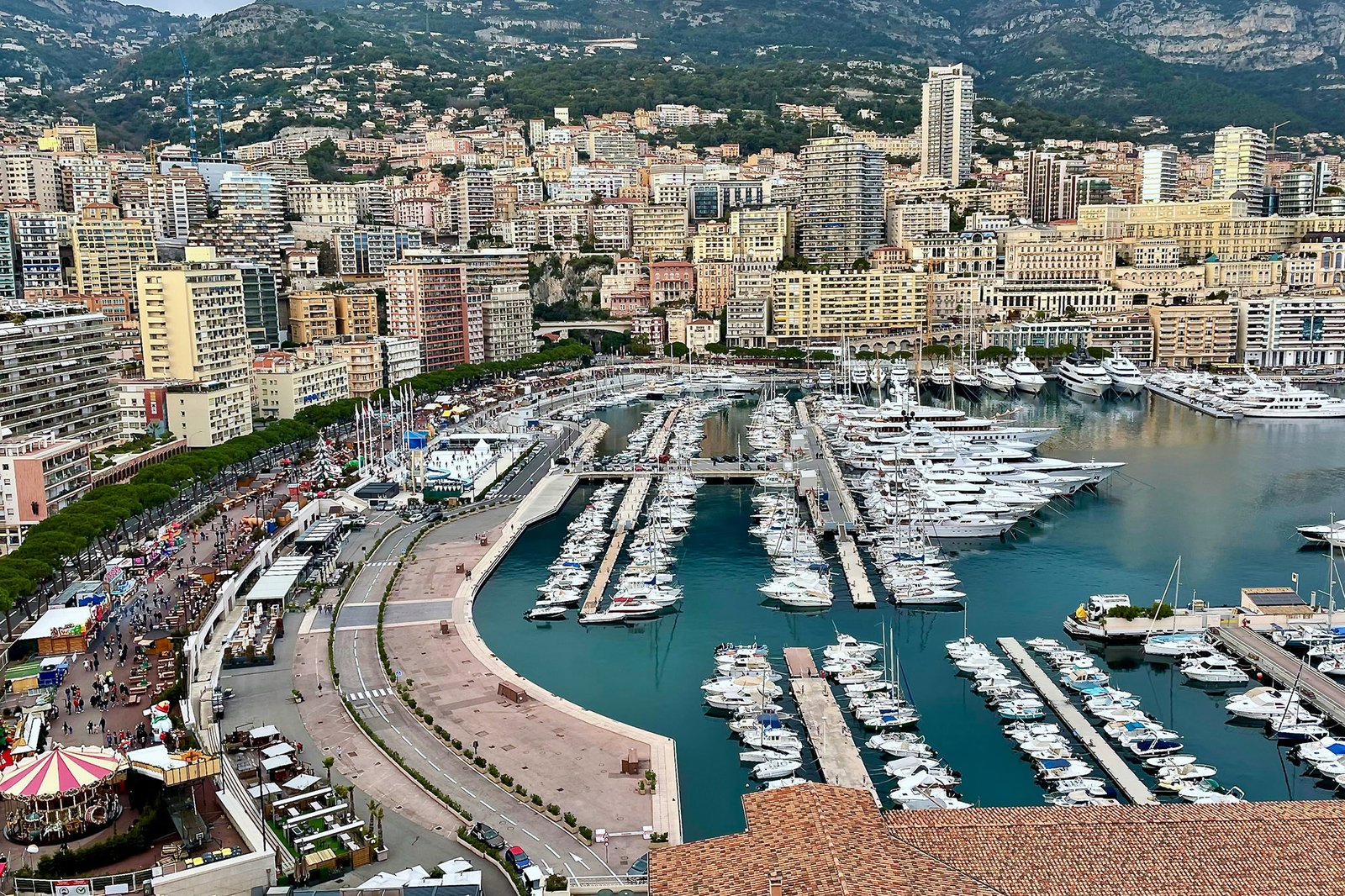
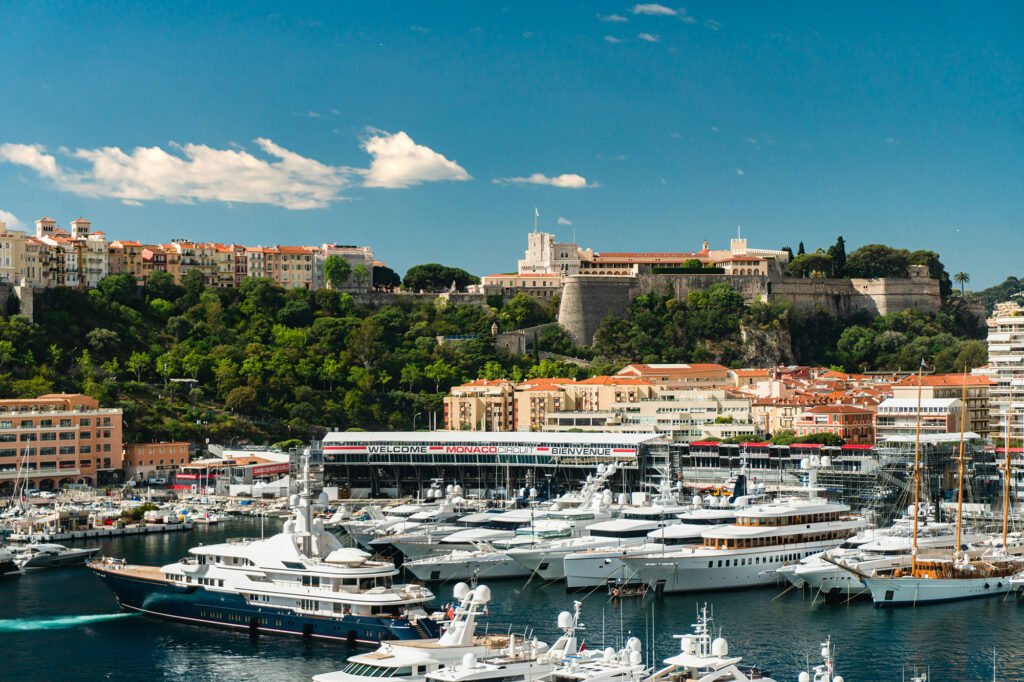
Grand Prix berths are not booked like an ordinary night in a marina. They are allocated through a dedicated application run by the Société d’Exploitation des Ports de Monaco (SEPM), following the procedure it publishes for each edition. The yacht’s captain, management company or appointed representative usually submits it, with the vessel’s registration, dimensions and insurance, the dates requested and how the yacht will be used: private guests, corporate hospitality or another event format.
An application is not an allocation. Demand has consistently outstripped space, and a yacht that attended last year has no claim on the same position this year. Ask for the berth’s status in writing at every stage (requested, allocated or confirmed), and check what the charter contract says if the berth you planned around is not granted.
02
Previous SEPM procedures gave priority to applicants directly connected with Formula 1, the Grand Prix and their sponsors. A letter of recommendation is how that connection is shown. It comes from a team, driver, sponsor, supplier or hospitality agency with a genuine link to the sport, and explains the relationship and the hospitality planned aboard. A company hosting clients through an existing partnership with a team, for example, would ask that team to confirm it.
The letter should set out facts, not enthusiasm. It supports an application; it does not guarantee acceptance, a particular berth or a view of the circuit. The Automobile Club de Monaco publishes the affiliations it recognises, but whose letter suits your application depends on your circumstances, so confirm it with us before approaching anyone. Requirements are reissued for every edition and should be checked once published.
03
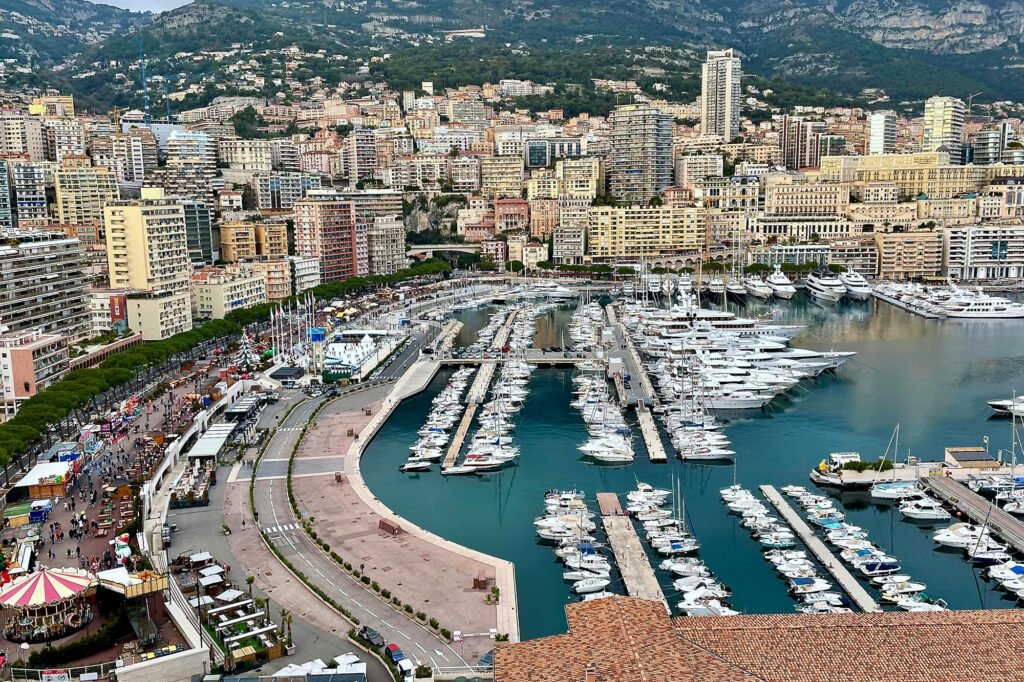
There is no single Grand Prix berth price. The official tariff is set by yacht length and port zone, and the zone matters as much as the size. In the published 2025 tariff, a yacht of 29.5 to 34.5 metres paid around €27,000 excluding VAT for a Trackside berth, against roughly €9,600 in Zone 3. Multihulls carried a 60% surcharge, and the full Grand Prix rate applied even for a shorter stay. Treat these as reference points, not a quote.
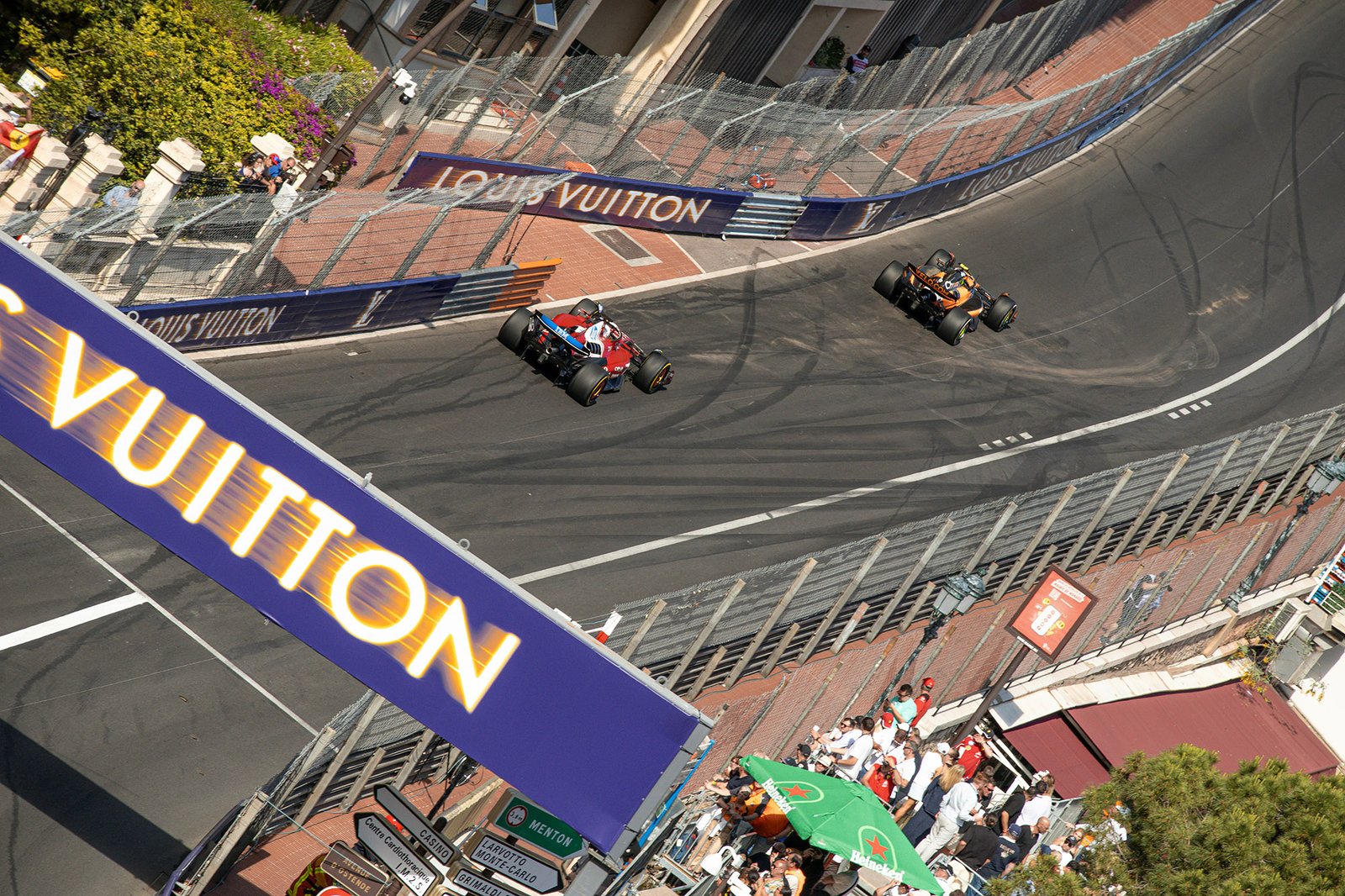
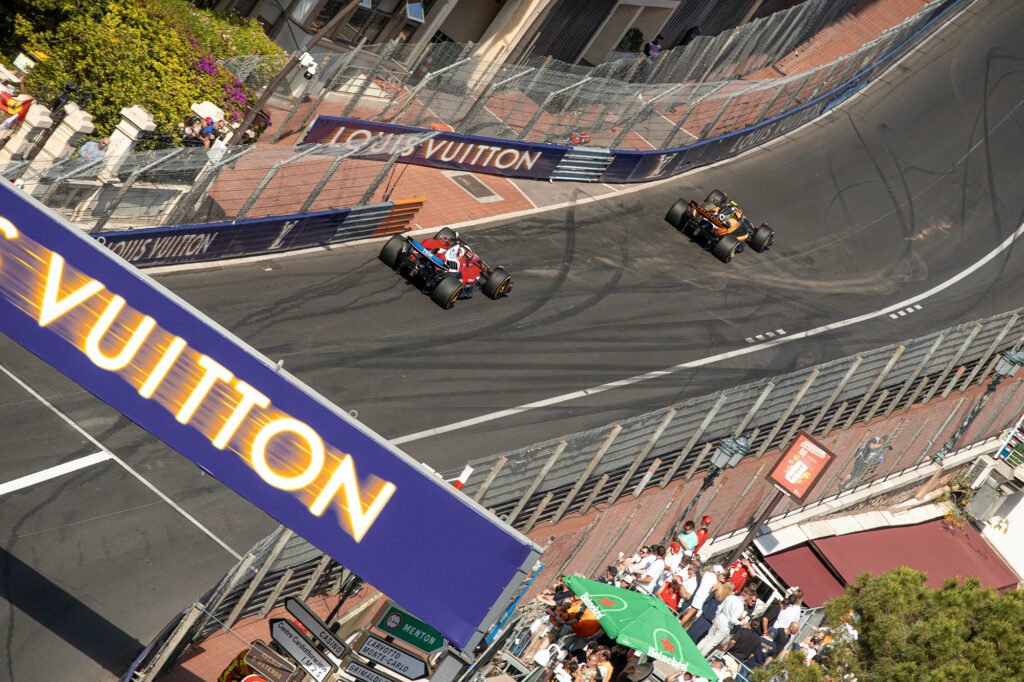
Only the Trackside zone runs alongside the circuit, and even there the view depends on the exact position, the neighbouring yachts and your own deck layout. A berth in Zones 1, 2 or 3 should not be booked on the assumption of a race view. Some charter offers include the berth, others price it separately, so confirm that the quote covers a confirmed berth, its zone and VAT before paying. If no suitable berth is available, an authorised anchorage with tender transfers is a real alternative, though a different experience.
04
A yacht’s cruising capacity and its event capacity are two different numbers. A yacht that sleeps twelve may host a far larger daytime reception at the quay, within the limits the ACM sets by vessel size and the maximum hospitality capacity confirmed by the owner or captain. Ask for the dockside event capacity separately, and have your guest numbers accepted before the invitations go out.
At anchor, that dockside figure does not carry over. Any party above twelve must be approved for that yacht, charter and location, and every guest arrives and leaves by tender.
Guests entering the port also need ACM hospitality passes, which berth fees do not automatically include. In past editions these were sold as four-day packages rather than day passes, so budget for your busiest day: 40 guests on Friday and 50 on Saturday meant 50 packages. Suppliers and event staff need passes too, free in previous years but requested in advance.
05
From an anchorage, the tender is your link to the shore. During the Grand Prix, a tender may only land passengers in Port Hercule or Fontvieille if it carries the appropriate SEPM authorisation, known as a macaron. It is issued to the boat, not to the people aboard, and it ties the tender to set landing points and operating rules rather than the whole waterfront. Hiring an extra tender does not give it the right to land guests: each one needs its own authorisation.
Size matters too. The 2025 instructions separated tenders under nine metres from those under twelve, sending larger boats to designated Touch & Go points, and some drop-offs, such as behind the yachts on Quai des États-Unis, were open only outside race sessions. Some charter packages include one or more macarons. Otherwise, applications follow the Ports de Monaco procedure for that edition, with registration, insurance and dimensions to hand. Without one, an authorised water taxi or shuttle is the fallback.
06
How guests step aboard shapes the whole arrival. At the quay, a gangway lets them walk on with the crew’s help, which suits a reception where people arrive at different times. It is not necessarily step-free, though: gangways can be narrow, sloped or end in steps.
Arriving by tender is different. Guests transfer at the bow onto boarding stairs, with wider treads and handrails, or onto a ladder, which is steeper. The tender and the yacht move independently, so hands should be free, shoes flat and the crew’s instructions followed. Groups also take longer to land this way than to walk aboard.
If anyone in your party has reduced mobility, an injury or young children, discuss the full boarding route before booking and ask for photographs or a video of the yacht’s actual setup. It may also shape what your guests choose to wear.
07
A yacht makes a natural setting for a client lunch or an evening reception, provided the event is agreed upfront. Describe it when choosing the yacht: a seated lunch for twenty asks something different from a standing reception with caterers, a DJ and branded installations. Decide which spaces are open to guests, typically the exterior decks, a lounge and selected bathrooms, with cabins kept private.
Appoint one contact to coordinate crew and suppliers from setup to removal. Heavy cases are carried, never dragged across teak; furniture sits on protective pads; delicate rugs and objects may be put away for the day. Bars, speakers, lighting and displays have to work with the yacht’s weight limits, power supply and fixing points. Branding has a second layer of approval: under ACM guidance, banners, wraps and sponsor displays on the vessel must be submitted before you commission them.
08
On board, shoes usually come off. Stilettos dent teak and some soles leave marks, so guests are typically asked to go barefoot or wear approved footwear. Add a short note to the invitation and plan a place to leave shoes, with slippers where it suits. A shoes-on event is possible on some yachts if the owner agrees and the decks can be protected, but it is the exception: mention it early so the right yachts are shortlisted.
For an event charter, a security deposit is usually held separately from the APA, which covers operating expenses. Confirm what it covers, how deductions are documented and when the balance is returned. Under MYBA terms, damage beyond normal wear can be charged to the charterer, and the deposit does not necessarily cap your liability.