ABC Island / Bonaire
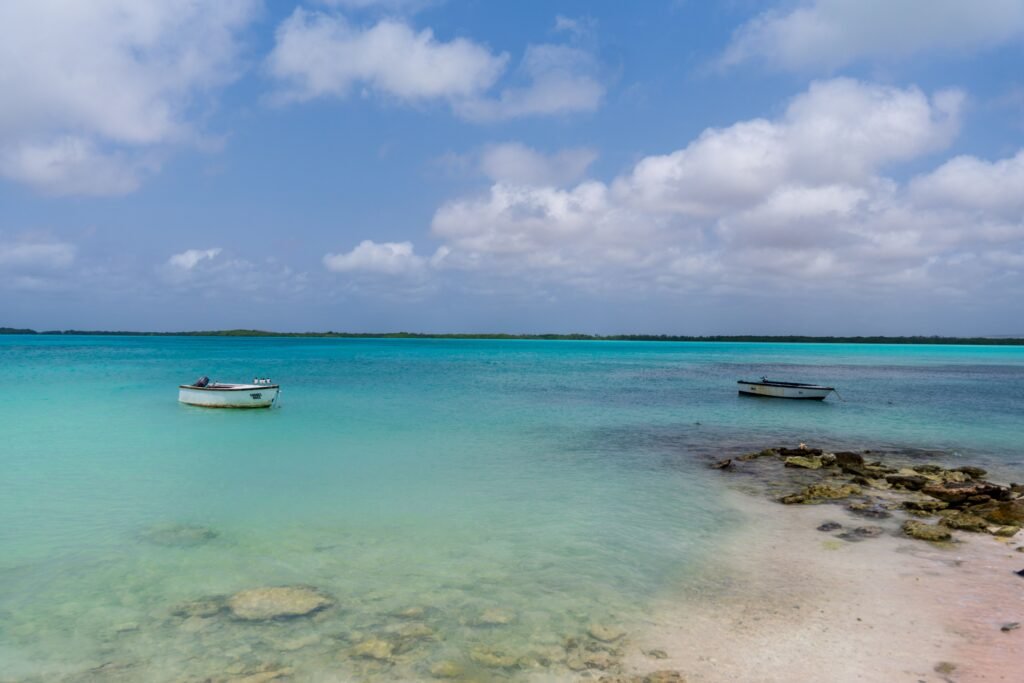
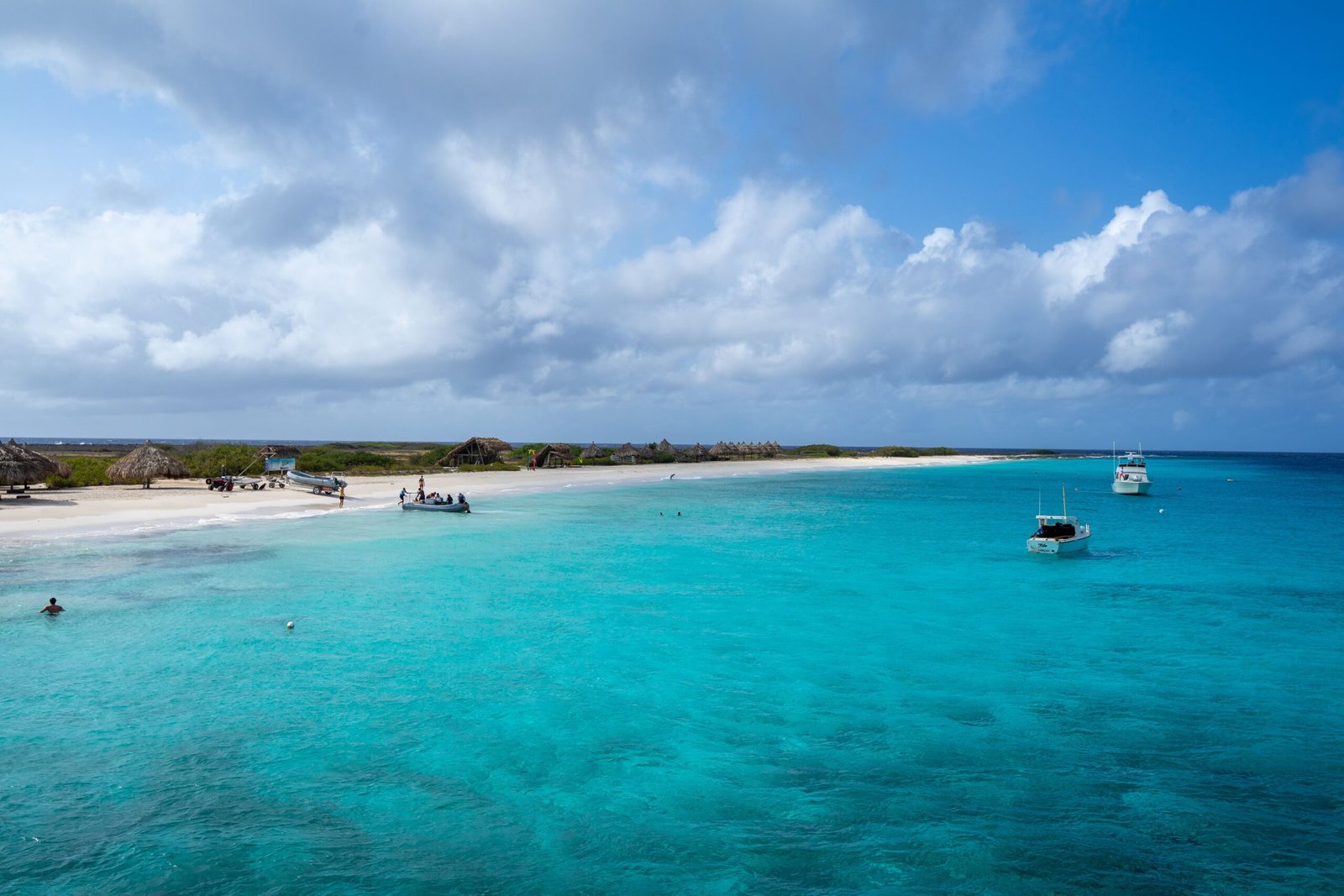
Klein Bonaire
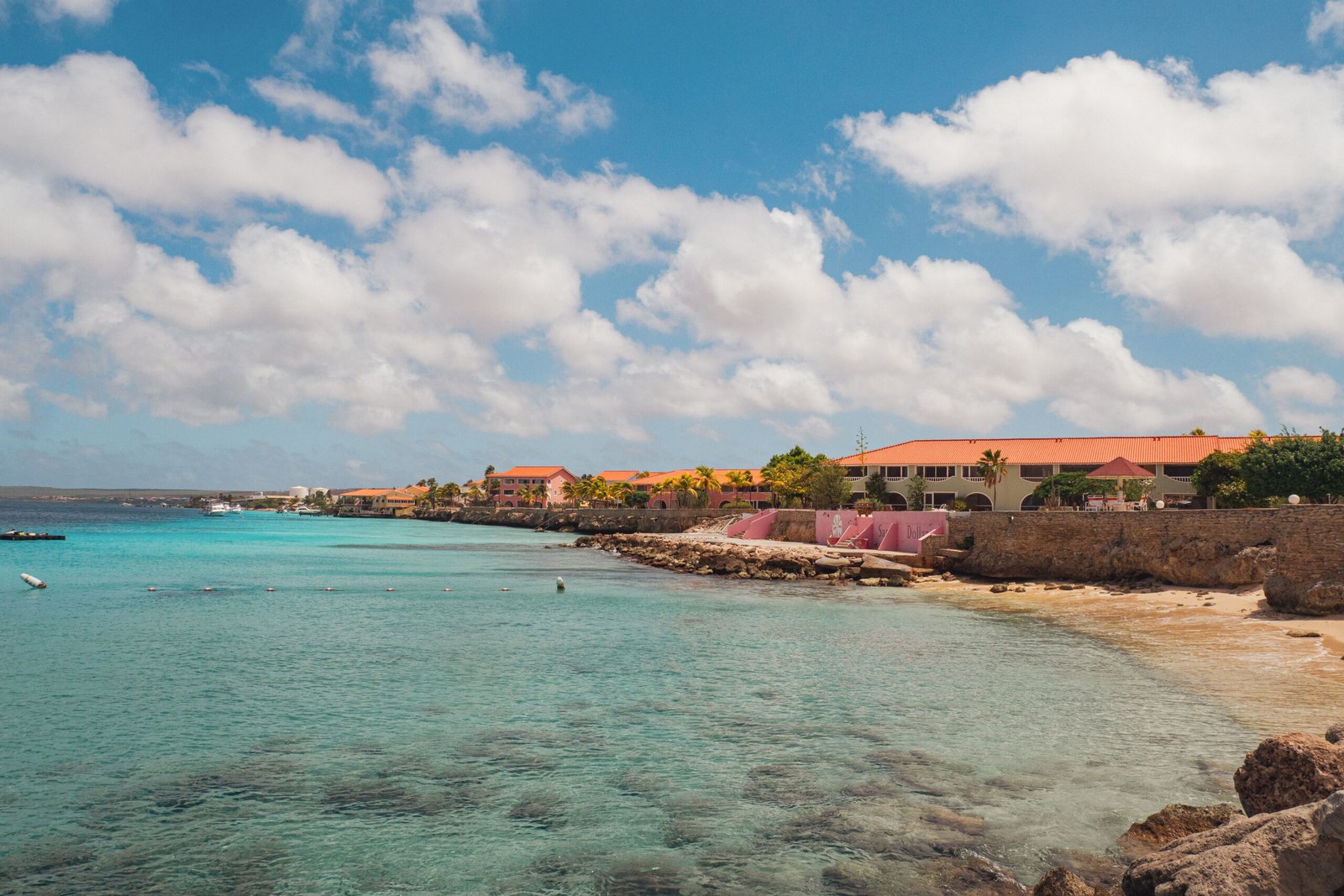
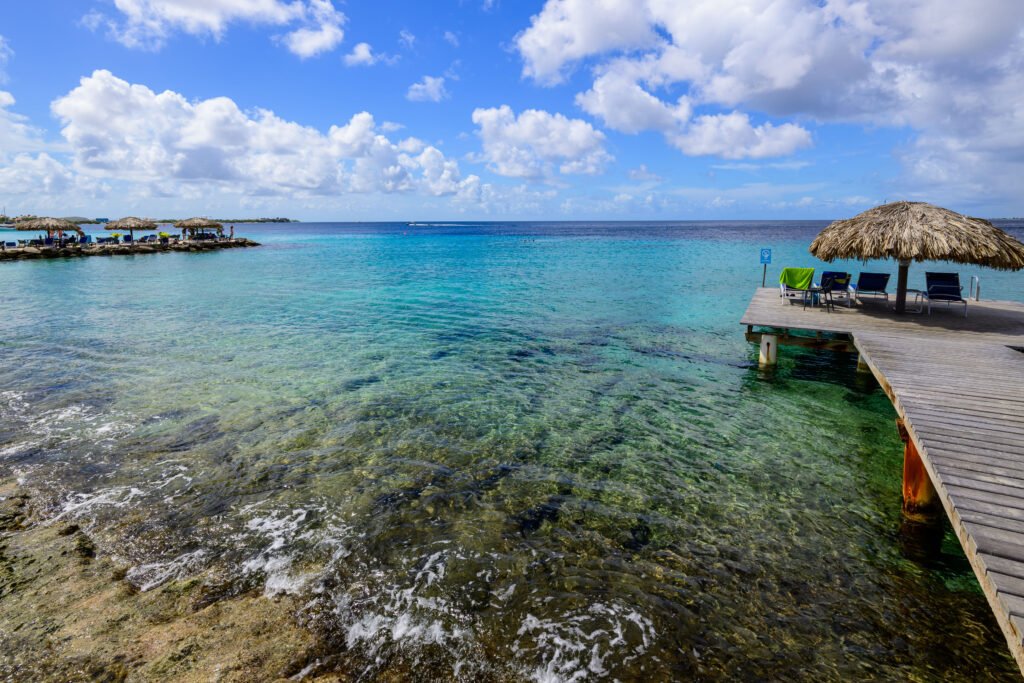
Kralendijk waterfront
Sorobon Bay, Lac Bay
Salt Pier moorings
Bachelor’s Beach moorings
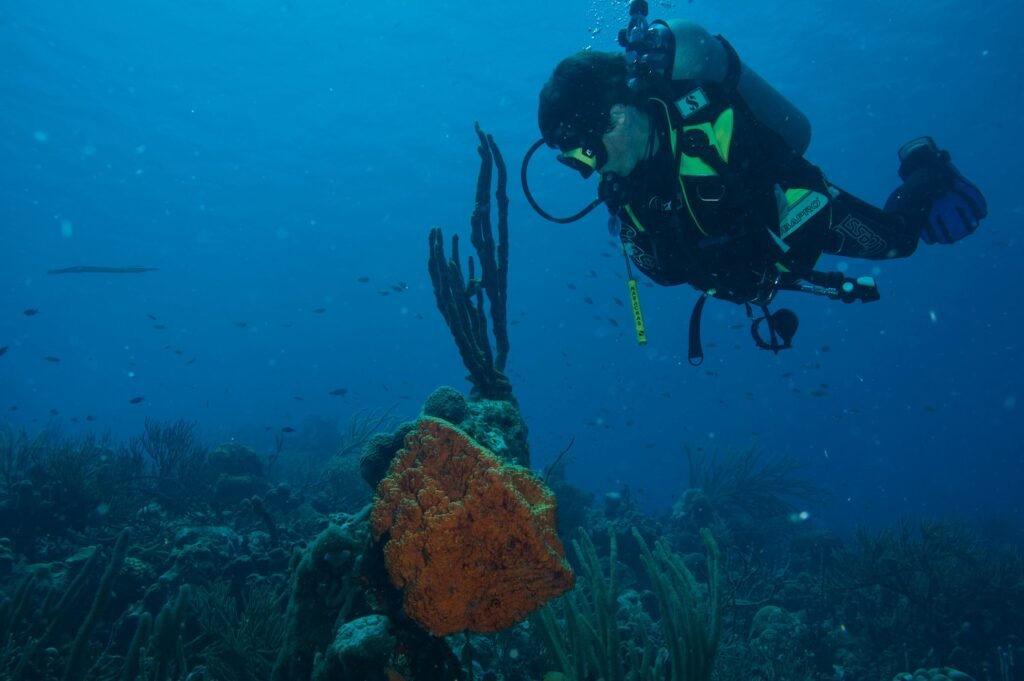
Dive the Bonaire National Marine Park’s shore sites
Windsurf Lac Bay
Kayak the Lac Bay mangroves
Birdwatch the Pekelmeer flamingo sanctuary
Snorkel Klein Bonaire’s reefs
Kralendijk
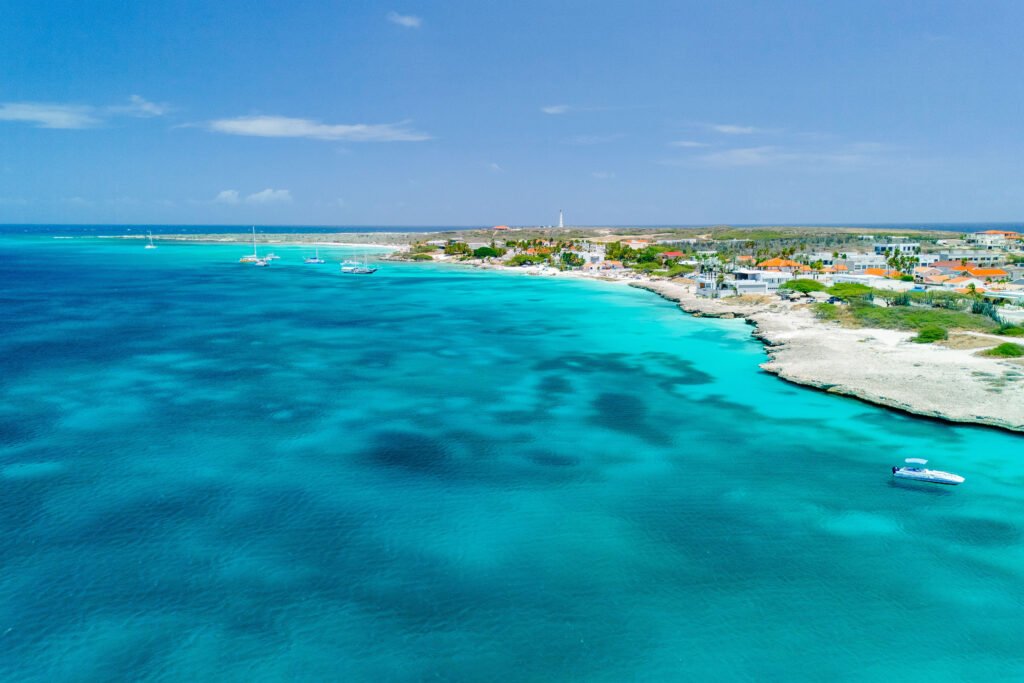
Klein Bonaire
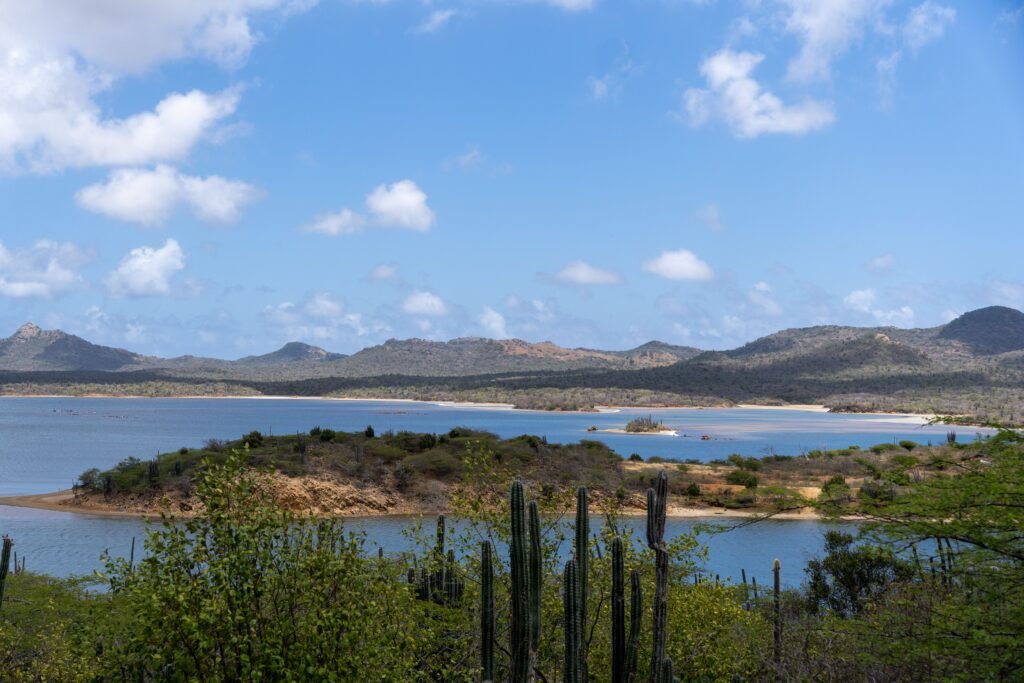
Washington Slagbaai National Park
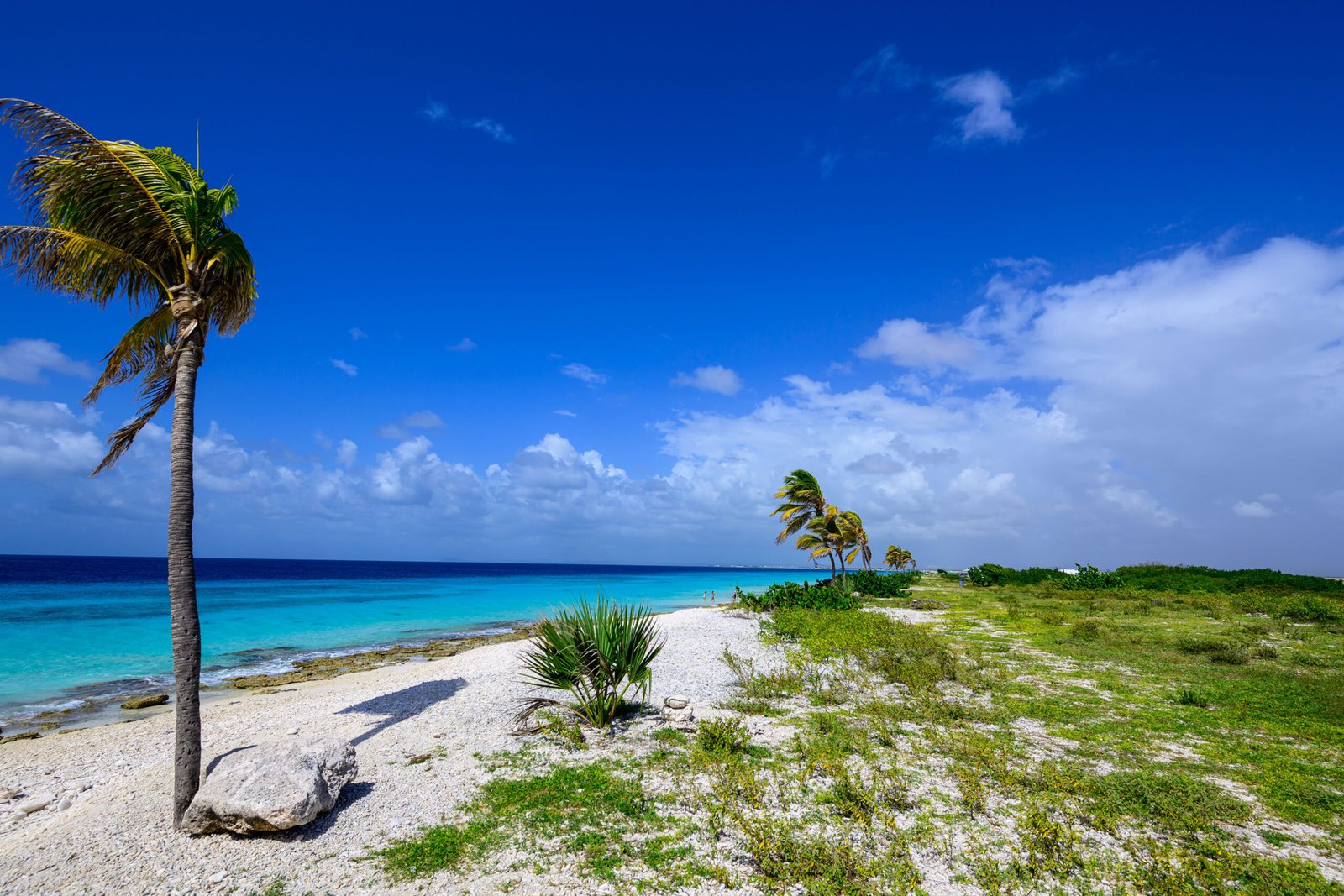
Lac Bay
Pekelmeer Sanctuary
Bonaire sits below the main hurricane belt, so diving and sailing conditions stay good nearly year round, with the driest stretch running roughly January to September. A short, mild rainy season from October to December brings brief showers rather than serious weather. Because visibility and water temperature change little through the year, the choice of when to go often comes down more to flight availability than the weather itself.
Flamingo International Airport (BON), just outside Kralendijk, is the main gateway, with direct flights from the US and the Netherlands and connections through Curacao and Aruba. The airport sits close enough to the harbour that transfers take only a few minutes, which matters on an island where most of the charter experience happens right off the mooring rather than after a long drive to the water.
Anchoring is banned across almost the entire coastline because it falls within the Bonaire National Marine Park, so yachts use the government’s mooring buoys instead, found off popular sites like Klein Bonaire, Bachelor’s Beach and the Salt Pier. The rule is strictly enforced, with fines for anchoring on coral, but the trade-off is water and reef quality that’s kept many long-time divers coming back for decades.
Five to seven days is enough to dive or snorkel the main sites, spend a day at Klein Bonaire, and fit in Lac Bay for windsurfing or a quieter paddle through the mangroves. Because the island is small, roughly 40 kilometres north to south, and most of the interest is underwater rather than spread across long distances, even a shorter three or four day stop can feel complete for a diving-focused trip.
Yes. Anyone snorkeling or diving in Bonaire National Marine Park, which covers virtually the entire coastline, needs an annual STINAPA nature fee tag, currently 40 US dollars per person, purchased online or through a local dive operator before entering the water. The fee funds park rangers and the mooring buoy network, and it’s separate from any charges your charter or dive shop may add for equipment or guiding.

Tell us what you would like to know, and our team will respond with clear details on availability, specification, pricing and next steps.