British Isles / Scotland
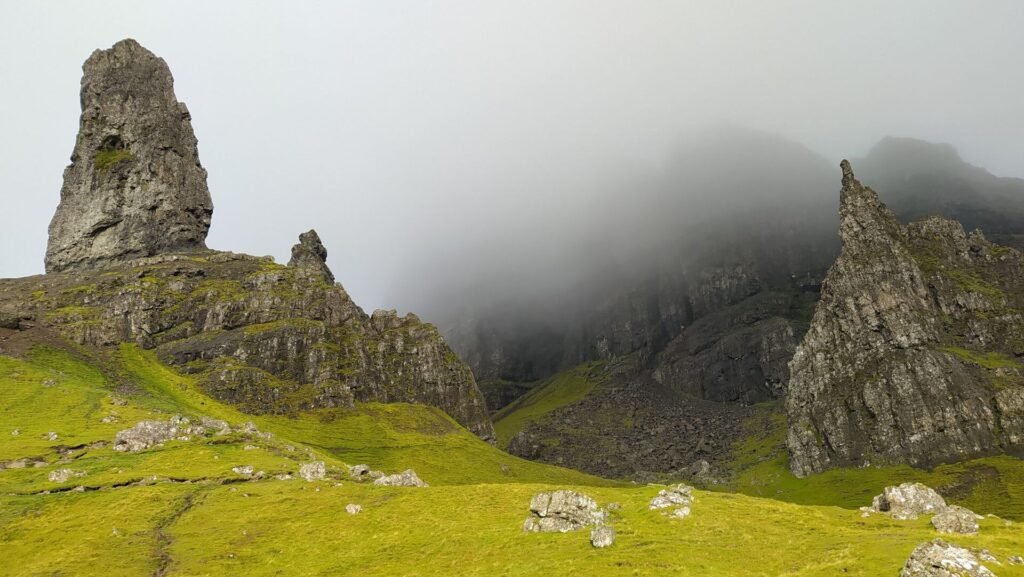

Loch Scavaig, Skye
Tobermory Harbour, Mull
Loch Sunart, Ardnamurchan
Canna Harbour
Loch Rodel, Isle of Harris
Tour the Islay whisky distilleries
Watch golden eagles above Mull
Cruise the Corryvreckan whirlpool at slack water
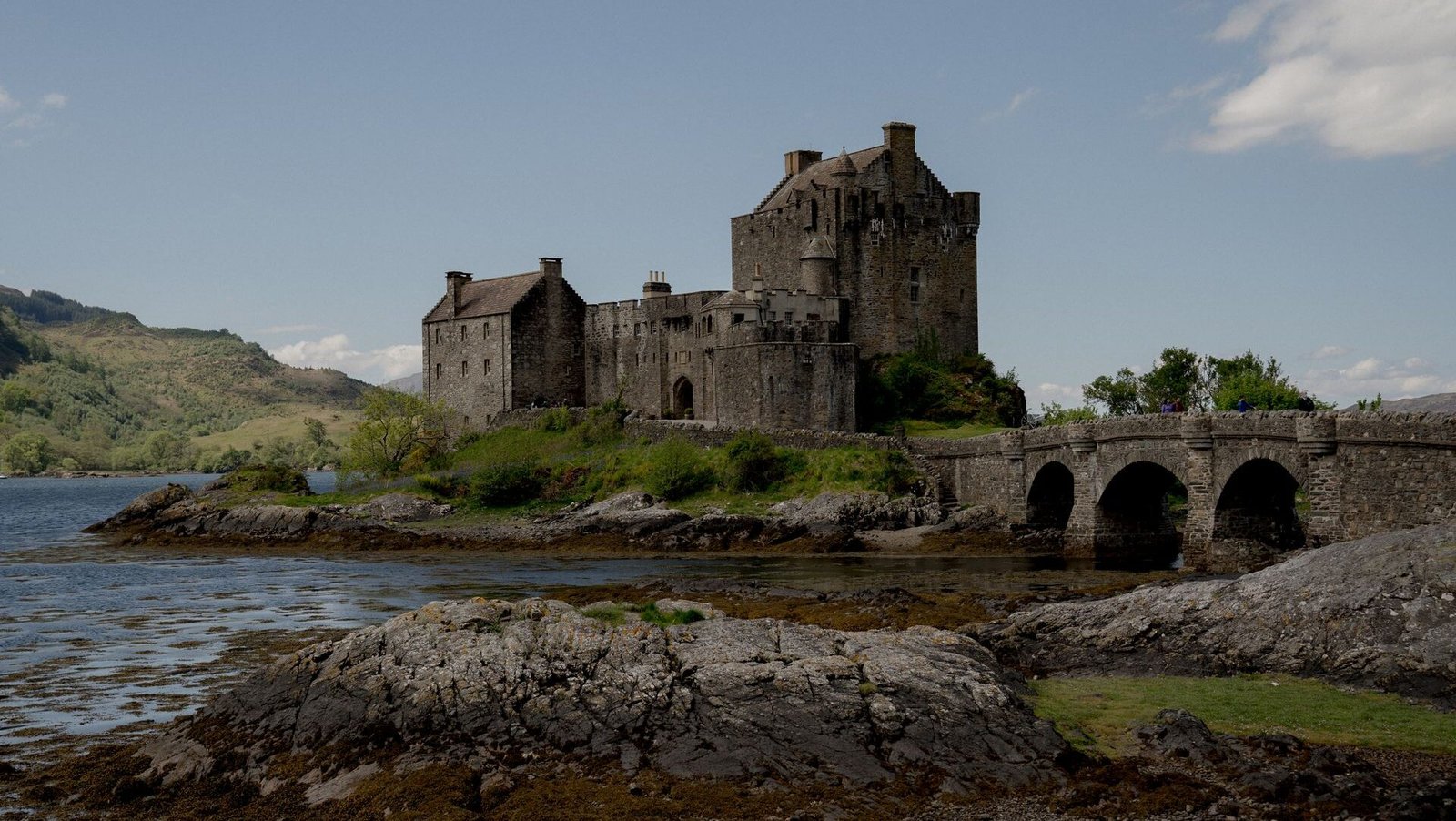
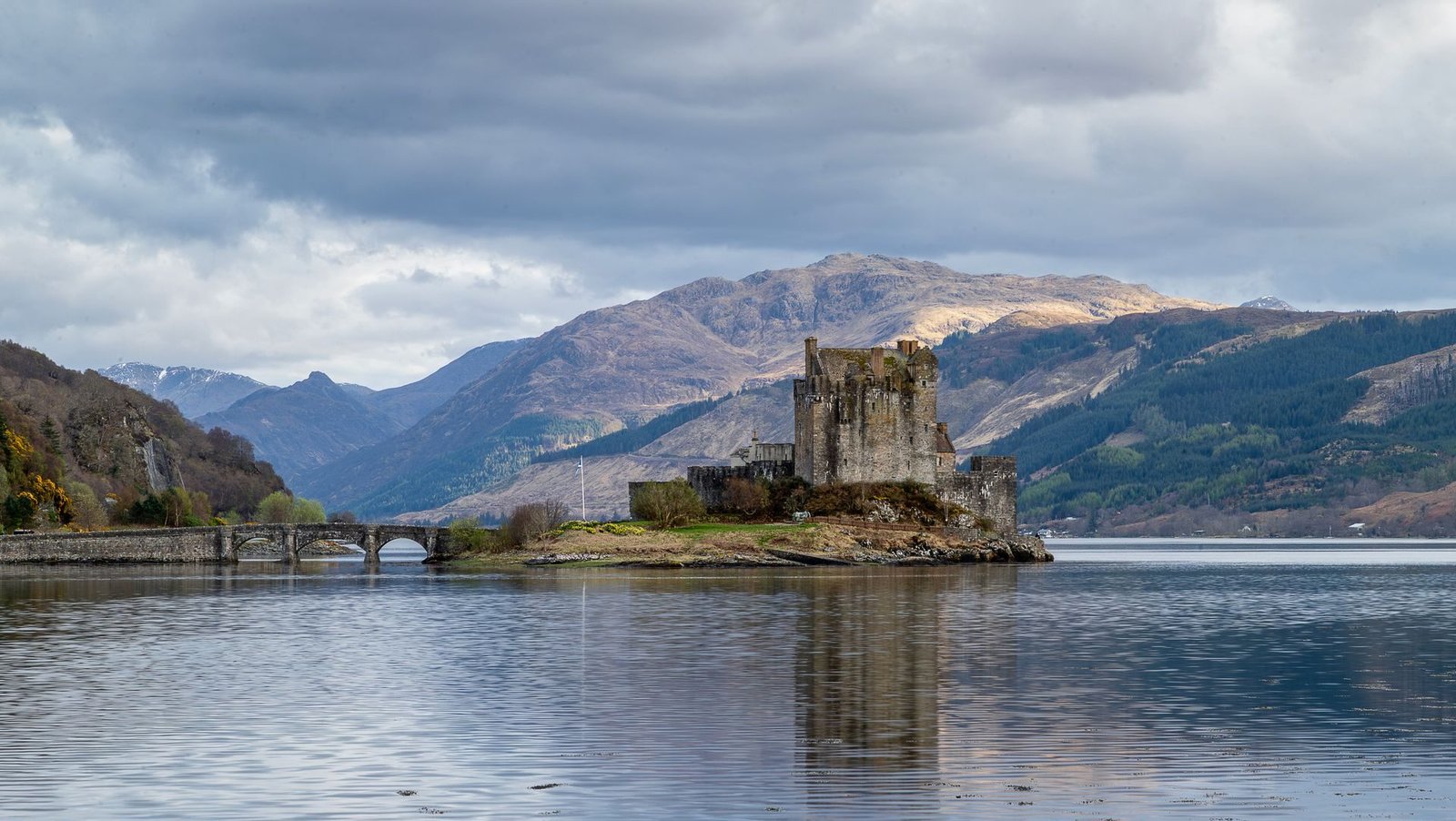
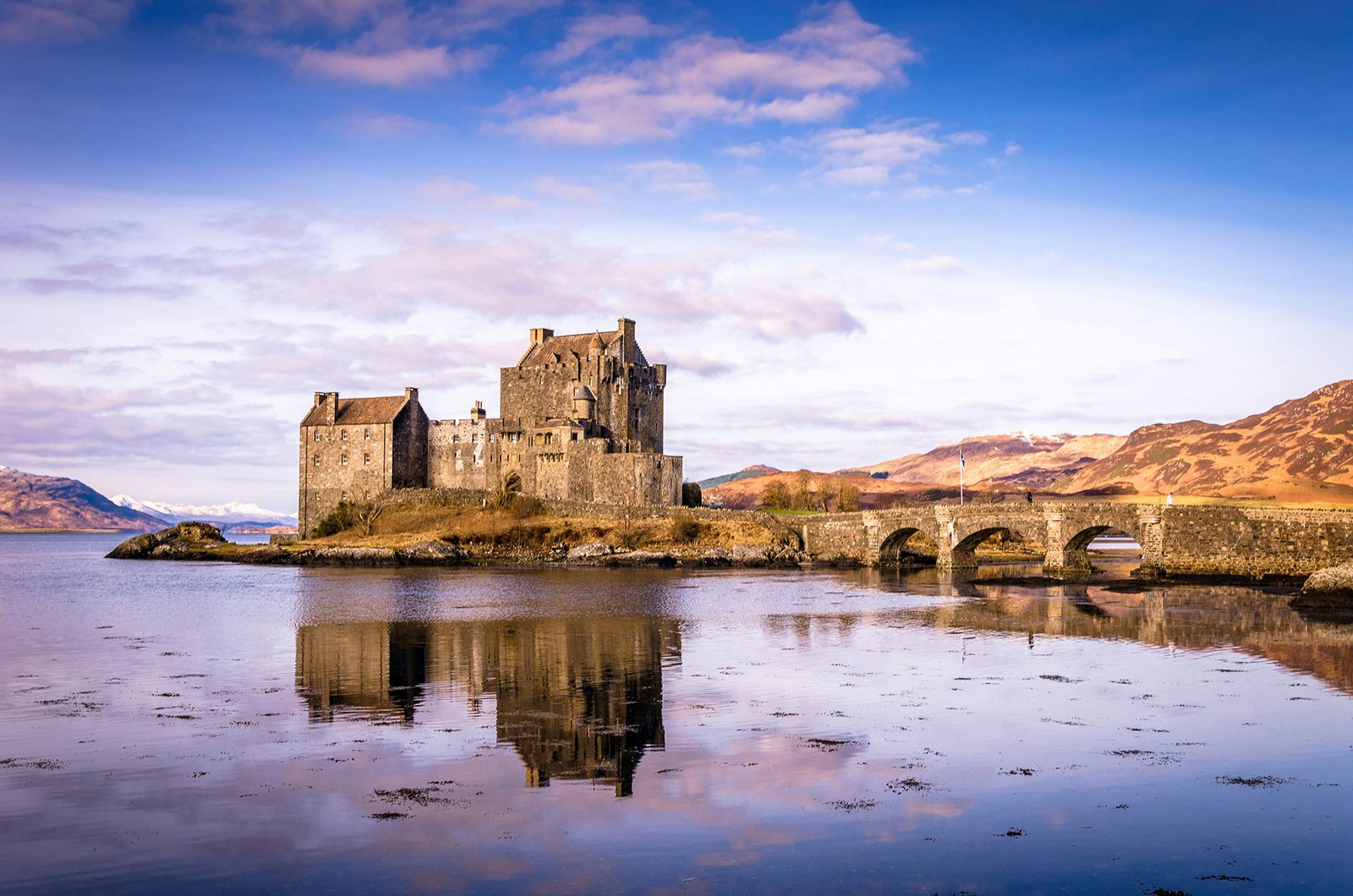
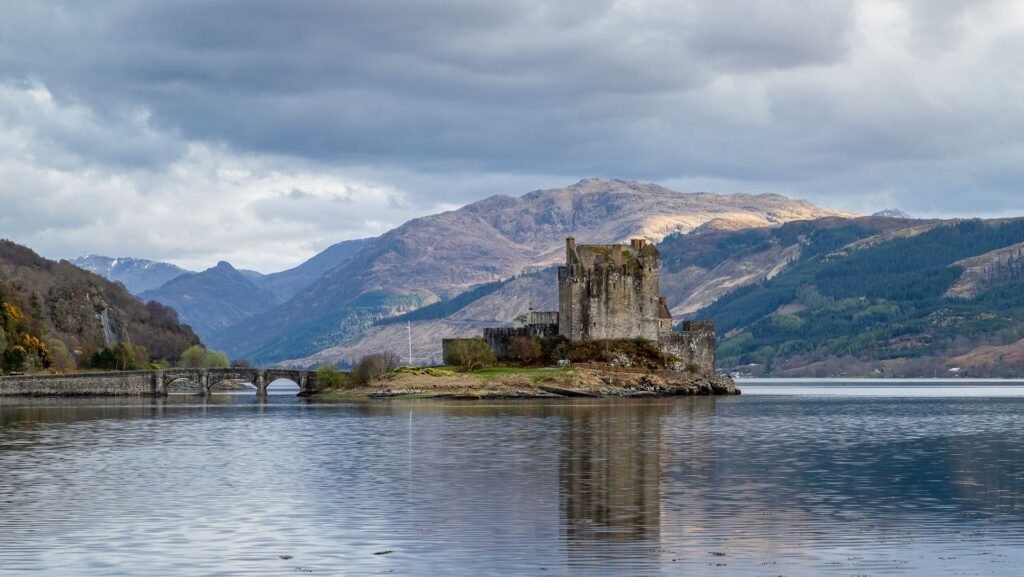
Tour Eilean Donan Castle
Snorkel with basking sharks off Coll and Tiree
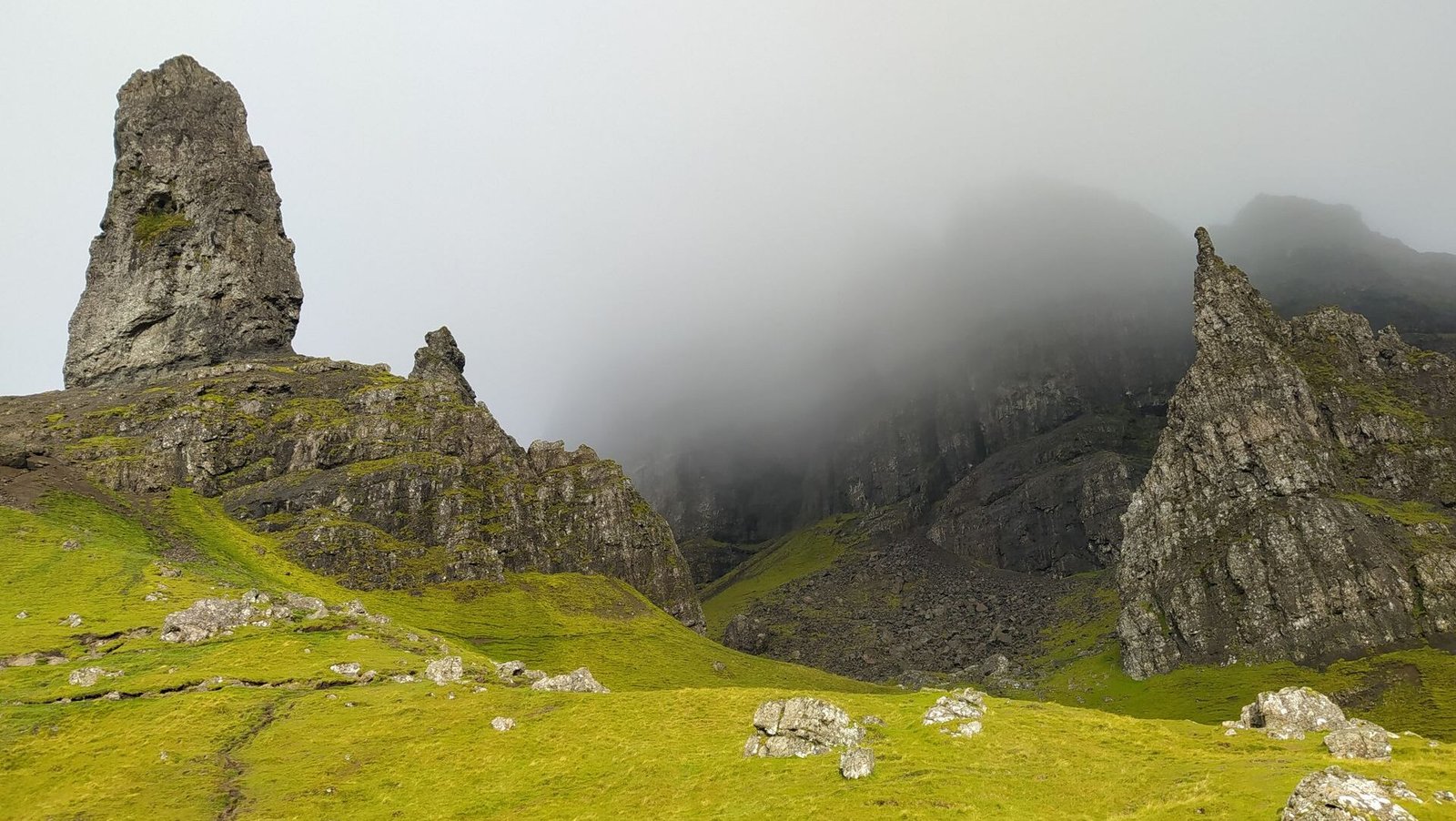
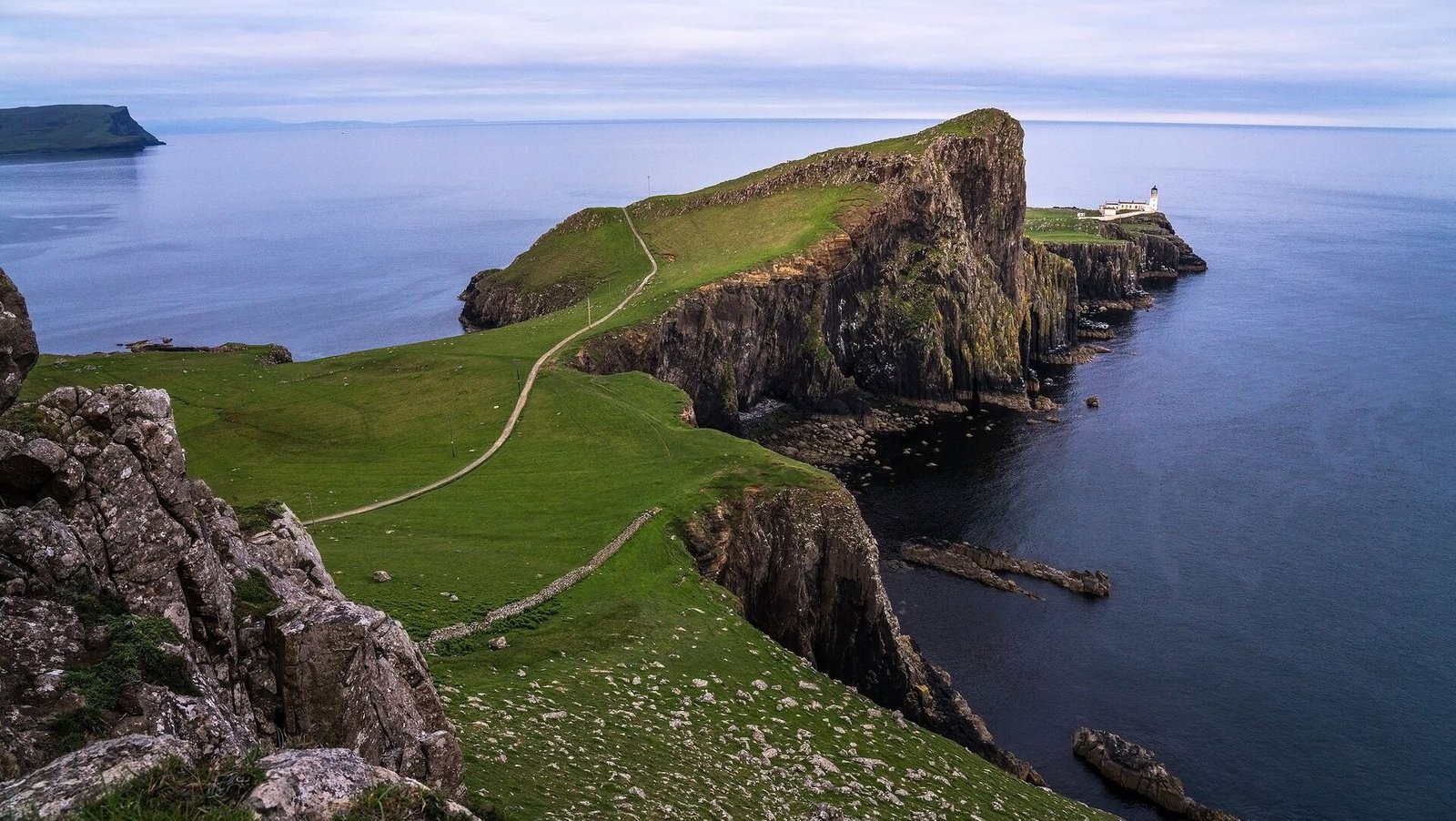
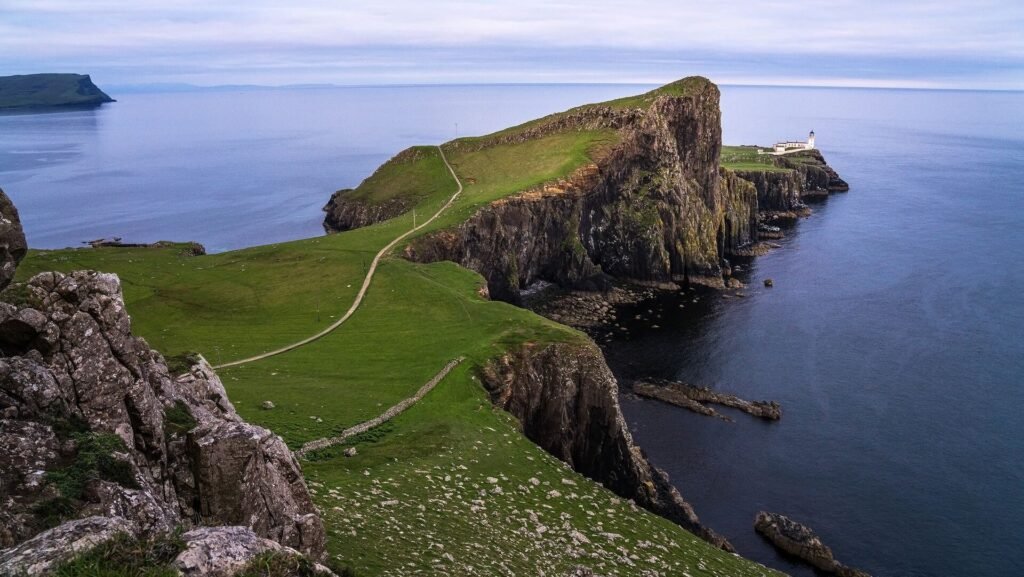
Isle of Skye
Isle of Harris
St Kilda
Duart Castle, Mull
Staffa and Fingal’s Cave
May and June bring the longest days and the driest, calmest weather, with up to eighteen hours of daylight and a real chance of clear runs to St Kilda. July and August are warmer but wetter, with more midges ashore, while September often sees fewer boats and dramatic light, though the first autumn gales can arrive by the month’s end. Most charters run from May through September.
Glasgow Airport is the main international gateway, with a drive of roughly three hours to the charter hub at Oban, the usual embarkation point for west coast itineraries. Inverness Airport serves the Highlands and is a better option for charters starting further north, closer to Skye and the Kyle of Lochalsh. Oban itself has a small regional airstrip with limited scheduled flights, mainly to Coll, Tiree and Colonsay.
Loch Scavaig on Skye is unmatched for drama, a deep, mountain-ringed anchorage beneath the Cuillin with a short walk to the freshwater Loch Coruisk. Tobermory’s brightly painted harbour on Mull makes an easy, sheltered stop with good provisioning, while Canna offers one of the calmest anchorages in the Small Isles. For something quieter, Loch Rodel at the southern tip of Harris shelters beneath a sixteenth-century church.
Ten to fourteen days allow for a proper circuit of the Inner and Outer Hebrides, including a weather-dependent crossing to St Kilda, which needs settled conditions and adds at least two days there and back. A shorter week works well for a focused Inner Hebrides itinerary around Skye, Mull and the sea lochs, without the longer Atlantic crossings the outer islands demand.
Midges are a genuine nuisance ashore in Scotland’s west, at their worst from June to August in still, humid conditions around dusk and dawn, but they rarely trouble guests afloat, since even a light breeze keeps them away from the boat. A midge net or repellent is worth packing for beach landings, castle visits or evening walks, particularly in sheltered, wooded spots inland from the anchorages.