Corsica / Propriano
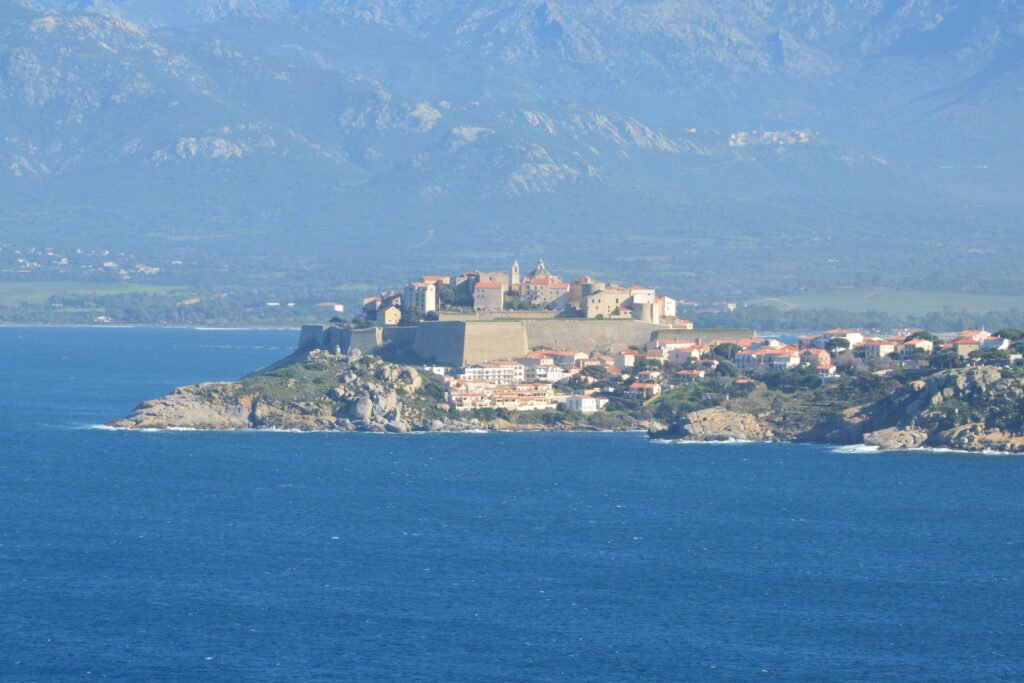
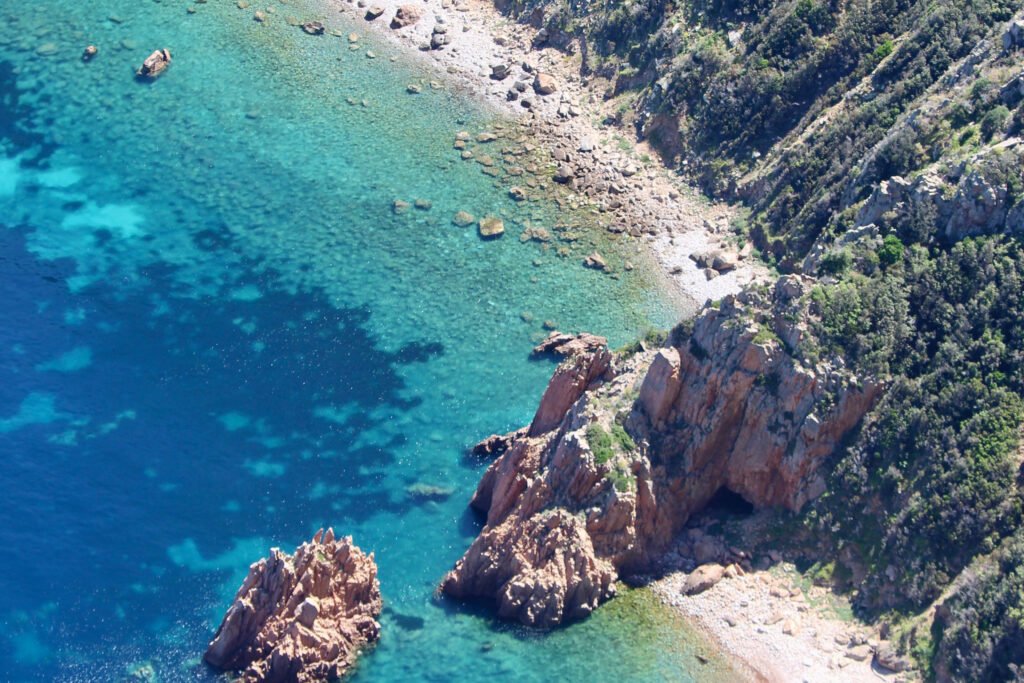
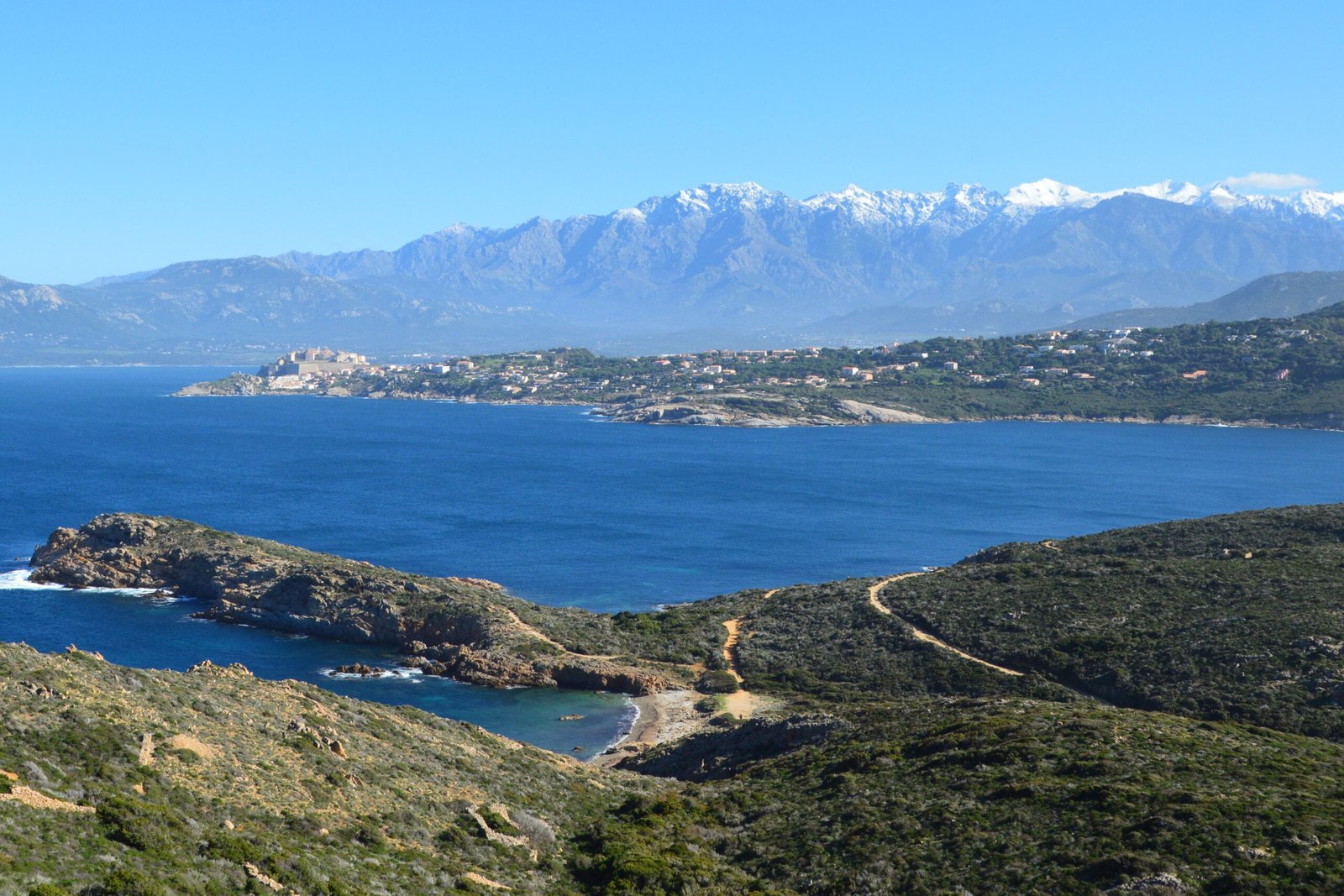
Baie de Cupabia
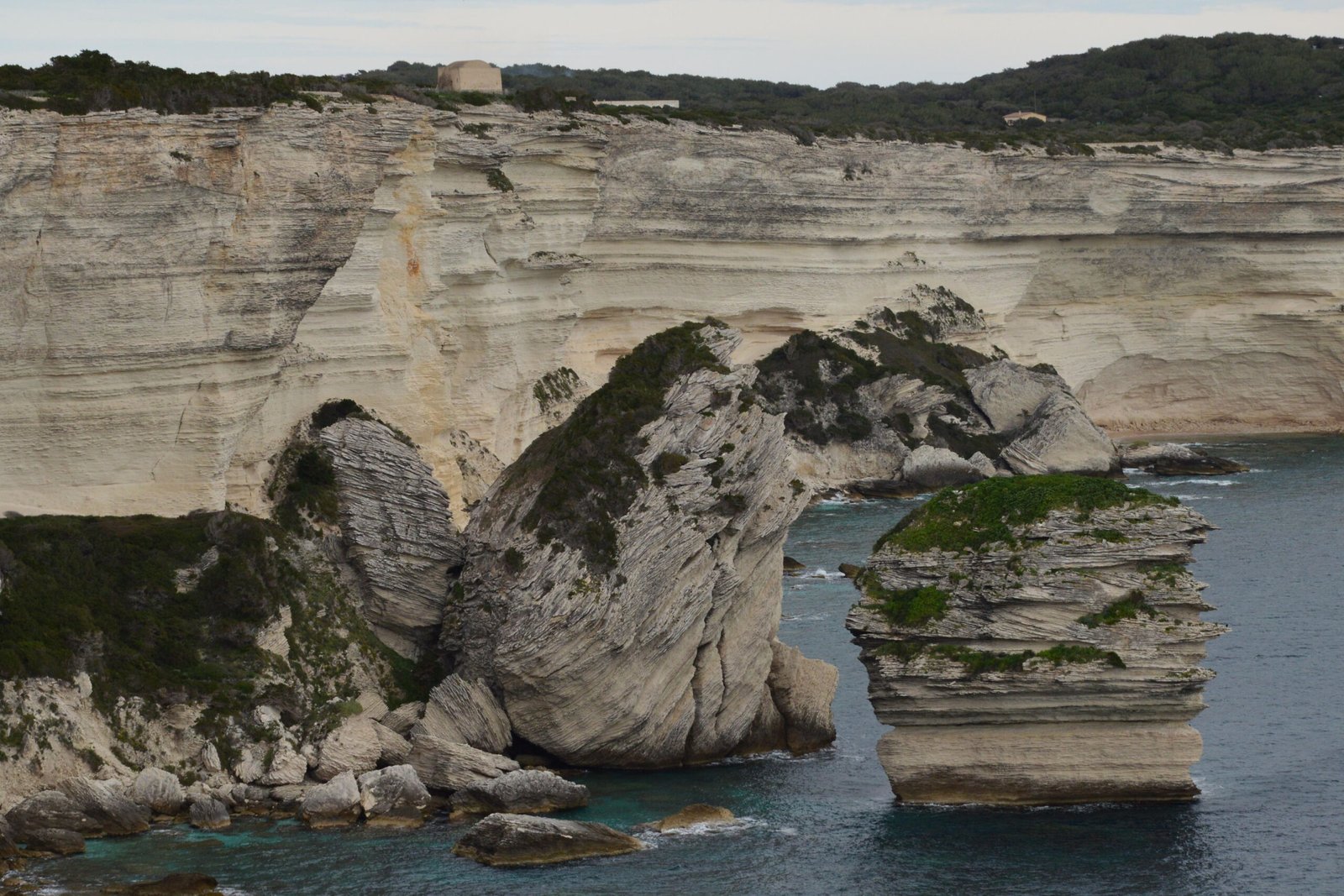
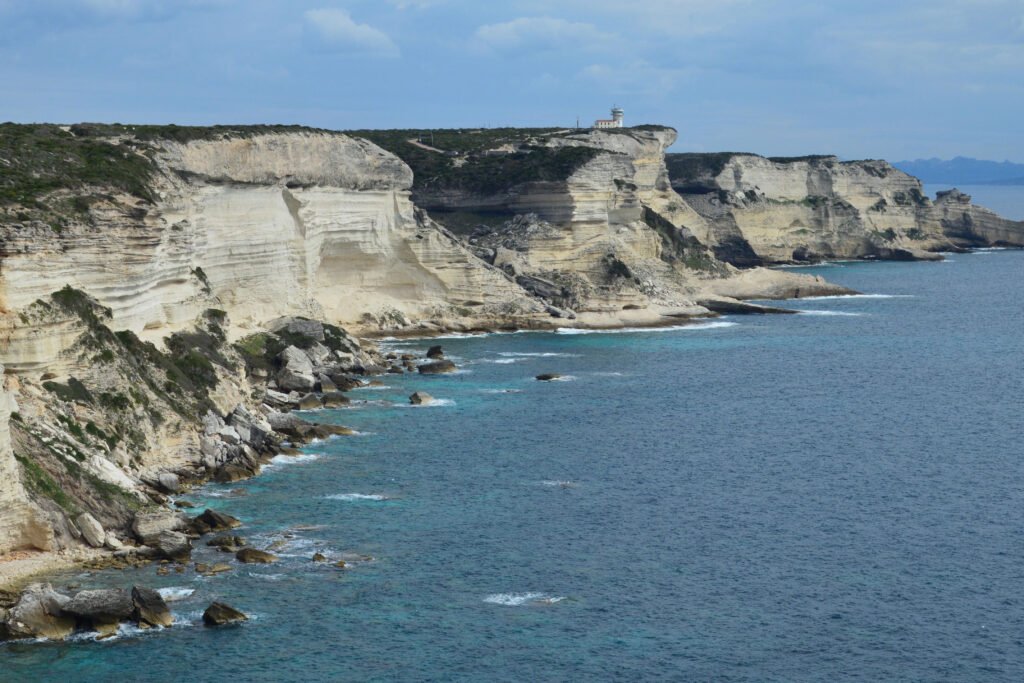
Campomoro Bay
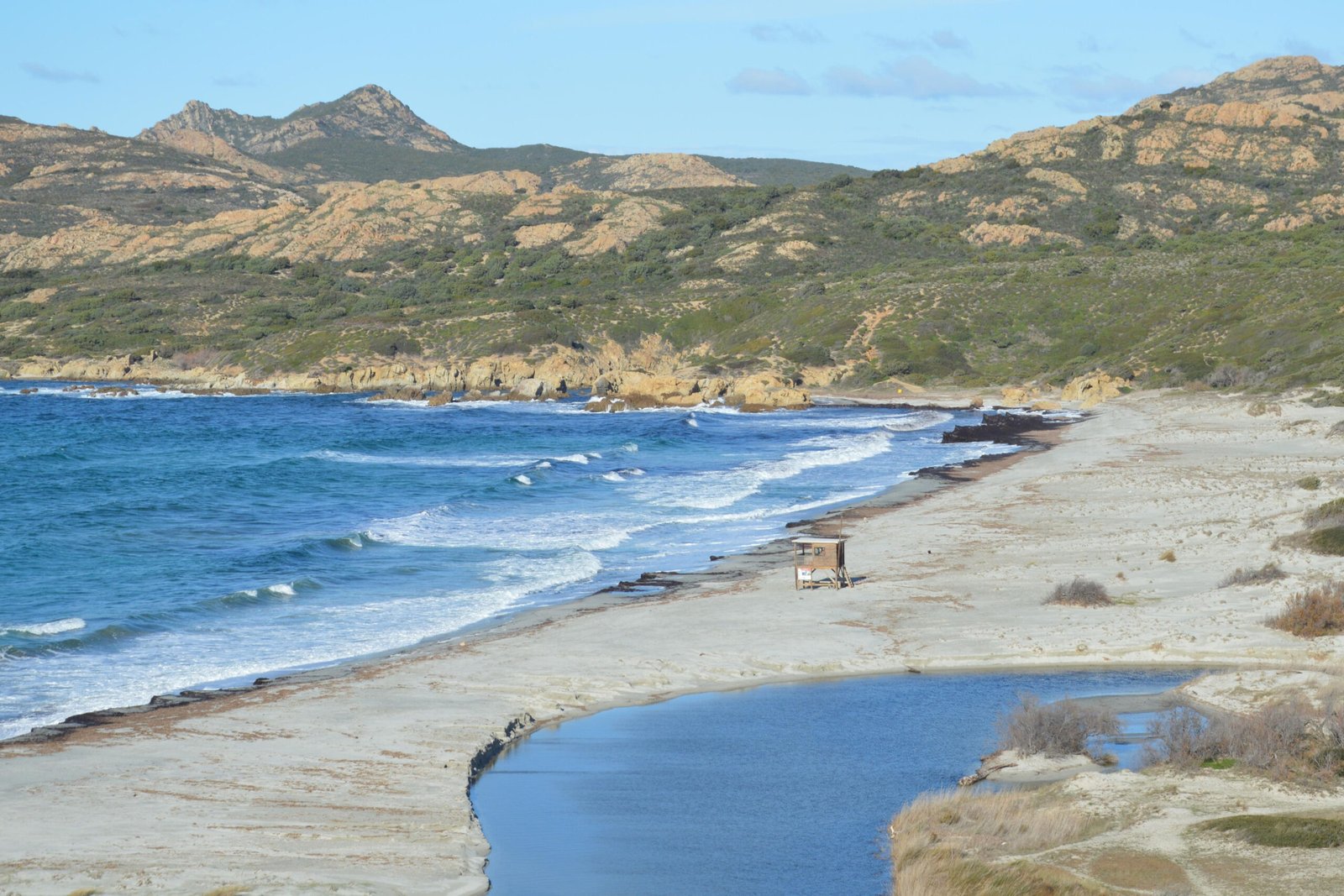
Off Plage de Portigliolo
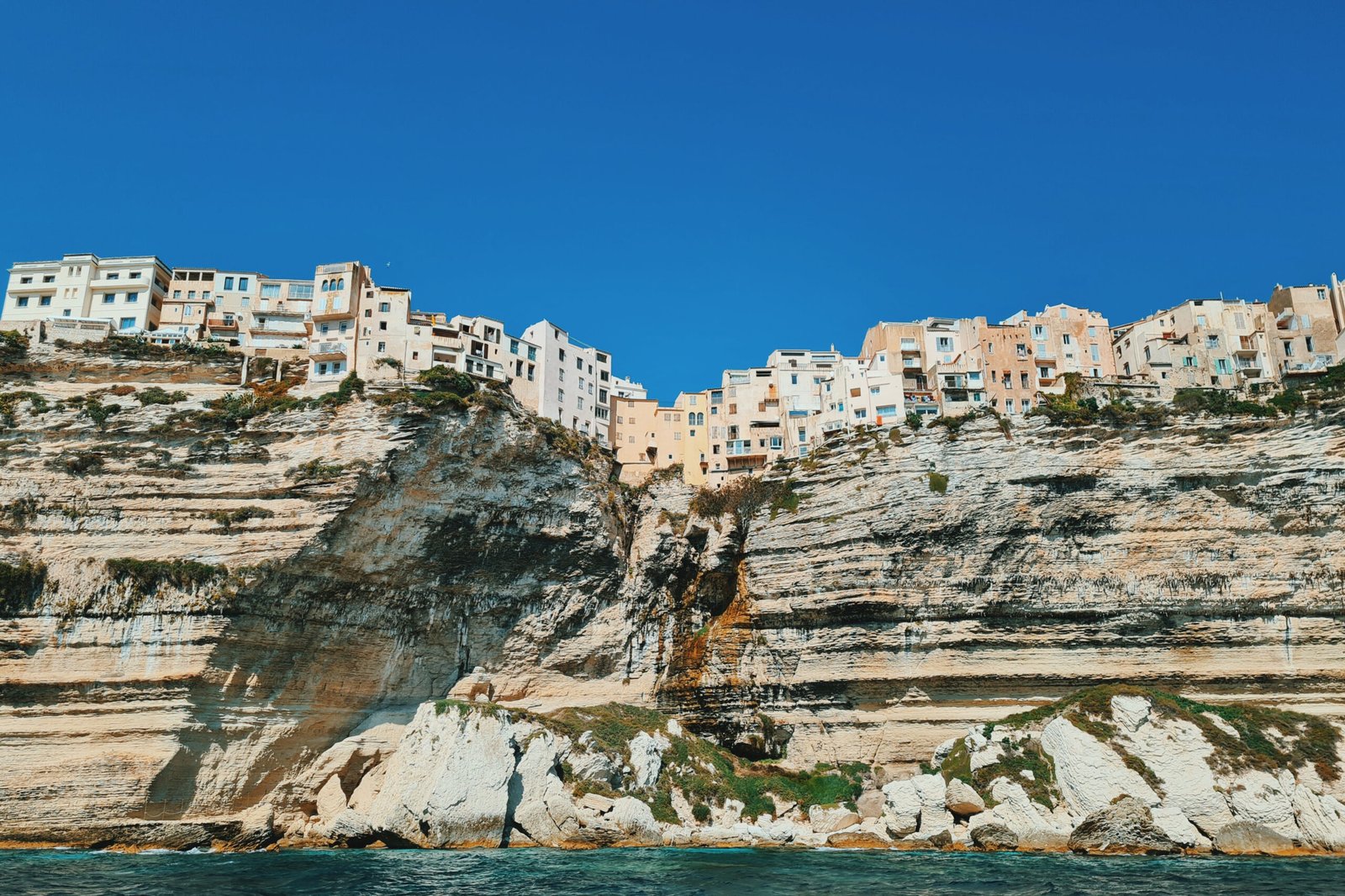
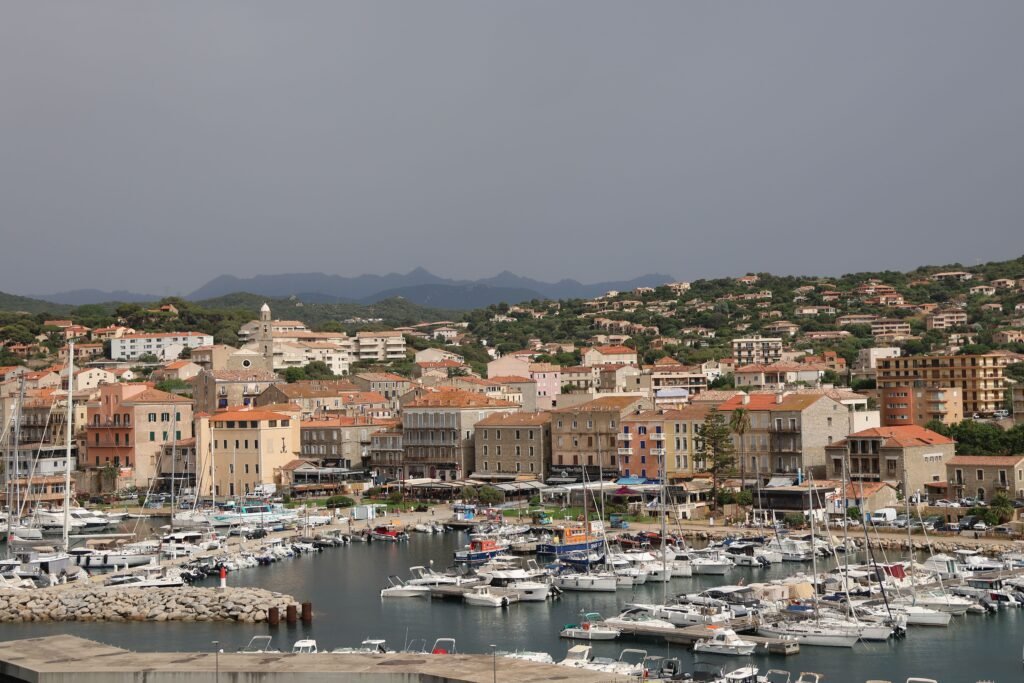
Propriano Marina
Baracci Bay
Visit the prehistoric statues at Filitosa
Climb the Genoese tower at Campomoro
Swim or surf at Portigliolo
Explore the mountain villages of the Alta Rocca
Dine on the marina waterfront
Filitosa Prehistoric Site
Campomoro Genoese Tower
Propriano Old Town
Sartène
Olmeto
May to September gives the most settled Mediterranean weather, with July and August the warmest but busiest in the marina. Because the Gulf of Valinco faces southwest and is largely sheltered from the wind that sweeps Corsica’s northern coast, shoulder-season charters in June and September often bring calmer conditions here than further north, with sea temperatures still comfortable for swimming into early autumn.
Propriano has its own small airport with limited seasonal flights, but most charter guests fly into Figari-Sud Corse, roughly 55 kilometres and under an hour’s drive to the south. Ajaccio’s airport, about the same distance to the north, is the other common option, particularly for connections from mainland France rather than regional island-hopping flights.
Baie de Cupabia at the gulf’s northern end and the water below the Genoese tower at Campomoro to the south are the two standout stops, both offering clear water and good holding away from the marina. Closer in, Baracci Bay and the sheltered stretch off Portigliolo give an easy overnight option within a short tender or dinghy ride of Propriano itself.
A day or two is enough to enjoy the town, the beaches and a half-day trip to Filitosa, making Propriano a natural stopover rather than a week-long base. Most charters pair it with time further north around Ajaccio or south toward Bonifacio, using the Gulf of Valinco as a calm midpoint to break up a longer passage along Corsica’s west coast.
Yes, and it’s an easy one: the site lies barely six kilometres inland, reachable by a short taxi or arranged transfer. Its granite menhir statues rank among the most significant Bronze Age monuments in the Mediterranean, some carved as early as the 4th millennium BC and later re-worked around 1200 BC into warrior figures thought to depict the seafaring Sherden people. A visit takes about two hours, easily fitted around a morning on the beach.

Tell us what you would like to know, and our team will respond with clear details on availability, specification, pricing and next steps.