Greece / Aegean Islands / Cyclades Islands / Delos



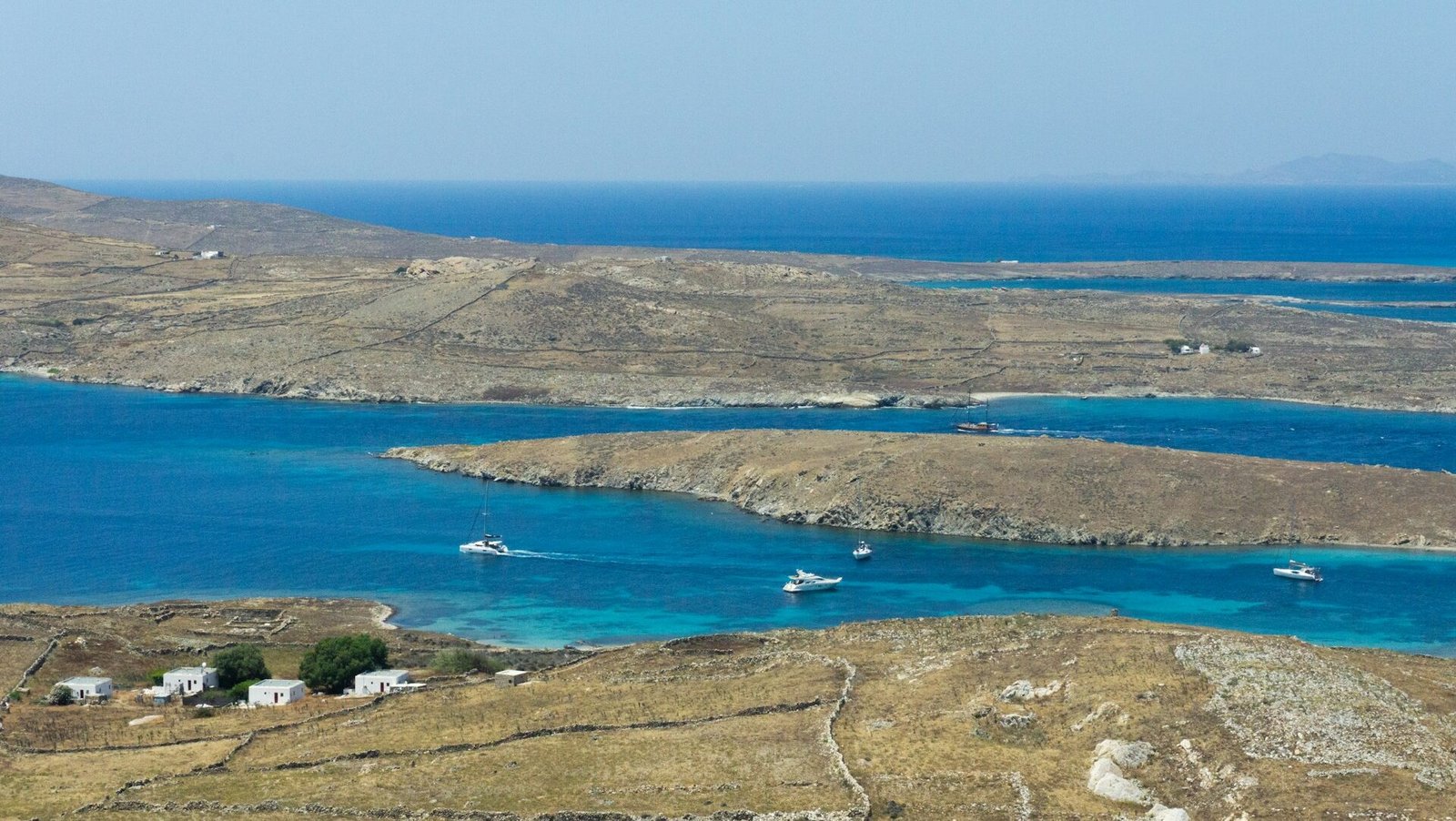
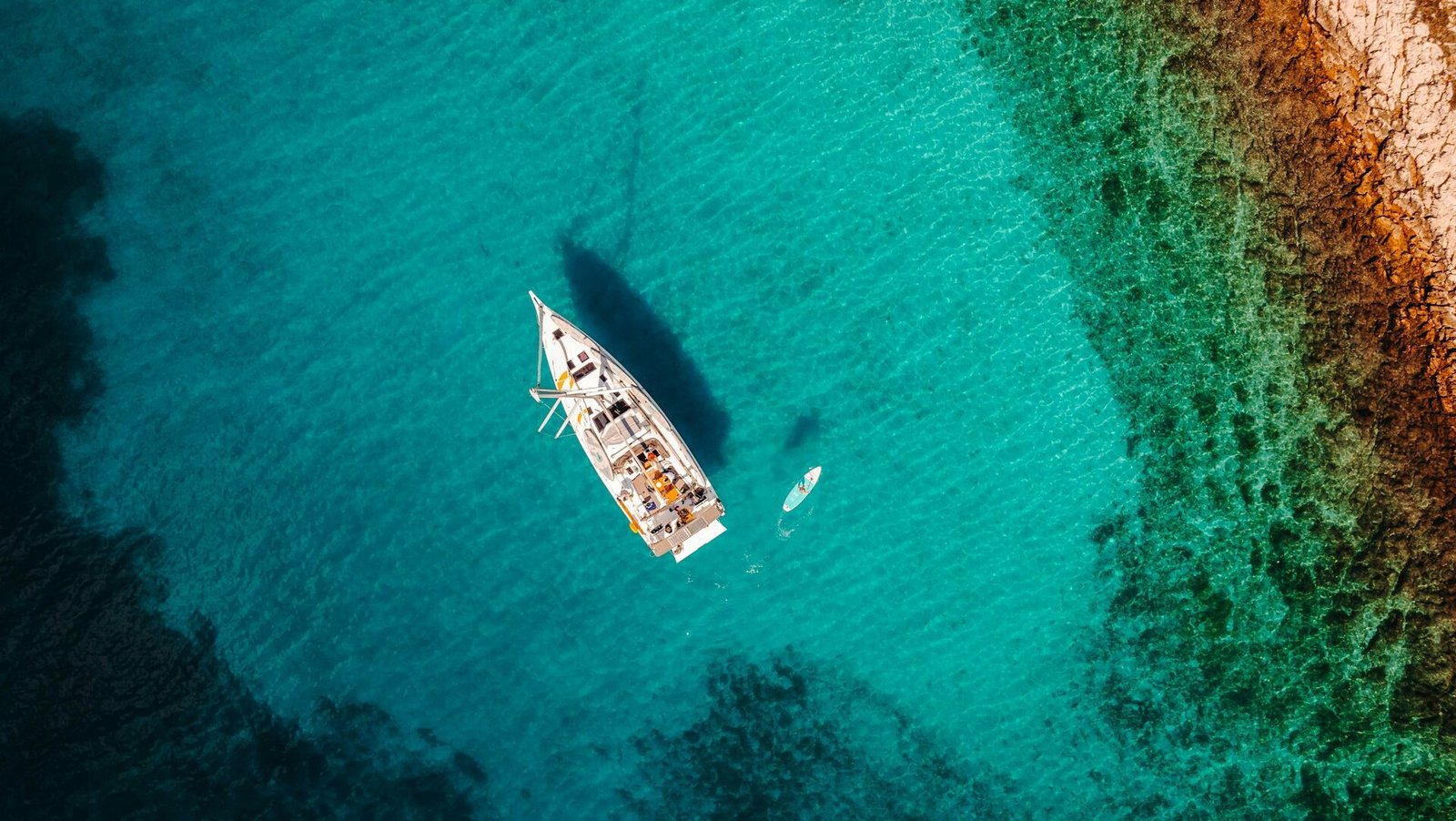
Ambelia Bay, Rhenia’s most sheltered overnight anchorage
Stena, a narrow channel bay opposite Delos itself
Glyfada, a quiet cove on Rhenia’s western shore
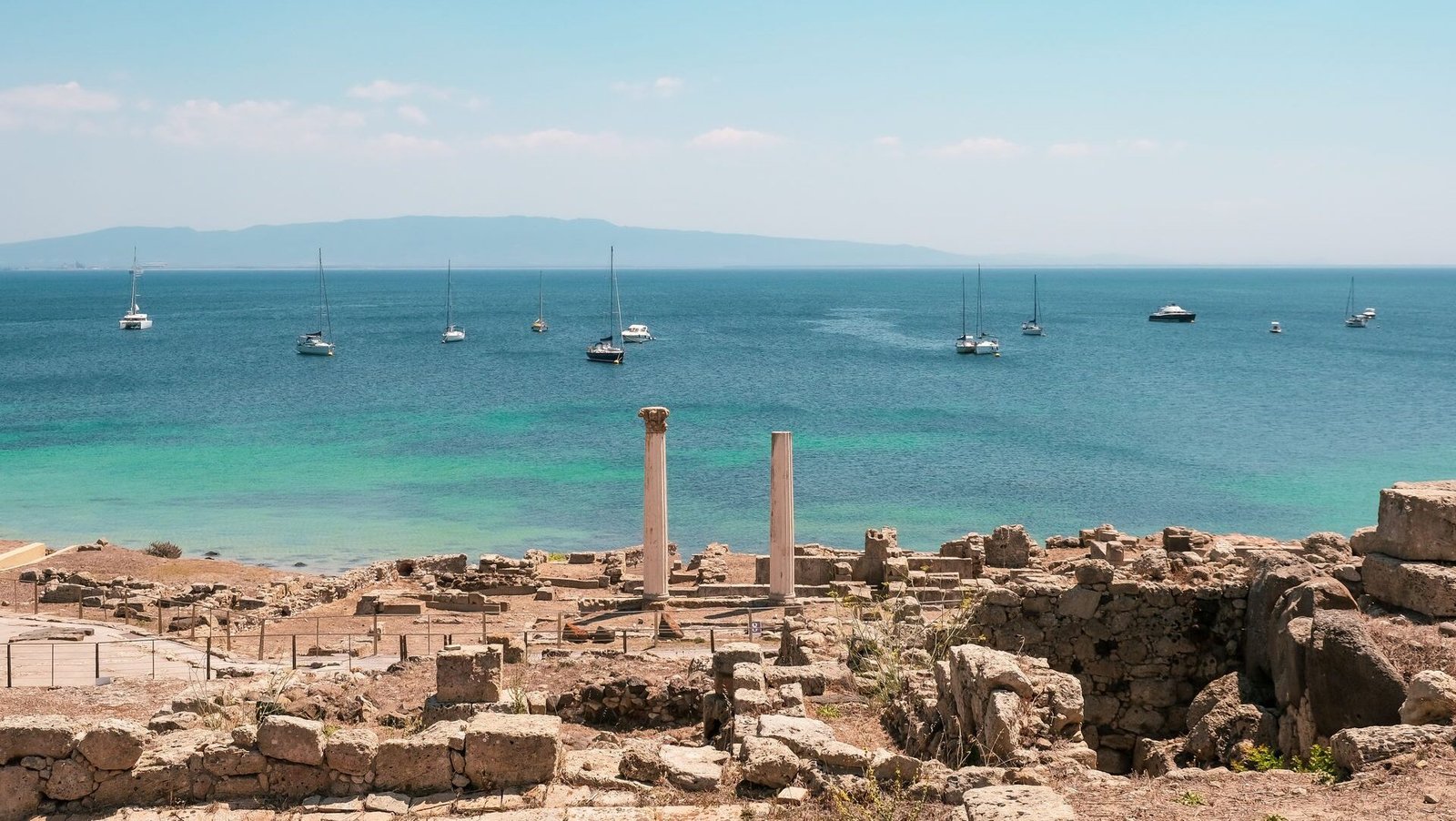
The site jetty beside Delos’s ancient Sacred Harbour
Mykonos Old Port, departure point for the scheduled excursion ferries
Walk the Terrace of the Lions, Naxos’s gift to Apollo
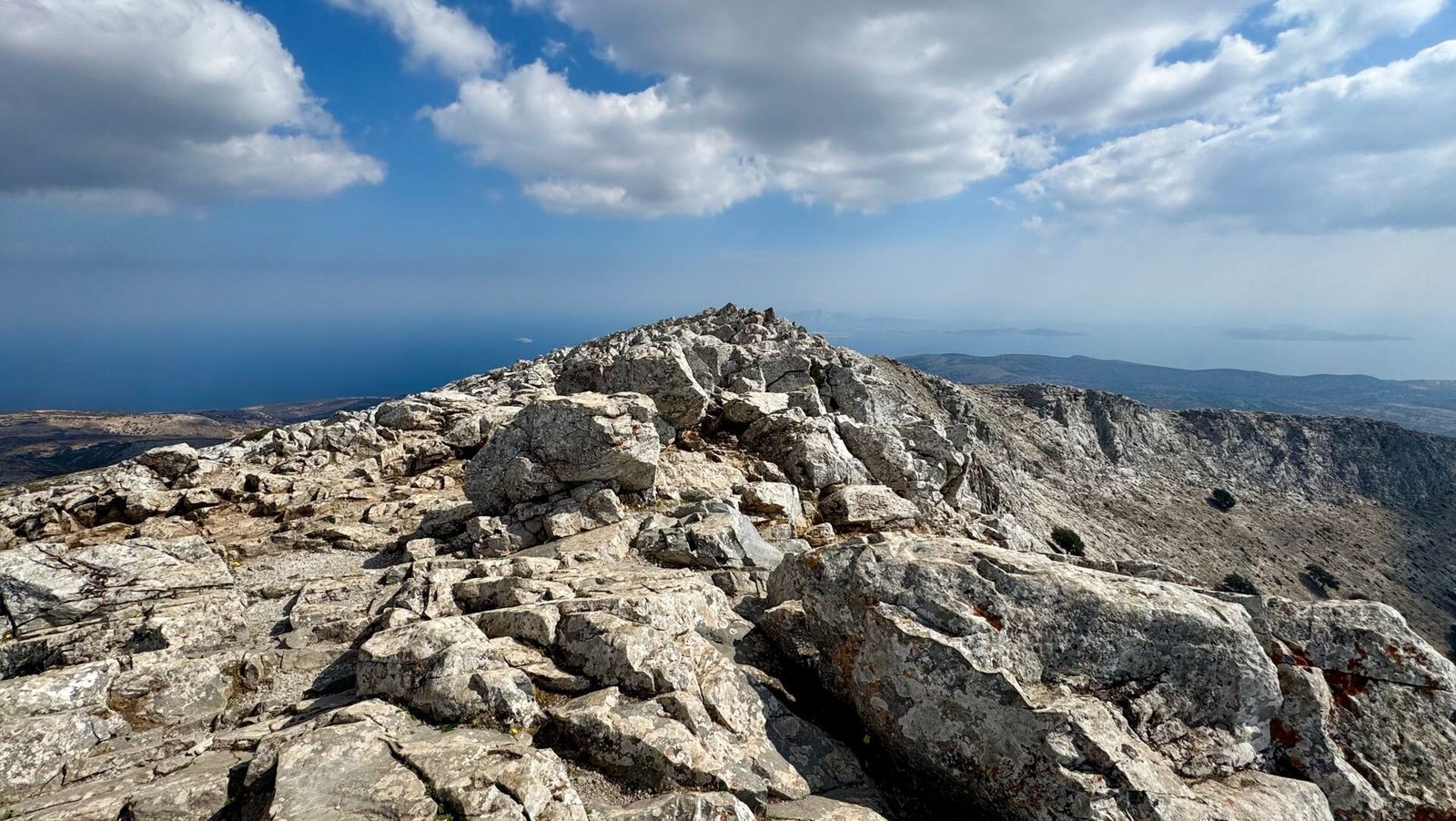
Climb Mount Kynthos for a view across the Sacred Lake basin
Explore the House of Dionysus and its mosaic floors
Search the Rhenia shoreline for traces of Delos’s ancient necropolis
Visit the Delos Archaeological Museum beside the site entrance
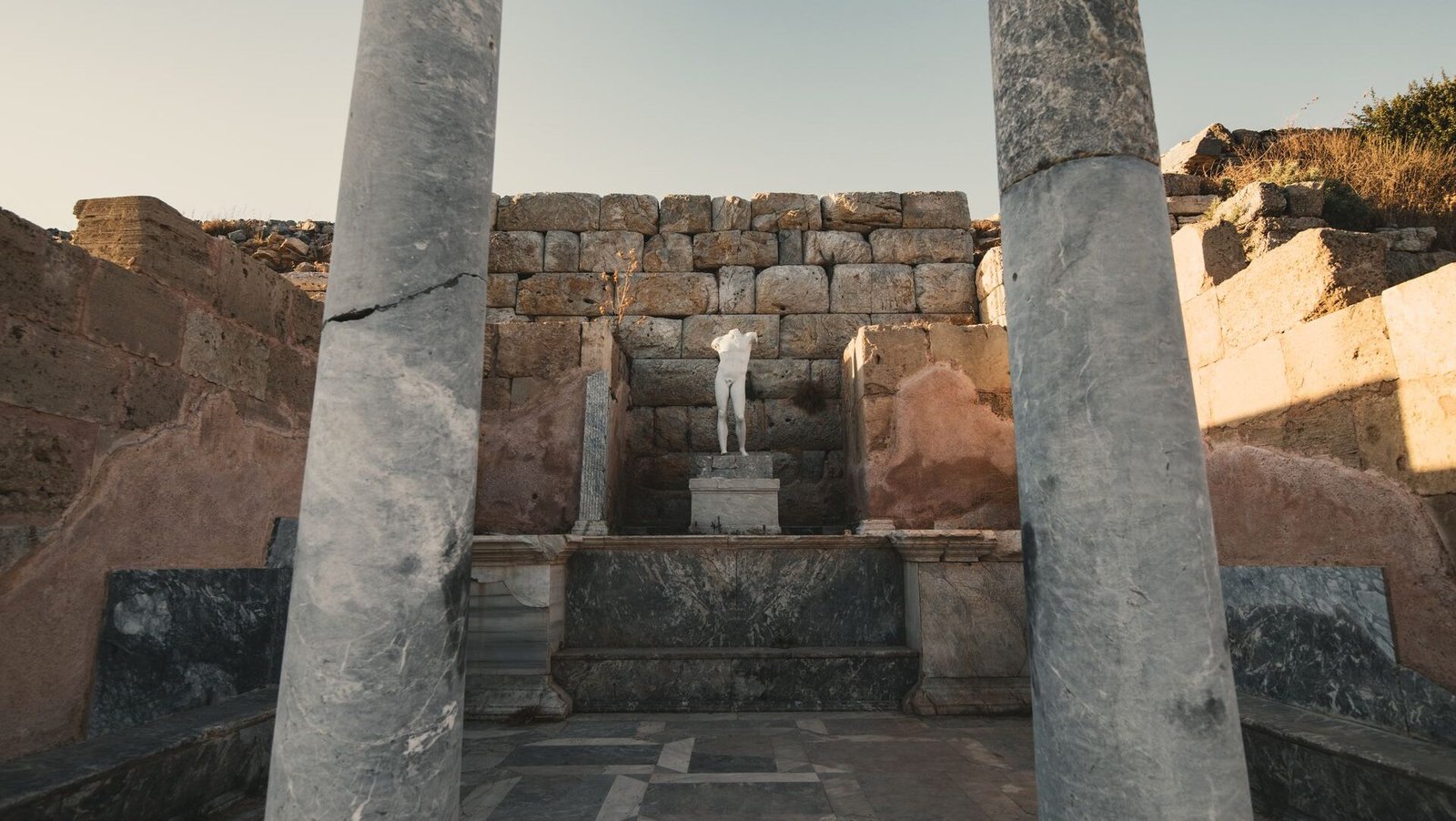
The Sanctuary of Apollo, Delos’s sacred precinct
The Terrace of the Lions
The Theatre Quarter’s merchant houses
Mount Kynthos summit sanctuary
The dry bed of the Sacred Lake
April through October covers the site’s normal opening season, with May, June and September offering the most comfortable temperatures for walking the largely shadeless ruins. Midsummer visits are best timed for early morning, both to beat the heat and the crowds arriving on scheduled excursion boats from Mykonos later in the day.
Mykonos (JMK) is the nearest airport, since Delos itself has no airstrip and can only be reached by boat. Most charters based in Mykonos treat Delos as a half or full day excursion, anchoring nearby rather than staying overnight on or near the sacred island, before returning to Mykonos or a neighbouring anchorage for the night.
Since no overnight stay is permitted on Delos itself, yachts typically anchor off neighbouring Rhenia, in bays such as Ambelia or Stena, and tender across to the site jetty for the day. Rhenia’s deeply indented coast offers shelter from the swell whichever way the wind is blowing, making it a reliably comfortable overnight base.
Half a day is usually enough to walk the main sanctuary, the Terrace of the Lions and the Theatre Quarter with a guide, though keen history buffs can easily fill a full day. Most charters pair the visit with lunch or an afternoon swim off Rhenia once the site closes for the day.
Yes. From 426 BC, Athens decreed the island so sacred that pregnant women and the dying had to be evacuated to nearby Rhenia, and every existing grave was exhumed and moved there too. Some of those ancient grave markers can still be seen along Rhenia’s southern shoreline today, a rare physical trace of the decree.

Tell us what you would like to know, and our team will respond with clear details on availability, specification, pricing and next steps.