Greece / Paros
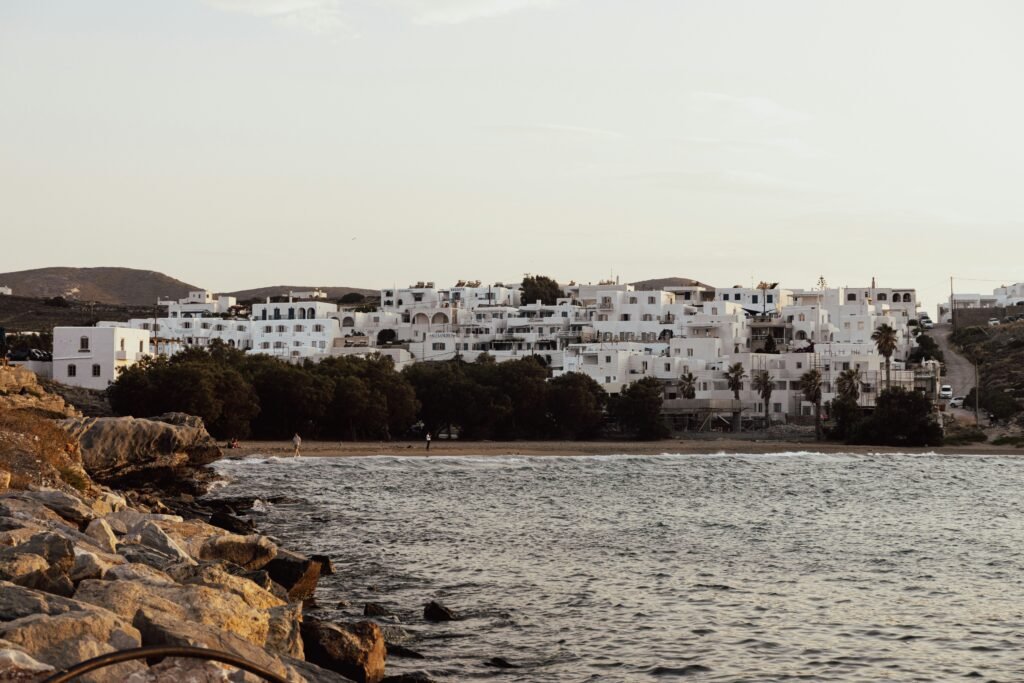
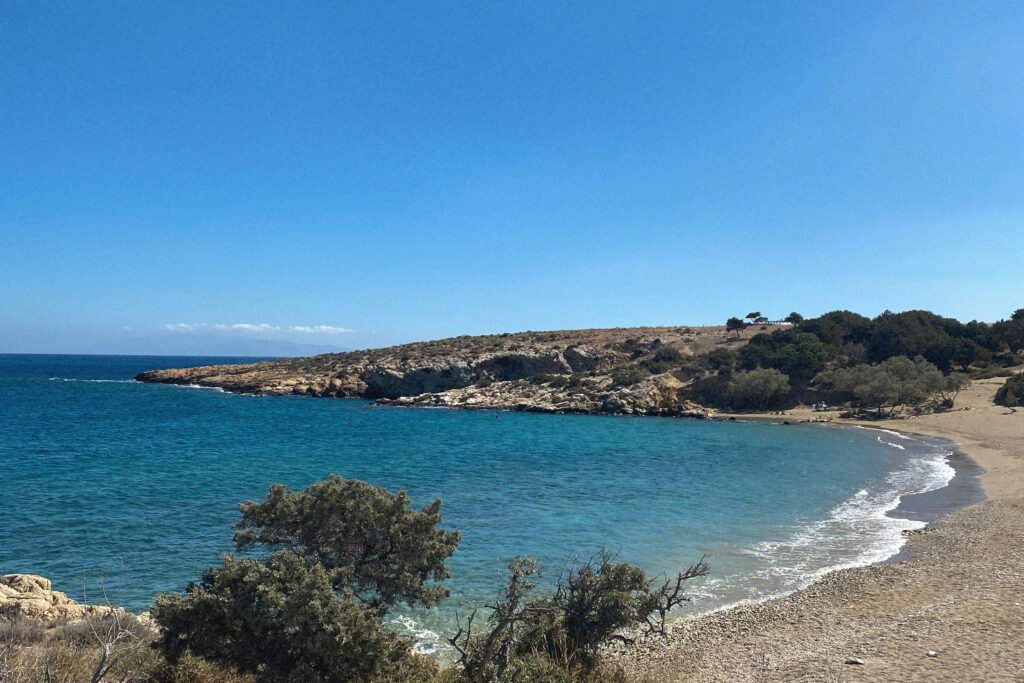
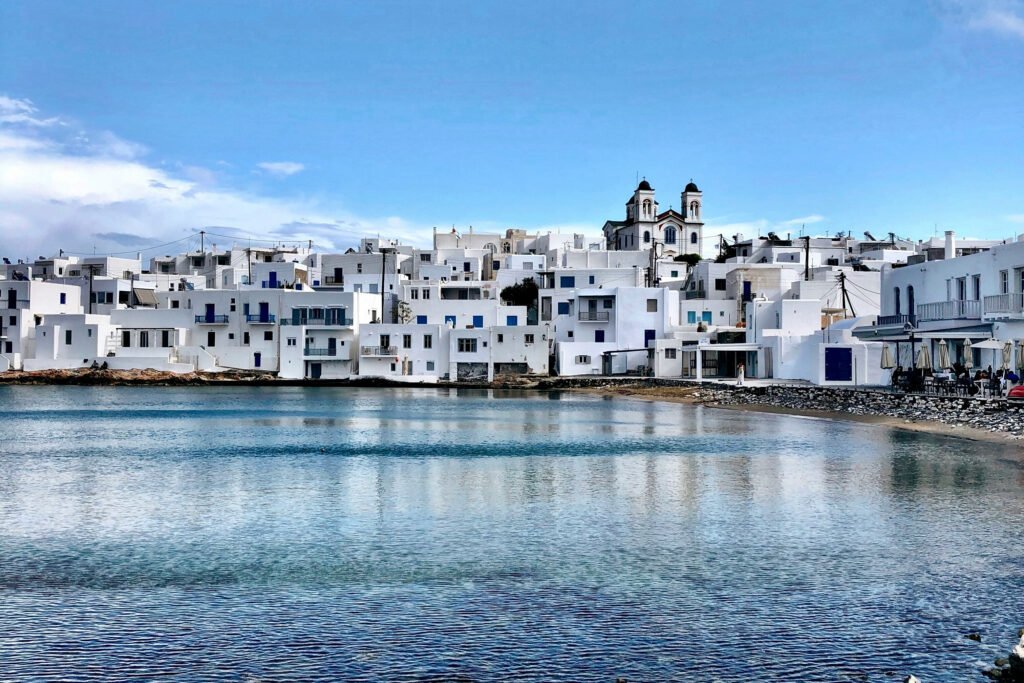
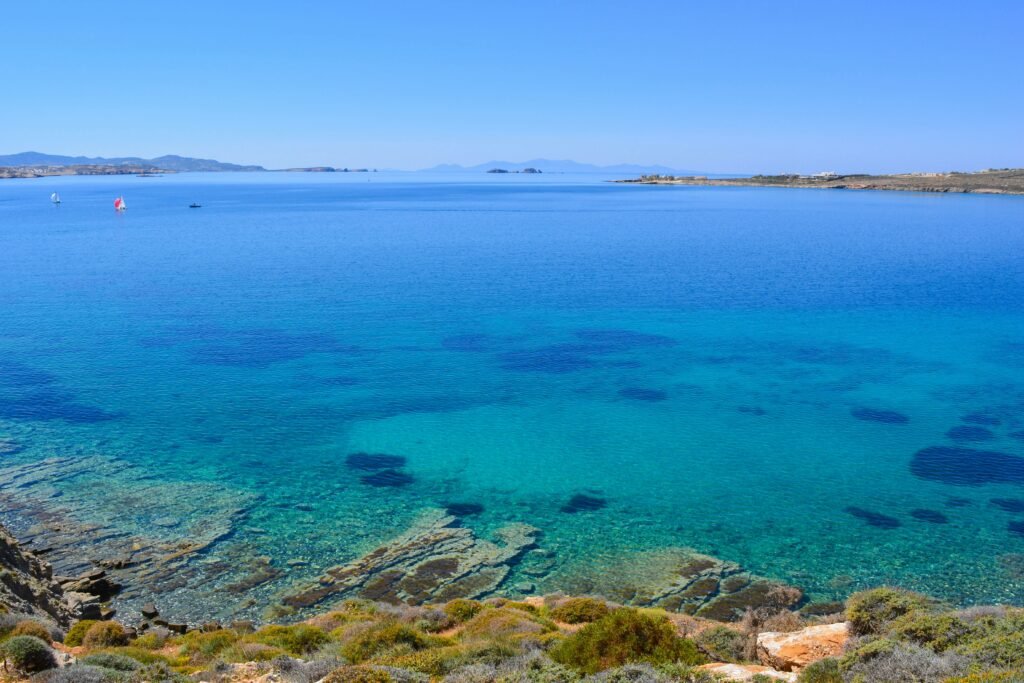
Naoussa Bay
Parikia Bay
Kolymbithres
Santa Maria Bay
New Golden Beach (Chrysi Akti)
Windsurf or kitesurf at New Golden Beach
Sail across to Antiparos
Walk the Byzantine trail to Lefkes
Explore the ancient quarries at Marathi
Snorkel the granite coves of Kolymbithres
Panagia Ekatontapiliani
Naoussa’s Venetian sea castle
Lefkes village
Antiparos Town
Piso Livadi
May through September covers the main charter season, with the meltemi, the Aegean’s dominant summer wind, typically strongest through July and August and a genuine draw for the windsurfers and kitesurfers who head for New Golden Beach. Guests prioritising calmer sailing conditions tend to prefer June or September, when the wind eases but the water is still warm enough for swimming and the island’s beaches are noticeably quieter.
Paros National Airport, on the island’s south coast near Alyki, sits about ten kilometres from Parikia and handles seasonal flights, mainly connecting through Athens. Its relatively short runway limits it to smaller aircraft, so many guests instead fly into Athens or Mykonos and either take a high-speed ferry, roughly four hours from Piraeus, or arrange a private transfer to meet the yacht directly.
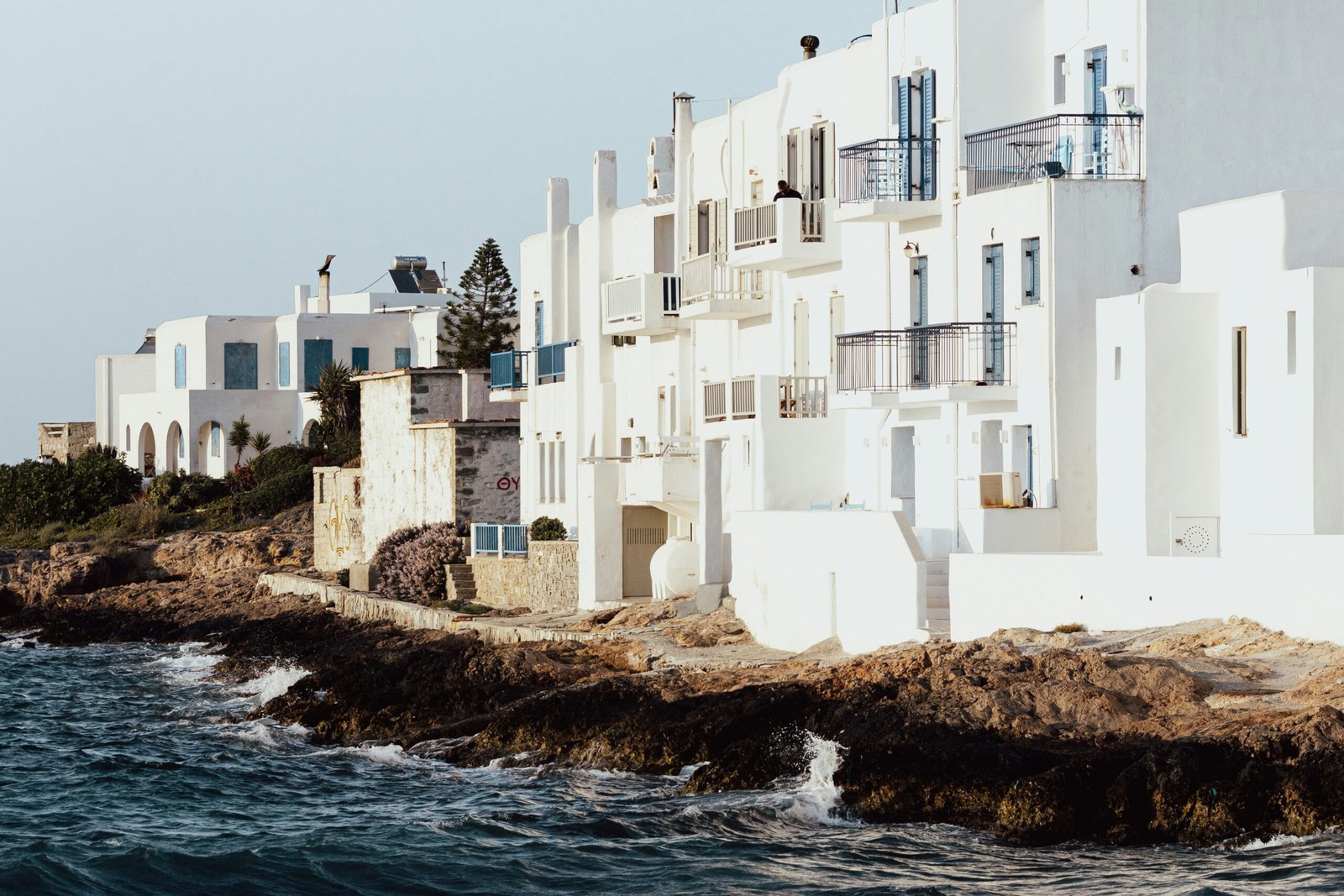
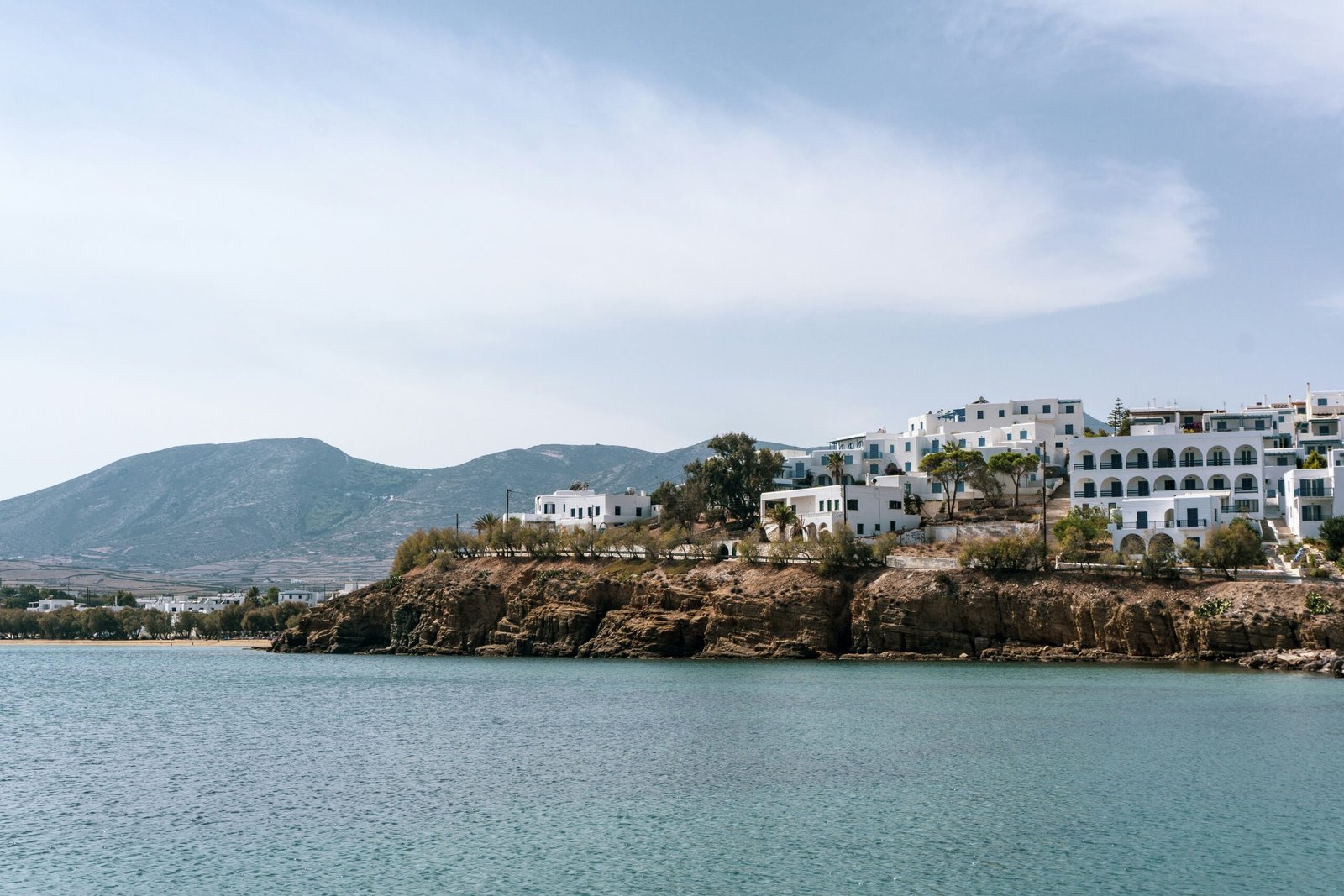
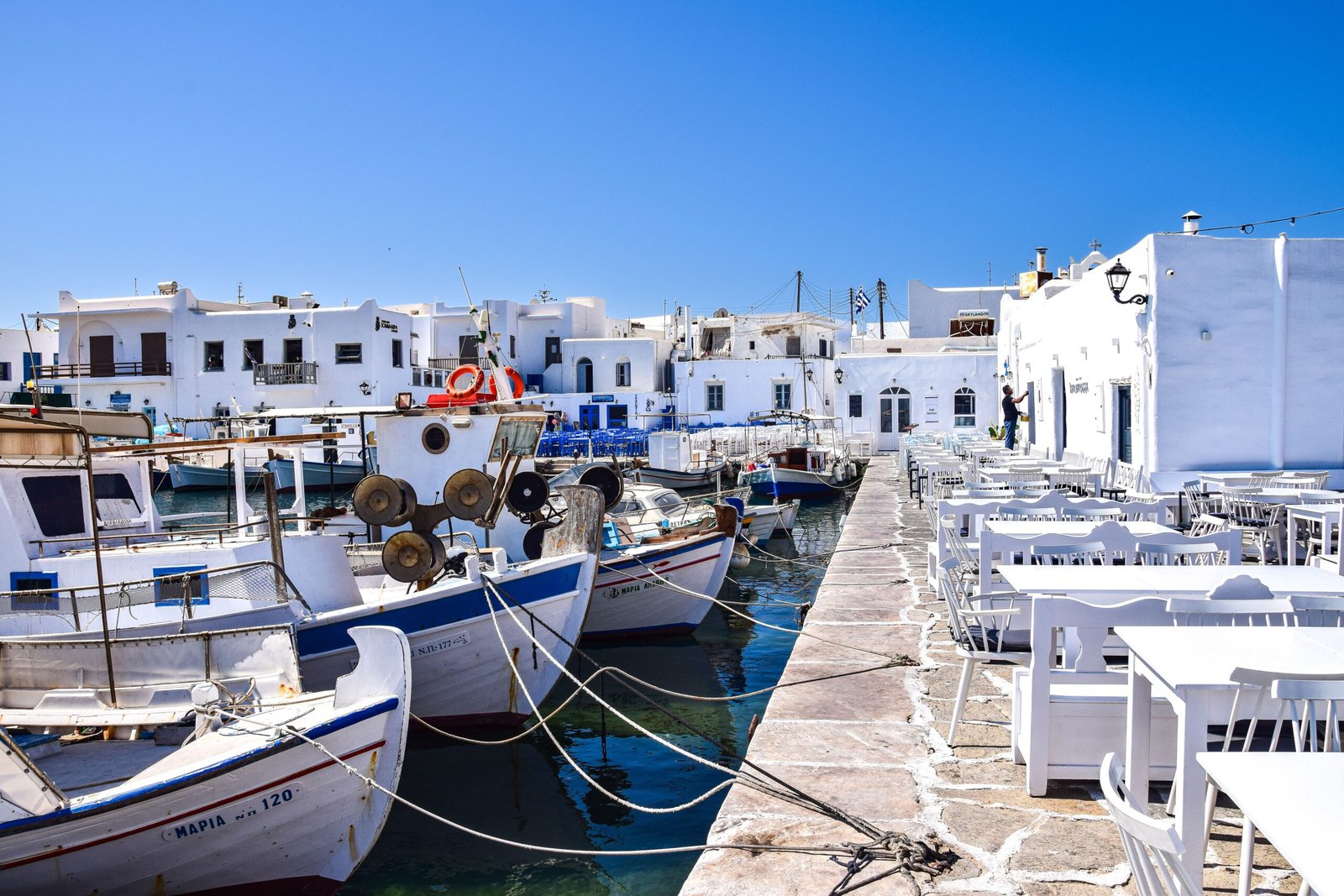
Naoussa Bay on the north coast is the most sheltered option and puts you within walking distance of the town’s harbour restaurants. Kolymbithres, just around the headland, offers a series of small coves shaped by granite boulders, good for swimming off the boat. Parikia Bay works well for provisioning and exploring the Kastro old quarter, though it sees more ferry traffic than the quieter northern anchorages.
Three to four days lets you cover Naoussa, Parikia, and the island’s best beaches without rushing. Paros’s central position in the Cyclades makes it a natural base for a longer loop, easily combined with Antiparos as a half-day addition, or with Naxos and Mykonos for a week-long itinerary that takes in a wider range of island character.
Marble. Parian marble was prized in antiquity for its fine, almost translucent grain, and sculptors used it for some of the ancient world’s most celebrated works, including the Venus de Milo. The Marathi quarries, worked from at least the 6th century BC, can still be visited today, complete with an unfinished relief left in the rock by ancient quarrymen who never came back to finish extracting it.